The Rich History of Peking Duck: A Culinary Journey

According to a Chinese saying, no visit to Beijing is complete if you miss climbing the Great Wall or dining on Peking Duck.

Long history

Eating roast duck in China dates back as far as the Northern and Southern Dynasties (420 – 589). Up until the Southern Song Dynasty (1127 – 1279), ducks were roasted in the area around Jinling, today’s Nanjing. According to the book of The Eastern Capital: A Dream of Splendors Past, written by Meng Yuanlao (1090-1150). The book gives a lively and detailed description of life in the Northern Song capital of Bianliang, based on the author’s reminiscences of his youthful years there.

Ducks eggs are consumed more in China than in European cuisine. They are particularly popular are raw material for preserved eggs.

The following Yuan Dynasty (1271 – 1368; yes, there is an overlap with the Song, as the Mongol rulers of the Yuan Dynasty conquered China gradually) rulers moved their capital city to Beijing. According to the Standard History of the Yuan, Roasted Duck only spread to Beijing after Bayan of the Baarin the general of the Yuan Dynasty conquered Lin’an, the then capital city of the Southern Song Dynasty. When a Dynasty overthrows another dynasty the capital also changes, the general relocated all the skilled workers from Lin’an, to the new northern capital, Beijing and the skilled duck chef was among them.

The ducks were originally roasted in a conventional convection oven until Qing Dynasty (1644 – 1911), when a new type of cooking method and special oven were invented. According to the new method, the ducks were suspended over the flame in an open oven. In that way, the interior and the skin of the ducks were cooked simultaneously, producing that well known end-product with its tender meat and crispy (brushed with a layer of sugar) skin. Preparing a Peking roast duck takes at least four steps: preparing the duck, pumping air beneath the skin, drying and roasting.

The restaurant best known for applying this method was Quanjude, founded in 1864 by Yang Quanren. Today, Quanjude has almost become a synonym of Beijing Roast Duck to many Chinese. It is a state owned enterprise listed on the Shenzhen Stock Exchange. Quanjude’s Hepingmen branch not only offers gourmets a chance to dig into the traditional food but also the whole roast-duck culture, thanks to a 1000 square meter museum on the seventh floor.
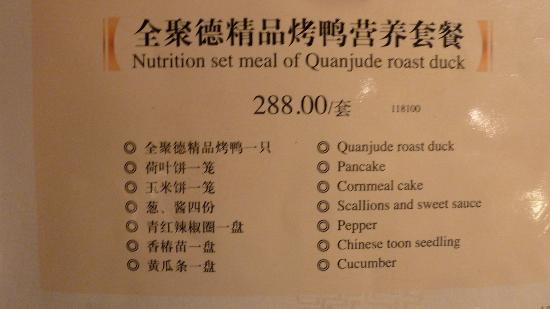
quanjude

From 1949, Zhou Enlai, the first premier of the People’s Republic of China would often treat foreign guests with Peking Duck. It became part of China’s foreign diplomacy, along with table-tennis.

More local cuisinese are known for their duck dishes, in particular that of Nanjing, where people prefer to eat pieces of duck, rather than the whole thing. However, Peking Duck is still the national leader.

The Chinese duck raising industry exceeded RMB 100 billion for the first time in 2018.

The British connection

Present day ‘Peking’ ducks actually have an English background. Cherry Valley, based in the northern English county of Lincolnshire, started importing interbred Peking ducks to China in the 1980s. Some insiders estimate that by 2016, at least 75% of all ducks sold in China were Cherry Valley breeds. Others give a lower estimate of about 60%. Beijing-based cooks prefer the local ducks, which have a higher fat percentage in weight.

New presentations

Quanjude had updated its menu earlier in July 2015 to showcase its long-standing culinary heritage. The latest menu features “peony duck”, which is a roast duck presented like a peony flower in full blossom — the delicately sliced breast meat is layered to give the impression of petals, while boiled towel gourd parts make up the green stalk and leaves. The dish was first served at a State banquet during the Asia-Pacific Economic Cooperation summit November 2014 in Beijing, where leaders of more than 20 member economies were present. The Quanjude-made dish has since been served to customers at all branches of the restaurant in Beijing, according to Sun Zhongmin, director for the group’s innovation center. The restaurant has also launched an individual summer special menu of 11 new dishes consisting of both cold and hot items, soups, dumplings and desserts.

PeonyDuck

Another restaurant experimenting with modernised version of the traditional Peking Duck is the Shang Palace Restaurant in Beijing. However, the novelty is mainly expressed in the presentation of the various ingredients (pancakes, condiments, etc.) as shown by the picture.


Patent

A recent innovation was introduced by Sun Lixin of the Bianyifang Duck Restaurant (founded in 1416) in 2003. Sun added a step before roasting – soaking the 3-kg duck in pure juice extracted from onions, carrots, celery, bay leaves, rosemary, tarragon, celery seeds, and aniseed, adding mushroom powder and mirin. A patent was granted for this process (patent nr.: CN1543863). The vegetable juice, being alkaline, eliminates the pungency of the duck but also reduces the duck fat beneath the skin.

A complete meal

Peking Duck is eaten with shredded spring onions and cucumber dipped in a sweet fermented sauce (jiang), and wrapped in thing wheat pancakes. The liver, stomach and heart are usually prepared separately and served as side dishes. The meal ends with duck soup made from the carcass and whatever else is still left of the duck.

PekingDuck

Peking Duck is by no means light food. Even though the new roasting method removes a major part of the fat, the total Peking Duck experience it is still high in protein and carbohydrates. It is so tasty, that you keep eating, and by the time the signal from your stomach telling you that it has more than enough reaches your brain, it is too late.

Peking Duck is therefore not a dish that is eaten frequently. It is nice to reserve it for a special occasion like a holiday or a birthday, enjoying it with the entire family or a group of friends.

Innovation

The typical route to innovate Peking Duck and adapt it to the life of the modern urban Chinese is to chop the bird in small one-bite pieces. It so happens that Chinese love to nibble on bones, or chew on tougher bits of meat, much different from the Western preference for tender meat.

A number of companies have therefore developed duck wings, duck tongues, duck necks, duck hearts or duck gizzards as one-bite snacks. They are usually individually wrapped, with around 20 snacks in a larger pack.

DuckHeart

These products are much easier to take pack in your hand luggage on a trip, or eat while watching TV or reading a book. Sharing a few duck wings is also less of a burden to the body than eating an entire duck.

Juewei duck necks – the ultimate taste

One manufacturer of duck products has gained national fame with its duck necks that are not only sold as packed foods in supermarkets, but also fresh and hot from its 5000 special outlets.The company was established in 2006 as Jueweixuan Business Management Corporation in Changsha (Hunan). A consortium including Kunwu Jiuding Capital Co., Ltd. and Fosun Group has invested RMB 260 million in Juewei in 2011. Juewei generated a turnover of RMB 4.386 billion in 2018; up 13.46%.

The company’s brand name Juewei literally means ‘ultimate taste’. This may strike us as rather presumptuous, but the popularity of the products (as well as the large number of copy cats) seems to indicate that the company has lived up to the promise contained in its name. Juewei Duck Necks are as well known in China as KFC’s hot wings. It is an interesting fight between the Chinese duck and the American chicken, and in view of the recent quality problems that have affected KFC in China, the duck seems to be on the winning hand. However, the battle is still going one.

By the way; the standard recipe for duck necks includes . . . chicken bones, great and cheap flavour enhancers.
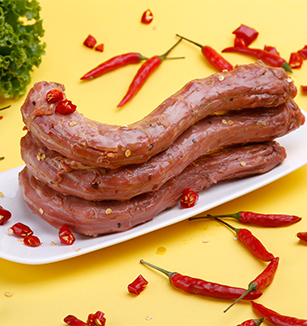
JueweiNeck

Zhouheiya – a model in brand building

Zhouheiya (Hubei) is another Chinese fast food chain known for their signature spicy duck necks. It gained its name from its founder, self made billionaire Zhou Fuyu. Zhouheiya has 400 stores in communities, airports, train stations and other major locations across China. An alliance between a food chain famous for duck necks and a robot might not seem like the most likely combination. But Zhouheiya made it possible by advertising in the film Transformers 4, benefiting immensely from the cooperation. Zhouheiya has ambitious plans to enlarge its production in America and Europe.

Zhouheiya got listed on the Hong Kong Stock Exchange in 2016. Credit Suisse Group AG and Morgan Stanley are sponsors, or banks responsible for the IPO.
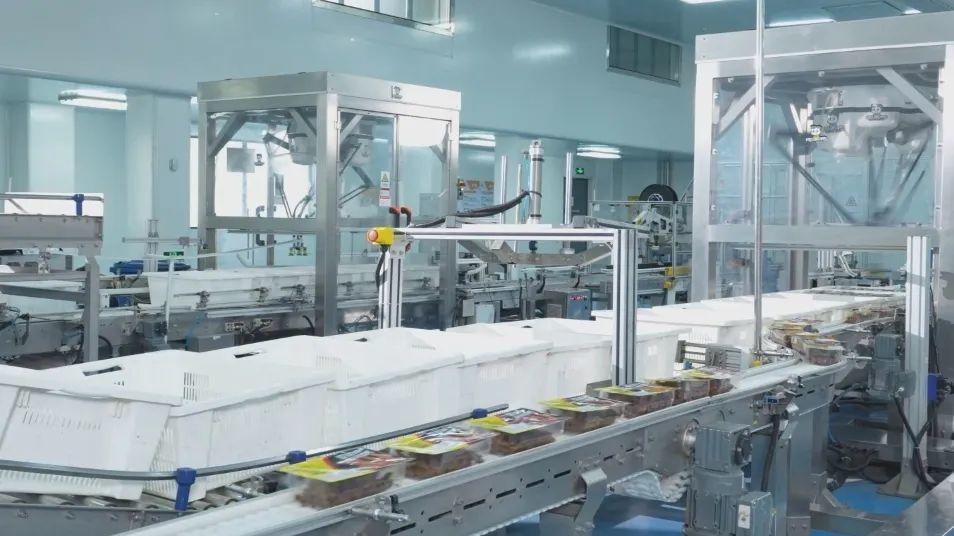
Zhouheiya’s factory

Zhouheiya generated a turnover of RMB 3.249 bln in 2017; up 15.4%. The company has mainly lifted by surging online sales and increased number of retail stores across the country. The group has established a strong presence in 11 major domestic online market places, including one newly operated storefront on Jumei.com, in the first half of 2017. “By leveraging its own social media channels, the company enhanced customer loyalty by active interaction with the customers.” The company has been reshaping its brand into a trendy snack in an attempt to lure young customers, especially millennials, into buying what used to be seen as an old fashioned snack food. Zhouheiya made headlines in 2014 when its logo briefly appeared on screen in the Hollywood blockbuster Transformers: Age of Extinction, creating valuable media buzz for the brand.
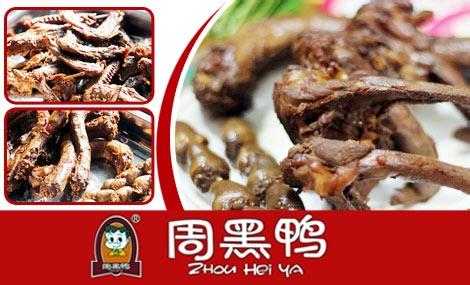
Zhouheiya

Zhouheiya expanded its business to agrifood research by taking a 16.67% stake in Hubei Mingchuang Agritechnology Development Co. early 2022.

Another competitor from Hubei is Jingwu (Kingwuu). Jingwu has derived its name from the well-known Jingwu Road in Wuhan. The company is a supplier of cooked and marinated duck and goose meat products. Jingwu aims to develop a series of products with special characteristics including preserved Jingwu duck necks, and duck feet with a unique taste.

One of the earlier players in the lucrative duck neck market is Huangshanghuang from Jiangxi province. This company was founded in 1993 as a collective enterprise in Nanchang, the capital of Jiangxi and gradually developed into the Huangshanghuang Food Group. It was listed on the Shenzhen Stock Exchange in 2012. Although it is a predecessor of Zhouheiya and Juewei, Huangshanghuang’s turnover of 2017 was RMB 1.478 bln, so considerably less than the two leaders. However, as Huangshanghuang has a much broader product range, we should be careful in comparing it with the two duck specialists.

Duck necks have become such a fad these days, that a duck neck eating competition was organised in Wuhan in July 2015. According to the rules, participants were asked to finish a 350 gr box of duck necks and leave no more than 150 gr of bones in as short a time as possible. However, the success of the two Wuhan-based companies Juewei and Zhouheiya is so huge, that one competitor, Shanghai-based Jiujiuya, has adopted a strategy to attack them in their own home region. Jiujiuya is advertising its products as ‘Wuhan-style duck necks’, ‘Wuhan-style duck wings’, etc. The company also appointed a former CEO of a major mineral water brand from Guangzhou as its regional manager for Central China, indicating that it is focusing its marketing efforts on the heartland of duck necks. The following picture shows a typical Jiujiuya outlet.

In 2020, Jiujiuya changed its positioning strategy to the then current trend of imitating Chinese advertising of the 1920s and 30s.

Goose chasing the duck

Zhouheiya entered 2018 with a new strategy to battle its main competitor: the company added a range of goose products to its portofolio. So far, there has been no reaction to this move from Juewei.
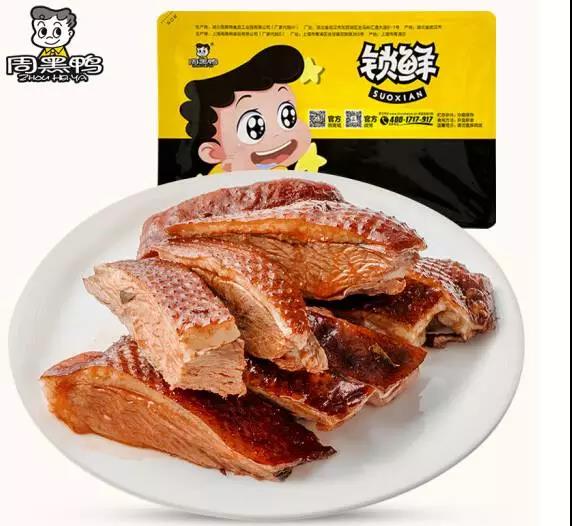
From duck necks to ducklings

The Chinese affection for nibbling on duck necks has stimulated the creation of several innovative dishes. Here is lovely one that I found on a Chinese recipe site. The name of the dish is ‘miniature babao calabash ducks’. The term babao ‘eight treasures’ has been introduced in an earlier post on babao porridge. As the picture shows, the ‘ducklings’ in this dish indeed look like miniature calabashes. They are in fact sections of duck necks, stuffed with glutinous rice. On the plate they strike you as small calabashes. Apparently, the Chinese cook does not want to run the risk that discriminating customers will criticise that they ‘don’t look like ducklings at all’. So he has carved a ducks out of vegetables; to make the dish more ‘ducky’. This is one of those Chinese paradoxes: the veggie ducks look more like ducks that the duck neck ducklings do.

CalabashDuck

Bloody profits

Even duck blood can be transformed into earnings. Huaying Cherry Valley (Xinyang, Henan) is investing in improving duck blood processing. The company has a special subsidiary to develop a range of products from duck blood, including blood powder and blood beancurd. The company processed more than 10 000 t of duck blood in 2014.
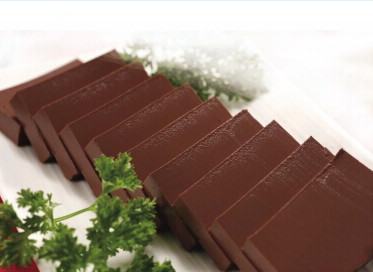
DuckBlood

Hearty snack

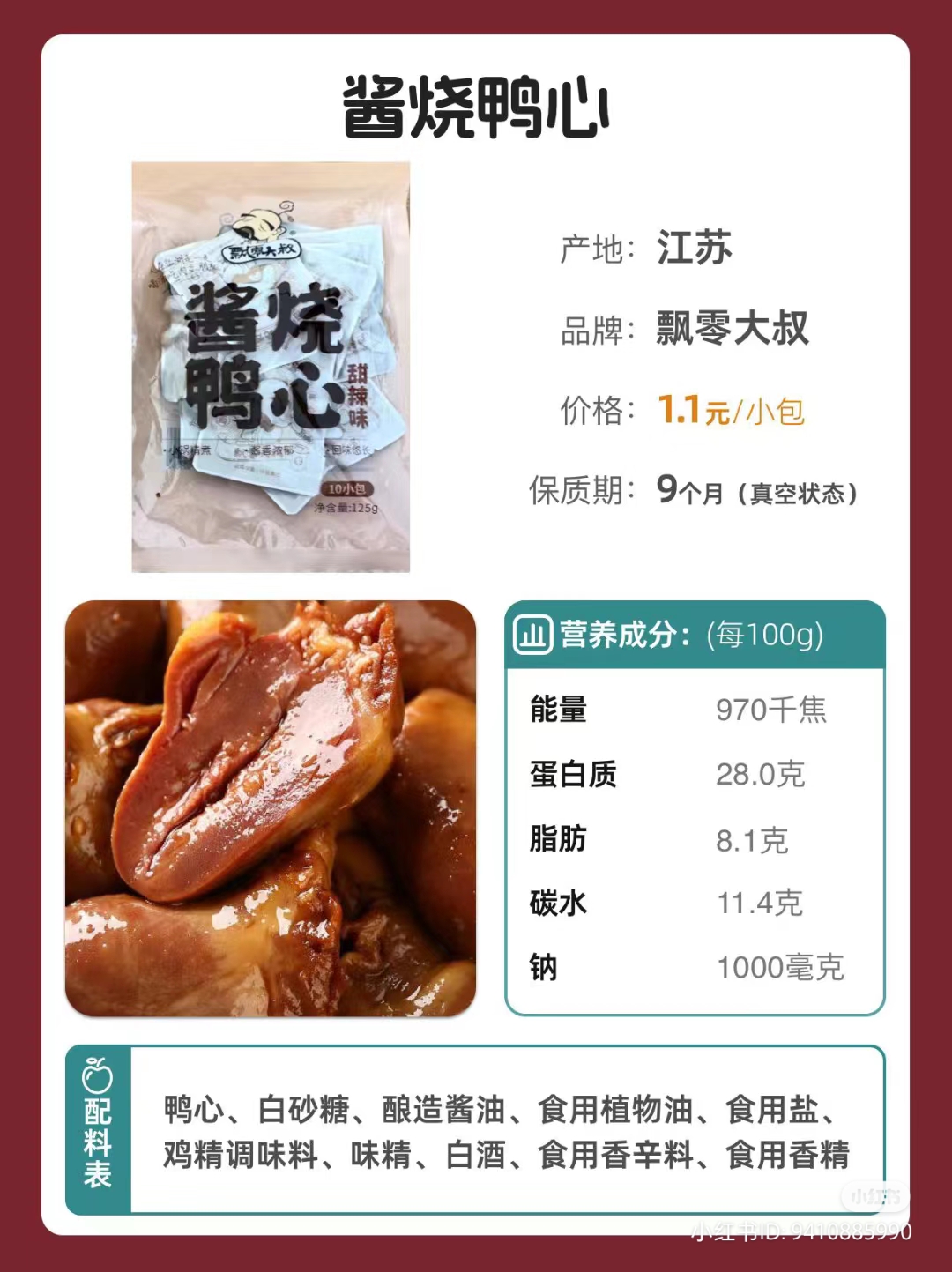
Piaoling Dashu has developed duck hearts into snack food. This food ranks under the traditional Chinese category luwei, meat cooked with a mix of spices in which star aniseed is the most prominent. Ingredients:

Duck hearts, sugar, soy sauce, vegetable oil, salt, chicken essence, MSG, spices, food flavours

Duck burger

Dong Zhenxiang, Beijing’s legendary Peking Duck maestro, once joked that would serve up his specialty on a hamburger bun with a side of fries. Da Dong’s birds are so enshrined for special occasions that a downmarket sandwich, paper-wrapped for easy takeaway, seemed just plain odd. But no-he really pulled it off and we must admit that Dong is really on to something. His succulent signature duck comes with a tart bit of pickle in the salad layer that makes the plum sauce sing on the fresh bun.

DuckBurger

Dadong – Duck with a Western touch

A newcomer in the world of Peking Duck is Dadong. The name of this restaurant chain is derived from the surname of the chef/owner Dong Zhenxiang. He uses customised Justa ovens whose design is top-secret. They have indentations on the walls that bring the oven up to the right temperature. Dadong’s specialty is subuni (literally: ‘crispy, not greasy’) roast duck. However, the customers of Dadong are not only paying to enjoy the food, they also will experience Dadong’s yijing (‘artistic conception’) cuisine.
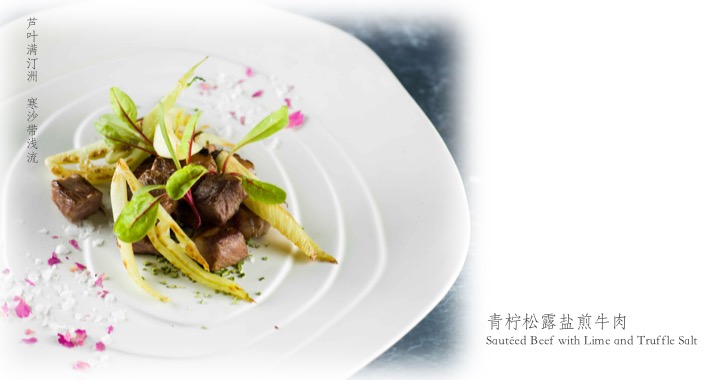
Yijing cuisine features an exquisite Chinese cultural interpretation to culinary creations – each dish is incorporated with the elements of artworks such as Chinese poetry, literature, painting and bonsai grooming. It makes many of Dadong’s dishes resemble those of European Michelin-starred dishes. The first US subsidiary of Dadong has opened its doors in New York on Dec. 11, 2017. Dadong has had a tough time impressing the New York critics. According to Mr. Dong in an interview of January 2019, the subsidiary in New York is more of an artisan bistro, a new concept, but it is hardly making any profit.

Dadong expanded its overseas presence further by teaming up with Dubai-based JA Resorts and Hotels in 2018, as the latter is eager to attract more Chinese tourists. The group’s Manafaru resort hosted over 5000 holiday goers from China in the past year, accounting for about 50% of total guests.

Duck as ingredient

Staying true to the core notion of this blog, ingredients, I need to point out how duck can also be even further processed to a food ingredient: duck powder. According to a major producer, Weixiangyuan (Guangdong), duck powder can be used to flavour a wide range of foods like soup, leisure food, snack food, biscuits, etc.

Peter Peverelli is active in and with China since 1975 and regularly travels to the remotest corners of that vast nation. He is a co-author of a major book introducing the cultural drivers behind China’s economic success.
Low vs. Room-Temperature Yogurt: Market Dynamics in China

Yoghurt is the most widely acceptable dairy product among Chinese consumers. The size of China’s yogurt market is expected to exceed RMB 210 billion in 2023.

Yoghurt has always been one of the more popular dairy products in China. The value of the Chinese yoghurt market for 2020 is estimated at exceeding USD 37 mln, with a per capita consumption at 6.8 kg. An important reason is that it is easier to digest by people with lactose intolerance. Yoghurt is also less ‘creamy’ in taste that liquid milk, and lacks the alien smell of most Western cheeses. It is therefore no surprise that so many new yoghurt products are launched in China.

The Chinese yoghurt market is dominated by the two Inner Mongolian giants Yili and Mengniu and their Beijing cousin Sanyuan and Shanghai-based Bright as the Benjamin. The following table shows the yoghurt market shares of the major companies in January 2018.

Company Share (%)
Mengniu 28
Yili 27
Sanyuan 21
Bright 15
Tianrun 3
Junlebao 3
Yiguo Fresh 1
Weiquan 1
Others 1

Low- and room-temperature yogurts: different growth prospects

Within the Chinese yogurt market, there are two distinct varieties to consider, according to their storage temperatures. Low-temperature yogurt, favoured for its superior taste and nutrition, comes with a shorter shelf life and demands specialized logistics, including cold chain technology for transportation to the retail destination. Room-temperature yogurt largely dominates the market, boasting nearly double the transaction volume of its low-temperature counterpart in 2021. Nevertheless, while the former experienced a growth rate of 6.1% from 2016 to 2021, this growth is anticipated to slow down to 3.6% between 2021 and 2026. Conversely, low-temperature yogurt has exhibited a remarkable growth rate of 14.3% and is projected to maintain a steady growth of 11.4% in the forecasted period from 2021 to 2026, thus narrowing the gap between the two varieties.

Old yoghurt newly formulated

However, even though a large variety of yoghurts is available in the local supermarkets, Chinese consumers have started to grow bored with the relatively sweet and rather liquid products.

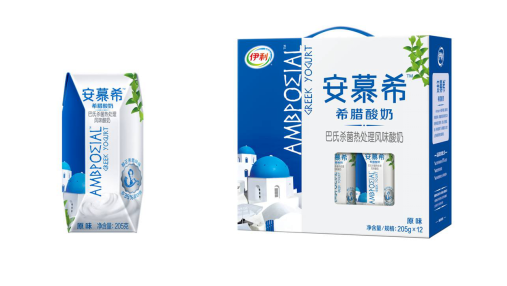
To counter the demand for a new type of yoghurt, a number of Chinese dairy companies started launching more viscous products a year and a half ago, resembling products like Greek yoghurt or quark. In fact, Yili (Inner Mongolia) has launched a Greek yoghurt early 2016 (see photo). They are market as ‘old yoghurt’, trying to create a ‘traditional’ image; yoghurt as it originally used to be.

YIliGreek

Huishan Dairy (Liaoning) has launched a type of Russian yoghurt early 2017, branded Wolingka.

After so many food safety incidents, an investigative journalist of the Beijing Evening News purchased old and regular yoghurt of three leading brands, to compare the ingredients used in each product, as listed on the packaging. He has furthermore interviewed a number of experts in this field.

The results allow us to have a look into the kitchen of the present day top producers in this industry in China, and one with a rare degree of detailedness. We will start with offering a translation of the information of the 8 products (4 brands of Old Yoghurt and 4 types of normal yoghurt of the same brands). For each product, the following information will be provided: brand and product name, ingredients, and price. I will then summarise the judgments of the journalist and the experts and end with some comments from my side.

Junlebao

Traditional Old yoghurt Raw milk, sugar, whey protein powder, streptococcus thermophilus, lactobacillus bulgaricus additives (HPDSP, gelatin, pectin, monoglyceride, aspartame, acesulfame-k) RMB 2.48/139 gr = RMB 0.018/gr
Yoghurt Raw milk, streptococcus thermophilus, lactobacillus bulgaricus, additives (HPDSP, gelatin, pectin, aspartame, acesulfame-k) RMB 10.50/800 gr = RMB 0.013/gr

Bright

1911 100 years Old Yoghurt Raw milk, sugar, whey protein powder, streptococcus thermophilus, additives (HPDSP, gelatin, pectin, agar, food flavors) RMB 4.90/160 gr = RMB 0.031/gr
Yoghurt (sugar free) Raw milk, whey protein powder, streptococcus thermophilus, additives (HPDSP, gelatin, pectin, agar, food flavors) RMB 8.80/800 gr = RMB 0.011/gr


Mengniu

Inner Mongolian Old Yoghurt Raw milk, sugar, whey protein powder, thin cream, streptococcus thermophilus, lactobacillus bulgaricus, additives (gelatin, agar) RMB 3.80/160 gr = RMB 0.024/gr)
Yoghurt Raw milk, sugar, lactobacillus bulgaricus, streptococcus thermophilus, additives (HPDSP, agar, aspartame, acesulfame-k) RMB 8.00/800 gr = RMB 0.01/gr

Yili

Old yoghurt Fresh milk, sugar, streptococcus thermophilus, lactobacillus bulgaricus, additives (gelatin, diacetyl tartaric acid ester of mono(di)glycerides, HPDSP, pectin, acfesulfame-k, aspartame) RMB 3.95/15o gr = RMB 0.026/gr
Probiotic plain yoghurt Fresh milk, sugar, whey protein powder, streptococcus thermophilus, lactobacillus bulgaricus, bifidus, lactobacillus acidophilus, additives (HPDSP, pectin, gelatin) RMB 10.90/800 gr = RMB 0.014/gr

Sanyuan

Old Beijing plain yoghurt Raw milk, sugar, streptococcus thermophilus, lactobacillus bulgaricus, additives (gelatin, diacetyl tartaric acid ester of mono(di)glycerides, pectin, xanthan) RMB 3.80/180 gr = RMB 0.021/gr
Plain yoghurt Raw milk, sugar, streptococcus thermophilus, lactobacillus bulgaricus, additives (gelatin) RMB 9.50/800 gr = RMB 0.012/gr

The journalist’s findings

Retailers generally like the Old Yoghurt, which they describe as ‘selling itself without any marketing effort’. Most consumers interviewed while buying it state that Old Yoghurt has an ‘original’ taste and ‘reminds one of the past’.

The price difference is significant. It is smallest for Junlebao, but for the other brands, the Old Yoghurt is on the average twice as expensive per gram as the regular variety.

However, these differences in price are not reflected in the lists of ingredients. Actually, these are remarkably similar for the Old and regular varieties. Moreover, the differences between the various brands are also very small. Even more peculiar is that an ingredient that is typical for Old Yoghurt in one brand is typical for the regular variety for competitive brand.

Apparently the only real difference between these two types of yoghurt is that dosage rates of thickeners, giving Old Yoghurt the thick mouth feel that traditional yoghurt used to have.

The experts’ opinion

The journalist has interviewed a number of dairy scientists on this topic. All agree that Old Yoghurt is a ‘concept’ rather than a real product. Real traditional yoghurt was a solidified milk, produced by fermenting raw milk with certain bacterial cultures in stone jars. There is nothing mysterious about it.

All brands of Old Yoghurt described by the journalist contain gelatin; and so do even some of the regular yoghurts. The thicker mouth feel is thus emulated by means of additives. The current Old Yoghurts are certainly not healthier than the average yoghurts.

My comments

This is a fascinating discussion. Actually, in European regular media we rarely find such detailed reporting on the use of food ingredients to ‘construct’ images of food products. Evidently, the food safety incidents that have taken place in China during the past couple of years have sensitised the awareness of Chinese consumers to an extent that consumer associations in Western countries can only dream of.

The issue revealed here by a Chinese journalist is by no means a typically Chinese phenomenon. One can buy semi-finished muffins and other types of cake in Europe, than can be baked at home to enable consumers to serve hot freshly baked muffins to their guests. TV commercials advertise these products showing people in the street smelling that (grand-)mother is baking cake. We are not aware of protests by consumers or consumer associations about such commercials. What European consumers seem to miss is how it is possible to smell a cake being baked from such a large distance.

Our ‘(grand-)mother’s apple pie’ is also emulated with premixes containing artificial flavours. These are further combined with emulsifiers and other additives, to ensure that even the most inexperienced person can bake such a pie or muffin. These additives are all approved for use in food, but so are the ingredients of Old Yoghurt in China. The Chinese journalist is not exposing excessive use of ingredients or the use of illegal additives. He is simply pointing out that consumers need to be aware of the fact that current Old Yoghurt is not related to the traditional thick yoghurt that Europeans use to eat when they were young. In this respect, Chinese consumers and media seem to be a step ahead of their European counterparts.

A few days after this publication on Old Yoghurt, another article appeared interviewing two more dairy experts. Their judgment was significantly milder. Old Yoghurt was first launched by a relatively small company in Qinghai, a region where people are traditional consumers of dairy products. Once that product became a success, it was imitated by dairy companies all over China. However, these companies lacked the skills to produce a thick type of yoghurt in the traditional way. The move to thickeners is then easily made.

The experts further point out that gelatin, starch and most other thickeners are natural products that are used in a large number of foods, and even in the kitchens of many consumers. Their use as food ingredients has been approved and there even is no maximum dosage rate for this kind of ingredients. The dairy experts do point out that there are better ways of producing a thicker kind of yoghurt, like lowering the water content of the milk. This requires more technical skills than adding thickeners. The current problems of Old Yoghurt in China are therefore directly related to the large number of relatively small companies, lacking skilled staff.

Recent developments

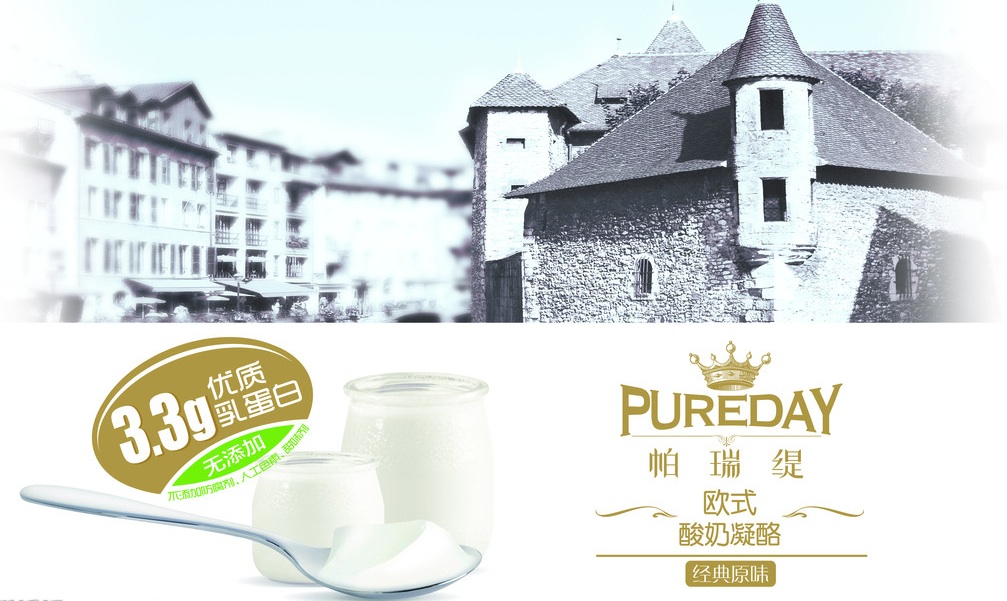
The most recent development is that the more and more producers are replacing the term ‘old yoghurt’ with other fancy names. Yili has launched a ‘Pureday Clotted Yoghurt’ and Junlebao a ‘Laojuezhuang European Sour Cheese’ (laojuezhuan literally means ‘cheese estate’. The names and design of the packaging shows that the basic proposition, that these are traditional European products, is now emphasised even more than before.

PuredayLaojuezhuang

The formulations have not changed dramatically:

Yili’s ‘Pureday Clotted Yoghurt’ Sugar, whey protein, fresh milk, butter oil, egg yolk powder, additives (gelatin, DATEM, HPDSP, pectin), flavours, streptococcus thermophilus, lactobacillus bulgaricus RMB 5.50/138 gr = RMB 0.039/gr
Junlebao’s ‘Laojuezhuang European Sour Cheese’ Sugar, whey protein, fresh milk, condensed milk, additives(gelatin, DATEM, HPDSP, pectin, xanthan), lactic acid culture RMB 4.70/139 gr = RMB 0.034/gr

Organic yoghurt

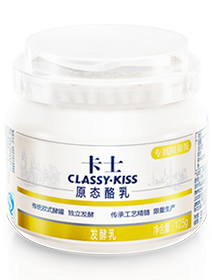
Organic yogurts are proving popular for health-conscious office workers and young parents. Discerning shoppers seem willing to pay that little bit more for the right products as supermarkets start stocking an array of upmarket brands. Classy Kiss, a yogurt rolled out from Green’s Bioengineering (Shenzhen) Co Ltd, posted significant sales growth in third and fourth-tier markets. It recently launched an organic brand, which sells at around RMB 14, one of the most expensive products from its dairy range. Earlier, it also launched a yogurt designed to help improve the digestive system after a meal. The company hopes it will be able to cash in on the growing demand for healthy products. Sales of functional and fortified yogurts in China are expected to rise 23% to RMB 43 bln in 2017 compared to 2016. By 2022, sales are expected to surge 56% to RMB 75 bln.

Drinkable yoghurt for the young

Younger Chinese consumers have taken a fancy to creamy, sweet, flavored yogurt and yogurt-based drinks. Category sales have surged about 20% annually since 2014 to reach RMB 122 bln in 2017. Chinese consumers perceive yoghurt as “nutritious”, “helps to boost immunity”, “easy to digest” and “suitable for children and the old”. Yogurt has become a leading product in the domestic dairy market. But compared to other countries, yogurt consumption in China is relatively low at 3.43 kg per person per year (Japan leads with 9.66 kg and the figure for the United States is 4.92 kg). The recent uptrend in yogurt sales in China has positive implications for the larger dairy market. Overall dairy sales in China are expected to exceed RMB 480 bln by 2022 on a compound annual growth rate or CAGR of 6.6%.

Le Pur yoghurt

A noteworthy new arrival on in China’s domestic yoghurt industry is Le Pur. The name embodies the company’s simple and down-to-earth ambition of providing pure and delicious, quality yoghurt. With its dairy imported from countries such as the UK and New Zealand, and other ingredients, such as freshly-picked blueberries sourced from Shandong Province, hazelnut jam from Germany and vanilla from Madagascar, Le Pur aims to provide only “genuine ingredients.” Le Pur’s founder and CEO Denny Liu, a graduate of the Wharton School and a former employee of the Blackstone Group. Liu was also a special adviser to world leading industrial companies like PepsiCo. In late 2014, Liu gave up his career and started to make dairy from scratch. Within a year, he started Le Pur and gained over 40,000 fans on Le Pur’s official Sina Weibo and WeChat public accounts. So far, the number of fans has grown to around 320,000. Just a few months after launching Le Pur, Liu branched out into online to offline operations, and the company’s daily sales volume grew to around 1,000 bottles, according to cyzone.cn, a news platform for start-up businesses in China, on May 10, 2015. One of Le Pur’s marketing strategies is its down-to-earth interaction with consumers. In their concept store in Sanlitun, they showcase the yoghurt’s production line in a 30-square-meter room. The store has never lacked visitors. Le Pur also involves its customers in the choice of flavour and package design.

Salty yoghurt

Terun Dairy (Xinjiang) surprised the market by launching a new type of salty yoghurt late 2018. This flavour fits in with the worldwide vogue for salty sweets, like salty caramel or salty chocolate.

Greek yoghurt

Yili Dairy and the Greek Academy of Agricultural Science founded Ambrosial yoghurt. The sales of this company increased with 106.7% in 2016 compared to 2015. The reason for this sustainable amount is due to the fact that Ambrosial yoghurt is a sponsor of the Chinese popular tv-program Running Man. The viewers of Running Man are the Chinese youth who are also the ones who are responsible of the increase in yoghurt sales. In total Yili Dairy Group spent over RMB 2.5 bln on tv-ads, print media and radio in 2016. In addition to that Ambrosial yoghurt has also launched new varieties of yoghurt and improved old recipes. For example, for a new variety is, the new peach oat flavour. And by launching more diverse flavours, Ambrosial is responding to the sophisticated taste of the Chinese consumers.

Related items in this post:

Peter Peverelli is active in and with China since 1975 and regularly travels to the remotest corners of that vast nation. He is a co-author of a major book introducing the cultural drivers behind China’s economic success.

Food companies in China’s top 100/500

The list of the 2014 Top 500 Chinese enterprises in terms of turnover included the following food and beverage companies.

Rank Company Turnover 2013(RMB bln) Business
84 COFCO 189.05157 Food in general, see our blog on COFCO vs Nestle
94 Bright 159.38217 Dairy
165 Wahaha 78.27856 Beverages
168 New Hope 77.89271 Dairy
195 Wuliangye 63.09445 Spirits
253 Yili 47.77887 Dairy
257 Shuanghui 47.20541 Meat
299 China Salt 39.82552 Salt
307 Luzhou Laojiao 38.53574 Spirits
321 Zhengbang 36.04589 Meat, poultry
330 Wens 35.18706 Meat, poultry
337 Moutai 34.62301 Spirits
407 Qingdao 28.29098 Beer
430 Xiwang 27.12007 Corn processing
451 Weiwei 26,18069 Soybean milk
470 Daohuaxiang 24,86100 Spirits, beverages
482 Hope-Full 24,11415 Soybean processing

The two companies in the top 100 are both state owned enterprises that have succcessfully adapted to the new economic reality in China. Still, the second two are private enterprises.

Spirits remains the best represented type of business with four companies on this list. If we broaden the scope to alcoholic beverage in general, we can add Qingdao and COFCO (Great Wall Wine) as well, to make 6 out of 17 companies.

However, as Mengniu Dairy is now a subsidiary of COFCO, the current list also de facto comprises 4 dairy companies, 2 of which are in the top 100.

You may want to compare this list, which is based on the 2013 turnover, with the list of the Top Food Companies of 2014, which ranks the enterprises according to their estimated brand value.

Food & Beverage in China’s 2017 top brands

The 2017 China Top 100 brands have been published late May. I have extracted a sublist of the food and beverage companies in that list and simply add it to this blog, so we can compare the results with the situation of 2014. First the list.

Rank Brand Industry
6 Moutai spirits
9 Wuliangye spirits
19 Yili dairy
21 Mengniu dairy
25 Wahaha beverages
64 Chef Kang noodles
67 Shuanghui meat
73 Luzhou Laojiao spirits
74 Tsingtao Beer beer
80 Bright dairy
84 Kouzijiu spirits
85 Junlebao dairy
92 Huiyuan fruit juice
93 Changyu wine
95 Gujing Gongjiu spirits
96 Yingjia spirits
97 Daoxiangcun pastry
98 Quanjude Peking duck

Spirits stand out as the leading industry with 6 out of 18 brands in the national Top 100. Dairy is the runner up with 4. Quanjude is a restaurant chain rather than a manufacturing company, but it also markets vacuum packed ducks ready for consumption. Regular readers of the blog will recognize most of the names. Don’t hesitate to use the Search function to look for more information of each company in other posts.

Almost all companies have rising dramatically, in particular Moutai. Three years ago, only 3 F&B companies were included in China’s top 100, now 18. This corroborates what has been said about the Chinese food industry in numerous recent publications: it is rapidly becoming a pillar of the national economy.

Peter Peverelli is active in and with China since 1975 and regularly travels to the remotest corners of that vast nation. He is a co-author of a major book introducing the cultural drivers behind China’s economic success.
Discovering Huamei: China’s Unique Snack Revolution

The development of traditional Chinese foods and beverages to modern industrial products is one of the recurrent themes of this blog. Today I am thrilled to introduce the an innovation process that has already reached a third stage.

Traditional

Huamei, dried and preserved plums, has been a favourite snack of Chinese, in particular ladies, for ages. It refreshes the mouth and the mind. It can be taken after a meal to help digestion and to get rid of bad breath, after indulging on garlic. And after a sumptuous lunch it also gives the mind a boost that can keep your engine running, when it starts dozing off.

Huamei are also regarded as a traditional Chinese medicine (TCM) that is i.a. beneficial to the stomach, lungs or spleen.

The traditional huamei were basically dried and salted plums, scented with licorice and sometimes other ingredients like: lemon juice, aniseed, cloves or cinnamon. This was done for obvious reasons: preservation of the fruits in a relatively hot and humid climate. They were sold in dispensaries and shops specialising in dried and preserved fruits,

hm-purehmwrapped

Huamei as ingredient

Huamei can also be used as an ingredient. It is e.g. the main ingredient in the traditional plum sauce, combined with garlic, chili, ginger, dried tangerine peel (chenpi), soy sauce, salt, rock sugar, and starch.

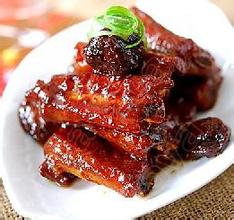
In cooking, the sweet & sour zest of huamei can complement the flavour of fatty meat, in particular duck or spareribs (see illustration). Here as well, it is often combined with dried tangerine peel.

HuameiPaigu

Industrial

In the course of the 20th century, huamei were packed in glass jars and later in plastic bags, each plum wrapped in a special paper to retain the moisture.

People started eating them more like a snack, so huamei became part of that very Chinese food group called ‘leisure food‘.

These products were adapted to large scale industrial production. Several additives were used to stabalised the texture and the flavour for a longer period. Here is a standard recipe

Ingredient weight
Dried plums 100 kg
Licorice 2.5-3.0 kg
Salt 3-5 kg
Sodium cyclamate 2-3 kg
Citric acid 1-2 kg
Potassium sorbate 100 gr
Cinnamon/cloves/aniseed 50 gr each

HMpot

Chinese plum processors have formed an association to jointly defend their interests in March 2019.

Innovative

Jinguan Food Co., Ltd. (Pujiang, Fujian) has developed a candy based on huamei, called Heitang Huamei, literally: ‘Black Sugar Huamei’. That English translation may not sound particularly appetising, but is probably derived from the dark colour of the product.

HTHMwrappedHTHMunwrapped

This candy gives a unique flavour sensation. The first impression is sweet and creamy, but as soon as the miniscule pieces of huamei are reached, the refreshingly sour taste of huamei emerges to counter the sweetness. It is still highly appreciated after a meal, or when you are starting to feel sleepy behind the wheel of your car.

The product’s label lists the following ingredients:

glucose syrup, white sugar, brown sugar, coconut fat, palm oil, condensed milk, huamei pieces, milk powder, cream, additives (phosphate, sucrose ester, caramel colour, salt, flavours.

While the first innovative step mainly addressed the adaptation of the traditional product to economic scale production, the second step was more innovative, using modern food technology to create a combination of flavours more complex that the traditional huamei.

HuameiLabel

Another innovative product is produced by Liuliu Orchard (Anhui): Coffee Plums. This product links a traditional Chinese snack to the currently emerging coffee culture.

CoffeePlums

This product might as well succeed in many overseas markets!

Peter Peverelli is active in and with China since 1975 and regularly travels to the remotest corners of that vast nation. He is a co-author of a major book introducing the cultural drivers behind China’s economic success.

Yuxiang: The Essentials of Chinese Spices

Spice mixes are big business in China. The increasing pace of life and the rapidly expanding spending power of Chinese consumers renders spending a few hours in the kitchen per day to prepare the obligatory three hot family meals a day less and less attractive for Chinese.

However, these changes do not affect the Chinese demand for authentic flavours. Sure, an occasional Big Mac or a helping of Hot Wings from KFC is great, but in general food still has to look, feel, smell and taste as the real thing, regardless how fast it gets.

After my ‘What on earth is . . .’, I am therefore launching another series in this blog: Chinese flavours. I will introduce a number of generic classic Chinese flavours, and how they are implement in ready to eat, or ready to cook, products.

This kick off item introduces my own favourite: yuxiang (literally: ‘fish flavour’). There is actually no fish involved in this spice mix, but apparently it strikes the Chinese palate as fishy. It has reddish brown colour, combines al basic flavours: sweet, sour, salty and spicy and the three main pungent spices: ginger, onions, and garlic.

It can be combined with a number of macro-ingredients like pork, beef, fish and it can even be used to render foreign ingredients like potatoes Chinese.

The basic recipe

Here is a standard recipe for yuxiang sauce.

  • Ingredients: seeped chili pepper or hot douban (see our item on douban sauce), salt, soy  sauce, (rice) vinegar, sugar, MSG, ground ginger, ground rice, onions, stock, watered starch, cooking rice wine
  • Preparation: mix all ingredients with some cooking oil and stir fry until fragrance and colour appear, then add the starch mixed with water. The yuxiang sauce if almost immediately ready.
  • Attention: the taste and colour should not become caramel-like, so do not overcook.
  • Application: yuxiang sauce can be combined with various meats and vegetables. First cook the fresh ingredients and add the sauce once they are done, to avoid overcooking the sauce.

Ready to use products

Now have a look at a few industrial foods using yuxiang sauce:

YXeggplant

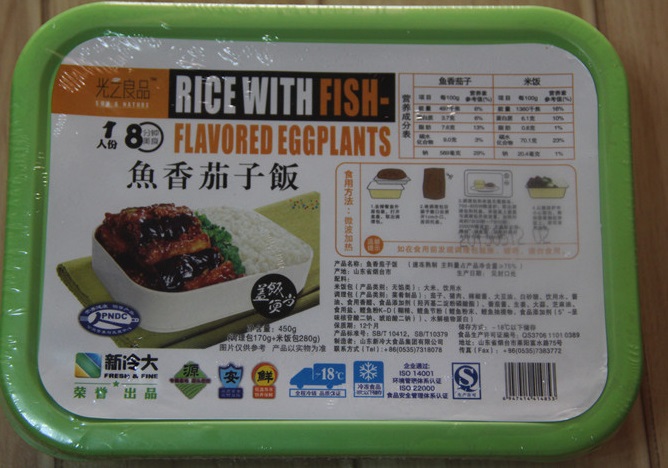
Guangzhi Food Yuxiang Eggplant Rice

The photo of the lid already shows what the product looks like inside: cooked rice and eggplants cooked with yuxiang sauce.

YXamano

Amano Yuxiang Eggplant

This is yuxiang eggplant in what Chinese like to call a ‘soft can’, and aluminum foil pack, without rice.

YXlee

Lee Kum Kee Yuxiang Sauce

Good old Lee Kum Kee would not want to lag behind and offers a ready to use yuxiang sauce in a pot.

Foreign players

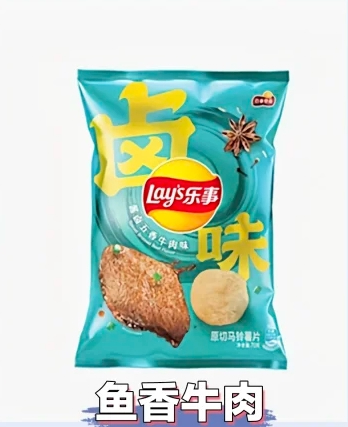
International companies have also discovered the national trend and have developed flavours suiting the Chinese palate. Lay’s has launched yuxiang beef flavoured potato chips for the Chinese market

Yuxiang for cats

Netease has started advertising for a yuxiang cat food under its own brand. I have not heard stories from Chinese cat owners.

Peter Peverelli is active in and with China since 1975 and regularly travels to the remotest corners of that vast nation. He is a co-author of a major book introducing the cultural drivers behind China’s economic success.
What on earth are . . . mahua?

Mid 2014, the China Daily carried an interesting article about a producer of a very traditional Chinese food, mahua (fried dough twists, whose name literally means ‘hemp flour’), that intends to finance its big plans through the modern means of offering its stock to the public.

This is an excellent occasion for a new item of my ‘What on earth are . . . ‘ blogs.

Guifaxiang, based in the northern port city of Tianjin, plans to make its debut on the Shenzhen Stock Exchange.

Founded in 1927, Guifaxiang would become the first publicly listed maker of such products in China if its plan wins approval.

The company realised more than 96% of its sales (RMB 462 mln in 2013) from the Tianjin market. 77% of this revenue was derived from mahua. It plans to raise RMB 570 mln through its initial public offering.

With the money raised, Guifaxiang plans to invest RMB 287 mln in expanding its production capacity. It produced 7748 mt of mahua last year, according to the prospectus.

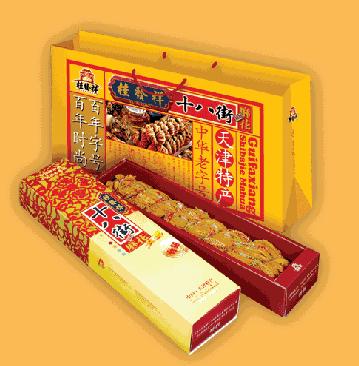
The pictures in this blog show plain mahua and those produced by Guifaxiang

Mahua  Guifaxiang

The company also plans to speed up its expansion in China by opening 19 stores within three years of listing, with 10 stores in Tianjin, and nine others in the cities of Beijing, Shanghai, Shijiazhuang, Shenyang and Xi’an.

Here is a basic traditional recipe for mahua

Ingredients

Regular flour 200 gr
Eggs 1
Baking powder 1.5 gr
Salt 2 gr
Water 50 gr
  • Put all ingredients in a bowl and mix until you have a smooth dough. Leave the bowl for 30 minutes with a lid loosely placed on top.
  • Roll out the dough and cut out strips. Twist the strips into the typical mahua shape.
  • When the oil has reached the proper temperature, first through in one. After its has changed colour, through in the other mahua.

Modern industrial recipes also use: yeast, emulsifiers, sweeteners, butter, butter and cream flavours and sugar.

So what are the financial prospects for this stock? According to the prospectus, the company sold the mahua at RMB 47 per kg on average, making a profit of RMB 27.66 per kg. That seems quite reasonable. However, Guifaxiang does not seem to expect a lot of foreign interest, as its website is exclusively in Chinese.

Good prospects(?)

However, Chinese analysts seem to have high hopes for mahua, usually ranked among the ‘leisure foods‘ in Chinese statistics. I recently picked up two reports dedicated to this traditional snack; one concentrating on volumes, the other introducing the ways local companies develop their own special types of mahua.

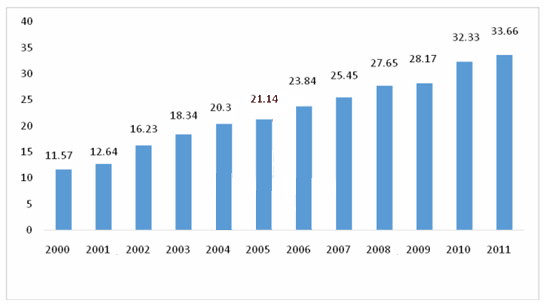
The following graph shows the development of the mahua market in the past few years. The unit is RMB 100 mln. The researchers estimate that the value of this market will rise to RMB 6 billion in 2016.

MahuaVols

Regional varieties

Local variation manifests itself in flavour and texture. The main region, the Beijing – Tianjin area, produces relatively hard and crispy mahua. They are sometimes filled with sesame seeds or other additional flavourings. When you move on the west, to Shanxi, the mahua become softer, and are usually kept plain. There are also halal mahua in Ningxia.

Another region famous for its mahua is Shanzhou County of Sanmenxia (Henan). The sales of mahua have considerably increased the income for the farmers in Shanzhou. Mahua have been produced there in Daying village for generations and the snack can be dated back to the Qing Dynasty (1644-1911). The product has generated an output of RMB 28 million in 2015.

This map of China indicates the regions where mahua are popular, with small pictures of typical local variations in preparing and consuming mahua.

MahuaRegional

Mahua snacks

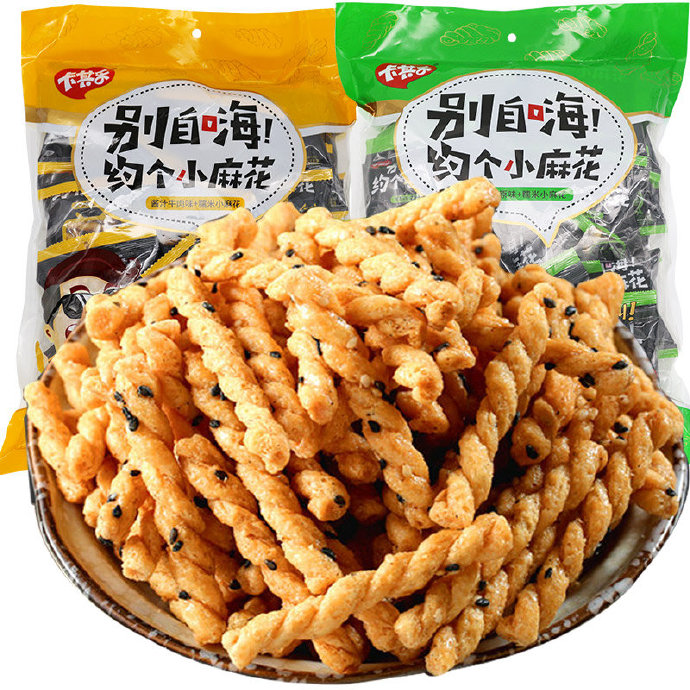
A number of companies have launched fingerfood-size mahua as snacks. The following picture shows those of Kaqile.

Ingredients:

Wheat flour, glutinous rice meal, rice meal, vegetable oil, sugar, maltose, white sesame, black sesame, salt, additive (callcium carbonate)

Mahua as Local snack

Jinweinong is positioning its mahua snacks as a local specialty from Tianjin.

Ingredients:

Wheat flour, vegetable oil, sugar, osmanthus flower, Fujian ginger, white and black sesame, peanuts, green and red strips, sodium bi-carbonate

Peter Peverelli is active in and with China since 1975 and regularly travels to the remotest corners of that vast nation. He is a co-author of a major book introducing the cultural drivers behind China’s economic success.

Cost price of Chinese food groups

As I am spending considerable time in China at the moment, it has been less convenient to write a new item on this blog. However, it is also a great opportunity to collect tons of information that will be used for new topics and updating existing blogs.

I came across interesting material providing inside information about the breakdown of the cost price of a number of food products in China in production cost, advertising cost and sales cost.

We have similar costs in our part of the world, but the proportions may differ in China. The costs of sales are notoriously high in China, which is largely due to the long list of ‘fees’ levied by retailers. A Chinese supermarket will not approach manufacturers to sell their products in their shops. The manufacturers, or more usually, their agents, will request the retailers to give them a spot on their shelves. If the retailers agree, they will not only not (immediately) pay for the goods, they will present a bill for the ‘entry fee’, that has to be paid immediately, otherwise your goods will not appear on the shelves.

Manufacturers can expect numerous other fees like ‘barcode fee’, or ‘top shelf fee’. If you would like to have your product on the top shelf, on the eye level of the customers, you need to pay extra for that location.

Health tea

Cost type percentage
Production 15
Advertising 35
Sales 50

The production process of (health) tea is relatively simple: growing, picking, drying, fermentation, etc. Some are mixed with TCM herbs. However, each brand needs to invest considerably in advertising to make its unique properties clear to the prospects. Competition is fierce, which means that many types and brands are will contact the same outlet for a good space on its shelves. This is the reason for the very high ratio of sales costs in this category.

Seasoning products

Cost type percentage
Production 50
Advertising 10
Sales 40

These are products like soy sauce, vinegar, fermented bean sauce, five spice powder, jiang,  etc. They are products all consumers buy, so they need less advertising. This pushes up the ratio of the production costs for seasoning products. Sales costs are still considerable, but that is an item that will never be low in China.

Spirits

Cost type percentage
Production 34
Advertising 17
Sales 49

The production processes of the various spirits (baijiu) are very similar. It is far from high tech, which is the reason that the production cost is relatively low. This product group can be roughly divided in two types: the nationally famous brands and local brands. Both do not require much advertising. The famous brands are already famous and the local brands are known and consumed locally. Cost of sales is expensive as usual. Especially the cost of entering into a restaurant is high, at least as high as that of entering a supermarket. Also see my special item on baijiu.


Mineral water

Cost type percentage
Production 55
Advertising 12
Sales 33

Mineral water is not simply water pumped up from the soil and bottled. It is a kind of mining business, which comes with high exploration costs. Advertisement costs are relatively low, because it is still regarded as a high-end beverage. However, insiders expect that to change within the coming 10 years. The sales costs are still considerable, but lower than average. This is due to the fact that manufacturers of mineral water delegate virtually all sales activities to wholesalers. If they would do (part of) their own sales, all profit would be lost on ‘entry fees’ of retailers alone.

Soft drinks

Cost type percentage
Production 40
Advertising 20
Sales 40

This is a rather diverse product group, including carbonated drinks, fruit juice, tea beverages and sports drinks. The first two categories are low profit products. The latter two have more space for profits, but overall soft drinks are fast moving low profit goods. Most of the production cost is packaging, which needs to suit the typical way of consumption. A bottle must be as light as possible for easy carrying. The competition is killing, which pushes up the sales costs. Every player wants to get into as many sales points as possible. A particular problem for soft drinks is the enormous number of convenience stores in railroad stations, long distance bus stations and similar places. Advertising is necessary, but managing your sales channels is vital.

Leisure food

Cost type percentage
Production 65
Advertising 13
Sales 22

We have posted a dedicated item on this typical Chinese category earlier. It is an umbrella term comprising a broad range of good, including: peanuts, melon seeds, sausages, biscuits, beef jerky, fruit and vegetable chips, dried dates, and much more. This group includes a number of traditional local foods, but an even larger number of novel foods, designed to trigger the interest of Chinese travelers and tourists, who are always curious to try out something new. This is the reason for the high ratio of the production costs, which includes relatively high R&D costs. Advertising costs are lower, because these goods are purchased ‘on the run’. Sales costs are also considerably lower than for other product groups. The outlets that sell them are again the small stores at airports and railroad stations, or along freeways. These buy much smaller batches than a hypermarket like Carrefour and do so from a wholesaler, without negotiating endlessly about entry fees or shelf fees,

Milk

Cost type percentage
Production 53
Advertising 28
Sales 19

Milk has the highest ratio for production cost in the entire Chinese food and beverage industry. The source for these cost is located in the beginning of the value chain: the raising of dairy cattle. This is expense and a knowledge intensive industry. Advertising costs are high at the moment, as milk and dairy still have to fight with the bad image resulting from the melamine crisis in 2008. Image (re)building is more important than building the sales channels, hence the relatively low ratio for sales costs. Also see my item on traditional dairy products and formulated dairy products.

Peter Peverelli is active in and with China since 1975 and regularly travels to the remotest corners of that vast nation. He is a co-author of a major book introducing the cultural drivers behind China’s economic success.

China’s Rise in Plant-Based Protein Drinks

In previous blogs on dairy (traditional dairy, formulated dairy), I have pointed out that in spite of the rapid development of this industry in China, the taste of milk is still inhibiting for most Chinese. Moreover, in 2022, 22.4% of the Chinese population suffered from lactose intolerance. Especially the formulated products are meant to address this problem by creating a host of products that deliver the nutrition of milk, while disguising the creamy flavour that so many Chinese still find hard to get used to.

However, there is an alternative group of products that have a nutrition profile more or less like milk, but lack the problematic flavour, because it is plant based: protein drinks. While soy-based drinks have made considerable progress in Europe recently, as life style products, they have been popular in China for ages.

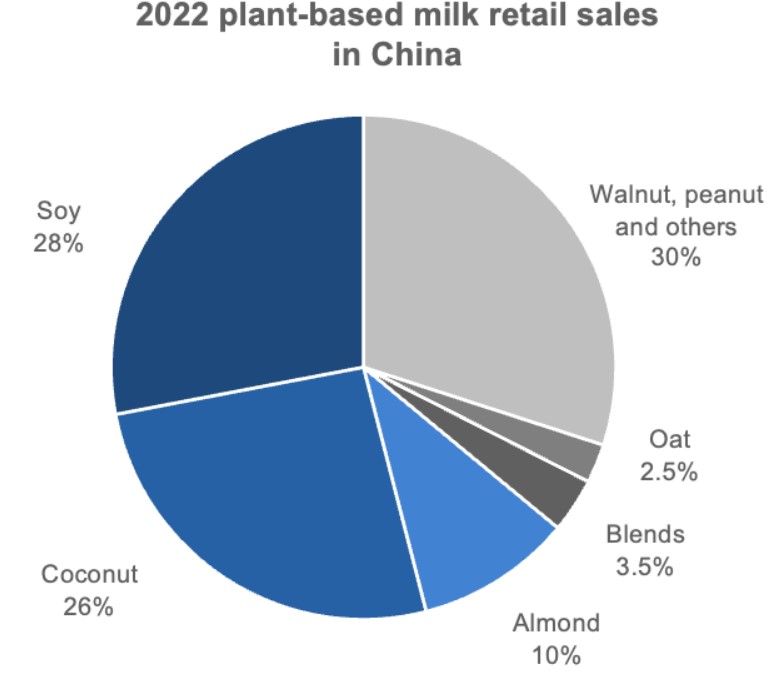
Traditional products like soybean milk have appeared in various modernised versions, and other protein drinks from almonds, peanuts, or coconuts have been added. Their popularity is evident from the large variety of products available in Chinese supermarkets. The total turnover for protein drinks in 2019 was RMB 53.690 bln, and is expected to rise with 2.7% per year until 2024.

The main technical problem to crack in these products is maintaining a proper emulsion. Protein gel is combined with an oil-in-water emulsion, which results in a non-heatstable liquid, which can only be countered with a mix of emulsifiers. Most recipes use sucrose ester, combined with monoglyceride, alginates, etc.

Let’s have a look at the most representative types, according to source.

Soybeans

Soybean milk is a traditional product in China. The earliest records of it date from the West Han period (2nd Cent. B.C.).

The process requires soybeans with a sufficient water content (10% – 14%). After the hulls have been removed, the beans are pressed and water is added. In the modern production process, a chelating agent like EDTA is added for stabilisation. The raw soy milk is cooked for about 10 minutes. After centrifuging, nutrients like fat, sugar, or vitamins and minerals (e.g. calcium to create the perfect alternative for milk) can be added. Flavours can be added too, either to strengthen the typical soy flavour, or adding new flavours, typically those of fruits.

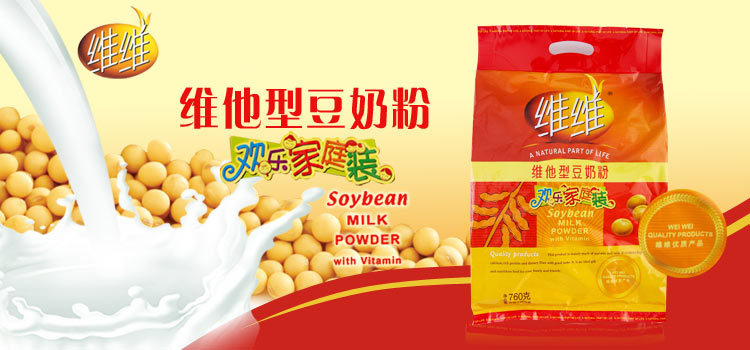
China’s top producer of soybean milk is Weiwei, located in Xuzhou (Jiangsu). The company’s main product is instant soybean milk, which make it the most convenient of the protein beverages introduced in this blog. The other drinks are only available in liquid form.

Image

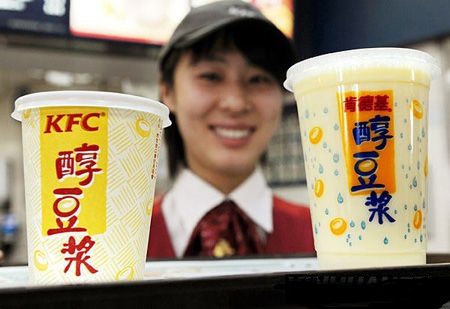
Soybean milk is so popular in China, that KFC has decided to add it to their breakfast choices in their Chinese outlets.

KFCsoy

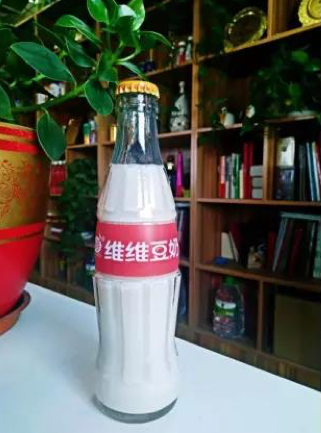
Weiwei continued on this development by launching soybean milk in a bottle that resembles the classic Coca Cola bottle late 2017, even stronger suggesting that soybean milk can be consumed as a healthy alternative for soft drinks.

Another recent innovation by Weiwei is launching a range of canned soybean milk with various flavours, including coffee.

Almonds

Almond milk is not really an alternative for dairy, as milk is used as an ingredient. The recipe I consulted for this blog lists almonds and Chinese yam (shanyao) as the main ingredients and milk and honey as auxiliary ingredients.

The almonds are roasted, crushed and cooked with the milk and yam. The honey is added after the milk starts boiling.

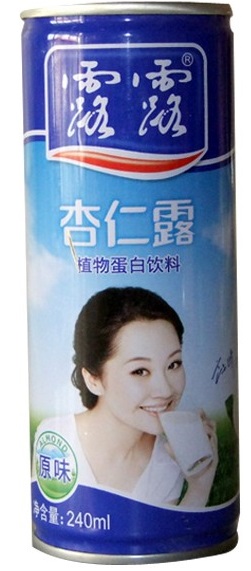
Almond milk has been made popular in China by Lulu, a company based in Chengde (Hebei). The typical thin cans of Lulu have been on the market for more than two decades, as an alternative for milk, as well as a drink for those who cannot drink alcohol during a banquet. Lulu has accumulated a turnover of RMB 1.772 billion during the first 9 months of 2019; up 5.88%.

It is thicker than soybean milk and quite sweet. One Dutch friend called it ‘liquid marzipan’ after his first sip. With ups and downs, Lulu is still a serious player in this market.

Image

Lulu’s turnover started to slip in 2017 and the company is trying to recoup market share by launching special protein beverages for children, like Xiao Lulu (‘Littel Lulu’).

Xunyang Shenghuo is producing a powdered almond drink mixed with a number of TCM herbs.

Ingredients:

Almond powder, rice meal, instant bean powder, oligo-isomaltose, lily powder, kudzu powder, yam powder, lotus powder, fox nut powder and wolfiporia powder.

Coconuts

Coconut milk will not be a new product for most readers. It is a traditional product of Southeast Asia, and that is the region from which it gradually conquered China. Those with 1.5-2% fat content have been very popular in China for many years, and the market continues to grow. The top producer of coconut milk in China is Yedao (literally: ‘coconut island’), located in the tropical island province Hainan.

Coconut milk is pressed from the flesh of unripe coconuts. Only some water and sugar are added.

Like Lulu’s almond milk, Yedao’s canned coconut milk quickly appeared in Chinese restaurants as the drink for drivers and other people who were unable to drink alcohol, but wanted something with a more stimulating taste than water or chemical laden soft drinks.

CoconuM

Walnuts

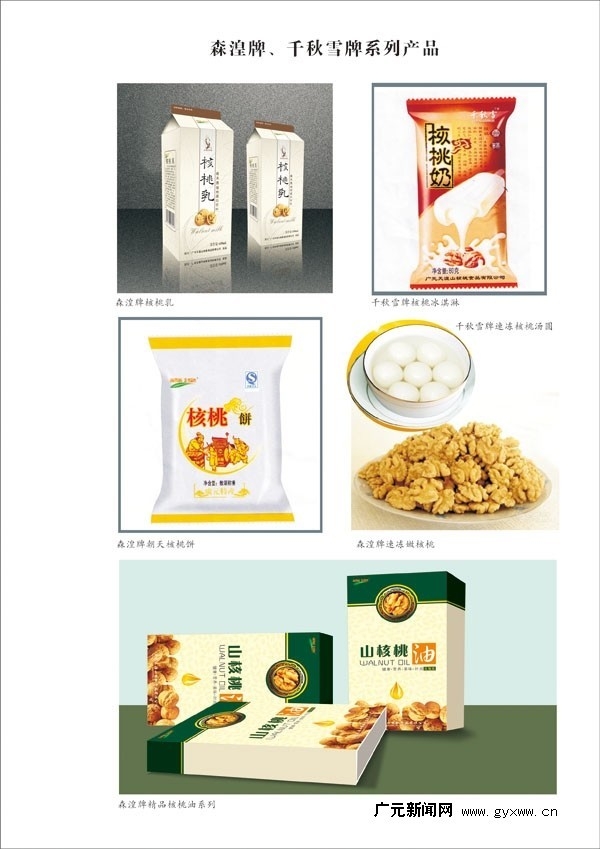
China is the world’s largest walnut producer, with an annual output around 4.5 mln mt. Walnut milk is made from walnuts and water. Walnuts are ascribed a number of medicinal properties, which are prominent in the marketing stories of the various manufacturers. Unlike the protein drinks introduced above, there is not ‘leading player’ in this market yet. Still, a National Quality Standard (GB/T 31325-2014) has been promulgated for walnut milk in on Dec. 5, 2014.

Image

A top producer of walnut milk is Six Walnuts. It generated a net profit of RMB 7.459 billion in 2019.

An interesting development is that one Chinese coffee maker (Hogood) has launched a new type of coffee creamer made from walnut milk, marketed as Walnut 007.

Herbal tea maker Wanglaoji a walnut milk of its own in 2023; undoubtedly in an effort to cash in on the growing market of vegetable protein drinks.

The China Agricultural University and Terun Dairy (Xinjiang) have jointly developed a walnut-based yoghurt, with results published in 2024.

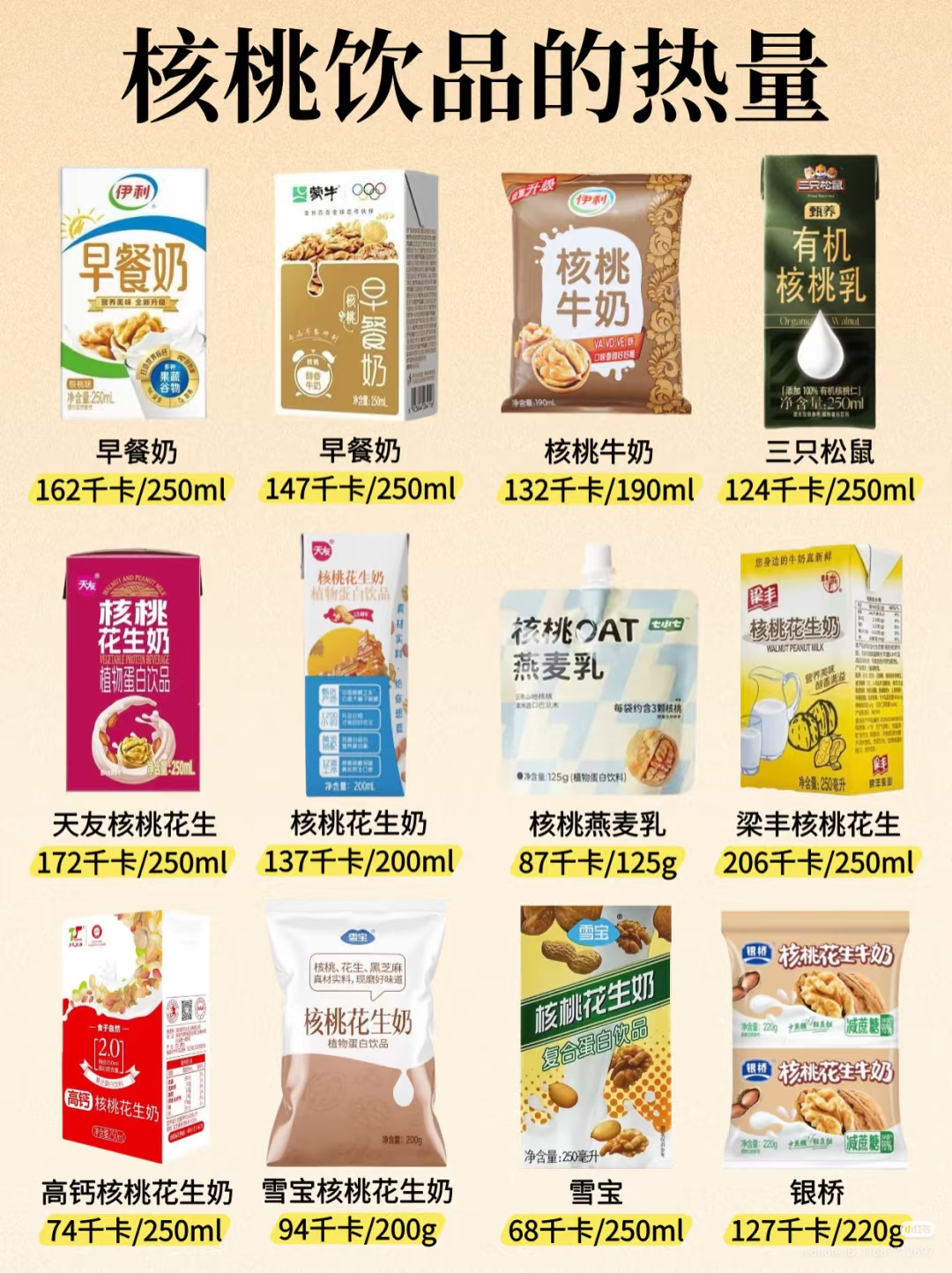
The number of walnut beverages rose quickly in the 2020s. The following pictures show all brands/types available early 2025. The information under the brand name indicates the energy per volume.

Multi-nuts

QiaqiaNutDrink

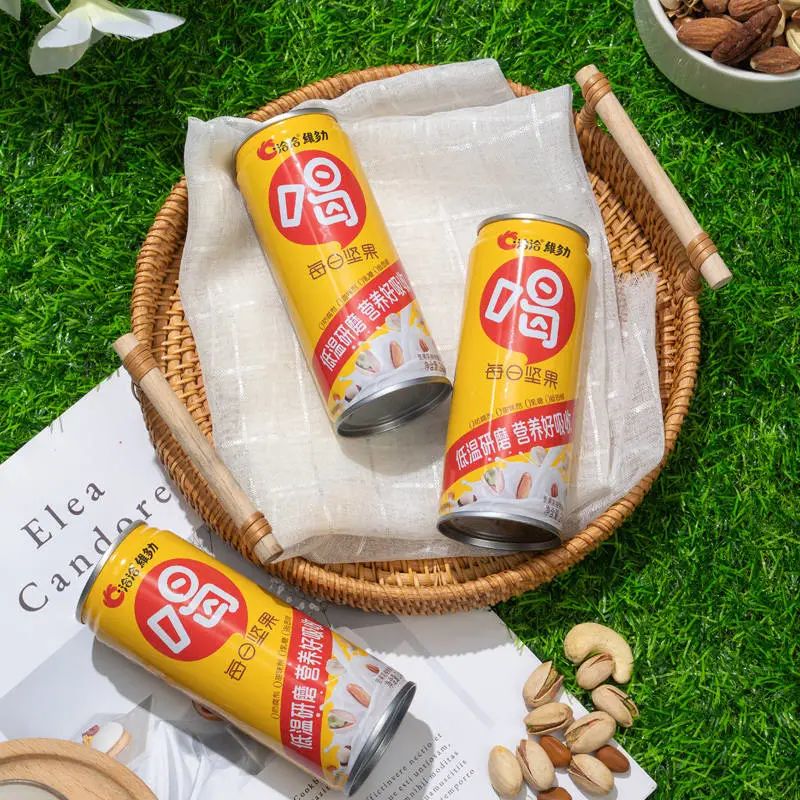
Qiaqia, a leading producer of seed and nuts based leisure food, has launched a protein beverage from walnuts, almonds, pine seeds and hazel nuts in 2022. It does not contain any sweetener, preservative or lactose.

Peanuts

Peanut milk, like the almond variety, is using the real thing as an ingredient. It is made from peanuts and milk, and even more than almond milk, peanut milk is more peanut-flavoured milk, like the ginger milk introduced in an earlier blog. It enriches the already nutritional milk with linoleic and arachidonic acid. And it covers the creamy taste of milk with a soft peanut flavour.

Yinlu in Xiamen (Fujian) is a major producer of peanut milk. The company is now under the control of Nestlé, which makes Nestlé the first foreign player in this market. Recently, Nestlé has announced that it is looking at updating its Yinlu peanut milk brand to satisfy consumers who prefer fewer additives and alternative ingredients.

Image

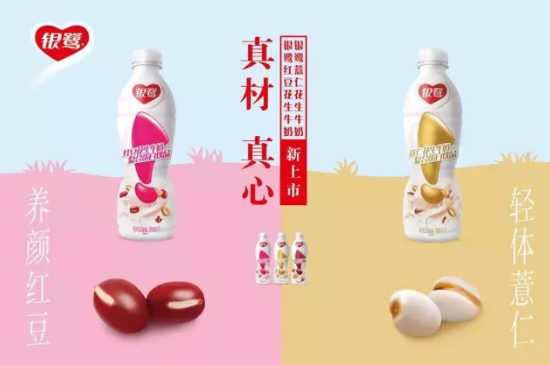
Yinlu has launched two products with multiple raw materials in 2017: red beans + peanuts and Job’s tears + peanuts.

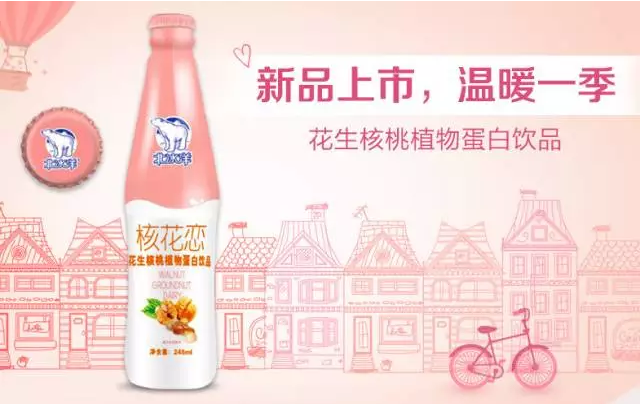
The growing popularity of protein beverage has attracted the attention of the recently revived beverage brand Beibingyang. The company has launched a peanut drink of its own trying to create synergy between its well known brand name (including the polar bear logo) and the current interest in protein beverages.

Hickory

The latest addition to this growing range of beverage is the hickory protein drink from Tiannie Hickory Food Co., Ltd. (Guangyuan, Sichuan). The product has been launched in 2014. The raw materials are grown locally.

Tiannie

Sesame

Nanfang Food (Nanning, Guangxi) produces black Heiheiru brand sesame milk, a protein drink made from black sesame. Its ingredients list:

Water, black sesame, sugar, milk powder, starch, peanuts, sodium caseinate, sodium tri-polyphosphate, xanthan, CMC, carrageenan, monoglyceride, sucrose ester

This list shows that Heiheiru is not really a ‘sesame drink’, but a compound protein drink flavoured with black sesame. It partly owes its popularity to the colour black that is associated with a high anti-oxidant content.

Rice

Dashu Life Sciences (Jilin), in cooperation with Jiangnan University, has developed a new type of rice protein beverage under the Shangshanyuan (Sunshary) brand.

Oats

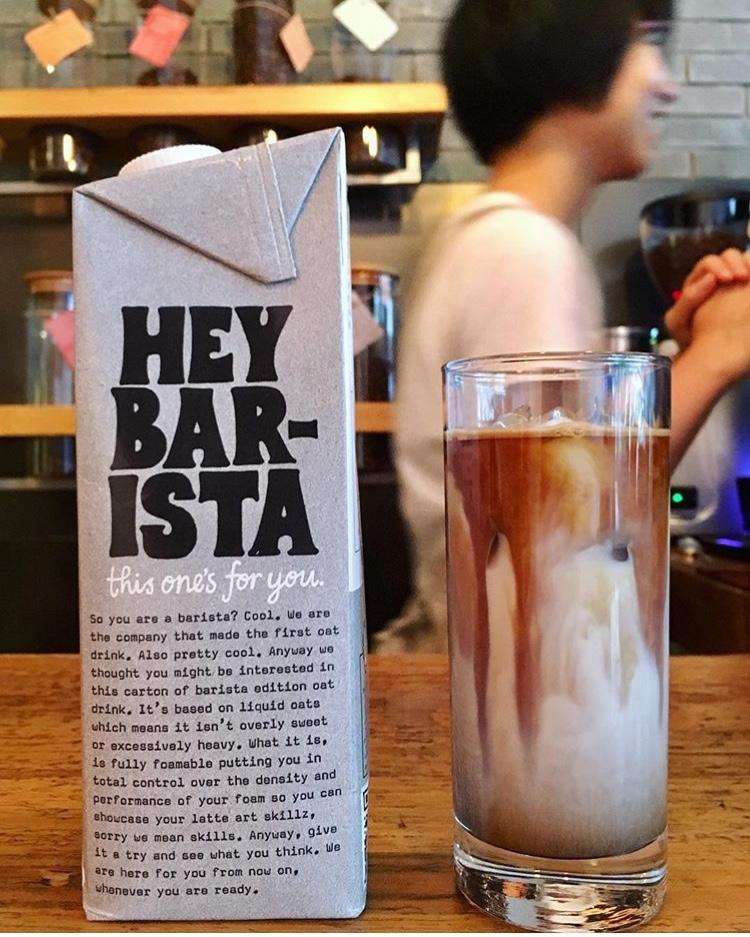
The oat drink Oatly has been introduced in China in the course of 2018 and is gaining popularity in coffee shops, e.g. Starbucks, as a vegetarian alternative for cow milk. Oatly’s introduction to China was aided by one of its Chinese investors: China Resources. Late 2019, Oatly had built up a presence in over 3400 outlets, including 2000 coffee shops and chains such as Pacific Coffee in China in first – and second-tier cities.

Yili Dairy (Huhhot, Inner Mongolia) has launched a range of oat milk drinks under the Zhixuan (‘vegetable choice’) brand in September 2020.

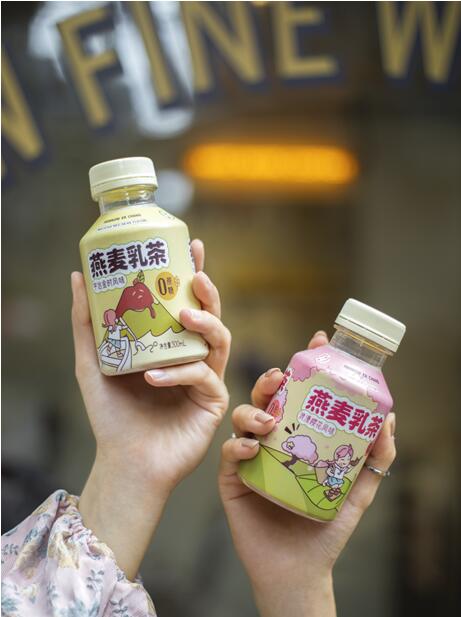
Hankou Factory Nr 2 (Wuhan) has launched a new drink combing oat milk and tea in 2020. In that way, the company was cashing in on two fads: protein beverages and milk tea.

At the end of September 2020, Shanghai-based oat milk start-up Oakidoki received funding of RMB 10 mln from Vision Plus Capital, two months after it was launched. Wang Xin, founder of Oakidoki, said the new funding will be used for marketing, research and development and recruitment. The firm has also collaborated with boutique coffee chain stores, creating more competition with international top plant-milk producers.

Compounds

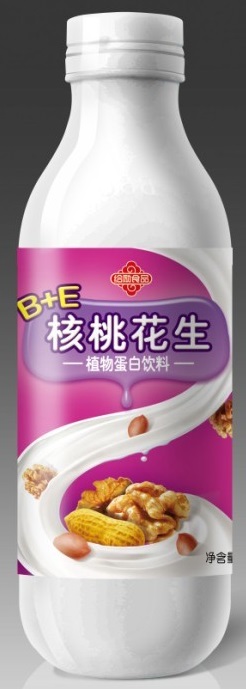
Compound protein beverages have also appeared, like the walnut peanut milk produced by Taigeili in Chengdu (Sichuan). This company is known for innovative products like rose vinegar.

Image

This market is getting so lucrative, that even an ingredient manufacturer like Jiangsu Howbetter (specialised in food texture and premix technology for dairy, beverage, bakery, and ice-cream) has launched a new plant-based beverage prototype made from peanut, walnut, almond, hazelnut, pine nut, cashew nut, pecan, Australian macadamia nuts, and Hawaiian macadamia nuts, which it showcased on the Food Ingredients China 2019 trade fair.

Not so natural

Although these drinks are all marketed as healthy beverages (not health beverages, that is another category in China), the ingredients listed on the label of Hengyi Yinxue walnut beverage includes an impressive number of additives:

Water, walnut kernels, crystal sugar, additives (xanthan, polyglycerin fatty acid ester, sodium tripolyphosphate, sodium pyrophosphate, sodium d-isoascorbate, sodium dihydrogen phosphate), food flavour

This way of listing additives is presecribed by Chinese law. Interestingly, flavours are not regarded as additives in this regulation and therefore not listed within the brackets.

Decentralised market

In 2022, the market for protein beverages was still highly decentralized. A survey showed the following market share distribution.

Brandshare(%)
Yangyuan5.44
Lulu2.04
Dali1.82
Weiwei1.38
Huanlejia0.64
Others88.68

Foreign interest

The Reignwood Group, the Chinese distributer of Red Bull, has acquired a 25% stake in Vita Coco, a US producer of coconut juice, in July 2014. In China, through Vita Coco’s own feet on the street along with the approximately 2000 employees of Red Bull China, the brand will be available about 130,000 stores soon.

Minutemaid has launched its own range of protein beverage in China mid 2017.

The dairy empire strikes back

China’s top dairy companies have adopted an ‘if you can’t beat them’ strategy. Mengniu and Yili, the top 2, have launched their own protein beverages recently. Yili announced its plans during a public meeting at the end of 2014. Mengniu has entered into a joint venture with US-based WhiteWave Foods Company, a leading consumer packaged food and beverage company in North America and Europe early 2013. The jv is marketing WhiteWave’s Silk brand protein drinks in China. This product is common in the US and is an affiliate of Alpro, a brand in Europe, though its positioning in China is quite unique. With its convergence of flavours, Silk’s positioning as a 100% natural solution, targeting those that are lactose intolerant, could spell success for Silk in China, especially as consumers become ever more sceptical regarding the origin, nutrition, safety and environmental impact of the food and beverages they buy.

SilkAlmond

Peter Peverelli is active in and with China since 1975 and regularly travels to the remotest corners of that vast nation. He is a co-author of a major book introducing the cultural drivers behind China’s economic success.

Exploring China’s Potato Cuisine: Unique Dishes and Trends

Few people know that China has already been the world’s largest potato production and consumption country since 1978.

The humble potato, a staple of many a European nation, used to have only a supporting role in Chinese cuisine, even though it has been grown in China for about 400 years. Known as tudou (literally: ‘earth bean’) in colloquial Chinese, or malingshu (‘horse bell tuber’) in more formal texts, the potato traces its history in China to the Ming dynasty, and was popularised by French missionaries in the eighteenth and nineteenth century.

As the name indicates, potatoes used to be seen as a vegetable in Chinese cooking. In home style cooking, in particular in Northwest China, where the potato is an indigenous crop, chunks of potato are added to stews, particularly with beef.

Chefs have created some deep fried delicacies, including tasty little patties and a finely shredded version of the French fry, which is sheer indulgence. Most common in the home and (home style food) restaurants, is the “tudousi“. This dish might come with strips of pork, slices chili, and pickled vegetables.

Image

Some cooks are even combining the foreign potato with very traditional Chinese flavours like the famous yuxiang (fish flavour) spice mix, creating dishes like yuxiang potatoes, shown in the picture below.

YXpotato

The ultimate dish in this series should be: Sweet and Sour Potatoes, a potato variation on the most typical of Chinese dishes in overseas Chinese restaurants: Sweet and Sour Pork.

SweetSourPotatoes

However, potatoes have started to challenge the great staples: millet, wheat and rice in China in recent years. The arrival of Western style restaurants and in particular fast food chains, have introduced potato dishes to virtually all urban Chinese. The countryside can be expected to follow soon.

Potato growing

Marketing year 2019/20 fresh potato production is forecast at 98 mln mt, a 5% increase from the estimated 93 mln mt produced in 2018/19. The top regions, Inner Mongolia, Gansu, Yunnan, Sichuan and Guizhou, are good for 45% of the national volume.

The following table shows the regional output of potatoes in 2015.

Region Volume (mt)
Gansu 2,146,000
Inner Mongolia 1,883,000
Sichuan 1,612,000
Guizhou 1,503,000
Yunnan 1,444,000
Chongqing 1,017,000
Heilongjiang 565,000
Shaanxi 561,000
Ningxia 423,000
Hubei 415,000
Liaoning 383,000
Shanxi 362,000
Qinghai 362,000
Hebei 348,000
Hunan 285,000
Jilin 237,000
Fujian 231,000
Zhejiang 163,000
Guangdong 162,000
Anhui 49,000
Tibet 5,000

The Chinese authorities have officially divided China in three potato growing zones in 2019.

Zone 1 North China
Zone 2 Central China
Winter Zone South China

Zone 2 is the designated zone for growing staple potatoes. However, Zone 1 is the oldest potato region of the nation. The China Daily site offers an interesting insight in the history.

Potatoes are getting so important in China that the Zhengzhou Commodity Exchange (ZCE), one of China’s two agricultural commodities exchanges, intends to introduce potato trade. ZCE is reporting problems with obtaining the necessary permits from the China Securities Regulatory Commission and other relevant central authorities, that are said to need time to “consider more about the development of the market”.

The ZCE has been mulling over the launch of the product for quite a long time. The exchange disclosed its plan to introduce potato futures trading in early 2012, saying the contract was set to be launched by the end of that year. Later that year, the agricultural authorities of Gansu province said all preparations for potato futures had been completed.

Potato growing as poverty relief

Guizhou and Gansu province are expanding the amount of land they have planted in potatoes in accordance with a Ministry of Agriculture plan which calls for around 6.7 mln hectares of them by 2020. One out of 100 towns or villages in under-developed Guizhou province is Lutang, which now has much of its land for potato growing. The head of the village, Zhang Wei, says they have 1.15 mln kgs of top quality potatoes that they plan to distribute to farmers for free to use on 200 hectares of land. Local authorities say that as many as 60 percent of the households in the area living with poverty see the potato planting as a good method to help them generate income and two special cooperatives have been set up to keep prices stable and to ensure income. The planting area is expected to reach just over 660 hectares by 2018.

China to import seed potatoes from the UK

A potato deal signed in 2018 is expected to bring major benefits to Scotland, with around 70% of the 100,000 mt of seed potatoes exported annually from the UK coming from Scottish farms. Seed potatoes are varieties intended for replanting to produce new plants and tubers. They are grown in special conditions to lower the risk of disease. Scotland’s potato crop is recognized within the European Union for its high health status. The potato is now China’s fourth staple crop after rice, corn and wheat and demand for fresh potatoes is increasing at an annual rate of around 5%. “The rapidly-growing Chinese market offers huge potential for UK farmers,” said UK International Trade Secretary Liam Fox. “According to research by Barclays, around 60% of people in China would actually pay more for a product, just because they knew it was British.”

Help from Peru

Since 1978, the Peru-based International Potato Center (CIP) has been working in China to help improve potato and sweet potato production, collaborating closely with Chinese institutions such as the Ministry of Agriculture and Rural Affairs and the Chinese Academy of Agricultural Sciences. Among CIP’s most notable achievements in China is the development of the potato varieties, such as “Cooperation 88” and “Jizhangshu”, which currently cover about 20% of all potato production in the country. CIP is also playing a pivotal role as a facilitator of innovation by connecting Chinese potato companies with international scientists and providing access to cutting-edge technologies.

Frozen French fries

The number of French fries outlets in China late 2024 exceed 2000; up 45.1% from 2023. Combined, the generated a turnover of RMB 200 billion.

In recent years, China’s rapidly changing lifestyles and eating habits have resulted in a booming fast-food industry. Chinese consumers, especially those who live in large urban areas, have accepted Western-style fast-food restaurants that serve French fries and other popular side dishes as a way of life in China.

China’s market year 2019/20 frozen French fries (FFF) production is forecast at 310,000 mt, a 10% increase from 2018/19 as a result of this year’s increased fresh potato production (see above). China imports the majority of its FFF from the United States. However, due to the additional tariffs China has levied on many U.S. agricultural products, the U.S. FFF market share fell from 64% to 53% from 2016/17 to 2018/19. As a result, forecasts China’s overall MY2019/20 FFF imports will decrease by 10%, to 129,000 MT. The next largest suppliers, Belgium, Turkey, and the Netherlands, together accounted for 40% of China’s FFF imports in MY2018/19.

Frozen French fries require raw materials compliant with strict requirements, such as shape, starch content, sugar content, and color. Therefore, processors usually contract with farmers to produce potatoes which meet certain quality conditions. After a poultry disease outbreak and other problems in that industry, which affected Kentucky Fried Chicken and McDonald’s, the largest buyers, production of frozen french fries has decreased considerably. Although the scare seems to be over, production is not expected to rise considerably soon.

Foreign investors

Still, a market like this is bound to attract international investors.

  • JR Simplot established in 1992 in Beijing’s Fengtai district, is a joint venture between US-based JR Simplot , McDonald’s and Beijing Agricultural, Industrial and Commerce General Company and primarily produces french fries and hash browns for McDonald’s and other East Asian customers. It was fined a record RMB 3.9 million for water pollution in April 2015.
  • McCain Foods started construction of a French fry processing facility in Harbin (Heilongjiang) in 2004. The new company, which was registered in the Harbin Economic and Technological Development Zone, was McCain’s first processing facility in Asia. The plant has had to cope with various problems like faulting water supply.
  • Aviko has a production facility in Minle (Gansu) since 2008, and in June 2014 signed another project in Zhangjiakou (Hebei), near Beijing. The latter is a partnership with Snow Valley Agriculture. The joint venture was dissolved in December 2018. Aviko acquired a 90% stake in Hongyuan Louis (Inner Mongolia) in Jan. 2020. The deal includes a factory with an annual capacity of 50.000 mt, potato storage, a semi-automatic cold store, boiler house, waste-water treatment and around 170 employees. Hongyuan Agriculture will stay involved as a 10% shareholder and closely cooperate with Aviko on amongst others the sourcing of potato. Hongyuan started exported frozen French fries in 2020.
  • Conagra has acquired TaiMei Potato Industry Limited, a potato processor in Shangdu (Inner Mongolia) in July 2014.
  • Farm Frites has signed an agreement with Inner Mongolia Linkage Potato Co. Ltd. in September 2014, to set up a joint venture in Chifeng (Inner Mongolia). The Joint venture will build a new french fry factory and target the premium segment of the Chinese french fry market. Inner Mongolia Linkage Farm Frites Co. will be for 75% owned by Linkage, while Farm Frites will own 25%. Production was to start in 2017, but the construction of the plant has been delayed and the project seems to have halted completely in 2019. However, Linkage has picked it up again by its own and the new plant started test production in August 2022.

The above list clearly indicates that while all international players are interested in developing the Chinese market, it has so far not been a smooth ride for any of them.

On the artisan side of the market, a Dutch initiative, Royal Patat, has started selling hand-cut french fries in Shanghai.

Top 3 brands

Instead of looking at volumes, this blog prefers to introduce ‘top brands’ from a popularity perspective. Here are the top 3 french fries chain outlets according to a Chinese consumer site.

1 Calbee Crazy Potato Calbee

2 Tudou Xinyuan (Potato Wish) TudouXinyuan

3 Mofa Tudou (Magic Potato) MagicPotato

Potato starch

China’s market year 2019/20 potato starch production is forecast at 450,000 mt, roughly 10% decrease from 500,000 mt in 2018/19, due to increased consumption in other sectors, leaving fewer fresh potatoes available for starch production. According to industry sources, starch production consumes small, irregularly shaped, or bad quality potatoes. The good weather conditions not only increased yield, but also generated good quality, which reduced potatoes available for potato starch production. Heilongjiang, Ningxia, Gansu, and Inner Mongolia are the primary potato starch producing provinces in China, accounting for over 70 percent of China’s total production.

Top Chinese producers of potato starch are:

Company Location
Huaou Starch Inner Mongolia
Lantian Potato Gansu
Beidahuang Potato Heilongjiang
Yundian Starch Yunnan
Weston Potato Qinghai

Potato starch can be used to make noodles, be it in combination with starches from other sources. Shanghai Suiquan Food Co., Ltd. produces ‘Potato Noodles’ with the following ingredients.

Water, potato starch, corn starch, cassave starch, salt, food additives (sodium dehydro-acetate)

Potato crisps

Industry sources estimate China’s market year 2017/18 sliced potato chip and fabricated potato chip production at 450,000 mt and 350,000 mt, a 7% and 13% year on year increase, respectively. The total turnover of this product group was RMB 29 bln in 2017.

Potato chips have become a popular snack food in China. Most international players are studying their options, and some of them, like Pepsi (Lay’s), have started local production. However, not any potato will do. Each must be precisely the right variety, grown into an ideal shape and size and available on the exact schedule necessary to supply the chip factories in Beijing and Shanghai. Potatoes grown by local farmers don’t always make the cut. Unless they are handled as delicately as eggs, they risk bruising — a common side-effect of China’s manual farming techniques and crude distribution methods. To ensure the yellowish color of its Lay’s chips, Pepsi also requires potatoes to

be low in both sugar and water content. The ideal specimen is about as large and round as a baseball. Even now, Pepsi’s two farms still produce only about 40% of the potatoes Pepsi needs in China.

Other major potato chip brands (manufacturers) in China are: Calbee (Calbee), Lay’s (Pepsi), Oishi (Liwayway) , Shanghai House (House), Carrefour (Jishijia). P&G has negotiated with a potential partner in China for the local production of Pringles.

Local production of crisps by multinationals is a great boost for the local potato growing industry. Lay’s is using potatoes grown in former desert areas in Inner Mongolia.

Top 3 brands

Here are the top 3 potato chips brands according to another Chinese consumer site.

1 Lay’s Lays

2 Capico Capico

3 Pringles Pringles

Capico is the only domestic brand in this list. Its producer, Dali Foods (Fujian) got listed on the Hong Kong Stock Exchange in November 2015. Dali is also one of China’s top producers of biscuits.

The following screenshot shows how the major brands seem to imitate Pringles’ packaging, while offering their chips for a significantly lower price.

PotChipsComp

The latest launch in this product group was from the Hengyou Group (Shantou, Guangdong). This company produces a range of potato crisps under the Bidetu “Peter Rabbit” brand.

The following table shows the top 5 selling potato crisp brands in China in 2019

Rank Brand Name Company Market Share(%)
1 Lay’s Pepsi Group 37
2 Shuyuan Haoliyou Foods 27
3 Copico Dali Foods 19
4 Oishi Oishi 10
5 Pringles Kellogg’s 1

Lay’s tried to market with its commitment to the Chinese market by launching a range of crisps flavoured after various local cuisines in 2024.

Mashed potato

The Chinese drive for developing novel foods is limitless. Baiguyou (Wuhan) has developed a range of instant mashed potato products under the Painini brand. It is packed in cups that can be filled with boiling water like cups of instant noodles. The product is available in several flavours, including: beef, walnut, curry, chicken, pumpkin, etc.

Potato-based instant noodles

Chinese researchers are developing a recipe and production process for instant noodles in which part of the wheat flour is replaced by potato flakes. This fits the efforts of the Chinese government to make the potato one of the country’s staple foods (see below) and will enhance the nutritional contents of instant noodles, possibly breaking the ‘junk food image’ of instant noodles. The following ingredients list appears in one of their publications.

Ingredients  ration (%)
Wheat flour 65
Potato flakes 35
Salt 2
Water as needed
Gluten 5
Complex phosphates 0.3
Sodium alginate 0.3
Soda 0.15

No such product has yet appeared on the market, but it is interesting to learn about these efforts. Other research institutes in China are working on producing regular noodles and bread replacing part of the wheat flour by whole potato powder.

Exports

The first Chinese potato chips were exported to the US in the course of 2015. However, it was not Capico, but Chak Chak, produced in Fuxin (Liaoning). Chakchak chips stand out by their bright colours, produced using natural anthocyanin. It is interesting to observe that an innovative product like Chak Chak can beat a generic version of the product (Capico) in getting accepted on the global market.

Chakchak

Potato as staple?

A discussion has started in China to improve the status of the potato as staple food. Vice-Minister of Agriculture Xu Xinrong posted a remarkable statement on the ministry’s website on January 9, 2015, entitled ‘strategies for turning potatoes into a staple’. In this concept, potatoes will gradually become China’s fourth largest staple food, after rice, wheat and maize. Xu Shaoshi, minister of the National Development and Reform Commission (an organization under the State Council), picked this up and added that potatoes will be mixed into bread, steamed buns and noodles to suit Chinese consumers’ taste and habits. the Ministry of Agriculture is planning for 50% of China’s annual production of potatoes to be consumed as a staple food on the domestic market by 2020.

As an emerging staple food in China, potatoes have to compete with bread, as introduced into our post on the position of bread in China elsewhere in this blog.

The Institute of Agro-Produce Processing Science & Technology of the China Academy of Agricultural Sciences is developing new applications of potatoes as staple food. One of the products in the pipeline is flour consisting of 35% whole potato powder and 65% wheat flour. Using machines also developed by the Institute, a range of pastas can be produced. In cooperation with Haileda Food (Beijing) it has developed a type mantou that consists for 30% of potato. The product was launched on June 1, 2015. The potato buns are yellower and harder than traditional versions. But they are more nutritious, containing extra vitamins and dietary fiber and less fat. The researchers have announced that they next step in this R&D project is to increase the potato content to 40% and further to 50%. Other potato products will also be developed, like: noodles, or bread.

 World Potato Congress in China

The 9th World Potato Congress (WPC) has been held in Yanqing county in northwest Beijing from July 28 to 30. More than 3000 representatives from over 30 countries around the world gathered in the capital for the top event by the global potato industry. More than 50 domestic and foreign well-known experts presented academic reports about the industry. Latest products and technologies were displayed during the event. There was an experience area showcasing potato food such as potato chips and potato mud to visitors. China Potato Expo, China Potato Congress and an international symposium on potato products and industrial development ran parallel to the WPC.

China Potato Expo 2016 was held in Kunming (Yunnan), June 27 – 29.

Experimental zone in Beijing suburb

Yanqing county in the northern suburb of Beijing is an ideal area to grow high-quality potatoes. The climate is perfect and the soil should produce bumper yields of the vegetable. Already the county has cultivated more than 10 varieties of potatoes at the seed stage. It is also the home of the newly established China branch of the International Potato Centre, a global scientific research organization that seeks to reduce poverty and achieve food security on a sustained basis in developing countries. The centre will be China’s first international agricultural research institution and will serve the rest of the Asia-Pacific region.

The Chinese Academy of Agricultural Sciences and the Beijing Xisen Sanhe Potato Co, one of the country’s largest seed merchants, have also set up shop in Yanqing, where they have been working on new strains of potatoes. The research and development at their facilities, and the new International Potato Centre should help increase production not only in the area but in the rest of the country. Plans are also underway to open a high-tech scientific park for potato research in Yanqing. The project will be a joint venture with neighboring Zhangjiakou in Hebei province.

Beijing Hengde Jiahui Equity Investment Co。 is looking to fund agricultural and food firms focusing on the potato industry, and has set up a center in Yanqing county.

Dutch potatoes in Inner Mongolia

HZPC of the Netherlands has signed an agreement with Geruide Potato Co., Ltd. (Inner Mongolia) to establish a potato growing base in Taipusi (Inner Mongolia). The joint venture was announced to start on January 1, 2016, and was projected to produce 50,000 mt of potatoes p.a. Although not officially announced, I assume that HZPC’s thinking is based on the expectation that it will become the main supplier of the above mentioned foreign potato processing plants in the region. However, so far (last check April, 2018) the project does not seem to have started yet.

Potato songs

Feng Xiaoyan, 52, a potato farmer-turned-entrepreneur, has even commissioned multiple potato-themed songs to help promote the consumption of potatoes. On a recent day, Ms. Feng appeared on a local television station to sing a warbling tune expanding on the tuber’s delights. “Fry up a plate of slivered potato, eat a slice of potato flatbread! Potatoes are our fortunate eggs, potatoes are our fortunate eggs.”

Potato research institute

Yunnan Normal University intends to set up a Potato Research Institute. The univeristy stated that the establishment of the Potato Research Institute is in line with the national development strategies of positioning the potato as a staple food, and is also in accordance with Yunnan’s development plan for a green economy, food safety, and plateau agriculture. It has set up a virus-free potato seed repository, with more than 1,200 germ plasma cultivated in China and abroad. It’s one of the largest in China in terms of potato genetic diversity.

Drinking potatoes

Mengjian Biotech (Inner Mongolia) has developed a health drink made from potatoes. The beverage has a high content of Superoxide Dismutase (SOD). It is not clear when the drink will be available for consumers.

Peter Peverelli is active in and with China since 1975 and regularly travels to the remotest corners of that vast nation. He is a co-author of a major book introducing the cultural drivers behind China’s economic success.
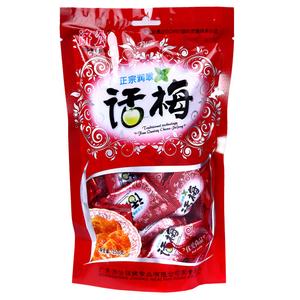
The Rise of Western Bread in Urban China

Western style baked bread is not a staple of the traditional Chinese diet, but it has been quickly catching up among China’s urban middle class during the past 20 years, in which China’s baking sector has grown by 10% annually, and bread has been the main driver product. Bread was good voor 44% of the total value of the Chinese baking industry in 2018. The value of the Chinese bread market is expected to reach RMB 266.3 billion in 2020.

According to a staff member of the bakery chain BreadTalk, 80% of their clientele were foreigners, when she started working there in 2005. This has changed completely, and now Chinese are the main customers.

A product for the young and the affluent

When you take the time to observe the activities at any bread store in a Chinese city, you can observe that at least three quarters of the regular domestic patrons are (young) professionals, white collar workers. Older people still regard bread as something that is foreign. They do not dislike it, but it is something you consume occasionally, as a snack.

Moreover, bread is still regarded as relatively expensive. Teenagers and students like to ‘hang out’ in and around bread and cake shops, because they like to cozy ambience that all chains like to create. However, they only occasionally actually buy Western style bread or pastry, because it is too expensive.

Chinese like it soft

When bread first started to come up in the mid 1980s, the preferred type was the soft, white bun, with a relatively sweet flavour. It had to be extremely soft. As one European bakery technician with whom I used to travel through China put it like this:

‘Chinese bread should be made of such a texture, that you can put it in an ordinary envelope, put a stamp on it and send it to your friend. When your friend opens the envelope, the bread should restore to its original shape’

This has started to change recently. Chinese consumers are gradually learning to appreciate more salty types of bread, bread with harder crusts, and whole grain bread.

Bread is also gaining ground in the breakfasts of more and more urban Chinese, replacing porridge, fried dough sticks (youtiao) and steamed bread (mantou).

The sandwich is starting to replace the bowl of (instant) noodles a Chinese office worker typically eats for lunch. The advantage of bread over these traditional breakfast and lunch items is time: you can buy a week’s supply of bread, while traditional breakfast and lunch need to freshly prepared.

Facts & figures

The Chinese consumed 2 mln mt of bread in 2016. That is a lot, but the per capita consumption of bread is approximately 2 kg p.a. (in the urban regions about 3.2 kg), compared to 10 kg in Japan and 9 kg in Taiwan. Insiders expect that the Chinese bread consumption will gradually rise to the level of Taiwan, which means that the growth potential is enormous.

According to the above estimates, the current Chinese bread consumption already exceeds 1 million mt p.a. This would grow to 9 million mt p.a., if the population would remain the same. If we apply the Chinese estimate for the population by 2020, the Chinese bread consumption would rise to 12.5 million mt p.a. The estimated development is reflected in the following table.

Image

Market structure

Bread is a localised business in China. There are very few regional suppliers, let alone producers that sell on a nationwide scale. It is also still a very Chinese business. Multinationals are present, but do not dominate. The largest bakery company in the world by far, Grupo Bimbo, has a very small presence in the market with just one plant.
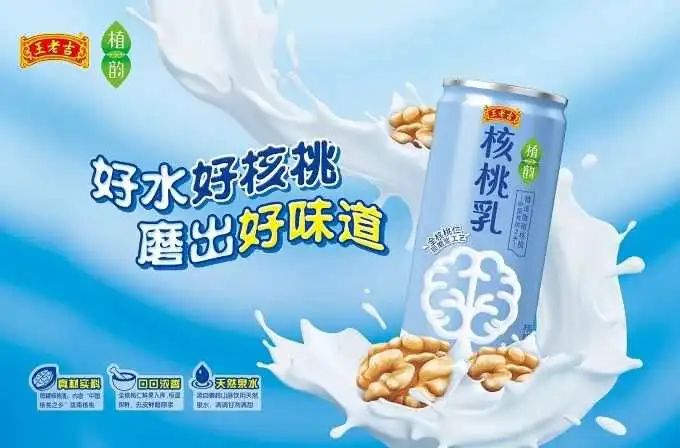
One of the few companies with such a status is Mankattan Food Co., Ltd. Mankattan has been established by the Belgian Artal Group in 1995. Mankattan has achieved a large market share through direct distribution of bread products to retail, food service and school locations. The main company is located in Shanghai, with subsidiaries in Beijing and Guangdong, giving it production centres in China’s most densely populated regions.
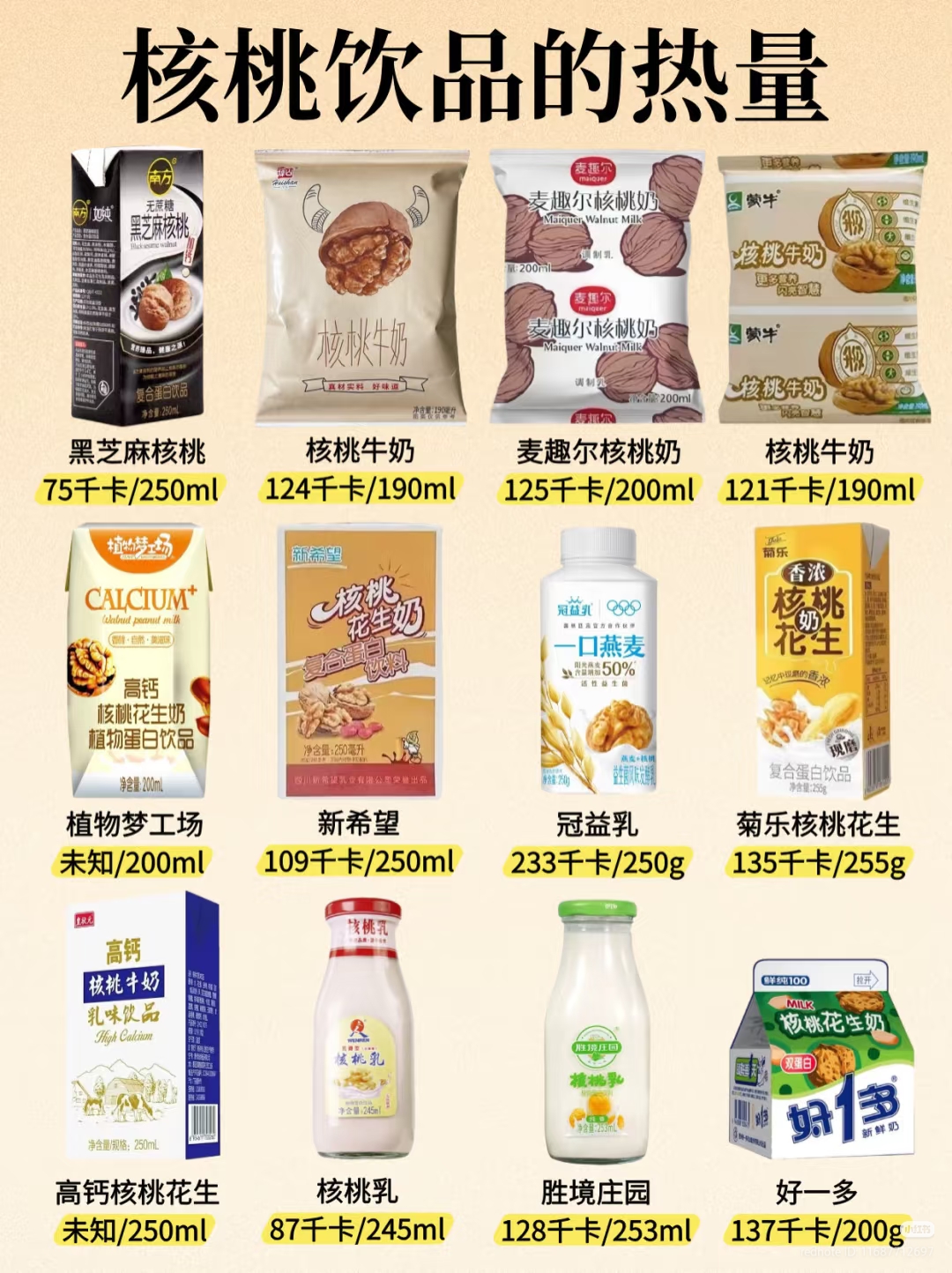
Image

Another successful example is Taoli (Toly) Bread (Shenyang, Liaoning). However, Taoli also produces traditional Chinese bakery items like mooncakes and zongzi. Still, the fact that the word ‘bread’ is part of the company indicates that it is its leading product. Taoli was listed on the Shanghai Stock Exchange in December 2015. Taoli generated a turnover of RMB 2.939 billion in the first half of 2021; up 7.32%.

TaoliBread

Worth keeping on your radar is also Ranli Food (Zhangzhou, Fujian). This producer of biscuits and pastry launched a pumpin bread in 2019. Its pumpkin content is at least 16%, creating a unique flavour and (natural) colour and considerably increasing the fibre content.

Another healthy bread newly launched in 2019 is ‘sugar-free low calorie low fat’ whole grain bread by Shanghai-based Laidalin. A blogger claims that ‘it is so light, that if feels like eating air bubbles’. I personally prefer a firmer type of bread for my early morning cheese sadwhich, but as introduced above: Chinese like it soft.

Several domestic and foreign bakery chains are gaining ground on large Chinese bakery companies like Christine and Holiland. The South Korean chain Paris Baguette now has 37 stores in China, the Taiwanese chain 85°C Bakery Cafe has about 145, the Singaporian venture BreadTalk 170, and the South Korean chain Tous les Jours 140. Starbucks Coffee is also developing in this direction in China. A good sign of the growth potential of this sector is that BreadTalk’s net profit increased 91% in 2017 to RMB 21.85 mln.

Some experienced players from Hong Kong have also expanded to the Mainland, like: Queen’s Cake Shops, Maxim’s and Aji Ichiban, which may sound Japanese, but has Chinese founders.

A common feature of all chains in this category is that they tend to be located in office buildings and high end shopping centres, close to their largest market segment.

Image

Case study: Euro Bakery, an ambitious Dutch investor

Euro bakery, a 130 staff bakery in the Beijing region founded by Dutch investor Henny Fakkel, recently received a loan from the Netherlands Finance Development Company (FMO). The bakery is now expanding its business with a long-term EUR 2 mln loan from FMO.

Euro bakery specialises in traditional as well as new-style bread and cake variations, from European-style big loaf bread, rolls, whole wheat sourdough breads to pastry varieties, muffins and cookies, Danish pastry and also cheese savoury cookies. The bakery did well over the past years to tap into the growing popularity of bread products in China’s capital. The bakery factory of 135 staff caters for cafes like Costa coffee, Pacific coffee, and for companies like IKEA, International schools, Compass Group, Sodexo, airport catering, Pizza Express, embassies, hotels, restaurants and wholesalers.

EB2

Euro bakery has come a long way since Henny Fakkel and Grace Wang started the business in 2006. The bakery has managed to extend its large-client base to 60, and with a staff of 135, the bakery produces seven days week and distributes its products all over China via 450 delivery points.

Euro bakery wants to expand to 4000 m2 and build its own bakery education institute to train itd staff and disadvantaged young people to give them the chance to follow a baking course.

Frozen technologies

Insiders believe that the penetration of frozen technologies in baked goods will increase in the future. In China, where labour is abundant and cheap, it may be counterintuitive to see penetration of a high-end technology for production of baked goods growing. However, increasing complexity and diversity of products in industrial bakeries is driving the requirement for frozen solutions. It is already deployed in 20% of western style baked goods in the country.

In the artisanal sector, which is about 56% of the Chinese bakery industry by value, the penetration of frozen technologies is very low. The highest penetration of frozen technologies is in branded/packaged baked goods. This trend is changing and we are seeing many local and medium-sized bakery companies also interested in frozen technologies. Ingredient manufacturers should be wary not to miss these opportunities for specialist ingredients for frozen bakery products.

Key target for food ingredients

Bread is pointed out by Northern Sunlight, China’s largest distributor of food ingredients, as one of the most interesting growth markets.

This is corroborated by a the Director of the China Food Additives Association (CFAA), who claims that he regards Bakery China as the most prominent competitor of CFAA’s Food Ingredients China (FIC). Bakery China is organized annually in May, covering 9 halls of the Shanghai New International Exhibition Centre. Apart from baking products, it  also covers ice-cream and pasta and all ingredients for the entire product range.

Virtually all Chinese bakers are using bread improvers, compound ready-to-use ingredients, comprising enzymes, emulsifiers and a various other additives. I have already introduced the structure of the market for flour and baking ingredients in a previous blog. You can see more details there.

Here is the ingredients list of Mankattan Coarse Grain Toast Bread:

Wholegrain wheat flour, water, HFCS, shortening, yeast, bran, salt, gluten powder, flavour, additive [bread improver (starch, vitamin C, enzymes, calcium propionate)].

The way the ‘additive’ is broken down in individual ingredients is prescribed by law. Although not stated verbatim, it indicates that the producer does not purchase those ingredients separately, but buys a ready-to-use bread improver.

Other ingredients include various shapes and textures of fruits (e.g. dates), vegetables, nuts and meat, cheese powder, yeasts, nutrients for fortification, flavours, special oils or fats, fresh butter, cream, shortening, starch and modified starch, chocolate in various presentations, dairy based ingredients, and much more.

Clean bread

Concepts like Clean Label have also reached China and started to get serious around 2022. However, the Chinese interpretation of ‘clean’ seems to be broader or lest strict than the Western. Here is an example of a clean bread from Eurasia Consult’s database that is advertised as ‘zero additives’ site in China.

Product name: nut cart wheel bread

Ingredients

Whole wheat flour, walnuts (>= 22%), water, red beans, gluten powder, bran, oligo-isomaltose, fresh milk, matcha (>= 1%), sodium coppe3 chlorophylin, yeast, sodium bicarbonate, calcium propionate.

New development: ‘2 Yuan Bakery’

Offering high earnings with little investment, bakeries selling bread (round buns, not an entire loaf) for just RMB 2 have shot up across China in 2023. Beginning September of that year, several social media posts showcased individuals who claimed to have quit their jobs to open a bakery, earning substantial incomes with low investment. For example, a young mother and a woman in her 20s claim monthly earnings of RMB 130,000 yuan – 180,000, respectively, after opening bakeries. Such outlets are often strategically placed in communities close to schools or markets in cities where rental costs are more manageable. Read more about that here.

Peter Peverelli is active in and with China since 1975 and regularly travels to the remotest corners of that vast nation. He is a co-author of a major book introducing the cultural drivers behind China’s economic success.