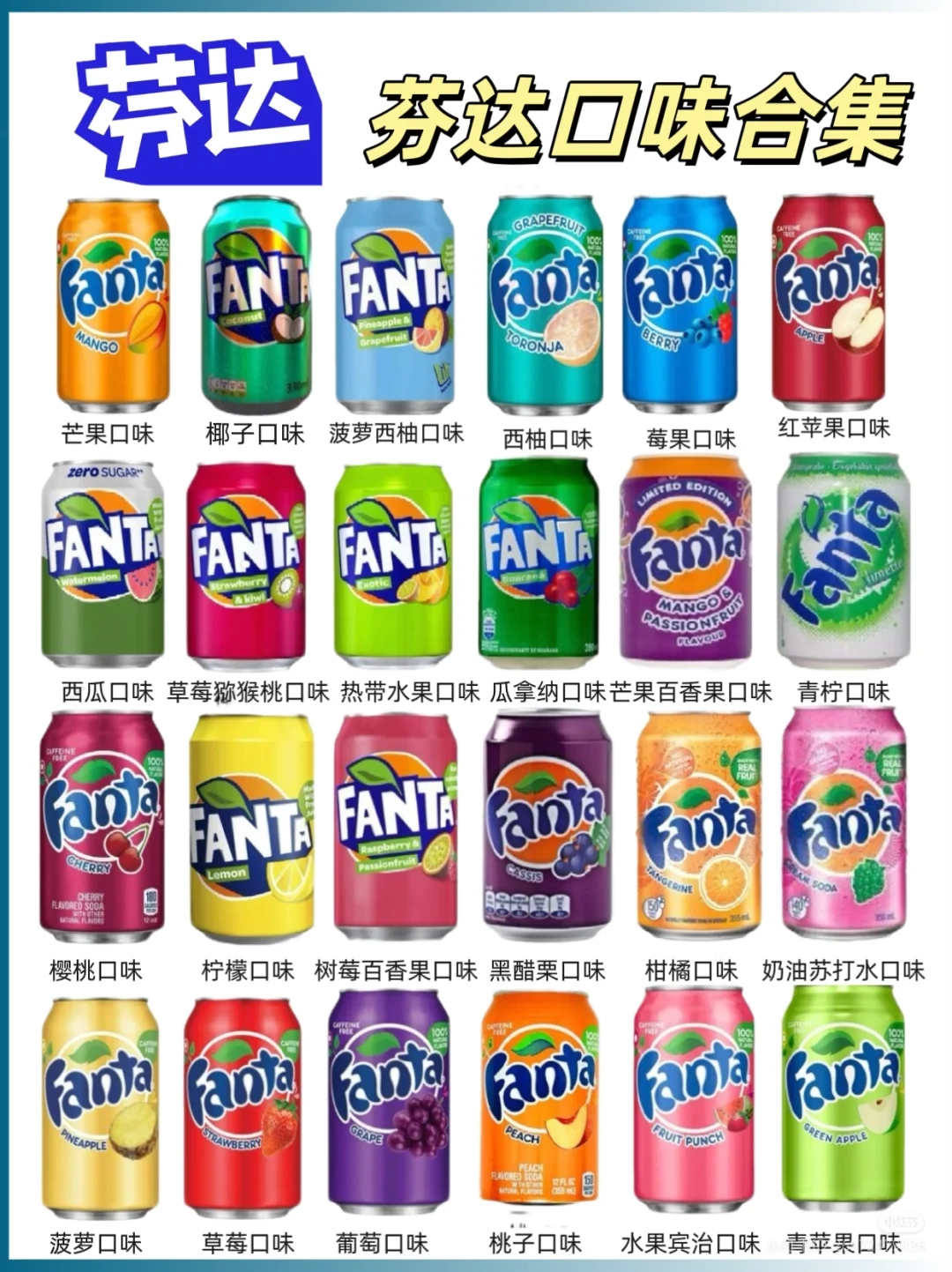
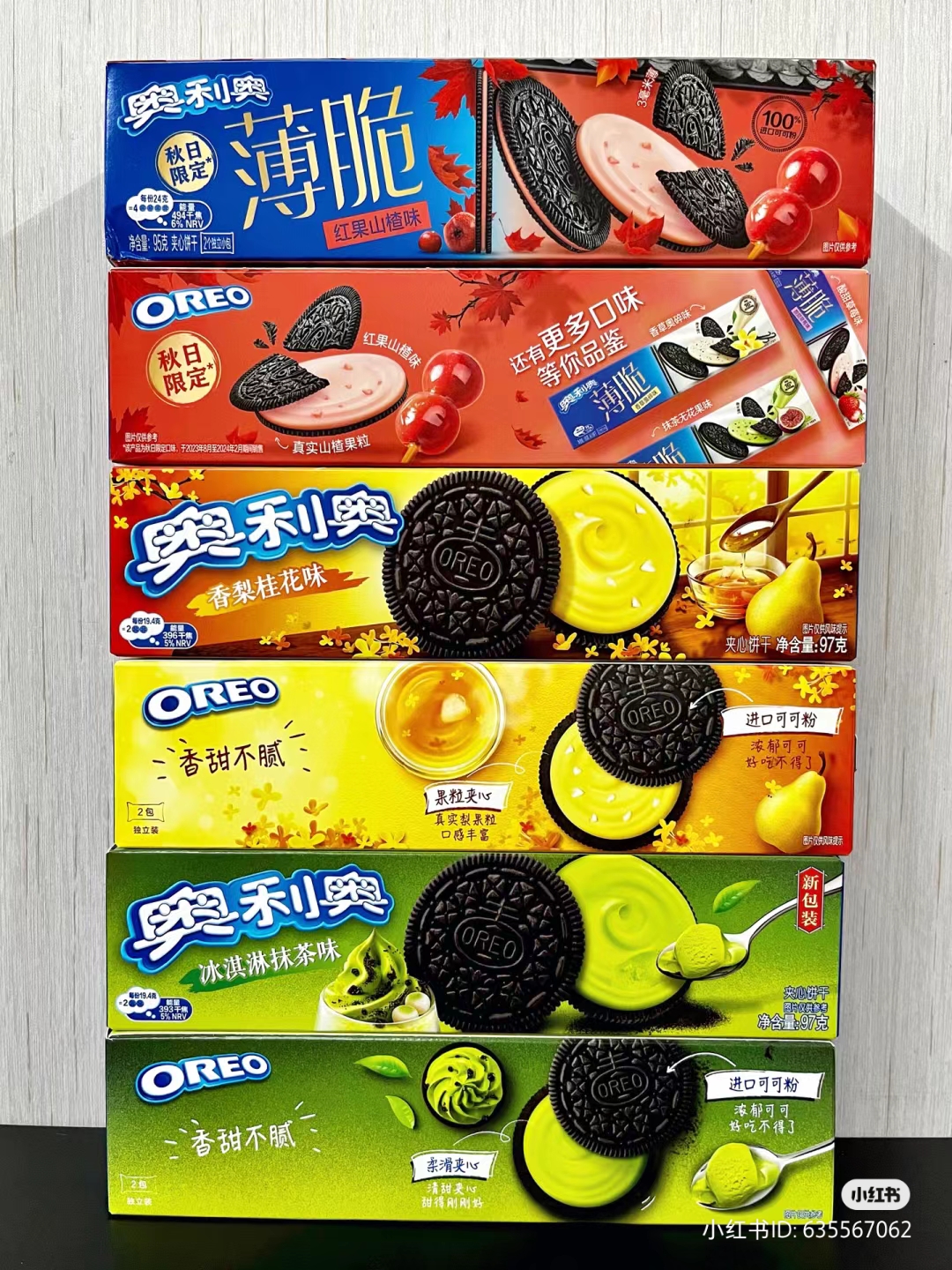
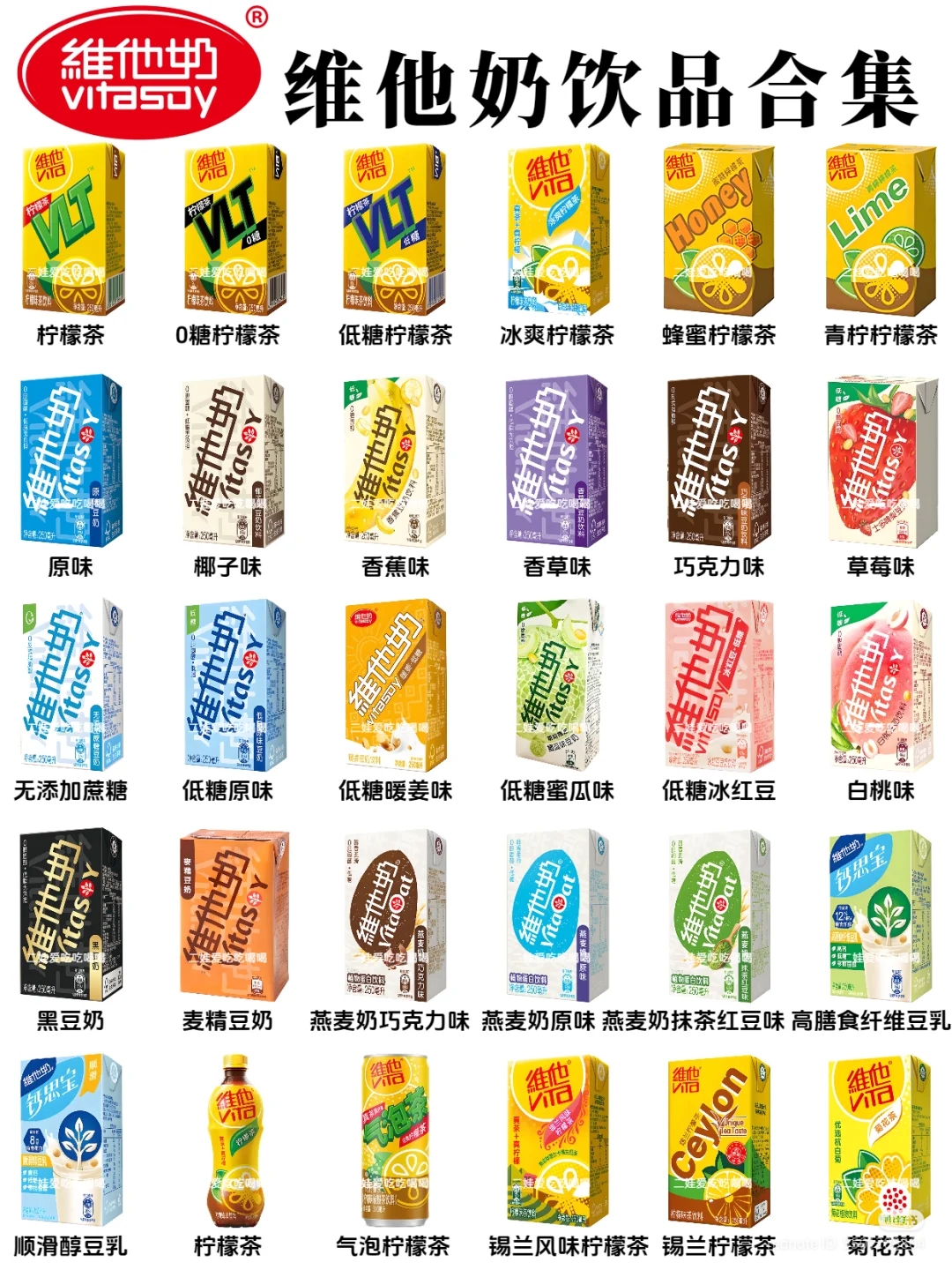
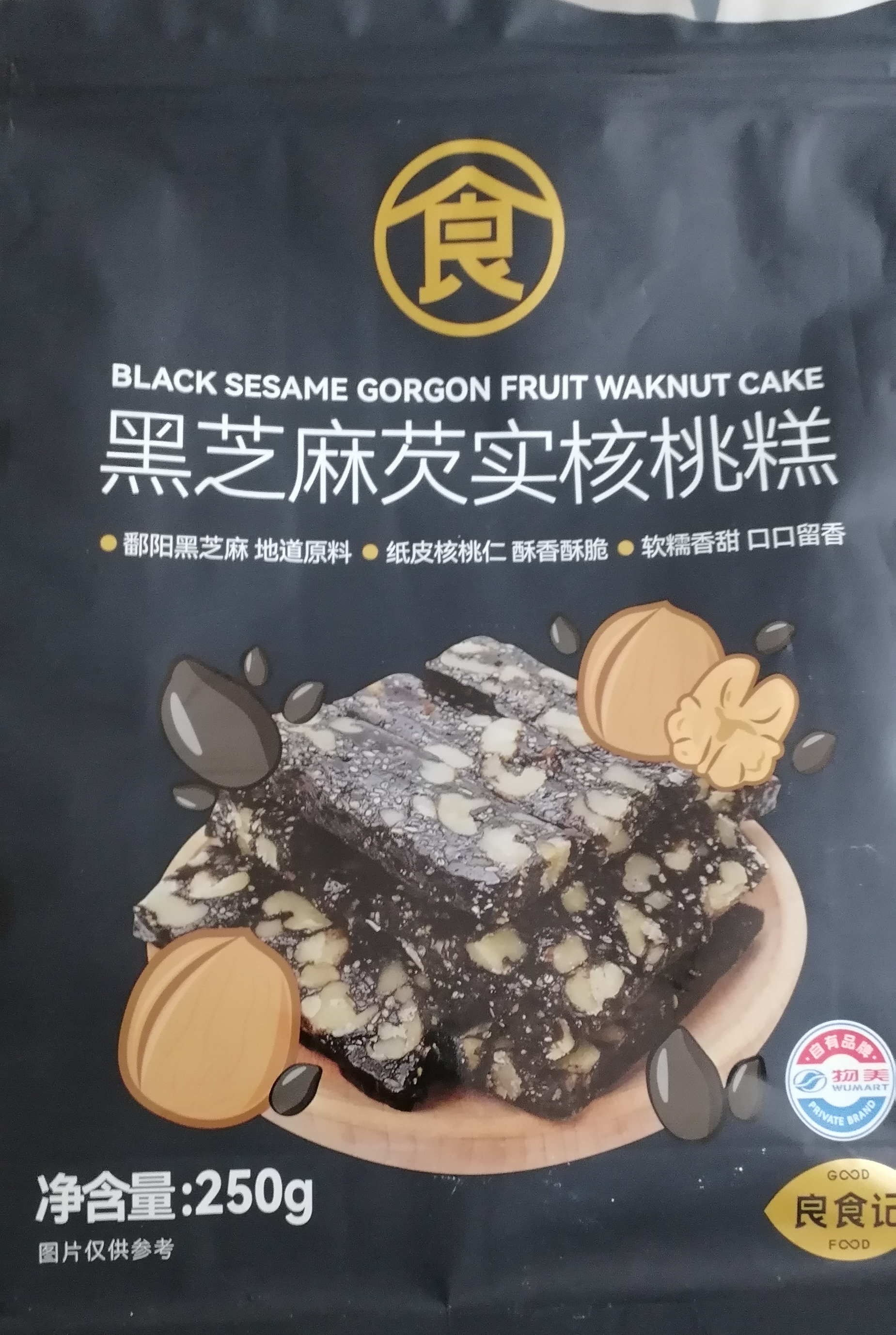
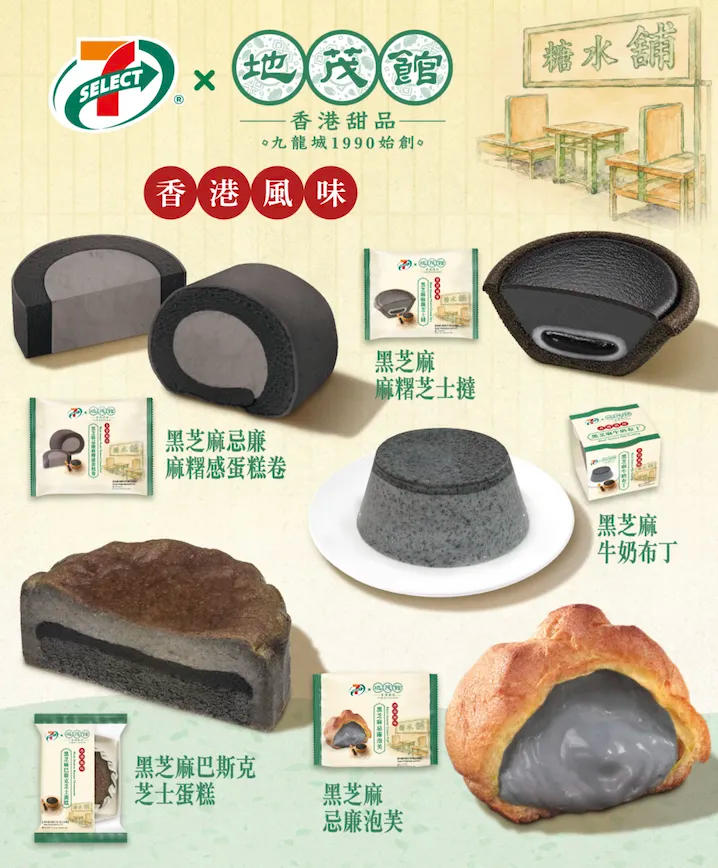
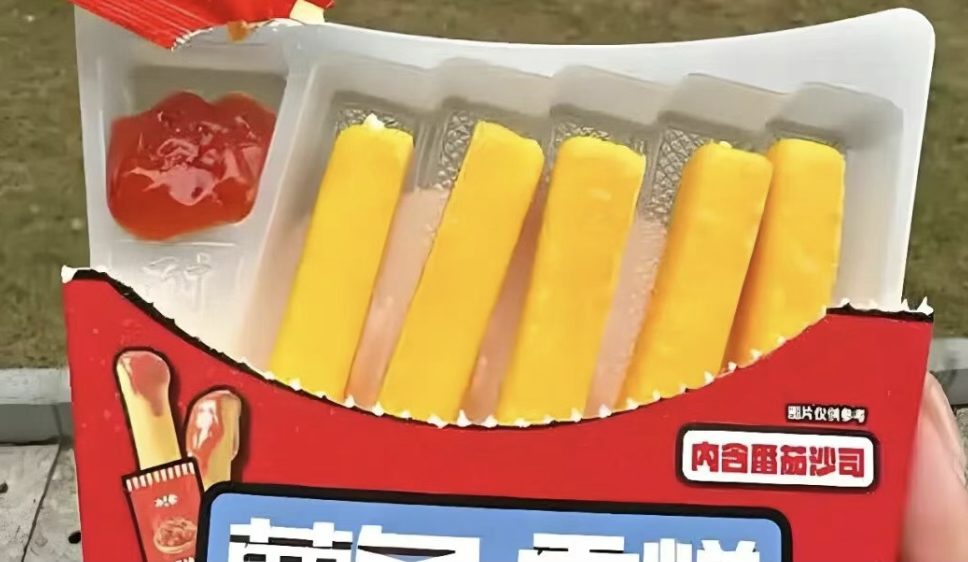
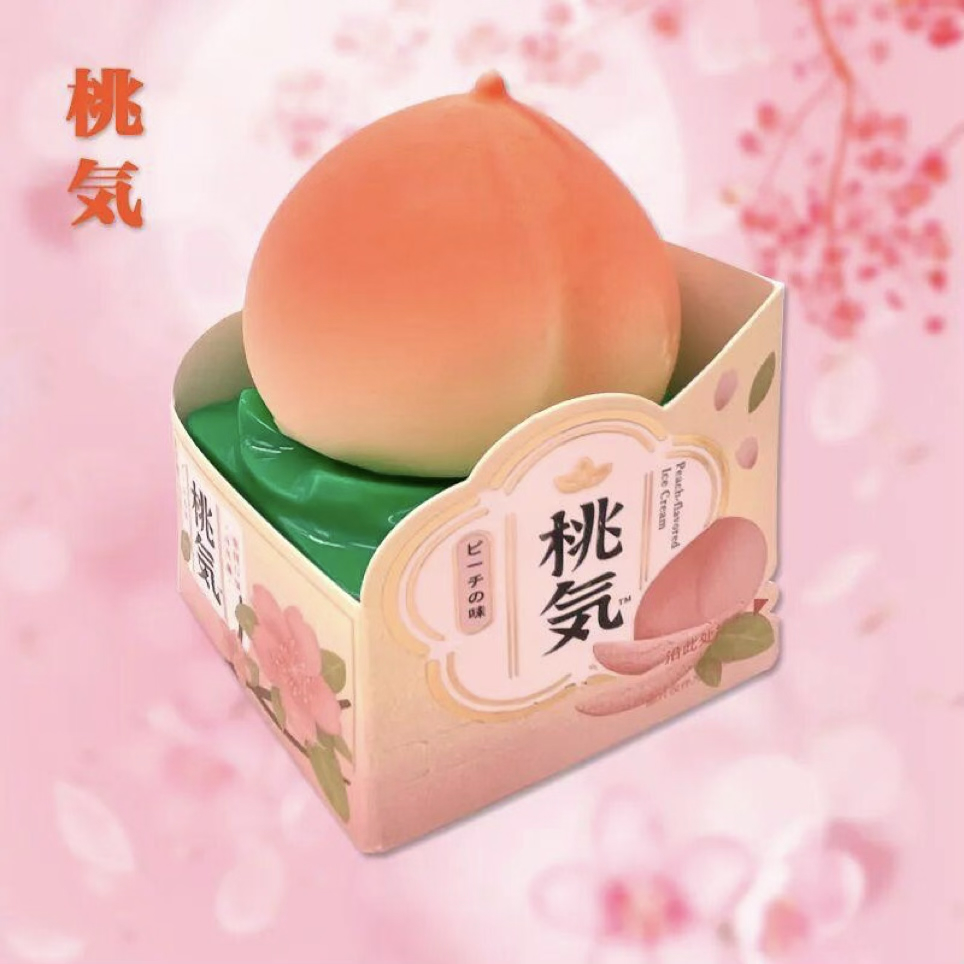
Chinese on one hand have a problem with choosing. A context in which this is especially evident is food. A typical Chinese meal, at home or in a restaurant, consists of multiple dishes. Vegetables are important, but at least one plate with animal protein, meat or fish, is indispensable. In fact, you would like to see at least two vegetable dishes and fish AND meat.
Loving to choose
We could easily turn this around and conclude that Chinese love to choose. A typical western family meal has one dish as the main coarse, often fish or meat. This mean dish is accompanied by a type of vegetable and one type of staple. You can start with an appetiser and end with a sweet dish; again with little or no option to choose from. This does not mean that Chinese dislike a western meal, but they have a problem with the lack of options to choose from. During a meal in a western restaurant in China, you will see that most Chinese patrons eat there in the Chinese fashion: all dishes in the middle of the table and all participants of the meal taking pieces of everything.
Variety in processed foods
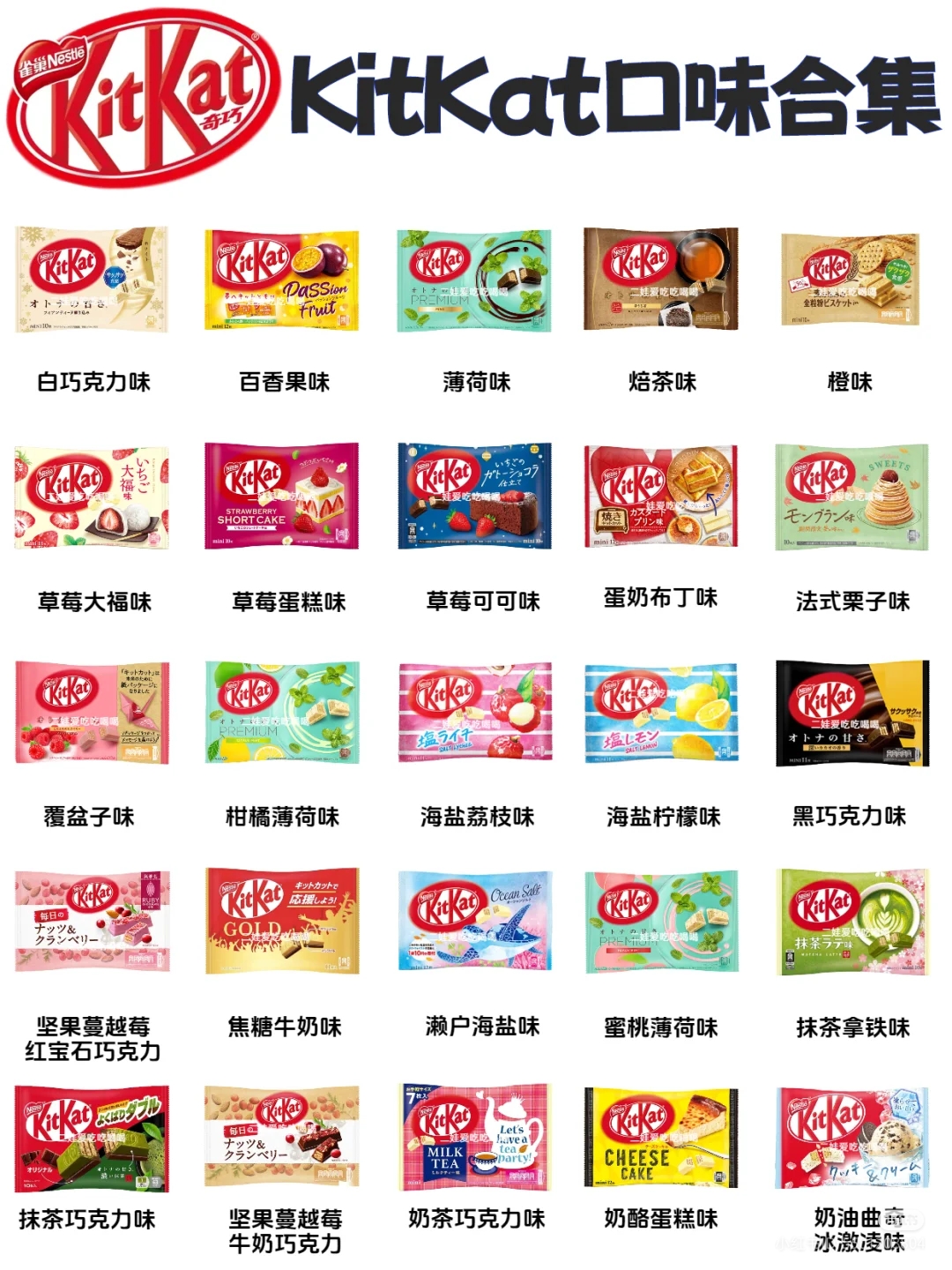
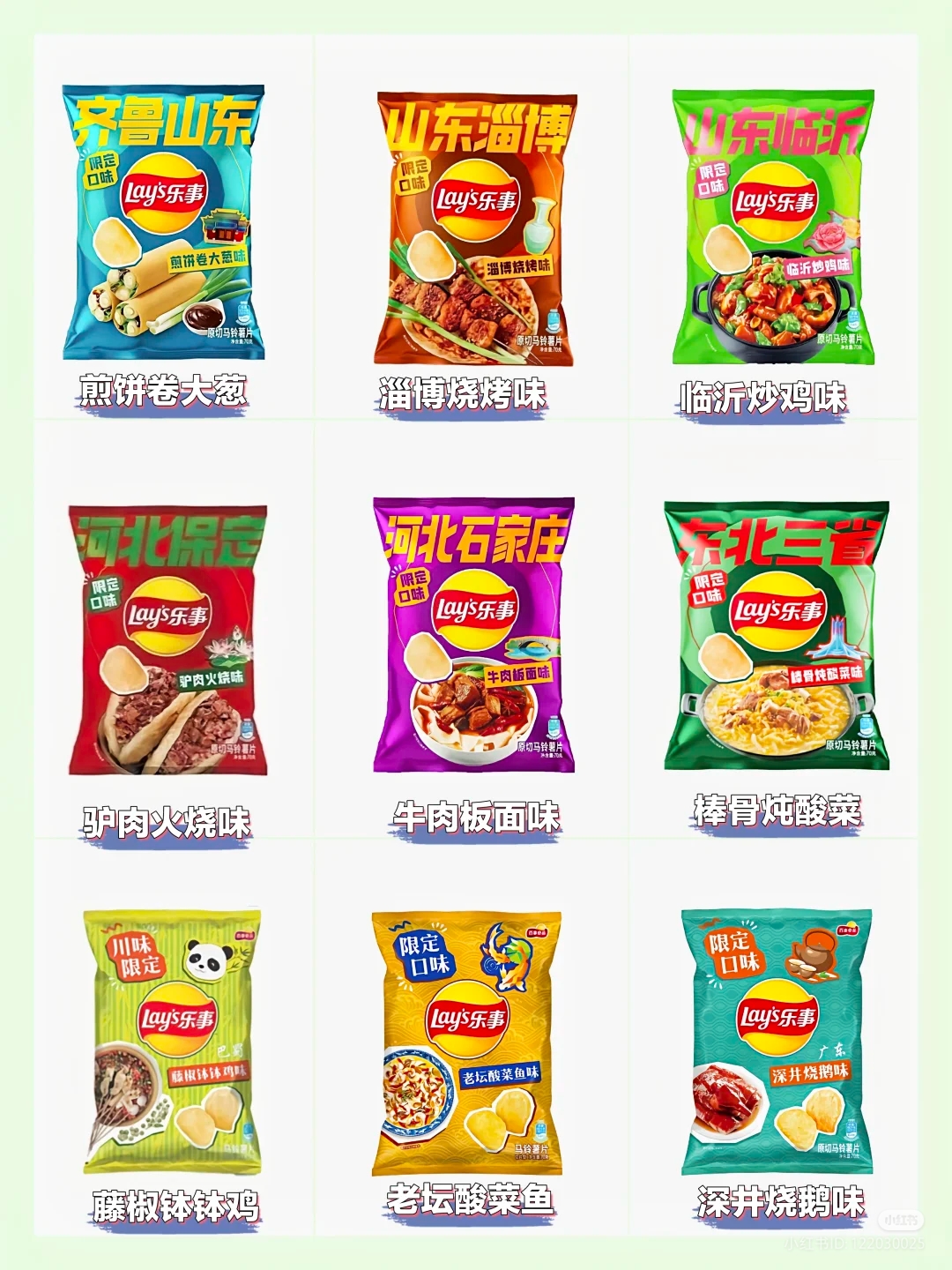
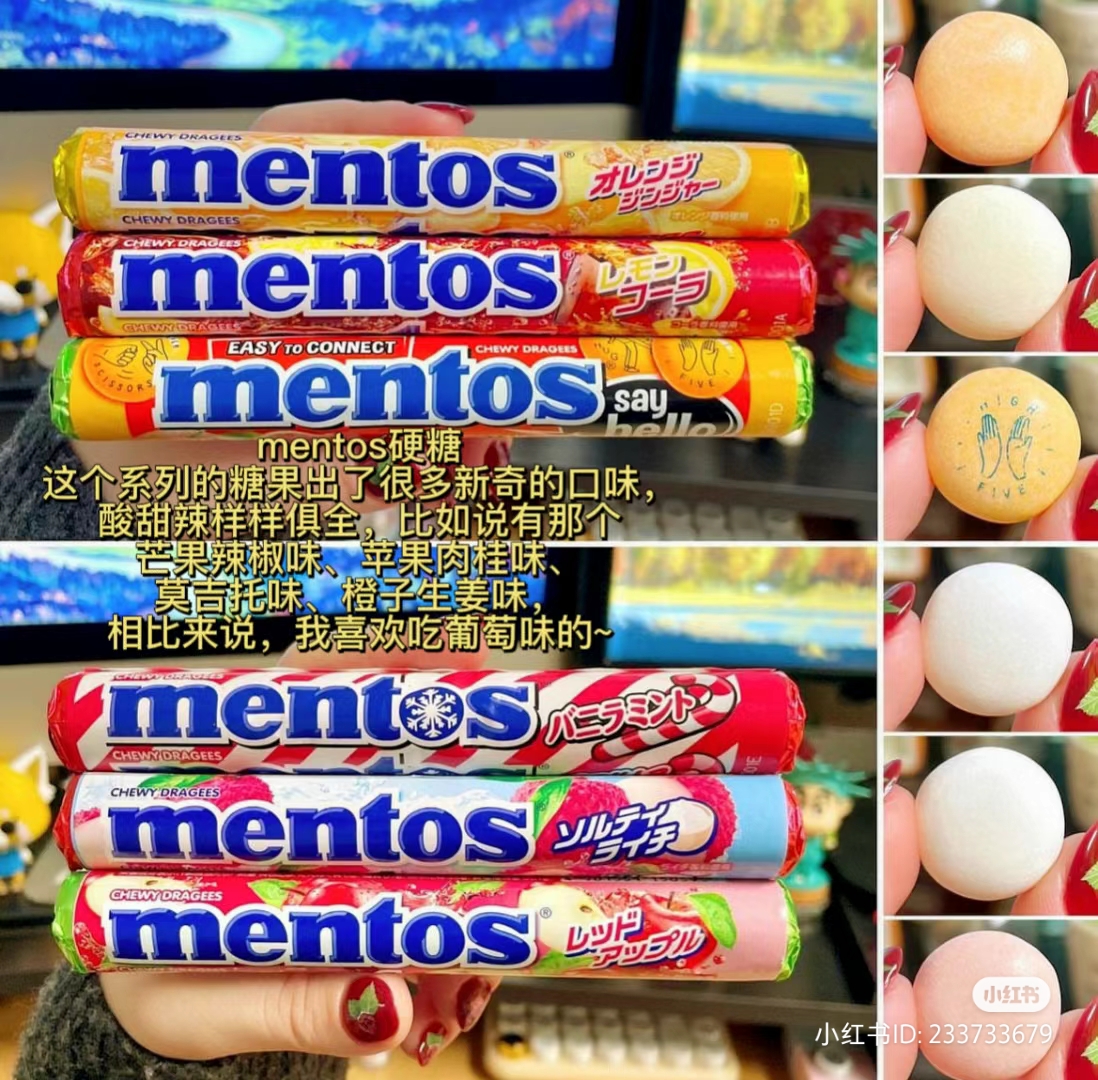
This propensity is also reflected in processed foods, in particular in leisure food like biscuits, candy, snacks, etc. A peppermint like mentos is a nice refreshment, but one can get easily bored with that endlessly recurring white pepperminty lozenge. Chinese would like to choose to a variety of flavours, each with its own colour. It would still need to be refreshing, but in a slightly different way. International producers of leisure foods have noted this and many of them offer a much larger variety of flavours and colours than in other markets on the globe. This post shows a selection of such world famous products. I am just showing one picture per product. None is exhaustive. There are many more varieties for each of the shown products.
I am not going to translate all flavours. The pictures will speak for themselves. However, I would like to point out an interesting feature of Lay’s. Their large number of variations includes regional Chinese flavours. One of the bags shown here is of ‘Zibo flavour’; Zibo being a town in Shandong province.
I posted my general blog about rice wine long back in 2014. Already at that time, the industry spoke in terms of innovation, necessary to get rid of the old fashioned reputation of this traditional Chinese alcoholic drink. The appearance of this item in China Food News of August 31, 2026 (12 years later!) about the rejuvenation of rice wine immediately caught my attention. Here is my English translation with my own thoughts and notes integrated in the text.
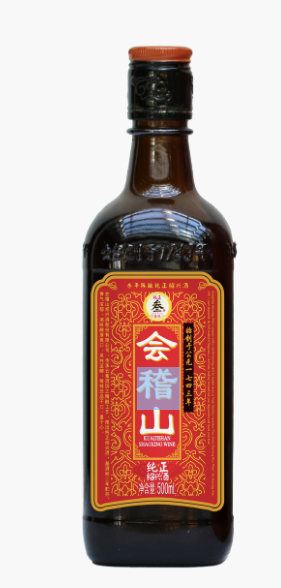
Kuaijishan’s regular rice wine
Cocktail ingredient
A few days ago, the first batch of ‘no high or low’ rice wine in Guyue Longshan entered 52 cooperative bars across the country, completing the national large-scale landing of rice wine as a cocktail base wine. From traditional warm drinks to the launch of innovative products such as sparkling rice wine and coffee rice wine, to becoming a cocktail-based wine, in recent years, rice wine has been constantly striving to enter the wine glass of young people, behind which is the determination of the rice wine industry for youthful development. Like the rejuvenation of bajiu, the traditional Chinese distilled liquor, this road has a long way to go. How to transform the ‘returning customer’ of one-time taste into a ‘returning customer’ of long-term consumption has become a major issue facing the rice wine industry.
New channels
For a long time, rice wine has always been labelled as ‘elderly wine’ and ‘kitchen wine’. Many young people have heard of rice wine, but have no consumption experience. The social scene of young people is shifting to bars, taverns, camping, etc., and it is difficult for traditional supermarkets and gift channels to reach young people. Against this background, the bar has become a ‘green channel’ for rice wine to approach young people.
Nation wide action
In August, the first batch of ‘no high and low’ rice wine in Guyue Longshan entered 52 cooperative bars across the country, covering 17 provincial administrative regions and 30 cities, from Beijing in the north, Hainan in the south, Tibet in the west, and Shanghai in the east. The stores not only include boutique cocktail bars in first-tier cities, but also taverns in community streets and alleys, completing rice wine as chicken The national scale landing of tail wine base wine.
Boundary Art Centre
Reset Bar in the Boundary Art Centre in Beijing
In front of the bar of RE·Reset Boundary Art Centre in District 3, Hanwei International Plaza, Fengtai District, Beijing, the bartender poured a bottle of Shaoxing-produced rice wine into the shaker. This rice wine is the ‘No High or Low’ launched by Guyue Longshan in 2024. Now it has a new identity – Chinese cocktail base wine. It is understood that this special type has been launched simultaneously in 52 cooperative bars across the country.
Wang Haoyu, the manager of Beijing RE·Reset Border, said: ‘I have tried a lot of Chinese cocktails before. From a professional point of view, the natural grain flavour layer of rice wine is unique, and it can be well integrated with fruit flavour, herbs and bubbles.’
Lightly intoxicated
The core of the rice wine layout of the bar is to target the social and ‘lightly intoxicated’ trend among young people, and the rejuvenating transformation of the industry was started earlier from the product research and development side.
Sorting out the timeline, the new products of the head rice wine enterprises continue to iterate, and almost never break. In 2023, Kuaiji Mountain launched ‘one shot a day’ bubble rice wine; in 2024, Guyue Longshan ‘No High or Low’ rice wine was launched; in 2025, Guyue Longshan successively launched ice-carved bubble rice wine, coffee rice wine and lime rice wine; in November of the same year, Jinfeng Liquor Industry launched ‘not in a hurry’ bubble rice wine; in February this year, Gu ‘Yue Xiao Beer’ jointly launched by Yuelong Mountain and China Resources Beer is on the market.
In addition to product innovation, the rice wine channel also continues to extend to the young consumption scene. Since 2023, Guyue Longshan’s ‘Slow Tavern’, Daughter Hong’s ‘Wendu Tavern’ and Zhuangyuanhong’s ‘Tavern’ have been launched one after another. At present, Guyue Longshan has laid out 65 tasting halls and slow pubs around the world. Jin Yufeng, executive partner of Zhongyuan Fund’s big consumption, said that the biggest role of the tavern is that it is a direct C-end channel, from which wine companies can obtain big data such as consumer data, purchasing behaviour, product preferences, brand experience and taste feedback.
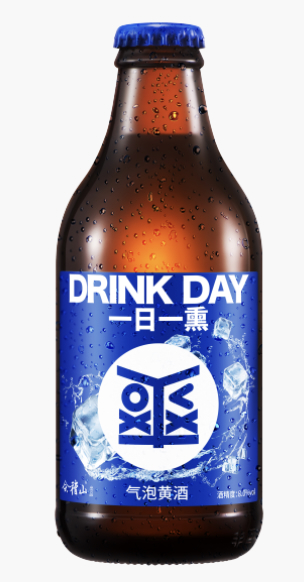
Kuaijishan’s sparkling rice wine
Embracing young people
According to the Analysis of the Development and Trend Study and Judgement of China’s Liquor Industry released by the China Liquor Industry Association in May, there will be a total of 76 major rice wine enterprises nationwide in 2025, with sales revenue and profit decreasing by 4.8% and 4.9% year-on-year, respectively. In addition, the industry report released by the China Liquor Association shows that during the 14th Five-Year Plan, the number of rice wine regulated enterprises continued to decrease, and the concentration of the industry increased. The number of rice wine production enterprises above the scale decreased from 121 in 2017 to 81 in 2023, and fell to 76 in 2025, and the industry cleared Continuously push forward.
Rice wine’s initiative to embrace young people is not the icing on the cake at the marketing level, but a ‘must-answer’ under the superposition of multiple factors inside and outside the industry. Externally, the intergenerational change of consumption reshapes the logic of alcohol consumption; internally, the number of enterprises in the industry continues to shrink, the pressure of inventory competition continues to increase, and the rejuvenation has evolved from a brand optional strategy to a rigid need for the survival and development of the industry.
Progress
The Mid-term Research Report on China’s Rice wine Industry in 2025 shows that although the main consumption of rice wine is concentrated in people aged 25-30 and over 31, the interest of young people aged 18-24 is heating up. The drinking mentality of young people is also changing. They no longer drink passively for health purposes, but actively pursue the social attributes and emotional values brought by low-degree drunkenness and trendy drinks.
Industry insiders said that the industry needs to grasp the pursuit of Generation Z for ‘slightly intoxicated’ and ‘national trend’, and make rice wine become the ‘first wine’ choice of young people through product innovation.
Internal pressure
The iteration of consumers is the external driving force to promote the rejuvenation of the industry, and the reason why rejuvenation has changed from a plus to a rigid demand of the industry is the real pressure faced by the rice wine industry itself.
Cai Xuefei, a liquor analyst, believes that rejuvenation is an important breaking tool for rice wine in the stock competition market, which meets the personalised and diversified drinking needs of consumers. Rejuvenation can not only open up new incremental markets and solve the performance growth problems of rice wine enterprises, but also realise rice wine through cross-border co-bring and other means. Overtake in the curve. In the face of the pressure of the stock market, exploring the incremental market for young groups has become a necessary way for the rice wine industry to break through.
Tasting
A series of youthful layouts of rice wine enterprises have attracted a large number of young consumers to taste it. Kuaijishan sparkling rice wine is hot-selling on ‘6·18’ this year, and Guyue Longshan’s ‘no high or low’ rice wine has become popular on social platforms, both of which confirm that young people have a high interest in new rice wine.
But tasting and repurchase are two thing things. According to JD.com’s consumption data, the repurchase rate of rice wine is only 22%, while that of craft beer reaches 45%.
Experts believe that rice wine lacks a clear, modern and replicable consumption scenario like beer with barbeque, red wine with Western food, and whiskey with jazz. Without scene carrying, social attributes, and daily drinking habits, it is still difficult for the product to enter the repurchase list of young people.
Directions for innovation
Industry insiders said that rice wine enterprises should reject simple flavour superposition. Rejuvenation is not the same as blindly adding fruit flavour and coffee, but to optimise the wine body from the brewing source, improve the inherent impression of sweetness and heavyness, and develop a refreshing and mouth-to-drink wine body that is suitable for iced drinks and flavored drinks.
Fu Zukang, vice chairman of Kuaijishan, believes that it is necessary to develop wine for young people that meets their taste, aesthetics and drinking quantity. Kuaijishan’s ‘cool wine’ did not stop after the daily sales of a generation of products exceeded 10 million, but launched the research and development of the second generation of products based on tens of thousands of consumer feedback in the background. After the launch of the second-generation products, the repurchase rate has increased, but we still need to do further market research. Fu Zukang said.
Xiao Zhuqing, a liquor marketing expert, believes that innovative products such as sparkling rice wine have the problem of ‘easy to taste and difficult to precipitate’. The penetration rate of rice wine in banquet scenes is less than 5%. It lacks social monetary attributes like white wine, and does not form the daily leisure drinking inertia like beer. It is difficult to generate a value recognition worth buying repeatedly.
Lu Danlin, the head of the Shaoxing Rice wine Special Class, said that the future belongs to young people, and the breakthrough of rejuvenation with renewed vitality is to take the initiative to approach and embrace young people. The rejuvenation of rice wine is to open up new channels to adapt to young people, to develop new products suitable for young people, to create a new scene for young consumption, and to make rice wine truly integrate into the lives of young people.
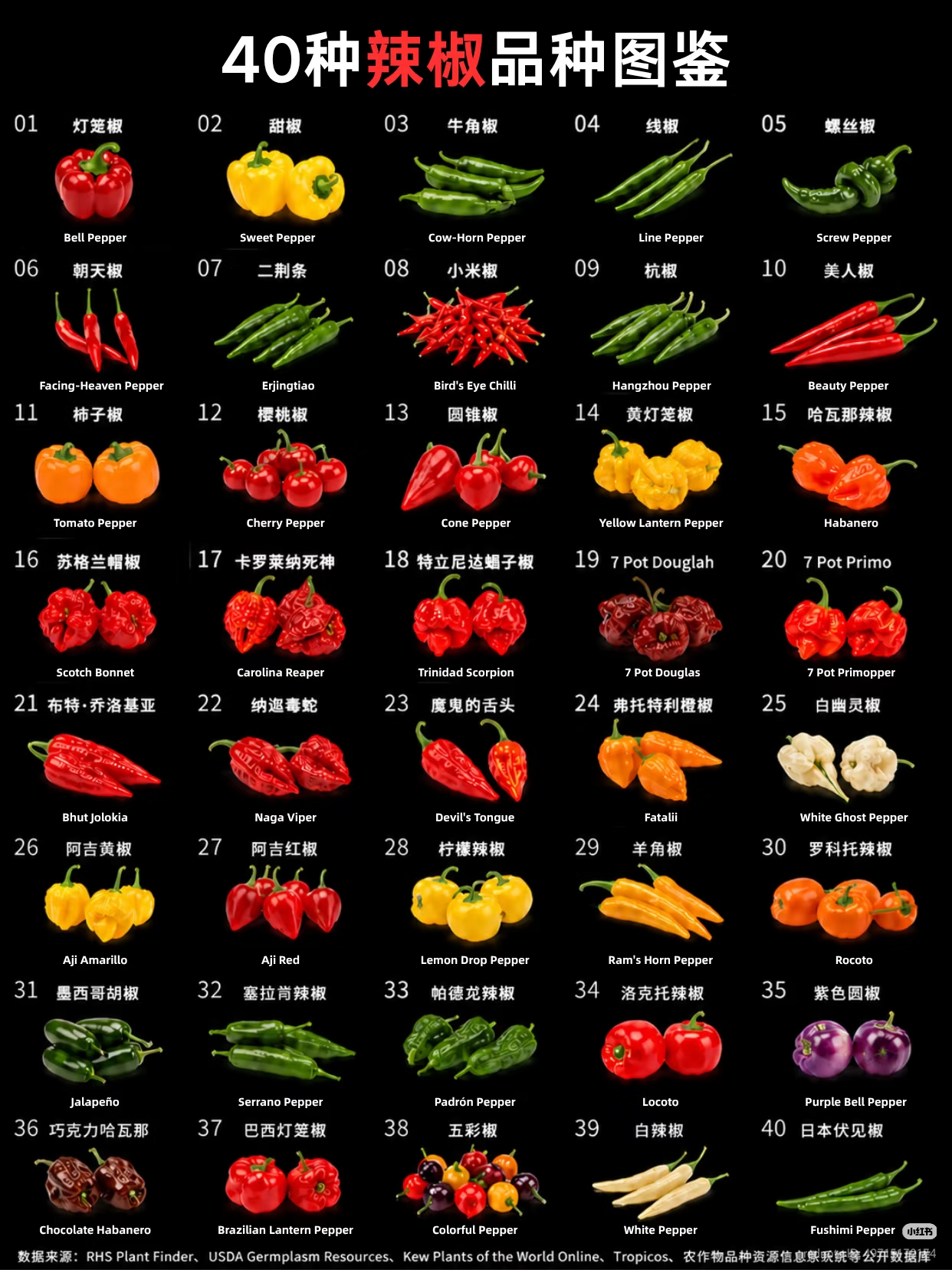
My earlier post on chili sauce dates from quite a few years back. Today, I found this article on the standardisation of food heat in China. It seems like a nice follow up.
At a time when the spicy industry is booming, making ‘spiciness’ visible, tangible and measurable is essential for its high-quality development. This was discussed at an expert seminar on the standardisation of spiciness held in Chongqing recently.
Sun Baoguo, academician of the Chinese Academy of Engineering, president of the Chinese Society of Food Science and Technology and professor of Beijing University of Technology; Xie Jianping, academician of the Chinese Academy of Engineering; Meng Suhe, president of the principal of the Chinese Society of Food Science and Technology; Chongqing Dezhuang Li Dejian, chairman of Industry (Group) Co., Ltd.; and other experts and enterprise representatives held an in-depth dialogue on the construction status and upgrading path of the quantitative grading standards for spicy seasonings.
Under the industrial pattern where the market scale of spicy seasoning has exceeded RMB 280 billion and there are more than 12,000 related enterprises, Li’s spicy scale, a local standard in Chongqing, has taken the first step in this process. However, to move from the local area to the whole country, it is necessary to gather industry consensus, address technical shortcomings and overcome application bottlenecks.
This seminar has signalled a shift in the spicy industry from a traditional model of ‘relying on the touch and relying on experience’ to a new stage of standardisation based on ‘numbers to follow and moderation to follow’.
The Six Degrees of Li’s Scale
12° (Baby Hot / 微辣): Mild spice, designed for a gentle aromatic kick.
36° (Social Hot / 低辣): Low spice, friendly for casual group eating.
45° (True Hot / 中辣): Medium spice, standard local flavor depth.
52° (Bold Hot / 高辣): High spice, intended for experienced heat-seekers.
65° (Champion Hot / 特辣): Super spice, pushing intensive thresholds.
75° (Hero Hot / 暴辣): Extreme spice, built for maximum heat and fermented flavor intensity
The industry urgently requires standards.
The 280 billion spicy market calls for a unified spiciness language.
The size of the spicy flavour industry in China is substantial. A set of data provides the answer: in 2025 the compound seasoning industry will reach 281.5 billion yuan, the market size of hot pot base products has exceeded 40 billion yuan and there are more than 12,000 spicy seasoning-related enterprises across the country. However, in stark contrast to the scale of the industry, the evaluation of spiciness has long been based on vague expressions such as ‘slightly spicy, medium spicy, extra spicy’.
In his speech, Sun Baoguo retraced the international exploration of the sensory evaluation of spiciness. He mentioned that in 1912 the American chemist Wilbur Scoville proposed the ‘Scoville Spiciness Unit’ (SHU) named after his surname. This designed a set of sensory test methods to quantify capsaicin. ‘This indicator has been widely recognised worldwide for more than a century. However, there has been no unified understanding of how much is spicy and how much is not spicy.’ Dezhuang Company has taken a significant step through years of efforts to raise Li’s spiciness to Chongqing’s local standard and has been recognised by a considerable number of enterprises and consumers.
Meng Suhe, analysing the historical dimension of the industry, noted that Sichuan and Chongqing seasoning enterprises have endured decades of challenges and setbacks. This success is attributed to the significant influence of Sichuan food culture, which is unique in global cuisine. It not only preserves deep traditions but also reflects modern tastes and health requirements. Meng Suhe emphasised that the technical accumulation of these enterprises is largely self-driven.
Despite the industry’s growth, the lack of standards presents a significant challenge. Li Dejian, representing Chongqing hot pot, highlighted the confusion surrounding the spice levels of ingredients. Stir-fry chefs rely on experience to determine the spiciness, leaving consumers uncertain about the exact level of heat. This inconsistency has led to gastrointestinal issues among many diners, posing a barrier to the industry’s development. Li Dejian’s observations reflect the concerns of numerous enterprise representatives.
Xiao Zuobing, a professor at Shanghai Jiaotong University, identified technical shortcomings within the industry. He pointed out that while the deep processing capacity is inadequate, active substances such as capsaicin are susceptible to oxidation, resulting in unstable product quality. Furthermore, the flavour profile is limited, with most products characterised by high oil and salt content and a lack of functional development. These issues necessitate the industry’s standardisation for improvement.
Xue Jingbo, R&D director of Baixiang Food Group, noted that the standardisation of spiciness aligns with global consumption trends. The growth of young consumers and the international demand for spicy flavour have made it a global food flavour. Qi Wenqing, director of food safety regulations at Weilong Delicious Global Holdings Co., Ltd., advocated for the food industry to reduce ambiguity and establish unified standards. The digital spiciness evaluation system can address the uncertainty arising from geographical and personal preferences.
Liao Hongbo, vice president of the Chongqing Institute of Quality and Standardisation, stated that existing international standards and domestic testing methods are inadequate. A new system aligned with Chinese consumption characteristics is required. Xing Fushen, director of Tianjin Spring Object Technology Group Co., Ltd., asserted that the traditional description of spiciness is based on vague concepts such as ‘slightly spicy, medium spicy, extra spicy’. The absence of a unified scale has led to the development of a digital grading system that provides a more accurate evaluation. Yue Peng, general manager of Dandan County Douban Group Co., Ltd., highlighted the extensive application of chilli peppers in China. A spiciness standard that reflects domestic consumption should be established to provide a unified basis for production, research and development and sales, thereby avoiding cognitive deviations caused by subjective differences.
Eighteen years of research into ‘Chinese spiciness’
——From local standards to technical exploration
Dezhuang has been focussing on ‘spicy’ for more than 30 years, consistently investigating its scientific and technological aspects as well as its cultural significance. ‘Spicy’ and ‘quality’ have become integral to the company’s identity. Li Dejian reviewed the process of standardising Li’s spiciness. Since 2008, Dezhuang has been exploring whether a ‘degree’ of spiciness can be quantified in the same way as temperature and alcohol. In 2011 the company officially launched research into the standardisation of spiciness. After seven years, a breakthrough was achieved in 2017.
Zhang Li, director of the product research and development centre of Chongqing Dezhuang Agricultural Products Development Co., Ltd., presented the scientific background of Li’s spiciness with detailed data. She explained that the research has collected consumer sensory feedback from over 600 hot pot restaurants in China, completed more than 20,000 blind tests and developed a spicy cognitive database covering multiple regions and eating habits. After extensive experiments and data analysis, a logarithmic regression model relating spiciness to the total amount of capsaicin was established. The relevant results have been published in academic journals both domestically and internationally.
Zhang Li further explained the team’s technological breakthrough: the innovative construction of a three-layer mapping architecture comprising a sensory level, an instrument data layer and a mathematical model. The grading layer determines spiciness according to large-scale sensory experiments while the objective layer is provided by high-performance liquid chromatography to accurately correspond to the content of capsaicin substances in batches of products. The mapping layer converts this to a continuous spiciness value through a regression model. This method overcomes the limitations of simple instrumental analysis which is ‘number without sense’ and simple sensory evaluation which is ‘with sense without standard’.
Regarding grading, the team uses an intuitive expression of alcohol content to divide spiciness into six levels: 12°, 36°, 45°, 52°, 65° and 75°. These correspond to slightly spicy, low spicy, medium spicy, high spicy, extra spicy and violent spicy respectively.
Sun Baoguo believes that revising, improving and defining the standard is a topic that requires further study.
Fan Daming, vice president of Southwest University, stated that the spiciness standard is not only a technical endeavour but also a common language and cultural expression of the food industry. This work helps to redefine China’s food flavour system. Promoting this requires the joint participation of universities, scientific research institutes and enterprises to form a systematic innovation platform. Southwest University is willing to utilise its scientific research capabilities and collaborate with enterprises to promote the research of spicy standards, technology transformation and industrial application. Li Xiang, vice president of Sichuan Tourism Institute, believes the spiciness standard can promote the combination of sensory evaluation and physical and chemical testing to achieve scientific classification. It is suggested to further promote the transformation of local standards into national standards and open up the technical system for more enterprises to apply it. Consumer science popularisation should also be strengthened. Zou Guangyou, chairman of Sichuan Guangyou Potato Industry Co., Ltd., proposed that standardisation is not only applicable to hot pot but can also be extended to other food fields such as hot and sour noodles. This will further establish a digital evaluation system for flavours such as acidity, numbness and fragrance and promote the digitalisation and intelligent upgrading of the food industry through standards, enabling traditional food to learn from experience. Production is moving towards data management.
Gao Changwei, general manager of Yang Food Technology (Henan) Co., Ltd., commented from the perspective of product innovation that Dezhuang has created a new product differentiation path through spiciness grading which is of inspirational significance to the food industry. In a fiercely competitive market environment enterprises need to innovate by subdividing categories and consumer demand. Liu Hongtao, general manager of Chengdu Jinmailang Noodles Co., Ltd., stated that the standardisation and digitalisation of the spiciness level can allow consumers to select the spiciness similar to choosing alcohol content and enhance their consumption experience. Wang Shengli, R&D director of Hunan Spicy Prince Food Co., Ltd., believes that the establishment of the standard will enable enterprises to form a comprehensive data management system from raw material planting production and processing to product sales and promote the refined development of the spicy industry.
The foundation of the standard is consensus
The industry has joined forces to promote the ‘grading’ of the spiciness standard. During the discussion, experts agreed that the formulation of standards is an iterative process. They held in-depth discussions on how to promote the spiciness standard from local to national levels from a single product to a full range from technical documents to market language and formed a multi-point consensus.
Meng Suhe’s discussion was particularly systematic and profound. First, after decades of rapid development, enterprises have reached a stage where they should slow down and consolidate the scientific foundation. Second, as a leading enterprise in the industry, it strives to promote the digitalisation of spiciness which is an expression of its industry responsibility after long-term practice. Third, the establishment of standards has given consumers greater right to know and is also conducive to healthy competition in the market. From the perspective of protecting consumer rights and interests this information should be transparent. Fourth, industry innovation is often ahead of standard formulation. When the industry develops faster the demand for standard construction is stronger.
Ding Gangqiang, chief expert in nutrition at the Chinese Centre for Disease Control and Prevention, emphasised from a public health perspective that spiciness is not only related to food flavour but also closely associated with human health. The establishment of spicy evaluation standards can transform the subjective nature of spiciness into digital indicators which is of guiding significance for consumers’ healthy choices. He suggested that the current standard system has a scientific basis but should be further upgraded. This could involve transitioning from local standards to national recommended standards and clarifying the boundaries of the spiciness range to strengthen consumers’ understanding of different levels.
Liu Bin, chairman of Beijing Flavour Food Technology Co., Ltd., stated that from a consumer perspective the spiciness standard makes spicy food more transparent. Previously consumers could only choose based on vague descriptions such as slightly spicy and medium spicy but the digital spiciness system provides a more precise indication of the spiciness level suitable for them. He also emphasised that the promotion of standards requires technical construction and consumer education to ensure greater understanding of different spiciness levels and to promote spiciness standards as a system recognised by the industry and the state.
Li Yanfei, the former chief engineer of Chongqing Metrology Quality Testing Research Institute, pointed out that the spiciness standard has realised the transformation of consumers from no perception to digital cognition, allowing consumers to establish a more effective connection between consumers and enterprises. From the national level, the scale of China’s chilli industry is huge, and it is of strategic significance to establish independent spiciness standards. From the perspective of the industry, standards can promote the standardised development of the industry, help enterprises carry out product innovation according to different consumer needs, and achieve more accurate market positioning.
China’s spicy industry is huge, but there are still shortcomings in terms of deep processing, functionalisation and product flavour. The four innovative trends put forward by Xiao Zuobing in the report provide a technical roadmap for the spiciness standard to lead the industrial upgrading. First, high-value deep processing of raw materials. The industry will no longer be limited to primary processing, but will further explore the value of active substances such as capsaicin, explore its role in lowering sugar, anti-tumour, anti-inflammatory, etc., and expand other application scenarios. The second is the intelligentization of processing quality control. The detection method will gradually shift from the static detection of traditional instruments to the application of biosensing real-time evaluation system to realise the rapid quantification of spiciness and the quality control of the whole process of production and processing. Third, the active ingredients are delivered accurately. Spicy hemp substances generally have pain points such as poor water solubility, excessive stimulation, unstable storage, etc., which can realise the controlled release of spicy taste through microcapsulation, emulsion delivery, cyclodextrin embedding and other technical means, taking into account product stability and flavour experience. Fourth, flavour collaboration and innovation. In the future, we will promote the integration and innovation of spicy flavour with sour, sweet, fresh, fruity fragrance, smoked and other flavours, and deeply study the multi-sensory interaction mechanism. On this basis, we will realise salt and sugar reduction, and promote the development of spicy food in the direction of health and personalised customisation.
Li Hongjun, a professor at the School of Food Science of Southwest University, emphasised that it is necessary to strengthen publicity and popularisation to promote the development of spiciness standards, so that experts, governments, enterprises and consumers can jointly understand the value of spiciness standards. At the same time, we should strengthen the research and dissemination of the health functions of peppers, and promote more enterprises to adopt new spiciness evaluation through market demand. System.
Liao Hongbo pointed out that the construction of spicy standards reflects the combination of scientific and technological innovation and standardised development in the food industry. After years of research, spicy standards have innovated in terms of testing methods, grading and industrial applications. In the future, it is hoped that more enterprises will participate in the promotion and jointly promote the development of the standard service industry.
The standardisation of spicy degree is a systematic project, which not only requires scientific research institutions to provide a theoretical basis, but also requires leading enterprises to be the pioneers, requires government departments to provide policy support, and requires consumers to gradually recognise and accept, so as to form a synergy. As Sun Baoguo said at the meeting, ‘Strive to do a better job in the spiciness standard and get more recognition.’ China’s spiciness standard starts from Chongqing and is gradually going to the whole country and the world.
In 2025, the total national output of aquatic products exceeded 76 million mt.
The Fisheries Administration of the Ministry of Agriculture and Rural Affairs recently released the 2025 National Fisheries Economic Statistics Bulletin (hereinafter referred to as the “Communique”). According to the data, the total output of aquatic products in China in 2025 reached 76,521,400 mt, an increase of 4.00% year-on-year.
In 2025, in the face of the complex and severe situation of increasing external pressure and increasing internal difficulties, the national fishery system focused on stabilising production and supply, promoting industrial development, and promoting increasing fishermen’s income.
Value
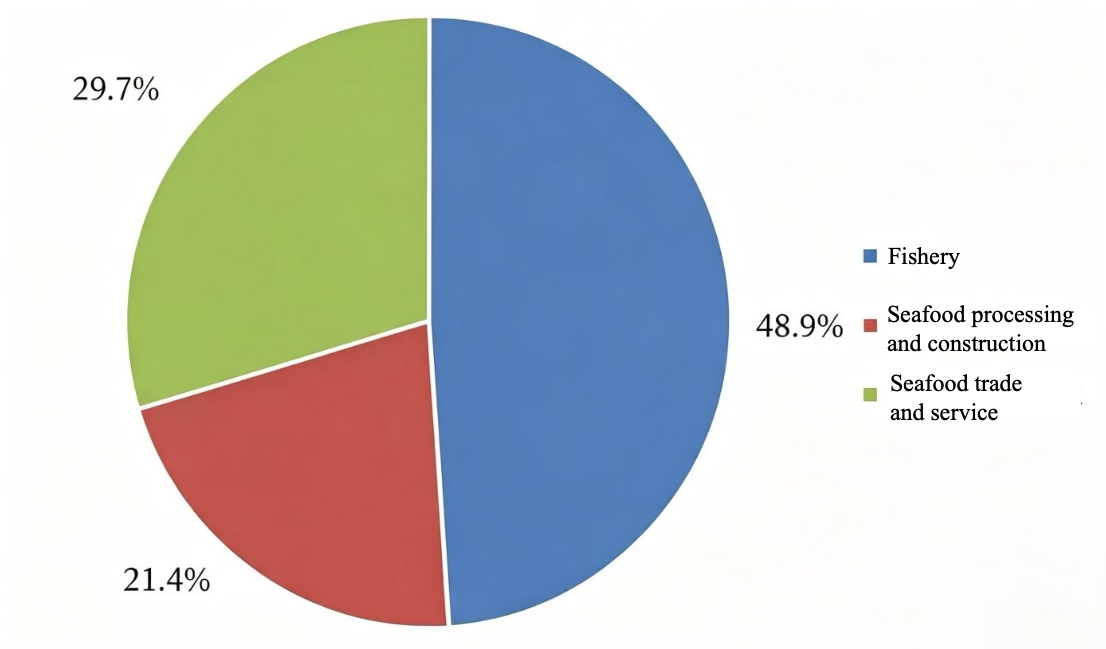
According to the communique, the total output value of the national fishery economy was RMB 3548.830 billion, of which the output value of fisheries was RMB 1735.439 billion, the output value of seafood processing and construction industry was RMB 760.608 billion, and the output value of seafood trade and service industry was RMB 1052.783 billion. Within the output value of fishery trade and service industry, the output value of leisure fisheries was RMB 106.296 billion, an increase of 7.52% year-on-year.
According to the National Bureau of Statistics, the output value of sea aquaculture was RMB 509.142 billion, the output value of marine fishing RMB 274.964 billion yuan, the output value of freshwater aquaculture RMB 919.936 billion, and the output value of freshwater fishing RMB 31.397 billion. Among the fishery output value, that of aquatic seedlings was RMB 92.462 billion.
Volume
According to the communique, in 2025, the total output of aquatic products in the country was 76,521,400 mt, of which the aquaculture output was 63,256,200 mt, an increase of 4.38% year-on-year; the fishing output was 13,265,200 mt, an increase of 2.23% year-on-year. The output of seawater products was 38,599,400 mt, an increase of 4.07% year-on-year; the output of freshwater products was 3,792,200 mt, an increase of 3.93% year-on-year.
Income
In terms of per capita net income of fishermen, in 2025, according to a survey of the income and expenditure of nearly 10,000 fishermen’s families across the country, the per capita net income of fishermen nationwide was RMB 28,676.94, an increase of RMB 1545.94 over the previous year, an increase of 5.70% year-on-year.
Area
In terms of aquaculture area, in 2025, the national aquaculture area was 7,760,600 hectares, an increase of 2.55% year-on-year. Among them, the area of seawater aquaculture was 2,408,520 hectares, an increase of 7.52% year-on-year; the area of freshwater aquaculture is 5,352,080 hectares, an increase of 0.46% year-on-year.
Foreign trade
According to the statistics of the General Administration of Customs, in 2025, China’s total import and export of aquatic products was 11,657,100 mt, an increase of 4.35% year-on-year; the total import and export was USD 45.645 billion, an increase of 4.13% year-on-year. Among them, exports amounted 4,582,400 mt, an increase of 8.11% year-on-year; with a value of USD 20,714 billion, down 0.13% year-on-year; imports were 7,074,700 mt, an increase of 2.05% year-on-year; with a value of USD 24.931 billion, an increase of 7.94% year-on-year. The trade deficit was USD 4.218 billion, an increase of USD 1.860 billion over the same period last year.
ecently, the Shenzhou 23 manned spacecraft was launched, and three astronauts took temporary residency in the Tiangong space station. This time, an astronaut will venture a one-year in-orbit stay. A one-year stay is the ultimate examination of the life support system. The relevant person in charge of the China Manned Space Engineering Office pointed out that ‘the self-sufficiency of the food system determines how far we can go in the future.’ From ‘all relying on delivery’ to ‘making and planting on the spot’, China Aerospace Food is undergoing a fundamental change.
Recipe update: high-quality experience on the tip of the tongue
In 2003, Yang Liwei completed a 21-hour space flight on Shenzhou 5. At that time, the twenty or thirty kinds of food he carried were all ready-to-eat simple meals, and a piece of coconut mooncake was a rare treat. Today, the categories of food on the space station exceed 190, and the astronaut’s meals can be different for 10 days. Mapo tofu (a spicy beancurd dish), tomatoeggs,, stir-fried lotus root, cumin potato… These home-cooked dishes with the characteristics of various regional Chinese cuisines have become the normalised meals on the space table.
‘Not only take care of full belly, but also your mood.’ According to the experts of the China Astronaut Scientific Research and Training Centre, taking Mapo Tofu as an example, the scientific research team has completely retained the original taste of the dishes: spicy, hot, fragrant and tender, after thousands of process optimisations in response to technical problems such as fragile ingredients and splashing soup in the weightless environment. Customised meals that fit the eating habits of the astronauts can effectively comfort their homesickness, when they stay in orbit for a long time.
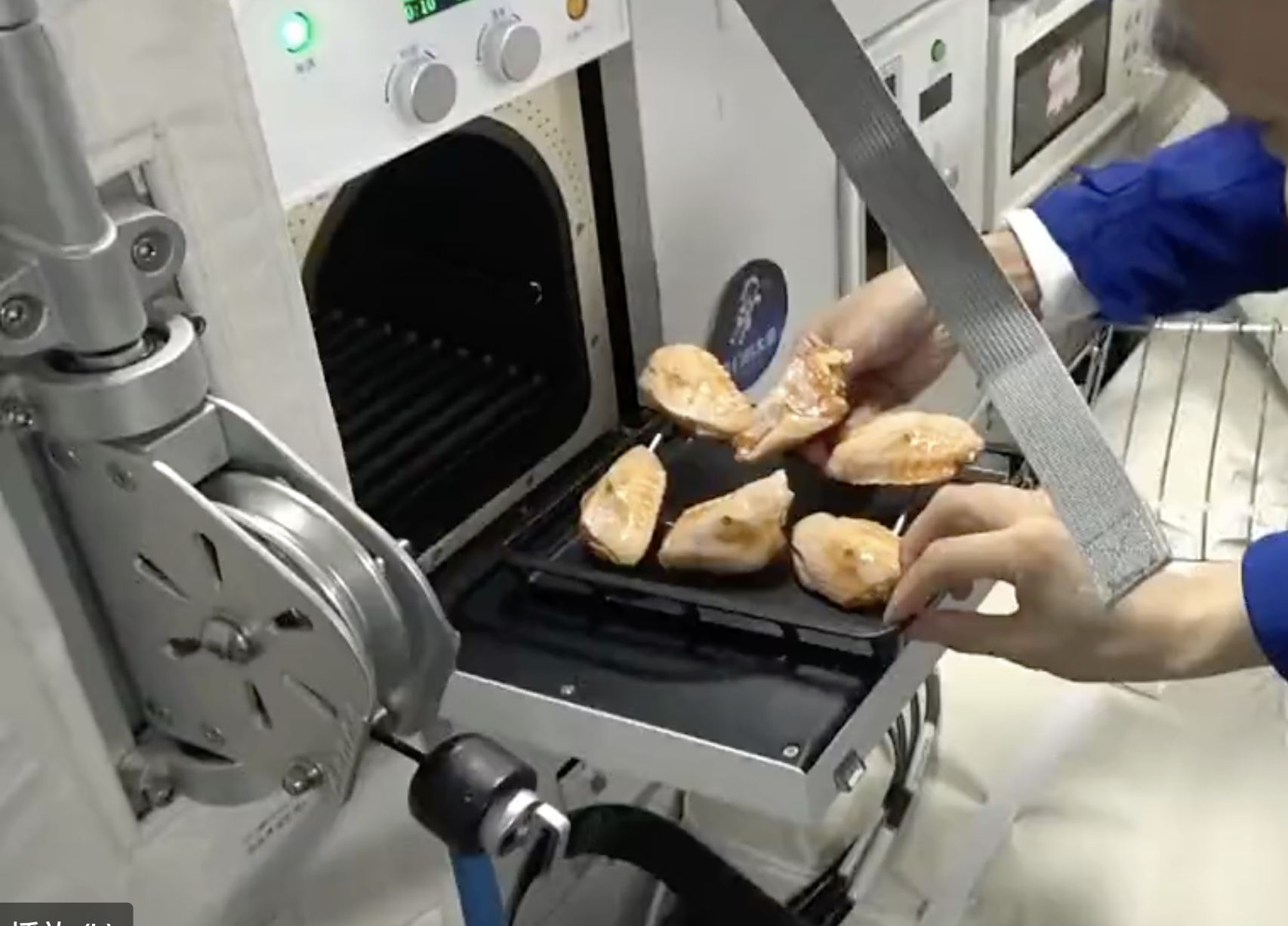
Behind this growing abundance of space catering is the breakthrough of the core equipment of aerospace cooking. In November 2025, the hot air roaster on board the Shenzhou 21 spacecraft was officially put into use on the space station. The equipment has successfully overcome a number of technical bottlenecks such as smoke purification in a closed space, drifting of ingredients in a weightless environment, and difficulty in collecting food residues. It has raised the upper limit of the heating temperature of space food from 100 degrees to 190 degrees Celsius. It can complete the production of hundreds of delicacies within 30 minutes, and work with fresh ingredients such as chicken wings and steak. Space in-situ cooking – from raw to cooked, the whole process is completed in orbit.
‘The process of baking food by hand is a kind of psychological healing in itself.’ Liu Weibo, a researcher at the China Astronaut Scientific Research and Training Centre, says that aerospace medical research has confirmed that diversified hot food supply and immersive dining experience can effectively reduce the level of cortisol in the body of astronauts and alleviate the loneliness and anxiety of long-term orbiting. For one-year long-term stay missions, high-quality experience on the tip of the tongue is not the icing on the cake, but an important support for astronaut mental health intervention.
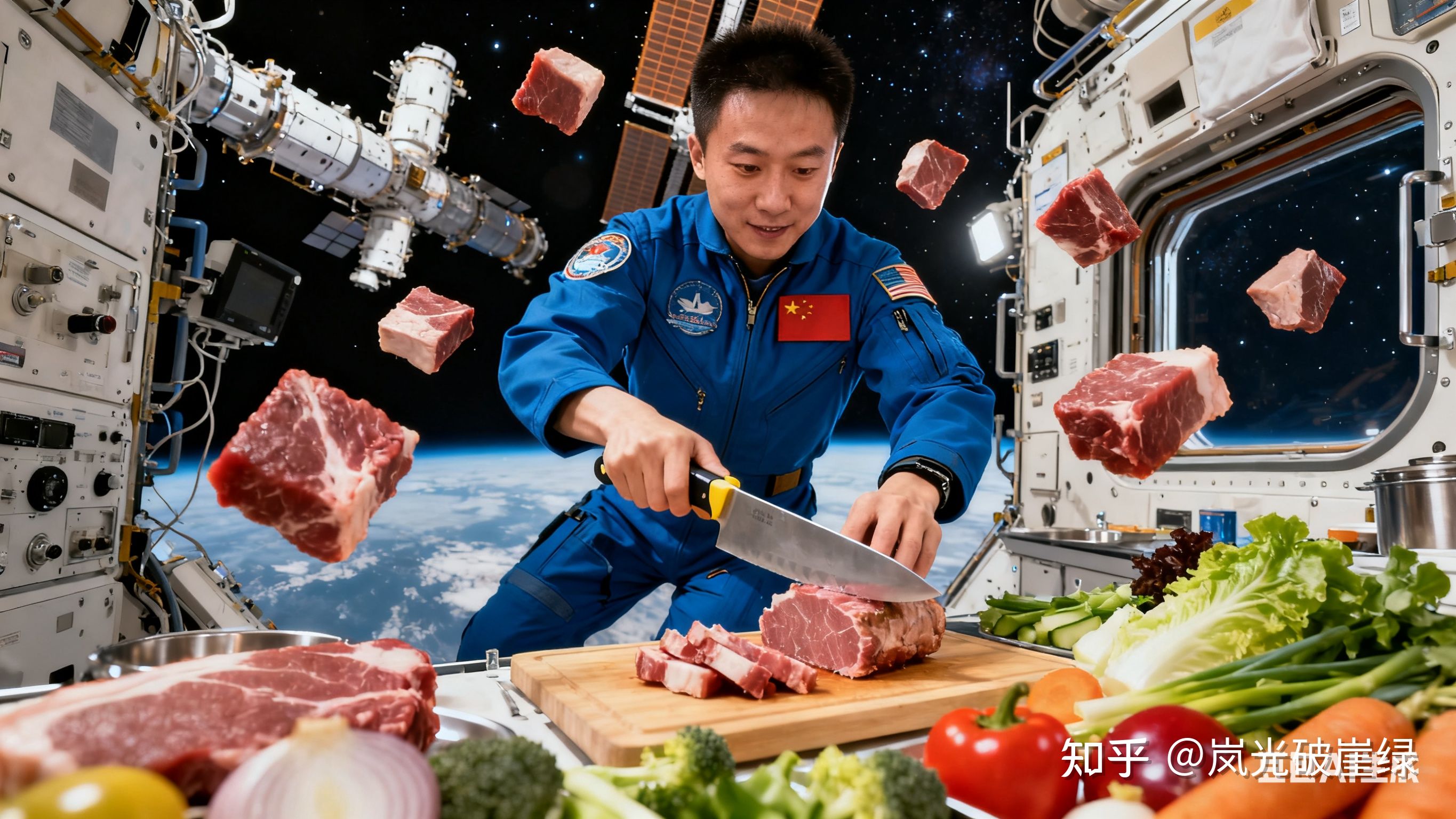
Imagining preparing raw ingredients in space
Packaging
In addition, space-specific food packaging technology has become a key support to ensure the safety and long-term storage of ultra-long-cycle space food.
The special meal box for astronauts equipped with the Shenzhou 23rd mission adopts multi-layer composite high-blocking special materials to build a closed structure that is almost vacuum. According to the technical information, the use of this meal box can realise the long-term storage of staple food at room temperature for three years without adding any preservatives, and adapt to the supply needs of one-year ultra-long in-orbit. At the same time, the research and development team has optimised the operation problems in the weightless environment, innovatively designed special water inlets and exhaust ports, realised the safe preparation of food inside the closed space, and completely avoided the risks of space water drift and food pollution.
It is reported that this aerospace-specific packaging technology not only serves the orbital mission of space station, but also forms a mature technical reserve, providing an important reference for the upgrading of the ground high barrier and additive-free food packaging industry.
Breeding in orbit
Advanced cooking equipment solves the problem of ‘how to do space ingredients’, and in-orbit breeding technology completely solves the core problem of deep space exploration ‘where does the grain come from’.
The space application system carries 9 scientific experimental projects through Shenzhou No. 23, including the ‘Molecular Mechanism Research on Multi-Generation Genetic Stability and Environmental Adaptive Regulation of Space Rice’ led by Zheng Huiqiong’s Team of the Centre for Excellence and Innovation in Molecular Plant Science of the Chinese Academy of Sciences. This is also the world’s first attempt to complete it in orbit. The complete growth closed-loop test of ‘seed to seed to new generation seed’.
This experiment sets up 4 cultivation units and is divided into 2 groups of control: one group carries out a reproduction experiment of rice to explore the ‘intergenerational memory’ effect of crops in the space environment and verify the adaptability of the offspring of space-selected seeds to the microgravity environment; the other group adopts the regeneration rice cultivation mode to retain the rice pile root system to achieve secondary germination and growth. , compare the growth differences and trait stability of the two breeding modes in the special environment of space.
Zheng Huiqiong said that near-earth orbits can rely on ground freight supply, but in the future, deep space exploration missions such as the moon and Mars are not sustainable to rely entirely on ground supply, and in-site grain production is a must. She acknowledged that there are still unknown challenges in in-orbit breeding at present. The impact of the space environment on crop genetic traits has not been fully clarified. Whether multi-generation breeding seed quality will deteriorate is the core topic of this experiment.
According to public data, by the end of 2025, the China Space Station has completed a total of 10 batches and 7 types of plants in orbit cultivation experiments, producing about 4.5 kilograms of fresh fruits and vegetables. Lettuce, cherry tomatoes and other crops have taken the lead in realising closed-loop cultivation in the whole growth cycle in space. This verifies the feasibility of space in-situ planting technology and accumulates key in-orbit data and technical experience for deep-space large-scale grain production.
While the space food system has achieved a leapfrog upgrade, industry experts pointed out that deep space complete food self-sufficiency still faces multiple technical barriers and needs to maintain rational research and judgement.
Genetic stability is an unknown number to be verified. The multi-generational breeding of rice in orbit is still in the stage of scientific research and experimentation, and the advantages and disadvantages of the ‘cross-generational memory’ effect generated by the special environment in space have not been decided. Once there is seed degradation, it will directly restrict the future deep space large-scale grain production.
An oven in space
Energy
Energy consumption, a multiple-choice question to be solved. High-power cooking equipment such as hot air baking machines consumes high energy, while the power resources of the space station are limited. High-power equipment operation is easy to crowd out the energy consumption of scientific experiments. The engineering team is continuously optimising the energy-saving plan to balance the electricity needs of food security and scientific research tasks.
Nutritional balance, a closed loop that has not yet closed. In the one-year ultra-long residence mode, there are limitations in the supply mode of pre-packaged food and short-term fresh fruits and vegetables, which cannot fully match the intake of trace elements of astronauts in orbit and the needs of scientific diet for a long time. The ground scientific research team needs to rely on real-time health monitoring data, dynamically optimise the nutritional formula, and continuously improve the meal security system.
Civilian use
Technological breakthroughs in the field of aerospace food are continuing to feed back the civilian market and empower the domestic food industry to improve the quality and upgrade.
In April 2025, the group standard of ‘General Technical Requirements for Aerospace Ecological Agricultural Products (Ecological Ingredients)’ was released, transforming the strict aerospace food production, cultivation and quality control standards into general norms for the civil industry for the first time, providing a reference for the high-quality upgrading of domestic agricultural products and food industries. Cui Yajuan, a researcher at the Beijing Institute of Nutritional Sources, commented that the implementation of aerospace-level standards has forced food and agricultural enterprises to upgrade their equipment, optimise management and improve quality control. With the gradual popularisation of standards, the overall quality and technical level of the domestic food industry will be comprehensively promoted.
At present, aerospace breeding agricultural products have been commercialised. Some catering enterprises in Wenzhou, Zhejiang Province took the lead in introducing space-bred eggplants, tomatoes, green peppers and other ingredients to develop specialties. After testing, the core nutritional indicators such as soluble sugar and vitamins of fruits and vegetables cultivated in space are significantly better than those of ordinary varieties.
From the 21-hour short-term flight of Shenzhou No. 5 to the one-year long-term stay of Shenzhou No. 23, behind the leap of time is the fundamental change of aerospace food from a single ‘grain transportation and supply’ to autonomous ‘grain cultivation and grain production’. Every upgrade of the space table is a powerful demonstration of China’s deep space exploration strength. Nowadays, the technology dividend of aerospace food continues to sink, from space laboratories to fields and consumer markets. This ‘table revolution’ across the world is pushing China’s food industry to fly higher and more steadily.
The dairy industry is an important industry related to the national economy and people’s livelihood, and it is also an important fulcrum for a healthy China, rural revitalisation, scientific and technological self-reliance and economic security. The Party and the state attach great importance to the development of the dairy industry. With the joint efforts of all walks of life in the industry, China has made remarkable achievements in the in-depth processing of dairy products, nutritional research and intelligent production. However, it still faces new challenges between the development mode, industrial structure and market demand. Despite facing many challenges, China’s dairy industry has been actively seeking breakthroughs and transformation. Under the overall guidance and support of the government, enterprises attach great importance to and continue to invest in technological innovation to become the core engine driving the high-quality development of China’s dairy industry. In nutrition and health, deep processing, intelligent manufacturing, biological manufacturing, green low-carbon technology Important breakthroughs have been made in art and other fields. In order to create a model of dairy product innovation and industrial upgrading, and help the high-quality development of China’s dairy industry, the China Dairy Industry Association organised industry experts to systematically sort out the top ten achievements of scientific and technological innovation in China’s dairy industry in 2025 through result collection, literature analysis, industrial research and other ways. The following is hereby released.
The exclusive strain of domestic infant matching
The early 1000 days of life is the golden window period for intestinal flora colonisation and immune system development. As the core functional substrate for the intestinal micro-ecology construction of infants and young children, probiotics have gained international consensus on their health efficacy. However, China’s infant probiotics have long faced bottlenecks such as dependence on imports of core strains and unclear targets, which has become a core shortcoming that restricts the high-quality development of China’s infant nutrition and health industry.
The National Dairy Technology Innovation Centre, together with Yili Group, carried out an independent attack and successfully isolated the infant subspecies YLGB-1496 of Bifidobacterium Chang from the breast milk of healthy mothers in China. It has been confirmed by authoritative institutions such as China Agricultural University that this strain can make efficient use of breast milk oligosaccharides (HMO), significantly reduce the incidence of eczema and respiratory infection symptoms in infants and young children, improve intestinal comfort, reduce the incidence of diarrhoea and the severity of symptoms, and effectively help the establishment and development of the immune system in early life. With solid safety and efficacy evidence such as whole genome sequencing and multi-centre clinical trials, YLGB-1496 has been officially included in the National Health Commission’s List of Bacteria Available for Infant Food.
YLGB-1496 is the first Bifidobacterium strain independently developed and approved by China. It has broken the long-term monopoly of probiotic strains for infants and young children by foreign countries, and realises the autonomy and control of the whole chain from strain screening, efficacy verification to large-scale production. The successful approval of this strain marks that China has made a key leap from “technology following” to “independent leading” in the field of infant probiotics, providing solid scientific and technological support for improving the core competitiveness of domestic infant formula milk powder and ensuring the safety of the national dairy supply chain.
Innovative application of sn-2 DHA functional lipid
Functional lipids are an important part of early nutrition of infants and young children. DHA is an indispensable key nutritional factor for the cognitive and visual development of infants and young children. However, compared with breast milk, traditional DHA mostly adopts non-sn-2 esterification form or random distribution structure, and the absorption efficiency and metabolic utilisation rate are low, which restricts the upgrading of infant brain nutrition from “component supplementation” to “structural precision nutrition”.
Junlebao and other dairy enterprises and scientific research institutes jointly tackled the situation. Based on the proprietary microbial fermentation, low-temperature extraction and physical refining technology system, they took the lead in launching high-sn-2 DHA algae oil. Sn-2 DHA accounts for as high as 50% of the total DHA ratio, which is very close to the natural distribution of DHA in breast milk. While accurately simulating the nutritional composition and proportion of DHA of breast milk, the upgrade of DHA from “content enhancement” to “structural delivery” has been realised. Compared with conventional DHA, sn-2 DHA places more emphasis on the accuracy of fatty acid location, which helps to improve the stable release and absorption and utilisation efficiency of DHA in the process of digestion. It has the comprehensive advantages of more bionic structure, more efficient absorption, more scientific formula, and more prominent industrial barriers.
The development and application of sn-2 DHA marks the important transformation of China’s functional lipid research from single nutrition enhancement to breast milk affinity structure innovation, and provides a new technical path for the high-quality development of infant formula. At present, sn-2 DHA has been applied in products such as Junlebao, Mengniu, Feihe, etc., which has improved the scientific and technological content and core competitiveness of domestic infant formula milk powder, and provided representative scientific and technological support for China’s dairy industry to move from “following the formula” to “structural innovation”.
New probiotics targeting intestinal orphan receptors
As the core functional base of nutritional and health products, the health efficacy of probiotics has become an international consensus. However, China’s core strains rely heavily on imports, and there are biosafety hazards and international trade risks. At the same time, traditional probiotics generally have bottlenecks such as unclear targets and insufficient efficacy, resulting in insufficient precise regulation of strains, which has become a difficult problem that restricts the high-quality development of the industry.
Mengniu, Yili, Junlebao, Bright, Sanyuan, Weigang and other enterprises, together with colleges and universities, have tackled the precise selection of strains and in-depth cracking of functional mechanisms. Among them, Mengniu and China Agricultural University successfully selected and obtained independent intellectual property rights from the intestines of the long-lived people in Bama, Guangxi. (CGMCC No.17827), through cooperation with top teams such as Peking University, its unique glucose-lowering mechanism was revealed for the first time: Lc19 metabolism produces a new bioactive substance – tryptophan-cholic acid (Trp-CA), which specifically activates the intestinal orphan receptor MRGPRE, and then Stimulate L cells to secrete glucagon-like peptide-1 (GLP-1) to realise the precise regulation of blood sugar homeosis. This breakthrough original achievement was published in the top international journal Cell, marking that China’s basic research in the field of food science has reached the world’s leading level.
The strain Lc19 won the “Annual Excellent Blood Sugar Health Raw Material Award” at the 9th Asian International Dairy Innovation Summit, and was successfully applied to the “Antang Shield” series of probiotic powder and milk powder and other products, which not only broke the long-term monopoly of foreign strains, but also marked the successful entry of Chinese dairy enterprises into the global “precise nutrition” innovation chain. High-value links have opened up a new development path for the industry based on local scientific research and serving the world.
The first GOSS system to realise the flexible production of milk ingredients
Deep processing is the key engine that drives the value of raw milk to jump. Its core lies in the efficient separation and high-value utilisation of milk source materials. However, the traditional milk source ingredient production line mostly focusses on the extraction and separation of a single group, and there are common pain points such as low raw milk utilisation rate, high production line switching cost, lack of flexible production capacity and difficulty in adapting to diversified market demand.
The first GOSS system (non-destructive orderly analysis system) in the Mongolian milk industry realises the orderly separation of core milk-based raw materials such as milk fats, milk proteins and whey, so that the value of raw milk is increased by more than 3 times. While improving the extraction efficiency, the nutritional value of active substances is preserved to the greatest extent. Relying on this core technology, Mengniu has independently designed and built 7 industry-leading “milk cube” flexible co-line production lines, which can process 600 tons of raw milk per day and can flexibly switch between a variety of products such as lactoferrin, desalted whey and miceller casein, completely breaking the long-term limitation of deep processing in the domestic dairy industry to a single product model. The barrier has realised the leap from “single-line single product” to “multi-category flexible common line”. The key performance and quality of the prepared products meet the national standards: the purity of lactoferrin is more than 95%, and the desalination rate of D90 desalination whey powder exceeds 90%. At present, the achievement is not only applied to the fields of healthy food such as early nutrition, sports nutrition and clinical nutrition, but also extended to new track products such as milk tea base milk. This breakthrough not only provides key core technical support for the transformation and upgrading of dairy deep processing to flexibility, high efficiency and diversification, but also provides an independent and controllable localisation solution for the quality and efficiency improvement of dairy deep processing.
High-efficiency active extraction technology of milk protein
Milk protein is a key substrate for infant formula milk powder, sports nutrition, special medical food and functional nutrition products for middle-aged and elderly people. However, China’s milk protein raw materials have long had the problem of high external dependence and insufficient independent supply capacity. Restricted by the core technology systems such as high activity maintenance, natural structural integrity protection and high-efficiency extraction, it has not been completely broken through, and industrial development is facing a serious “stuck neck” dilemma.
Based on independent innovation, Feihe took the lead in overcoming the problem of milk protein extraction and separation. It has independently developed three international leading technologies of milk protein chromatography ultrafiltration extraction, fresh active low-temperature separation and directional enzymatic lysis, and achieved a technological breakthrough in the direct extraction of highly active protein from raw cow’s milk. Among them, the extraction rate of lactoferrin extracted by chromatography ultrafiltration technology reaches 95%, and the whole process of low-temperature technology effectively protects the natural active structure of protein. Based on these three core technologies, the enterprise has built five large-scale production lines, covering the preparation of ten core raw materials such as lactoferrin, desalted whey and hydrolysed milk protein, and promoted the autonomy rate of infant formula milk powder raw materials from 50% to more than 90%.
In terms of product quality, the purity of lactoferrin has reached more than 97%, and the desalination rate of whey has reached more than 90%. All indicators have reached EU standards, which has strongly promoted the reduction of domestic dependence on desalted whey imports from 70% to less than 40%, which has significantly alleviated the pressure of import dependence. At present, Feihe has laid out milk protein raw material factories in the three golden milk source belts of Inner Mongolia, Heilongjiang and Ningsia, with a total of 3,000 tons of fresh milk per day. It is committed to building a global supply base, realising the independent production and localisation substitution of milk protein core raw materials, and making China’s dairy industry safer and supply chain stable. And the autonomous controllable of high-end functional raw materials provides a solid guarantee.
Platform operation and quality safety through AI
Under the background of the deep integration of digital technology and the real economy, AI technology is profoundly reshaping the production mode of the dairy industry. The dairy industry chain is long and has many links. The traditional carbon management model faces efficiency bottlenecks such as long accounting cycle, many data islands, and difficult to reduce carbon together. In the field of quality and safety, the traditional microbial detection cycle is as long as 2-3 days, and the traceability response is slow, and it is difficult to achieve prior prevention and real-time control.
Yili Group launched the first digital carbon management and operation platform for the whole industry chain in China’s dairy industry. With the whole life cycle carbon accounting, dynamic monitoring, intelligent decision-making and collaborative carbon reduction as the core, it builds a closed-loop system covering agriculture and animal husbandry, processing, logistics packaging, consumption and waste treatment, integrating “carbon footprint + water footprint” collaborative management, and also It takes into account the needs of large, medium and small dairy enterprises, and has the value of cross-industry and cross-regional promotion. Feihe has successfully built an automated rapid detection platform for pathogenic microorganisms, a “raw material-grade dairy industry chain traceability system” and a “near-infrared AI intelligent pupil full-link millisecond quality inspection equipment system”, which has pushed quality control to a new height of “second-level response, raw material traceability, millisecond detection”, and the traditional 2-3-day microbial screening Shortened to 30 seconds; relying on deep learning and million-level spectrum library, more than 10 indicators of the whole process of milk powder are monitored online at the millisecond level, and process parameters can be regulated in real time.
Relying on the digital carbon management and operation platform, the carbon accounting cycle is compressed from 2-3 months to 15-20 days, the efficiency is tripled, and the annual cost is about 5 million yuan, which truly realises the synergy of environmental, economic and social benefits. The product quality and safety control mode has changed from “post-disposal” to “pre-prevention”, which greatly reduces the risk of food safety. AI technology promotes the dairy industry from single-point optimisation to the whole industrial chain, helping enterprises achieve a balance between business value and social responsibility, and providing a standard paradigm for the sustainable development of the industry.
Autonomous and controllable dairy filling
Sterile carton filling is the core link of dairy manufacturing, but China’s high-end equipment has long relied on imports. There are problems such as high price, production line curing, long change cycle, high energy consumption, hydrogen peroxide residual risk and low degree of intelligence, and it is difficult to achieve global optimisation.
Hangzhou Zhongya Machinery Co., Ltd. has conquered the high-efficiency sterilisation technology of tunnel-type multi-warehouse online blanks. Through the sequential transmission of tunnel-type preheating gasisation warehouse, sterilisation warehouse, waste discharge warehouse and bottle blank moulding heating process, the online bottle blank low-energy and high-efficiency sterilisation process is realised, and it is equipped with PDMS cloud intelligent operation. The maintenance system realises remote diagnosis and digital management, and the energy efficiency of equipment is improved by 35%. Old modules can be recycled across industries to realise full-cycle green manufacturing. In response to the problems of production line curing, long change cycle, and difficult to meet the needs of small batches and multi-variety, Hangzhou Central Asia Machinery Co., Ltd. has broken through the flexible filling synchronous switching technology to realise 200-1250 ml full-capacity one-click switching production; Shandong Bihai Packaging Material Co., Ltd. has broken through flexible manufacturing and intelligent control. Manufacturing technology, research and development of multi-module compatible moulding system, to realise the seamless switching of brick bags, diamond bags and other packaging types within 30 seconds, and a single equipment can complete the multi-category production of the past 3 special lines.
The BFCA fully automatic high-speed flexible multi-functional sterile bottle blowing filling and capping integrated production line of Hangzhou Central Asia Machinery Co., Ltd. has been identified by the expert group organised by the Zhejiang Packaging Federation. The overall technical level is at the international advanced level. The relevant equipment has been applied to dairy enterprises such as Yili; Shandong Bihai Packaging Material Co., Ltd. The price of the product is only 1/2 to 2/3 of the same kind abroad. It has been applied to enterprises such as Mengniu and exported to more than 40 countries and regions such as India. China’s high-end dairy equipment has truly realised the coordinated improvement of production line efficiency, green manufacturing and economic benefits, providing a replicable scientific and technological paradigm for the independent controllability of dairy packaging equipment and the sustainable development of the industry.
Sterile packaging
In the field of sterile packaging, the 250-ml peak drill bag type and supporting filling equipment and capping equipment have long relied on imports, resulting in high equipment investment, high maintenance cost and poor flexibility when domestic dairy enterprises launch high-end normal temperature yoghurt, vegetable protein drinks and other products. Traditional bottle caps also have problems such as large opening torque, insufficient sealing, and high plastic usage, which makes it difficult to take into account consumer experience and environmental protection requirements.
Fanmei Packaging (Shandong) Co., Ltd. has leaped from a packaging material supplier to a “equipment + packaging material + service” integrated solution provider. It independently developed a 250ml peak drilling filling machine, breaking the international monopoly of dream cover and 250 peak drilling bag type. In response to the pain points of traditional bottle caps, the innovative cover body “Fanxiang Cap” is launched, which adopts a one-step low-torque large spiral design to reduce the opening force by 50%; it adopts a double-step small-calibre bottle mouth to solve the sealing problem and take into account the release of flavour; the “small barrel edge” base design is adopted to save plastic usage and improve the fitting stability. , the cover body works seamlessly with the filling machine and the capping machine to realise the autonomous control of the full link of “cover-material-machine”.
The high-end sterile packaging and filling solution independently developed by Fanmei Packaging (Shandong) Co., Ltd. provides dairy enterprises with a lower cost, faster response and more flexible technical path. Its plastic reduction design and green technology run through the whole life cycle of the product, practising the concept of environmental protection. This series of products has been widely used in domestic dairy leaders such as Yili and Mengniu, with a market share of more than 13% in liquid milk, and has been successfully sold to France, Germany and other countries. China’s high-end dairy equipment has truly realised the coordinated improvement of cost control, flexible response and green manufacturing, providing a replicable successful paradigm for the industry’s independent, efficient and green high-end packaging overall solution.
Functional sugar manufacturing
In order to realise the scientific sugar reduction of processed food, Action for Healthy China (2019-2030) advocates that food enterprises use functional sugar to replace sucrose. The new generation of functional sugar represented by tag sugar plays an important role in the food industry and health management with its pure taste close to sucrose, extremely low calories, regulating intestinal health, low glycetic index and other physiological functions. However, although the sugar was approved as a new food raw material in 2014, it has been monopolised by a few countries for a long time because of its high-efficiency biotransformation and separation and purification technology and key enzyme preparations, and the cost is high, which seriously restricts its wide application.
China’s scientific research units and enterprises have worked together to overcome the problems of enzyme preparation, biotransformation and high-purity crystalisation, and achieved a breakthrough of lactose and starch dual routes: the lactose route has built China’s first fully automated production line through enzyme-oriented evolution and double enzyme co-expression; starch route uses multi-enzyme molecular machine technology, and the conversion rate exceeds 6 0%, the pilot has been completed, the product purity has reached more than 99%, and an independent intellectual property production system has been built, and the cost has been reduced by about 60%. Tag sugar can significantly improve the sweetness quality and texture stability of yoghurt, give milk drinks a refreshing and smooth taste, and provide a healthy low-sugar label for formula milk powder. More importantly, its functional attributes such as regulating blood sugar and helping intestinal health have greatly broadened the development boundaries of functional dairy products.
This breakthrough marks that China has broken down international technical barriers in the field of new functional sugars, realised the localisation of the whole chain from core enzyme preparations to industrial mass production, and provided a new low-sugar option for yoghurt, milk drinks and high-end formula milk powder. From a cup of yoghurt to a can of high-end milk powder, the domestic application of Tag sugar is a strong witness that China’s dairy industry relies on independent innovation, masters core technologies, and leads the healthy upgrading of global dairy products.
Green low-carbon technology
From the “dual carbon” goal to the “15th Five-Year Plan” planning proposal, the construction of an agricultural industry system with green and low-carbon circular development is emphasised. However, the long industrial chain of the dairy industry, the dispersion of carbon emissions, the low coverage rate of the three-scope accounting, the poor connection of the breeding cycle, and the lack of carbon management standards, etc., restrict the green transformation of the industry.
In response to accounting and standard issues, Yili has launched a carbon management and operation platform, which has built a closed-loop system covering upstream agriculture and animal husbandry, production and processing, logistics and packaging, consumption and waste treatment, integrating the collaborative management of “carbon footprint + water footprint”, to achieve 100% full coverage of factories across the country, and strongly support the accurate amount of carbon emissions in the supply chain. Chemical. In response to the problem of poor connection of the breeding cycle, Mengniu has built a whole-chain green low-carbon technology system, forming a cycle model of “fort planting – dairy farming – cow dung biogas power generation – swamp fertiliser return to the field”, and cooperated with the resource utilisation of 100% manure of pasture; built 41 national green factories, 4 zero-carbon factories, and launched Tren Su Desert organic pure milk and other green products; practising the 4R1D green packaging strategy, PHA marine degradable straws are applied for the first time in China.
There are 154 members of the Yili Zero Carbon Alliance, and the carbon emission intensity per ton of products in 2025 will be 65% lower than that of the 2012 benchmark year. Mengniu has been selected as the Enterprise Carbon Neutrality Path Map of the United Nations Global Compact for its desert organic pasture practice. It has won the highest AA rating in the MSCI ESG (Environment, Social and Governance) industry for three consecutive years, and has been selected as the S&P Global Sustainable Development Yearbook for two consecutive years. The whole-chain green low-carbon technology system provides a system solution that can be popularised for the green and low-carbon transformation of the dairy industry.
Look ahead
Looking forward to 2026 and beyond, in order to accelerate the development of new quality productivity in the dairy industry and promote industrial upgrading, it still needs government guidance, enterprise-led, scientific and technological support, market-driven and other multi-party cooperation to strengthen top-level design, increase R&D investment and collaborative innovation, build an integrated innovation ecology, and promote scientific and technological innovation and industrial development. Show in-depth integration, improve national health, and realise the transformation from a “dairy powerhouse” to a “dairty powerhouse”. It is expected that dairy industry colleagues will continue to adhere to the concept of scientific and technological innovation to lead the industry development, increase scientific and technological investment, focus on the direction of “efficient production, precise nutrition, green low-carbon, intelligent manufacturing”, and form a technological breakthrough of the whole industrial chain: tackle active protection and flavour regulation at the raw material end, and improve the nutritional quality of products; push the processing end Dynamic and precise sterilisation and nutrition customisation, and develop functional products for different groups of people; the deep processing end breaks through the high-value extraction technology, realises the full-component utilisation of raw milk, and reduces import dependence; the manufacturing end improves the localisation rate of intelligence and equipment, and integrates AI and digital twins; at the same time, it tackles low-carbon breeding and environmental protection packaging, and helps the “dual carbon “The goal. Synthetic biology is accelerating its industrialisation, which is expected to bring about subversive changes in breast milk oligosaccharides, lactoferrin and other fields. Driven by policy and science and technology, China’s dairy industry is moving towards a higher quality, safer and more sustainable future.
Plant factory is an advanced stage of the development in agricultural production on an industrial scale. It is a high-input, high-tech and well-equipped production system. It integrates biotechnology, engineering and system management, so that agricultural production can be freed from the shackles of the whims of nature. A factory-based agricultural system enables a government to plan fruit and vegetable production with a precision close to that of other industries.
In recent years, the overall market size of China’s plant factory industry has shown an upward trend. In 2025, the market value of China’s plant factory business was RMB 2.248 billion, an increase of 13.8% year-on-year.
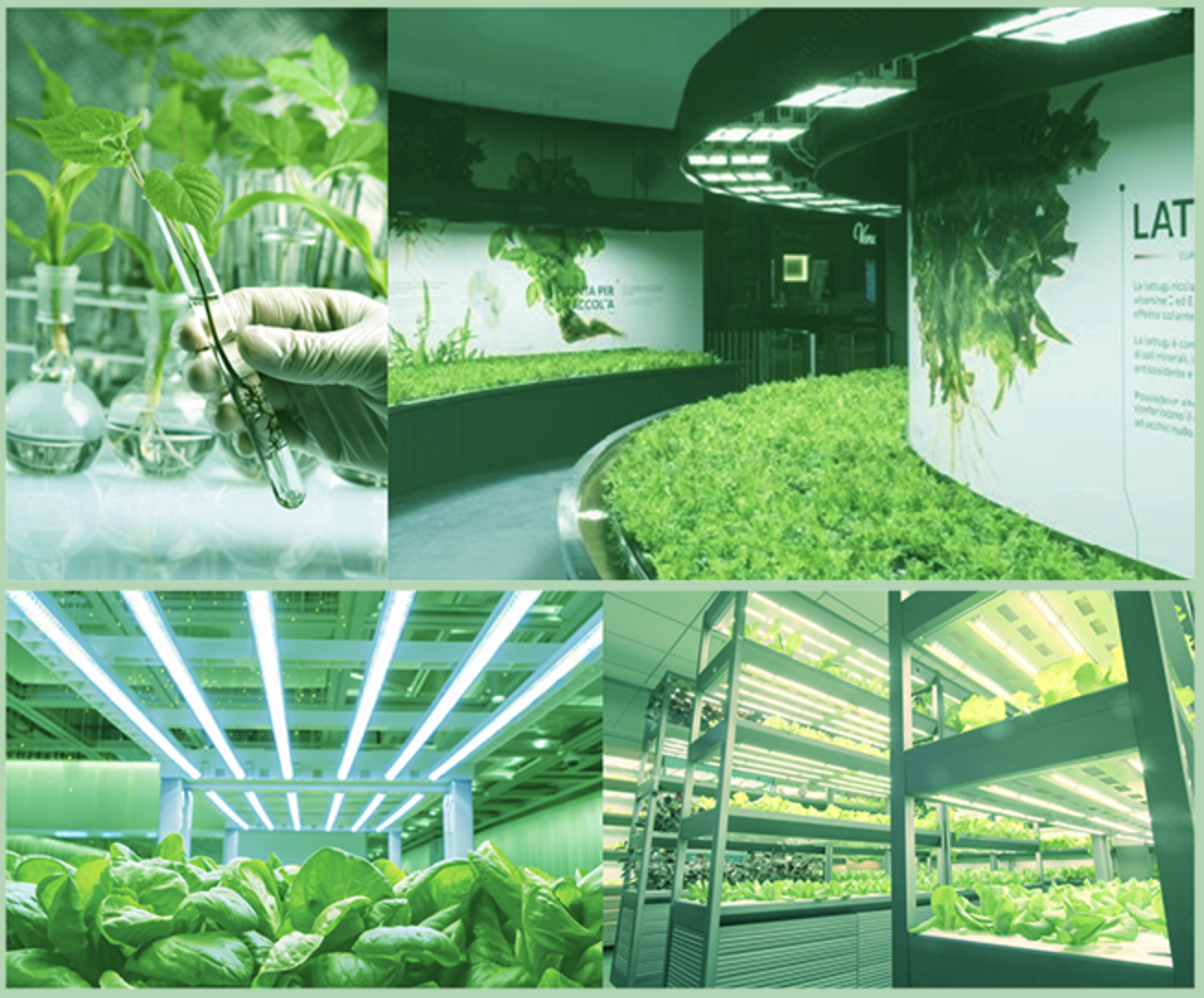
Foto’s of Pulante in Hebei province
In addition to being affected by national policies, this development is also inseparable from technological innovation. The deep integration of the Internet of Things, artificial intelligence and automation has realised a high-precision coordinated regulation of the planting environment and the unmanned operation of the whole process, which has greatly improved the consistency of production efficiency and product quality, and strongly promoted the continuous growth of the industry.
In terms of demand, the improvement of health awareness has promoted consumers’ preference for agricultural residue-free, zero-pollution and high-fresh agricultural products, and the closed production and traceable product attributes of plant factories accurately match this consumption trend.
Hengtong Ecological Agriculture Technology Development Co. (Jilin) has produced 300 mt of cherry tomatoes in 2025.
Overview of the plant factory industry
The plant factory is an efficient agricultural system that realises the annual continuous production of crops through high-precision environmental control in the facility. It uses computers and electronic sensing systems to automatically control the temperature, humidity, light, CO2 concentration and nutrient solution and other environmental conditions of plant growth.
According to different divisions, plant factories can be divided into the following categories: according to the construction scale, they can be divided into large (more than 5000m), medium-sized (1000~5000m), small (100~1000m), and micro (less than 100m).
According to the production function, they can be divided into plant seedling factories, leafy vegetables, melons and fruits, flower plant factories, as well as some field crops, medicinal plants, edible fungi, etc..
In terms of the organisational scale of production and research objects, plant factories can be divided into plant production plant factories, group culture plant factories, cell production plant factories (photobioreactors).
According to light energy The utilisation method can be divided into three types, namely solar light utilisation plant factories, all-artificial light utilisation plant factories, and comprehensive plant factories that combine sunlight and artificial light.
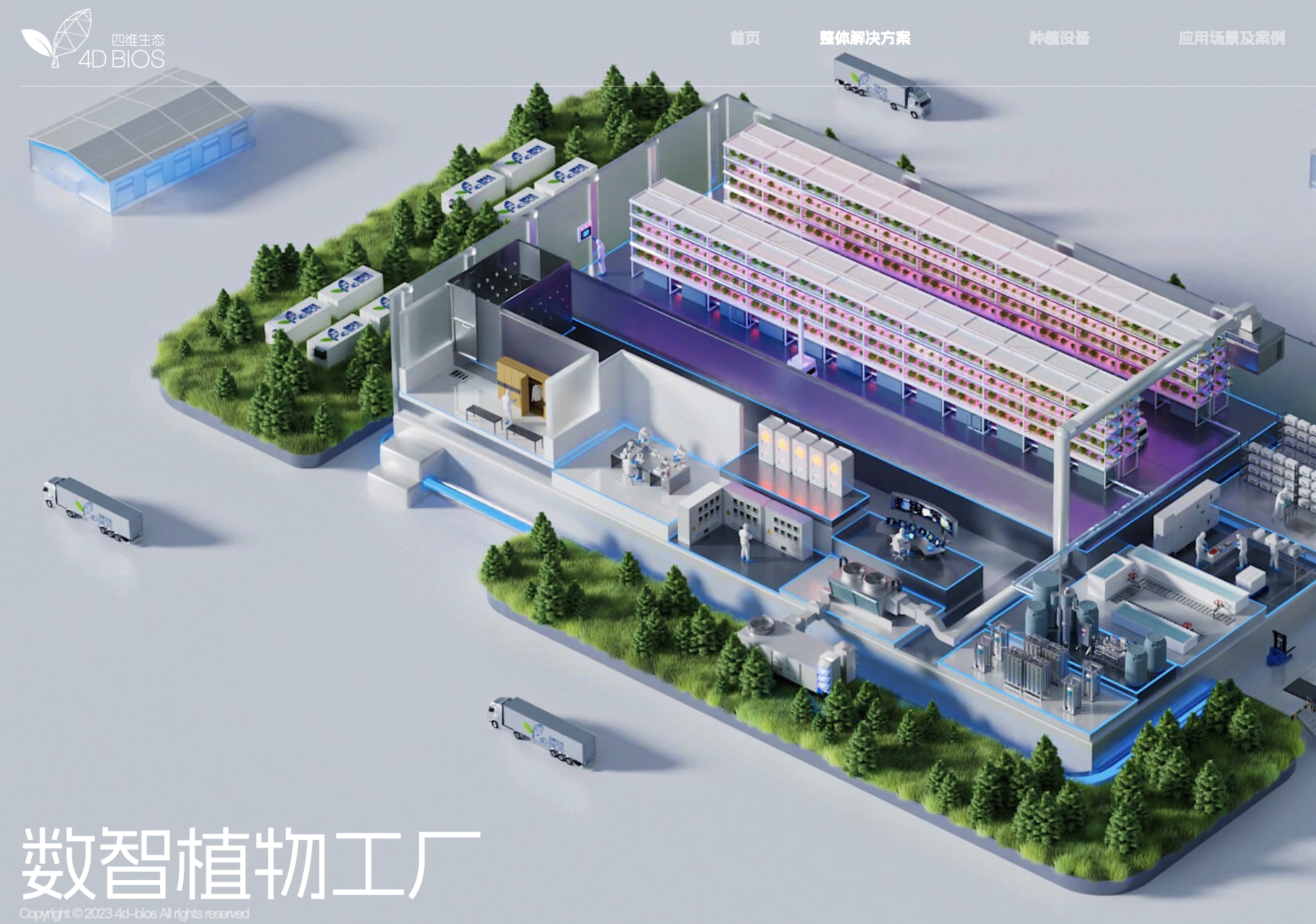
A design by 4D-Bios in Hangzhou, specialised in vertical farming
China
In recent years, the Chinese government has introduced a number of policies to actively promote the development of plant factories.
For example, in June 2023, the ‘Guidance on the Development of Modern Facility Agriculture’ issued by the Ministry of Agriculture and Rural Affairs proposed to support the development of connected greenhouses, plant factories and other advanced production facilities around large and medium-sized cities according to local conditions, strengthen demonstration and guidance, and improve the stable production and supply of fresh agricultural products such as vegetables.
In September 2024, in the ‘Opinions on Practising the Concept of Big Food and Building a Diversified Food Supply System‘ issued by the General Office of the State Council, it is proposed to actively develop daylight greenhouses and plastic greenhouses, promote the transformation and upgrading of old facilities, accelerate the development of intensive seedling breeding, and develop soilless cultivation such as matrix and hydroponics. Plant factories are built around the city.
In April 2025, in the ‘Plan to Accelerate the Construction of a Strong Agricultural Country (2024-2035)’ issued by the Central Committee of the Communist Party of China and the State Council, it is proposed to implement the modernisation of facilities and agriculture, build modern cultivation facilities with standards, advanced equipment and high output, and develop new forms such as agricultural factories.
Sure, regular readers of these pages are completely aware that the natural flavour of milk does not agree with the average Chinese palate. And this continues to clash with the position of dairy products in the top layer of the Chinese nutrition pyramid.
I have introduced yoghurt and ice cream with peculiar flavours that are more in line with traditional flavour patterns of the Chinese, to mask the ‘creamy’ flavour of milk. In this post, I will introduce dairy products flavoured according to entire classic Chinese dishes, as available in China at the date of this post. Most of these are not produced by the large national dairy giants like Yili or Mengniu, but by regional or local companies.
White sliced chicken
Screenshot
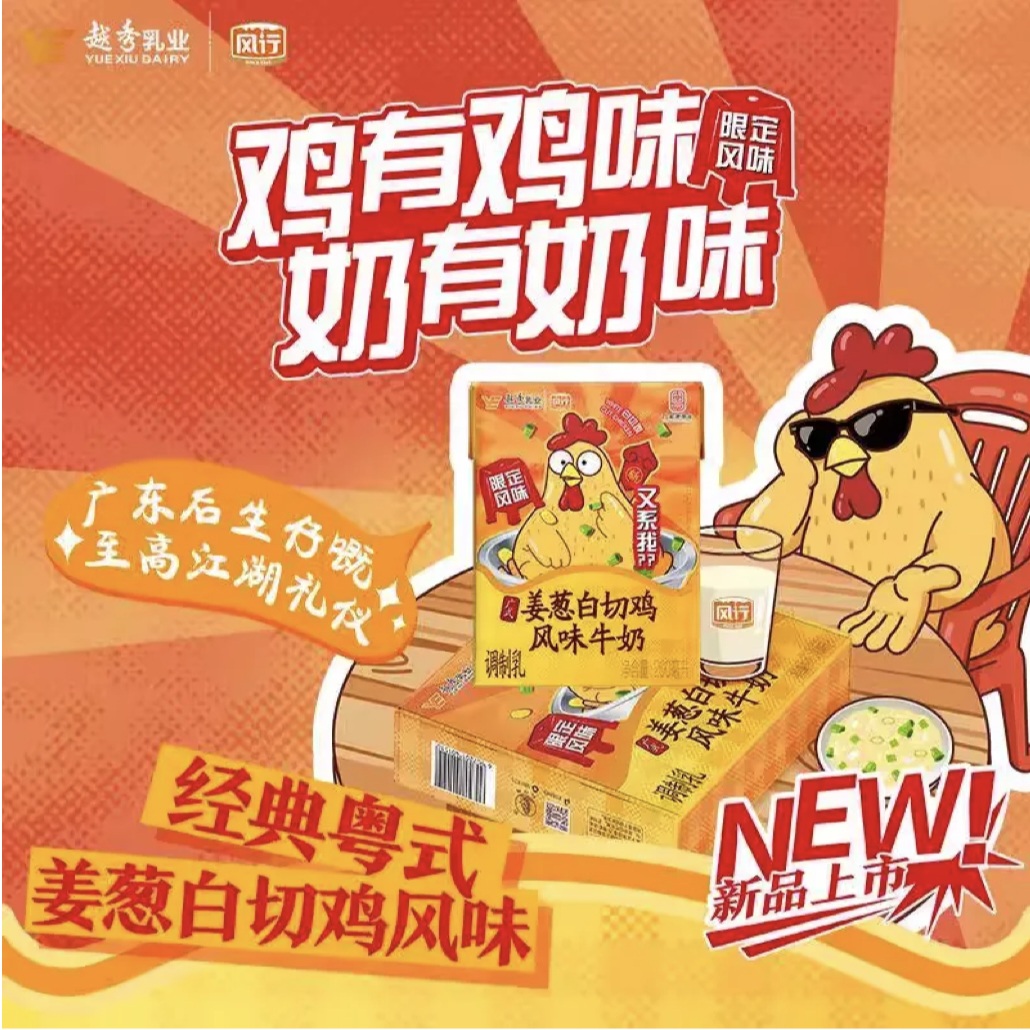
White sliced chicken, baiqieji, is a classic starter in Cantonese cuisine. It is chicken cooked in a broth with ginger and scallions, served cold to be dipped in soy sauce. Yuexiu Dairy is producing a ‘ginger scallion white sliced chicken milk’. A cool looking chicken is showing a glass of the milk alongside the original dish.
Halal milk
Screenshot
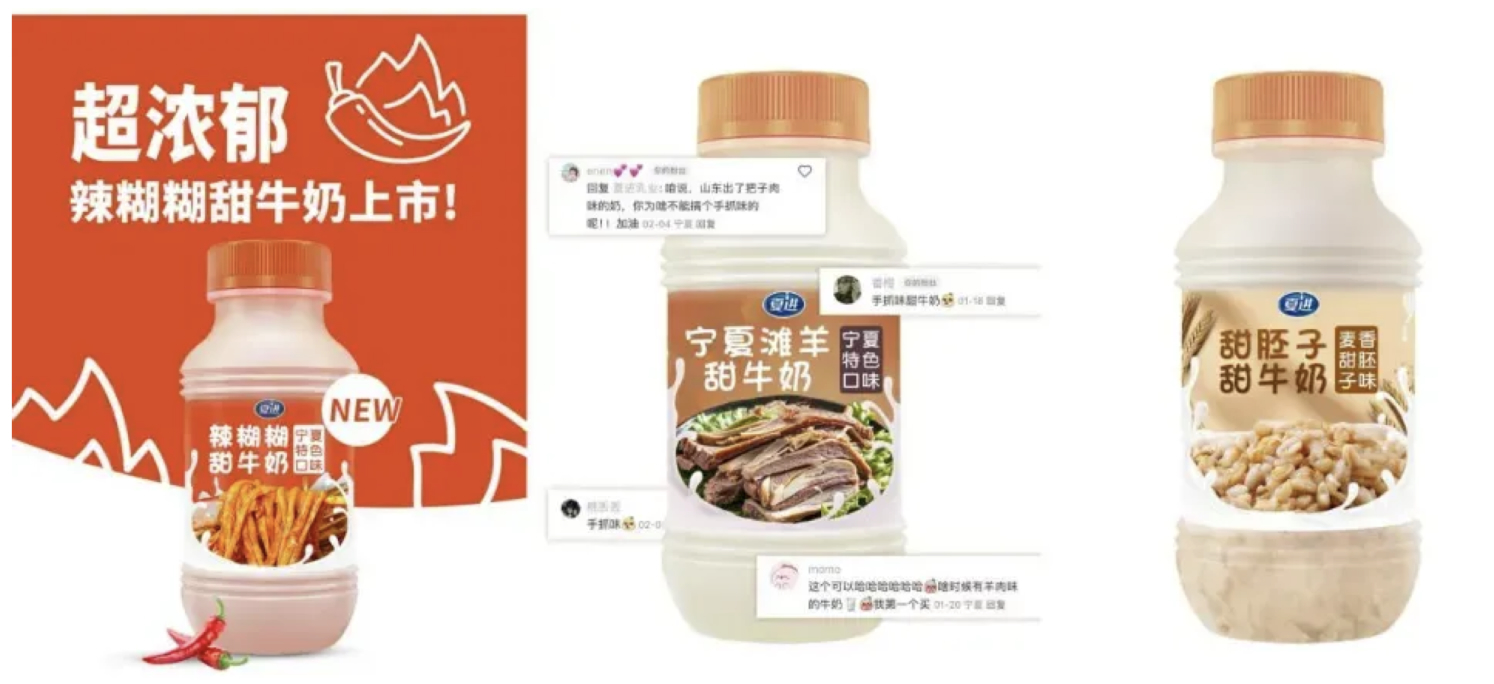
Xiajin Dairy is the largest dairy processor of Ningxia province. It is a region with a large Muslim population, so Xiajin is offering a range of beef and mutton flavoured milks. An salient detail: the middle product is a mutton flavoured cow milk.
Tomato
Screenshot
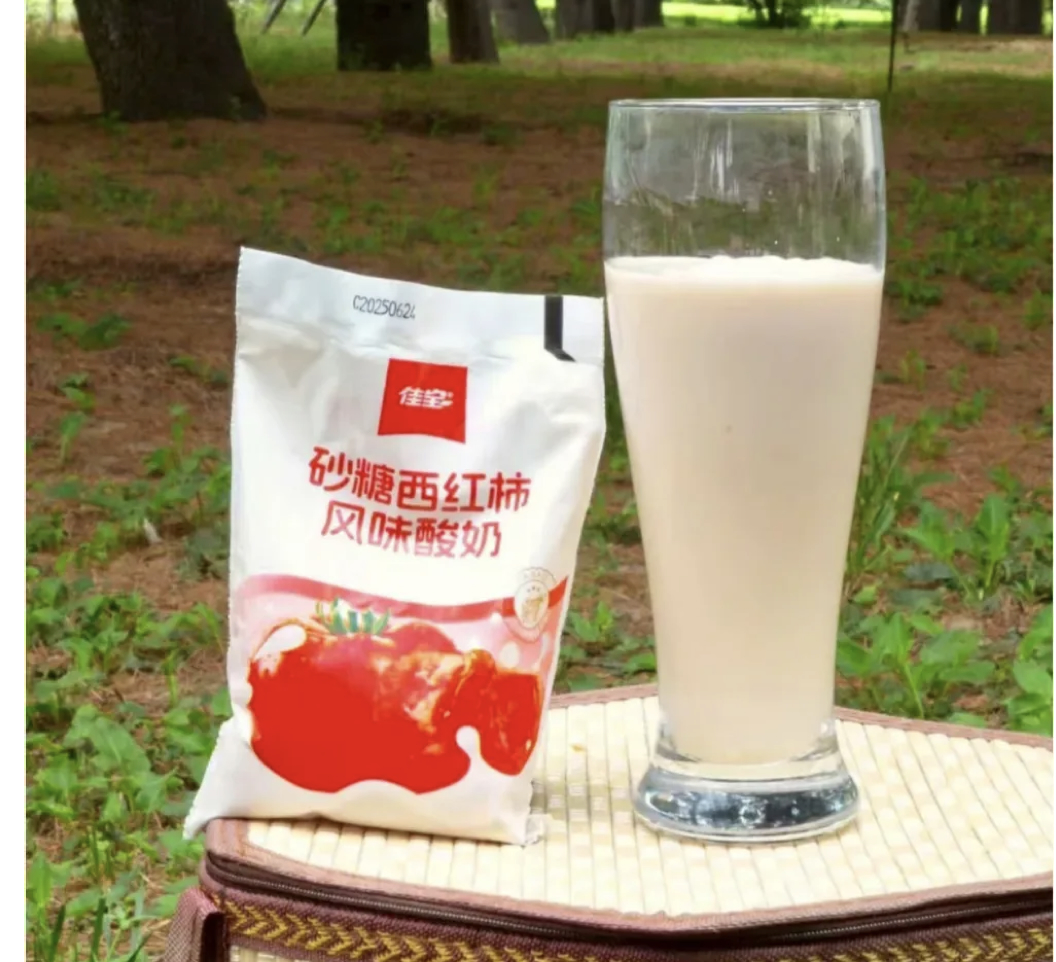
Chinese like to eat sliced tomatoes with a little sugar as a snack or starter. Jiabao from Guangdong is offering sugared tomato milk.
Dim sum
Screenshot
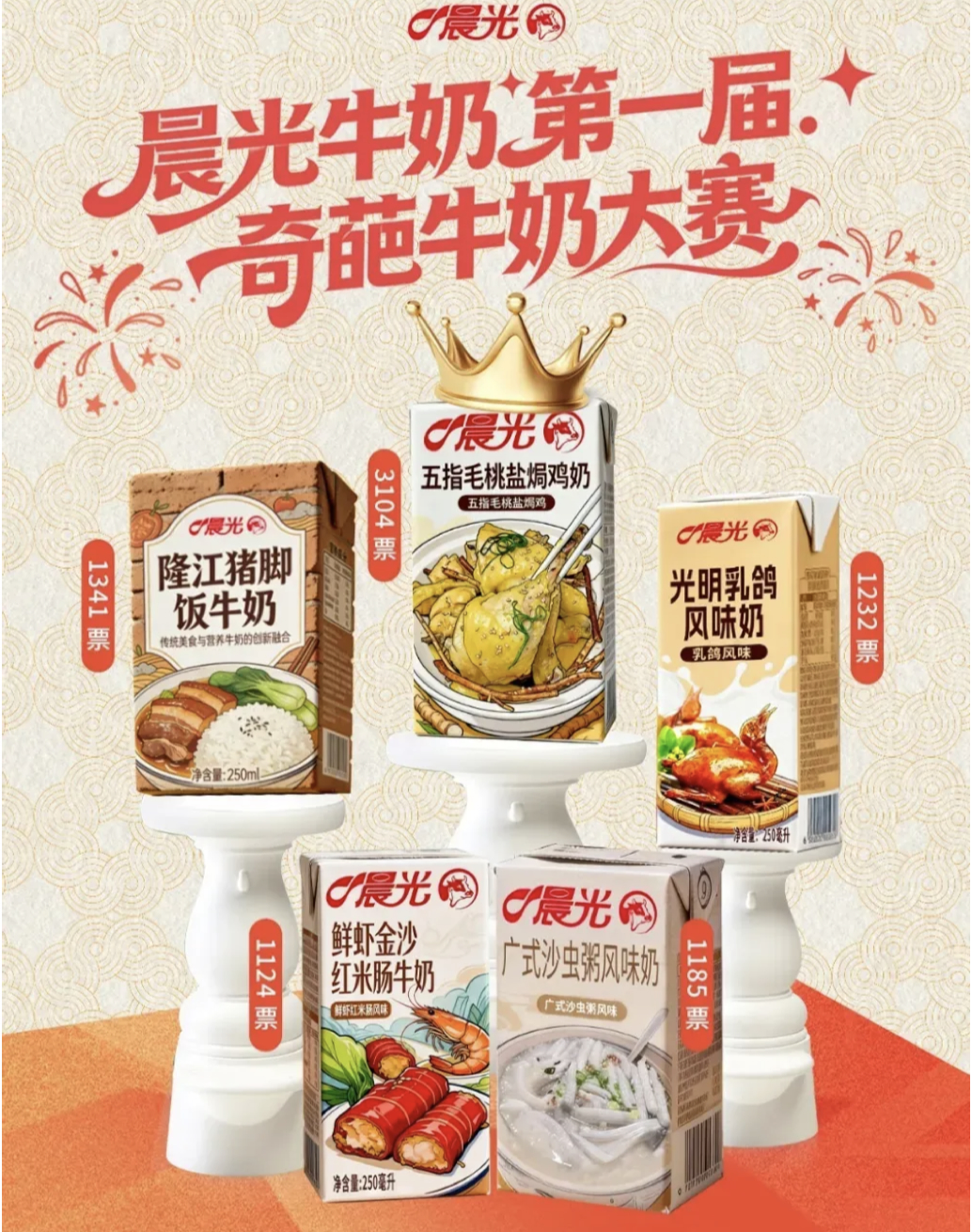
Dim sum, a table full of small plates with savoury delicacies is a favourite lunch in Guangdong province. Chenguang Dairy from Shenzhen has developed a series of milks mimicking some favourite dim sum.
Whenever I run across new exciting flavours, I will add them here. However, tasting all the above products will keep you busy for a while.
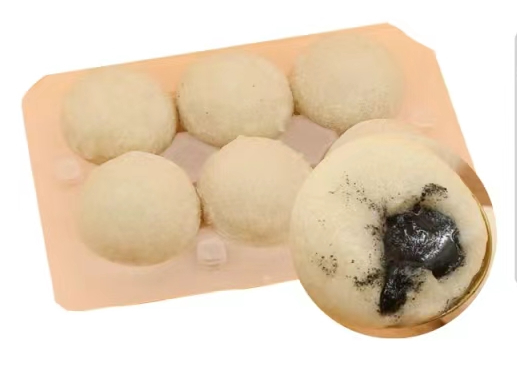
Black sesame has always been a frequently used ingredient in Chinese desserts. The top product probably is the tangyuan, a glutinous rice ball with a sweet filling. There are several types of fillings, but black sesame is the first choice. I am showing a sugar-free version from Jietang Mudashu, which literally means: ‘weaning from sugar Uncle Mu’. This long brand name stresses how hard Chinese are struggling with their sugar addiction.
Since Guangdong Zhuang’s Sesame Milk became popular, black sesame, a traditional ingredient, has also ushered in a new life in the Chinese baking industry. By 2025, the scale of China’s baking market has reached RMB 100 billion, and the combination with the concept of the same origin of medicinal food is opening up new growth space for it.
Black Sesame Milk
Nowadays, black sesame has changed from a limited flavour to a ‘star ingredient’ in the baking, dairy and confectionery industries. From the continuous popularity of black sesame cakes and bread, to the ‘Chinese medicine pharmacy style’ baking on social networks, it is no longer just a food from past memories, but has gained a popular role in baking innovation with both health and flavour.
How black sesame turned hot
It is no coincidence that black sesame is popular in the baking industry. Under the joint embrace of all circles of society, black sesame has gradually risen from the corner of the supermarket shelves to the C position of the bakery shops. In 2025, the scale of China’s ‘food as medicine’ market has exceeded RMB 370 billion, and the valuation of the whole industry chain will exceed RMB 2 trillion.
This trend has directly promoted the upgrading of the entire black sesame industry. In recent years, the National Health Commission has accelerated the expansion of the ‘food as medicine’ catalogue, which now covers 106 kinds of food substances. In 2025, the government proposed to simplify the identification process and shorten the cycle to inject new momentum into the development of the industry.
Black Sesame Pastry
The transformation of consumer demand is equally crucial. The data of Internet platforms like Meituan and Xiaohongshu confirm this trend: 72% of the post-90s generation have replaced traditional health care products with functional snacks, and the number of readings on the topic of ‘health snacks’ on Xiaohongshu has exceeded 800 million.
Young consumers have shown a strong interest in the modern expression of traditional health wisdom, transforming black sesame from a simple ‘food for the elderly’ to a synonym for fashion and health.
The transformation of black sesame, which traditionally exists in the form of paste, has experienced a texture leap from liquid to solid in modern baking.
Innovative applications such as black sesame thousand-layer cake, black sesame rock sauce, black sesame sweet potato, black sesame raw filling, etc. have emerged one after another.
The leap of aesthetic style also adds bricks to the popularity of black sesame. The natural dark gray colour of black sesame perfectly fits the ‘new Chinese aesthetics’ and ‘minimal industrial style’. In boutique bakeries in New York and London, black sesame is often combined with miso and sea salt to form a visual style called ‘Charcoal Aesthetic’.
Charcoal Aesthetic is an emerging design and marketing concept in contemporary consumer culture, especially in the fields of baking and beverages. It does not refer to the artistic creation using charcoal pens, but refers to a visual style and product aesthetics with deep, high-grade black or charcoal gray as the core, emphasising natural, rustic, textured and mysterious.
For example, Onion, a Korean Internet celebrity bakery, specialises in looking for old houses with a sense of age. The cement decoration style is popular with young consumers.
The research of the Institute of Oil Crops of the Chinese Academy of Agricultural Sciences reveals the scientific basis of black sesame flavour: sesame food contains 187 flavour compounds with aroma contributions, and its rich aroma and unique taste are addictive.
At present, a variety of black sesame hot products have emerged on the market:
Holiland Black Sesame Five Black Crisps triggered a rush to buy as soon as it was launched.
Master Nanyang’s black sesame chicken cake has become a popular new product, and some stores have sold more than 100 copies in a week.
Five black mulberry buns developed by Fu’e Baking (Chongqing), black sesame + black beans + black rice stir-fried and ground flour, add dough with whole wheat flour, fragrant!
In the tea industry, this ‘black whirlwind’ is equally strong. Luckin Coffee launched the winter solstice limited ‘five black’ latte, Chabaidao upgraded the classic version of soy milk to the black sesame soy milk, and M Stand (a coffee chain) simultaneously launched Black Sesame Milk and black Sesame Cheesecake.
Heaven Chosen Material
The reason why black sesame could become a ‘chosen material’ lies in the perfect superposition of its triple attributes, which together constitute its irreplaceable competitive advantage in the current market environment.
Nanyang’s Black Sesame Chicken Cake
The obsession of ‘anti-hair loss’ engraved in the DNA of Chinese people: In the oriental context, black sesame has a strong association with ‘black hair, kidney tonic’. According to research data, the subconscious driving force of 85% of Generation Z consumers buying black sesame products is anxiety over hair loss. It is this profound cultural psychology that significantly reduces the brand’s market education cost.
And compared with white sesame, the nutritional performance of black sesame is more convincing. Its calcium content is about 7 – 8 times that of milk. At the same time, it is rich in melanin and lignin, which has strong antioxidant properties.
Black sesame also has the characteristics of ‘scent without grabbing space’. It can be perfectly compatible with the bitterness of matcha, the mellowness of chocolate, and the sweetness of sweet potato, and its high oil content can naturally improve the moisture and aroma thickness of baked goods. A study by the Chinese Academy of Agricultural Sciences shows that natural polyphenols in sesame seeds can enhance the stability of food flavour, which is very important for processing and storage.
Black sesame is more than black
The next step of black sesame baking will be internationalisation, which has begun to emerge in China and global markets.
The trend towards globalisation is obvious. Black sesame is becoming the ‘new matcha’ in the coffee chain business. In 2025, the overall demand for ‘black sesame’ in the United States increased by nearly 30% year-on-year, the highest in history. In Seoul and Tokyo, black sesame latte has become a resident variety of cafes, while in the United States, there are many coffee shops serving ‘black sesame latte’, which has the momentum to catch up with ‘matcha latte’.
Honeymoon Dessert (Manji tianpin) launched a black sesame milk early 2026
Black sesame candy
Yilümai Food (Xiamen) has developed a Black Sesame Gorgon Nut Walnut Candy. It is a chewy type of candy with a slightly sweet earthy sesame taste. The chunks of walnuts accentuate the earthy flavour. The gorgon nut is the seed of a type of water lily. Ingredients:
7-Eleven launched a range of black sesame snacks in 2026.
Prospects
The continuous increase in recognition of domestic baking ingredients among Chinese consumers has also created favourable conditions for local black sesame products. According to the survey, 56.2% of consumers believe that domestic raw materials ‘can replace’ or ‘completely replace’ imported raw materials in most cases.
The global sesame market was expected to reach USD 12.511 billion in 2025 and grow to USD 15.832 billion in 2032. Black sesame is expected to become a new generation of popular flavours in 2026, becoming a regular in desserts, drinks and health topics.
China is not only the world’s largest ice cream market, but I have also reported on innovative ice cream from China in several posts. One post concentrated on savoury flavours, like chili ice cream. Another introduced funky ice cream, like one shaped as the tail of a fish (or perhaps a mermaid?).
Here are some of the latest inventions launched recently by the Lawson’s chain of convenience stores in China.
French fries ice cream, complete with tomato sauce (actually strawberry).
The same company has also launched an ice cream version of the hamburger.
Less funky, but surely the most ingenious is the peach shaped ice cream. It is almost a shame putting your teeth in it. An interesting detail: the Chinese name of this product is taoqi, literally: ‘peach spirit’. However, it is homophonous to taoqi with different characters, which means ‘naughty’.