It’s well known that China is the biggest coffee market in the world. And if you’ve been following this blog, you might recall my stories about new coffee experiences in China, like coffee cocktails, ready-to-drink coffee and dirty coffee.
During my recent trips, I met even more coffee innovators, so I thought I’d share some of the latest trends in a new blog post.
Coffee and tea: a perfect pair
Even though coffee is becoming super popular in China, it’s not really replacing tea as the national drink. Tea is still the top choice. But to be more accurate, coffee is just becoming a new kind of tea in Chinese tea culture. The Pu’er region in Yunnan province was the first place I saw coffee and tea blending together.
In October 2025, we took a tour around Jingdezhen, China’s ceramics capital in Jiangxi province. This area is also famous for its tea. But we had a really interesting coffee experience in a small village called Hanxi, where an entrepreneur had opened a fancy coffee shop right in the middle of the tea fields.
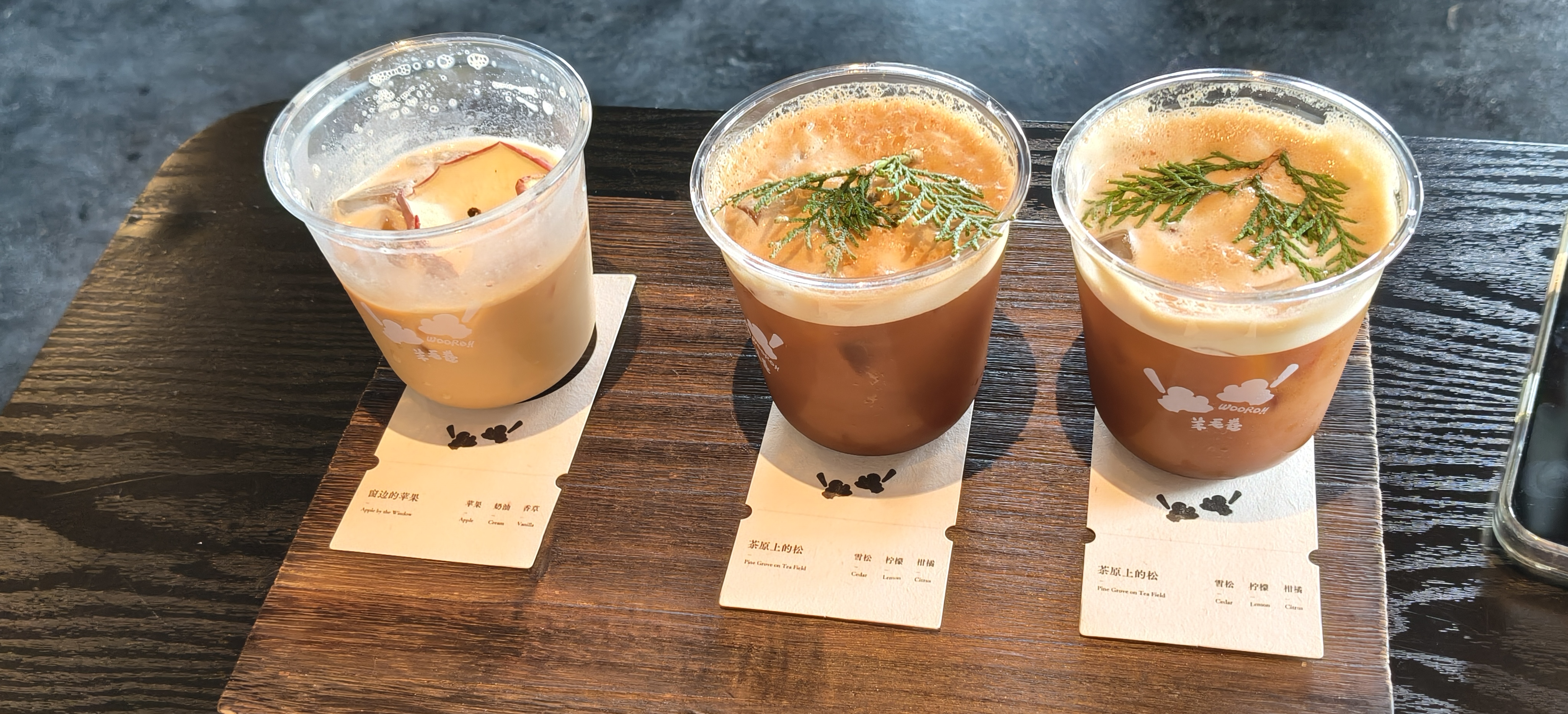
Besides the usual coffee drinks like espresso and americano, they also made coffee mixes with tea and other ingredients. We tried two special drinks: Apple by the Window and Pine Grove in Tea Field. They weren’t quite to our taste. They tasted mostly like coffee, but the tea flavour was hard to spot. The apple in the first one didn’t really go well with the coffee. The pastries were good, and the view of the endless tea fields was amazing. We chatted with the manager, who told us they’re planning to make even more variations and might even add Chinese wines. She had just come back from a trip to the wine region of Ningxia.
Coffee and wine: a bold combination
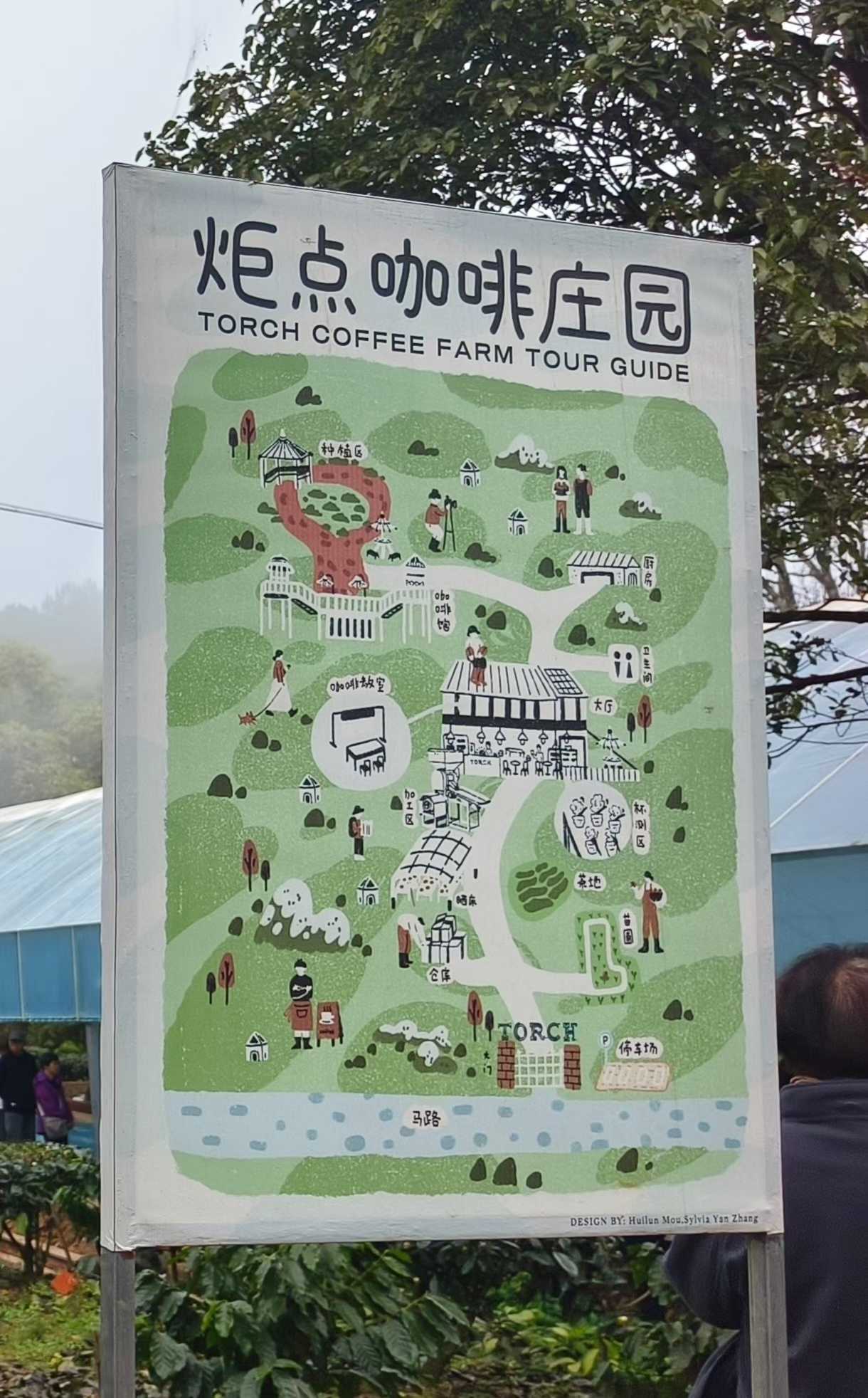
I came across this on Chinese social media about a visit to the Torch Coffee Farm in Pu’er, Yunnan. Torch Farm is experimenting with different coffee bean varieties, like roasting methods, to create unique flavours. The illustration shows some of their coffees during a tasting session, which is part of the tour. To me, the Merlot variety stands out the most. Torch Farm people compare coffee flavour variations to wine grapes. Interestingly, Pu’er has a sister city relationship with Libourne in the Bordeaux region of France. This was because tea experts in Pu’er noticed similar differences between tea and wine grapes.
These are fascinating developments that blend food science, business and culture. I’m sure I’ll be back soon with another post on this topic.
The 22nd Annual Meeting of the Chinese Society of Food Science and Technology was held in Guangzhou October 2025. Through conference reports, special seminars, display of achievements, theses, other forms, this annual conference promoted the cross-integration of food science, accelerated the transformation and application of scientific and technological innovation achievements, built a high-quality food science and technology talent echelon, strengthened the integration and innovation of science and technology and industry for the food industry.
The remainder of this item provides summaries of the various forums and seminars of the Conference.
Hot Issues Forum:
The 2025 Food Science Frontier Hot Issues Forum focussed on the most forward-looking research direction in the field of food science. From new resource mining, nanobiology, precise nutrition, immune regulation, digital intelligence to intelligent materials, it presents a high-density and high-quality ideological collision, clearly outlining the cross-integration of food science. The way to break through with innovation.
Professor Mao Xiangchao, dean of the School of Food Science and Engineering of Ocean University of China, introduced the great development potential of marine carbohydrates, as well as the team’s discovery, functional analysis and high-value utilisation of new marine polysaccharide structures such as duckweed starch and microalgae starch in the report of new carbohydrate resources. Breakthrough research progress has been made in terms of use, pointing out that the need for resources from the ocean is one of the key paths to meet the challenges of sustainable food supply in the future.
Professor Fang Yapeng, dean of the School of Health Science and Engineering of Shanghai University of Technology, brought a report entitled “Intracellular Biological Effects of Food-based Nanoparticles”. Through the close intersection of food science with nanobiology and cell biology, we explore the interaction mechanism between natural food-genic nanoparticles such as lipids, starch and proteins and cells. He emphasised that paying attention to the biological effects of food nanoscale is of milestone significance for a comprehensive understanding of the deep mechanism and safety assessment of the health effects of food components.
Professor Chen Hongbing of the Sino-German Joint Research Institute of Nanchang University focusses on the increasingly serious global food allergy problem and shares the latest research results of “the immune regulation role of active polysaccharides in the prevention and treatment of food allergies”. Chen Hongbing’s team discovered and verified the specific structure of polysaccharides, such as sea cucumber polysaccharide, aloe vera polysaccharide, etc., by regulating the intestinal flora-immune axis, reshaping the Th1/Th2 balance and inducing Treg cells, thus effectively alleviating food allergy reactions. This study provides a new theoretical basis and practical strategy for the development of natural immunomodulators based on dietary polysaccharides and the realisation of nutritional intervention for food allergies.
Professor Xu Yong, director of the Oil and Plant Protein Research Centre of the School of Food of Jiangnan University, looked forward to the “development and challenges of digital intelligence of oils and fats in the future”. Driven by big data, artificial intelligence and advanced sensor technology, grease from molecular design, precision processing, customised nutrition to intelligent control of the whole industry chain is the key to solving the core challenges of efficiency, sustainability and personalised needs faced by the oil industry.
The report of Professor Guo Zhiming of the School of Food and Biological Engineering of Jiangsu University, “Research Progress on Intelligent Packaging Indication of Fruit and Vegetable Multifunctional Response Nanomaterials”, introduced the intelligent nanomaterials developed by the team that can produce sensitive colour or signal response to specific gases, temperature or microbial changes released during the corruption of fruits and vegetables. These “intelligent packaging” can monitor the freshness of food in real time and without damage, greatly improving the safety of food quality and security and the intelligence level of the supply chain.
Professor Tian Jinhu, vice dean of the Central Plains Research Institute of Zhejiang University, shared the “structural design and application research of pH-responsive EGCG-metal self-assembly ‘phenol cage’ as a long-term delivery carrier of insulin”. The study uses the self-assembly behaviour of EGCG and metal ions to construct a nanocarrier with a “cage-like” structure, which can effectively envelop insulin and intelligently release it in a specific pH environment, providing potential new materials for oral long-acting drug administration in patients with chronic diseases such as diabetes.
Professor Sun Na’s report of the School of Food of Dalian University of Technology “Research on the Risk Assessment and Blocking of Cell Cultured Fish Sensitisation” confronts the potential risks and safety problems in this emerging field and explores effective strategies for cultivating fish sensitisation through processing technology or formulas to adjust the sensitisation of blocking cells.
Jia Longgang, a young teacher of the School of Food Science and Engineering of Tianjin University of Science and Technology, reported “From the atmosphere to the intestine: a two-way pathway for PM2.5 aggravation and probiotics to relieve neurodegenerative diseases”, revealing PM2.5 by building a complete pathway from environmental exposure to intestinal flora disorder and then to central nerve inflammation. How to “enter the brain” to aggravate neurodegenerative lesions, and it has been verified that specific probiotics can effectively inhibit this negative pathway by repairing the intestinal barrier and regulating flora metabolites. This research combines environmental science, neuroscience and food microbiology to open up a new perspective for nutrition intervention in environmental-related diseases.
New Quality Protein Innovation and Development Forum:
The New Protein Innovation and Development Forum, hosted by the Professional Committee of New Proteins of the Chinese Society of Food Science and Technology, gathered experts and scholars from universities, scientific research institutions and business circles across the country to carry out in-depth discussions on the technical path, health effects, risk assessment and industrial application of new proteins. At the meeting, Professor Chen Jian, an academician of the Chinese Academy of Engineering, vice president of the Society, and director of the Professional Committee of New Mass Protein, released the “Top Ten Technical Problems of New Mass Protein in 2025”, specifically including: green and efficient extraction technology of low-denatured plant protein; improvement of the multi-dimensional structure of neoplasm protein mimic meat and juice sensitivity simulation; cell culture The creation of long-term transmission of muscle cells in meat cultivation; the construction of a large-scale serum-free culture system for cell cultivation meat; the construction of microbial fermentation bacteria protein high-efficiency cell factory; the design of protein biological manufacturing reactor and the intelligentisation of high-density fermentation process control; the precise design of yeast chassis cells for high-efficiency expression of functional proteins; edible Integrated technology of low-carbon processing and automated solid-state fermentation equipment of bacterial protein; optimisation of yeast protein processing adaptability and multi-scenario application development; enrichment and quality-enhancing and efficiency utilisation of Venetian sickle protein.
Professor Li Zhaofeng, vice president of Jiangnan University, gave a systematic introduction to the above problems. He pointed out that these topics are not only the bottlenecks of current scientific research, but also the key to whether new proteins can be industrialised and go to the mass table in the future.
The forum set up a number of special reports on the top ten technical problems, from intelligent manufacturing, health assessment to resource development, and introduced the progress in the field of new protein research in many aspects.
In terms of intelligent manufacturing and equipment technology, Professor Liu Donghong of Zhejiang University discussed the intelligent manufacturing path of new mass proteins and shared the three-dimensional culture and moulding technology and equipment of cell culture meat. Li Yingying, a senior engineer at the China Meat and Food Research Centre, focussed on cell cultivation of meat and shared the key breakthroughs in the construction of its large-scale production process.
In terms of health and safety assessment, Professor Yang Xiaoquan of South China University of Technology systematically explained the health effect mechanism of plant protein diet and emphasised the importance of scientific evaluation system to product development. Professor Fu Linglin of Zhejiang University of Industry and Technology proposed a systematic assessment and control strategy for the risk of sensitisation for emerging protein resources such as insect proteins. Jin Fen, a researcher at the Institute of Agricultural Quality Standards and Testing Technology of the Chinese Academy of Agricultural Sciences, further explored the risk of chemicals in the cell culture medium and discussed the scientific construction of the safety system of cultured meat.
In terms of green manufacturing and resource development, Li Huiyue, a senior engineer of Jiangxi Fuxiang Pharmaceutical Co., Ltd., proposed a green process path for the industrialisation of new protein. Associate Professor Li Jian of Beijing University of Industry and Commerce deeply analysed the flavour characteristics of yeast protein and its multi-scenario application potential. In addition, Jiang Xianzhi, the founder of Momi (Guangzhou) Biotechnology Co., Ltd., and Liu Xiao, an associate researcher of Jiangnan University, respectively introduced the creation and multi-scenario application expansion of the Venetian sickle fungus.
Xue Changhu, an academician of the Chinese Academy of Engineering, Professor of Ocean University of China, and Wang Qinhong, a researcher at the Tianjin Institute of Industrial Biotechnology of the Chinese Academy of Sciences, concluded: “New protein is not only the breakthrough direction of food science and technology, but also a strategic choice to ensure national food security and achieve sustainable development. Only through collaborative innovation and cross-border integration can we jointly meet the global challenges of protein supply.
Artificial Intelligence and Food Seminar:
At a time when artificial intelligence technology is accelerating to penetrate into various fields, how to promote its deep integration with food science, health research and other fields has become the key proposition of industrial upgrading and scientific and technological innovation. At the artificial intelligence and food seminar co-hosted by Professor Sun Xiulan, dean of the School of Food of Jiangnan University, and Jiang Shuqiang, a researcher at the Institute of Computing Technology of the Chinese Academy of Sciences, experts and scholars from universities, scientific research institutes and enterprises focussed on the innovative achievements of artificial intelligence in food science, brain health, industrial application and other fields. In-depth communication.
At the beginning of the seminar, Jiang Shuqiang systematically sorted out the application progress of AI technology in the field of food with the title of “Artificial Intelligence-Driven Food Science Research”. He pointed out that artificial intelligence has gradually penetrated from basic research to the whole chain of food research and development, production, safety, etc., providing a new methodology for food science research, promoting the transformation of the industry from traditional experience-driven to data intelligence-driven, and attracting the attention of the whole audience.
Hu Bin, a professor at South China University of Technology, focussed on the “Multimodal AI Large Model-Driven Depression Brain Health Research” and shared three core research results. The dynamic map pulse neural network model developed by its team has solved the problem of time dynamic feature extraction and bioexplicability missing through innovative designs such as BIP modules; the multi-task mixed pulse network model realises the efficient processing of joint classification and segmentation of CT images, which is greatly efficient than the traditional single-task mode. Improvement; The multimodal language risk assessment model builds a depression risk assessment system covering EEG, voice, text scale and other multimodal data based on the collaborative attention mechanism, and finally formed a “multimodal + brain-like + knowledge-driven” brain health management framework, with low power consumption and high response characteristics, for real-time health Dynamic evaluation provides technical support.
Cheng Wei, a dual professor of Huashan Hospital Affiliated to Fudan University, referred to the global attention to brain health issues with the title of “Big Data-Driven Brain Health Research”. He introduced that the number of brain disease patients in China ranks first in the world, and Alzheimer’s disease (AD) and other diseases seriously affect the quality of life of the elderly. Relying on artificial intelligence algorithms, his team has built a series of results such as the brain biological age assessment model and the blood protein AD risk early warning model based on multimodal images. It has also been confirmed through research that a healthy lifestyle can reduce the risk of AD by 41% and the risk of depression by 72%, and machine learning has helped Build the best diet model for AD, which provides a scientific basis for early accurate intervention.
Ma Peihua, a researcher at the Institute of Agricultural Products Processing of the Chinese Academy of Agricultural Sciences, focusses on the “cross-basic research of artificial intelligence and food science”, showing the hardcore breakthrough of AI in the field of food. He introduced that the team realised millimetre-level heating control in food extreme processing through Q-Learning, and completed the screening of high-throughplet materials with the help of the Gaussian process. The “AI food techologist” developed by it became the first food AI intelligent body included in OpenAI. At the same time, he expects that in the future, AI4-food will achieve greater breakthroughs in the research of natural product function, intestinal microbial mechanism analysis, and extreme process control.
Li Li, dean of Xunfei Higher Education Research Institute of the University of Science and Technology, Cheng Li, vice dean of the School of Food of Jiangnan University, and Qin Hui, deputy general manager of Luzhou Laojiao Brewing Co., Ltd., shared their experiences from the perspective of educational application, discipline-specific large model construction and industrial practice respectively. Li Li introduced the application cases of large models in college teaching evaluation, intelligent office and other fields; Cheng Li explained the construction background of FoodSeek special large models for food disciplines and the cooperation path between schools and enterprises; Qin Hui shared the results of the exploration and application of digital intelligence technology in the liquor industry.
This seminar has built a cross-border communication platform in the fields of artificial intelligence, food and health, and comprehensively presented the achievements and application prospects of cutting-edge technology. Experts said that the seminar will accelerate the transformation and application of AI technology in the fields of food and health, promote the upgrading of the industry to precision and intelligence, and inject new momentum into the implementation of the Healthy China Strategy.
Seminar on Technology Innovation and Industrial Development of Dairy Deep Processing:
With the slowdown in global dairy consumption and the increase in consumers’ demand for nutrition and health, deep-processed raw materials for dairy products are becoming a key component in achieving precise nutrition. At the seminar on dairy deep processing technology innovation and industrial development chaired by Professor Jiang Yujun, vice president of Northeast Agricultural University, and He Jian, director of the National Dairy Technology Innovation Centre, the experts clearly outlined the future picture of China’s dairy deep processing.
With the deep processing of dairy products as the traction, it drives the value of the industrial chain to leap.
Jiang Yujun pointed out that the dairy industry has changed from the “era of nutrition preservation” and the “era of nutrition optimization” to the “era of precise nutrition”. Deeply exploring the natural nutrition in dairy products and realizing precise nutrition transmission is inseparable from the innovation and breakthrough of deep processing technology. Professor Ai Lianzhong, dean of the School of Agriculture and Biological Engineering of Shanghai Jiaotong University, said that the dairy industry will enter a new cycle of “total stability and structure rebalance” in the next 3-5 years, with cheese products as the core, extending high value-added products such as whey powder and functional milk-based ingredients. Professor Zhou Peng of the School of Food of Jiangnan University said that compared with traditional whey ingredients obtained through enzyme coagulation or acid sedimentation, natural whey obtained through membrane filtration has unique nutritional and health characteristics. In addition, through the isolation and enrichment of key subcomponents in casein, its nutritional characteristics and health efficacy in special foods such as infant products can be better improved.
Innovation and breakthrough from “component simulation” to “structure-function”
The composition and structural recomposition of milk fat phospholipids has become a research hotspot in the field of infant formula. Professor Zhang Lanwei of the School of Food Science and Engineering of Ocean University of China said that the dual strategy of “MFGM phospholipid composition remodelling” and “three-layer membrane structure reconstruction” has realised the leap from “component simulation” to “structure-component double repetition”. The new idea of constructing breast milk MFG based on precise lipid composition remodelling and membrane structure reconstruction, which provides a theoretical basis and practical path for the research and development of functional dairy products and the cognitive nutrition intervention of breast milk infants. Particulate whey protein can simulate the slippery taste of fat. At the same time, because physical modification will not introduce safety risks, it is an important direction to improve the added value of whey protein and can be used in industrial use. Liu Guanchen, a researcher at the Innovation Centre of the Yangtze River Delta Wisdom Oasis of Zhejiang University, introduced the new progress of whey protein particulate technology and its application research. He believes that by combining AI with the process parameter information collection of particulate whey protein, particulate products adapted to different consumption scenarios can be efficiently prepared.
Build a closed loop of “R&D-application” to enhance the potential of market competition
Professor Tan Mingqian of the School of Food of Dalian University of Technology has established an effective lutein stabilisation carrier construction method, which has significantly improved the water solubility and stability of lutein. At the same time, he explored the mechanism of exocrine-loaded lutein in alleviating dry eye, which is of great significance for improving eye health. Wang Caiyun, executive director of the Dairy Technology and Equipment Research Centre of the National Dairy Technology Innovation Centre, shared the analysis of the path of lactoferrin from laboratory to commercialisation. She said that at present, the mainstream in the field of deep processing of lactoferrin in China still focusses on “added application of ingredients”. With the industrialisation of domestic lactoferrin, it is still necessary to build a collaborative closed-loop research of “raw material structure effect-process-application adaptability” to improve the market competitiveness of domestic lactoferrin. Liu Yitong, application innovation director of Nuohe and Shenyuan Food and Beverage Biological Solutions in China, shared her insights on how enzyme and fermentation biotechnology can empower the deep processing of dairy products with dual engines. She pointed out that in the field of cheese research and development, biological solutions can help release the value of cheese; in terms of milk fat, through enzymatic and fermentation, cream wind The taste can be improved.
Seminar on Medical Food Innovation and Adult Nutrition and Health:
In addition to continuously promoting the optimisation of medical food product formulas and the construction of clinical paths, “personalised nutrition”, “precise intervention” and “cross-border collaboration” will become the core driving force for the development of the industry. At the Seminar on Medical Food Innovation and Adult Nutrition and Health, eight experts from the medical, nutrition and food industries held in-depth discussions aimed at providing scientific, safe and effective nutritional and health solutions for a wider adult population. The seminar was co-chaired by Professor Shi Hanping, the founding director of the Department of Clinical Nutrition of Capital Medical University, and Wang Shuo, a special professor of Nankai University.
Driven by clinical demand: tumour nutrition becomes a breakthrough
Shi Hanping pointed out in the report of “Promoting the Development of Clinical Nutrition Therapy with Tumour Nutrition as the fulcrum” that with the expansion of tumour patients and the diversification of treatment models, the nutritional status of patients has become a key factor affecting the treatment effect, prognosis and quality of life. This has brought new challenges and opportunities for clinical nutrition treatment. Huang Rongkang, deputy chief physician of the Sixth Affiliated Hospital of Sun Yat-sen University, further strengthened this view in the report of “Nutrition Support Strategies for Perioperative Colorectal Cancer”. He stressed that precise nutritional support in the perioperative period has become a new clinical consensus, which is directly related to the treatment effect and rehabilitation process of colorectal cancer patients.
Functional ingredient innovation: from basic research to application potential
While discussing specific clinical needs, many experts shared potential new functional ingredients and their research results. In the report of “Health Benefits of New Food Resources HMB: Research Progress and Efficacy Exploration”, Wang Shuo systematically sorted out the research progress of β-hydroxy-β-methylbutyric acid (HMB). Many evidences show that HMB can effectively promote protein synthesis and inhibit its degradation, showing great potential in intervening myopenia, and is expected to become a key component of new functional foods. In addition, Tian Yu, a postdoctoral fellow of the School of Food Science and Engineering of Nanjing University of Finance and Economics, pointed out from the perspective of food materials science in the report “Enzymatic Preparation Mechanism and Application of Functional Starch Derivatives” that enzymatic modification is a green means of high-efficiency and targeted preparation of starch derivatives, which is used to develop medical food with specific functions. High-quality raw materials are provided.
Regulations and Products: Building a Flexible and Scientific Industrial Ecology
The healthy development of the industry is inseparable from a clear regulatory framework. Fang Haiqin, director of the Applied Nutrition Office of the National Food Safety Risk Assessment Centre, systematically interpreted the latest regulations in the report of “The Latest Progress of Non-Full Nutrition Formula Food Standards and Regulations”. She pointed out that compared with “full nutrition formula”, “non-total nutrition formula” has greater flexibility in terms of technology, labelling and applicable population, and can better meet the specific clinical needs of adults. Zhong Zhuxuan, a clinical nutrition scientist at the research and development centre of Abbott Nutritional Products (China), confirmed in the report “Innovation and Clinical Benefit Evidence of Non-Total Nutritional Medical Nutritional Products” from the perspective of enterprise innovation that for specific groups of people, non-total nutritional medical nutrition products play a positive role in supplementing specific nutrients and improving nutritional status. Function.
Technological challenges and new opportunities in the market
In the face of specific productization challenges, Wan Zhili, vice dean of the School of Food Science and Engineering of South China University of Technology, deeply analysed the technical path of stability of protein ingredients in liquid medical food in the report “Stabilisation Technology of Protein Ingredients in Liquid Special Medical Food and Its Nutritional Health Effects”. He put forward the view that soybean protein is more suitable as a core raw material, and pointed out that production processes such as ingredients and particulates are technical difficulties in the manufacture of liquid special medical emulsions. Market opportunities also come from the cutting-edge clinical trends. Dr. Lou Yuanying, an IFF nutrition expert, proposed in the report “When Weight Loss Meets Science: The Enlightenment of GLP-1 and New Opportunities for Weight Management” that although GLP-1 receptor agonists are “game changers” in the field of weight management, the pain points such as gastrointestinal side effects they bring are precisely to alleviate side effects and raise Medical food for precise nutritional support has created a new market space.
Seminar on Brain Health and Food Nutrition Transformation:
At the Seminar on Brain Health and Food Nutrition Transformation hosted by the Food Nutrition and Health Branch of the Chinese Society of Food Science and Technology, the Chinese Society of Food Science and Technology officially released the Scientific Consensus on L-α-Glycoline Glycophosphate (hereinafter referred to as the Consensus), which is a new food raw material with both scientific value and industrial prospects. Indicate the direction of application.
Huang Jian, director of the Food Science and Technology Office of the Institute of Nutrition and Health of the Chinese Centre for Disease Control and Prevention, gave an in-depth interpretation of the core content of the Consensus and systematically presented the research results and application prospects of L-α-glycophosphate choline. As an important choline phospholipid derivative, L-α-glycophosphate choline exists naturally in animal and plant food and is easily absorbed and utilised by the human body. In addition, L-α-glycophosphate choline has the metabolic characteristics of choline and 3-phosphate glycerine at the same time, and can participate in multiple physiological processes such as neurotransmitter synthesis, biofilm construction and energy supply. Many studies have shown that L-α-glycophosphate choline has played a positive role in improving cognitive function, regulating emotional state, and enhancing motor ability.
In terms of industrial application, L-α-glycophosphate choline has been widely used in the international food processing field. In 2009, Japan took the lead in including it in the “List of Non-Drug Ingredients”. The U.S. Food and Drug Administration (FDA) classified it as a “Generally Safe Substance (GRAS)”. At present, there are more than 400 food products containing this ingredient in the U.S. market. In China, L-α-glycophosphate choline was officially approved as a new food raw material last year, and the recommended edible amount is ≤600 mg/day (measured by dry base), marking that its application in the domestic food field has entered the stage of standardised development.
In the future, L-α-glycophosphate choline needs to optimise the transformation path in the production process and simplify the refined analysis method in detection. In the field of research, large-scale and multi-centre population intervention research should be carried out, especially the effectiveness evidence for the Chinese population; in terms of industrial norms, it is necessary to improve the production, inspection, application, quality standards and other regulatory systems.
At the seminar, Zeng Ping, a researcher at the National Geriatrics Centre of Beijing Hospital, introduced the impact of the dietary intervention model on delaying cognitive disorders to the delegates on “Ageing and Brain Health Maintention – Dietary Nutrition Intervention Strategy”. Wang Huijun, a researcher at the Institute of Nutrition and Health of the Chinese Centre for Disease Control and Prevention, analysed the correlation between L-α-glycophosphate choline intake and cognitive function in the diet based on empirical data from the Chinese Health and Nutrition Survey. Professor Yang Jingyu of the School of Clinical Pharmacy of Shenyang Pharmaceutical University deeply explained the evidence-based research on the improvement of metabolism and cognitive function of L-α-glycophosphate choline in the body, which provided solid laboratory evidence of its mechanism of action. In the field of applied research, Professor Gu Peifei of Shenyang Sports College shared the team’s research progress on L-α-glycophosphate choline in sports nutrition. He found that L-α-glycophosphate choline can improve attention and reaction, providing a new direction for the research and development of sports nutrition products. Professor Liu Zhigang of the School of Food Science and Engineering of Northwest Agricultural and Forestry University of Science and Technology shared the new perspective of ApoE polymorphism and brain health maintenance around “gene-nutrition interaction”, and proposed that in the future, we should explore personalised brain health and accurate nutrition plans based on the differences in nutrient absorption and metabolism in the genetic background. Yuan Peng, director of the Food Engineering Research and Development Department of China Food Fermentation Industry Research Institute Co., Ltd., sorted out the application status of the new food raw material in the international market by sharing “application examples and prospects of L-α-glycophosphate choline in global dietary supplements”, which provided a reference for the development of China’s industry.
Food Flavour Science Frontier Forum:
The Food Flavour Science Frontier Forum hosted by the Food Flavour Professional Committee of the Chinese Society of Food Science and Technology has attracted many experts, scholars and enterprise representatives from the national food field. They have carried out in-depth exchanges on the cutting-edge issues of food flavour science and gathered wisdom for the innovation and development of the industry.
Sun Baoguo, an academician of the Chinese Academy of Engineering, president of the Chinese Society of Food Science and Technology, and professor of Beijing University of Industry and Commerce, pointed out in his speech that “flavour is the core competitiveness of food”, and emphasised that “if the flavour of food is not acceptable to consumers, there is no second choice”. He further clarified the misunderstandings of the industry: the “delicious” of food is not necessarily related to chronic diseases. The key is whether it is overeaten; flavour substances such as flavour essence are necessary to make up for the loss of flavour in the processing process and strengthen product characteristics. For example, ice cream, cola and other flavours are inseparable from edible flavour essence, and traditional food added flavour substances are also It needs to be viewed scientifically, and at the same time, it is called on scientific researchers to deepen research and do a good job in science popularisation.
Sun Baoguo further focussed on the scientific research of flavour, and proposed that it is necessary to take into account “ancient for modern use” and “foreign use for Chinese use”. It is not only necessary to explore the traditional dietary wisdom such as “five-flavor harmony” in “Lv’s Spring and Autumn”, but also to study the application logic of the original taste of spices and ingredients, but also to keep up with the international frontier and explore the integration of AI, electroencephalogram technology and flavour science. Establish a predictable theory of “molecular structure and aroma”, and at the same time encourage the integration of “flavour + AI” and open up a new direction of “flavour + health”.
At the meeting, Liu Yuan, dean of the School of Food Science and Engineering of Ningsia University, sorted out the development vein and future trends of flavour disciplines with “Exploration on the Development of Flavour Science”; Professor Zhao Mouming of South China University of Technology shared the research process, composition-effect relationship and peptide-rich peptide-rich flavour base in the report of “Progress of Flavour Peptide Research and Key Technology for Preparation” Preparation technology, introduce its application and industrialisation progress in flavour regulation; Professor Xu Yan of Jiangnan University analyses the composition and perception mechanism of flavour substances of Chinese liquor through “Research Progress and Challenges in Liquor Flavour Science”; Professor Tian Shiyi of Zhejiang University of Industry and Technology uses “different taste cell models in food flavour regulation and shape The title of “Application in the Research of Formation Mechanism” describes the research of the team in the field of taste cell models in detail, which provides a key experimental tool for accurately analysing the interaction between flavour substances and taste receptors and optimising food flavour regulation. Professor Zhang Yuyu of Beijing University of Industry and Commerce focusses on “thinking on the mechanism of freshness and salting of flavour substances and appetite regulation effect” Enjoying the results not only clarifies the principle of flavour substances to enhance the taste and enhance the saltiness, but also provides new support for the research and development of low-sodium and high-fresh foods and the research on appetite regulation. In addition, representatives of Beijing Feiyuxing Technology Co., Ltd. and Shanghai Baosheng Industrial Development Co., Ltd. also introduced the application of neuroscience and AI technology in food flavour research to provide reference for the technological upgrading of the industry.
This forum is both cutting-edge and practical, which not only clarifies the direction of flavour science research, but also provides new ideas for the industry to solve the problems of flavour regulation, and injects new momentum into the innovative development of China’s food flavour field.
According to the statistics, the output of instant noodles in Henan Province accounts for nearly 33% of the country. However, this output is distributed in the instant noodle industrial belt from Xinxiang in the north to Luohe in the south. If the scope is narrowed down to cities and counties, the most concentrated place of the instant noodle industry is actually not Henan, but a county called Longyao in Xingtai City, Hebei Province. It is the home of Jinmailang.
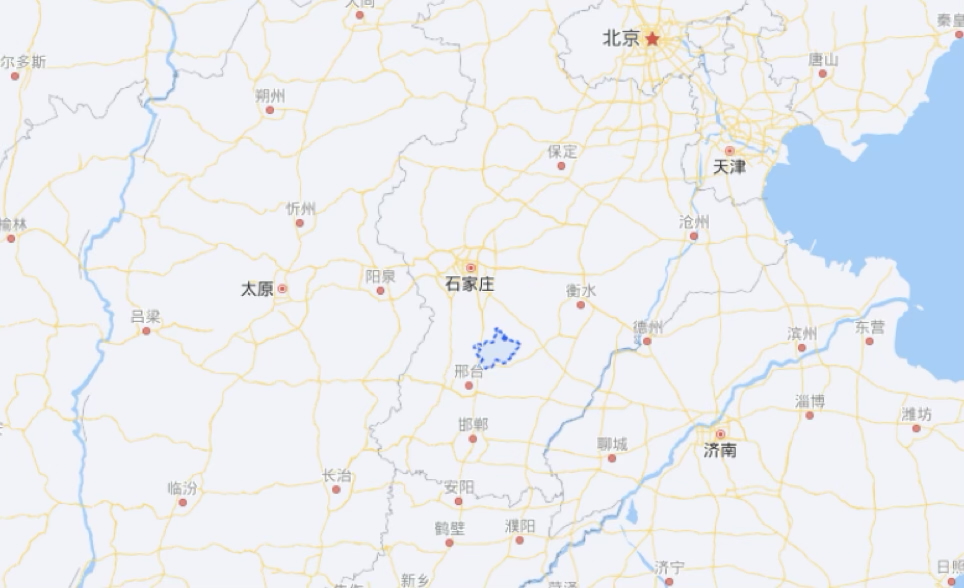
Longyao
As a large grain-producing county in Hebei Province, Longyao has become the world’s largest instant noodle production base driven by leading enterprises. Longyao is an agricultural county that mainly relies on wheat cultivation.
Regional location of Longyao County
However, it is in this small county the nation’s instant noodles production started. It gave birth to the richest man in China’s instant noodle industry and became the world’s largest instant noodle production base with an annual output of 14 billion packs of instant noodles. It was founded by Longyao people themselves, rooted and developed in Longyao. Now it has become a local brand of Longyao that is on an equal ar with Master Kong and Uni-President: Jinmailang.
Hurun
In the ‘2022 Hurun Top 100 Chinese Food Industry List’, Jinmailang ranked 48th (Chef Kong ranked 25th). In terms of value changes, other enterprises on the list either have negative growth or double-digit growth at most, while the year-on-year growth of Jinmailang has reached an amazing 126%, becoming the enterprise with the fastest value growth rate on the list. Jinmailang’s annual production capacity is 12 billion packs of instant noodles. It processes 5500 mt of wheat per day and 1.8 mt mt p.a., it ranks in the top six in its industry in the world and the top three in China. When we add the capacities of other related enterprises in Longyao, the regional annual production capacity of instant noodles is as high as 14 billion.
Pillar of the local economy
Jinmailang’s instant noodle production has long realised intelligent automatic production. The Longyao food industry, which is driven by instant noodles, has an annual revenue of more than RMB 17 billion and the more than 100 food manufacturing and supporting enterprises in the county contribute one-third of Longyao’s total profit, which makes it a proper pillar of the local economy. Longyao is also the world’s largest production base for paper containers and bottle caps.
Beginning
In 1992, Wei Yingzhou, a Taiwanese businessman, founded Dingyi Food in Tianjin, and Chef Kong instant noodles soon became popular in China. In this year, Fan Xianguo, a native of Longyao, took the money saved from running a small workshop and partnered with more than a dozen people to form the Tianshuai Group to produce single-crystal rock candy. Chef Kong’s popularisation made Fan Xianguo see the huge market for instant noodles, but the partners did not agree to do this. Therefore, in 1994, Fan Xianguo took a few people to establish Hualong Group. This time he got the decision-making power. An instant noodle giant who can be equal to Chef Kong in the future was born.
Rural market
At that time, Chef Kong and Uni-President were aiming at the urban market. There was no way to sell it in the countryside at all. They could only see some mixed brands, even instant noodles without packaging. From the start, Hualong targeted the blank area of the rural market. A strategy they had learned from Mao Zedong. An important contributor to the success of the Communist Party was the strategy to ‘let the countryside encircle the cities’. Its first instant noodles was called ‘Hualong Noodles’, which focussed on cheap and affordable. The advertisement of ‘Hualong noodles, you see them every day’ was painted all over the walls of rural areas. Hualong instant noodles also quickly occupied the rural market. In just three years, Hualong began to aim at the national market.
National
In 1997, Hualong established more than 600 sales networks in more than 20 provinces and began its own plan to occupy the instant noodle market north of the Yangtze River. At this time, Wang Lushan, Fan Xianguo’s hometown, was also an agent of Hualong Group in Gansu. He followed Hualong Market all the way, made a lot of money, and also had the idea of working for his own account. In 1999, Longyao’s second brand that stirred up the national instant noodle market was born. Wang Lushan, who was familiar with the old owner’s products and routines, established Zhongwang Group. With two brands of instant noodles, he quickly became a brand that was higher than Hualong in the rural market at that time. In 2000, it achieved sales of RMB 100 mln, and two years later, it became one of the top five instant noodles in China.
Jinmailang
Around 2000, the sales of Hualong instant noodles began to grow rapidly. In that year, Fan Xianguo gave up the Hualong trademark and launched a new brand ‘Jinmailang’. Jinmailang cooperated with Nissin Group (Japan), a global boss leader in instant noodles, and became the world’s largest noodle-making enterprise at that time. Subsequently, it launched the new-tech instant noodle brand Dajinye.
Wugu Daochang
On Wang Lushan’s side, he found the marketing director of Hualong before, began to cooperate with Chef Kong, and then launched a new non-fried instant noodle brand Wugu Daochang. Wugu Daochang did very well. In 2006, it also achieved annual sales of RMB 2 billion. That year, Zhongwang also topped the top 100 Chinese enterprise growth list with a growth rate of 2003%. After that, although Wang Lushan’s Zhongwang Group declined due to blind expansion, Longyao’s instant noodle industry and other related supporting industrial chains rose rapidly because of this competition between, what was locally referred to as: ’two dragons fighting’.
Decline and back
Since the 1990s, China’s instant noodle industry has been booming, and the turnover has increased for 18 consecutive years. However, since 2013, the instant noodle industry has begun to go downhill. The reason is very simple. 2012 was the first year of the rise of China’s takeaway industry. The fierce battle of Meituan, Eleme, Dianping and other platforms in this year’s ‘thousand-group war’ made instant noodles ‘out of favour’ from people’s list of instant foods. In fact, any food became instantly available. With the upgrading of the consumer market and the consideration for a healthy, nutritious and balanced diet, instant noodles were no longer a must or even an option for many people to pursue a convenient diet. It was not until the pandemic that the instant noodle industry showed signs of rebound again. According to the statistics, the market size of China’s instant noodles in 2018 was RMB 103.9 billion, and it increased to RMB 182.38 billion in 2022. It is estimated that by 2025, the market size will reach RMB 231.23 billion.
Innovation
Technological innovation is an important driver behind the continuation of the status of Longyao as China’s top instant noodles base. As early as six years ago, Jinmailang was selected as one of the top 10 innovative food companies in China in 2018 with 926 patents, together with the top international food groups of Mars, Pepsi and Starbucks. At the beginning of 2022, Jinmailang announced that it had completed a financing of RMB 600 million from investor Jiahua Capital.
Regular readers are aware that Traditional Chinese Medicine (TCM), particularly those that are permitted to consume as food ingredients, has become a significant business in China. This trend initially emerged in the regular food and beverage market but has since expanded into the snack food sector. For health-conscious affluent Chinese individuals, snacking should also be beneficial for their well-being. According to data from Ai Media, the value of this market has surpassed RMB 265 billion in 2024.
In this ‘punk diet’ revolution driven by Generation Z, 72% of the post-1990s generation has substituted traditional healthcare products with ready-to-eat medicinal foods of the same origin. The concept of ‘health snacks’ has garnered substantial attention on the social media platform Xiaohongshu, with over 800 million views. From established brands like Tongrentang to emerging brands, TCM institutions, leisure food enterprises, and cross-border players are actively expanding their presence in the TCM snack market.
This article presents an analysis of the latest industry developments, elucidates the innovative direction of TCM snacks, and evaluates the technical challenges and breakthrough opportunities for popular products.
Trend 1: TCM Centres Emerge as Market Players
The Zhejiang TCM Hospital’s phenomenal success with its hit Wumei (black plum) soup has significantly impacted the summer beverage market. The first version of Wumei, launched last year, achieved remarkable sales figures, with 1.15 million posts sold within 24 hours. Following the introduction of the upgraded 2.0 formula in the Tmall flagship store this year, the monthly sales reached the pinnacle of the tonic and health tea category. This ancient tea drink, featuring black plum, lotus leaf, and hawthorn as its primary ingredients, has become the quintessential embodiment of ‘punk health care’ for young individuals, offering the convenience of ‘professional medical institutions’ research and development combined with ‘ready-to-eat’ consumption.
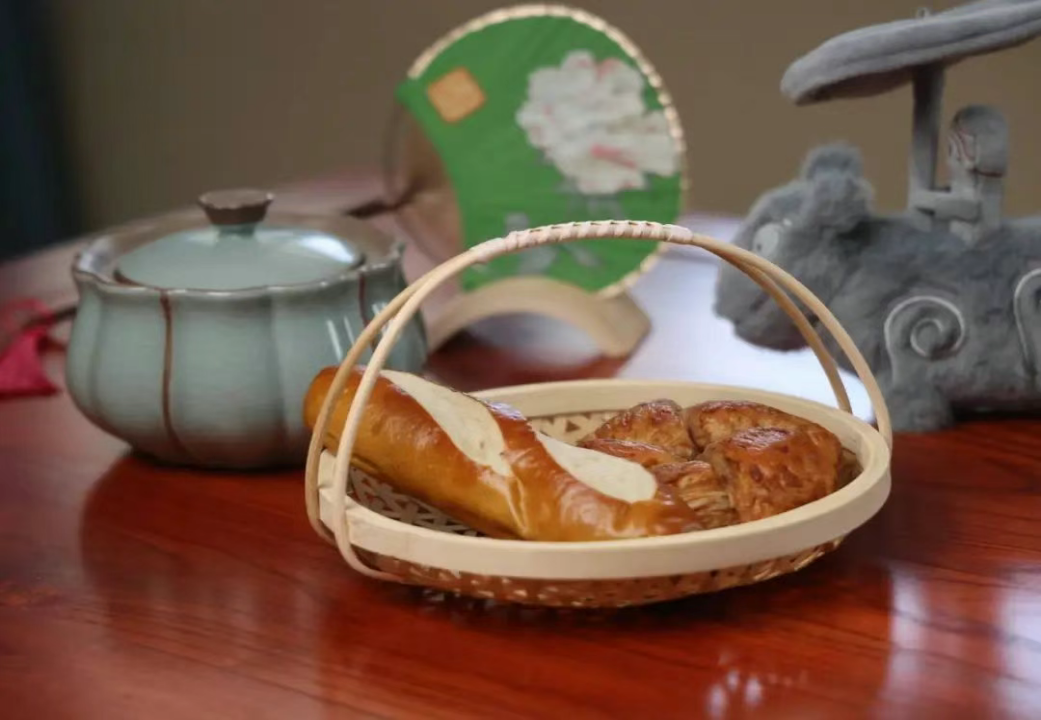
“Yangzhou TCM Hospital, Jiangsu Province” draws upon the “Outline of Herbal Medicine” and other medical texts, integrating the prevalent ailments of contemporary young individuals such as qi and blood deficiency, spleen deficiency, phlegm and dampness, and fatigue. It extends the innovative concept of medicinal diet to the realm of baking. Their medicinal breads are enriched with over ten medicinal food ingredients, including angelica and poria. Within the first month, the product’s daily sales volume surpassed 1000 pastries, with an astonishing 3000 sold during the peak period. The accompanying image depicts one of their scones.
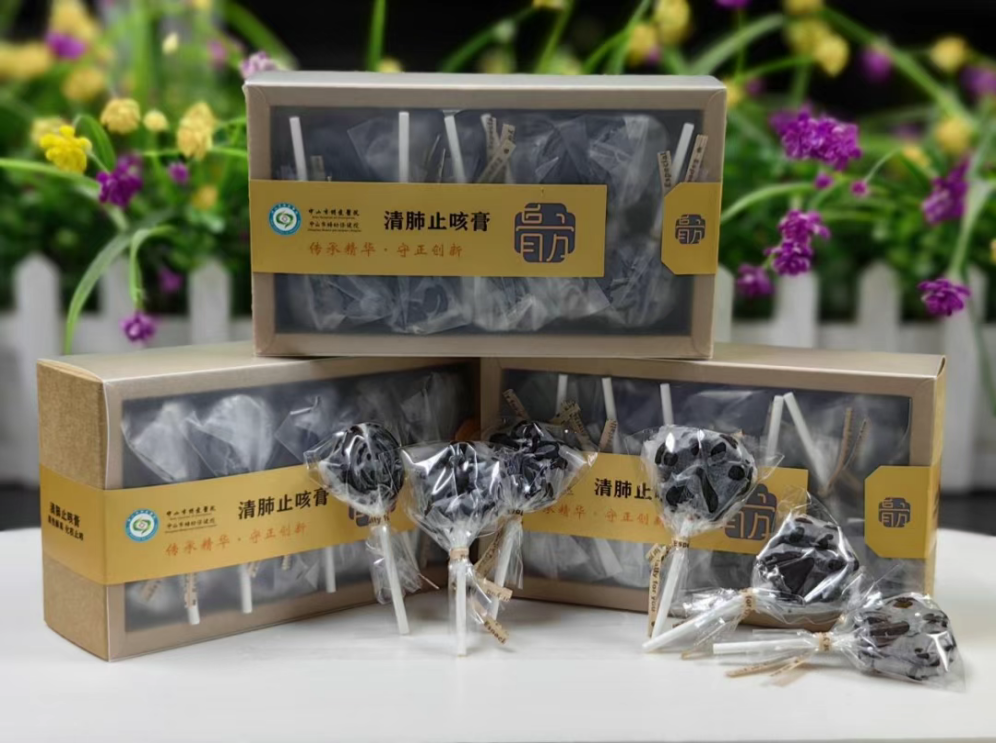
“Guangdong Zhongshan Boai Hospital” sought to address the specific needs of children’s medicine, incorporating two Traditional Chinese Medicine (TCM) formulas into lollipops. The digestion-strengthening herbs (including hawthorn) and the cough-clearing herbs (including loquat leaves and Luohan fruit) are both seasoned with rock sugar and devoid of preservatives.
When the hospital’s TCM pharmacy transformed into a “snack shop,” it not only generated substantial demand for exceptional products but also fully demonstrated the market’s substantial demand and trust in the “foodization” of classic TCM formulas.
In comparison to conventional food enterprises, medical institutions and TCM centres possess inherent advantages such as professional endorsement, access to local medicinal materials, and ancient prescription resources. This enables them to develop health snacks that combine scientific basis with cultural heritage.
Trend 2: Customised TCM snacks cater to specific segments
Various groups of individuals have distinct physical and health requirements. Traditional Chinese Medicine (TCM) snacks that customise formulas and functions for specific subgroups are emerging as a significant direction for the innovation of food and healthcare products. By focussing on segmenting customer groups and emphasising specific effects, TCM snack products can not only fully realise the value of medicinal and food ingredients of the same origin, but also effectively capture customers and enhance user retention. Urban young people constitute a substantial force in snack consumption. They prioritise health, yet they frequently lack time and patience for traditional dining habits.
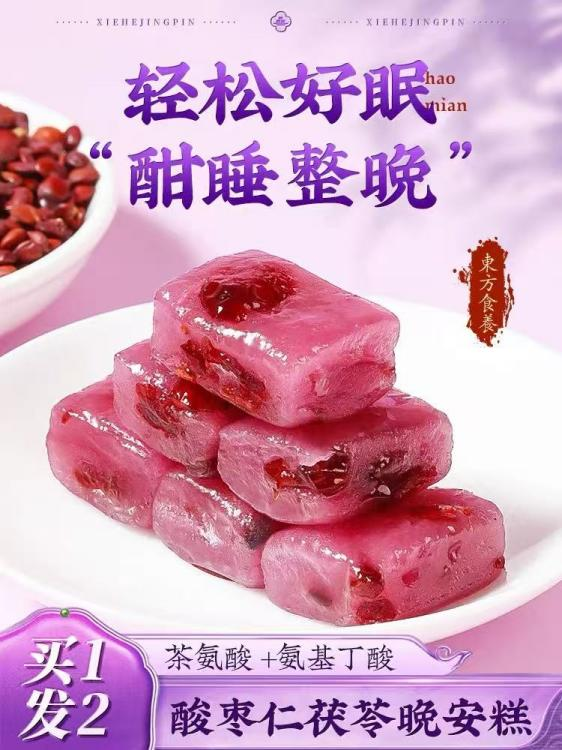
Dongfang Yanqisheng’s ‘Red Bean Barley Rice Jelly’ incorporates over 30 ingredients, including kudzu root, barley kernels, goji berries, porigi, yam, and others, all of which are of medicinal origin. Utilising jelly as the carrier, it dispels moisture, nourishes the skin, and can also serve as a snack for satiety and energy during work. The product adopts a compact packaging design to cater to the needs of young people seeking ‘light healthcare anytime and anywhere’.
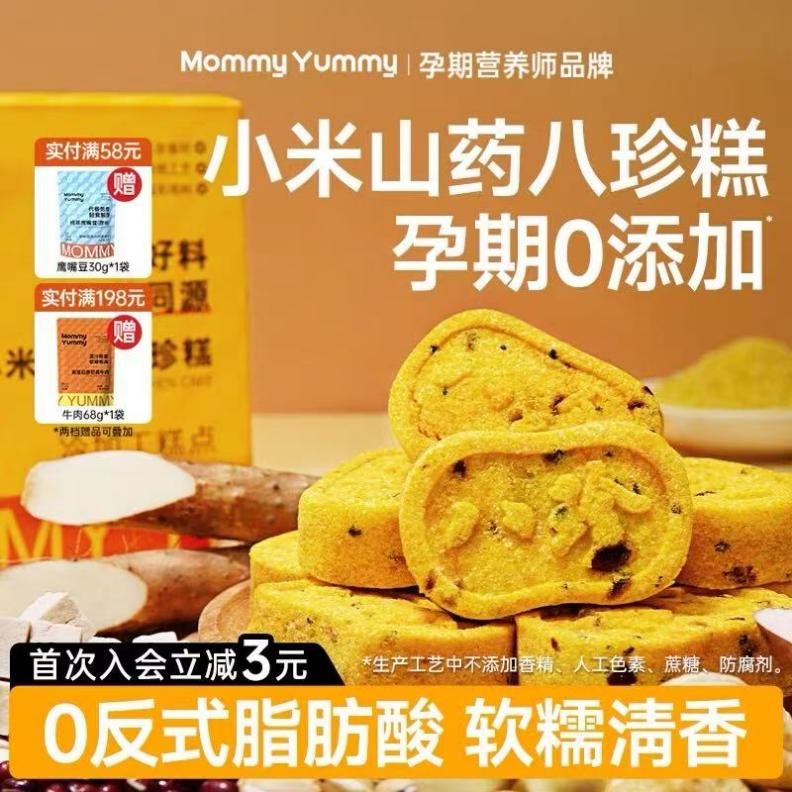
Mommy Yummy has developed a range of novel medicinal and healthy snacks of the same origin to meet the needs of pregnant mothers. Notably, the 0-sucrose millet eight-treas cake features eight precious ancient recipes as its primary ingredients. This cake integrates a diverse array of nutritious and low-glycemic index ingredients, such as yam, poria, lotus seeds, white lentils, and malt, which collectively possess the effect of strengthening the spleen, nourishing the stomach, and promoting digestion.
The increasing attention paid to the application value of Traditional Chinese Medicine (TCM) snacks in the field of children’s nutrition and health is particularly noteworthy. This trend has gained significant traction, particularly among parents of children born after 1985 and 1990, who are increasingly concerned about their children’s health. Notably, 65.4% of these parents are willing to pay a premium to ensure their children’s well-being.
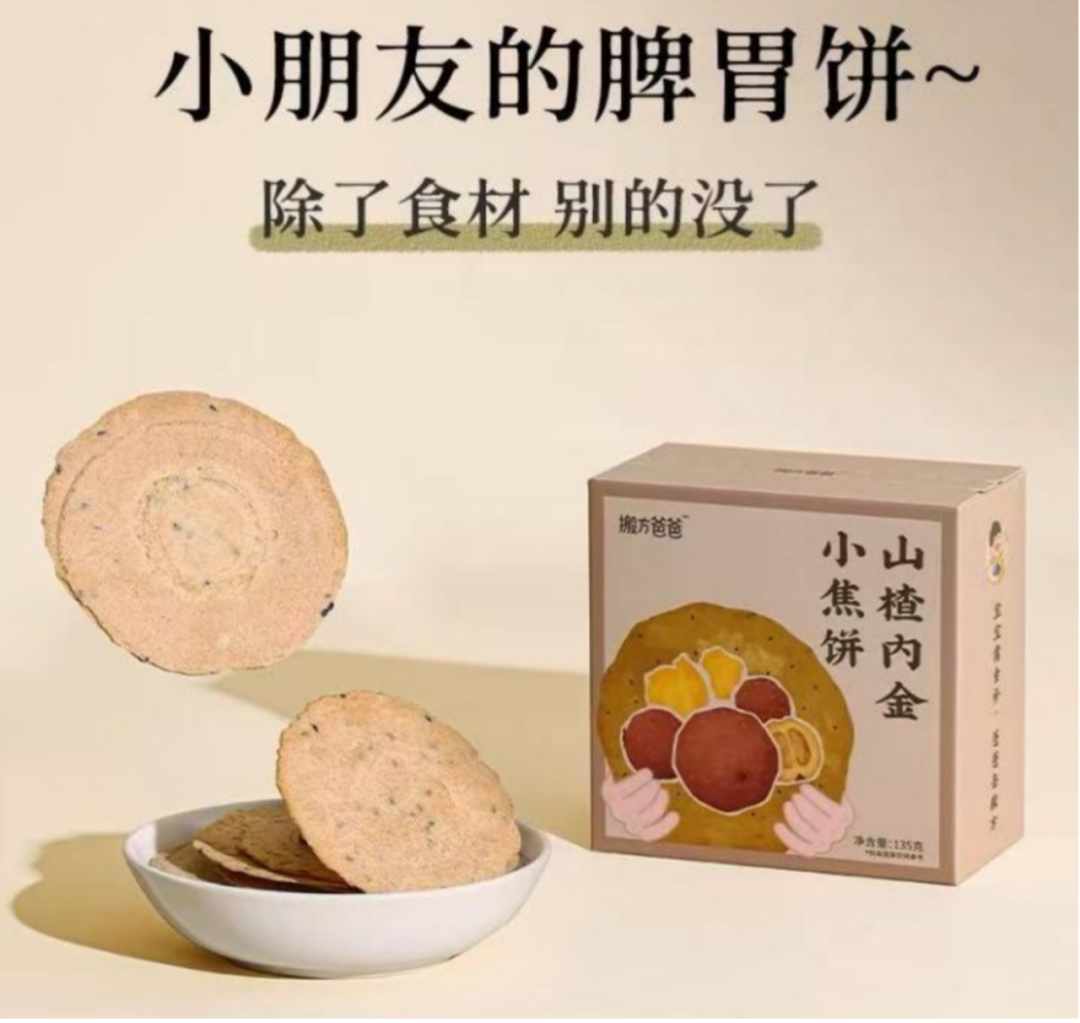
For instance, ‘Banfang Baba’ has collaborated with the Academy of Agricultural Sciences to develop a range of nutritious snacks tailored to children’s specific health needs. These snacks address concerns such as spleen and stomach conditioning, picky eating, anorexia, and poor resistance. The brand has incorporated medicinal food-like ingredients with the beneficial effects of strengthening the spleen and facilitating digestion into children’s preferred food forms.
Workplace Depression
In the context of the prevalent ‘996’ culture, characterised by extended working hours and late-night work, many workers have experienced post-work depression. Sour jujube kernels, derived from medicinal food ingredients, possess the ability to nourish the mind, alleviate anxiety, and promote deep sleep. Poria, another medicinal food ingredient, can strengthen the spleen and calm the heart, while benefiting water and moisture. It also helps relieve stress and improves sleep quality.
Trend 4: Technological Innovation Promotes the Advancement of TCM Snacks
To effectively engage with the public, Traditional Chinese Medicine (TCM) snacks must overcome the challenges associated with TCM, which include its perceived difficulty in consumption, usage, and adherence. This necessitates the integration of modern food technology and biotechnology.
From raw material processing and active extraction to flavour enhancement and dosage form innovation, a series of technological advancements empowers TCM snacks. These innovations enable ancient medicinal materials to reveal novel flavours and forms.
Emerging technologies, such as mouth-soluble membrane technology, have gained prominence in the TCM snack industry. This technique encapsulates active ingredients within a film composed of modified starch and colloids, positioning them either on or beneath the tongue. This allows for rapid dissolution and drug release in saliva.
For instance, mouth-soluble membrane technology, a novel dosage type of oral administration method, achieves rapid dissolution and efficient absorption through the mouth. This approach extends from professional medical treatment to functional health food. Nano-embedding technology, for example, provides dual benefits of bitterness shielding and active protection through microscale wrapping, while probiotic fermentation facilitates bacterial group fermentation.
Technological advancements not only enhance the active utilisation of raw materials but also optimise taste by decomposing bitter substances.
The concept and technology of flavour science also serve as viable solutions. Existing products leverage the coordinated application of natural sweeteners and bitterness masking technology to reduce the bitterness of raw materials like ginseng and other medicinal and food sources. This approach ensures the preservation of active ingredients and improves palatability.
form creativity, a series of technological innovations are empowering TCM snacks, so that ancient medicinal materials can shine new flavours and new forms.
Emerging technologies such as mouth-soluble membrane technology are becoming new favourites in the field of TCM snacks. This technique fixes the active ingredients of TCM on a film made of modified starch and colloids, and places them on or under the tongue, which can quickly dissolve and release drugs in saliva.
For example, the mouth-soluble membrane-making technology, this new dosage type of oral administration method achieves rapid dissolution and efficient absorption through the mouth, which is extending from professional medical treatment to functional health food; for example, nano-embedding technology can achieve the dual effect of bitterness shielding and active protection through microsacle wrapping; probiotic fermentation through bacterial group fermentation. Technology, on the one hand, can improve the active utilisation of raw materials, and on the other hand, it can optimise the taste by decomposing bitter substances.
The concept and technology of flavour science are also popular solutions in the field. There are already products on the market that rely on the coordinated application of natural sweeteners and bitterness masking technology to reduce the bitterness of raw materials such as ginseng and other medicinal and food sources, ensure zero loss of active ingredients, and improve palatability.
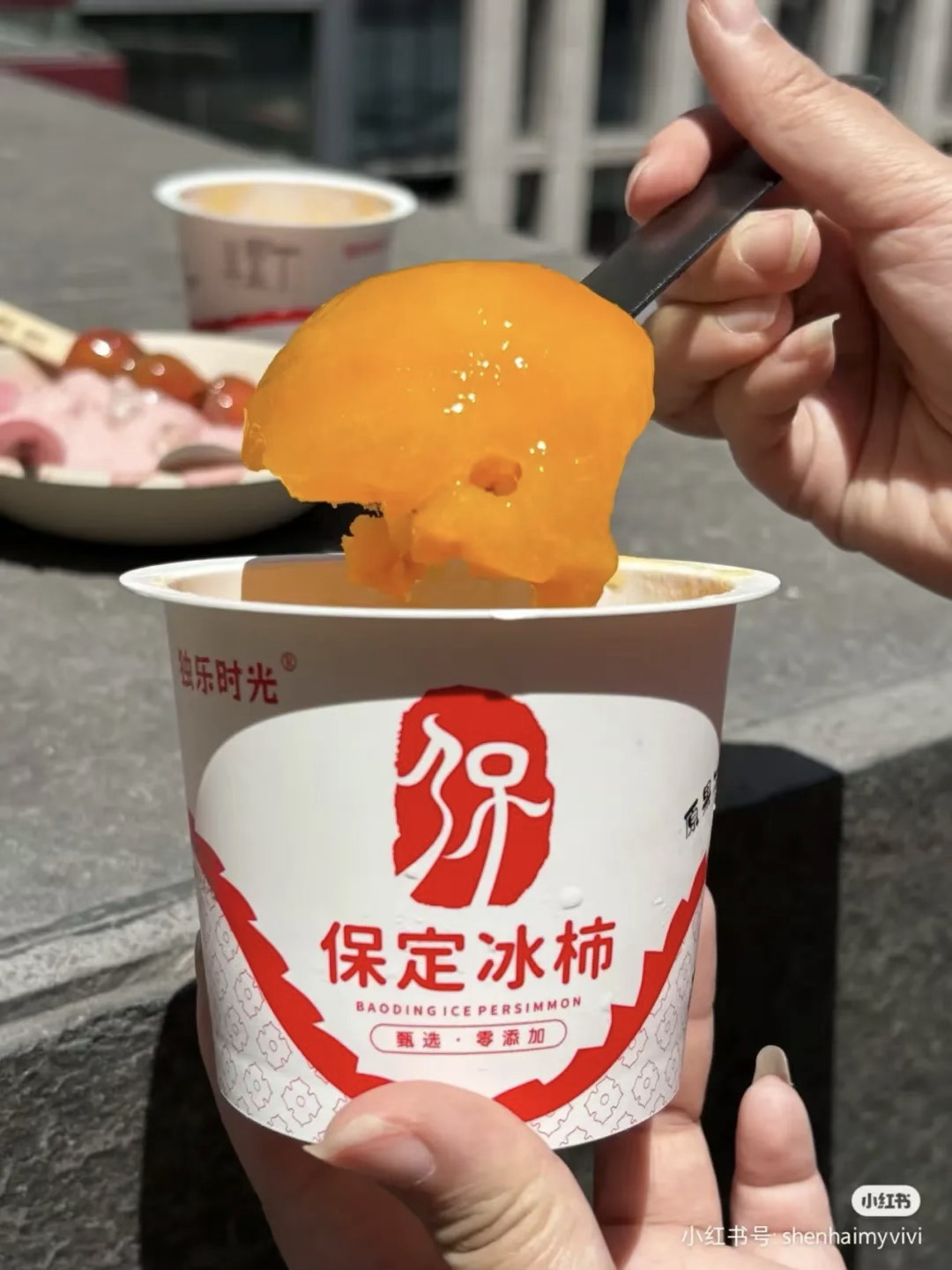
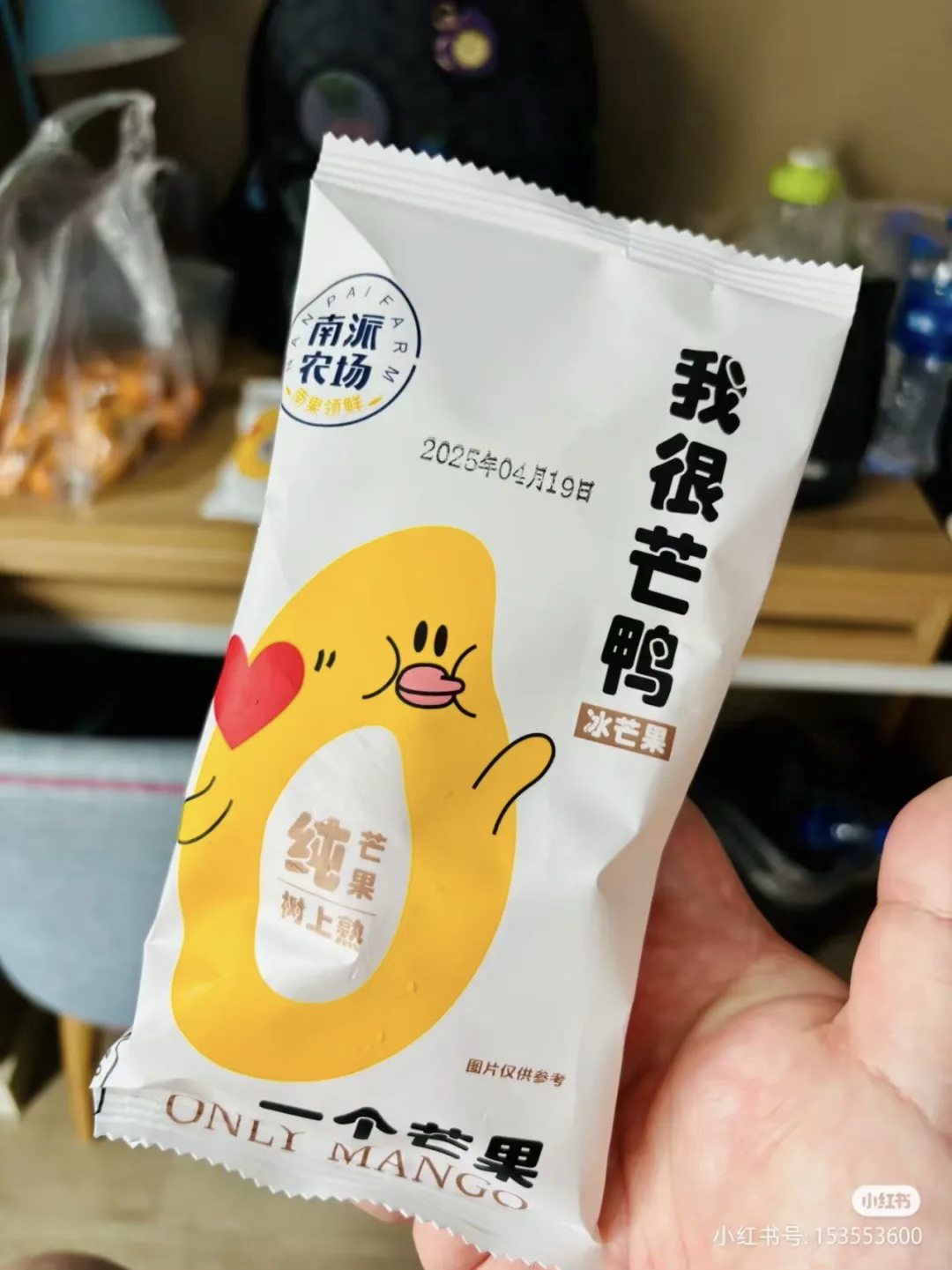
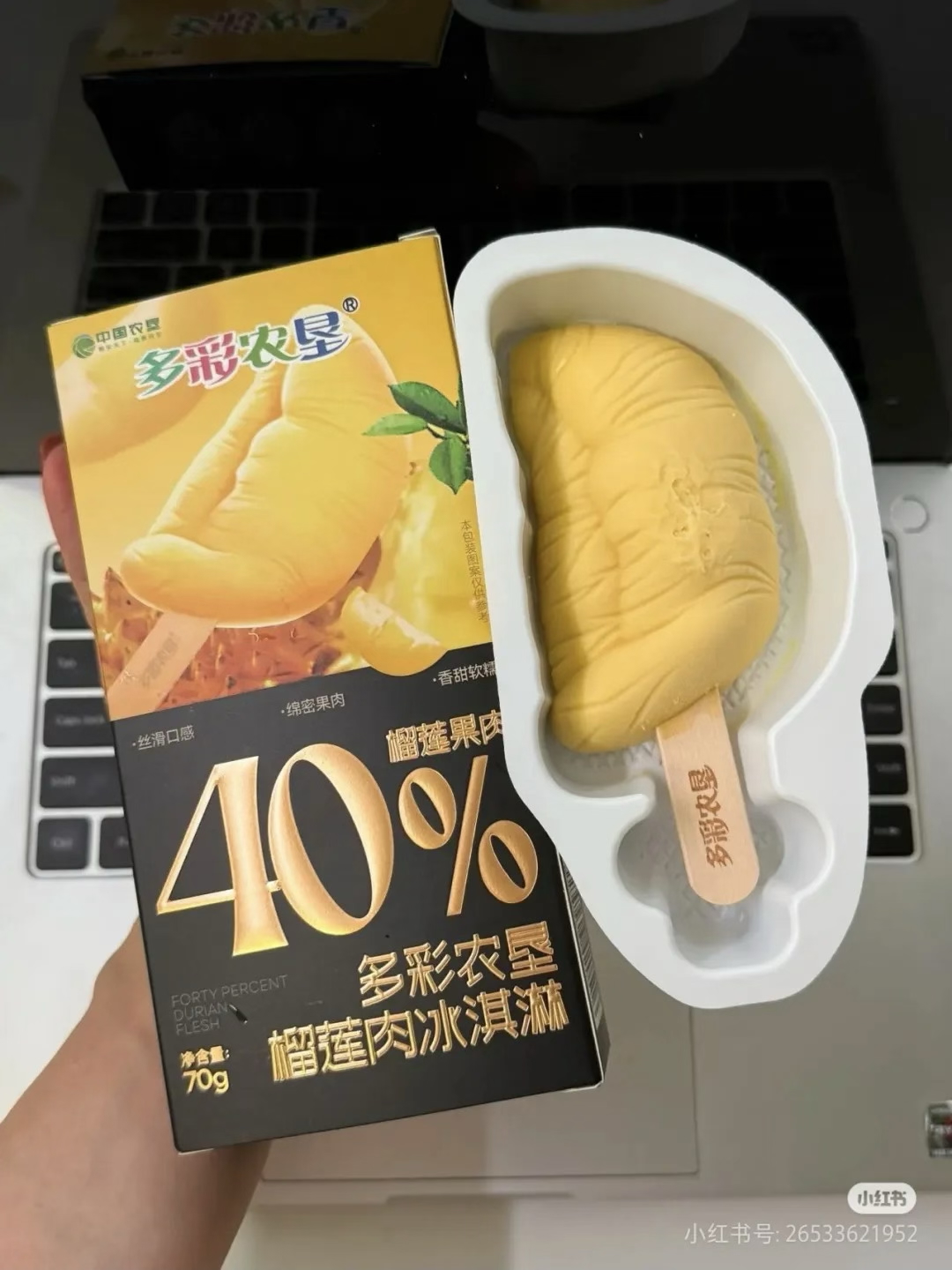
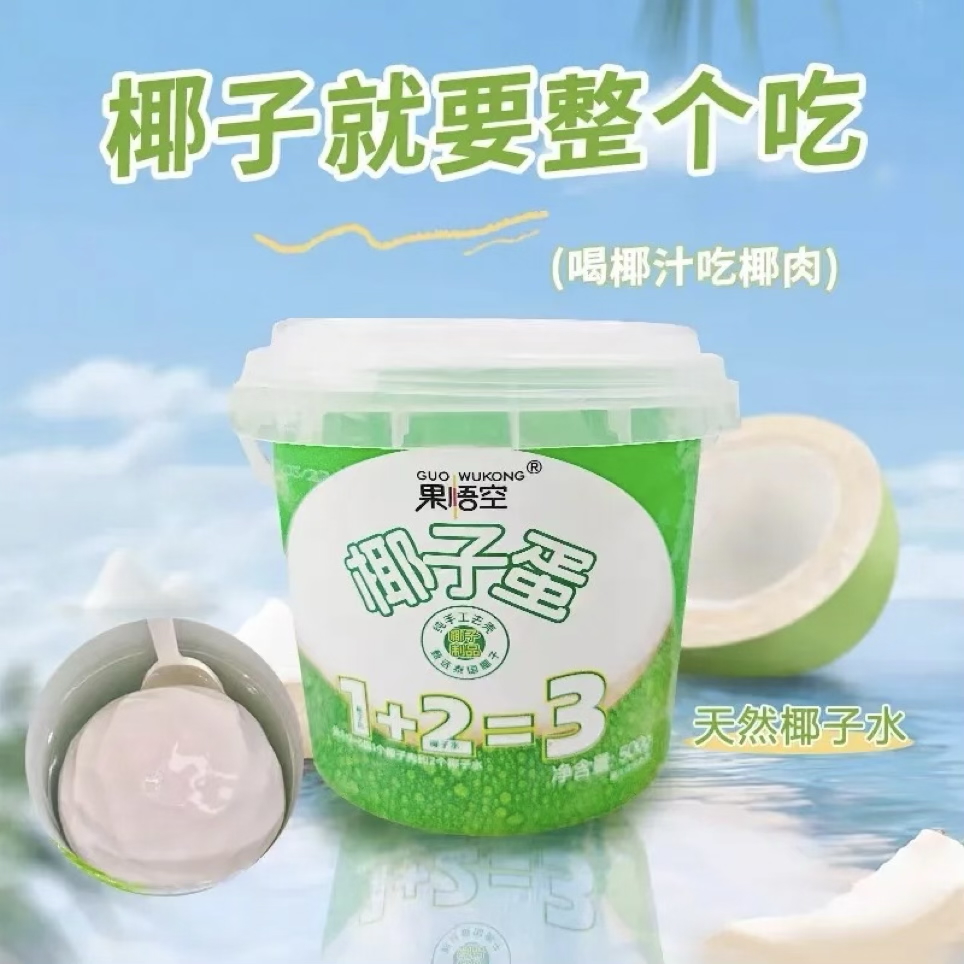
Healthy alternatives for less healthy foods is a trend still going strong in China. A recent development in this respect is the appearance on the market of frozen fruit as a considerably more healthy alternative of a cooling summer snack than ice cream or the traditional popsicles (binggun).
In this post, I will show you a number of examples. As there is less processing to do and even less to tell about ingredients, photos will be telling enough.
Frozen persimmons from Baoding by Dule Shiguang
Frozen pineapple by Nanpai Farm
Frozen mango by Nanpai Farm
Frozen durian by Duocai Nongken
Frozen coconut by Guowukong
There will probably be more to show you in the near future.
China’s central and local governments have invested significantly in the development of food industry parks, designated areas that facilitate the efficient collaboration of regional food companies. These parks have received a series of supportive policies to foster their growth. In 2024, China’s food industry parks generated RMB 270.78 billion in sales revenue, representing a 13.20% increase. Notably, food industry parks actively share new technologies and equipment to enhance production, product quality, and distribution.
Overview of the Food Industry Park
Screenshot of the Laiyang Food Park from Baidu Maps
A food industrial park comprises a cluster of food industry, related supporting industries, and service institutions within a specific geographical area. It integrates the functions of food production, processing, sales, research and development, and possesses the advantages of industrial clustering efficiency, infrastructure, policy support, and other benefits. Depending on the industry type, food industrial parks can be categorised into comprehensive food industrial parks and specialised food industrial parks.
Development Stages
The beginning
The development of China’s food industry in industrial parks has progressed through four distinct stages. Initially, during the early 1980s, China’s economic system reform paved the way for agricultural industrialisation, creating the foundation for the emergence of food industrial parks. In the early stages, food industrial parks primarily focused on the processing of primary agricultural produce, including grain, oil, meat, poultry, and aquatic products. This led to the formation of regional industrial clusters based on resource advantages. At this stage, park construction was centred around the primary production area of agricultural products, characterised by low industrial concentration and small enterprise scale. While the government initiated efforts to support the development of food industrial parks through policy guidance, overall support was limited.
Reform Phase
The subsequent reform phase marked a significant transformation in China’s food industry. During this phase, the government implemented comprehensive reforms aimed at enhancing the development of food industrial parks. These reforms encompassed policy guidance, targeted support, and other measures designed to foster the growth and prosperity of these parks.
Reform Phase
The subsequent reform phase marked a significant transformation in China’s food industry. During this phase, the government implemented comprehensive reforms aimed at enhancing the development of food industrial parks. These reforms encompassed policy guidance, targeted support, and other measures designed to foster the growth and prosperity of these parks.
In the transformation stage of the 1990s, with the gradual establishment and improvement of the market economy system, food industrial parks began to standardise. The government strengthened the planning and management of industrial parks and improved their standardisation. The industrial park began to develop towards the comprehensive industrial chain. From the beginning of the 21st century to the stage of rapid development from 2015, China’s economy entered a stage of rapid growth, people’s living standards greatly improved, and the requirements for food quality and safety continuously improved. As an important platform for industrial agglomeration and upgrading, food industrial parks entered a stage of rapid development. The food industry park gradually formed a complete industrial chain from raw material cultivation, through processing to sales. At the same time, the number of high-tech food processing projects, such as biological engineering, nutrition and health food, etc., increased.
Today
In the stage of innovation and development from 2015 to now, China’s economy has entered a new normal, and food industry parks are facing the need for transformation and upgrading. Food industrial parks actively introduce new technologies and processes, such as intelligent production lines, automated warehousing systems, big data analysis platforms, etc., to improve food processing efficiency, quality control and supply chain management capabilities. At the same time, the national government promotes green transformation and intelligent upgrading, and supports food industrial parks to move towards high-quality development. In 2024, the sales revenue of China’s food industry parks was RMB 270.78 billion, an increase of 13.20% year-on-year.
The industrial chain
The upstream participants of the industrial chain of the food industrial park are food enterprises, investors, real estate developers, etc. There are various types of food enterprises, including dairy, aquatic products, meat, alcoholic beverages, leisure food, etc. The participants in the middle of the industrial chain mainly include food industrial park operation and management enterprises. The downstream of the industrial chain consists of sales channels, logistics distribution, brand promotion, product marketing, etc.
Current issues
In 2024, the industrial capacity utilisation rate of China’s food manufacturing industry was 69.8%, down 0.46 percentage points year-on-year. From the background, the global economic downturn and the tight trade environment have weakened the growth momentum of food exports. Although domestic consumer demand has gradually recovered under the policy boost, the growth is still weak. Structural contradictions within the industry are prominent, and the supply of production capacity in some areas exceeds market demand, resulting in a decline in capacity utilisation. In addition, the increase in the number of enterprises but the expansion of losses also confirms the current situation of insufficient utilisation of production capacity. The decline in capacity utilisation has squeezed the profits of enterprises, and the operating pressure of some enterprises has increased. However, this change has also forced the industry to accelerate its transformation. The policy level may continue to promote the optimisation of production capacity, support technological innovation and green development, and guide enterprises to focus on high value-added areas. For enterprises, it is necessary to strengthen market research and judgement, optimise the layout of production capacity, improve competitiveness through technological upgrading, product innovation and refined management, gradually eliminate backward production capacity, and achieve a dynamic balance of supply and demand.
Relevant policies
In October 2024, the Ministry of Industry and Information Technology issued the Notice on the Key Cultivation of Traditional Advantageous Food Production Areas and Local Characteristic Food Industries, which proposed to focus on cultivating eligible traditional food production areas and local characteristic food industries, fully exploit the regional resource endowment, clarify the development direction and cultivate excellent At the first level, guide localities to accelerate the formation of local characteristic food industry advantages according to local conditions, release the vitality of traditional industrial development, build characteristic food industry clusters, promote the construction of a strong manufacturing country and a healthy China, cultivate new driving forces for economic development, and drive farmers’ employment and income growth and regional economic development. Through policy support, resource integration, industrial cluster creation and brand promotion and other measures, food industrial parks will achieve high-quality development, improve industrial competitiveness, promote farmers’ income increase and regional economic development, and help rural revitalisation and common prosperity.
Example
Shandong Laiyang Food Industrial Park was established in 2001 and is an important food industry agglomeration area in Shandong Province. The total area of the park is about 5.27 square kms, which is divided into two parts: Food Industrial Park (4.74 square kms) and Longda Industrial Park (0.53 square kms). After more than 20 years of development, it has formed a modern food industry cluster mainly focussing on beverages, juices, dairy, biscuits, canned food, and food additives. There are 68 processing enterprises in the park, including 2 leading national food enterprises (Longda Group and Chunxue Food, both meat processors) and 1 leading provincial enterprise (Longda Meat), which has cultivated 2 backbone enterprises, 8 potential enterprises and 7 growth enterprises. All these terms are officially recognised categories. The category of your organisation determines from which policies you may benefit.
The hamburger, a fast food originating in Europe and the United States, has gained global popularity. Typically composed of a halved bun, meat, vegetables, sauces, and other ingredients, it has become a cornerstone of Western fast food.
The hamburger industry in China emerged from Western fast food, initially introduced by brands like KFC and McDonald’s. In recent years, driven by the accelerated pace of life and the growing demand for fast food, Western fast food has experienced rapid development in China. Hamburgers serve as the defining component of Western fast food, attracting consumers through their status as a ‘signature product’.
Chinese hamburgers have demonstrated strong market appeal and substantial development potential, solidifying their position as one of the most dynamic categories within the Western fast food industry in China. Brands like Tastien, at the forefront of this development, promote a fusion of Western and Chinese flavours, effectively capturing the ‘Chinese stomach’ through the combination of Chinese flavour and Western standards.
Statistics indicate that in 2024, China’s Western fast food market generated approximately RMB 298.3 billion, with the hamburger market comprising approximately RMB 32 billion. It is projected that in 2025, the Western fast food market will expand to RMB 330 billion, while the hamburger market will reach RMB 44.5 billion. This growth trajectory is anticipated to persist in the subsequent years.
Classification of the Hamburger Industry
Chinese marketeers categorise hamburgers on the type of meat patty:
The hamburger industry in China comprises several stages: upstream, middle, and downstream. The upstream sector primarily involves beef, chicken, fish, vegetable meat, and other meats, along with wheat flour, yeast, sugar, oil, lettuce, tomatoes, onions, sauce, cheese, food additives, and other raw materials. Additionally, cold chain transportation and other industries are included. The middle section comprises hamburger brand operators. The downstream sector comprises offline stores and online platforms.
Typically, beef is used in hamburgers, but many Chinese consumers prefer chicken. Furthermore, with the improvement of Chinese consumers’ living standards and the acceleration of their development, they have increasingly prioritised the quality of their diet. Consequently, chicken is perceived as healthier than beef. Chicken production has maintained a steady growth trajectory. In 2024, Chinese chicken production amounted to approximately 15 million metric tons.
The Chinese hamburger industry caters to a diverse consumer base, encompassing individuals of various ages and socioeconomic backgrounds. Notably, young people, particularly teenagers, constitute a significant consumer segment. In 2024, the total population of China was 140.28 million, comprising 943.5 million urban dwellers and 464.78 million rural citizens.
The competitive landscape in the Chinese hamburger market is characterised by several major enterprises. Notably, international fast food chains such as McDonald’s, KFC, and Burger King dominate the market. These leading international fast food brands have set the objective of accelerating the expansion of their stores and cultivating the Chinese market.
In response to the accelerated expansion of Western fast food, the development pace of local Western fast food brands in China has not been hindered. These brands continue to establish themselves in first- and second-tier cities, further intensifying their market presence. Currently, the prominent brands of Chinese hamburgers include Wallace, Tastien, Happy Star Hamburger, Pale Hamburger, Midberg Halal Burger, Malezi Burger, Manlido Fried Chicken Burger, and others.
Various Chinese burgers offered by Tastien; including beancurd burgers, chilli chicken burgers, etc.
Traditional ingredients adapted for hamburgers
An interesting spin-off of the development of Chinese-style hamburgers is that some manufacturer of traditional ingredients have note this a new business opportunity. China’s leading producer of fermented beancurd (furu), Wangzhihe, has developed a version of this condiment for the use on hamburgers. Indeed, shouldn’t Chinese hamburgers be seasoned with Chinese flavours? Follow the link in this paragraph to read more about furu.
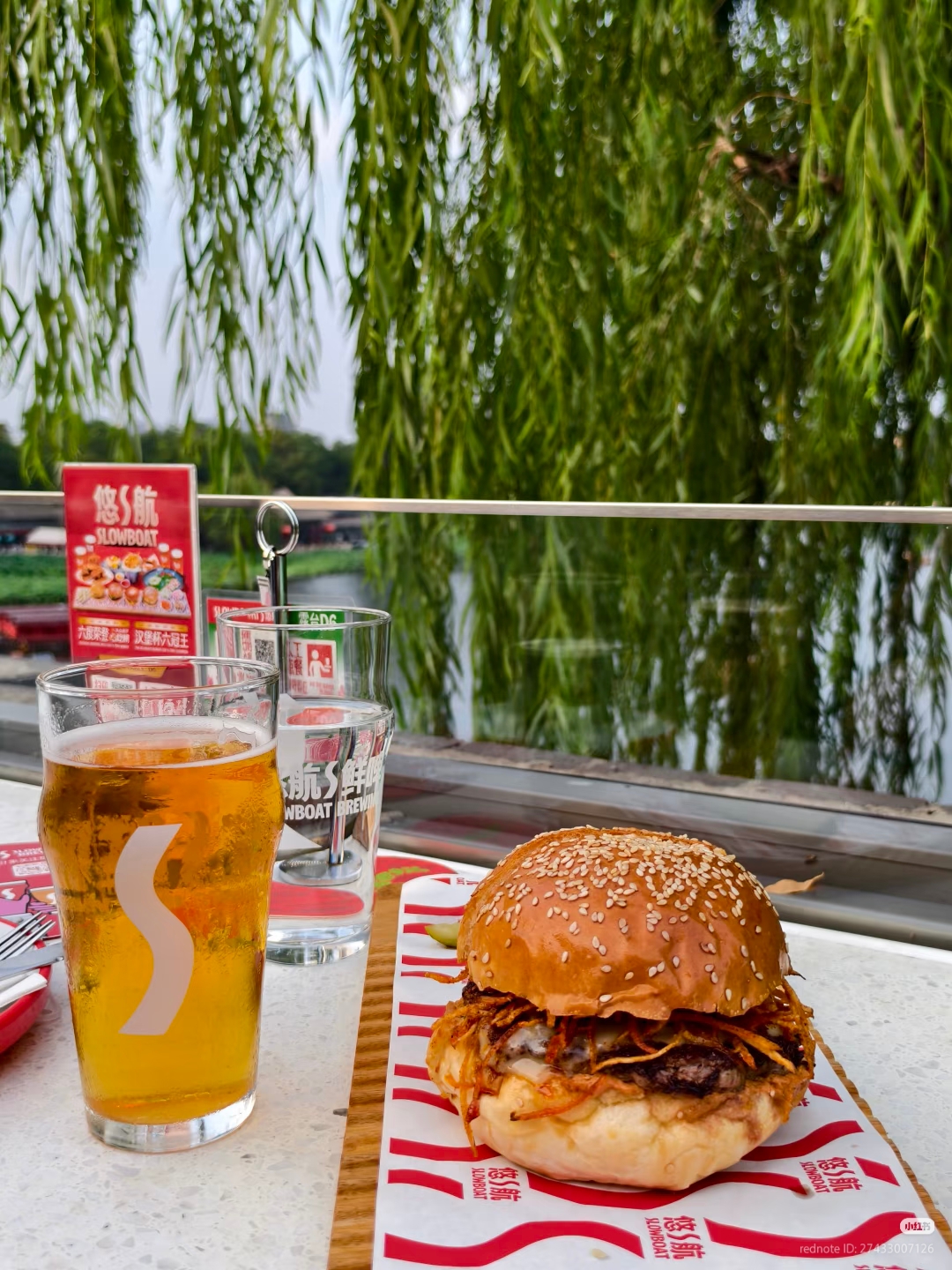
Slow Boat: beer + hamburgers
Slow Boat Brewery, a Beijing-based craft brewery, was founded in 2011 by Chandler Jurinka and Daniel Hebert. It started as a small pilot brewery in the mountains outside Beijing and has grown to become one of China’s largest craft brewers by production capacity. The brewery is known for its small-batch, creative beers and its dedication to promoting the Chinese craft beer movement. Its outlets also serve a broad range of hamburgers. Both the beer and the accompanying food tries to gear to the Chinese palate while also retaining a sufficient degree of foreignness.
Recently, a special production line in Zhaotong, Yunnan Province, has created the world’s first potato rice. It is understood that this production line that converts potatoes into ‘rice’ is the result of more than five years of research and development led by Wu Qi, an academician of the Chinese Academy of Sciences and a polymeric physical chemist. This is not only the first production line in China to turn fresh potatoes into dried rice, but also the first in the world.
Nutrition
According to the report, potato rice retains 90% of the nutrients of potatoes and the protein content is 27% higher than that of traditional refined rice noodles. After the first batch of potato rice was launched, Zhaotong Mekong conducted product stability tests among people with diabetes and obesity. Judging from the situation of regional sales tests, there is a tendency for supply to exceed demand. After more than a month of trial sales, the repurchase rate of diabetics and people who lose weight is relatively high.
Easy to handle
Because potato rice has been processed at high temperature and high pressure, consumers can steam the potato rice without washing it. In addition, the amount of water and time required to steam potato rice is much less than the amount of water and time required to steam white rice. Some consumers feedback that potato rice is convenient to cook, and it not only feels close to rice in the mouth, but also smells like potatoes.
Price
At present, the price of potato rice is still higher than that of ordinary rice. According to the official platform of Zhaotong Meikang Agricultural Company, the price of potato rice is RMB 66 per box of 950g.
Top producer
As one of the world’s largest potato producers, China has ranked first in the world for many years. For Chinese consumers, the research on potato rice is expected to make high-yield potatoes a staple food for people, which will help solve the problem of food security. For fresh potatoes with a large yield, this new form of potatoes can solve the problem that fresh potatoes have a short storage time and are not conducive to preservation to a certain extent. potato rice can reduce the need for ventilation and climate control during storage, and it is also more convenient for logistics and transportation.
The process
Wu Qi’s team integrates macromolecular physics theory, food macromolecular processing and polymer extrusion granulation technology, focussing on the research and development of high-water extrusion and reorganisation technology of plant polysaccharides and protein complex systems. Through precise control of temperature, humidity and enzymatic time, fresh potatoes are transformed into diameter 0.5 -1mm rice granular finished product. Simply put, the research team changed the characteristics of macromolecules from the physical level, reshaped the starch chain of potato crops, and turned fresh potatoes into potato rice with good taste.
Hunan cuisine, known in China as Xiang Cuisine, Xiang being the literary name of Hunan Province, is one of China’s more famous cuisines. It is characterised by its liberal use of chili peppers and garlic, but also by its use of very fresh ingredients. A typical way of preparing and serving dishes in Hunan is the ‘dry pan’ (ganguo). Those dishes are served in an iron pan on a fire to keep it hot.
Hunan’s capital Changsha is foodies’ paradise. As a patron of this blog, you know that food is the central concept of Chinese culture. Food is available in abundance everywhere. However, there are still cities in China that even Chinese refer to as places to go for food lovers, and Changsha is one of them.
Changsha is also very centrally located in the heart of China. In Europe, all roads may lead to Rome, but in China they lead to Changsha. Changsha is a major infrastructure hub. This highly facilitates the export of the local cuisine to all corners of the nation, and beyond its borders. However, in this post, I will restrict my story to the situation of Hunan cuisine within China in 2024.
Regions
In an earlier post, I introduced the major food regions of China. The following table shows the percentage of Hunan restaurants in China in each region.
These figures confirm that fire food is still more appreciated in Southern China than in the north.
Cities
At a lower level, Chinese cities are catogorise by function and size. First tier cities are the cities directly under the State Council (Beijing, Tianjin, Shanghai and Chongqing). New first tier cities are the capitals of provinces and autonomous regions. The remaining cities are categorised by size. The following table shows the percentage of Hunan restaurants per urban category.
We can see that Hunan cuisine is most popular in regional capitals and smaller regional cities. A possible explanation could be that cities in the south of China tend to be smaller, with the largest cities concentrated in the north. E.g., of the four first tier cities, only Chongqing people prefer spicy food.
Province/autonomous region
I am also adding a map indicating the number of Hunan restaurants per province and autonomous region. Dark red indicates a higher number.
The top regions, Hunan (obviously) and Guangdong are indicate with percentages, 19.6% and 17.8%, respectively. Guangdong is a special region, adjacent to Hong Kong, where many emigrés from other parts of China are living. I presume that Guangdong is the home of quite a few people from Hunan.
I could go even deeper, including, e.g., the regional distribution of the various Hunan restaurant chains. However, that information would be unsuitable for a post like this. However, I will be able to provide an in-depth study upon request.
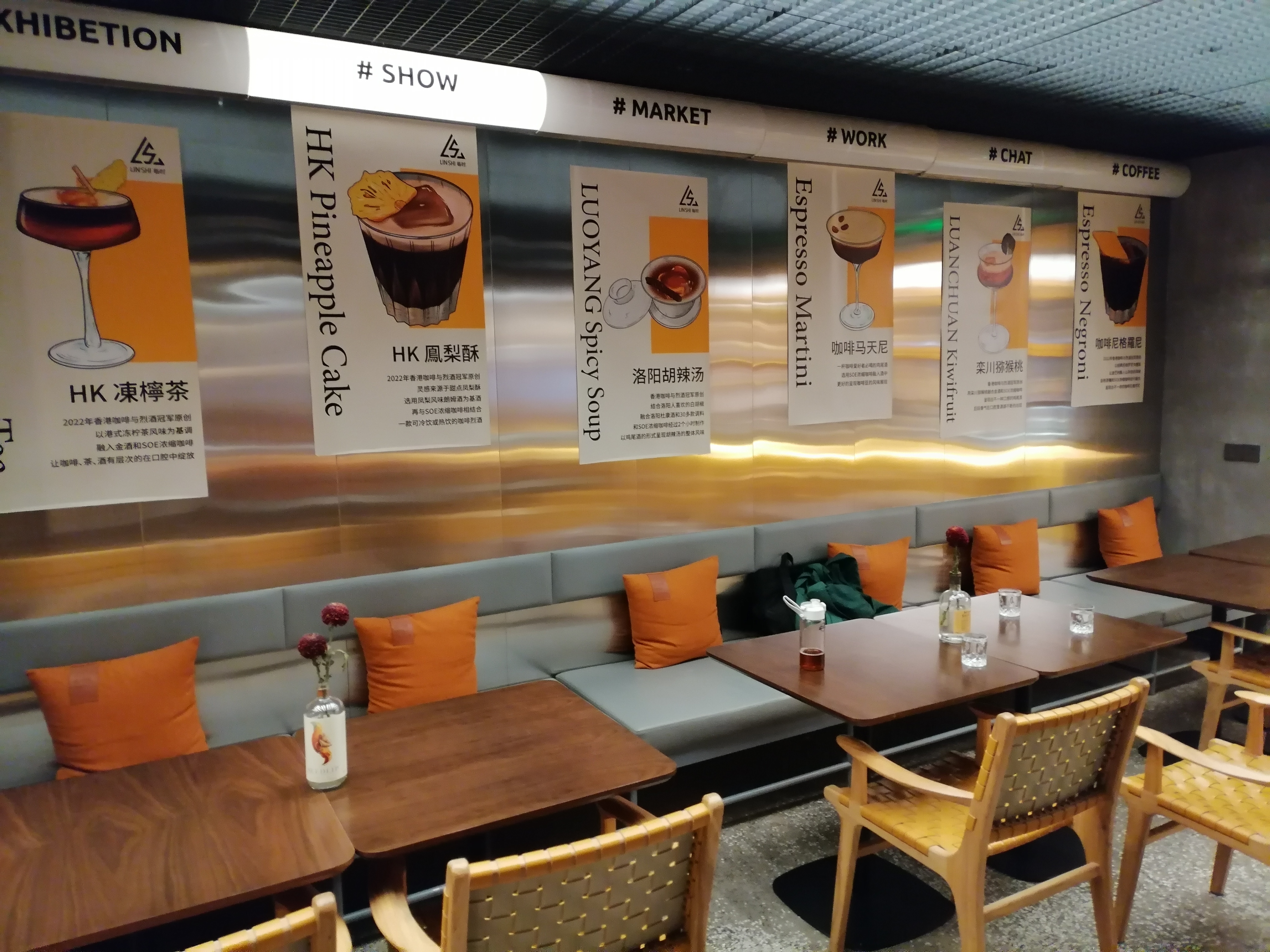
During a recent excursion through Shanxi, Henan, and Hebei provinces, we extended our stay in Luoyang, a third-tier city in northern Henan province. Luoyang served as the capital of China during the Sui (581–618) and Tang (618–907) dynasties. One evening, as we journeyed to a restaurant, we encountered an intriguing bar en route, advertising with coffee-based cocktails. Given the early hour, we decided to explore this establishment. This proved to be an auspicious decision. We indulged in several highly innovative cocktails.
The name of the bar, Linshi, held intrigue, translating to “Temporary.” Founded by Ma Lekai, an award-winning Chinese barista, the establishment boasts diplomas and accolades adorning its walls.
The colour scheme of the bar, predominantly yellow, is complemented by shades of orange and brown, creating a striking contrast with the greyish hues. We perused the menu with the intention of sampling some captivating cocktails.
Americano
Given my preference for Americanos, I opted for a cocktail bearing the same name. The Chinese translation, Meiguolao, translates to “Yankee,” likely a subtle reference. The recipe incorporates a martini base, complemented by exceptionally light coffee, even lighter than a traditional Americano. The light coffee imparted a slightly sour character, resulting in a martini with a bitter aftertaste of coffee. Personally, I found this combination to be an ideal match.
Kiwi
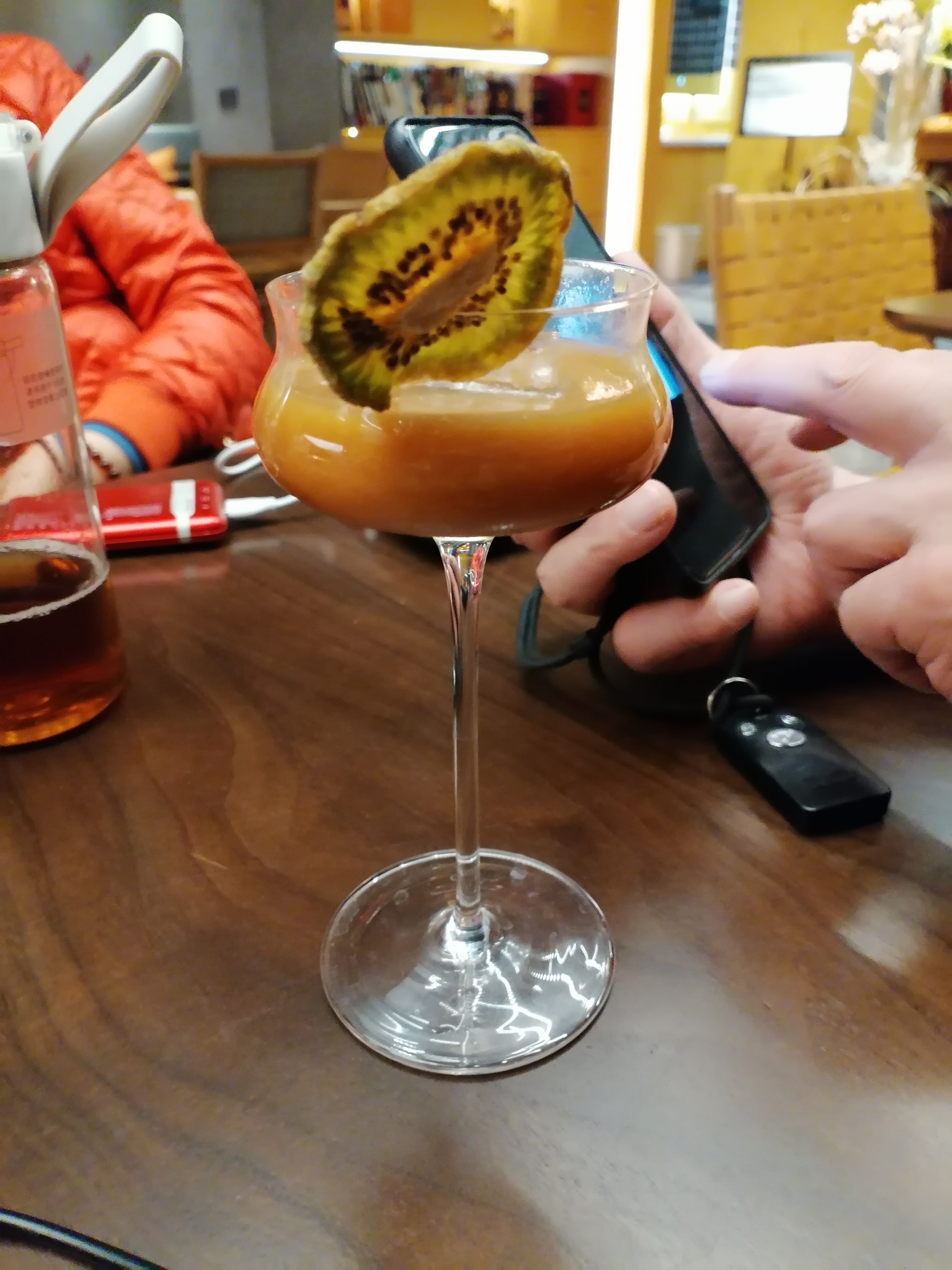
Another member of our party sampled a Luanchuan kiwi (Luanchan is a region in Northwest China where kiwis are cultivated): pureed kiwi infused with coffee and a touch of Luoyang’s local liquor, Dukang. This combination required some time to fully appreciate, but ultimately, it yielded a satisfactory taste experience.
Dish as inspiration
The staff is consistently experimenting with new recipes. As I was likely the first foreign visitor, they allowed our group to sample a newly designed cocktail: Hulatang, Hula Soup. Hulatang is a slightly sour and spicy soup, a traditional specialty of Luoyang. Linshi has once again utilised the sour undertone of soft coffee, combined with Dukang and a touch of pepper for the hot undertone. For me, this was also a potential success cocktail. It is also a remarkable example of recreating a traditional dish in a contemporary manner.
Clientele
Linshi operates in the high-end segment. However, according to the manager of this branch (one of four in Luoyang), the business is performing well. Linshi was established in 2014, making it exactly 10 years old when we visited. The relatively young clientele tends to visit later in the evening. Linshi is open until 1 a.m. When I return to Luoyang, I will certainly make a visit to this establishment.














 Peverelli on Chinese food and culture