Exploring Baijiu: China’s Leading Liquor

2017 was the year of baijiu brands. For the first time, the fiery Chinese drink now accounts for a greater share of brand value than any other spirit type. In 2016, baijiu accounted for 23% of the total brand value of the Brand Finance Drinks 50 behind Whiskey on 37%. However this year, the tables have turned. Whiskey’s share has dropped to 28% while baijiu has surged to 37.5%.

China has produced 119.81 mln hls of spirits in 2017; up 6.9%.

Top 10 distillers of the 3rd quarter of 2017

Brand Turnover  (RMB bln) Growth (%)
Maotai 42.45 59.40
Wuliangye 21.97 24.17
Yanghe 16.88 15.08
Shunxin 8.85 0.79
Luzhou Laojiao 7.28 23.03
Fenjiu 4.86 42.80
Kouzijiu 2.72 16.29
Jinshiyuan 2.39 16.14
Yingjia Gongjiu 2.18 2.11
Laobaigan 1.73 4.44

———————————————————————————————————

Being lured into drinking numerous shots of local spirits during a Chinese banquet is a recurrent theme in the tall stories foreigners take home from their China trips. While Chinese are often imagined in Western literature as a tea drinking nation, alcoholic beverages have been the typical drinks to wash down your dinner in China, and especially business meals are not complete without at least one bottle of distilled liquor.

Image

There is an endless variety of local spirits and the local brew is often used in the self promotion of regional governments. The World of Chinese has compiled a useful overview. However, they share a common denominator: baijiu, which literally means: ‘white wine’. However, that translation is never used, as it will put most Westerners on the wrong foot, mistaking it for fermented white grape wine. In 1989, China National Food Industry Association (CNFIA) selected the top 17 famous Chinese Baijiu.

Chinese make them strong. Most spirits have an alcohol content exceeding 50%, and even the more recently developed ‘low degree baijiu’ is usually stronger that whiskey or brandy. A sip of baijiu is a completely different experience than savouring a glass of Chardonnay.

This video provides a look in a baijiu production plant. It is in Chinese, but those familiar with the distilling industry will understand most of it.

China has produced 135.836 mln hls of spirits in 2016; up 3.23%. The following table lists the regional breakdown of the spirits production in China in 2014, and the in- or decrease compared to 2013.

Region Volume(10,000L) Growth(%)
China 1,257,131.81 2.75
Sichuan 349,970.50 5.57
Shandong 118,142.91 -9.99
Henan 107,746.24 1.76
Jiangsu 89,851.47 -4.05
Hubei 84,935.45 17.13
Inner Mongolia 61,670.55 -1.68
Jilin 59,415.13 7.17
Heilongjiang 57,032.90 15.38
Liaoning 50,445.49 -15.33
Anhui 43,598.58 4.66
Guizhou 38,045.20 11.00
Beijing 29,496.59 5.34
Hebei 29,367.45 5.60
Hunan 21,710.21 5.74
Chongqing 19,798.72 14.20
Guangdong 17,131.64 14.53
Jiangxi 16,381.00 13.81
Shaanxi 11,919.09 11.58
Guangxi 9,939.96 5.84
Shanxi 9,359.71 -10.11
Yunnan 8,632.72 5.26
Xinjiang 6,331.25 -2.10
Gansu 4,442.03 -1.65
Fujian 4,439.83 7.60
Tianjin 2,301.27 -9.40
Qinghai 1,944.23 -7.98
Zhejiang 1,859.33 -10.02
Ningxia 874.47 -25.31
Hainan 199.90 72.48
Shanghai 75.00 -88.11
Tibet 73.00 -10.10

The order of the regions has hardly changed in 2014. Sichuan has been the absolute top region for many years. The (much) higher than average increase of some southern provinces is conspicuous in the current statistics. Traditionally, the people in the north are the heavy drinkers.

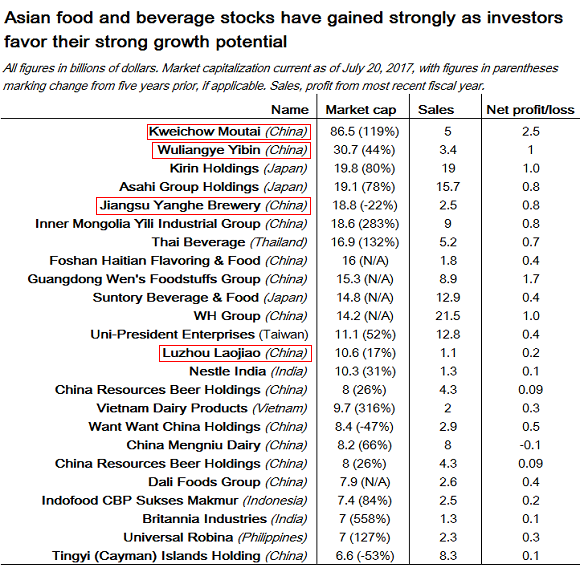
The following picture shows how well Chinese spirits companies are appreciated among international investors. The stocks marked in red are baijiu producers.
Age and education matters

A survey into the development of the popularity of baijiu among different market segments conducted in China during the first half of 2017 reveals that spirits are getting slightly more popular in the youngest drinking age segment and then significantly more among people of 40 and up. However, this trend is considerably stronger for the low end spirits than for the high end varieties. The older consumers drink more spirits, but prefer the cheaper brands, while the beginning drinkers like to start with the high end products. This can be partly explained as a cultural phenomenon. Starting baijiu drinkers like brag about it and then the effect will be best if you can brag about your first sip of Wuliangye, rather something from a local still.

Similar curves can be observed for the various levels of education. The letters refer to the highest diploma of the respondents; legend: P = primary school, H = high school; M = intermediate vocational; V = higher vocational; U = university. It is not easy to explain why people with a higher education would drink more baijiu, while you would expect them to be more interested in wine. However, when they drink it, they prefer the high end brands.

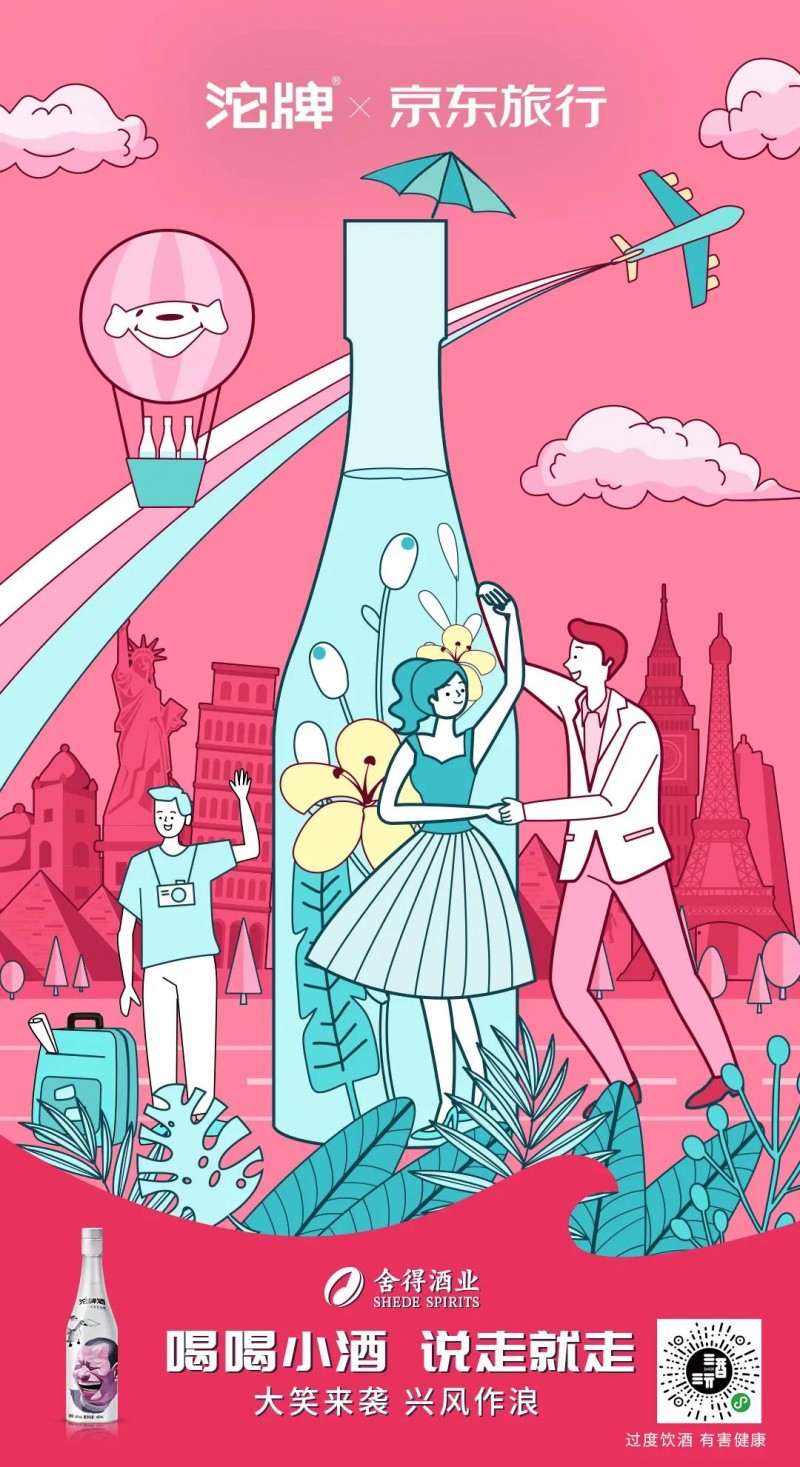
Distillers started to gear their advertising more towards the younger consumers in the course of 2020. This is reflected in new ad designs that appeared that year, like this one by Shede.
Long tradition

The Chinese production of alcoholic beverages has a long history. The most ancient, chemically-attested, alcoholic beverage in the world was recovered from a Neolithic tomb site in Jiahu (Henan), dating back to 7000 BC. This discovery dates to almost 2000 years earlier than the hitherto discovered most ancient wine production in the Middle East. A mixed fermented beverage of rice, hawthorn fruit/grape and honey was reconstructed on the basis of the analyses of the pottery recovered from the Jiahu site by Delaware-based brewing company Dogfish Head Craft Brewery with the help of the University of Pennnsylvania. The brew is marketed under the Chateau Jiahu brand. The ancient Chinese made a unique contribution to alcoholic beverage-making by using specific grains, especially rice and millet, whose carbohydrates were broken down into simple and fermentable sugars by mold saccharification or amylolysis.

The Moutai story

Ever since US President Nixon tasted Moutai at a state banquet in China, what was already recognised as the nation’s national spirit then became known worldwide instantly. Interestingly, this brand has been developed with the aid of the State, witness the following timeline.

  • 1951-1952: The Chinese government purchased Chengyi, the biggest local distillery, and merged it with another two distilleries, Ronghe and Hengxing, establishing the State-owned Moutai Distillery.
  • 1952: Kweichow Moutai was rated as a nationally famous liquor, and top ranked among eight national liquors.
  • 1957: China invested 1.3 million yuan ($197,511) in expanding liquor and yeast production, liquor storage, and laboratories. Moutai formalized 14 operating rules and procedures for producing Moutai, fully restoring traditional techniques.
  • 1962: The Office of Light Industry of Guizhou province designated the annual output of Moutai as 500 metric tons, with 610 employees.
  • 1972: During the National Workplanning Conference, Zhou Enlai instructed that in order to maintain water quality for Moutai production, no more mines or factories, especially chemical factories, should be built along the upper reaches of the Chishui River. Also the year of Pres. Nixon’s seminal visit to China.
  • 1979: Moutai won the National Liquor title for the third time and the National Golden Award for Quality for the first time.
  • 1980: The packaging of Moutai liquor was transformed into a semi-mechanical, continuous production system, effectively improving its quality and increasing efficiency.
  • 1983: The security committee of the Office of Light Industry proclaimed that the techniques of Moutai production had been officially listed in the first batch of confidential projects in light industrial science and technology. The production process was opened for visits but could not be photographed.
  • 1989: Manual stomping to make distiller’s yeast was fully restored. Moutai Distillery revised the national standard for first-class sauce aroma liquor distilleries. Kweichow Moutai won the Golden Award at the Fifth National Liquor Tasting Conference for the fifth consecutive time. Despite the overall decline of sales of white spirit in China, sales of Moutai surpassed the goal set by the nation and exceeded 100 million yuan ($15 million).
  • 1991: The Kweichow Moutai brand from Guizhou gained top ranking in the first China Famous Trade Marks appraisal.
  • 1996: Guizhou provincial government gave approval for Moutai Distillery to restructure into an exclusively State-owned enterprise, and to be renamed as China Kweichow Moutai Co Ltd. The series of 500 milliliter bottles of Kweichow Moutai (including Feitian and Wuxing) formally started to use customized caps provided by Italy’s GOALA, with anti-counterfeiting marks, anti-refilling and safe-to-use functions.
  • 2001: Kweichow Moutai launched Vintage Moutai, marking its production date at a conspicuous place next to the Moutai brand. Kweichow Moutai was successfully listed at the Shanghai Stock Exchange, raising RMB 2 billion.
  • 2006: The Moutai liquor-making technique was selected on a list of the first batch of National Intangible Cultural Heritage.
  • 2010: Annual sales revenue of Moutai Group exceeded RMB 15 billion. The company expanded its production capacity by more than 35%. The total market value of Kweichow Moutai Group Co Ltd reached RMB 173.5 billion, the highest of all listed white spirit companies.
  • 2013: Heritage sites of the Moutai liquor-making industry were placed seventh on the list of key national-level cultural relics under protection. The Kweichow Moutai brand was valued at 82.4 billion yuan, topping the Chinese food and beverage industry list.
  • 2015: Moutai initiates an annual Moutai Day in San Francisco.
  • 2016: Moutai is officially launched in Germany.
  • 2017: Moutai pops up as the world’s leading spirits brand on Brand Finance’s list.
  • 2017, Sept. 9: Moutai University, China’s first university named after a liquor company opens its doors for the first cohort of 600 students. The university has five undergraduate majors: liquor-making, grape wine-making, food quality and safety, resource recycling sciences and engineering, and marketing.

To meet rising demand from home and abroad, Moutai Group will launch a new project that will produce 66 mln hls of liquor in 2018. The company expects to reach a turnover in 2022 of RMB 127.2 billion.

In the first 10 months of 2017, Moutai exported 16.23 mln hls of alcoholic beverages and earned $281 mln. The group’s sales revenue is estimated to have exceeded RMB 60 bln in 2017, with profits of RMB 30 bln. By 2020, the amount of Moutai liquor sold overseas will account for at least 10% of the company’s total production, according to the group’s strategy.

Moutai has made strong inroads in France, with efforts to acquaint drinkers with the unique taste of baijiu. Lin Xuyang, vice-president of Cammy France Development, the sole distributor of Moutai in France, said the company sold around 60,000 bottles of the spirit in 2017, an increase of 30% year-on-year.

Flavours

Baijiu comes is distinct flavour types:

Rice aroma (mixiangxing): The basic baijiu. Expect a floral, mild flavor, almost like rice (hence the name), and an exceptional smoothness from triple distillation.

Light aroma (qingxiangxing): A popular style in Northern China, this baijiu is made from a rice and sorghum blend that displays some of the restrained aromas of sake. The feature that distinguishes light aroma baijiu from it’s more pungent cousins is the ceramic jars in which it’s fermented, which keep the spirit’s aroma fairly neutral. Also, the mash often include peas, as is the case with the famous Fenjiu, imparting a sweet, floral taste. Light aroma baijius are typically the least expensive to produce.

Strong aroma (nongxiangxing): The most ubiquitous and widely consumed style of baijiu. It is spicy, fruity, and packs a serious aftertaste that pairs well with cuisine in the Sichuan region where it is produced. Strong aroma baijiu is fermented in earth pits with recycled mash, which help to develop the spirit’s flavor over the years.

Sauce aroma (jiangxiangxing): From Guizhou province (the home of Moutai), this baijiu style is full-bodied with a sharp taste (akin to soy sauce, hence the name) and is the most labor-intensive to produce. The spirit passes through up to eight rounds of subterranean fermentation and distillation and at least three years of aging, which is why it’s more expensive.

Like Western distillers, all major producers have their own confidential process, mixing cereals with herbs, spices, berries, beans and even Chinese medicinal herbs. However, sorghum is the bulk ingredient for most types of baijiu.

An interesting novel use of this traditional distinction of flavours is implemented by Hexiaoshuang, a young brand of baijiu from Inner Mongolia. It presents its spirits in two bottles, a lighter flavour in a white bottle for consumption during day time and a more fragrant version in a black bottle for your night cap.

Modern production

All manufacturers and certainly the cheaper brands, have modernised their production processes, regulating the flavour of their end products using additives. These can include small amounts of sweeteners like sodium saccharine, sodium cyclamate or acesulfame-K. Commonly used aroma chemicals are: ethyl acetate, ethyl butyrate, ethyl lactate and ethyl formate. Ethyl acetate is the substance most influential to the prominence of the typical baijiu flavour.

A number of Chinese flavour companies have developed ready to use mixes of aroma chemicals for baijiu. Some of these are even supplying mixes to imitate the typical flavour of famous brands, like a flavour company in Guangzhou that is advertising for ‘Maotai flavour’. Moutai has so far not undertaken legal actions against such suppliers. Perhaps their confidence in their own product is strong enough.

New raw materials are also being explored. A distiller in Sichuan is currently experimenting with sugar cane. A distiller in Beijing has launched a baijiu made from quinoa in 2018.

Fluctuating market

In spite of the fact that the list of top food brands still includes several types of spirits, the production has shown considerable fluctuation during past decades. With the increase of spending power of the average Chinese consumer, the consumption of alternatives, first beer, later followed by wine, grew rapidly to the expense of spirits. This trend was reinforced by the central government that wanted Chinese to consume less baijiu, for health reasons and to save cereals.

The market has been rising again in recent years, and the output of 2013 was 123 mln hls, up 11% compared to 2012. However, this trend is not likely to be continued in 2014, as baijiu, in particular the top brands, is suffering most from the new government’s cut down on public spending. Famous spirits used to be an indispensable ingredient of an official banquet. Government organizations, but also enterprises, are now wary of feasting on Moutai or Wuliangye and are choosing less expensive brands.

Consumers aged between 35 and 45, especially those in the middle-class bracket, are crucial to the baijiu market, according to a recent market survey. They start to discover high-end baijiu between the ages of 25 to 35. Then from 35 to 45, they gradually form a “brand loyalty”.

New strategies

As a result, the China’s top distillers need to reconsider their strategy in two respects: the domestic repositioning of their brands and exploiting the international market. The growing Chinese communities all over the world form an interesting market, but the real challenge will be to lure Western drinkers to switch from their familiar whiskey or vodka to baijiu.

The buzz word of the China Foods & Drinks Fair (Tangjiuhui) of October 2014 was: ‘spirits for the masses (dazhongjiu)’. Several of the top producers were pushing cheaper brands. Moutai is now also offering a Small Moutai, Wuliangye has teamed up with Xijiang (also Sichuan) as a mid level priced baijiu. The latter option is a win-win strategy for both brands. Xijiang can link its brand to its famous brother Wuliangye, while Xijiang is promoting Wuliangye whenever it is advertising for itself.

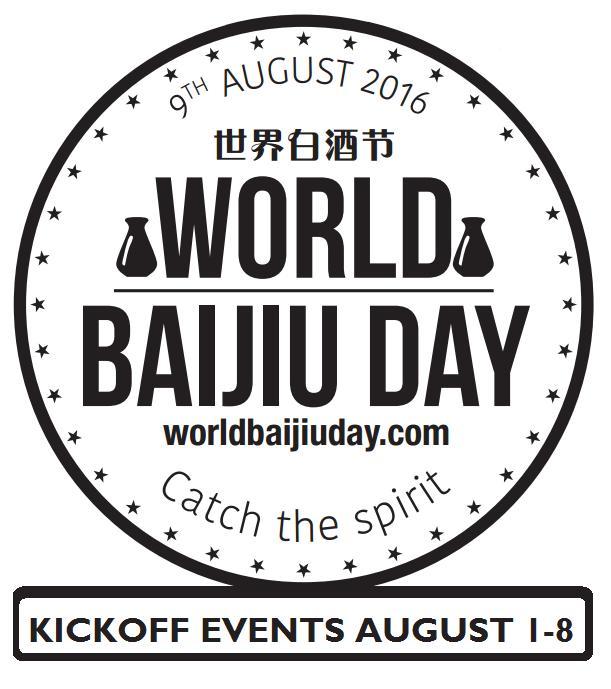
An Beijing-based initiative to promote baijiu is World Baijiu Day. It is actually a weeklong series of events that runs from August 1 – 9, 2016.
world-baijiu-day

Yet another ruse is selling top spirits for a very low price to get new customer types hooked on the product. Right after the 2014 National Holiday, Luzhou Laojiao‘s top product sold for RMB 9 for a short while (original price: RMB 288). You can imaging the rush.

Also see the spirits section in our item on the cost price of several Chinese food and beverage products.

Xifeng, another old respectable baijiu brand has announced that it intends to take in about 10 of its largest domestic agents as shareholders. Its agent for the Beijing region, Beijing Sugar, Tobacco & Alcohol Group, will even hold a 5% share. This has been revealed in the papers necessary for Xifeng’s intended IPO in March 2015. An interesting example of value chain integration.

Sichuan-based Luzhou Laojiao has launched a special type of baijiu geared to what it refers to as ‘young business people’. This strategy is aiming at two promising market segments, young people and business people, simultaneously. It is a top quality baijiu packed in a smaller than average bottle, to decrease the costs of business lunch or dinner. This strategy therefore also tries to fit into the new policy of the national government to curb spending on wining and dining for business.

The promotion abroad seems to get results. The list of the world’s top 10 distillers published by Brand Finance early 2017 includes 6 Chinese brands, with Moutai featuring as the world’s leading brand of 2017.

 Baijiu dedicated bars in China

A new bar in Beijing billing itself as the world’s first dedicated to baijiu,named Capital Spirits, has opened its doors in Beijing recently.

“A lot of people have had bad experiences at banquets” where they might be coerced into drinking shot after shot of the colourless liquor, says American William Isler, one of the bar’s owners. “They throw up and say, ‘Never again.’”

Capital Spirits has the vibe of a speakeasy, with muted lighting, plenty of antique wood and a stainless-steel still in the corner churning out distilled beer and wine. There’s no sign on the door, although a ledge outside is set up with small wooden chairs, low tables and candles.

The Schoolhouse at Mutianyu, a restaurant and lodge project in Beijing’s suburbs near the base of the Great Wall, that produces baijiu-based liqueurs.

Mott 32 recently won media accolades as the top baijiu spot in Hong Kong.

R&D Cocktail Lab, a Taipei venue that is dedicated to alcohol experimentation. It will feature kaoliangjiu, the baijiu most associated with Taiwan.

Baijiu dedicated bars outside China

Exports of baijiu have been increasing recently. The customs of Yibin, (Sichuan), the home town of Wuliangye, report that 14,880 hls of baijiu were exported in 2015, an increase of 92.4% compared to the previous year. Let’s have a look at the situation in a few selected countries.

An important boost to the consumption of baijiu abroad is making it an ingredient of cocktails. In December 2016, Moutai Group launched its Moutai brand in Hamburg, Germany. About 300 guests were served the liquor in three cocktails designed by a local bar catering service. “Moutai has a smell and taste of cocoa, so in one cocktail we combined it with a chocolate vodka and chocolate bitters,” said Alexander Brittnacher, founder of Next Level Cocktails.”In another we looked for food pairing partners and we found that blackberries are a good combination.”

USA

Another way to facilitate baijiu making its way to the Western world is creating cocktails. Peking Tavern, a hip Northern Chinese restaurant in Los Angeles mixes baijiu into a slew of cocktails (with names like: Peking Coffee, Jin Jing, and Wong Chiu Punch), as does Korean eatery Drunken Dragon in Miami and New York’s Asian fusion den Buddakan. In early March 2015, Lumos, a new evening haunt specializing in baijiu,has landed in Manhattan. Lumos has a menu of more than 60 baijiu cocktails. Owner Salicetti was introduced to baijiu by his architect partner Li Qifan and realized baijiu would be a great way to stand out in a city awash with specialty bars.

Australia

Golden Monkey, a cocktail bar and restaurant in Melbourne, Australia, with many China-inspired dishes and drinks.

UK

The Hide, one of the London bars co-owned by Paul Mathew. Mathew, owner of the Arbitrager and the Hide cocktail bars in the British capital, said Moutai’s strong aroma is tricky to compliment, so he likes to use things such as pomelo, strong teas, pear or smoky flavors to mix Moutai cocktails. The distinctive character of the spirit adds a complexity to drinks when mixed well, he added.

Baijiu connoisseurs

Connoisseurs whose opinions can make or break a wine have been part of the wine industry for a long time. As imitating what others do well is a typical feature of Chinese culture, the Chinese baijiu industry has started to groom a similar type of experts a few years ago, and the first list of baijiu connoisseurs was published in August 2014, comprising 41 people.

It will be hard for these people to exactly copy the ritualistic activities of wine tasters. Spirits do not differ each year depending on weather conditions and other parameters, so it will be useless to decided that Moutai of 2008 was better than that of 2011.

Moreover, most of the people on the current list are employed by distillers; some even are managers. This will make it hard for them to judge competitive products fairly.

Foreign investment

Some multinationals are already trying to cash in on the expected discovery of baijiu by the international market. Diageo has acquired a stake in the Shuijingfang (Sichuan province; the top region for baijiu, see the above table) brand of baijiu a few years ago, and has recently bought out the Chinese partners. The company now intends to take baijiu to the international market. Diageo is looking to market it as a luxury drink for £99 a bottle to high-end Chinese restaurants such as Hakkasan and Mr Chow, and is looking to benefit from the growing affluent Chinese population in London, which is said to be close to 2 million, including (semi-)permanent residents and visitors. Diageo seems to be doing well, as Shuijingfang is one of the recent newcomers in the list of top Chinese food brands of 2014. The brand started to generate better figures in 2017. Shuijingfang filed a turnover of RMB 2.048 bln for 2017, and a net profit of RMB 335 mln; resp. up 74.13% and 49.24%.

However, Diageo is still affected by the spin-off of the anti-corruption campaign. The former Chinese CEO, who had stayed on after the foreign take-over, has left, and was replaced by James Rice. A Chinese has already taken over again. Rice has  It will be interesting to see how a foreign will a Chinese company active in a market with such a strong bond to Chinese culture.

Image

Overseas production

We still have to see the first Chinese distiller venturing overseas production of baijiu. However, two US investors have started producing versions of their own.

Byejoe Spirits in Houston is marketing two varieties under the Byejoe brand. The company gets baijiu from a Chinese distiller. However, this is not the same baijiu that is in your Byejoe bottle. The Chinese baijiu is shipped to a distillery in South Carolina where the alcohol is further cleaned and distilled.

Vinn Distillery (Portland), established by a Vietnamese of Chinese descent, is producing baijiu using an old family recipe.

Australian sorghum

Baijiu production has been growing so rapidly, that China now needs to import part of the sorghum from abroad. Australian sorghum exports to China peaked in 2015 at over A$ 500 mln afler baijiu manufacturers ramped up imports from down under. Sorghum exports benefited from tariff reductions under the recent China-Australia free-trade agreement. A team from various Australian research institutions is now working to identify the quality and varieties of sorghum that are best suited to the China baijiu market.

Exhibiting abroad

Three baijiu makers, Fenjiu (Shaanxi), Baofengjiu (Henan) and Laobaigan (Hebei) have participated in a trade manifestation organised by the US-China Business & Culture Association in San Francisco in January 2015 in a joint attempt to promote baijiu in the US. The China Wine Newspaper was also represented. These three brands have all won prizes during the 1915 Panama Pacific International Exposition, but apart from the honour, it has so far not won them any share in the US market.

Luring the young

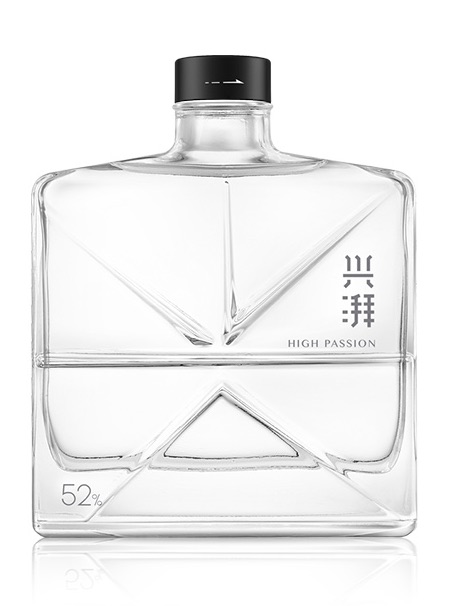
Traditional baijiu drinkers in China are men born in the 1950s and 60s; an aging market indeed. To lure back a number of younger consumers, the baijiu industry is developing new types of spirits that better suit the palates of the young urban professionals. One example is Xingpai, a brand name that is said to be a translation + translitteration of High Passion. It is a so called ‘rice aroma type (see above)’ of baijiu. It is said to be made from the highest quality of rice and no flavours or other addidives are added. However, Xingpai is still 52%, so quite strong for young people used to accompany their meals with beer or wine.
Xingbai

Jiangxiaobai – maverick or game changer?

I have pointed at a number of attempts to revive the rather dusty image of baijiu at several places in this post. A player that is actually trying to implement a number of these is Jiangxiaobai. The name Jiangxiaobai is derived from the company’s original name: Jiangji Distillery. Xiao means ‘small’ and ‘bai’ refers to baijiu. Jiangji Distillery is located in Baisha town, Jiangjin District, Chongqing. Chongqing is now a city with provincial status, like Beijing, but used to be part of Sichuan province, the home of some of the top baijiu brands. Chongqing Jiangxiaobai Spirits Co., Ltd., the parent of Jiangji Distillery, is an integrated sorghum liquor enterprise that incorporates ecological sorghum growing, R&D, brewing and distillation, packaging and production, and marketing.

Jiangxiaobai’s products are divided into the following major series:

  1. Mild Flavor Collection; brands: YOLO; DANCHUN
  2. 40% Collection; brands: S SERIES; JOYOUTH
  3. Craft Collection; brands: HANDMADE CRAFT BLACK LABEL; BANJINBALIANG+DREAM; INTIMATE FRIEND; INTIMATE FRIEND(BLACK); GOLD LABEL
  4. Art series; brands: JOVOART; CARTOON SERIES; MR.BOX & JOYBO; CHONGQING FLAVOR

The different products have different flavours, packaging design, etc., all geared to different consumer segments. It is in this aspect that Jiangxiaobai is an interesting innovator in the Chinese baijiu industry. I will select one product as an example: YOLO. The brand name is an abbreviation of: You Only Live Once. YOLO encourages people to make the most of their life. It is geared to young consumers. It comes in 330 ml bottles and has only 25% alcohol. It has a sweetish flavour that appeals more to young consumers.

This trend towards smaller bottles for the younger generations was followed by the developers of Jiangemian (literally:’Let’s meet once’) who accumulated their starting capital on the online platform Ebrun, early 2020. I will monitor and report on this development here. At least their bottles are innovative.

Baijiu College – educating a new generation of baijiu makers

A Baijiu College has started operating in Yibin, the home region of Wuliangye, in 2018. This school – built in only nine months – is one outpost in Chinese Chinese government’s national push to rethink the country’s growth recipe as trade frictions with the United States intensify. Beijing aims to produce more goods at home and sell larger numbers abroad. This includes upgrading the image of traditional Chinese spirits. The state-funded Baijiu College in the misty Sichuan mountains teaches students how to craft baijiu — or work on robots that could someday automate the brewing process. The goal is to turn China’s native liquor into the next whiskey or tequila or gin: a drink with global recognition.

Peter Peverelli is active in and with China since 1975 and regularly travels to the remotest corners of that vast nation. He is a co-author of a major book introducing the cultural drivers behind China’s economic success.

Understanding China’s Formulated Milk Beverage Market

Even though dairy has been incorporated in several traditional regional cuisines, China is not known as a typical dairy nation. However, the industry has been developing rapidly during the previous decades, in spite of a number of food safety problems that have received global attention. The main reason is that Chinese, with support of the national government, strongly believe in the nutritional value of milk. Already in 2006, the prime minister stated that ideally every Chinese should drink one glass of milk per day.

China produced 32.31 million MT of raw milk in 2019. A little over 60% of this was used to produce drinking milk.

Still, a high volume of milk is consumed by the food industry. This is because, in spite of the healthy image of dairy, the average Chinese consumer still finds the taste of milk hard to appreciate.

Designer beverages

The combination of these facts, high nutrition + disagreeable taste, has created a very unique market segment in the Chinese dairy industry, including a broad variety of beverages with milk as their main ingredient, combined with a number of flavours and nutrients. We will refer to this product group as formulated milk beverages (FMB).

FMB can be further categorized in a number of ways. First of all there is the distinction between fermented and non-fermented beverages. Fermented FMB have a more sour taste and often contain probiotics.

Another subtype is what the Chinese industry refers to as ‘protein drinks’. These beverages used peanuts, almonds, soybeans, etc., as their main ingredients. They have a thicker texture than the average soft drink. A number of protein drinks combine milk with peanuts, red beans, or other of these protein ingredients, which makes them part of the scope of FMB.

These macro ingredients are usually supplemented with a number of other ingredients that can be divided in three main types:

  • Flavours: achieving the targeted flavour of the end product. Red bean milk will obviously contain red beans, but also needs a small amount of red bean flavour
  • Sweeteners: Chinese like their drinks sweet, so sugar is an ingredient in the bulk of FMB. However, with the growing awareness of the harm of excessive sugar intake, part or all sugar can be replaced by a combination of artificial sweeteners
  • Texturizers: texture is an essential aspect of FMB, and especially the protein beverages. Chinese consumers expect a creamy, thick, texture. Even Chinese who do regularly consumer plain fluid milk expect such a creamy mouth feel. Some Chinese ‘plain’ liquid milk products therefore contain small quantities of thickeners, to ensure that consumers do not suspect it to be diluted milk.
  • Nutrients: FMB are all marketed as nutritious products, healthier alternatives for the regular soft drinks. Milk, beans, fruits (e.g. dates; you will find a recipe in the linked blog), and vegetables already add to that nutritious impression, but special nutrients can be added as well. These include the regular vitamins and minerals, but also herbal extracts from traditional Chinese medicine, like Lingzhi fungus (Ganoderma).

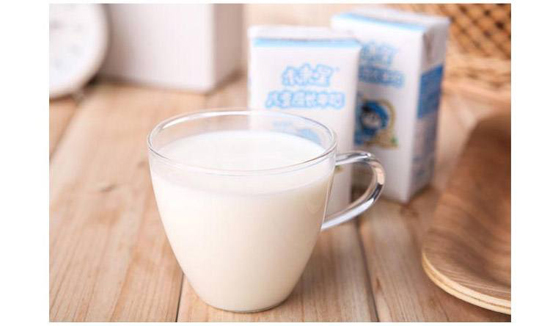
Here is a representative example: Strawberry Flavoured Milk Drink

Produced by: Zhujiang (Pearl River) Beverage Company, Zhongshan, Guangdong

Image

Ingredients:

Main ingredients water, sugar, whole cream milk powder, strawberry juice
Sweeteners acesulfame‐K, sucralose
Flavour ingredients citric acid, strawberry flavour, monosodium glutamate
Other ingredients potassium sorbate, monascus colour

Many readers will doubt the nutritional value of a product like this, compared to simply drinking a glass of milk, which should be a lot cheaper as well. However, for the time being, this can be expected to be the mainstream in ‘dairy products’ in China.

Also see the dairy section in our item on cost price break down of several Chinese food and beverage groups.

New development: combination with probiotics, organic salt

Probiotics have become a pet ingredient in Chinese formulated dairy beverages. The total turnover in 2015 of probiotic milk drinks was RMB 11.98 billion, up 14.9% compared to 2014.

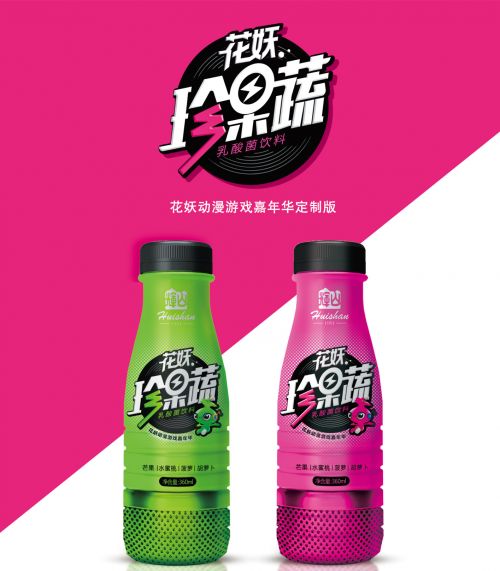
Huishan Dairy (Liaoning) has launched a new range of fermented dairy drinks with fruit and vegetable juice under the brand name Huawo. The company thus combines two major ‘healthy’ trends in the Chinese food industry: probiotics and natural juice, in one product.

Huawo

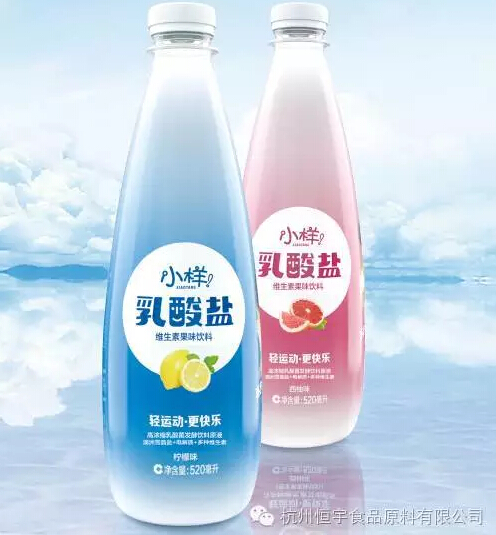
Haocaitou (Fujian) has launched a dairy drink with probiotics and natural lake salt imported from Australia, that it markets as a sports beverage.

Rusuanyan

Also look at the Xiaoxixi vinegar milk with pineapple vinegar introduced in my post on new vinegar-based foods and beverages.

A special subtype in this category are the imitations of Yakult. This Japanese product is so successful worldwide, that a number of Chinese companies have not been able to resist the urge to launch similar products. A recent one in this category is Yili (Inner Mongolia), that launched its Meiyitian lactic acid drink early 2018.

Government support

A discussion has been going on in the Chinese media whether these beverages should be allowed to be marketed as dairy products. The government has supported the industry in this debate by officially allowing these drinks to use ‘XX milk’ a product names in October 2014. In this way, the producers are allowed to position their products with a healthy image.

The trend for 2018: healthier formulations

Three Chinese dairy companies are ending the year by launching healthy dairy specialties. It is hard to say if these launches are incidental, or that they are part of a concerted action. However, these beverages can be regarded as examples of the new generation of formulated milk drinks. These beverages are not only formulated to mask the less attractive flavours of milk, but also add several functional ingredients.

Mengniu: A2 beta-casein pure milk

A2 milk is cow’s milk that mostly lacks a form of beta-casein proteins called A1 and instead has mostly the A2 form. Milk like this was brought to market by New Zealand’s a2 Milk Company and is sold mostly in Australia, New Zealand, China, United States and the United Kingdom. Mengniu has selected 2000 cows from its Future Star (Weilaixing) Farm as designated producers of A2 beta-casein milk. It is marketed as a healthy milk for children.

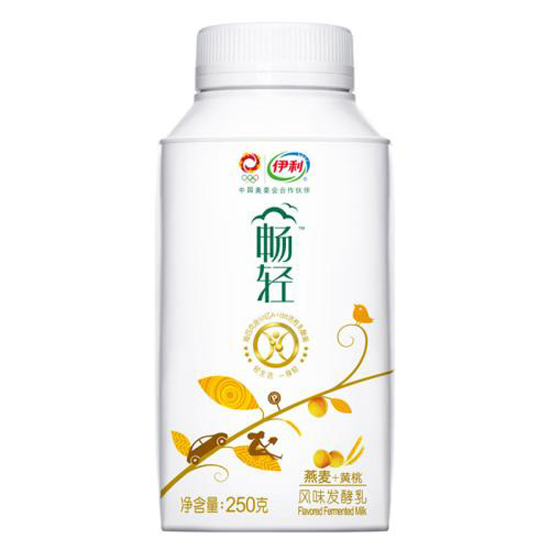
Yili: Changqing (clearing bowels) flavoured fermented milk

The meaning of the product name speaks for itself

Ingredients: raw milk, oat fruit jam (³8%), crystal sugar, thin cream, concentrated milk protein, hydroxypropyl distarch phosphate, pectin, DATEM (diacetyl tartaric acid ester of mono(di)glycerides), agar agar, lactococcus lactis, lactococcus lactis subsp. cremoris, lactococcus lactis subsp. diacetyl, streptococcus thermophiles, lactobacillus plantarum, lactobacillus rhamnosus.

Kedi: Soy milk milk

The English translation is rather unfortunate. The Chinese name, Doujiang niunai, literally means ‘soy sauce cow milk’, but soy sauce refers to a different product in English, and our default milk is cow milk, so we usually leave the ‘cow’ unmentioned, while we speak of ‘soy milk’, due to the colour of the liquid. Anyway, it is a combination of milk and (non-GMO) soy milk powder. In Kedi’s own words, it is the best of both.

UniPresident, non-dairy specialist has launched a Papaya Milk in March 2018

Foreign competitors enter the market

Saigon Dairy Factory (Vinamilk) has obtained the code from the Chinese General Administration of Customs on July 17, 2020, which allows the plant to export flavoured fermented milk to the Chinese market.

Also see my post on individualisation in Chinese food marketing.

Peter Peverelli is active in and with China since 1975 and regularly travels to the remotest corners of that vast nation. He is a co-author of a major book introducing the cultural drivers behind China’s economic success.
The Growth of Zhacai: China’s Pickled Vegetable Industry

Pickled vegetables have become such a big business in China, that a special China Pickled Vegetable Industry Association has been founded in 2020

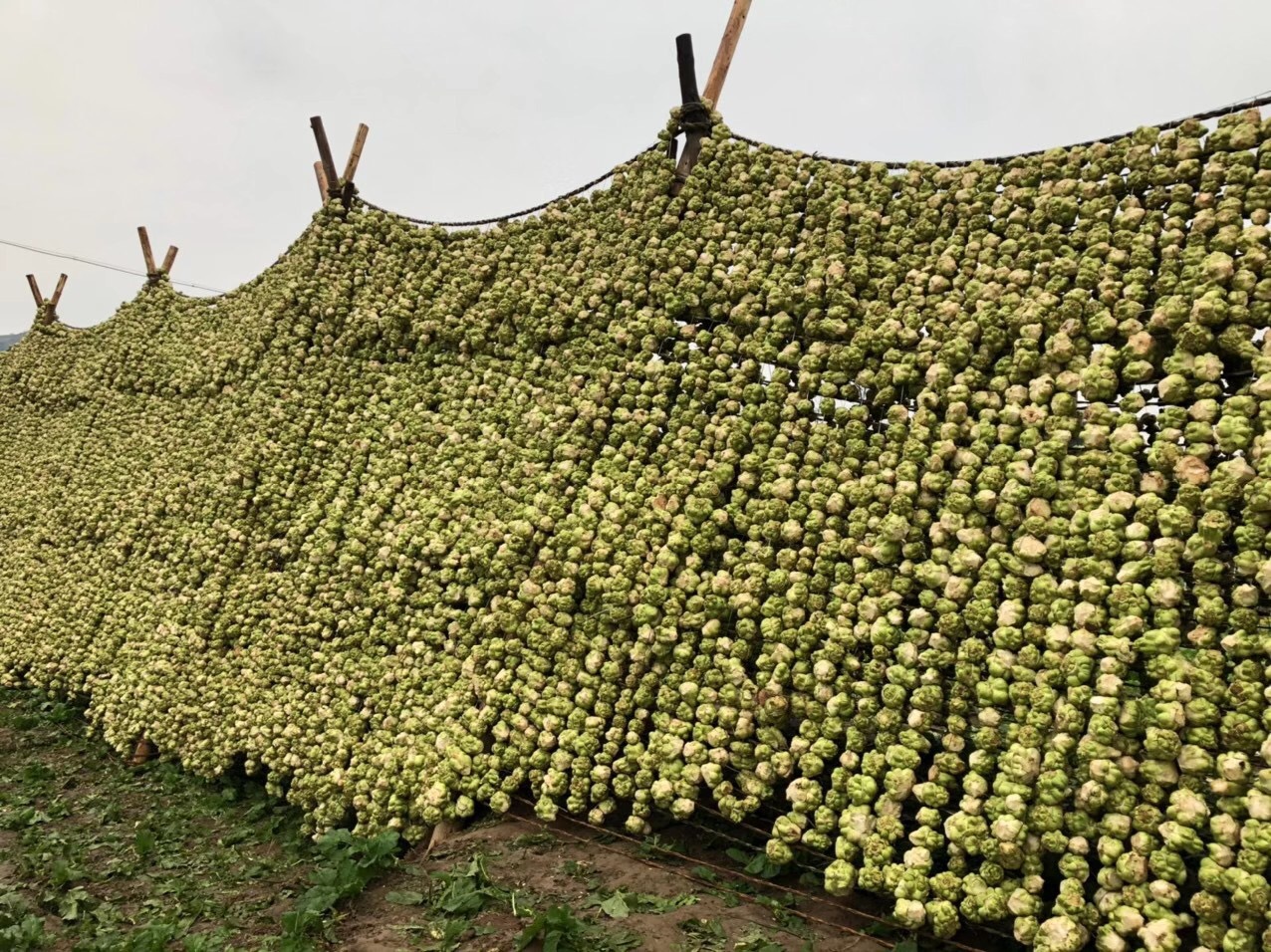
If we were to pinpoint a vegetable as THE most representative of Chinese pickled vegetables, it would be zhacai. The Latin name of zhacai is Brassica juncea tumida. It is a peculiarly looking pickled vegetable, resembling the shape of a fist. It is the stem of a variety of mustard. It is therefore also marketed as ‘preserved Chinese mustard stem’.

Image

This special pickle originates from Sichuan (the Chongqing region, which is now a separate administrative region) and was first created in 1898. Another region with substantial production is Yuyao, near Hangzhou, the capital of Zhejiang province.

The name zhacai, literally meaning pressed vegetable, was inspired by the process employed to press out the salt water using a bean curd press. Zhacai is flavoured with salt, chilli, pepper and a mix of typical local spices like star aniseed, kaempferia galanga, glycyrrhiza, etc. The exact composition of the spice mix is the secret of the manufacturer.

Though covered in chilli, it is not hot but extremely salty and is usually cut to size and soaked to remove the salt before cooking. When only a small amount is used as a seasoning, no soaking is necessary. It should be cooked only briefly to retain the crunchy texture.

The total turnover of the zhacai industry was RMB 6.7 billion in 2019. Roughly two thirds of this turnover are realised in the Chongqing region and one third in the Yuyao region.

Have a look at a Chinese video showing the processing of zhacai. Although it is in Chinese, experts should be able to understand the gist.

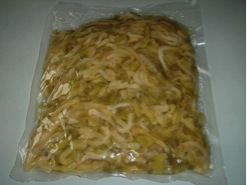
Zhacai is an essential ingredient in the famous Hot and Sour Soup. Entire tubers available in glass or stone jars, or cans. Shreds are sold in plastic bags Some manufacturers combine zhacai shreds with shredded mushrooms or other vegetables.

Image

In recent years, the market for zhacai has expanded considerably, after it had become a kind of leisure food. It is shredded and packed in small aluminium sachets. The shreds can be used to spice up dishes, in particular the more bland convenience foods like instant noodles, or instant congee. Many Chinese even nibble on zhacai shreds in front of the TV.

Image

On average, 100 gr. of zhacai has the following composition.

SubstanceContent
Water67.3 gr
Protein4.4 gr
Fat1.2 gr
Carbohydrates5.6 gr
Crude fibre3.1 gr
Ash18.4 gr
Calcium224 mg
Phosphorus125 mg
Iron8.1 mg

Zhacai: – the pillar of Fuling economy

The Fuling region of Chongqing has always been famous for its zhacai. The local authorities are supporting the development of growing and processing of this vegetable. Zhacai is regarded as the symbol of Fuling and vice versa. The region produced 1.28 million MT of zhacai in 2012. Almost 90% of this was processed into ‘convenience zhacai’. They also intend to promote export. Zhacai is currently the highest valued of the ‘Chinese Local Brands’, with an estimated value of RMB 12.532 billion. Zhacai is often refered to as another name for Fuling. Fuling has given its name to the Fuling Group, China’s largest processor of zhacai. Fuling Group generated a turnover of RMB 1,989,593,123.12 in 2019, up 3.93%.

Fuling is also the home of China’s only research institute specialised in zhacai: the Yudongnan Academy of Agricultural Sciences, with a separate Zhacai Research Department.

The importance of the Fuling region is reflected in the fact that China’s top 3 brands of pickled vegetables (so not exclusively zhacai) are all located in there.

Wujiang

Wujiang brand (Fuling Zhacai Group)

Yuquan

Yuquan brand (Yuquan Zhacai Group)

This is the brand we use at home, so I will use the ingredients list of Yuquan zhacai as reference:

zhacai (88%), salt, sugar, sesame oil, rape seed oil, MSG, disodium isonate, citric acid, spices.

Lameizi

Fuliing Lameizi (Lameizi (Hot Sister) Group)

Fuling Zhacai Group announced in August 2017 that a new 40,000 cubic metre production tank will be constructed, involving an investment of RMB 162 mln.

Automation

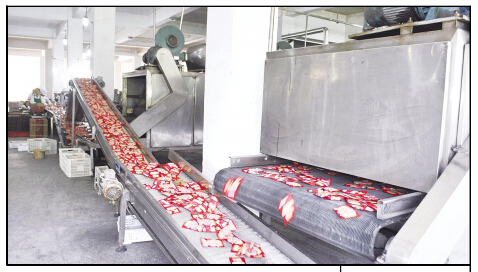
The Baiheliang Zhacai Factory of the Fuling Zhaicai Group has installed a completely automated production line in 2015. Here are a few photos from that plant.

Tubers drying in the open air
The shredded tubers
Packing the shreds
ZhacaiAuto
Packed and pasteurised

Exports

Zhacai from the Chongqing region is also exported. Chongqing Fengdu Sanhe Industrial Co., Ltd., started exporting zhacai in 2001. In 2022, the export volume was about 10,000 mt. In August of 2023, representatives of the company visited Mexico and Brazil as part of a local delegation seeking trade opportunities as well as cultural exchanges. Mexican local food tastes sour, sweet and spicy. Zhacai should therefore do well as an ingredient for tacos. The company’s R&D team tasted a variety of Mexican foods, asked the local people for advice, and adjusted the zhacai formula according to the local taste of Mexico. Eight types of zhacai have been developed for the Mexican market.

From zhacai to soy sauce – an innovative process

An interesting development is the use of the affluent of zhacai processing to produce soy sauce. The Fuling Group, China’s largest manufacturer of zhacai (output in 2025: 250,000 mt; turnover RMB 2.387 billion), listed at the Shenzhen Stock Exchange, has developed that technology. Moreover, the new soy sauce process no longer includes steps that require manual labour. Work that before required 500 workers, now only needs 30 – 40 people to complete. This is a fine example of how a traditional product can inspire industrial innovation.

Peter Peverelli is active in and with China since 1975 and regularly travels to the remotest corners of that vast nation. He is a co-author of a major book introducing the cultural drivers behind China’s economic success.
Food ingredients purchasing behaviour in China

A survey was held among Chinese food and beverage manufacturers about the way they purchased their ingredients in 2006. Although these figures are not very recent, they reflect habits that are not affected by sudden changes like fashions. We therefore regard them as a reliable reflection of the current situation.

Frequency

Companies’ buyers were asked to indicate how many times a year they order food ingredients.

Image

These figures corroborate the general perception in the market that Chinese users of food ingredients tend to place their orders once per year.

Time of purchasing

The following table indicates the month of the year in which respondents prefer to place orders for food ingredients.

Image

The numbers 1 to 12 at the bottom line of this graph indicate the months of the year (1 = January, 2 = February, etc.).

This table shows four peaks, with (late) March as the top period. Smaller peaks are located at late April/early May, late August/early September and late October/early November. Soft drinks and ice cream are the largest consumers of food ingredients in China. Those manufacturers start preparing for the summer season late March, which explains why the top peak in ordering takes place at that time of the year.

Existing events

Looking at existing events, we see that Food Ingredients China (FIC) has selected the top slot. SIAL China and Bakery China have a slightly less favourable position in May, and are competing for more or less the same clients. FiAC is held at the annual low.

This does not say anything about the quality of the shows, but for foreign suppliers of food ingredients, FIC still offers the highest probability of meeting eager buyers.

Any party with an idea to start yet another trade fair in this business in China should aim at the Oct/Nov slot, which is still open.

Peter Peverelli is active in and with China since 1975 and regularly travels to the remotest corners of that vast nation. He is a co-author of a major book introducing the cultural drivers behind China’s economic success.

Exploring China’s Jujube: Health Benefits and Culinary Uses

China is the kingdom of dates (jujubes or ziziphus jujuba). The national output was 5.62 million mt in 2017 up from 3.9 mln in 2005. The top region was Xijiang with 2.7 mln mt. They come in various varieties; so many that the New Mexico State University has started exploring them as alternatives for local jujubes.

The Chinese have known them for their medicinal properties, but have also been using them as snack food (leisure food) for ages. Now them are also processing dates into various food ingredients.

Jujube cake (Zaogao)

Along most the streets in Tianjin, you will find these little bakery shops. You don’t need to read Chinese to be able to spot one. Not only do you have the amazing smell coming from these small window bakeries. They are also kind enough to display these amazing breakfast cakes in the window. These cakes are made from dried jujubes and normally come 3 for RMB 10. After just one bite, you will find that they are not only sweet but also moist. These are a great alternative for someone in the mood for a light but filling breakfast. They can also be used for a snack between meals.

Zaogao

Medicinal properties

Dates are packed with nutrients: vitamins, minerals and various alkaloids. Chinese dates are also a great natural source of antioxidants. Jujube fruits assist very well in a healthy digestive system through its high fiber content, saponins and triterpenoids which prevent constipation, cramping and other gastrointestinal disorders. Chinese dates are said to support the strength of bones, muscles and teeth. They support the health of the nervous system and assist in alleviating stress, sleeping disorders and anxiety. The high antixodiant levels in Chinese dates take care for immunity, blood detoxification and a healthy skin.

A special type of dates with medicinal properties are grown in Leling (Shandong). The dates there belong to the ‘golden thread (jinsi)’ variety and are very rich in selenium and vitamin C. They also contain considerable amounts of calcium, phosphorous, potassium and iron.

Image                      Image

The same properties are also attributed to honey derived from date flowers. Jujube flower honey is often used to sweeten concoctions of traditional Chinese medicinal herbs.

Small fruits big business

Dates have become such an important product now, that they have recently played a leading role in a civil law suit. A Shanghai-based company, Dashanhe, produced and marketed dates with Hetian Tianzao (Khotan Heavenly Dates) printed on the packaging. Heavenly Dates, however, is a brand owned by a company in Xinjiang, Tianhai Oasis. This company produces a range of luxury date products (see picture), and sued Dashanhe for infringing on its brand. It won the suit. Dates have become big business in China.

Tianzao

The Kunlunshan Date Co. (also Xinjiang)’s Khotan Jade Dates (Hetian Yuzao) have been incorporated in ‘China 100 Best Agricultural Products’ in 2013. This company was founded on the basis of a military operated collective farm in 2005, and was reorganized into a limited company in 2012. Dates are indeed a conduit to success in China.

Here is a video demonstrating the processing of dates in China.

Innovative products

Innovation is the trend in the present day Chinese food industry. This innovation is taking place in a number of different directions, one of which is using traditional ingredients to produce foods and beverages that suit the lifestyle of modern hasty city dwellers, but still remind them of the traditional flavors, and retain the medicinal activities ascribed to them according to traditional Chinese medicine (TCM).

An example of such a product using dates as ingredient is: date juice breakfast milk, a good example of one of the many formulated dairy drinks produced in China at the moment.

Here is a reference recipe

Image

Stabilizer RH6 is a branded compound consisting of: sucrose ester, monoglyceride, sodium alginate, CMC and potassium dihydrogen phosphate. Ajiao (or ejiao) is a Chinese medicinal substance obtained from donkey skin that is often used in combination with dates. The complete text of the production process indicates that low calorie sweeteners can be used to. It is an experimental recipe.

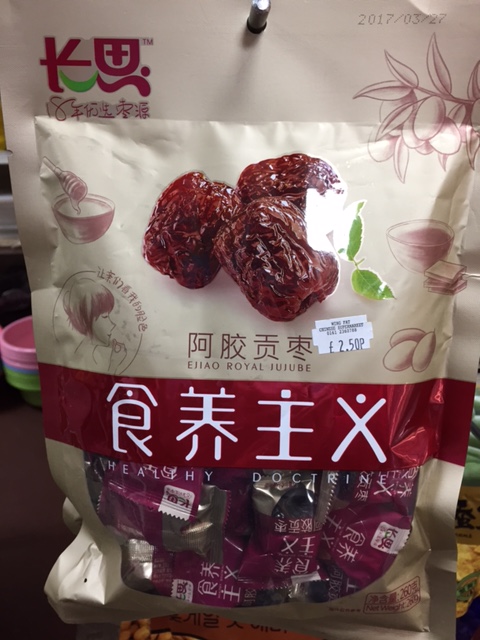
Fuyuan Food (Binzhou, Shandong), is also producing a date enriched with ejiao: Changsi brand Ejiao Royal Dates. Another, sweeter and stickier, version is sold under the Selective (Zhenxuan) brand (Zibo, Shandong).

The latter’s ingredients list is as follows:

Dates, sugar, maltose syrup, ejiao (0.5%), food additives (citric acid, potassium sorbate, sodium benzoate, sodium pyrosulphate).

An interesting fusion between Chinese dates and Western food and beverage is: Manccio Jujube Coffee, produced by Manccio Co. (Xi’an, Shaanxi). Coffee is rapidly gaining popularity in China, but it still has a Western character. This product is therefore marketed as ‘China’s own coffee’. Its ingredients list is simple.

Date powder, instant coffee, microcrystal cellulose.

DateCoffee

Manccio cooperates with a coffee supplier in Malaysia. I haven’t been able to sample the product myself, but I will report on the taste as soon as I have had an opportunity.

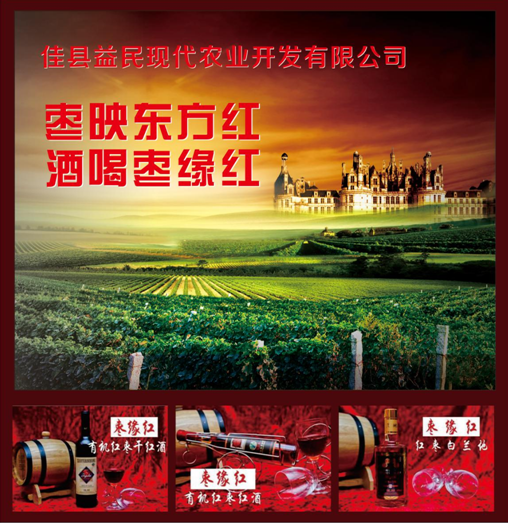
Yimin Modern Farming (Jiaxian, Shaanxi) has developed a range of date wines and spirits.

A date research centre was established in Jiaxian (Shaanxi) by the Shaanxi Normal University in 2021.

Award winning dates


Chinese dates have started winning international awards as well. Bestore‘s crispy winter dates have won a Superior Taste Award from the International Taste Institute in 2020. Winter dates are a round variety of dates that become available in the fall. They are usually consumed unprocessed, but growing star Bestore has been able to process them into an award-winning product.

Arab dates in China

In 2019, the United Arab Emirates gifted 100,000 date saplings to China to help develop the date industry and jointly explore third-party markets. That same year, Yuanjiang in Yunnan partnered with the Chinese Academy of Tropical Agricultural Sciences to establish a trial base for date cultivation. In 2025, Yuanjiang boasted a 2-hectare date cultivation demonstration site with 722 trees.

Date-derived ingredients

Some Chinese companies have developed food ingredients from dates like date powder. Our database includes a recipe for a type of bread using this ingredient. Dates are also used in babao porridge, birds nest soup, and zongzi, introduced in another posts of this blog.

The Food Ingredients China (FIC) 2018 (Shanghai, March 22 – 24) exhibitor list includes the following date products:

Ingredient number
Concentrated juice 3
Powder 7
Jam 1
Particles 1

Eurasia Consult’s database of Chinese industrial recipes includes numerous products with dates as a main ingredient, both traditional and innovative, including products like: date cake, date pudding, date juice, etc.

Date sausage

As the world’s date country par excellence, Chinese food technologists like to develop new foods with date as one of the ingredients. A recent proposition I picked up is a date flavoured sausage. The meat is a mixture of chicken and pork (ratio: 3:7), with dates added as a paste, made by mixing water and dates (ratio: 1:1). The total ingredients list is as follows.

Chicken meat, pork, ice water, modified starch, protein powder, glucose, salt, sugar, compound phosphate, koji red colour, pork flavour, red date pulp, red date paste, white pepper powder, ethyl maltol.

Nestlé adapts to Chinese taste

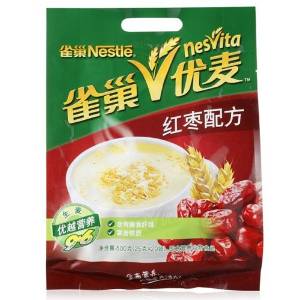
Nestlé has deftly noted the Chinese liking for dates and date flavoured products. The company has launched a red date flavoured oatmeal under the Nesvita brand. The product contains 400 gr of date powder per 1000 gr of finished product.

Nesvita

Branded dates

The following table lists the top 10 branded date products of 2017. The brand logos are shown in the figure.

Rank Brand Region
1 Haoxiangni Henan
2 Hetian Yuzao Xinjiang
3 Ruoqiang Hongzao Xinjiang
4 Loulan Miyu Hubei
5 Sanzhisongshu Anhui
6 Loulan Hongzao Xinjiang
7 Qiangdu Xinjiang
8 Baicaowei Zhejiang
9 Liangzi Puzi Hubei
10 Tianjiaohong Shanxi

The number one: Haoxiangni Jujube Co Ltd.

Haoxiangni (litterally: ‘I think of you a lot’), based in Xinzheng, Henan province, is the only listed company in China’s date industry. It is combines R&D, manufacturing, and distribution of jujube series products. The company primarily offers various jujube products, including royal jujubes, crystal jujubes and fragrant jujubes, and others; jujube chips and donkey-hide gelatin jujube chips; preserved products comprising preserved jujubes, wild jujubes, and ejiao (donkey-hide gelatin, an ingredient of traditional Chinese medicine TCM) jujubes; and dried jujube products, such as dried crystal jujubes and dried fragrant jujubes. It also provides jujube powders, which include original flavor jujube powders and high-calcium jujube powders; and honey products, such as jujube honey and acacia honey, as well as prepared and crisp jujube products, jujube beverages, and other series of products. The company was founded in 1992 and is based in Zhengzhou (Henan).

Washing dates in Haoxiangni’s plant

Jujube is not a rare food, but Haoxiangni made it into a luxury good, by selling gift boxes of jujube for several hundred yuan. The brand’s high-end image was its main attribute but now it is hard to maintain. After cooperating with Trout & Partners Ltd, a global consulting firm, in 2012, Haoxiangni started an overhaul of its brand image in 2013 by promoting low-price products for less than RMB 100.

According to Shi Jubin, the chairman of Haoxiangni, the company will focus on quality rather than number of franchisees by closing 600 of its 1819 stores, according to a statement released on the company’s website.

The government of Henan has included Haoxiangni in the provincial Immaterial Cultural Heritage in December 2014.

Haoxiangni suffered from the government’s ongoing anti-corruption campaign. It saw a decrease in revenue, though small, in 2013. It was the first time it had seen a decline in revenue since being listed in 2011. The company filed a turnover of RMB 973 million for 2014, up 7.10%. 65% of that turnover was derived from the company’s dedicated outlets. Unfortunately, the first quarter of 2015 turned out particularly disappointing, with a drop in net profits of almost 47%. Insiders attribute this to the ongoing change of strategy from focusing on special shops to multiple channels. Haoxiangni is also in the midst of a construction project. These investments are eating up a considerable part of the profit, but the company is still regarded as healthy and promising. Haoxiangni is also broadening the raw material of its products, like: lotus seeds and yin’er (silver fungus). The first quarter of 2017 saw a huge increase again with a turnover of RMB 1.2 bln, up 300%.

HaoxiangniStore

Haoxiangni has also sponsored a ‘China Date Culture Museum’ in its home town.

The government of Xinzheng has also adopted date growing a symbol of the local economy. The city’s website is laden with date flavour.

To counter the problems of relying to heavily on one product line, Haoxiangni launched a broad range of fruit snacks like dried fruits based on different kinds of fruits in 2018.

As part of the same diversification strategy, Haoxiangni has also launched a fruit nectar made from dates and hawthorn. The latter is a typical Chinese fruit, used in the famous North-China winter snack tanghulu.

Late 2019, Haoxiangni launched a breakfast replacer with dates, specially marketed among female students, under the brand name Qingfeifei.

Interesting new comer

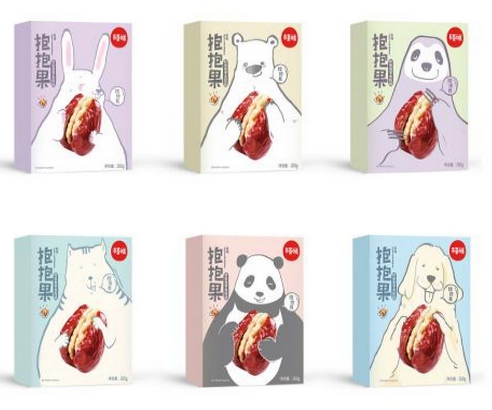
A relatively new player in this market that is arousing nation wide interest with innovative products and promotion campaigns is Baiweicao (Bee & Cheery) (Hangzhou, Zhejiang). It is a general producer of nut and fruit-based snacks. One of its flagship products is a combination of those two: dates stuffed with walnut, marketed under the Baobaoguo (literally: Wrapped Fruits) brand name. It is packed in a series of boxes with drawings of various animals.

Bee & Cheery has an interesting relation with Haoxiangni. Haoxiangni was the owner of Haomusi, Bee &Cherry’s mother company, until Haoxiangni sold its stake in Haomusi to PepsiCo early 2020 for USD 705 mln. So, PepsiCo is now competing with Haoxiangni in the date products market.

Introducing: peach dates

Snack maker Three Squirrels, a major competitor of Bee & Cheery, introduced a new type of date called: ‘peach date’ in May 2020: called peach date. It is a date, but with a peachy texture and flavour.

Peter Peverelli is active in and with China since 1975 and regularly travels to the remotest corners of that vast nation. He is a co-author of a major book introducing the cultural drivers behind China’s economic success.
China’s Biscuit Market Growth Trends

The 2024 Chinese biscuit output was 14.37 mln mt; up from 11.74 mln mt in 2021.

Chinese love biscuits, cookies, wafers, crackers, etc. Following the terminology used in Chinese statistical publications, I use the word ‘biscuit’ in this blog as a translation of the Chinese term binggan, which is a kind of umbrella term for biscuit-like products. The biscuit production in China has grown from 5.518 mln mt in 2011 to 8.736 mln mt in 2017, making it the third largest market in the world behind the US and Brazil. The value of this market is expected to grow a further to RMB 101.7 billion in 2020.

This does not mean that it is a low entry level market. 219 manufacturers have reportedly stopped production between June 2014 and June 20 16. Still, China had 1699 companies registered as licensed to produce biscuits in June 2016, 721 of which were indicated as serious players in this market. The 2024 Chinese biscuit output was 14.37 mln mt; up from 11.74 mln mt in 2021.

Popular brands

The information has been collated from a number of specialist Chinese sites. We have deliberately not taken key figures as the bases for our ranking. Instead, we are presenting the brands in order of popularity as indicated in the Chinese food industry media.

Image

Oreo

The top brand is immediately a foreign one, owned by Mondelez. When it was still the owner of the Oreo brand, Kraft had struggled for almost a decade in China, until the company found out that Chinese consumers preferred less sweet biscuits and introduced new flavors. The size of the packaging was also decreased and Oreos were made available in a larger variety of outlets. Sales rocketed from USD 20 mln in 2005 to more than 400 mln in 2012. The company’s turnover in China has been dropping annually in the period 2014 – 20167. Mondelez is currently exploring new ways to reach customers in third- and fourth-tier cities in China to combat slowing growth in the market. It seems to work, because Mondelez reported in April 2015 that Oreo is its main driver of growth in China. Mondelez has struck a partnership with Alibaba in April 2016, under which it will begin selling brands such as Oreo and Trident through Alibaba’s Tmall online marketplace. Mondelez said it will sell the full range of its products, including Toblerone and Cadbury.

Image

Chef Kong

This brand (Kangshifu in Chinese) is sometimes translated as Master Kong. It is a brand owned by the Taiwan-based Tingyi Group. Unlike Oreo, Master Kong refers to a broad range of biscuits, butter cookies and soda crackers. Moreover, Chef Kong’s top product is still instant noodles, which was its first product when it started production in 1992. The company added biscuits and related products in 1996. It has started activities in other food and beverage markets during the past few years, as that of instant noodles seems to be stagnating.

Image

Haochidian

This brand name literally means: “Delicious Pastry”. It is owned by the Dali Group, established as a private enterprise in 1989 in Fujian. The company now operates production facilities in several provinces, employing close to 40,000 people. Dali got listed on the Hong Kong Stock Exchange in November 2015, and reached the Forbes Global 2000 in 2016. Dali has filed a turnover in 2018 of RMB 20.86 billion; up 5.4%.

Image

Garden

Garden was established in Hong Kong in 1926 and still is the territory’s largest food company. It offers a wide range of cookies in the Mainland.

Image

Jiashili

Jiashili biscuits and crackers are produced by a company in Guangdong with the same name. The company was established in 1956 by combining 17 private factory’s in the company’s home city Kaiping, under the name Kaiping Candy & Biscuit Factory. The name Jiashili was first coined in 1985. Jiashili’s current chairman Huang Xianming purchased Jiashili in 2007, making it a completely priveately operated company again. Under his ownership revenues have increased fourfold. The group operates three production bases in Guangdong, Jiangsu and Hebei provinces, with a total capacity of 130,000 MT. Jiashili’s core products include plain biscuits, crackers, sandwich biscuits and wafer biscuits.

Jiashili posted 2013 sales of RMB 748 mio up 15% on the prior year and net profit for 2013 was RMB 69 mio, up 60% on 2012. It spent RMB 5.2 mio on R&D in 2013.

Investor Actis has recently taken a “significant minority stake” in Chinese biscuit group Jiashili Food Group.

Jiashili Group has successfully listed on Hong Kong stock exchange in September 2014. The IPO raised HK 370 million, representing 25% of the company’s total issued share capital. Jiashili’s global offering document said that the Chinese biscuit market was highly competitive and said that the firm would need to constantly develop new products to respond to changing consumer demand. The company said it expected Chinese consumers to shift to healthier alternatives with reduced sugar and higher fiber as concerns mounted over obesity and diabetes.

Image

Orion

Orion Confectionery is a South Korean brand producing biscuits, pies, candy and chewing gum. It was established in 2001, when it split off from the Oriental Group. In China, its pies, cream filled cookies, are most popular in the category of this blog.

Image

Hsu Fu Chi

Hsu Fu Chi was established in Dongguan (Guangdong) in 1992 by four brothers from Taiwan named Hsu. The company quickly developed into one of the country’s leading producer of candy, pastry and biscuits. Late 2011, Nestlé acquired a majority share in Hsu Fu Chi. Hsu Fu Chi signed a deal with China’s second-largest e-commerce player, JD.com, to launch the latter’s first “unbounded plant” in South China. The plant aims to break traditional ways of thinking about consumer goods and achieve “shopping without borders”. Hsu Fu Chi will adopt JD’s logistics network, where products need not be distributed through major logistics warehouses, but instead enter the express delivery system directly, which is quicker and more efficient.

Image

Pacific

This is another brand of Mondelez. With 2 out of the 10 most popular brands in China, Mondelez has become a major player in this market. The best selling products under the Pacific brand are soda crackers.

Image

Guanshengyuan

Guanshengyuan is owned by the Guanshengyuan Group, one of Shanghai’s top food producers, established in 1915. Like Hsu Fu Chi, Guangshengyuan produces a wide range of candy and biscuits. It’s most famous product is Big White Rabbit milk candy. The company has a strong R&D unit, derived from the previous Shanghai Research Institute for Industrial Microbiology. Several such institutes have been placed under relevant state owned enterprises and the Shanghai government believed that this institute would benefit from being part of the Guanshengyuan  Group.

Image

Qingshi

This brand name literally means: “Qingdao Food”. It refers to its owner, Qingdao Food Co., Ltd. That name reflects its establishment in the early socialist era in 1950. The company produces a wide range of foods, including candy, chocolate, peanut butter and rice meal. Qingshi and Guanshengyuan are good examples of old state owned enterprises that have successfully transformed themselves during the economic reforms.

Can we discern some trends or common traits in the above list? Well the first that stands out is the number of foreign brands and brands with roots outside Mainland China. Oreo, Orion and Pacific are foreign brands, while Garden, Hsu Fu Chi and Chef Kong originate from Taiwan and Hong Kong. This can be explained by the fact that this type of foods, in Chinese statistics regarded as a subtype of leisure foods, is still perceived as part of a ‘modern’ lifestyle.

Secondly, this industry seems to be concentrated in the Pearl River and Yangtze Delta areas. Garden, Jiashili and Hsu Fu Chi’s production bases are located in or around Guangzhou and Fujian is a neighbouring province of Guangdong.

Mondelez’ HQ in China is situated in Shanghai, the home town of Guanshengyuan.

Only Qingshi and Chef Kong is located all over China. Chef Kong’s national HQ is in the port city of Tianjin. However, the company has announced on May 17, 2014, that it intends to establish a second national office in Shanghai.

Update 17/4/2019

Instead of rewriting this post entirely, I will add updates roughly once a year. This is the list of April 2019.

1 Oreo Montelez Shanghai
2 Chef Kong Tingshin International
3 Jiashili Jiashili Food Group
4 Haochidian Dali Food Group
5 Garden Garden Food
6 Pacific Montelez Shanghai
7 Hsufuchi Nestlé China
8 Quduoduo Montelez Shanghai
9 Nestlé Nestlé China
10 Glico Ezaki Glico Foods

An interesting detail is that the influence of international players in the top 10 is quite big. Glico’s success seems to lean heavily on its Pocky sticks that are immensely popular among Chinese consumers.

Peter Peverelli is active in and with China since 1975 and regularly travels to the remotest corners of that vast nation. He is a co-author of a major book introducing the cultural drivers behind China’s economic success.
Sea Cucumber: A Nutritional Treasure in Chinese Cuisine

Most foreigners liken sea cucumber with bicylce tire, but for Chinese it is a mine of nutrition

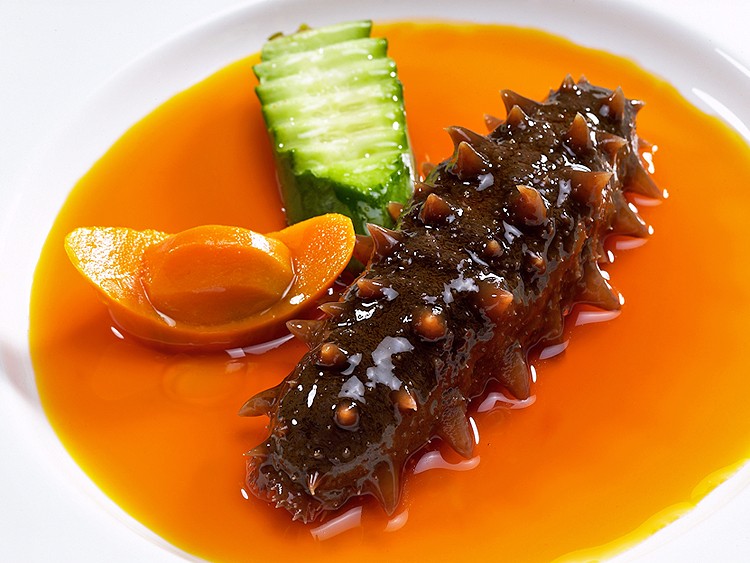
The sea cucumber is a gelatinous creature that is distantly related to star fish and sea urchins. Like these creatures, sea cucumbers have small tentacles around their mouth to take in food. It derives its name from the fact that it is shaped like a cucumber.

Sea cucumbers have been part of Chinese cuisine for centuries. They are not part of the everyday menu, as they are regarded an expensive delicacy, with a high nutritional value.

In traditional Chinese medicine, sea cucumber is ascribed salty and warm properties, and is associated with the Heart and Kidney meridians. It is believed to help nourish the Yin and blood, and is a tonic herb for treating the kidneys. It is used to treat a variety of conditions, including impotence and frequent urination.

Western visitors usually do not appreciate the rubbery mouth feel of the creatures. This aversion is reflected on the alternative name for sea cucumbers: sea slug.

Image

The Chinese name for sea cucumber – haisen – literally means “sea ginseng.” This partly reflects the shape of sea cucumber, but also refers to the high nutritional value Chinese attach to this food.

Sea cucumbers really do not have a taste of their own. The taste has to come from the condiments with which it is prepared. They are usually served in a thick broth.

Image

With the increase of the spending power of Chinese consumers, the production of sea cucumbers has increased considerable, as shown in the following table.

Year Output (MT)
2003 39,000
2008 90,000
2012 171,000
2021 222,700
2022 292,000

The largest production regions in 2021 were Shandong, Liaoning and Fujian provinces.

Region Ratio (%)
Shandong 45.8
Liaoning 33
Fujian 14.9
Hebei 6.1
Others 0.2

Types

Chinese experts distinguish a number of types of sea cucumber products.

  • Brine soaked sea cucumbers: soaked in strong solutions of salt; can be kept 3 – 6 months;
  • Salted dried sea cucumbers: the most traditional type of treatment;
  • Low salt dried sea cucumbers: basically the same as the traditional treatment, but with less salt;
  • Freeze dried sea cucumbers: have to be stored under freezing conditions.

Top companies

The top companies in 2022 were

Company Zoneco Oriental Ocean Haodangjia
Region Liaoning Shandong Shandong
Founded 1992 2001 1992
Reg.cap. (RMB) 711.11 mln 756.35 mln 1.46 bln

Instant sea cucumbers

Preparing sea cucumbers is laborious and several research institutes are developing instant sea cucumbers ready for consumption. A number of these have already been patented. However, it seems that none of these patents have so far resulted in actual products. A company in Qingdao (Shandong) has patented a process that includes steeping sea cucumbers in an infusion of several TCM herbs. A company in Qinzhou (Guangxi) has filed a patent for processed sea cucumber packed in a so called ‘soft can (ruan guantou)’, that can be heated in the pack before consumption.

Eurasia Consult can help you find Chinese patents for all types of foods.

Added value

The industry has been studying ways to convert sea cucumbers in higher valued products.

A company in Shandong has developed a process to extract peptides from sea cucumber. The product has obtained official registration as a health ingredient. It is said to help lower blood cholesterol, ease hypertension and relieve fatigue.

Another company in Shandong has developed a process to produce sea cucumber powder using enzymatic hydrolysis. It is promoted as a health food for people with a high risk to develop cancer.

To satisfy the growing demand for sea cucumbers, some companies have started to breed them in coastal water. A company in Liaoning has developed a ‘three-stage breeding method’, starting in shallow water and gradually transferring the animals to deeper water. The photo shows a sea cucumber breeding zone near Qingdao.

Another Shandong-based company, Haina Baichuan, has launched a breakfast replacement made from sea cucumber. It is marketed as ‘168 Selenium Pack’, referring to its high selenium content.

Dedicated trade fair

A dedicated trade fair for sea cucumbers will be launched on August 25-27, 2021 in Shanghai.

First DOC for sea cucumbers

Changhai county in Liaoning province was the first region that received DOC status for its sea cucumbers

Sea cucumbers from Canada

Wild Canadian sea cucumbers, captured in the North Atlantic Ocean off the coast of Nova Scotia province, are now also finding their way onto Chinese food tables, as most Canadian people don’t consider the creature edible.

Canadian seafood processing company United Trans has signed a deal with Beijing Pharma in June 2015. Under the agreement, Canadian sea cucumbers will be allowed entry into China as a health product. At least 30% of 2014’s catch was imported into China.

The wild variety of sea cucumber is usually larger and rounder than a Chinese farmed creature. They also have little thorns on the cylindrical body’s skin and have a ring of tentacles around the mouth. Canadian sea cucumbers are claimed have greater nutritional and therapeutic value as compared to the ones farmed in China, because they are richer in nutrients, including holothurin compounds, minerals and protein, and are free of contaminants because they grow slowly in deep, cold waters. Holothurin is also known as sea cucumber saponin. North Atlantic sea cucumber contains four types of holothurin. Research indicates that holothurin may help fight obesity. The chilly waters also force Canadian sea cucumbers to swim a lot, resulting in more muscle texture in the body.

Now it is time to relax and watch this video that offers a look at the various aspects of growing, processing and eating sea cucumbers.

The Iceland connection

Wild sea cucumber from Iceland joined a coding system launched by AliHealth, a health arm controlled by Alibaba Group Holding Ltd, to help ensure food safety. The tracing system demonstrates product information such as its origin, production date, customer transportation, and safety/quality information. The Iceland sea cucumber is sold in Hema Xiansheng, an emerging online-to-offline supermarket operated by Alibaba. AliHealth first launched such a system in mid-2016 for medicines and the latest move represents a further expansion of the system’s use in the food industry.

Global heating poses big threat

High temperatures have caused deaths of sea cucumbers in a large area in Northeast China’s Liaoning province in the summer of 2018. The water temperature reached 35 C to 36 C around 2 pm at some days, which is about 10 degrees higher that sea cucumbers can sustain. According to local fisheries departments, sea cucumbers began to die across the province from July 28, and the animals first to go were in pools with a depth less than 7 meters. This is yet another unpleasant effect of global heating on the food industry.

Peter Peverelli is active in and with China since 1975 and regularly travels to the remotest corners of that vast nation. He is a co-author of a major book introducing the cultural drivers behind China’s economic success.

Wheat Flour Production Trends in China: Insights and Forecasts

China has produced 32,504,405.3 mt of wheat flower in the first 5 months of 2020; Henan was the largest region good for 27.36%.

Flour is an important food ingredient in China, both for the industry and the consumers. The nation currently consumes 70 mln mt of wheat flour per year. However, with the increasing spending power, the per capita consumption of flour has started to decrease recently. According to the State Statistical Bureau, the per capita consumption of flour in 2018 was 109.7 kgs, down from 121.3 kgs in 2012.

When I first came to China to study in 1975, flour and flour based products were still distributed using a system of coupons. When you bought biscuits in a shop, or ordered a bowl of dumplings in a restaurant, you were not only required to pay with cash, but also with grain coupons denominated in the weight of what you had purchased.

Those days lie behind us and flour is now available in abundance. However, it is still regarded as a strategic product. This is reflected in the selection of flour as a key carrier of nutrients in the state sponsored public nutrition program.

China has produced 88.917 mln mt of wheat flour in 2021; up 6.57%. Insiders expect that the Chinese demand for premixed flour will increase to 165,000 mt in 2025. In 2020, China’s top three flour producers (Wudeli, Yihai and COFCO) combined are good for 30% of the national daily processing capacity.

The following table shows the regional breakdown of the 2018 production and the ratio of each region in the total national output.

Region Volume (mt) Ratio (%)
Henan 26,925,000 30.34
Shandong 12,051,400 13.58
Anhui 10,528,900 11.86
Hebei 10,185,400 11.48
Jiangsu 7,793,600 8.78
Shaanxi 5,849,200 6.59
Hubei 3,251,100 3.66
Guangdong 2,838,100 3.20
Xinjiang 1,669,300 1.88
Fujian 1,516,600 1.71
Others 6,141,000 6.92

Decrease in demand deemed temporary

The demand for flour has been decreasing steadily during the past few years.

Season demand

(mln mt)

2012-13 97.10
2013-14 96.30
2014-15 92.00
2015-16 90.00

However, insiders name the gradual decrease of the population growth as the major factor behind this trend. They therefore expect that the demand for flour will start increasing again with the population growth that will be caused by the loosening of the family planning policy.

Specialty flours

Formulated flours, i.e. flours specially formulated for a specific end-product like dumplings, fried dough sticks (youtiao), steamed bread (mantou), etc., are gaining popularity in China. This makes the country a market that suppliers of various flour ingredients cannot afford to ignore. Apart from enzymes, emulsifiers and other ingredients commonly used internationally, a number of vitamins and minerals are also allowed to be added to flour.

This chain comprises four main types of companies, which  we will indicate using single letters:

Letter refers to
M Millers
E End-users, the companies that produce bread and other products, and consumers
I Producers of compound flour improvers
A producers of addtives and ingredients

In situation 1, by far the most common chain, the flow ends at the end-users, that receive premixed flours, which contains various ingredients. The end-users only add yeast (when needed), and ingredients as required by their recipes. The end-users in this situation are typically smaller companies, producing more standard products, and consumers.

Image

The larger end-users prefer to assign the millers to produce tailor made premixes based on their own recipes. The top millers can also assist the end-users in optimizing their recipes.

Image

Small and most medium sized bakeries do not buy single ingredients. They buy flour improvers and selected the improver that suits each of their recipes best, usually by a trial-and-error. Small bakers are open to exchange their experience with flour improvers when they meet during conferences, trade fairs, etc., and nowadays also on the Internet in one of the numerous trade related chat rooms.

In both situations, the improver manufacturers are the main target for suppliers of ingredients. Improver companies are usually established by scientist with specialist knowledge needed to select the ingredient for their flour improvers. Using this same knowledge and experience, they can help end-users optimizing their recipes. A very practical side of this is that it makes manufacturers of improvers relatively easy to talk with for suppliers in general and non-Chinese ones in particular.

The second in line as target for suppliers of flour ingredients would be the top millers, with sufficient in-house R&D capabilities.

Peter Peverelli is active in and with China since 1975 and regularly travels to the remotest corners of that vast nation. He is a co-author of a major book introducing the cultural drivers behind China’s economic success.

Discover the Cultural Richness of Pu’er Tea and Coffee

I intend to highlight a number of Chinese regions and cities that stand out in the food and beverage industry. This post introduces Pu’er, Yunnan Province, that has developed from a relatively unknown agricultural town to an international centre where a number of the world’s most popular beverages join to create great synergy. Pu’er, located in the border area of southwestern China, is an oasis on the Tropic of Cancer. Biological and cultural diversity are the most vivid characteristics of the region. An interesting part of the region’s history is that there has been considerable French influence through French Indochina during the late 19th and early 20th centuries, in particular the famous Kunming – Haiphong railroad.

TEA

– background

Pu’er is a special kind of tea grown in southern Yunnan. It is listed as a recognised protected brand name in the agreement on cooperation on, and protection of, geographical indications signed by China and the EU late 2020. It is widely believed in China that after a heavy meal, a cup of Pu’er tea will help to dissolve the grease and remove excessive fat from the body. In the Chinese imaginary, Pu’er tea often seems to be symbolic for the entire Chinese tea culture. Read more about this in my essay in Weber.

This knowledge has seeped to the West as well. The Dutch drug store chain Kruidvat (owned by Hong Kong based A.S. Watson) sells Pu’er tea in convenient tea bags as a slimming agent.

Image

Pu’er tea is traditionally pressed into bricks. These are easy to transport and store for longer periods. In the old days, traders would sell the tea bricks in Tibet and Southeast Asia. There even was a special Tea-Horse Road, a kind of Silk Road for tea. Nowadays, Pu’er tea is exported to all continents, generating more that USD 2 million in hard currency p.a.

Image

Map of the tea-horse road

Pu’er tea is the typical tea used in producing chayedan, salty eggs cured in tea, one way in which eggs can be presereved in Chinese cuisine.

With an output of 114,000 mt in 2014, Pu’er tea has become such an important product for its home region in southern Yunnan province, that the local government changed its original name Simao to Pu’er a few years ago.

Over the last few decades, pu’er has gained a cult-like following, with some of the costliest tea leaves exceeding their weight in gold. At the Guangzhou International Trade Fair in 2002, a 100-gram portion of pu’er was auctioned for RMB 168,000, dethroning tieguanyin green tea as the most expensive tea in the world. In Beijing, a three-gram portion reached 32 times the price of gold in a 2004 auction. During the market’s hottest years leading up to the “Pu’er Tea Bubble” of 2007, wholesale tea markets kept desktop monitors listing the fluctuating cost-per-kilogram of pu’er, as if trading stocks or futures. Prices could rise or fall by RMB 500 in a day. Even today, Qu divulges that one kilogram of his leaves, once dried and packaged, retails for over RMB 1000.

– modern presentation

While the bricks look mysterious and attractive to certain tourists and tea lovers, they are not convenient for world wide marketing. This is why Pu’er tea has also been made available in tea bags.

Now traditional Chinese medicine company Tasly has taken the ambitious step of trying to make it “the third coffee” for people in the West.

Tasly uses modern extraction processes to make highly purified Pu’er tea extract and completely remove any possible heavy metals, pesticide residues and foreign substances.

Tasly intends to market its instant Pu’er tea as a functional supplement lowering lipid levels, helping weight loss and reducing blood pressure.

According to the general manager of Tasly Deepure Tea Technologies Co. “It has a good taste, is good for one’s health and it does not affect sleep. Some of our distributors in the United States said it would be a perfect substitute for ‘the third coffee’ in the afternoon,”

Tasly

See my essay in Weber – The Contemporary West for more about Pu’er tea as a cultural symbol.

COFFEE

background

The local government has taken an even bolder step: not only marketing Pu’er tea as a substitute for coffee, but developing the real product.

Yunnan is one of China’s earliest coffee producing regions. A French priest brought a coffee sprout into what is now Zhu Ku La village, Binchuan District, Dali City, Yunnan. This small sprout rooted itself deep into the local soil, and this century old coffee tree is said to still stand tall today.

Yunnan grows a variety of coffees, including Arabica Catimor, Typica, and Bourbon. The unique combination of high elevation and differences between the temperature during the night and day creates the original character of Yunnan coffee – “Fruity fragrance, rich but not bitter, and aromatic but not overwhelming”, reflecting the beauty of the Yunnan.

The statistics from the provincial Department of Agriculture in 2012 state that the total coffee growing area is 89,333 hectares, with a total production of 82,000 mt. Yunnan is good for 98% of China’s coffee production.

The government of Pu’er has had the foresight to recognize the potential synergy that can be generated by growing both in their home region. In 2019, Pu’er had a total of 120,000 hectares planted with coffee, producing more than 150,000 mt of coffee beans. The export value of Pu’er coffee beans reached RMB 462 mln in 2022; up 296.4%. There are 70 registered businesses, and around 1 million people in Pu’er’s coffee industry. The objective is to reach 1 mln mt by 2016. Here is an interesting video providing more background information on coffee production in Yunnan.

Hogood Coffee Co., for example, has become the largest instant coffee producer in China with a capacity of 33,000 mt/p.a.. The Bureau of Reclamation of Yunnan invited Zhang Baocun in 1983 to serve as a technical consultant for the development of the local coffee industry. Zhang, then 69 years old, spent three years in Yunnan establishing the Yunling Coffee Company, which later was renamed Hogood Coffee. It became a supplier to Nestlé and Starbucks in the 1990s, the company decided to promote its own brand at the turn of the century by collaborating with hundreds of thousands of farmers in the province. Hogood does not stop with coffee alone. The company’s R&D department announced that it has developed an alternative, healthier, vegetable fat: freeze dried walnut protein, branded Walnut 007. This could become a functional ingredient for the next generation of coffee creamers. Hogood posted a turnover of RMB 3.2 billion in 2018.HogoodCoffeeSachets

Mellower Coffee is a company established in 2011 in Yunnan’s capital Kunming, operating a chain of coffee shops headquartered in Shanghai. It has about 50 outlets is major Chinese cities, as well is in Singapore, South Korea and Vietnam.

Yunnan Coffee Traders is a wholly foreign-owned enterprise operating in China’s Yunnan province.

Recently, another 611 coffee famers and coffee growing companies in Yunnan have passed international third-party verification, allowing them to sell 4C (Common Code for the Coffee Community) Compliant Coffee. This is the third batch of coffee suppliers that have passed the verification process since July 2013.

Netherlands-based UTZ is also working with tea and coffee organizations in the region. Li Gongqin, secretary general of the Coffee Association of Yunnan, says farmers are receiving more training and that working with UTZ will help them with profits and standards.

Nestlé started advertising with coffee from Yunnan in 2022:

The State Quality Inspection Bureau officially opened a Coffee Inspection Lab in Pu’er in December 2014. The main task of this organisation is to ensure that coffee exported from the region is in accordance with international quality specifications.

In the course of 2015, the price of coffee has been decreasing to a level that is felt threatening my most players in Yunnan. Insiders ascribe the problem to the fact that anyone can buy coffee strait from the farmers in Yunnan, while other coffee regions in the world use a system of central purchasing and sell the coffee though the commodity exchange. The CEO of Hogood Coffee has proposed a similar system for Yunnan.

An interesting development is that a local coffee shop in Pu’er has started serving Pu’er tea flavoured coffee.

Exports of green coffee beans from state-owned Yunnan Nongken Coffee Co Ltd. surged 622.81%, in the first half of 2022.

Tourism

Another recent development is that the coffee industry in the Pu’er region is becoming a more and more popular holiday destination for domestic tourists; yet another way to cash in on coffee. The local coffee people have arranged for the tourists to experience ‘traditional’ ways of brewing coffee like using filters or even percolators.

YnCoffeeTour

Festivals and exhibitions

The 4th Coffee Culture Festival was held in Dehong, Yunnan, January 23 – 25, 2015. The culture week series activities included the China final of the third Syphon Competition, the Pu’er Green Coffee Competition, the Pu’er Coffee Summit Forum and the third Pue’r Coffee Exhibition. The government of Pu’er further organised a National Coffee Making Contest in January 2015, with regional contests in several cities and the Grand Final in Pu’er. Eurasia Consult visited the 2023 China (Pu’er) International Coffee Expo.

CoffeeMaking

Foreign aid

Coffee in Yunnan has even become an occasion to help fight drug trafficking through China, and create new business opportunities. Changshengda Investment Co. based in the Kunming Hi-Tech Zone supports its neighbour Laos to cultivate coffee instead of opium poppies, lifting more than 6000 peasant households out of poverty and contributing to the stability in borderland.

Foreign investors

This development has caught the attention of a number of international players in the coffee business.

Starbucks

Starbucks that has been using Yunnan coffee in its Asian outlets for a few years. The company established a Farmer Support Centre in Pu’er in 2012. It cooperates with the Yunnan Academy of Agricultural Science.

Earlier that year, Starbucks had set up a joint venture with Yunnan based Yunnan Aini Agriculture Livestock Group (the producer of the Sunlight brand coffee) for processing up to 20,000 mt of green coffee beans p.a.

Have a look at this Aini commercial.

Since Starbucks entered Yunnan, it has been encouraging its local suppliers to follow CAFE practices. The company publicly stated in 2008 that it hoped to source 100% of its coffee through CAFE, Fairtrade or another externally audited system by 2015. In 2014, 96% of its coffee met this standard, with 95.5% through CAFE and 8.6% through Fairtrade.

Nestlé

Nestlé, which has been active in the region since the 1980s, has also announced it is expanding its operations in the province. The company has signed a memorandum of understanding with the prefectural government pledging to invest RMB 100 million to build a coffee farming institute in Pu’er.

The planned Nescafé Coffee Centre will have warehouses, laboratories and education facilities. According to a press release announcing the memorandum, Nestlé plans to train 5000 coffee farmers, agronomists and business professionals at the center each year.

Over the past several years the Nestlé has steadily increased its purchase of Yunnan coffee and last year bought more than 10 000 mt of beans. This accounted for 20% of the province’s total coffee production. The company has said it has plans to double coffee procurement in Yunnan over the next two years. Nestlé has made a new coffee capsule from Yunnan Arabica beans for its Dolce Gusto coffee machine. It hasn’t been on the market for long, but so far 70 countries where they sell the capsules seem to be happy with it.

Nestlé has signed an agreement with fertiliser producer China Green Agriculture to supply fertiliser to local coffee bean farmers. The company has also introduced 4C in the region.

Nestlé has set up a scholarship program in Yunnan since 2013, which is open to outstanding students from families of coffee farmers who are registered under Nestlé Agricultural Services Department. The program encourages the students to pursue a high-level professional education and also rewards farmers for their contribution in the development of the local coffee industry. All scholarships are fully funded by Nestlé, and are selected based on an open, transparent and merit-based process, under the supervision and guidance of the Puer City’s Committee for the Wellbeing of the Youth and jointly implemented by China Women’s Development Foundation, Puer City’s Women’s Development Foundation and Nestlé China.

ManLao River

ManLao River Agricultural Co. Ltd. Is a Sino-American venture in Pu’er. The partners are:

  • KunMing Jiesi Trade Co., Ltd., in Kunming (the capital of Yunnan) – exclusive distributor and exporter of ManLao River coffee.
  • JS Catalyst, Inc. , DBA ManLao River Coffee Company USA – exclusive US distributor.
  • Yunnan Pu’er ManLao River Agricultural Development Co., Ltd – the original ManLao River plantation continuing the initiatives of poverty alleviation and organic/sustainable farming.

The company provides educational, sales and facilities support to its 3,000 employed farmers. ManLao River produces roughly 500 mt of coffee annually, a number that is not intended to grow significantly over the next five years as it looks to increase quality over quantity.

Image

Volcafe

At a signing ceremony in Pu’er on 22 October 2014, Volcafe and Simao Arabicasm Coffee Company (SACCO) signed an agreement to establish a joint venture to be called Yunnan Volcafe Ltd. The new company will be majority owned by Volcafe. It will procure and process green beans from the expanding Chinese coffee-producing region of Yunnan, for export to Volcafe’s worldwide client base. “Chinese mild Arabica is still relatively new to the world coffee scene, but its improving consistency means it is rapidly growing in acceptance with global roasters,” said Jan Kees van der Wild, Global Head of Commodities at Volcafe’s parent company ED&F Man. “The new company will harness Volcafe’s expertise in managing sustainable supply chains and improving quality control and post-harvest practices. Simao Arabicasm Coffee Company has been active in coffee export from the region for over a decade, and its operating activities include coffee cultivation, processing, procurement, sales and export. Currently, the company has established a production line with annual processing capacity of 10,000 mt of green coffee in Pu’er Industrial Zone. Presently, SACCO has been consistently ranked as the top 5 exporters in Pu’er, and has been recognized as one of the leading enterprises in Yunnan coffee industry.

Train to Europe

Pu’er has recently started to export coffee to Europe by train via the Chongqing Commodity Exchange. A major problem for Yunnan’s foreign trade is that it is a land-locked region. By first transporting the coffee to Chongqing, it can use the so called New Eurasia Land Bridge, a rail link between the Chinese east coast and major industrial centres in Europe. This also fits in with the recent ‘One Belt and One Road’ initiative of the Chinese government for international economic development. Pu’er expects to dispatch 30,000 – 50,000 mt of coffee this way within 2015. This volume may grow to 100,00 – 150,000 mt in 2016, and 230,000 – 250,000 mt in 2017.

Environmental concerns

Yunnan has realised that to establish a coffee reputation, it must improve the quality of its beans and plant in an environmentally sustainable way, rather than follow the mass market’s demand for quantity over quality. The local authorities want to develop speciality coffee which gives the farmers the power to set the price themselves. By 2020, Yunnan plans to have more than 4,600 hectares of organic coffee farms using only organic fertiliser and bio-pesticide, and with more shade trees to improve soil quality and water retention. It also aims to have more than 3,000 hectares of coffee certified by the Rainforest Alliance (RA), a non-profit organisation that promotes sustainability in agriculture and forestry. Yunnan plans to achieve these goals through efforts including government investment in training farmers and building dozens of “demonstration farms”.

WINE

Yet another way in which the city government is trying to diversify the local economy based on the traditional Pu’er tea is linking it with Bordeaux wine.

The City of Pu’er has signed a trade agreement with the city of Libourne in Bordeaux to promote each other’s products in 2012. Libourne is the closest city to the Pomerol and Saint Emilion vineyards. Two Chinese delegations have visited Libourne since the accord was signed, while the mayor of Libourne and the presidents of the local wine syndicates have been to Yunnan to learn about tea culture. The related Press Release confirms that this marriage between tea and wine is taken seriously.

There are many similarities between the two products. Pu’er tea is harvested by hand each year, is labelled with a vintage, and can be aged for up to 50 years. The finest teas can reach prices as high as the best wines of Pomerol and Saint Emilion.

Its taste is affected by the soil it is grown in, and the weather conditions during the year of harvest. Tea can also be fermented, with bacteria converting bitter tastes to softer, rounder flavours, a process similar to malolactic fermentation in wine.

Pu’er tea is rich in polyphenols, and is said to have health benefits in much the same way as the French Paradox is linked to polyphenols in wine.

Foie gras, not Pu’er but close enough

This post started as one specifically about Pu’er, but it is gradually expanding to Yunnan province and the revival of its old French connection. The company Mountain Valley Technology in Kunming has imported lande geese from French to set up production of foie gras and goose fat. The company reported a capacity of 400 mt of foie gras and 700 mt of goose fat p.a. late 2020.

Avocado

The investment in new foods in the Pu’er region never seems to stop. In the 2020s, Menglian County started growing avocados, stimulated by the rapidly increasing popularity of the food among Chinese urban consumers. The output in 2024 was 19,500 mt; good for 15% of the national avocado imports of that year.

Peter Peverelli is active in and with China since 1975 and regularly travels to the remotest corners of that vast nation. He is a co-author of a major book introducing the cultural drivers behind China’s economic success.
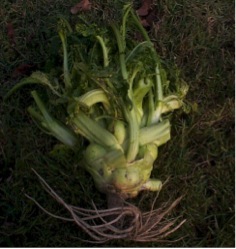
Modern Innovations in Chinese Rice Wine Production

Rice wine is the oldest alcoholic beverage in China and therefore probably one of the oldest in history. Chinese records mention a gift of rice wine to an emperor as early as 4000 years ago, and up to the 15th Century, rice wine was still the main alcoholic drink in China.

Rice wine is also using in cooking. Using wine for the blending of flavour is also a great invention of Chinese cuisine. Wine not only kills the rank stench of fish and meats, it can also produce a real appetizing aroma. When making stir-fries, adding a little cooking wine can bring out the delicious aroma of the food within the evaporating wine; the texture of the meat is melt-in-your-mouth tenderness.

The traditional production process was cumbersome. The yield of wine from raw materials was relatively low and it was difficult to obtain a clear liquid. Until far in the 20th Century, rice wine was known as a sweet brownish red turbid liquid, hence the Chinese name huangjiu, ‘brown wine’. It was consumed like the Japanese sake: heated au bain marie. There also is a transparent white rice wine produced from glutinous rice called mijiu (literall: ‘rice wine’).

Image

It was brewed and sold in ceramic pots, even long after glass bottles had been introduced in China. Such packaging hides the turbidity. A glass bottle with a turbid liquid, or with a layer of sediment at the bottom, is does not look good on the shelves of a wine shop.

Here is a video introducing the production process. It is part of a course in Chinese, so it teaches you a number of relevant expressions while enjoying the brewing process.

Rice wine is used as an ingredient in various traditional foods, like fermented beancurd or furu.

In the course of the past century, traditional Chinese distilled liquor, baijiu, started to lure away a considerable part of the traditional consumers of rice wine. On the other hand, foreign beverages like beer and wine started to be produced in China as well. These initiatives were first made by foreign investors for the expatriate community, but the more affluent Chinese consumers started drinking them too, to show that they were adopting a Western life style.

Rice wine remained an important drink only in the Yangtze River Delta, roughly the triangle formed by the three major cities in that region: Shanghai, Nanjing and Hangzhou. It has been made famous by the writer Lu Xun (1881 – 1936) in his short story Kong Yiji. That story positions rice wine as the drink for workers and elderly men.

Our blog on China’s top food brands of 2014 shows that those brands include a number of distillers brewers and wineries, but no rice wine brands.

Revival

While rice wine had been almost completely written off by the Chinese alcoholic beverage industry, the product suddenly started a revival in the late 1990s. A number of the traditional brands began modernising the production process to make rice wine that appealed more to the modern consumers: a clear wine that was more thoroughly fermented and therefore had a fresher taste. This fresher product could also be drunk at room temperature. The China Institute of Food Science & Technology has established a special branch for rice wine on March 18, 2014. This should be seen as an important step further in the modernisation of this traditional beverage. The following table shows the production figures from 2015 to 2018.

Year volume (hls)
2015 30,180,000
2016 32,250,000
2017 43,010,000
2018 33,480,000

Here is a table showing the Chinese alcoholic beverage production up to the projection for 2029. Rice wine shows a small but steady growth.

Dry rice wine

New producers sprung up in various parts of China. One even launched a ‘dry rice wine’.

Image

Ethnic rice wine

Sanyou Group (Heyuan, Guangdong) has started the construction of a new rice wine plant with an official ceremony early December 2014. Heyuan is located in the heartland of the Hakka people and Sanyou intends to embed this new plant in the traditional Hakka culture to create a unique image for its rice wine.

Eco rice wine

Jiuzhiling Distillery (Nanchang, Jiangxi) has developed an ‘ecological’ rice wine. It is made from unpolluted rice and brewed with such precision, that it is a clear white liquid without leaving sediments on the bottom of the bottle like the traditional rice wines do.

The young rediscover rice wine

Young Chinese consumers have been rediscovering rice wine during recent years, though they seem to prefer the transparent mijiu. The best-selling brand in this segment is Huatian Xiangzi. Huatian Xiangzi was founded in 2013 by Fan Yu of Xi’an, after spending several years trying to come up with an ideally flavoured rice wine. It sells well on Taobao; the value of those sales on the platform was RMB 5 mln last year  Apart from selling Huatian Xiangzi online, Fan says, he is selling it to outlets of the Metro chain all over China.

Another favourite rice wine brand is Nuoyan, founded in 2014 by Huang Yu, a winemaker and designer. It comes in original and sparkling versions. After 3 years’ development, Huang has created 13 rice wines and a boutique winery in Fujian province, together with two wine shops in Beijing. His aim is to redefine Chinese rice wine and he has poured more than RMB 10 mln into developing rice wine products, each taking him an average of three years. He believes that Chinese wine should have a new representative, and rice wine should be it.

Sparkling rice wine

Mikwine has launched a range of fruit-flavoured sparkling rice wines under the Mike brand in 2020. Flavours include organge white tea and lychee black tea.

Peter Peverelli is active in and with China since 1975 and regularly travels to the remotest corners of that vast nation. He is a co-author of a major book introducing the cultural drivers behind China’s economic success.