In Shanghai, bread has become an indispensable part of young people’s lives, whether it’s gathering with friends, exploring every corner of the city on a City Walk, or at various social events, bread has become a must-have food companion.
With the popularity of the Internet and changes in lifestyle, young people in Shanghai are revolutionizing the way they buy bread. From queuing up in physical stores to buying bread online, this shift not only reflects the change in consumption patterns, but also drives the innovation and development of the entire baking industry. Bread has always been loved by the public as a quick and delicious breakfast and snack, and more and more young people are no longer satisfied with buying bread in traditional offline bakeries, but choose to buy bread online.
Metropolis
In the fast-paced metropolis of Shanghai, traditional bakeries seem to be losing favour with younger consumers. According to Winshang Big Data, although Shanghai has more than 1,300 bakery shops, ranking first in the country, young people are more inclined to buy bread online.
Left-overs
Driven by the wave of digitalization, online shopping has become an important part of modern life. For busy young people in Shanghai, buying bread online is not only convenient and fast, but also enjoys more discounts and choices. Recently, a method of food sales called ‘leftover blind boxes’ has quietly emerged, which is highly sought after by young people because it is labelled as money-saving, fun, and environmentally friendly. In addition, bakery accounts on social media platforms have become a new front to attract customers. Through the release of activities such as ‘Discount Blind Box’ and ‘Free Tasting’, it has successfully attracted the attention and participation of a large number of young users. This seems to be the next step after the appearance of good boxes in previous years.
Buying bread is crazier than buying clothes
In Shanghai, the fashion capital, young people are just as crazy about food. Compared to traditional bakeries, online bakeries are more diverse in styles and flavours. Shanghai’s bakeries have a variety of cake styles, so many that they may be more than you can imagine: from classic baguettes to creative matcha breads, from healthy breads with low sugar and fat to rich sandwiches. From classic French desserts to innovative varieties infused with Chinese flavours, Shanghai’s bakeries cater to every taste. There is a wide range of styles to make people dazzled.
Blind boxes
In recent years, the blind box economy has risen rapidly in China, and major businesses have launched blind box products to attract consumers. Blind boxes, as an emerging marketing method, have found its place in the food industry. The bread blind box packages launched by major merchants not only increase the fun of shopping, but also provide consumers with more opportunities to try unknown flavours. And under this trend, the bread industry is not to be outdone by launching the bread blind box. These mystery boxes often contain a variety of random styles of bread, making every opening full of surprises. Consumers don’t know exactly what styles and flavours of bread they will get when they buy it, and this sense of mystery and anticipation makes young people want to stop. For young consumers who are looking for novelty and curiosity, this way of buying has an irresistible appeal.
The industrial chain of tomato paste production mainly includes tomato planting, harvesting, processing, packaging and sales. Its upstream industries include tomato planting, pesticides, fertilizers, agricultural machinery, etc.; The midstream link is the production and processing of tomato paste, including cleaning, crushing, deseeding, concentration, seasoning and other steps, which require advanced processing equipment and technical support; The tomato paste produced by midstream production enterprises is packaged and sold through downstream sales channels, and is widely used in ready-to-eat fast food, pizza, snack food, canned food, beverages/juices, soups and other fields. As a commonly used condiment, tomato paste is widely used in Western cuisine. In Chinese cooking, it is mainly used to prepare sweet and sour flavours, such as squirrel mandarin fish, sweet and sour pork, etc.
Nutrition
Tomato paste contains lycopene, B vitamins, dietary fibre, minerals, protein and natural pectin, etc. Compared with fresh tomatoes, the nutrients in tomato sauce are more easily absorbed by the body.
Industry
In recent years, the scale of China’s tomato paste market has continued to expand, and the market capacity has been growing. However, at present, China’s tomato paste market is mainly occupied by leading enterprises, which have become industry leaders by virtue of their brand advantages, production scale and sales channels. However, some small and medium-sized enterprises compete with large enterprises through cooperation with farmers, production cost advantages, and flexible marketing strategies. In addition, some cross-industry enterprises have also entered the ketchup market, and these enterprises usually have strong financial strength and advanced production technology, which has a certain impact on the market competition pattern.
Ketchup
Ketchup is tomato paste with various added ingredients. In fact, ketchup is derived from the pronunciation of the Chinese term qiezhi (tomato juice) in southern dialects, spoken by Chinese in Southeast Asian countries. Ketchup is mainly divided into basic ketchup, Italian ketchup, jam-based ketchup, chili ketchup, sweet ketchup, sugar-free/low-sugar ketchup, organic or natural ketchup. The most common type of base ketchup is made from fresh or processed tomatoes, onions, garlic, herbs, spices, etc. It is often a versatile sauce that can be used to make a variety of dishes.
Industrial chain
The industrial chain of tomato paste production mainly includes tomato planting, harvesting, processing, packaging, sales and other links, and its upstream industries mainly include tomato planting, pesticides, fertilizers, agricultural machinery, etc., and tomato planting enterprises mainly provide raw materials for the midstream, so its output and quality will directly affect the quality and cost of tomato paste. The midstream link is the production and processing of tomato paste, including cleaning, crushing, deseeding, concentration, seasoning and other steps, which require advanced processing equipment and technical support. Leading enterprises are: COFCO Sugar Holdings Co., Ltd., Xinjiang Guannong Co., Ltd., Zhongji Health Industry Co., Ltd., Xinjiang Tianye Co., Ltd.
Tomato growing
In recent years, China’s tomato planting area has stabilized between 1.2 and 1.3 mln hectares, ranking the fourth largest vegetable variety in the country and has become an important part of the agricultural industry. The planting area is an important factor affecting the yield of tomatoes, so its stability will ensure the yield of tomatoes to a certain extent. The data shows that in China’s tomato production continued to rise during the past few years reaching more than 70 mln mt.
Xinjiang is blessed with unique natural conditions, including long sunlight hours, large temperature difference between day and night, dry climate and little rainfall. Xinjiang tomatoes have a high content of red pigment, high soluble solids, a high yield, as well as less pests and diseases. These characteristics greatly reduce the occurrence of fruit cracking and mouldy rot, and improve the overall quality of tomatoes. Therefore, Xinjiang is the main area of tomato cultivation in China. From the perspective of development history, Xinjiang first began to plant tomatoes on a large scale after the founding of the People’s Republic of China. After the first tomato paste production line was built in Xinjiang in 1984, the tomato industry began to embark on a fast track. From a national perspective, Xinjiang’s tomato production accounts for more than 80% of the country’s total.
Unstable
A good development of tomato production and marketing requires the a stable foundation for different parties in the value chain such as breeders, seedling dealers, growers, vegetable wholesalers, and consumers in the whole industry chain. In tomato production, wholesalers dominate market prices, so producers are at a disadvantage, unable to obtain stable and considerable income The low and unstable income have accelerated the transfer and loss of growers to other industries. The data show that from January 2022 to May 2024, the wholesale price of tomatoes in China has shown a downward trend. However, from the perspective of the production of tomato sauce in the midstream, the decline in the wholesale price of tomatoes will directly reduce the production costs of tomato sauce manufacturers, which is conducive to the rapid development of tomato sauce production enterprises.
Paste production
In recent years, the scale of China’s tomato sauce market has been growing. At present, China’s tomato sauce market is dominated by a few leading enterprises, which have become industry leaders by virtue of their brand advantages, production scale and sales channels. However, some small and medium-sized enterprises compete with large enterprises through cooperation with farmers, production cost advantages, and flexible marketing strategies. In addition, some cross-industry enterprises have also entered the tomato paste market, and these enterprises usually have strong financial strength and advanced production technology, which is beginning to impact the market competition pattern.
A rapidly growing beverage category in China are the milk teas. They are a combination of the bubble teas that originated in Vietnam and based and traditional milk or butter teas drunk by Mongolians and Tibetans.
In the course of 2018, China’s tea aficionados have embraced a new trend, one that is encapsulated in the growing popularity of the milk tea brand, Heytea. Originally sold in a tiny alleyway in Jiangmen, southern China’s Guangdong province, the brand went viral on social media because of its signature “cream cheese” series — a cup of hot sweet tea topped with a spoonful of savoury cream cheese. Since then, Heytea has developed into a franchise with more than 80 outlets in 13 cities across the country. There are also outlets in North America.
Milk tea now has many brands and more are still being added. Some are already established brands: for example, Naixue, Chagee, Mixue Ice Cream & Tea and Chabaidao.
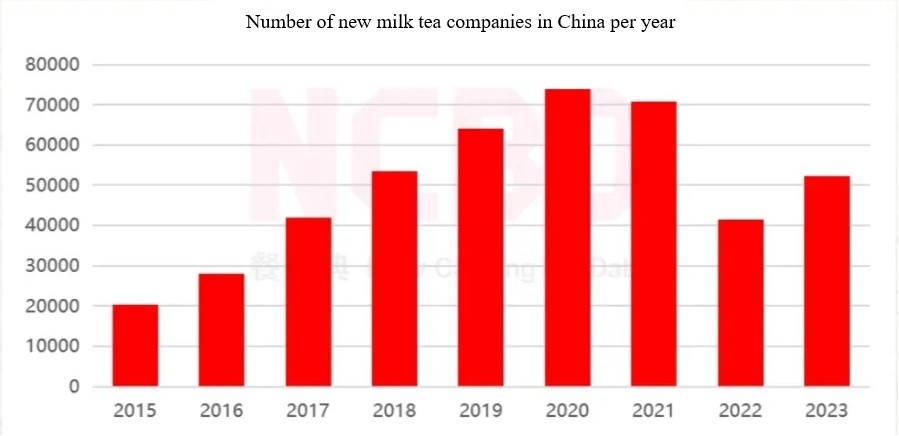
This table shows the number of new outlets opened per year.
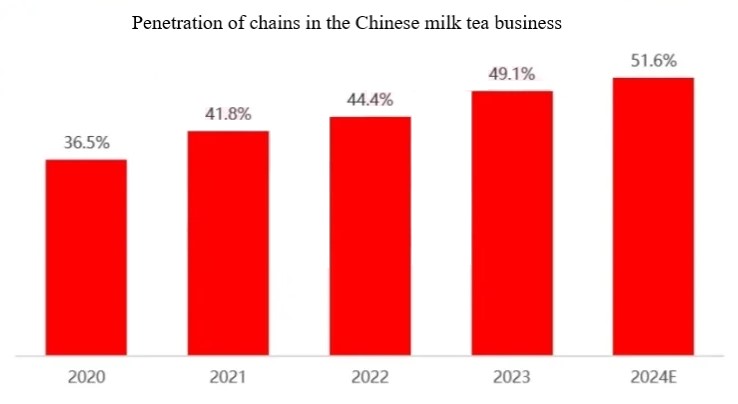
The penetration of chains has been steadily increasing in this business.
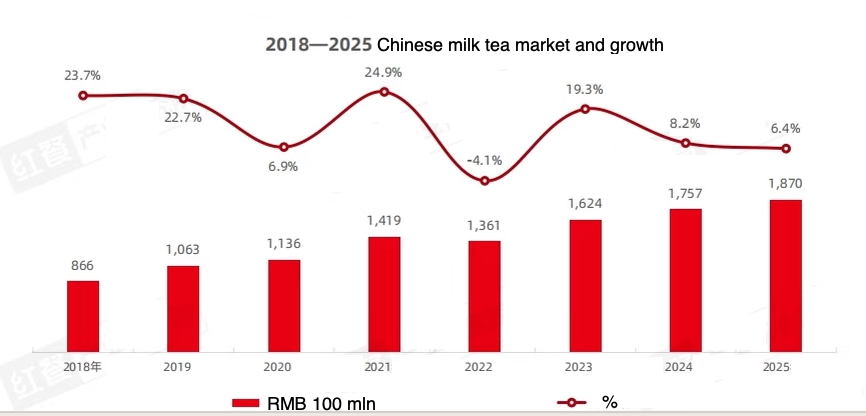
Here is an overview of the market size in RMB 100 mln and annual growth in %.
The following table lists the turnover and profit for a number of major players in this market for 2024.
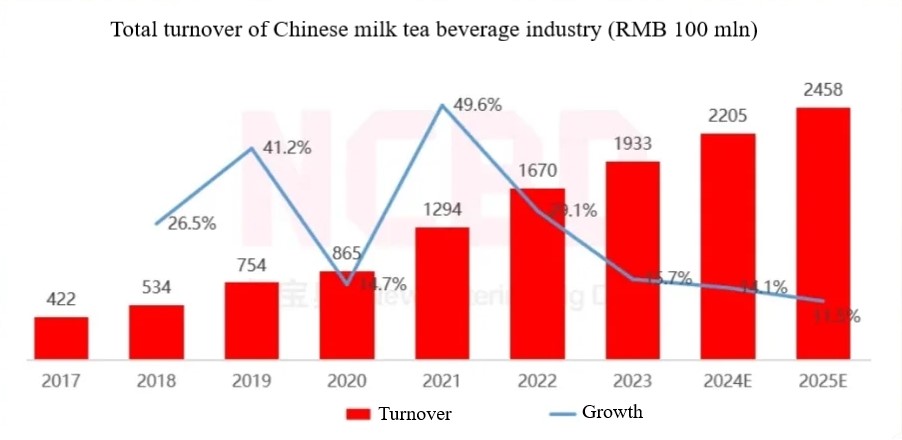
This positive trend can be expected to continue, as the total turnover of this business is expected to grow, at least during the coming few years.
The 2023 New Tea Drink Research Report, released by the China Chain Store and Franchise Association and Meituan New Catering Research Institute, predicts that by the end of 2025, the market size of Chinese-style tea drinks will reach RMB 242.5 billion.
Food is a core aspect of Chinese culture. Although Chinese are spending less and less time in the kitchen, they still have the same high expectations for flavour, texture, nutrition, etc., of their meals. This makes the Chinese market for prepared meals very different from that in most Western nations.
The Chinese market for prepared meals is therefore even more promising in terms of profits. Chinese customers expect the highest quality ingredients and they want them fresh. They also like to be regularly triggered by new flavours.
This mini-blog shows the historic and projected growth of this market (unit RMB 100 mln): double digits for several years to come, with interesting niche segments.
The Chinese bakery business is booming, but the market is also extremely volatile. There is no better moment to enter the Chinese market for suppliers of any bakery ingredient than now.
I have collated a few statistics that are recent enough to give a rough impression of the size of the market.
The first table indicates the development of the value of the market and the projection of the near future.
Some interesting details about consumer behaviour:
Whether online or offline, women are still the main consumers of baked goods in China.
In terms of age, 70% of consumers are between the ages of 21 and 40.
In terms of price, consumers spending RMB 20 – 40 in a single consumption constitute the largest segment (35. 8%).
The next table shows the number of bakery shops in a selected group of major cities. This tells something about the geographic distribution. However, the smaller provincial cities currently show the highest growth.
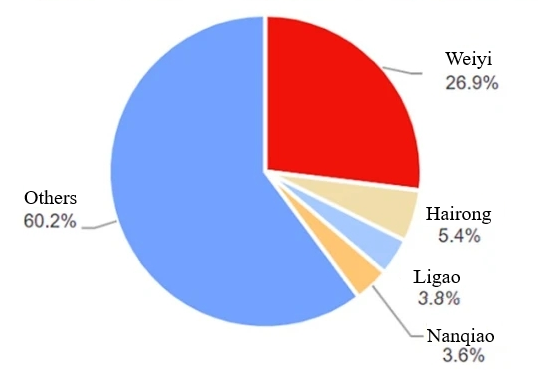
We should not forget the focus issue of this blog: food ingredients. This graph shows the major cream suppliers to the Chinese baking industry. As you can see, the market still consists of a few major brands and a large number of small suppliers.
In the turbulent and increasingly diversified Chinese beverage market, sugar-free and low-fat have become the choices of more and more consumers. The following picture is taken from an influencer promoting ‘clean label’ products. However, official food and beverage labelling has only just started in China. As you can see, this influencer follows international practice.
Nutrition information (100 gr): energy 174 kjoules; protein: 4.4 gr; fat: 1.4 r; carbohydrates: 2.8 gr; sodium: 7 mg.
Ingredients: potable water, black beans, black rice, sesame.
According a recent survey, the market size of China’s sugar-free beverage industry has increased from RMB 2.26 billion in 2015 to 19.96 billion in 2022, and is expected to reach RMB 61.56 billion in 2025. In addition, according another survey, 75% of consumers believe that health is a focus issue in choosing which beverages to buy. In addition to taste, ingredients have become one of the most important beverage purchase considerations for consumers.
To meet the needs of consumers and guide them to make healthier decisions, projects for beverage grading have been proposed. Recently, Shanghai has started the first batch of pilot projects for the grading of ‘nutritional choice’ for beverages, and mainstream brands such as Naixue tea and Bawang Chagee tea have been selected as the first objects for testing, which has caused heated discussions in the industry.
Beverage grading
As the name suggests, beverage grading is the classification and rating of beverages based on certain criteria. These criteria usually include the ingredients, texture, taste, etc., of the beverage. The ‘Nutritional Choice’ grading piloted in Shanghai is based on the content of non-dairy sugar, saturated fat, transfat and non-sugar sweeteners in beverages, and comprehensively classifies beverages through four grades from A to D, in decreasing order. This allows consumers to make more rational consumption choices.
According to Shanghai Centre of Disease Control, the ‘Nutritional Choice’ beverage classification method mainly refers to domestic and foreign standards, and the full indication ‘Nutritional Choice’ can be used in various contexts, such as beverage packaging, ordering procedures, and menus. The classification of a beverage’s grade depends on its ‘shortcomings’. For example, if a beverage has a sugar content of C, saturated fat and transfat of A and no added non-sugar sweeteners, the beverage will be classified as C.
Singapore as example
In December 2022, the Singaporian government began to officially implement a classification policy for prepackaged beverages in the retail market, which also used four grades according to the sugar content and saturated fat content: A, B, C, and D. ‘A class (dark green)’, ‘B class (light green)’, ‘C class (yellow)’, ‘D class (red)’. Grade A means that sugar content and saturated fat are the lowest, and grade D represents the highest content. In addition to packaged beverages, all kinds of handmade beverages such as freshly squeezed juice and milk tea will also be labeled in this way soon. The labeling is the responsibility of the manufacturer, importer or distributor.
It is understood that milk tea brands like Nai Xue, Bawang Chagee, Happy Lemon, and Hangzhou Leyuan are the first batch of brands to try out the ‘nutritional choice’ classification. On March 27, Naixue’s Shanghai stores and ordering outlets fully implemented the ‘Nutritional Choice’ logo, and Naixue’s ready-to-drink (RTD) products were also superscripted with the ‘Nutritional Choice’ logo. The data show that Naixue’s tea freshly made drinks and RTD bottled beverage products are mostly concentrated in the A and B grade ranges, with obvious health attributes and high recommended values. It is worth mentioning that after the introduction of the ‘Nutritional Choice’ label, the number of consumers choosing grades A and B has increased significantly.
As for Bawang Chagee, the medium-sized cup with less sugar is classified as B-grade, and the Oriental Iced Tea as A-grade. Bawang Chagee also emphasizes healthy sugar, promoting the choice of low GI foods (glycemic index less than 55), food GI value less than or equal to 55, are good choices, but this does not mean that the lower the GI value, the better. Tea lovers also need to choose according to their own situation to avoid falling into knowledge misunderstandings.
In addition, Zerup Zero Sugar Drink, Watsons Soda, Suntory Sugar-Free Oolong Tea, etc., are classified as Grade A, F&N Ice Cream Soda, Wahaha AD Calcium Milk are classified as Grade B, FairPrice Whole Milk, Nongfu Spring Brand Tea, Green Oolong Tea, Yuzu Green Tea, Coconut Palm Coconut Water, Benasong Coffee and other products are all classified as Grade C.
Future
The ‘Nutritional Choice’ classification has enabled the beverage industry to move towards a more professional and refined business. With the continuous promotion of the ‘grading system’, more brands may join the ranks in the future. This will also be extended to food. Compared to beverages, there are more types of foods, and the content and proportion of nutrients are more complex. For example, a food can be evaluated based on the content of key nutrients such as protein, fat, carbohydrates, dietary fibre, vitamins and minerals in the food. At the same time, the content of nutrients such as sodium and sugar that are not conducive to health in food can also be considered, so as to evaluate the nutritional value of food more comprehensively.
With this post, I am adding a new feature to this blog: posts adapted from Chinese media that I believe have long-term value. This is taken from China Food News of 10-4-2024.
A supplement marketed for people who keep working late at night; combing iron and b-vitamins
Good food makes you feel good and should therefore always alleviate fatigue to a certain extent. However, in the world of functional foods, anti-fatigue food is one of major categories in China. This article summarises current thinking about fighting fatigue through nutrition in China. It offers insight in what aspects are regarded important in China and in what ways Chinese food scientists are formulating these foods and drinks.
The following table shows the development of the Chinese health supplement market and the estimates for the next few years.
Types of fatigue
Fatigue is mainly divided into motoric fatigue and chronic fatigue. Motoric fatigue is a phenomenon caused by the temporary decline of the body’s function caused by exercise or hard work, which can be alleviated by supplementing amino acids, traditional Chinese medicine or vitamin-like functional foods. Chronic fatigue will not be alleviated by supplementing the body’s function and rest, but is accompanied by sore throat, headache, muscle and joint pain, lack of concentration and failing memory. Symptoms such as decreased strength, repeated attacks, long duration, high incidence. The cause of the ailment is not clear, but it can be related to exercise fatigue.
According to the definition proposed by sports biochemists at the 1982 International Sports Biochemistry Academic Conference (5th), fatigue is the decrease or interruption of the physiological supply of the body and the inability to maintain or reach the expected intensity of action. So far, there are different opinions on the mechanism of motoric fatigue, and there is no very specific and accurate theory to confirm its cause. At present, there are mainly nine explanation, namely: free radical theory, mutation theory, protective inhibition theory, ion metabolism disorder theory, immune disfunction theory, endocrine mediation disorder theory, metabolite accumulation theory and energy exhaustion theory. Fatigue is actually a protective reaction of the body, to avoid life-threatening failure of the body’s functions, thus reminding athletes or workers to reduce the intensity of exercise and work to prevent damage to the body.
Pace of life
The pace of modern life is getting faster and faster. In recent years, people’s fatigue has continued to increase. The number of people with exercise fatigue is large, and the incidence of chronic fatigue is gradually increasing. Therefore, timely alleviation of exercise fatigue and attention to food therapy and health care are of great significance for the prevention of chronic fatigue. This article reports on the analysis of functional foods and ingredients that relieve exercise fatigue, hoping to analyse the characteristics and benefits of functional foods and improve people’s quality of life.
Vitamins
Enzyme systems and non-enzyme systems in the body can remove free radicals. In the enzyme system, GPX (glutathione hydrogenase) can remove lipid peroxides, SOD (superoxide dismutase) can remove peroxides and superoxide free radicals, and CAT (catalase) can remove hydrogen peroxide; non-enzyme systems include coenzyme Q, reduced glutathione, β-carotene, and vitamins C and vitamin E, etc. A variety of antioxidants in the cells of the body maintain a relatively balanced level, reduce the oxidative stress in the body, and remove large molecules such as free radicals, proteins, nuclear fermentation and protective lipids in time to protect the body from the attack by free radicals. Therefore, supplementing the body with vitamins can effectively relieve fatigue.
The more common vitamins with an anti-fatigue function are: vitamin E, vitamin C, vitamin A and vitamin B.
Vitamin E is an antioxidant, which can act on cell membranes and subcellular structural membranes to prevent free radicals from oxidising unsaturated fatty acids in biological membranes;
Vitamin C can not only provide the body with hydrogen atoms, but also help the body remove free radicals and convert oxidised glutathione into a reduced glutathione;
Vitamin A can improve the body’s antioxidant status, inhibit the production of oxygen free radicals during exercise, reduce the body’s oxidative stress damage, delay the body’s fatigue, and thus improve the body’s ability to exercise;
Vitamin B1 and vitamin B2 in the vitamin B group have anti-fatigue effects. Under vitamin B1 deficiency, the body will accumulate a large amount of lactic acid and pyruvate. Vitamin B2 in the body can participate in the oxidation and energy generation as a coenzyme in the trihydroxy acid cycle.
Amino acids
Insufficient amino acids will lead to a shortage of raw materials for the synthesis of antioxidants and antioxidant enzymes, thus increasing free radicals. For example, fat oxidation is mitochondrial oxidation of carnitine with fatty acids as the carrier. Carnitine is mainly produced in the metabolic process of methionine and lysine. It can promote the oxidation of amino acids in the two keto acid branched chain and remove excess fatty acyl CoA. When you are tired, urination will excrete a large amount of botulinum toxin and seriously weaken the body’s ability to oxidise and utilise fatty acids, resulting in fatigue. Therefore, supplementing the human body with amino acids can effectively eliminate fatigue. Also see the post on creatine in this blog.
Trace elements
Magnesium is commonly found in a variety of foods, such as fish, meat, fruits, green vegetables and peas. If people are partial or picky about food, do not like fish or meat, love a certain kind of fruit or meat, or rarely eat fruits and green vegetables, this can lead to magnesium deficiency, which will lead to fatigue. Therefore, the supplementation of magnesium is of great significance to the finicky eater.
Protein
Protein is an indispensable part of functional food and an important source of nutrition for the human body. Protein deficiency will affect the physiological regulation of the body and cause fatigue. There are many foods containing protein, such as animal protein in fish, shrimp, eggs, milk, poultry and animal meat; vegetable protein like beans, dried fruit, nuts and seeds.
There are many anti-fatigue medicinal materials in traditional Chinese medicine, such as barrenwort, pollen, ginkgo, aloe vera, gynostemma and golden root.
Barrenwort contains a large amount of MDA that can increase the SOD activity of red blood cells; pollen contains amino acids, proteins, trace elements and vitamins.
Ginkgo leaves contain diterpenolactone and flavonosides, which can remove free radicals, strengthen hypoxia resistance and improve heart and brain metabolism.
Aloe vera contains flavonoid antioxidants, a variety of amino acids and vitamins, and has a strong antioxidant ability.
Gynostemma has a wide range of pharmacological effects. The saponins it contains can improve free radical metabolism and delay the occurrence of fatigue.
Golden root contains muscle glycogen, which can improve the body’s tolerance to hypoxia.
China has a rich and long history of food therapy and health care culture. The combination of functional food and diet therapy has unique advantages in the development of functional foods. The combination of TCM with western ingredients like vitamins, trace elements, etc, can lead to a wide range of innovative foods.
The other day, we had lunch in a local restaurant in Beijing, when I saw an unknown beer on the menu: Weijixiong Craft Beer. I had to try it, obviously. The name alone is peculiar, because it resembles Beijixiong, polar beer.
It came in a can, indeed with a polar beer on the front, also indicating that is a beer with Russian flavour. Russian foods and drinks are popular in China, so that information sells.
On back you can read the ingredients:
Barley malt, wheat malt, yeast, water
So it used fewer cereals than Xibei’s craft beer that I reported on earlier, but at least it is a whole malt beer, rather than the average Chinese pilsner, that is brewed with a high ratio of unmalted grains.
Weijixiong is produced in Shandong. Another information channel claims that the production is supervised by Paulaner.
I goes well with Chinese food and it offers an attractive alternative that a restaurant can put on the menu next to the ‘safe’ choices like Yanjing or Qingdao.
One aspect of the influence of the nationalist trend (guochao) on the Chinese food and beverage industry is the innovative use of traditional ingredients. I believe this trend will continue to be a major factor for several years to come. I have posted on individual ingredients before. This post bundles the essentials of the earlier ones and adds a few ingredients that I have not yet reported on in an integrating post. You can use this information to help you localise your product.
Ingredients
A number of ingredients can be regarded as representative of Chinese food, giving it a particular flavour, colour or texture. No report could be long enough to discuss all ingredients, but I will introduce what I regard as the most influential, or phrased differently: traditional ingredients that most frequently occur in novel foods.
Products
A nation as huge as China and with a history as long as that of China is bound to have a broad range of traditional manufactured foods. They have been produced as handicraft products for ages. Some people specialized in making clothes, others in pastries. The introduction of industrial production and economies of scale affected the food industry probably even more than other industries. Industrial production lengthened the time between production and consumption, which could affect the organoleptic aspects of the food.
A related influential factor was that in certain periods in modern Chinese history, the Chinese tradition was regarded as an impediment for modernization. Some groups of people started regarding a Western lifestyle as a condition for modernization. The latest of such a period was the last decade of the 20th and the first of the 21st, when ‘mcdonaldization’ seemed to become a real challenge for the Chinese tradition. The turnaround came in the second decade of the present century.
Brands
On the marketing side, the Chinese food industry had started developing its own national brands in the course of the 20th century. This continued after the foundation of the PRC. Most of these brands found it hard to compete with foreign competitors after the latter entered China from the early 1980s. Some perished, while others were acquired by foreign investors who (sometimes deliberately) let them die a quiet death, in favour of the own international foreign brand. One spin-off of the nationalist trend was the renewed interest in these old national brands. Some Chinese investors bought up the rights to the brand to put them on the market again. The challenge for them was to redesign the product in a way that it was still acceptable to older consumers and equally so to the younger generations.
Symbols
The renewed interest in the own national tradition includes symbols used in various ages. Symbols are mainly used in the design of the packaging, but can also influence the shaping of certain products.
AOC
A large number of the products referred to above are linked to a certain region. Chinese local governments are finding out the benefits from registering an AOC status for their local products. The national government has created a such a possibility already a number of years ago, but is now taken seriously by more and more local governments. China and the EU have even signed an agreement for the mutual recognition of such designations of origin.
Syncretism
Although Western ingredients and foods are obviously not part of the Chinese tradition, Chinese food scientists regularly use them to renew traditional Chinese concepts to create syncretic novel foods. A good example can be found in my blog on ‘Chinese tiramisu’, a combination of Chinese ingredients that resembles tiramisu.
Bamboo is known worldwide as a raw material for furniture and other household items. More recently, bamboo fibre has appeared as a material for clothes. However, the relatively soft bamboo shoots are an ingredient in Chinese cuisine. Dried bamboo shoots have a bright yellow colour and tender meat. They are rich in nutrients like protein, cellulose, and amino acids. They fit the requirements of the modern consumers: low fat, low sugar and high in dietary fiber. Bamboo shoots are also rich in trace elements like calcium, phosphorus, iron, carotene, vitamins B1, B2, and C. According to traditional Chinese medicine (TCM), bamboo can increase appetite, prevent constipation, cool and detoxify. It is a pure natural health food that is popular among consumers. China is one of the largest producers of bamboo in the world.
Industrial processing of bamboo started in the 20th century in the form of canned bamboo shoots or packed shredded bamboo shoots.
Some regions in China are well known for high quality edible bamboo. Local governments have discovered that it is a potential money maker and started supporting the planting and processing of bamboo in their region and more recently applying for AOC status. The Tianmu Mountain region in Lin’an, Zhejiang, province is such region. Its fame dates as early as 400 years ago.
Novel foods, lyophilized bamboo juice powder and bamboo dietary fibre.
Water chestnuts are named for its chestnut-like shape. However, not only the shape, but also the taste and functions are similar to real chestnuts. The water chestnut’s skin is purple to black, the flesh is white, crisp, sweet and juicy. Even eaten raw, it makes a delicious treat. People in China’s North sometimes refer to it as ‘southern ginseng’. Water chestnut can be regarded as both fruit and vegetable. It is a popular seasonal product. The following pictures show them as you buy them and peeled.
The water chestnut is attributed medicinal qualities in traditional Chinese medicine (TCM). It is rich in protein, dietary fibre, carotene, vitamin C, vitamin E and trace elements such as calcium, phosphorus, potassium and magnesium, which can prevent infectious diseases and improve the quality of the body. Water chestnuts contain puchiin, which is an antimicrobial substance. It can effectively inhibit the growth of bacteria such as staphylococcus aureus and escherichia coli, and can also play a role in lowering blood pressure. Water chestnuts are used in Chinese cooking. You typically buy them raw and peel and slice them.
Like the bamboo shoots in the previous section, the processing of water chestnuts as canned food started in the 20th century.
Novel products: water chestnut drinks, water chestnut + yumberry flavoured Greek style yoghurt.
The sweet potato is a staple food. It is mostly white to yellow/orange, but there is also a purple variety. Baked sweet potatoes were sold in the streets of northern cities as a warming snack. Dried sweet potato slices are also sold as snack food.
Still, someone has found the sweet potato worth the effort of making it a branded product (AOC status). A notable company is Tianyu Tuber in Zhengzhou, Henan province. Tianyu was founded in 1993 and has grown into a company with 760 employees and four subsidiaries. The company also operates the Tianyu Sweet Potato Research Institute and the Henan Sweet Potato Starch Research Institute and helps cultivate a sweet potato test field for the China Agricultural University.
The lotus is a known as a beautiful, sometimes mystic, flower. However, several parts of the lotus plant are eaten in China. The bright green shoots hidden inside the lotus seeds are intensely bitter. They are collected, dried and used in infusions meant to clear the heat from tired bodies. They are a traditional cure for pimples and acne as well, and young girls wanting a clear complexion willingly drink the bitter brew. The seeds, however, are sweet and nutty and are eaten fresh, straight from the pod, or dried and preserved. They are rehydrated and cooked in stir-fries and in soups both sweet and savoury. The nuts are also ground into a sweet paste that is used in Chinese cakes and pastries. The most important edible parts of the lotus are the pods, eaten sliced, and roots. Traditional processed products from lotus are lotus powder and glass noodles.
One way of giving these traditional products a new image is making them into snack food by adding flavour. An example of an innovative product is Liangpin Puzi (Bestore)’s ‘spiced lotus pods’. The ingredients are: lotus pods, sugar, chili pepper, salt, chicken powder, MSG and spices.
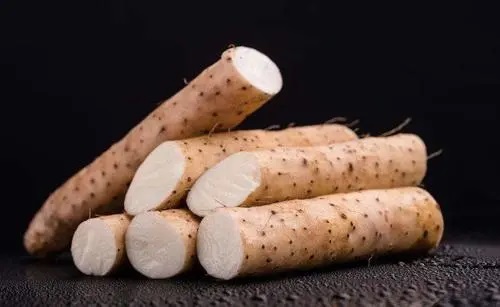
A Chinese food ingredient less known in the Western world is the yam (Dioscorea polystachya) literally called ‘mountain medicine’ (shanyao) in Chinese. It is sometimes called Chinese potato or by its Japanese name nagaimo. Eating Chinese yam (first scrape off the hairy peel) by itself is an acquired taste. They have a slightly hot flavour, different from the heat of chili peppers. China has produced 48,189,000 mt of yams in 2019; good for 65.37% of the total global production.
Unlike most other yams, the Chinese yam can be eaten raw (grated or sliced). However, Chinese still usually cook yams, as they are much less interested in eating raw food than their eastern neighbours in Korea and Japan. The most common way to consume Chinese yams is cooking chunks of yam in rice congee. The yam adds texture to the congee, while the congee helps neutralising the sharpness of the yam. Dates are often added for their fruity sweet flavour.
Novel foods: yam is used as an ingredient in several products on the Trends page of this blog: Black sesame walnut mulberry powder, Oat meal crisps, vegetable explosion (vegetable crisps), etc.
Goji berries belong to the nightshade family, which means that they are related to potatoes, tomatoes and eggplant. China is one of the largest producer of goji and within China, the Northwestern provinces of Ningxia and Gansu are combined good for about 2/3 of the national output. The berries have been used in TCM for centuries, but interestingly. They have become popular among Chinese only recently as a result of the growing interest in goji among Western health conscious consumers.
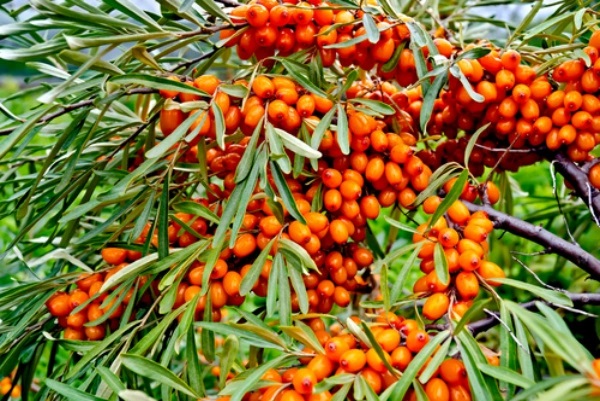
haji (sea buckthorn; Hippophae rhamnoides) is an indigenous fruit of North China. China is good for 90% of the world output of this fruit. It has been used as an ingredient of various foods and beverages in China for some time but is still not very well known abroad.
Shaji have a high content of vitamin C, about 15 times greater than oranges. The fruit also contains high contents of carotenoids, vitamin E, amino acids, dietary minerals, β-sitosterol and polyphenols. Seabuckthorn oil is a good source for omega-7 fatty acid.
Shaji fruit can be used to make pies, jams, wines, etc. Novel products: superfine seabuckthorn powder, seabuckthorn tea, dried seabuckthorn fruits to be added to a cup of tea or glass of spirits (baijiu).
In fact, the date should be the first ingredient in this report, as it is the TCM fruit used most widely in the Chinese food and beverage industries. China is the absolute leader in the production, processing and consumption of dates. Most dates are traded and eaten in dried form, which keeps well. There are several varieties of dates, but this section mainly deals with red dates.
A number of processed foods made from dates also exist for centuries. An example is the date cake (zaogao). They are produced as regular cakes, but due to the use of fresh dates, they are not only sweet but also moist. They are a great alternative for someone in the mood for a snack between meals.
As dates are a recognized TCM ingredient, one way of designing innovative products is combining dates with other such products, e.g. ejiao, a kind of gelatine derived from donkey skin.
Other novel products from dates: Jujube Coffee, date flavoured oat meal.
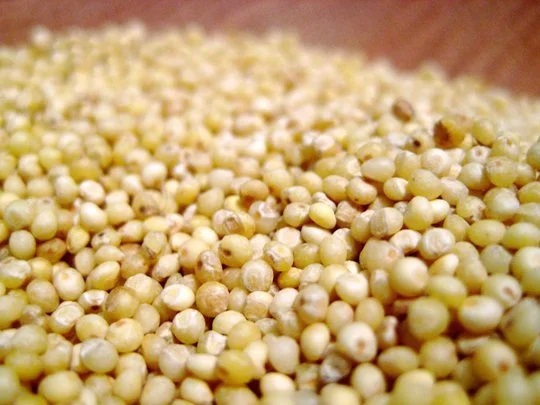
Until recently, millet was known as a an old type of coarse grain, something that poor people eat. Then modern health-conscious consumers, perhaps stimulated by the interest in coarse grains in the West, started eating all kinds of ‘forgotten’ vegetables and staples again. Millet was one of those revived cereals.
It was deemed lucrative enough for a company to developed a branded millet. On February 27, 2019, nine companies were selected as members of the Shanxi Province Millet Industrial Alliance which is a 28-member organization. Several regional millet brands (AOC status) such as Changzhi millet, Yangquan millet, and Wangxiang millet, have been established in recent years, bringing greater economic benefits to local farmers. Members of Shanxi Millet Industrial Alliance are encouraged to carry out marketing campaigns like developing supermarket displays and outlets selling millet. The ingredients listed on the package are: millet, palm oil, rice, corn starch, salt, spices, MSG.
Some companies started research to investigate if millet could be used as a new ingredient for existing products. Guoba is a traditional product made from boiled rice roasted to a crisp. Sun (Shanxi province) had already developed this product as a ready-to-eat snack in the 1980s. The company has recently launched a version made from millet.
Goji is not the only Chinese superfruit in this report. The yangmei or yumberry may be less well known outside China, but is at least as important commercially. Yumberry is the commercial name for the yangmei berry, a fruit of the wax myrtle. The fruit has a high antioxidant activity and high vitamin and mineral content. Yumberries look a little bit like raspberries with a sweet-sour flavour similar to cranberry and pomegranate. because the trees have a high tolerance to pests and diseases, they are often grown organically or with few pesticides applied to them.
Juice is the obvious traditional commercial product made from yumberries, but it is also used as an ingredient. Earlier in this report, I introduced yumberry flavoured yoghurt with water chestnut pieces to add a crunch. Other novel products include: yumberry flavoured ice cream
Swiftlets, or sea swallows, build their nests from saliva, stuck to steep rocks on the seaside. They have been used in TCM for centuries. They are harvested in China, but the best quality comes from Thailand. Chinese commonly use them to aid recuperation from debilitating illnesses because of their easily digestible glycoprotein and other nutrients. Bird’s nests are usually prepared as a soup, often sweetened with rock sugar. Bird’s nests used to be only available for the affluent, but with the increase of the average income of Chinese consumers,
A few companies have tried to cash in on the high-end image of bird’s nests by developing health beverage with nests as the active ingredient.
Yanzhiwo is leading in this field. The name of the brand literally means ‘nests of swallows’, although the company has opted for Yan Palace as the English brand name. It is marketing its drinkable bird’s nests cosmetic food.
It may a surprise to find such a common product as tea in this section. However, it is a very Chinese plant, consumed as an infusion since the beginning of history and it is also used as an ingredients in various foods in recent years.
The top non-beverage version of tea is matcha powder. It is an old Chinese product that became popular in the West through Japanese matcha flavoured products. The popularity in Western pastries inspired Chinese food scientists to follow suit and of course, tea flavoured biscuits and cake appeal to Chinese who are used to drinking lots of tea.
Tianfu is a tea processor that became famous by adding various tea-flavoured foods to its product range, which it is marketing nationwide one of China’s through its own chain of stores.
Sesame is an annual herb found mainly in tropical and some temperate regions of the world. Sesame seeds are an ancient species that has been cultivated for more than 5000 years. According to legend, it was introduced to China from the Western Regions during the Western Han Dynasty. Sesame seeds are one of the main sources of edible oils in China, with an oil content of up to 45% – 63%. Sesame seeds are rich in protein and unsaturated fatty acids, which have a high nutritional value. At present, domestic sesame is mainly used for the production of sesame oil, and its processing technology mainly includes water substitution, pressing and the enzymatic process, of which water substitution method is China’s traditional sesame processing sesame oil method. The water enzymatic method is a new extraction process with good prospects.
Novel products: sesame coffee.
Again: this is only a selection of ingredients and their use in novel products. Contact Eurasia Consult for detailed information and tailor made advice.
Chinese cuisine is one of the longest surviving culinary traditions in the world. The Chinese preference for pyrotechnics has made cooked food a dietary habit passed down from generation to generation. Cooked food not only has a higher safety, but also tends to stimulate a more pleasant sensory experience due to the colour and aroma produced by heating.
Latest raw products
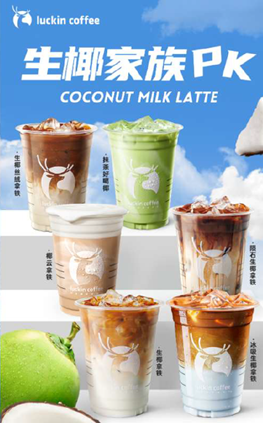
However, in recent years, more and more domestic brands have begun to turn around and successively launched foods with the concept of ‘raw’ (sheng 生). Luckin Coffee first launched ‘raw coconut latte’ and ‘raw cheese latte’ and quickly became an explosive series.
Luckin Coffee ads promoting products containing ‘raw coconut’. Note that the word ‘raw’ does not appear in the English text
Raw cheese here refers to the use of very young cream cheese. For most Chinese consumers, ‘cheese’ was connotated with the processed cheese that was before that moment the typical cheese for sale in Chinese supermarkets.
Entering 2023, the concept of ‘raw’ food really took off. Starbucks launched a ‘Green Coffee Series’ featuring concentrated fruit juice mixed with green bean extract.
Pepsi launched the diet soda ‘Raw Coke’. Pepsi uses the term shengshuang ciji, literally ‘raw fresh stimulating’, indicating that consumers start linking the concept of raw to that of fresh and that it has an uplifting effect.
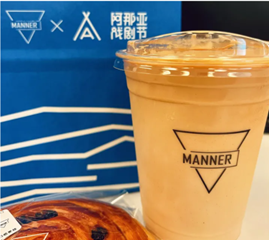
Manner Coffee launched draft beer latte (the Chinese word for draft beer, shengpi, includes the word ‘raw’. One influencer describes his first sip of this brew as follows: ‘The first bite is a little like the barley aroma in beer, but it is not very beery, it feels more milky, and it is a good latte, I like the milky taste in this one’.
The word raw squeezed (shengzha) is highlighted in red on the bottle to indicate that it is an important feature of this product.
Development
The first ‘raw’ foods were made with raw coconut. In 2021, the concept of ‘raw coconut’ became popular with the popular series of Luckin Raw Coconut Latte. Using cold-pressed raw coconut milk as the base and using the raw extraction process, the product retains the authentic taste of coconut meat and the rich coconut aroma.
‘Raw coconut’ generally refers to coconut milk, which is made by grinding mature coconut meat mixed with coconut water or water. Using ‘raw’ to describe fruit and vegetable categories, the public will always mentally connect this with fresh and natural, coupled with the sweeter and smoother taste characteristics of coconut milk, ‘raw coconut’ is more likely to be recognized and loved in the public’s sensory cognition.
Today, the concept of raw coconut is still a popular element of beverage innovation. According to incomplete statistics, in June and July 2023 alone, there were more than ten new products featuring raw coconut as a major ingredient.
Different from the classic pairing of raw coconut latte, many coffee brands have begun to combine ‘raw coconut’ with cold brew and Americano. For example, Tim’s launched Watermelon Raw Coconut Cold Brew, which uses fresh sweet watermelon juice with rich raw coconut milk. Heytea combines seasonal honey dew melon with raw coconut milk. Weiquan combines Indonesian coconut milk with small grain oats.
In recent years, Luckin has also carried out many innovations based on the raw coconut classic series, and successively launched new products such as Ice Absorbing Raw Coconut Latte and Touching Fish Raw Coconut Latte this year. The Iced Coconut Latte enhances the coconut aroma experience in a 2.0 plant-based formula infused with Luckin’s original cooling factor, while the Touching Fish Raw Coconut Latte adds konjac to it.
Touching Fish Raw Coconut Latte; the add indicates that the product contains no fat
In addition, the concept of ‘raw pressing’ has also begun to extend from the application of fruit and vegetable raw materials to tea processing. On June 4, Uni-President launched the Uni-President Chaguowang Gaoshan Raw Green Tea, advertised as: ‘one mouthful of raw pressing, double freshness’. The product combines fresh tea with the same amount of water, crushes at cell level to obtain raw fresh tea concentrate, and adopts nitrogen sealing, 70-90 °C high-temperature tea brewing and UHT technologies to restore the original taste of freshly brewed tea.
In October last year, Luckin launched a blockbuster new Raw Cheese Latte. The product combines classic New Zealand raw cheese (referring to immature cheese) with mellow milk and espresso, retaining the cheesy and slightly salty flavour, and presenting a cheesecake-like experience with a silky texture and rich milk aroma. After the success of the ‘raw cheese’ series, Luckin has successively launched Orange Flavoured Raw Cheese Latte and Tiramisu Love Cheese this year.
Luckin’s Raw Cheese Latte; Jojo is a comic strip figure. The ad includes a pun with that name Jo dengle = jiu deng le 久等了 (sorry to let you wait so long)
Today’s ‘raw cheese’ is generally made of cheese raw materials such as cream cheese and cheddar cheese with different degrees of fermentation with milk and coconut milk. Compared to the single salty cheese flavour, raw cheese provides a stronger cheese aroma, smoother blending with the drink, and a more recognizable flavour.
In addition to the application in coffee, the concept of ‘liquid cheese’ like raw cheese has gradually been applied to milk tea and fruit tea. In December last year, the first raw cheese series was launched on Chabaidao. For the first time, raw cheese was added to milk tea, and two classic cheese flavours, imported raw cheese from New Zealand and Denmark were blended to obtain a more layered cheese aroma.
In March this 2023, Naixue launched a new series of multi-fruit pulp Domineering Cheese, focusing on ‘fresh fruit’ and ‘milk base’, combining fresh pulp with raw buttermilk and raw buttermilk and raw buttermilk jelly, presenting a more chewy and more complex flavoured milk tea experience.
Naixue’s cherry blossom cheese tea
Novel, fun, raw and wild experience
Through cooking, processed food often loses the tart taste of the raw material itself, or generates new substances during the reaction process, obtaining new flavours and nutrition.
As the consumption environment and emotional experiences of food become more personalized, people begin to pursue more particular taste experiences at different levels, and the functional and nutritional demands of products are more segmented.
The concept of unpasteurized draft beer is not uncommon in China. Compared with pasteurized beer, draft beer is not sterilized at high temperature, and generally removes the remaining yeast and impurities in beer by diatomaceous earth filtration.
The flavour and freshness of draft beer are higher than that of pasteurize beer, and the bubbles are more abundant, and it often produces a stronger sense of tartness when drinking it from a can.
Pepsi’s raw cola is based on the treatment of draft beer, using a non-heating physical sterilization method different from traditional cola sterilization, preserving the aroma of spices in cola as much as possible and reducing the decomposition of carbon dioxide in cola.
Therefore, compared to ordinary Coke, PepsiCo’s bubble experience is more powerful, more exciting, and the flavour more refreshing. After being chilled, raw cola produces a stronger sense of raw and dry mouthfeel (see the illustration above).
This concept has also migrated to other types of beverage. In June this year, Manner launched the Aranya Theatre Festival Limited Draft Beer Latte, which pairs the aroma of malt beer with rich nutty coffee, borrowing the concept of ‘draft beer’ to bring consumers a novel coffee experience.
Manner Coffee’s Draf Beer Latte
In freshly ground coffee and packaged coffee, coffee beans are roasted and ground for a stronger coffee flavour and a higher caffeine content. However, with the development of coffee categories and changes in consumer demand, consumers’ demand for coffee is not limited to supplementing energy through caffeine, for example, people who are caffeine intolerant want to get a low-caffeine drinking experience.
In May this year, Starbucks launched a new generation of ‘Starbucks Raw Coffee’ series in China, with four types: Powdered Green Coffee, Powdered Lime Raw Coffee, Magic Purple Raw Coffee, and Mangzi Lime Raw Coffee. All products in this series are light caffeine drinks, extracted from raw Arabica green beans, blended with real juice and dried fruit. The caffeine content of a single cup is about 1/3 of the same cup of Americano.
On June 13, Starbucks China launched four new raw coffee series and then launched a new frost series. Based on the original green coffee series, the product and ice cubes are whipped into a soft frost to bring a summer frost experience.
Two recent Starbucks products
Japanese origin
Tracing the origins of the application of the concept of raw food in these categories, we can see that most of them originated from the Japanese food market, where raw food is an important part of the diet.
The relatively scarce supply of raw materials and the concept of living in accordance with nature have subtly cultivated the dietary preference and food culture of Japanese consumers towards raw food. The Japanese want to maximize the natural and fresh flavour and nutritional value of the ingredients themselves, as evidenced by the traditional Japanese diet of sashimi and raw soy sauce.
Since then, the concept of raw has gradually broadened to include ‘fresh’, ‘natural’ and ‘simple’. It has become a consumer attitude.
Take for example the raw chocolate that spread from Japan to China. Raw chocolate is made by adding fresh cream and other ingredients to melted chocolate, resulting in a silky, delicate product with a soft texture. This referred to as ‘Nama Chocolate’.
‘Nama’ (written with the same character 生) corresponds to the Japanese meaning of ‘fresh’ and ‘pure’, and originally means ‘fresh chocolate’. Because fresh cream (in Japanese: 生乳油 nama gyuyu) is added to the chocolate making process, it was rendered raw chocolate in Chinese.
The raw toast that has recently become hot in China is also a new baking category that has developed rapidly in the Japanese market. The earliest research and development concept for raw toast was to provide the elderly with a soft and chewable toast, and to provide more choices for children with egg allergies. Therefore, the original raw toast recipe did not add eggs but honey. The characteristics of raw toast are soft and dense, easy to bite off and melting in the mouth. The shelf life of this raw toast is only 1-2 days, which is in line with the concept of freshness, simplicity and purity in the concept of ‘raw’, even though there is nothing raw about it.