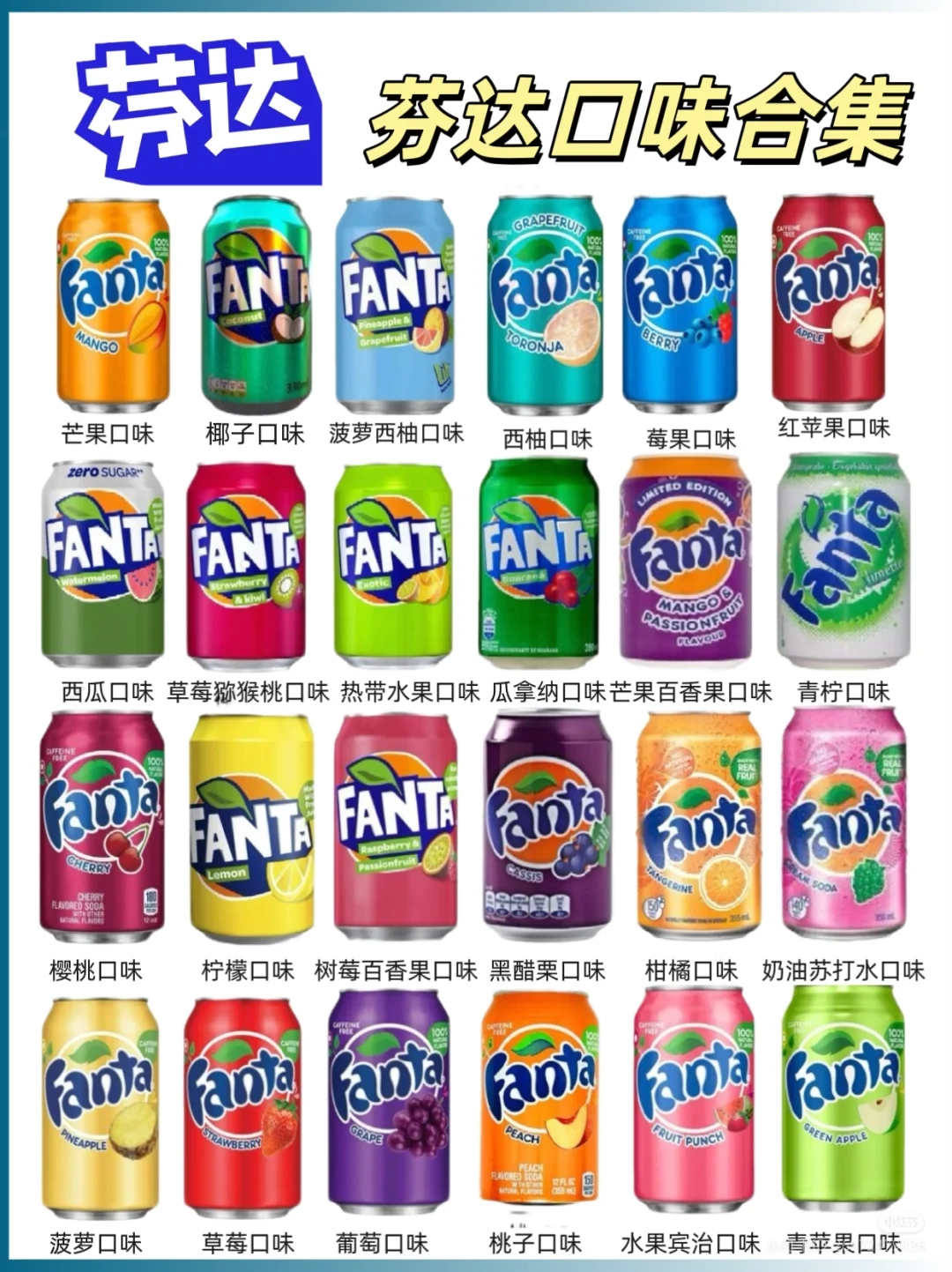
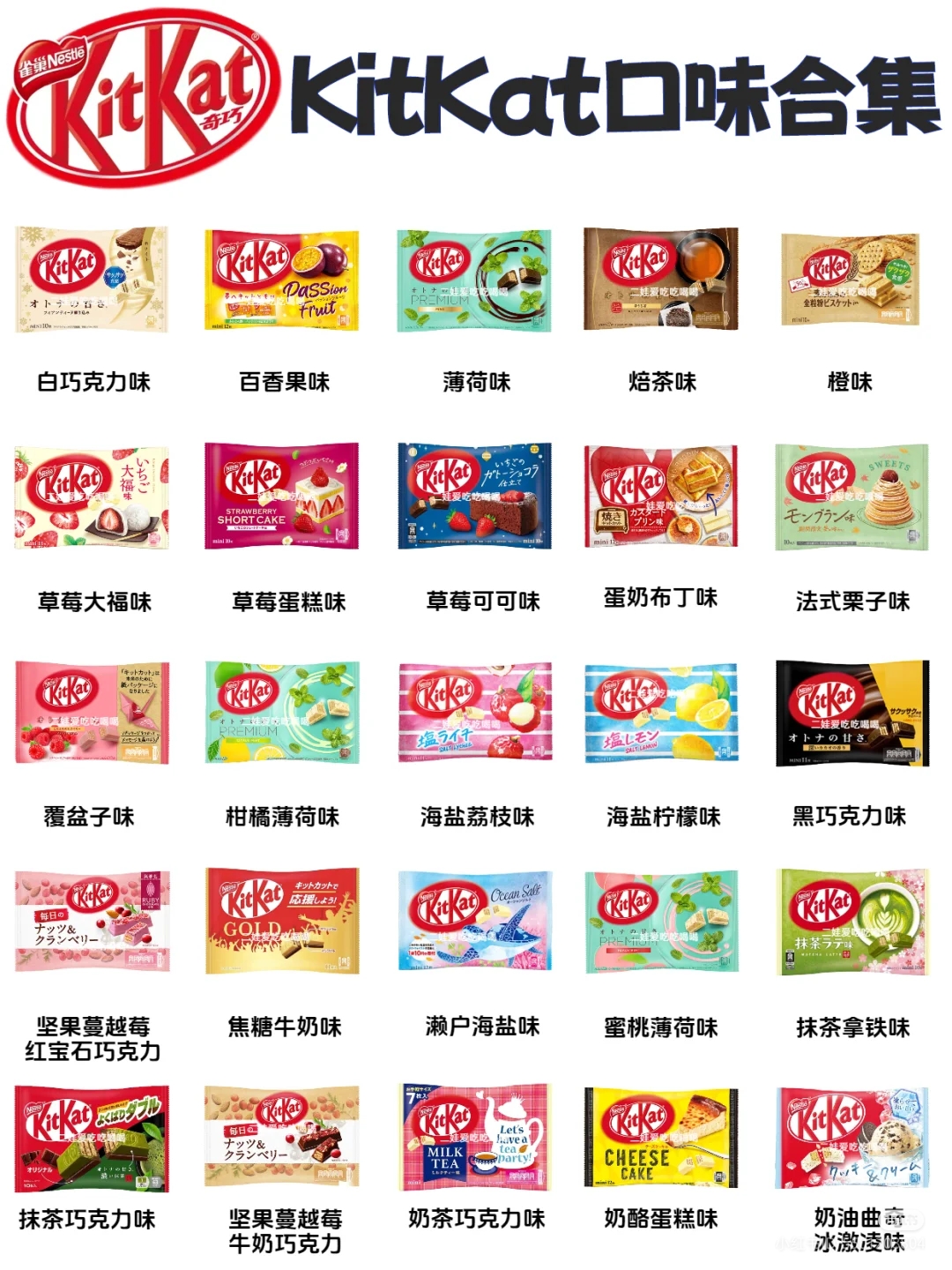
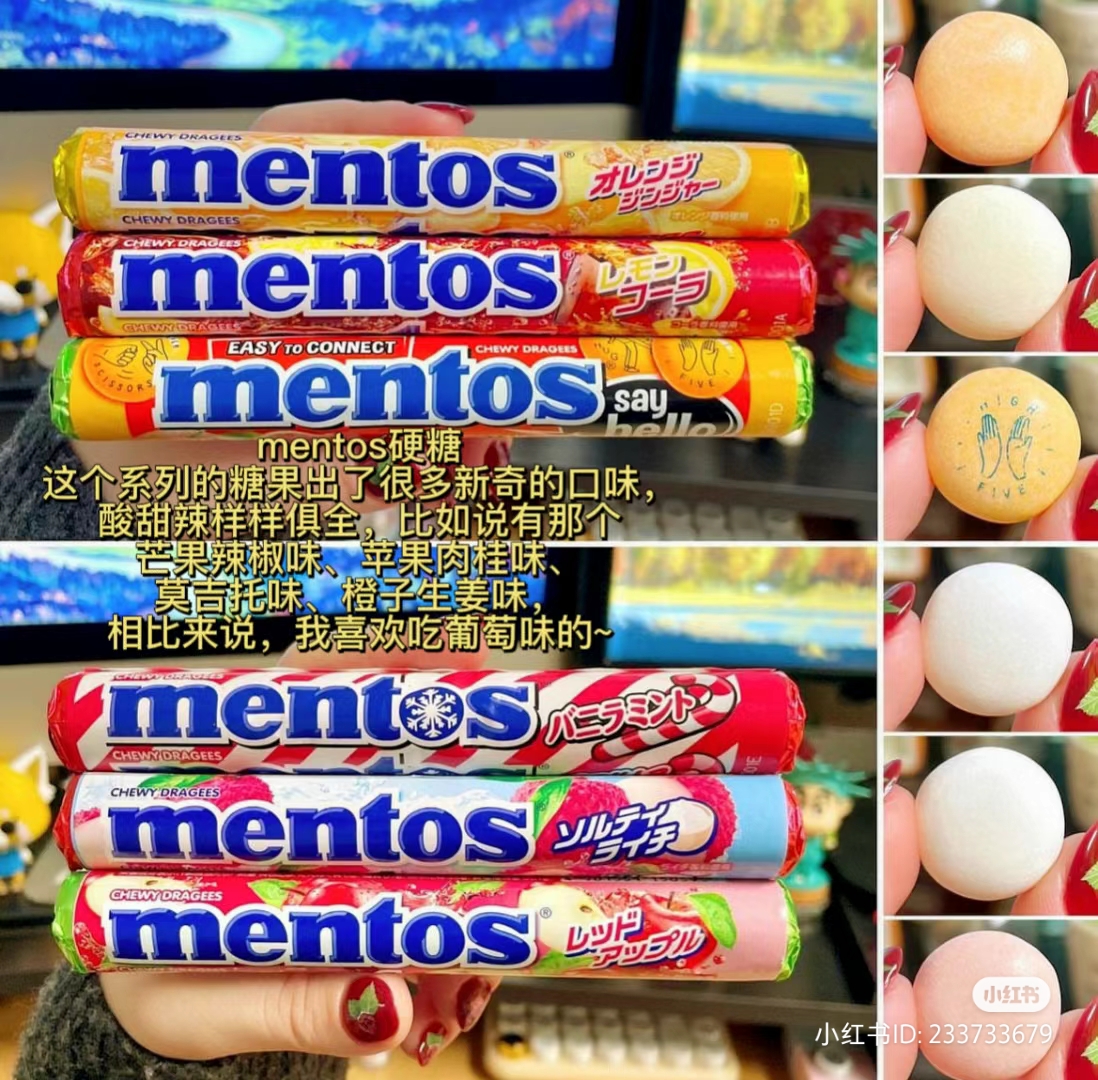
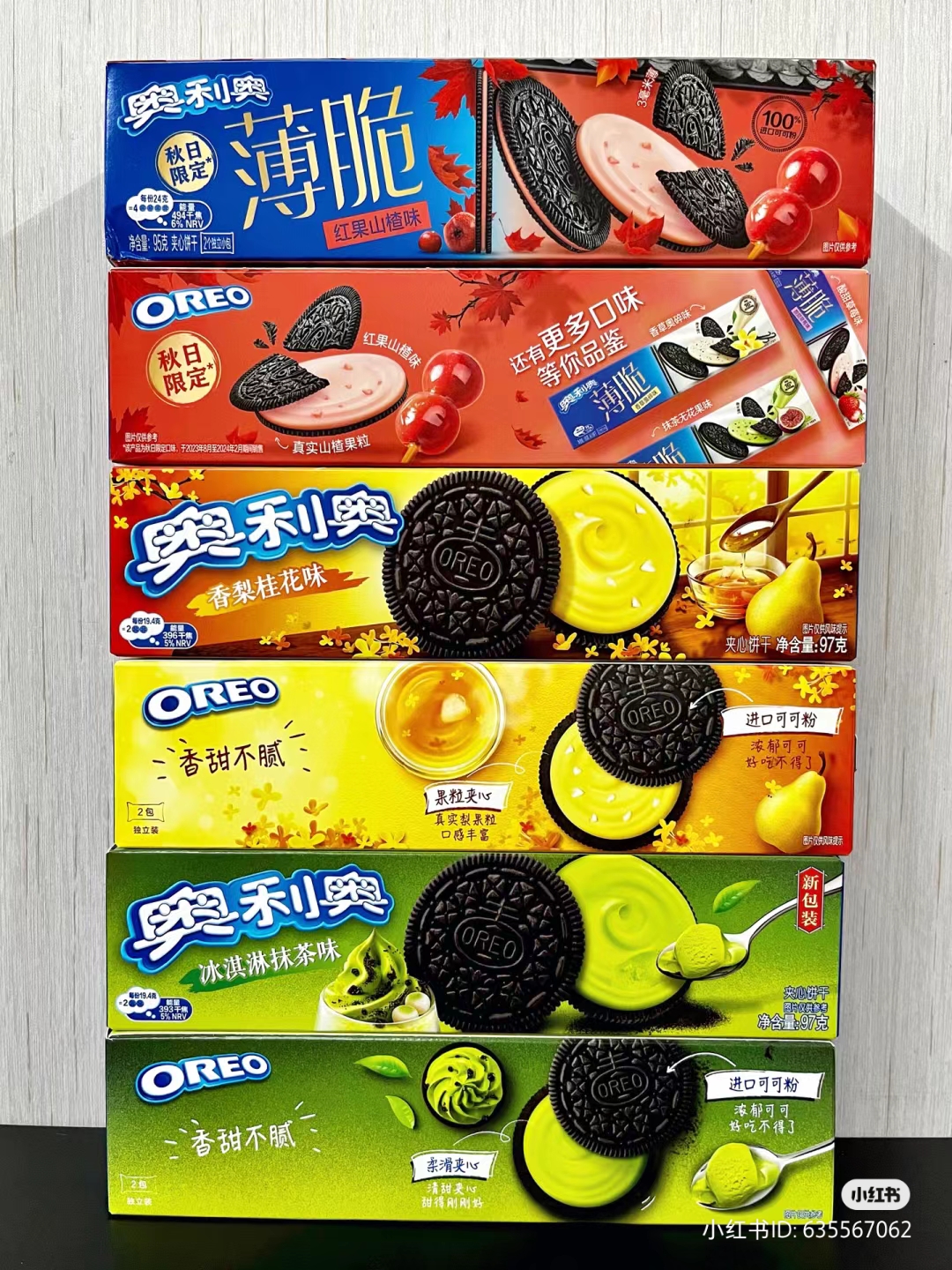
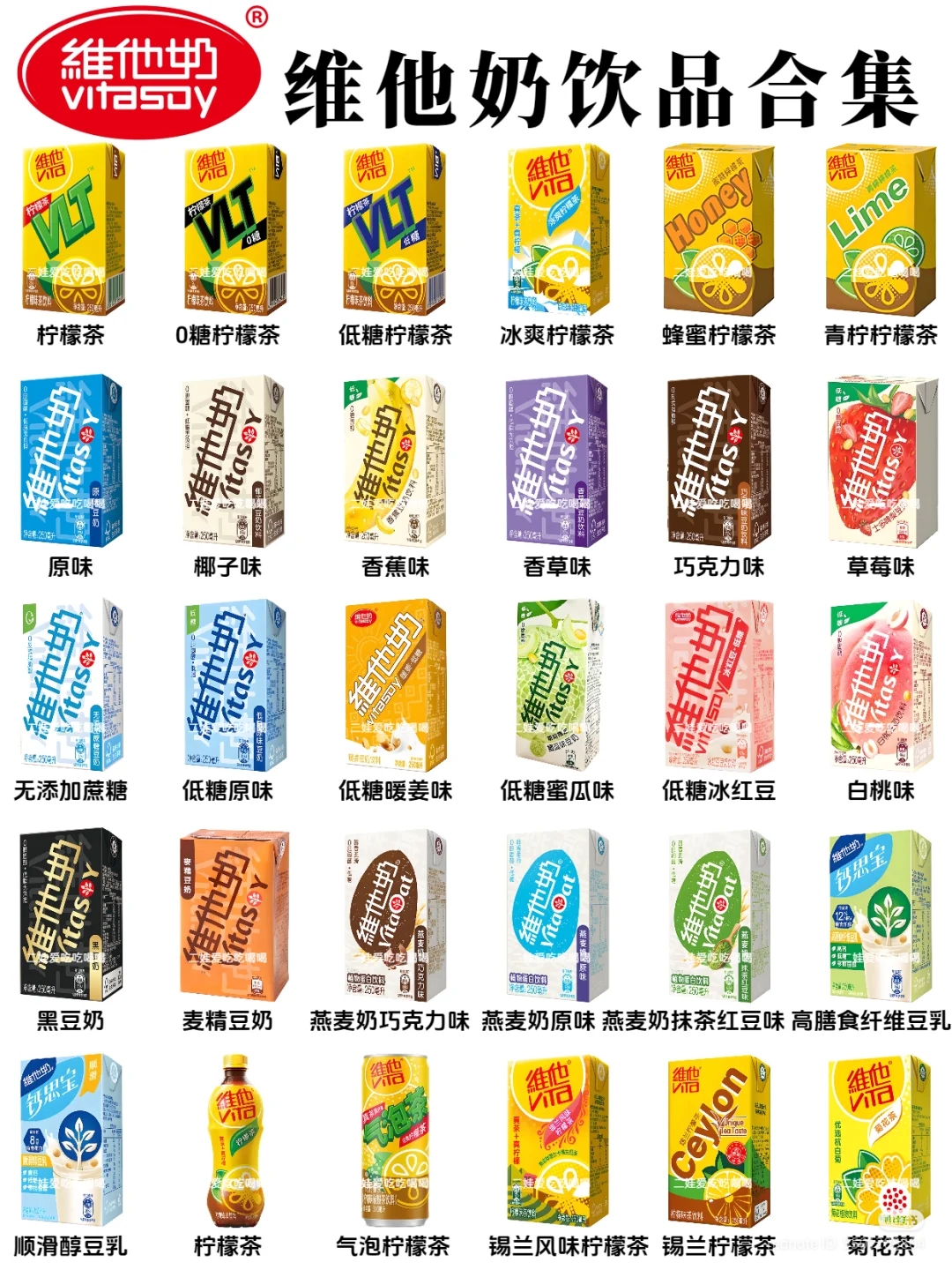
Chinese on one hand have a problem with choosing. A context in which this is especially evident is food. A typical Chinese meal, at home or in a restaurant, consists of multiple dishes. Vegetables are important, but at least one plate with animal protein, meat or fish, is indispensable. In fact, you would like to see at least two vegetable dishes and fish AND meat.
Loving to choose
We could easily turn this around and conclude that Chinese love to choose. A typical western family meal has one dish as the main coarse, often fish or meat. This mean dish is accompanied by a type of vegetable and one type of staple. You can start with an appetiser and end with a sweet dish; again with little or no option to choose from. This does not mean that Chinese dislike a western meal, but they have a problem with the lack of options to choose from. During a meal in a western restaurant in China, you will see that most Chinese patrons eat there in the Chinese fashion: all dishes in the middle of the table and all participants of the meal taking pieces of everything.
Variety in processed foods
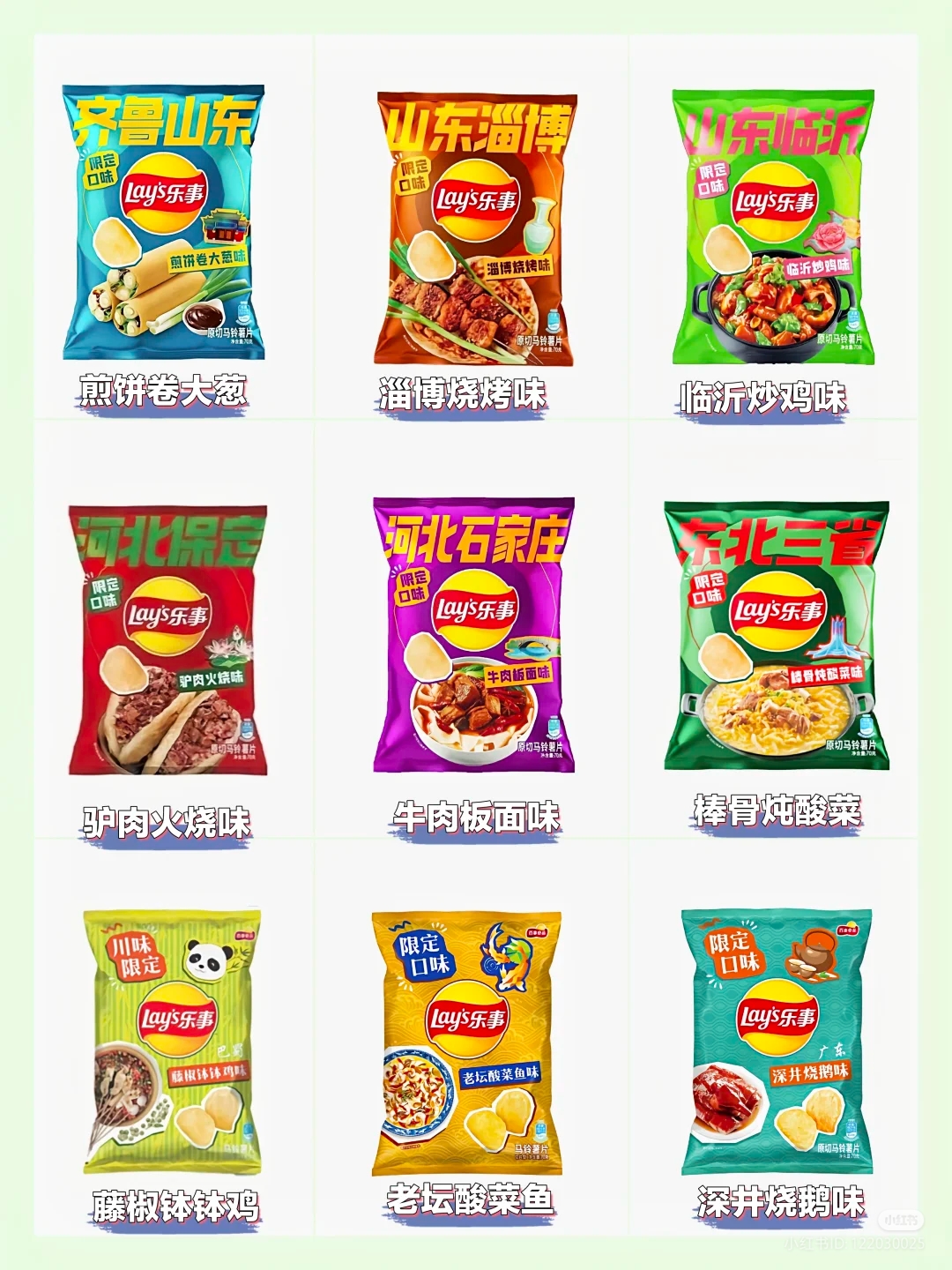
This propensity is also reflected in processed foods, in particular in leisure food like biscuits, candy, snacks, etc. A peppermint like mentos is a nice refreshment, but one can get easily bored with that endlessly recurring white pepperminty lozenge. Chinese would like to choose to a variety of flavours, each with its own colour. It would still need to be refreshing, but in a slightly different way. International producers of leisure foods have noted this and many of them offer a much larger variety of flavours and colours than in other markets on the globe. This post shows a selection of such world famous products. I am just showing one picture per product. None is exhaustive. There are many more varieties for each of the shown products.
I am not going to translate all flavours. The pictures will speak for themselves. However, I would like to point out an interesting feature of Lay’s. Their large number of variations includes regional Chinese flavours. One of the bags shown here is of ‘Zibo flavour’; Zibo being a town in Shandong province.
I posted my general blog about rice wine long back in 2014. Already at that time, the industry spoke in terms of innovation, necessary to get rid of the old fashioned reputation of this traditional Chinese alcoholic drink. The appearance of this item in China Food News of August 31, 2026 (12 years later!) about the rejuvenation of rice wine immediately caught my attention. Here is my English translation with my own thoughts and notes integrated in the text.
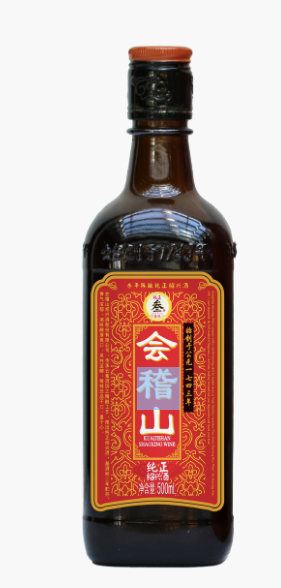
Kuaijishan’s regular rice wine
Cocktail ingredient
A few days ago, the first batch of ‘no high or low’ rice wine in Guyue Longshan entered 52 cooperative bars across the country, completing the national large-scale landing of rice wine as a cocktail base wine. From traditional warm drinks to the launch of innovative products such as sparkling rice wine and coffee rice wine, to becoming a cocktail-based wine, in recent years, rice wine has been constantly striving to enter the wine glass of young people, behind which is the determination of the rice wine industry for youthful development. Like the rejuvenation of bajiu, the traditional Chinese distilled liquor, this road has a long way to go. How to transform the ‘returning customer’ of one-time taste into a ‘returning customer’ of long-term consumption has become a major issue facing the rice wine industry.
New channels
For a long time, rice wine has always been labelled as ‘elderly wine’ and ‘kitchen wine’. Many young people have heard of rice wine, but have no consumption experience. The social scene of young people is shifting to bars, taverns, camping, etc., and it is difficult for traditional supermarkets and gift channels to reach young people. Against this background, the bar has become a ‘green channel’ for rice wine to approach young people.
Nation wide action
In August, the first batch of ‘no high and low’ rice wine in Guyue Longshan entered 52 cooperative bars across the country, covering 17 provincial administrative regions and 30 cities, from Beijing in the north, Hainan in the south, Tibet in the west, and Shanghai in the east. The stores not only include boutique cocktail bars in first-tier cities, but also taverns in community streets and alleys, completing rice wine as chicken The national scale landing of tail wine base wine.
Boundary Art Centre
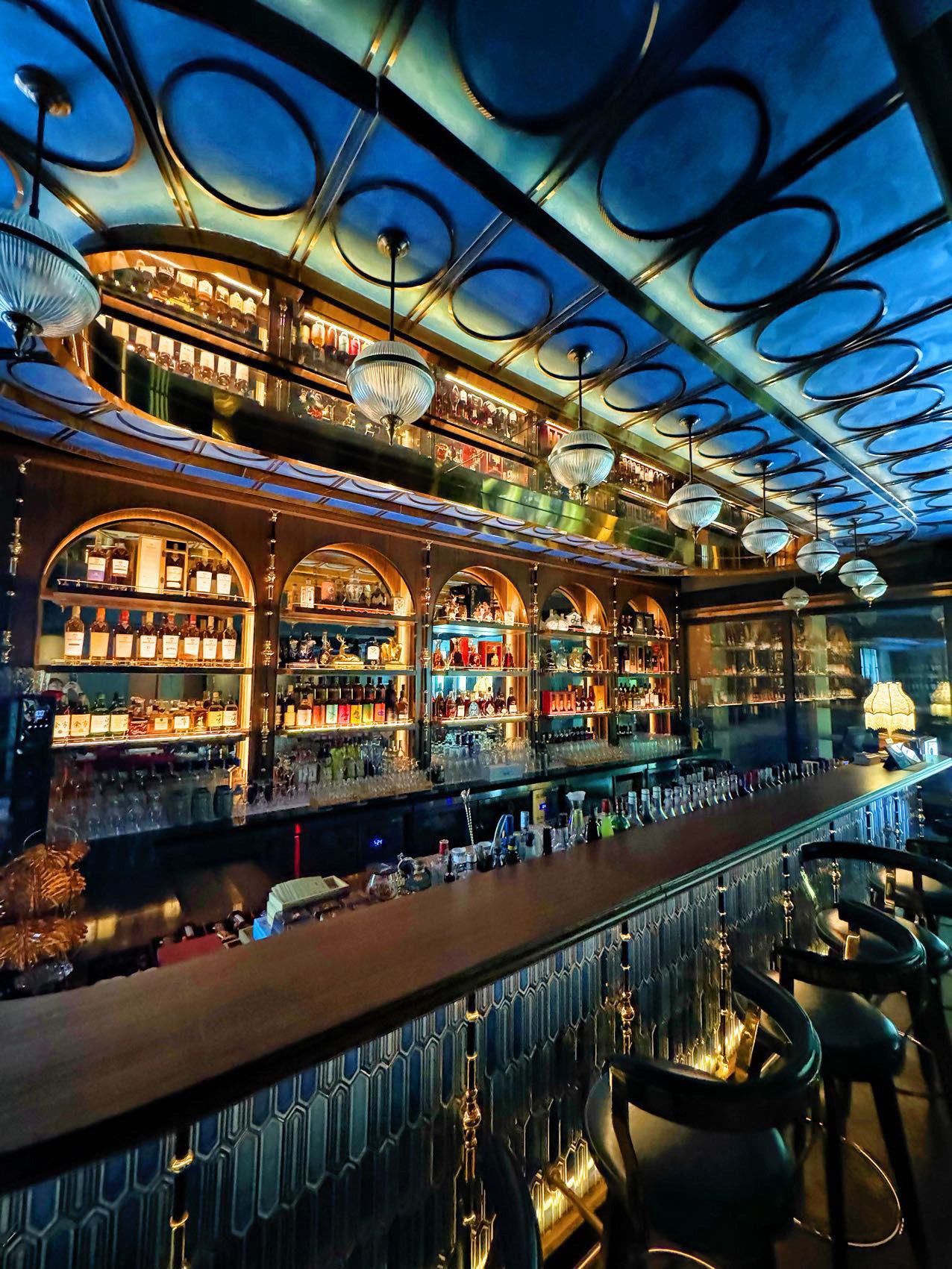
Reset Bar in the Boundary Art Centre in Beijing
In front of the bar of RE·Reset Boundary Art Centre in District 3, Hanwei International Plaza, Fengtai District, Beijing, the bartender poured a bottle of Shaoxing-produced rice wine into the shaker. This rice wine is the ‘No High or Low’ launched by Guyue Longshan in 2024. Now it has a new identity – Chinese cocktail base wine. It is understood that this special type has been launched simultaneously in 52 cooperative bars across the country.
Wang Haoyu, the manager of Beijing RE·Reset Border, said: ‘I have tried a lot of Chinese cocktails before. From a professional point of view, the natural grain flavour layer of rice wine is unique, and it can be well integrated with fruit flavour, herbs and bubbles.’
Lightly intoxicated
The core of the rice wine layout of the bar is to target the social and ‘lightly intoxicated’ trend among young people, and the rejuvenating transformation of the industry was started earlier from the product research and development side.
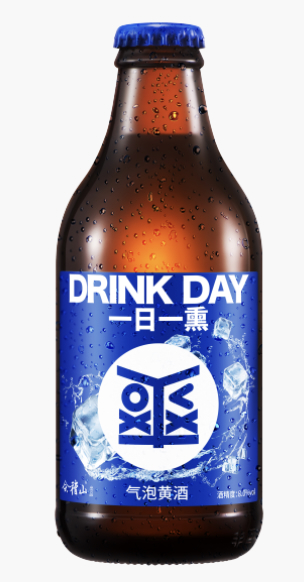
Sorting out the timeline, the new products of the head rice wine enterprises continue to iterate, and almost never break. In 2023, Kuaiji Mountain launched ‘one shot a day’ bubble rice wine; in 2024, Guyue Longshan ‘No High or Low’ rice wine was launched; in 2025, Guyue Longshan successively launched ice-carved bubble rice wine, coffee rice wine and lime rice wine; in November of the same year, Jinfeng Liquor Industry launched ‘not in a hurry’ bubble rice wine; in February this year, Gu ‘Yue Xiao Beer’ jointly launched by Yuelong Mountain and China Resources Beer is on the market.
In addition to product innovation, the rice wine channel also continues to extend to the young consumption scene. Since 2023, Guyue Longshan’s ‘Slow Tavern’, Daughter Hong’s ‘Wendu Tavern’ and Zhuangyuanhong’s ‘Tavern’ have been launched one after another. At present, Guyue Longshan has laid out 65 tasting halls and slow pubs around the world. Jin Yufeng, executive partner of Zhongyuan Fund’s big consumption, said that the biggest role of the tavern is that it is a direct C-end channel, from which wine companies can obtain big data such as consumer data, purchasing behaviour, product preferences, brand experience and taste feedback.
Kuaijishan’s sparkling rice wine
Embracing young people
According to the Analysis of the Development and Trend Study and Judgement of China’s Liquor Industry released by the China Liquor Industry Association in May, there will be a total of 76 major rice wine enterprises nationwide in 2025, with sales revenue and profit decreasing by 4.8% and 4.9% year-on-year, respectively. In addition, the industry report released by the China Liquor Association shows that during the 14th Five-Year Plan, the number of rice wine regulated enterprises continued to decrease, and the concentration of the industry increased. The number of rice wine production enterprises above the scale decreased from 121 in 2017 to 81 in 2023, and fell to 76 in 2025, and the industry cleared Continuously push forward.
Rice wine’s initiative to embrace young people is not the icing on the cake at the marketing level, but a ‘must-answer’ under the superposition of multiple factors inside and outside the industry. Externally, the intergenerational change of consumption reshapes the logic of alcohol consumption; internally, the number of enterprises in the industry continues to shrink, the pressure of inventory competition continues to increase, and the rejuvenation has evolved from a brand optional strategy to a rigid need for the survival and development of the industry.
Progress
The Mid-term Research Report on China’s Rice wine Industry in 2025 shows that although the main consumption of rice wine is concentrated in people aged 25-30 and over 31, the interest of young people aged 18-24 is heating up. The drinking mentality of young people is also changing. They no longer drink passively for health purposes, but actively pursue the social attributes and emotional values brought by low-degree drunkenness and trendy drinks.
Industry insiders said that the industry needs to grasp the pursuit of Generation Z for ‘slightly intoxicated’ and ‘national trend’, and make rice wine become the ‘first wine’ choice of young people through product innovation.
Internal pressure
The iteration of consumers is the external driving force to promote the rejuvenation of the industry, and the reason why rejuvenation has changed from a plus to a rigid demand of the industry is the real pressure faced by the rice wine industry itself.
Cai Xuefei, a liquor analyst, believes that rejuvenation is an important breaking tool for rice wine in the stock competition market, which meets the personalised and diversified drinking needs of consumers. Rejuvenation can not only open up new incremental markets and solve the performance growth problems of rice wine enterprises, but also realise rice wine through cross-border co-bring and other means. Overtake in the curve. In the face of the pressure of the stock market, exploring the incremental market for young groups has become a necessary way for the rice wine industry to break through.
Tasting
A series of youthful layouts of rice wine enterprises have attracted a large number of young consumers to taste it. Kuaijishan sparkling rice wine is hot-selling on ‘6·18’ this year, and Guyue Longshan’s ‘no high or low’ rice wine has become popular on social platforms, both of which confirm that young people have a high interest in new rice wine.
But tasting and repurchase are two thing things. According to JD.com’s consumption data, the repurchase rate of rice wine is only 22%, while that of craft beer reaches 45%.
Experts believe that rice wine lacks a clear, modern and replicable consumption scenario like beer with barbeque, red wine with Western food, and whiskey with jazz. Without scene carrying, social attributes, and daily drinking habits, it is still difficult for the product to enter the repurchase list of young people.
Directions for innovation
Industry insiders said that rice wine enterprises should reject simple flavour superposition. Rejuvenation is not the same as blindly adding fruit flavour and coffee, but to optimise the wine body from the brewing source, improve the inherent impression of sweetness and heavyness, and develop a refreshing and mouth-to-drink wine body that is suitable for iced drinks and flavored drinks.
Fu Zukang, vice chairman of Kuaijishan, believes that it is necessary to develop wine for young people that meets their taste, aesthetics and drinking quantity. Kuaijishan’s ‘cool wine’ did not stop after the daily sales of a generation of products exceeded 10 million, but launched the research and development of the second generation of products based on tens of thousands of consumer feedback in the background. After the launch of the second-generation products, the repurchase rate has increased, but we still need to do further market research. Fu Zukang said.
Xiao Zhuqing, a liquor marketing expert, believes that innovative products such as sparkling rice wine have the problem of ‘easy to taste and difficult to precipitate’. The penetration rate of rice wine in banquet scenes is less than 5%. It lacks social monetary attributes like white wine, and does not form the daily leisure drinking inertia like beer. It is difficult to generate a value recognition worth buying repeatedly.
Lu Danlin, the head of the Shaoxing Rice wine Special Class, said that the future belongs to young people, and the breakthrough of rejuvenation with renewed vitality is to take the initiative to approach and embrace young people. The rejuvenation of rice wine is to open up new channels to adapt to young people, to develop new products suitable for young people, to create a new scene for young consumption, and to make rice wine truly integrate into the lives of young people.
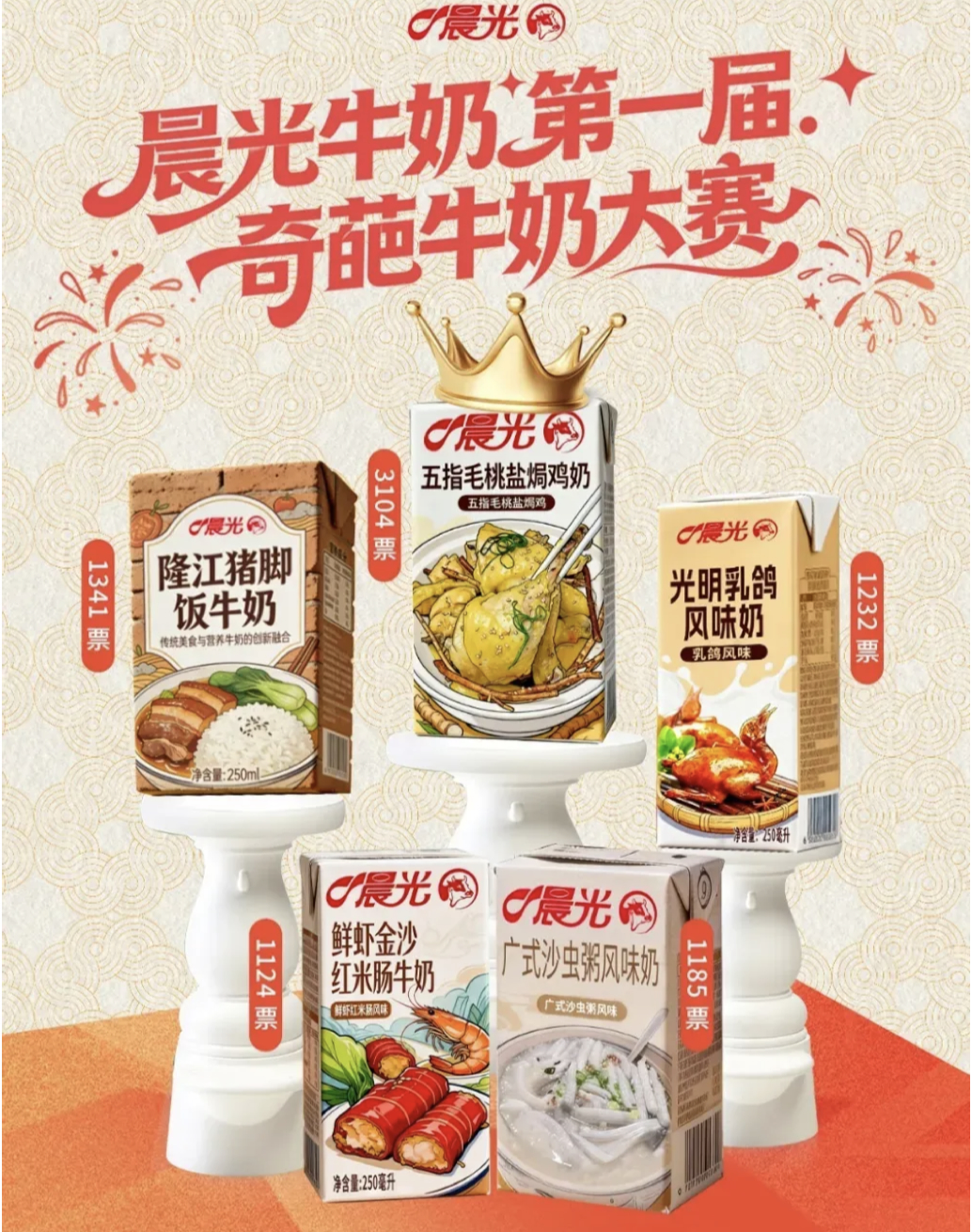
Sure, regular readers of these pages are completely aware that the natural flavour of milk does not agree with the average Chinese palate. And this continues to clash with the position of dairy products in the top layer of the Chinese nutrition pyramid.
I have introduced yoghurt and ice cream with peculiar flavours that are more in line with traditional flavour patterns of the Chinese, to mask the ‘creamy’ flavour of milk. In this post, I will introduce dairy products flavoured according to entire classic Chinese dishes, as available in China at the date of this post. Most of these are not produced by the large national dairy giants like Yili or Mengniu, but by regional or local companies.
White sliced chicken
Screenshot
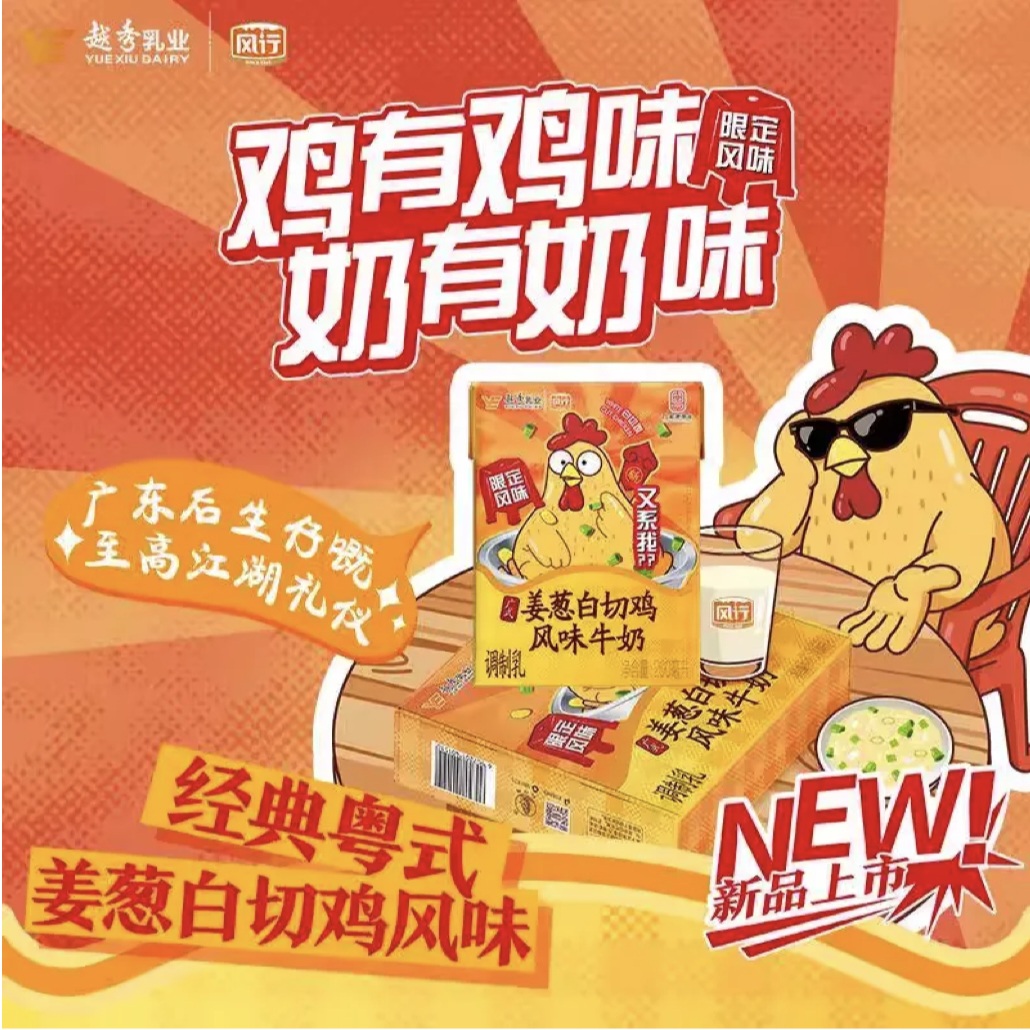
White sliced chicken, baiqieji, is a classic starter in Cantonese cuisine. It is chicken cooked in a broth with ginger and scallions, served cold to be dipped in soy sauce. Yuexiu Dairy is producing a ‘ginger scallion white sliced chicken milk’. A cool looking chicken is showing a glass of the milk alongside the original dish.
Halal milk
Screenshot
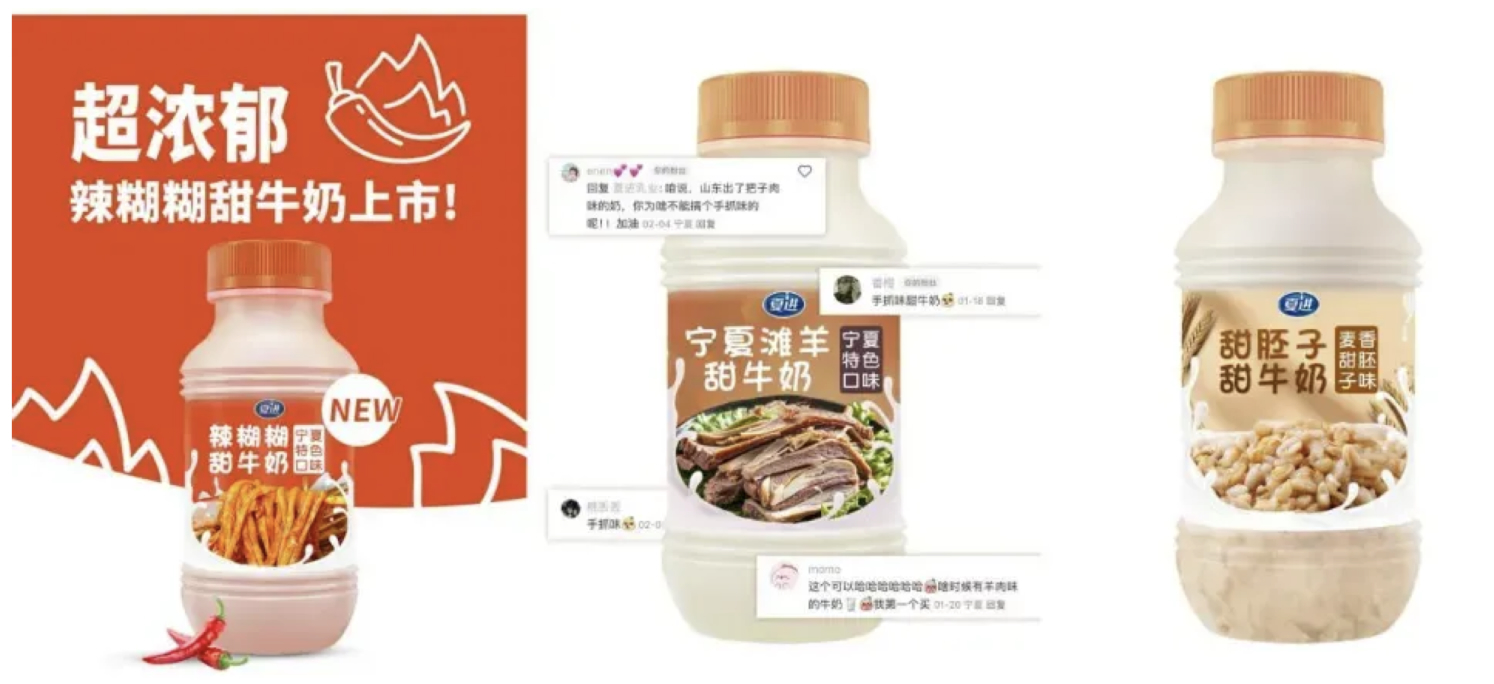
Xiajin Dairy is the largest dairy processor of Ningxia province. It is a region with a large Muslim population, so Xiajin is offering a range of beef and mutton flavoured milks. An salient detail: the middle product is a mutton flavoured cow milk.
Tomato
Screenshot
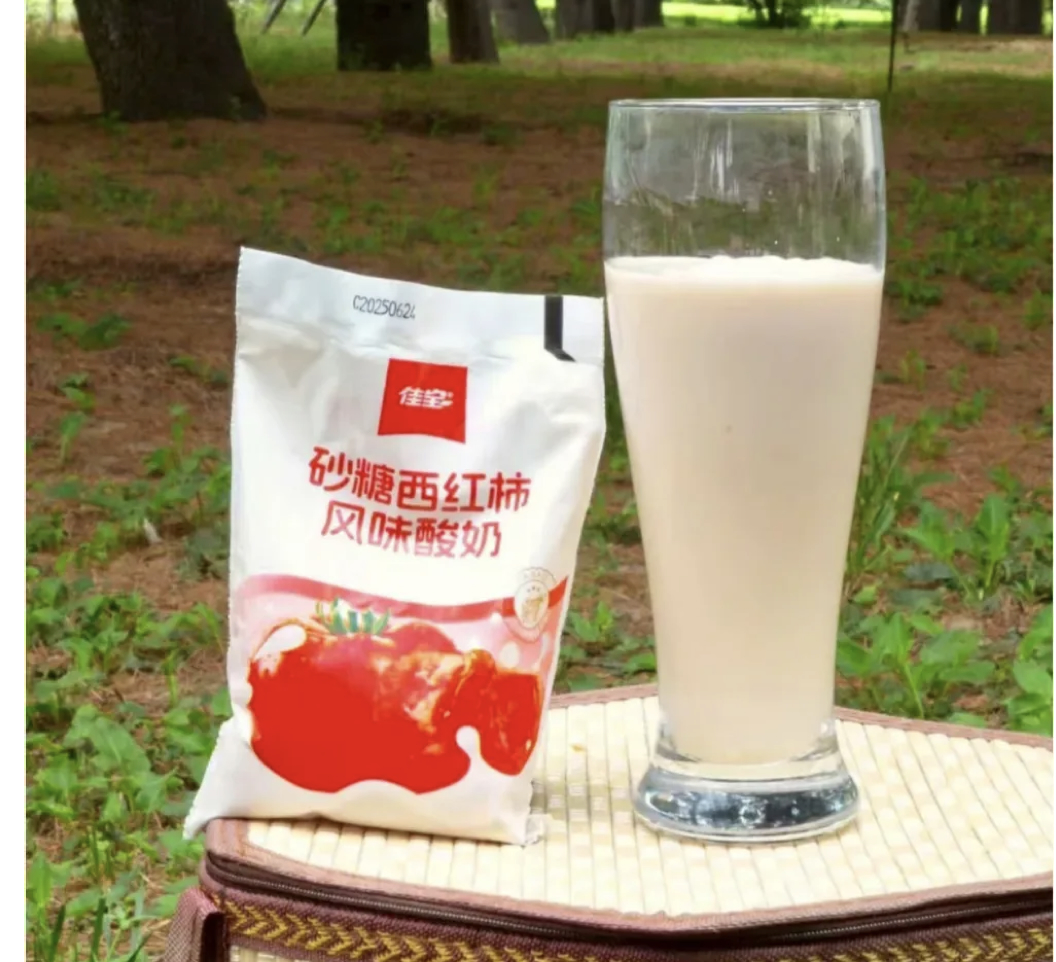
Chinese like to eat sliced tomatoes with a little sugar as a snack or starter. Jiabao from Guangdong is offering sugared tomato milk.
Dim sum
Screenshot
Dim sum, a table full of small plates with savoury delicacies is a favourite lunch in Guangdong province. Chenguang Dairy from Shenzhen has developed a series of milks mimicking some favourite dim sum.
Whenever I run across new exciting flavours, I will add them here. However, tasting all the above products will keep you busy for a while.
The industrial chain of tomato paste production mainly includes tomato planting, harvesting, processing, packaging and sales. Its upstream industries include tomato planting, pesticides, fertilizers, agricultural machinery, etc.; The midstream link is the production and processing of tomato paste, including cleaning, crushing, deseeding, concentration, seasoning and other steps, which require advanced processing equipment and technical support; The tomato paste produced by midstream production enterprises is packaged and sold through downstream sales channels, and is widely used in ready-to-eat fast food, pizza, snack food, canned food, beverages/juices, soups and other fields. As a commonly used condiment, tomato paste is widely used in Western cuisine. In Chinese cooking, it is mainly used to prepare sweet and sour flavours, such as squirrel mandarin fish, sweet and sour pork, etc.
Nutrition
Tomato paste contains lycopene, B vitamins, dietary fibre, minerals, protein and natural pectin, etc. Compared with fresh tomatoes, the nutrients in tomato sauce are more easily absorbed by the body.
Industry
In recent years, the scale of China’s tomato paste market has continued to expand, and the market capacity has been growing. However, at present, China’s tomato paste market is mainly occupied by leading enterprises, which have become industry leaders by virtue of their brand advantages, production scale and sales channels. However, some small and medium-sized enterprises compete with large enterprises through cooperation with farmers, production cost advantages, and flexible marketing strategies. In addition, some cross-industry enterprises have also entered the ketchup market, and these enterprises usually have strong financial strength and advanced production technology, which has a certain impact on the market competition pattern.
Ketchup
Ketchup is tomato paste with various added ingredients. In fact, ketchup is derived from the pronunciation of the Chinese term qiezhi (tomato juice) in southern dialects, spoken by Chinese in Southeast Asian countries. Ketchup is mainly divided into basic ketchup, Italian ketchup, jam-based ketchup, chili ketchup, sweet ketchup, sugar-free/low-sugar ketchup, organic or natural ketchup. The most common type of base ketchup is made from fresh or processed tomatoes, onions, garlic, herbs, spices, etc. It is often a versatile sauce that can be used to make a variety of dishes.
Industrial chain
The industrial chain of tomato paste production mainly includes tomato planting, harvesting, processing, packaging, sales and other links, and its upstream industries mainly include tomato planting, pesticides, fertilizers, agricultural machinery, etc., and tomato planting enterprises mainly provide raw materials for the midstream, so its output and quality will directly affect the quality and cost of tomato paste. The midstream link is the production and processing of tomato paste, including cleaning, crushing, deseeding, concentration, seasoning and other steps, which require advanced processing equipment and technical support. Leading enterprises are: COFCO Sugar Holdings Co., Ltd., Xinjiang Guannong Co., Ltd., Zhongji Health Industry Co., Ltd., Xinjiang Tianye Co., Ltd.
Tomato growing
In recent years, China’s tomato planting area has stabilized between 1.2 and 1.3 mln hectares, ranking the fourth largest vegetable variety in the country and has become an important part of the agricultural industry. The planting area is an important factor affecting the yield of tomatoes, so its stability will ensure the yield of tomatoes to a certain extent. The data shows that in China’s tomato production continued to rise during the past few years reaching more than 70 mln mt.
Xinjiang is blessed with unique natural conditions, including long sunlight hours, large temperature difference between day and night, dry climate and little rainfall. Xinjiang tomatoes have a high content of red pigment, high soluble solids, a high yield, as well as less pests and diseases. These characteristics greatly reduce the occurrence of fruit cracking and mouldy rot, and improve the overall quality of tomatoes. Therefore, Xinjiang is the main area of tomato cultivation in China. From the perspective of development history, Xinjiang first began to plant tomatoes on a large scale after the founding of the People’s Republic of China. After the first tomato paste production line was built in Xinjiang in 1984, the tomato industry began to embark on a fast track. From a national perspective, Xinjiang’s tomato production accounts for more than 80% of the country’s total.
Unstable
A good development of tomato production and marketing requires the a stable foundation for different parties in the value chain such as breeders, seedling dealers, growers, vegetable wholesalers, and consumers in the whole industry chain. In tomato production, wholesalers dominate market prices, so producers are at a disadvantage, unable to obtain stable and considerable income The low and unstable income have accelerated the transfer and loss of growers to other industries. The data show that from January 2022 to May 2024, the wholesale price of tomatoes in China has shown a downward trend. However, from the perspective of the production of tomato sauce in the midstream, the decline in the wholesale price of tomatoes will directly reduce the production costs of tomato sauce manufacturers, which is conducive to the rapid development of tomato sauce production enterprises.
Paste production
In recent years, the scale of China’s tomato sauce market has been growing. At present, China’s tomato sauce market is dominated by a few leading enterprises, which have become industry leaders by virtue of their brand advantages, production scale and sales channels. However, some small and medium-sized enterprises compete with large enterprises through cooperation with farmers, production cost advantages, and flexible marketing strategies. In addition, some cross-industry enterprises have also entered the tomato paste market, and these enterprises usually have strong financial strength and advanced production technology, which is beginning to impact the market competition pattern.