The tomato belongs to a large group of plants of the nightshade family. Its cousins include potatoes, aubergines and bell peppers, all popular ingredients in China.
No one can pinpoint the exact dates these vegetables were introduced to China, but the general consensus is that they came through both the overland and maritime trade routes. The national output of fresh tomatoes for 2017 is estimated at more than 56 mln mt.
There is a chicken dish cooked by the Uyghurs in the north-western entry point of Xinjiang Uygur autonomous region that combines almost all of them. Known as “big pan chicken” or dapanji, it is a rich, tomato-based stew with chunks of potatoes, lots of onions and plenty of bell peppers. That probably gives us a hint on the early beginnings.
Good ingredients are treasured by Chinese chefs who often go out of their comfort zones to seek them out. Foreign imports such as potatoes are now staples, and the chili pepper, too, has been naturalised.
The tomato’s brilliant colour and natural umami flavour have made it another essential ingredient. In fact, the classic sweet and sour dishes of southern China now depend mainly on the tomato, where it used to be the hawthorn fruit that coloured and flavoured in the past.
It used to be harvested only in summer, although it is now available all year round, thanks to bigger, better greenhouses and a countrywide logistics network that connects north to south and east to west. Xinjiang is currently by far the largest production region of tomatoes in China. This product has become so important, that China has started investing in tomato production in neighbouring Kazakhstan.
The northern Chinese mainly consume tomatoes raw, in thin slices liberally covered with caster sugar. More than a few Europeans have to grow accustomed to eating sweetened tomatoes. The most favoured hot dish with tomatoes is tomatoes with scrambled eggs (xihongshi chao jidan), which is everybody’s favourite. I used to travel in China with a Dutch client who was not a lover of Chinese stir fried dishes, but he did like scrambled eggs with tomatoes.
Tomatoes are now used to stuff dumplings, pairing with such stronger-tasting meats like beef and lamb, and is cooked down to a sauce for hand-cut noodles. It is not only used to accompany noodles, but is actually worked into the noodles themselves, like spinach.
The love of tomato-flavoured stews in north-eastern China can also be traced to the Russian influence of the past. For certain older generations, the only Western restaurants in the capital at that time served Russian food. For them, Russian food meant a strongly tomato-flavoured borscht, a hearty tomato and beef stew and minced-meat-stuffed cabbage rolls slowly stewed in a thick tomato sauce. That was the pinnacle of gourmet eating in restaurants with names like Old Moscow, or Kiev.
Times have changed. Modern Beijingers still love their tomatoes, but they are more likely to consume them as pizza sauce or over spaghetti. Modern chefs, many coming from overseas, have also introduced other new ways of eating tomatoes.
Tomato paste
The top industrial tomato product is tomato paste. If your mind connects tomato paste with Italy and Italian cuisine, you need to update your settings. China, in particular Xinjiang, has the world’s prime production region for tomato paste for a number of years. Several Italian companies import it in bulk an can the Chinese product in Italy, to export again as a ‘typically’ Italian product. However, the exports of tomato paste have been dropping, partly due to adverse weather conditions and partly to regional protectionism that is on the rise globally. China has exported appr. 852,000 mt of tomato paste in 2017. That is considerably lower than the top year 2011, when China exported 1,128,459 mt. Insiders estimate that China will produce 1.0031 mln mt of tomato paste in 2023.
Tomato-based ingredients
Although exported could increase again, the Chinese tomato processing industry needs to look for tomato-based ingredients with a higher added value. One such product is lycopene. It is offered as a dietary supplement claiming to aid the prevention of cardiovascular diseases and prostate cancer.
A good indication of the current situation of any food ingredient in China is looking at the participants of the Food Ingredients China (FIC) 2018 trade fair (March 22 – 24, Shanghai). The following table shows exhibitors of various tomato-based products at that fair.
Product
number
Sun-dried tomatoes
1
Dehydrated tomatoes
1
Tomato paste
3
Tomato powder
7
Lycopene
9
It seems that suppliers of tomato paste or dried tomatoes do not regard FIC as their typical trade fair. However, FIC is clearly the place to look for tomato powder and lycopene.
You will find very few Chinese who do not like sweet potatoes, baishu ‘white tuber’ in Chinese. Story has it that the first sweet potato plant was smuggled into China from what was then Dutch colony of Formosa, now known as Taiwan. A sailor had stripped off its leaves and secretly woven the vine into the hessian ropes on board the ship.
It first took root in Fujian province, the mainland province closest Taiwan island. Here, it flourished in the rocky, mountainous terrain where it helped to fill stomachs in a land too poor for paddy planting.
Taiwanese like to cook sweet potatoes in rice porridge, and the people of Fujian took over that habit too. However, the sweet potato never grew into a real staple food in the sense that it completely replaced rice or wheat based staples used in the various cuisines of China. Apart from using it in rice and porridge, Chinese turned it into noodles, cooked it in sweet soups and made pies, dumplings, bread and cakes and little snacks from sweet potatoes.
Staple, but not really
Some ‘rustic’ restaurants, like Culiang Renjia ‘Home of Coarse Staples’, currently very popular in Beijing, serve a basket with a variation of rough staples as a rustic alternative for steamed rice or noodles. The basket includes purple yams, sweet and glutinous corn, Chinese yam, burdock and edamame, green soybeans, and . . . sweet potatoes. I don’t think that Chinese peasants ever used to have such baskets on their dinner tables, but it does give you more fibre and is more filling that steamed rice.
Sweet potatoes were also eaten as a snack. A typical street food in the cold North China winters is a sweet potato baked on a metal barrel. Nothing chases the winter chills away better than a piping hot sweet potato in your hands, skin slightly burned and dotted with droplets of caramelized juices.
Slices of sweet potato are dried in the open air, so they can be eaten as a between meal snack in the office, or during a long train ride. Sweet potato slices are no also available as packed food in the supermarket.
Other processed sweet potato products include hard grey glass noodles (for more on those see the posts on millet and lotus) that cook down to a translucent white that is much loved in winter hotpots. Sweet potato starch is a necessary ingredient in many desserts, as well as the secret to the signature oyster omelette famous in Fuzhou and the region of Chaoshan in Guangdong.
In recent years, an unexpected health fad – sweet potato leaves – has risen, thanks to the mighty webchat groups of consumers who consider themselves nutrition experts. In fact, in earlier years, poor peasants used sweet potato leaves as a cheap vegetable, but that may not be known by those amateur nutritionists. After harvesting, the leaves must be thoroughly washed to get rid of grit, since they grow low on the ground. Then the fibres must be stripped off the long stems, starting from the base of the leaf. It is a fussy, tedious task, but necessary. Otherwise, the leaves will be too stringy to eat.
In 2018, Korean confectionery and convenience foods producer Orion has launched a new type of sweet potato chips in China with a purple colour as distinctive feature.
Sweet potato profit
There are already companies specialising in processing sweet potatoes. A noted one of Tianyu Tuber in Zhengzhou, Henan province. Tianyu was founded in 1993 and has grown into a company with 760 employees and four subsidiaries. The company also operates the Tianyu Sweet Potato Research Institute and the Henan Sweet Potato Starch Research Institute and helps cultivate a sweet potato test field for the China Agricultural University. This clearly indicates that Tianyu is well embedded at local, regional and national levels.
Tianyu has a storage capacity for 50,000 mt of sweet potatoes p.a. and production capacity for 80,000 mt of sweet potato starch, 50,000 mt of various products (noodles, glass noodles), 10,000 mt of sweet potato drinks, and 2000 mt of sweet potato snacks. The company exports its products to 20 countries, including: South Korea, Japan, USA, Canada, Australia and New Zealand.
Black may be the colour of evil, even in Chinese culture, but for food it is a sign of superior nutrition
Black food has become a focus in the Chinese health food market in recent years. Black food refers to the natural melanin containing foods, whether derived from animals or plants. The natural melanin content causes a dark, dark purple, or dark brown colour. Some foods have a dark skin, while others are black at the end, inside or outside, such as black goji, black rice, black sesame seeds, black fungus, mushrooms, seaweed, kelp and laver. Manufactured black food, such as plum sauce, bean curd, soy sauce, cured egg etc., are meant to stimulate people’s appetite through their colour, but do not count as real black food.
The scope of what counts as black food is not strictly defined. The Guangdong Academy of Agricultural Biotechnology is one of the earliest domestic research institutes specialising in black food. It defines black food as having a relatively dark natural colour, rich in nutrition, and structurally acceptable to the human physiology as food. This definition excludes artificially black foods such as soy sauce.
Black foods contrast with food groups of other colours:
White food: bread, noodles, etc.; main nutrients: starch, sugar and other carbohydrates;
Red food: pork, beef, lamb, chicken and rabbit; main nutrients: protein, fat;
Green food: green vegetables and fruits; main nutrients: a variety of vitamins and cellulose;
Black food: black rice, black beans, turtle, black fungus, black mushrooms; main nutrients: protein, fat, amino acids, vitamins.
According to traditional Chinese medicine (TCM), black foods nourish the kidneys. They are rich in anti-oxidants and can therefore prevent several types of cancer and slow down aging. They strengthen the brain and lower blood pressure. The fact that shining black hair has always been regarded as a sign of physical health in China certainly also plays a role in the positive image of black foods in China.
Five Black Elements
The most conspicuous producers of black foods in China is the Five Black Elements (Heiwulei) Group in Guangxi. The company was founded in 1984 as the Nanfang Children’s Food Factory by Mr. Wei Qingwen. The name Heiwulei was adopted a decade later. The term itself originates from the Cultural Revolution, denoting five types of bad people (‘black categories’) in society: landlords, rich farmers, counter-revolutionaries, bad elements, rightists. Mr. Wei loved black sesame paste, which was his company’s first product. Now, the company is producing ‘Eight Black Treasures’ (Heibazhen): black rice, black beans, black fungus, black mulberry, black corn, black dates, black sesame and black seaweed (laver).
Black milk powder
Yili Dairy has launched Tooran black milk power in 2021, containing powdered black sesame, black goji and mulberry fruit as well as walnut peptides. It won the ‘best functional dairy’ award on the 2021 World Dairy Innovation Awards.
Black Oats
Quaker is trying to cash in on this interest in black foods by launching a black oat meal in China. The ingredients list is very Chinese:
Black wheat, oat, black rice flakes, black bean flakes, black sesame, black rye
I am sharing a few more pictures of black products from the Eurasia Consult database without detailed information.
Black protein drink
Liziyuan has launched a vegetable protein drink made from: black sesame, black beans, black rice, black goji and black mulberry in 2024.
Balck yoghurt
In 2025, the online platform Dingdong V5 launched a black yoghurt that helps you sleep. During fermentation a strain of Lactobacillus plantarum is added that produces GABA (gamma amino-butylic acid), a substance that makes you feel at ease and therefore promotes sleep. It is further coloured with cuttle fish ink, making the product’s colour in line with the recommended time of consumption.
the Chinese market for alternative meat is already the largest in the world, with sales nearing USD 910 mln in 2018 compared with USD 684 mln in the U.S.
Buddhism is closely associated with vegetarian eating. Some records of monks eating beancurd-based “vegetarian meat” date back as early as the Song Dynasty in the 10th century. It was known as fanghuncai or literally “imitation meat dish.”
However, although Buddhism has been an influential religion in China for centuries, vegetarian restaurant or food products are not that abundantly and overtly available. During the celebration of the 1st anniversary of the China Vegetarian Cooking Association on June 6, 2018,, it was revealed that there were about 4000 vegetarian restaurants in China. This is still relatively low, as the total number of restaurants is estimated to be 5 mln.
A fellow student of mine who has been a vegetarian all his life once returned from a visit to China even skinnier than he already was. He claimed that he regularly had problems in China to find genuinely vegetarian dishes in restaurants as Chinese often use small quantities of meat, in particular pork, to flavour food.
Another reason could be that vegetables have always played a bigger role in Chinese cuisine than in meat-based European cuisines. But Chinese also believe in a well-balanced meal, so a few vegetable-based dishes need to be complemented with some meat or seafood. Leaving out animal protein altogether does not result in a balanced meal. As a result, most Chinese perceive their cuisine as ‘mainly’ vegetarian. According to an estimate of Xinhua News Agency, there are are now around 50 million vegetarians – about 3.5% of the population. Tang Li, founder and head of the Chinese Vegetarian Association, predicts that in the future, China will become the number one vegetarian country. The association, a non-profit organization that promotes the benefits of a vegetarian diet, was established in 2007, and is made up of ordinary vegetarians, entrepreneurs, activists, and nutritionists.
Xiao Changjiang, head of the Cardiovascular Department at the Hunan Academy of Traditional Chinese Medicine Affiliated Hospital, believes that a vegetarian diet is more suited to the Han Chinese than a carnivorous one. “As a farming people, the Chinese had adopted a plant-based diet since ancient times,” Xiao says. “We are less tolerant to meat than nomadic people. Since the 1980s, the massive supply of meat has resulted in people eating much more of it.” In April 2017, Xiao promoted a “one vegetarian meal per week” plan by providing free vegetarian dishes to both patients and hospital staff. “It’s an experience-based activity,” Xiao explains. “We invite the patients to try the meal and then explain the benefits to them. This will make it easier for them to accept.” The scheme has so far served more than 7,000 people, and the feedback has been “pretty good”.
November 25 marks the World Vegetarian Day, which is an excellent excuse to have a look at history of vegetarianism in China.
Not all about Buddhism
Most Chinese people would be familiar with an ancient quotation from their high school textbook: “people who eat meat are shallow minded.” The quote is from the ancient book of Zuo Zhuan, the earliest annals in China. “People who eat meat” refers to the privileged that belong to high class, for only noble people were recorded to have access to eat meat in ancient China for a certain period of time.
According to Book of Rites (Li Ji), a historical record written during the Zhou Dynasty (c.11th century-256 BC), the kind of meat people ate was closely related to their social status. Only emperors could eat beef every day. Hereditary rulers and noblemen often had mutton and could enjoy some beef on the first day of each month of the Chinese lunar calendar. Most of the time, the common people only had meat-free meals. However, the book also recorded that the nobles needed to stay away from meat when they were on a fast. When somebody died in the family, they went without meat during mourning.
When Buddhism first entered China later in the Han Dynasty (202 BC-220 AD), there were no strict rules about monks’ eating habit. However, emperor Xiao Yan from the Southern Dynasty (420-589) changed everything. He strongly promoted vegetarianism in Buddhist temples by issuing an order to force monks to adopt a vegetarian lifestyle, and abstain from alcohol.
Some temples also became well-known for their delicate vegetarian food. In Qing Bai Lei Chao, a book from the Qing Dynasty (1644-1911), four such famous temples were mentioned: Fa Yuan Temple in Beijing, Ding Hui Temple in Zhenjiang, Bai Yun Temple in Shanghai, and Yan Xia Dong in Hangzhou.
Vegetarian dishes
The Qi Min Yao Shu written in the Southern and Northern Dynasties (420-581), widely recognised as one of the earliest agricultural books in China, recorded 11 vegetarian recipes. The vegetables mentioned in the book included spring onion, leek, wax gourd, mushroom and eggplant. Later vegetarianism became relatively popular in the Tang and Song dynasties (618-1279). According Meng Liang Lu, a book from the Song Dynasty, there were even shops that specialized in vegetarian cakes. The book recorded about 25 kinds of meat-free cakes made from dates and chestnuts.
Vegetarian food not only enjoyed more categories, but also more lovely names since the Song Dynasty. There was a kind of cake, named “cakes make cats drunk”, recorded in a book Qing Yi Lu from the Song Dynasty. The cake was made from peppermint and dill, two plants with a strong odour.
Lifestyle food – meat from plants
Vegetarian food gradually became a more delicate choice for ancient Chinese. Li Yu, an aesthetician who was also good at literature, from the Qing Dynasty, praised the vegetarian food as the most valuable delicacy. “In my opinion, beef, mutton and fish are not as good as meat of wild animals. However, the taste of the latter ones cannot compete with vegetables,” Li said in his Xian Qing Ou Ji, a book about his opinions on drama, dance, costume, makeup, architecture and food. Having said that, a typical feature of Chinese vegetarian cuisine is that it aims to perfectly imitate meat. Vegetarian duck looks like duck, tastes like duck and has a texture like duck. The picture shows an example with beancurd sheet (doupi) to imitate the skin.
Chinese people had less eye for vegetarian food during hard years of the republican era and the early decades of the People’s Republic of China, the increase of the living standard of ordinary people increased so much, that they were too happy with the new access to meat, that vegetarian was part of another universe. It was during the post 80s, 90s and even 00s, Chinese consumer interest shifted for subsistence to personal health and body care.
On Douban, a popular Chinese social media platform, there are more than 50 groups on vegetarianism. Users discuss the vegetarian lifestyle or share vegetarian recipes in such groups. Many vegetarians also write blogs to share their daily meals with readers, among which, some even publish their own recipes.
Benniao and Tudouni, two vegetarians based in Beijing and Chengdu, came to know each other on the internet through sharing vegetarian recipes. They set up a blog, Creative Kitchen of Two Vegetarians, on Sina Blog in 2006. Since then, they have been posting their recipes for vegetarians. In 2008, their first cook book Creative Kitchen of Two Vegetarians was published. The book provides about 200 vegetarian recipes according to the vegetables sold in four seasons. Its sequel about another 180 vegetarian dishes came out in 2010. Xiao Bai, a post-1980s vegetarian cook, attracts 30,000 followers on Douban and around 40,000 followers on Sina Weibo. From 2011, she began sharing on Douban the photos of the meat-free dishes she made. The food was aesthetically featured in the pictures, which soon attracted a lot of attention. One year later, her first cook book, Record of Vegetarian Xiao Bai, was published.
Industrially manufactured vegetarian dishes have also become a lucrative market. This picture shows industrially produced vegetarian duck bites.
Vegetarian restaurants can now be found in all Chinese major cities.
Beijing-based Zhenmeat Food has launched plant-based lobster and plant-based fried meat in June 2020. The company was set up by US-trained entrepreneur Vince Lu Zhongming. The brand name, which is a play on the Chinese characters for “precious” and “meat”, reflects the company’s mission to create a precious plant-based alternative that tastes just like meat. Zhenmeat plant-based products include sausages, steak, faux meat mooncakes and meatballs. The vegan-friendly products are made out of a mixture of plant proteins, including pea, soy, brown rice, and protein sourced from mushrooms. This picture shows mooncakes filled with Zhenmeat’s plant-based meat.
Vegetarian food has become so popular that even a Chinese meat processor like Jinzi Ham (aka King’s Ham) has launched artificial meat products like these vegetarian beef patties.
China’s three top manufacturers of plant based meat generated a combined turnover of RMB 390 mln in 2018.
China’s top instant noodle maker Chef Kong has launched a Buddhism-inspired type of vegetarian instant noodle in 2020, branded as Ai Chi Su, ‘Love Eating Vegetarian’.
Still, it is a little too early to talk about a solid trend. A recent Chinese survey shows that September 2019 saw a high in discussions about artificial meat in the Chinese online social media (app. 40,000 items) . The line then showed a downward slope to appr. 10,000 in December; staying on that level during the first months of 2020.
Plant-based ‘meat’ mooncakes and chicken burgers
Mooncakes stuffed with artificial meat will hit the market in China for the first time in September 2019. The product has been developed by a lab team from the Beijing Technology and Business University and vegan meat brand Starfield. The first batch will be put on sale in Starfield outlets in Shenzhen, South China’s Guangdong province.
Starfield’s plant-based chicken burgers are now available at most of domestic fast food chain Dicos’ 2600 outlets.
Foreign fast food following suit
KFC launched its vegetable protein based Golden Nuggets in China in March 2020.
Exciting option
Vegetarian food is also regarded as an exciting option by part of the more well-educated and high-income Chinese city-dwellers. They are embracing plant-based and clean meat as a healthier, more nutritious, and exciting option. In fact, they prefer plant-based and clean meat more than the Americans. According to a study published in Frontiers in Sustainable Food Systems, more Chinese were ‘very or extremely likely’ to buy clean meat when compared to the Americans and Indians. The number of Chinese who were “very or extremely likely” to purchase clean meat was twice as much as the Americans at 59.3% versus 29.8% and 10% more than the Indians. When it came to plant-based food, all three groups expressed a higher rate of acceptance. Yet, the number of Chinese who were ‘very or extremely likely’ to spend on the product was again nearly twice as much as the Americans at 62.4% versus 32.9%, while that of Indians were slightly higher at 62.8%.
Another sign that vegetarian food is making its way in China is the start of vegetarian cooking courses. This picture is an ad for such a course launched in April 2019 in Shanghai. The small print words in red say ‘nutritious and healthy’.
Vegetarian as charity
The best-known restaurant among Chinese vegetarians is the non-profit Yuhuazhai, a loose federation of charities established (according to business legend) in 2011 in Jiande, Zhejiang province, by an elderly restaurateur who invested his life savings to help save animal lives. Volunteers soon followed and opened their own Yuhuazhai restaurants; by 2017, there were nearly 700 kitchens called Yuhuazhai nationwide. With the help of social workers and volunteers, Yuhuazhai has given out over 580 mln free meals without any coordination, economic interest, or real affiliation among all the branches – not even a registered trademark. According to Southern Weekly, the earliest founders of Yuhuazhai discussed the latter issue but decided that it was unlikely that a corporate interest would risk sullying their own image by stealing a charitable icon.
Certification and other rules
With the increase of production and consumption of plant-based meat products, China has promulgated various rules and regulations regarding labelling and certifying these products. In 2021, the Chinese Institute of Food Science and Technology (CIFTS), a government-affiliated industry body under the CAST, released China’s first-ever voluntary standards for labeling and verifying plant-based foods, the General Principles forPlant-Based Food (the “General Principles”). In May 2022, the China Biodiversity Conservation and Green Development Foundation (CBCGDF), a non-governmental organization affiliated with the China Association for Science and Technology (CAST), released the China Vegan Food Standards, the first set of voluntary standards for vegan foods to be published in China. You can read more about this aspect of the business on this site.
Hungry Buddha – vegan pizza in Yunnan
We had a delightful experience with vegetarian food in Shaxi Old Town, Yunnan province, late 2023. We visited Shaxi as part of a tour through the northern high land of Yunnan, when we passed a café-like restaurant advertising with Italian food. We welcomed the change from the local food that we had been eating the past week (however delicious most of it was) and ordered a pizza and risotto. One of us does not eat cheese, so she selected the vegetable risotto. While talking with the waitress who had baked the pizza, we found out that they were using vegan cheese, as it was a vegan restaurant. My companion tried a piece and loved the pizza! Hungry Buddha, as the restaurant is called in English, has been founded by an Italian, who still owns it, but no longer permanently lives in the region. This culinary experience complements our earlier wine tasting, indicating that Yunnan is becoming one of the great places to go for foodies.
One of the top delicacies in China is made from birds’ spit
Yanwo, or bird’s nest, has been regarded as a rare delicacy in China until recently, when the average spending power of Chinese consumers started booming. They are not the nests of any bird obviously, but the nests made by swiftlets (sea swallows, haiyan), with bird saliva as the main ingredient.
Hard to get
Edible bird’s nests are among the most expensive Chinese delicacies and tonics consumed by man. High quality whole clean white nests can come from Sabah, Thailand. and Vietnam and can retail at well over two thousand dollars a pound. For centuries, Chinese emperors, or m more precisely: their women, has been known to consume bird’s nest to enhance beauty and aid in disappearance of fine facial lines.
Bird’s nest are exclusively built by small birds known as swiftlets. They belong to the large family of the common swallow, but only nests from three species are edible. The nests are built from the bird’s salivary secretion which is abundant, particularly during breeding season.
These nests, often found clinging to the ceilings of caves as high as two hundred feet, are built by both parents expressly for raising their young. When the hatchlings are ready to fly off, the nests, found in many coastal caves of South East Asia including Borneo, Malaysia, Indonesia, Thailand, and Vietnam, are then abandoned.
Some of most costly edible nests are known as red blood nests. These are commonly misunderstood. Many think the red is stains of blood from the birds; however, their reddish hue is not blood. It is simply ferrous material, that is iron from chemical interactions of various natural factors such as temperature, humidity and contents of the cave walls where the nests cling.
Medicine
According to traditional Chinese medicine (TCM), bird’s nest influences lung, stomach, and kidney meridians, and improves appetite and complexion. Chinese commonly use them to aid recuperation from debilitating illnesses because of their easily digestible glycoprotein and other nutrients; also because of their as yet undiscovered bio-compounds.
Science cannot yet explain the healing powers attributed to birds nests. Protein is the most abundant constituent of the nests, which contain all of the essential amino acids. They also contain six hormones, including testosterone and estradiol. The nests also contain carbohydrates, ash and a small quantity of lipids. Research has indicated that the nests contain substances that can stimulate cell division and growth, enhance tissue growth and regeneration, and that it can inhibit influenza infections.
Recent scientific findings about bird’s nest characteristics highlight the presence of a unique profile of epidermal growth factor (EGF) believed responsible for repairing skin cells and tissue. This EGF is said to be responsible for their therapeutic benefits including enhancing a person’s complexion.
Processing
Techniques of processing are minimal for whole nests with few feathers, that is if they are white and relatively clean. Nests with lots of feathers, known as black nests, need extensive processing in what is considered a cottage industry. Typically this is a long, tedious, and labour-intensive task. Generally, a space in a building close to the where the nests are gathered is transformed into a simple factory. There, workers devote themselves to cleaning, drying, sorting, grading, and packing collected uncooked nests.
First, black nests are washed and soaked with warm water for up to forty-eight hours. Hot water can cause nests to expand and their strands to unravel. Too little water makes it difficult to extract the impurities. Next, tweezers are used to pluck the feathers and other foreign particles from the wet nests. Workers are trained to pick out only impurities and not destroy or remove actual nest strands. Hard corners of the nests are trimmed and removed using scissors.
Once the nests are completely cleaned and trimmed, their long strands put into cup-shaped metal molds; see an illustration of them on this page. This helps them retain their original shape; and they are air-dried without heat. Once dried, they are graded and packed for shipping. Each piece of processed, dried, raw bird’s nest usually weighs about three and a half to four grams; that is twelve- to fifteen-tenths of an ounce. To process a batch of black nests from raw to dried and to clean them can require three or four days.
Cooking
Because edible bird’s nests can be prepared in many ways, in savoury soups, desserts with rock sugar, or infused with herbs, many Chinese and others enjoy bird’s nest dishes often during banquets and celebrations. When taken regularly, they are believed to improve a person’s overall physical health and their mental dexterity.
Preparing raw bird’s nest can be done in two ways. Premium white whole nests are made to look like a halved cup putting them in to a wire frame to shape them. The more affordable black nests are dried and molded into flat leaf-like pieces. To prepare them, the nest is rinsed quickly and then soaked in warm water to allow it to expand. Then it is either steamed or double-boiled for at least two hours. Tools and types of molded bird’s nest are also illustrated on these pages.
There are many recipes that use bird’s nests including those serving them as a soup, typically with lean chicken. Sometimes, other ingredients are added to enrich the soup. Many people love bird’s nest in dessert. One simple way is to add rock sugar with or without fruit. Some people add pitted dried red dates, lotus seeds, even white fungus. Others add coconut milk or pieces of other fruits such as papaya, mango, or pear.
The birds nest has even aroused the interest of famous Western chefs like Gordon Ramsay, as witnessed by this youtube video.
Industrial age
As hinted at the beginning of this blog, the consumption of birds nests has been affected considerably by the growing spending power of Chinese consumers. The birds nest trade increased 30 times between 2015 and 2017. The value of the Chinese bird’s nest market in 2022 was RMB 43 billion. While typical consumers used to be middle aged or seniors, the focus group has been shifting to the 18 – 25 year age group in recent years. Online shop Alibaba sold for RMB 1.48 billion of birds nests in 2017. What has been regarded as a tonic for wealthy ladies for centuries, is now within reach of most Chinese women. However, instead of eating the nests directly in the traditional way, birds nests are now made available in various presentation forms, including as ingredient for health foods and drinks and cosmetics.
China needs to import bird’s nests from South East Asia, mostly from Malaysia. China has imported 435.95 mt of bird’s nests in the first 9 months of 2023. The Chinese government has currently approved 59 foreign companies to export birds’ nests to China (Malaysia: 34; Indonesia: 23 and Thailand: 2).
Today, bird’s nests can be pre-prepared and bottled for convenient culinary usage. It is important to purchase reliable brands ensuring that bird’s nests are of high quality. As is the case with many fancy foods in China, fake birds nest abound. Purchasing reputable bottled bird’s nest is not only easy, but it assures that the contents are made using real high quality edible bird’s nests. However, industrially processed bird’s nests are still marketed as fancy products, as shown by this ad of Yanzhiwo.
Birds nest products have become such a big business that The China Food Industry Association has founded a special Birds Nest & Collagen Branch in 2019.
Foreign involvement
The opportunities offered by the increasing interest in birds nest products in China has also caught the attention of foreign investors. Sam’s Club China is selling a series of birds nest congees.
Potable bird’s nest
A number of health beverage made from bird’s nest have been launched in China.
Yuwenqing
The latest development is that the Shanghai-based producers of birds nest health beverage: Yuwenqing (both company name and brand name) Birds Nest Water, announced that it was seeking a listing on the Shanghai stock exchange on August 15, 2017. I don’t want to vouch for the nutritional value of this drink, its ingredients are listed as:
Water, rock sugar, Malaysian birds nest
One cannot but wonder how much of the ‘birds nest water’ you can make from one nest. But this news does show that the birds nest is yet another TCM product that has successfully reinvented itself in the modern world of fast moving consumer goods.
Huarenai
Huarenai (Guangdong) has launched a bird’s nest drink in 2018 and launched it nationally during the annual National Food Fair in March 2019. The company name (also the brand name) is cleverly chosen, as it literally means: ‘Chinese Love It’.
There is no such thing as ‘Chinese cuisine’; it is a patchwork of different cuisines
In a huge country like China, provinces are comparable in size to individual states in a continent like Europe. The same applies to the power of their governments. Provinces are important administrative units and their governments often seem to act as governments of sovereign states. China is a vast country divided by a number of mountain ridges and rivers. In the course of history, these mountain ridges and rivers have become natural barriers surrounding plains with fertile soil. Most Chinese provinces are shaped with such a plain as its centre. The role of geography in the constructing of several provinces is reflected in their names: Shandong (East of the Mountains), Shanxi (West of the Mountains), Hebei (North of the (Yellow) River), Henan (South of the (Yellow) River), etc. This is an interesting example of how geographical structure can affect cognitive processes through the formation of a network of functionally linked cities, towns and villages. People living in such a plain will frequently interact with other people from the same plain, but contacts with people from other plains will be much more difficult due to the mountain ridges, especially in times when such ridges could only be crossed on foot or horseback.
Provinces were made into the main administrative regions of China after the establishment of the People’s Republic, but their political and economic powers were strictly controlled by the central government in Beijing. With the start of the economic reforms in the early 1980s, more and more decision-making power was moved from the central to the provincial governments. As a result, provinces, in particular the ones in the coastal region, became a major source of revenue for the central government.
In the current administrative system, China is divided into 22 provinces, 5 Autonomous Regions, i.e. regions mainly inhabited by non-Chinese minorities that have been granted a certain degree of autonomy and 4 large cities directly controlled by the State Council (the Chinese Cabinet).
Key economic regions
A number of models have been set up to reconcile the geological and administrative regions of China. This is not the place to discuss them all in detail. Instead, I will share the division Ilike to use myself, which is based on a number of criteria. The most important criterion is the geological division by mountain ridges and rivers. Other criteria include: dialect, cuisine, foreign influence, economic development, etc.
Northeast
Administrative regions: Heilongjiang,
Jilin, Liaoning, Inner Mongolia
This region includes a number of non-Chinese minorities: Mongolians, Manchu, Koreans, etc. The region is located North of the Great Wall that was meant to keep the barbarians out of China. This regions has become Chinese only during the last dynasty (1644 – 1912). The Japanese installed a puppet government in this region during WW II. There is some Russian influence in the region, including a couple of Russian loan words in the Harbin dialect (see my special post on Harbin). It has always been there, but was intensified when many Russians settle there after the October Revolution.
It is one of the few regions in China with an indigenous dairy industry. It uses wheat as the staple, including European style baked bread. The diet is rich in protein.
North
Administrative regions: Hebei, Shandong,
Shanxi, Beijing, Tianjin
This region includes two of the cities under State control: Beijing, the national capital and Tianjin, one of China’s main sea ports. Shandong is a major food producer, good for 10% – 15% of the total turnover of the Chinese food industry, and also the home region of another major sea port: Qingdao. Yantai is often referred to as China’s food capital (see my special post on Yantai).
There has been substantial foreign influential in Beijing, as it has been the national capital since the 12th century. The same holds for Tianjin and Qingdao as foreign trade ports. Shandong had been ‘allocated’ to Germany after the end of the Opium War in 1848, and German influence is still visible in a number of buildings in coastal cities, and in the production of beer and wine (Riesling). Nowadays, the Shandong food industry has attracted significant investment from South Korea and Japan, as the products can be quickly transported from the Shandong ports to Korean and Japan. Shandong cuisine is one of China’s famous cuisines.
This is a conglomerate of a few second echelon inland provinces. Henan is China’s mean cereal and meat producing region. The capital of Hubei, Wuhan is a major hub for the distribution of food in China, as it is located along the Yangtze River, and along the Beijing – Kowloon railroad.
Hunan is known for its spicy cuisine.
East
Administrative regions: Anhui, Jiangsu,
Zhejiang, Shanghai
Although this region comprises one of China’s poorer provinces (Anhui), it is one of the richest of the economic regions. Jiangsu and Zhejiang are rich coastal provinces, the home regions of a number of sea ports, and Shanghai does not need any explanation. The average discretionary income in East China is higher than the national average. The national average was RMB 25,974 in 2017, and the figure for East China RMB 35,710 and for Shanghai even RMB 58,988. The region’s permanent residents were good for 16.1% of the total Chinese population, but they could eat in 18.7% of the restaurants in China. The total turnover of the restaurant business in East China in 2017 was RMB 788.52 bln, almost 20% of the national turnover.
Rice based Huaiyang Cuisine originates from this region, noted for its many sweet dishes.
Foreign influence has been also been long and intense in East China. Shanghai is China’s largest sea port, while the capital of Jiangsu, Nanjing, has been the national capital for a number of short periods.
South
Administrative regions: Fujian, Guangdong,
Hainan, Guangxi
This is by far the richest of the regions. Guangdong, actually its capital Guangzhou and its satellite cities, are good for approximately 10% of the national GDP. The region includes several of China’s so called Special Economic Zones: Shenzhen and Zhuhai in Guangdong, Xiamen in Fujian and the entire Hainan region.
The first foreign concessions in China were located in Guangzhou and the long-time colonisation of Hong Kong and Macao have added to a strong European influence in South China. The Cantonese dialect, based on the dialect of Guangzhou, has become the Lingua Franca of overseas Chinese in Europe and North America.
This is also reflected in the local cuisines. E.g. Cantonese Cuisine includes several milk based dishes.
Southwest
Administrative regions: Guizhou,
Sichuan, Yunnan, Chongqing
This is the region of China bordering Myanmar, Vietnam, etc. This is reflected in the fact that this region has a large number of non-Chinese minorities, and a lively border trade.
Sichuan is China’s most populous province and Chongqing China’s most populous city, while Chongqing is one of the four cities directly under the central government.
Yunnan, in particular the Pu’er region, is known for its tea, but has more recently developed in one of the world’s main centre’s of coffee production.
Sichuan Cuisine, known for its liberal use of chili, is one of China’s best known cuisines abroad. However, China’s most famous chili brand is still Laoganma.
West
Administrative regions: Gansu,
Shaanxi, Qinghai, Xinjiang, Tibet
This is a conglomerate of regions with a large variation in nationalities, religions, climates and cuisines. The aspect that binds them is that they are the least developed regions of China. Politically, some of them, in particular Xinjiang and Tibet, are also regions with regular ethnic conflicts. Islam is the major religion in Xinjiang and discussions regarding Halal food have increased in China recently.
The central government has been investing heavily in this region recently and is also stimulating Chinese companies to invest in the West. Tourism is one of the most promising sectors of the economy. Shaanxi’s capital Xi’an is known for the Terracotta Army, West Gansu for the Dunhuang caves with Buddhist frescos. Gansu and Xinjiang attract large numbers of Japanese tourists.
Meat (with emphasis on beef and mutton, of course) is an important ingredient of the local cuisines, while the staple food consists of a mix of various cereals. Agriculturally, Xinjiang is the most interesting region. It has, e.g., become the world’s largest production region for tomatoes. Many Italian tomato paste brands acquire a large part of their raw material from Xinjiang.
Regional differences in cooking and flavouring preferences
Chinese research has shown that there are regional preferences for different ways of cooking food (boiling, grilling, frying, etc.) and in liking for sweet, spicy (la, the effect of chili peppers [lajiao]) or mouth-numbing food (ma, the effect of Sichuan peppers [huajiao]). I am adding a few maps showing these preferences.
Niangao is a Chinese dessert, typically eating during New Year, but enjoyed all year round. The total national production in 2023 was 234,000 mt; up 3.79%.
Niangao is a popular Chinese dessert. It was originally used as an offering in ritual ceremonies before it gradually became a Spring Festival food. Niangao is a prepared from glutinous rice. While it can be eaten all year round, traditionally it is most popular during Chinese New Year. It is also traditionally eaten during the Duanwu Festival. It is considered good luck to eat niangao during this time, because niangao is a homonym for “higher year.” The Chinese word nian meaning “sticky”, is identical in sound to nian, meaning “year”, and the word gao, meaning “cake” is identical in sound to gao, meaning “high”. As such, eating niangao has the symbolism of raising oneself taller in each coming year (niannian gaosheng). It is also known as a rice cake. This sticky sweet snack was believed to be an offering to the Kitchen God, with the aim that his mouth will be stuck with the sticky cake, so that he can’t badmouth the human family in front of the Jade Emperor.
Niangao History
Niangao has a history of at least 1,000 years. Early in the Liao Dynasty (907–1125) people in Beijing had the custom of eating New Year cakes on the first day of the first month of the lunar year. During the Ming Dynasty (1368–1644) and the Qing Dynasty (1644–1911), Niangao had already become a common folk snack, and remains so today.
The Niangao Legend
Niangao has a legend about its supposed Suzhou origin, around 2,500 years ago. In the Spring and Autumn Period (722 – 481 BC) of ancient China, the whole country was divided into different small kingdoms and people suffered from the chaos of war. At that time, Suzhou was the capital of the Wu Kingdom. Strong walls were built to protect Wu from attacks, and the king held a banquet to celebrate their completion. All of the people ceased to worry about the war, except for the Prime Minister Wu Zixu. He told his entourage: “War should not be viewed lightly. The strong wall is a good protection indeed, but if the enemy state besieges our kingdom, the wall is also a hard barrier to ourselves. In case things really go badly, remember to dig a hole under the wall.” Many years later, after Wu Zixu passed away, and his words came true. Many people starved to death during the siege. The soldiers did what Wu Zixu told them before and found that the wall under the earth was built with special bricks made from glutinous rice flour. This food saved many people from starvation. These bricks were the supposedly original niangao. After that, people made niangao every year to commemorate Wu Zixu. As time passed, niangao became what is now known as Chinese New Year cake.
How niangao is made
Niangao is usually made from glutinous rice flour, wheat starch, salt, water, and sugar. It is delicious when steamed, fried, or even eaten cold. Many people in rural areas still observe this ancient method to make New Year cakes:
First, put some steamed rice into a big stone container.
Second, beat it with a long-handled wooden hammer until the rice becomes a glutinous paste.
Then take the paste out, cut it into small pieces (about 150 grams per piece).
Lastly, roll them out into 3-centimeter-wide strips.
Niangao Types
Niangao
Within the extensive land of China, customs vary in different areas: white rice cake is eaten in north China, yellow rice cake in the northern frontier of China, water-mill-made rice cake in southern China, and hongguigao (red turtle cake) in Taiwan. The flavors of niangao can be divided into two major kinds:
Sweet rice cake is usually made in northern China by steaming or frying.
In southern China, niangao can be sweet or savory, cooked by steaming, sliced-frying, or even cooking in soup.
Guangdong niangao is often like a soft, sticky dough, made from glutinous rice flour, peanut oil, and shelled melon seeds, and wrapped in bamboo leaves. Rice cakes made in this way taste soft and sweet. Hainan New Year cakes are made before the Spring Festival as gifts to share, with glutinous rice flour, sugar, sesame seeds, red dates and water as the main ingredients. There are some special ways to enjoy Hainan niangao, such as frying, baking, and boiling.
Jiangsu Niangao and Zhejiang Niangao
New Year cake New Year cake wrapped in bamboo leaves in southern China. In Jiangsu and Zhejiang (the Yangtze Delta area) choices of New Year cake fillings include sweet-scented osmanthus flower sugar, lard oil, and sweet red beans. In Zhejiang, the most common ‘year cake’ is Ningbo Niangao, made from rice which has been crushed in a water mill.
Industrial production
To survive in the present day, niangao needed to adapt itself for production on an industrial scale. Fortunately, unlike many other modernised versions of traditional Chinese foods, factory-produced niangao can stick to the basic formulation. I will take a major producer, Huangshan Tianfeng Foods Co., that produces niangao with a wide range of flavours, under the Lucky Years (Xiyunnian) brand as an example. The picture above shows the company’s generic niangao, with the basic ingredients:
Rice, water, salt.
Other flavours include:
Niangao with purple rice (basic ingredients + purple rice powder)
Niangao with pumpkin (basic ingredients + pumpkin powder)
Niangao with crispy skin (basic ingredients + sodium dehydro-acetate)
There are many more, but I would like to end with the most innovative one: cheese niangao (basic ingredients + cheese).
I have not yet heard or read any reaction about this combination of a Western ingredient with a traditional Chinese food, but I will look for it and add it hear as soon as I know.
The first three words of the title of this post refer to a campaign of Xibei Youmian, a restaurant chain specialised in oat noodles. You(mian) is the Chinese word for ‘oats (noodles)’
Naked oat has more than 2100 year history in China. The Chinese oat growing region reached 1.13 million ha in the 1960s, but declined from 1980s, dropping to about 0.3 million ha in 2003, the lowest in history. After that, the area increased gradually. There were about 0.7 million ha of oats in 2010, with a total yield of about 850,000 mt. The reason for the recent increase is the growing popularity of this cereal, at least partly triggered by a new successful restaurant formula. Domestic production cannot keep up with the demand as is shown by the following table of oats imports in recent years.
Year
Volume (mt)
2012
82838.543
2013
92754.628
2014
127889.496
2015
154582.284
2016
191440.349
2017
394309.739
Westerners tend to associate oat with breakfast. Oat meal cooked in water or milk is a popular alternative for bread. Oat has been eaten as a staple in a large area in Northwest China (in particular: Shanxi, Gansu, Inner Mongolia). However, while the Western oat meal has reached Chinese breakfast tables as well in recent years, the traditional shapes in which it consumed is noodles.
Chinese scientists from Baicheng Academy of Agricultural Sciences (Jilin) and Sichuan Agricultural University, using Oxford Nanopore ultralong sequencing and Hi-C technologies, have generated a reference-quality genome assembly of hull-less common oat, comprising 21 pseudomolecules, and also produced genome assemblies for diploid and tetraploid Avena ancestors, which enabled the identification of oat subgenomes and provided insights into oat chromosomal evolution.
In the first lunar month in the Chinese calendar, people in Inner Mongolia, especially in Hohhot, eat foods made with hulless oat flour in the form of noodles, rolls or pancakes involving various flavours. Oat is the staple food there. It is a low-yield, cold-resisting and salt-alkali-resisting crop with a short mature period, contain high protein, fat and many kinds of trace elements, such as iron, calcium and phosphorus. Oat powder can be made into noodles for mutton or vegetable soup seasoned with pepper and garlic.
Regular oat noodles are usually slightly thicker than the more common wheat noodles, due to the looser texture. The most typical presentation form of youmian in China is the cup noodle; short round hollow shapes that can be dipped in a savoury sauce, adding condiments of your choice. It is this type of oat noodles around which the above mentioned restaurant chain, Xibei Youmian, has been conceived. Xibei, though deliberately written with different characters, means ‘Northeast’, referring to the home region of Chinese oat. You have learned the word youmian in the opening paragraph.
Yet another traditional presentation form is the ‘oat fish’. This name is based on the shape, quenelles that, with a little phantasy, look like a fish. The picture shows fishes made from a combination of oat and yam.
Some innovative chefs are trying out new recipes like oat dumplings and oat pudding. Others make larger versions of the hollow oat noodles that can then be stuffed with different kinds of fillings.
Xibei Youmian serves oat in various shapes and other typical dishes of China’s Northwest. You can find them all over Beijing and they are crowded with returning patrons every lunch and dinner. Try it out yourself and I am sure you will join me in shouting ‘I love You!’.
Promoting oats: traditional and innovative recipes
The government is actively promoting the consumption of oats by recommending to use it as an ingredient to traditional foods. The above ad from the government-run lifestyle magazine Lifetimes (Shengming Shibao) recommends to add oats to: milk (in combination with other ingredients), milletcongee, egg broth and soy bean milk. Oat in millet congee is said to promote peace of mind and sound sleep, lower blood sugar and strengthen stomach and lungs. Sounds like I should give it try.
In 2020, Hylink Marketing and MinfPotato (Inner Mongolia) have launched a range of milk + oats products to be consumed as meal replacer.
In the same year, Wangbaobao launched hgh-fiber oatmeal, the brand’s first oatmeal product using 100% whole grain oats and no added sugar.
Wangpaopao has become China’s most innovative oats processor by launching a few new flavours each year that fit flavours that are in vogue at the time of launching. E.g., it launched a coffee-flavoured breakfast cereal mix in 2020, hooking on to the rise of the Chinese coffee culture.
Savoury oat meal
Wangpaopao has launched a range of savoury oat meals in June 2021; including chili and curry flavours.
Oats and ice cream
An example of an innovative recipe with oats is the ‘egg + oats’ ice cream, introduced in my post on ice cream.
I have a weak spot for enzymes, as this was one of the first type of food ingredients I worked with, when I started to get involved in the Chinese food industry. That was in 1985.
China is a huge market for food enzymes, possibly the largest. This is not only due to the size of the country and the therefore equally large food and beverage industry. Fermentation has been an organic part of Chinese food processing since the Chinese starting recording their history in writing. All the ways one can change the flavour, texture and preservability of raw foods with microorganisms all boil down to the enzymes secreted by the bacteria and moulds. While identifying and producing single enzymes did not start in China, most applications found an eager market there. If you can brew more beer from the same volume of raw materials, than by all means do so. No considerations like Reinheitsgebote in China.
Apart from the use of enzymes in innovative production processes, enzymes can also be employed to turn offal from the food processing industry into valuable ingredients. And again, because of the mere size of the country, the domestic food and beverage industry produces an awful lot of offal each single day.
The road from the first attempts of producing indigenous single enzymes in China took off slowly in the early 1980s, but within a decade, the first exports of Chinese made industrial enzymes took place. Today, multinationals in this industry have to compete with a growing number of local manufacturers, whose R&D efforts generate more and more proprietary enzymes for specific applications. China produced approximately 750,000 mt of enzymes in the first half of 2018; up 8% compared to the same period of 2017.
The graph shows the growth of the Chinese enzymes industry according to a recent analysis by Mcinsey.
I have mentioned some enzyme applications in earlier posts, like the production of steamed bread (mantou). In this post, I will provide an overall summary the most important application areas of food enzymes in China.
Brewing
Adjunct cooking
Rice is relatively cheap in China, while most of the barley has to be imported. Virtually all Chinese brewers therefore use rice as adjunct, which calls for a thermostable alpha-amylase to properly liquefy the rice, before mixing it with mashed barley. 30% is the typical ratio of rice to malt, but with a really thermostable enzyme, you can increase up to 50%. Multinational suppliers still rule in this market, but the number of local producers of this enzyme is increasing.
Mashing
Unlike the liquefaction of the rice, enzymes, single beta-glucanases or compound products, are not obligatory in the mash tun. Compound enzymes as provided by the main multinationals are used in China, but not by all brewers. The larger the plant the more added value can be generated from using such products. Domestic enzyme producers are slowly gaining ground in this market as well.
Other
Adding papain for clarification and glucose oxidase for keeping beer fresh longer are very common in Chinese breweries. Both enzymes are produced in high quantity and quality domestically.
As a traditional Chinese product, data for this industry are scarce and unreliable. Enzymes are reportedly widely used in the saccharification of the raw materials, but I assume that it will be mainly domestic generic enzymes, the cheaper the better.
Research from 2025 reports success with a compound of acid protease, alpha-amylase and lipase. According to the researchers, methanol was reduced by 6.45%, the yield increased with 2.46% and the flavour of the endproduct was slightly sweeter.
Rice wine
Some rice wine producers use glucoamylase to improve the saccharification of the fermentation broth. Thermostable alpha-amylase, cellulase and neutral protease are also used, the latter for improving the flavour. In view of the positive publications, it can be expected that the use of enzymes will increase in this application, possibly to 100%. The reason for the slower adoption is probably that this is an indigenous Chinese application, which has escaped the radar of the multinationals. As this is a traditional Chinese product, this is mainly a segment for domestic enzymes.
Part of the wineries use enzymes, but figures indicating penetration and who are the main suppliers are lacking. Based on Chinese practice, we may assume that the smaller wineries will be more willing to use enzymes, in particular for clarification, than the larger ones that are preoccupied with creating an image of being (able to compare with) classic wine makers. All international suppliers are investing in marketing their enzymes for this application, but I have not found indications for serious use in practice.
Fruit juice
Apple
China is good for almost half of the global apple production. The country is therefore also the producer of apple juice concentrate (AJC). All apple juice concentrate (AJC) in China is processed with enzymes. 100% for clarification and probably also close to 100% for maceration. Domestic production of pectinases started later that those for starch processing as used in brewing, but quantity and quality are improving. The Chinese fruit processing industry is huge and therefore forms a lucrative market for pectinases.
Apples sometimes contain so much starch, that you need to add a little amylase to avoid problems during clarification and concentration.
Some companies use special enzymes to clean the ultrafilter.
Other fruits
Enzymes are used as well, but no reliable data are available. The general trend that Chinese processors will prefer to use enzymes, provided they are cost efficient, applies very strongly in this industry.
Growing demand for bread and other baked goods is presenting the local baking industries with major challenges. Enzyme design for bakery products plays an important role in overcoming these. However, the fluctuating raw material situation demands individual solutions and prompt responses from the enzyme producers.
Most to all bread in China is produced with enzymes. However, this is realised in the form of compound flour/bread improvers. These will typically include fungal alpha-amylase and sometimes xylanase, glucose oxidase and lipase, roughly in that order of frequency.
After China prohibited the use of chemical whiteners like benzoyl peroxide, industrial producers of steamed bread are coping with the problem that their product is often not as white as the customers (have learned to) accept. Lipase, or more precisely: lipoxygenase, can reduce the betacarotene in flour and thus produce whiter steamed bread. Fungal amylase and xylanase are said to produce steamed bread with a smoother surface, which gives a shiny impression.
An interesting development is taking place in this industry in China. A number of domestic enzyme producers have sprung up specialising in enzymes of the bakery industry, offering products specially formulated for a particular type of biscuit, cake, bread or traditional Chinese baking product, like steamed bread. These products can be best described as formulated enzymes, something in between single enzymes and the traditional flour improvers. This is an interesting development and a potential threat for the traditional suppliers of flour improvers, once the Chinese producers dare to bring those products to the international market.
Flour (wheat) and flour-based products
As introduced in my earlier post on flour and flour improvers or those on traditional Chinese foods like dumplings, some Chinese flour companies have developed specially formulated flours for dumplings, fried dough sticks (youtiao) or steamed bread (mantou). However, these companies hardly ever add pure enzymes, but compound flour improvers as well. The workers in this sector are not really trained to handle enzymes, while adding a standard pack of flour improver to a standard bag of flour does not require any education. The top companies like Guchuan (Beijing) will have proper R&D departments that may experiment with single enzymes, but only in small quantities.
The most typical enzyme application in this industry is protease (papain) for the production of crispy biscuits. Domestic enzymes do that trick very well. Some companies have developed specially formed enzyme products for a broad range of biscuits, cookies and wafers.
noodles
Lipase is the typical enzyme for noodles, or better: flour improvers for noodles. Xylanase, glucose oxidase and transglutaminase are occasionally used.
Traditional pastry
Many flour manufacturer produce specialty flours for cake and traditional pastry, but only very few domestic producers of baking enzymes have so far developed special products for this category. The flagship product among the traditional pastries is still the moon cake. One domestic enzyme producer is supplying a ‘moon cake crust improver’, consisting of compound enzymes and emulsifiers, so again more an improver than an enzyme product.
Dairy
Cheese
As mentioned in my earlier post about this topic, cheese production in China is still in its infancy and most of it is processed imported cheese. However, there definitely is an emerging market for rennet and as it is a new thing in China, that market can be expected to be interested in microbial rennet rather than the natural product.
Some domestic companies offer bromelain for cheese making, but these are generic bromelains and not specially formulated products for that application. Multinationals are mentioning it in their marketing in China, but it is not likely that they are putting in much effort.
Hydrolised milk
Only a few manufactures: Yili (Inner Mongolia), Sanyuan (Beijing), New Hope (Sichuan), Bright (Shanghai) and only limited quantities. Yili seems to be the largest in this category, marketing its product to the elderly. This is still mainly a market for international suppliers, but domestic lactases have also appeared.
Enzymatic hydrolysis tank in a dairy company.
Oil extraction
During a recent industry meeting, it was reported that the enzymatic extraction of tea seed oil in China had already moved on from trial to regular production.
Savoury products and flavours
HVP/HAP, nucleotides, soy derivatives (incl. soy sauce), fish sauce, etc.
These are again mainly traditional Chinese seasoning products. As most of these typically include a fermentation step, they are highly interesting for introducing enzymes to make the production more efficient or cleaner, turn out better tasting and healthier products. Examples mentioned in earlier posts are: protease in the production of fermented beancurd (furu), fermented flour paste (jiang), and old soup (lao tang).
Although these are all bulk applications and therefore interesting for enzyme suppliers, the penetration of enzymes in each product group is still not very well documented. I will add more information to this post, whenever reliable data become available.
Fat hydrolosis
Maidele Food is a major producer of cow fat for the growing Chinese hot pot business. In particular the Chongqing hot pot, famous (notorious) for its spicy broth, cow fat is an important ingredient. The company has received an innovation award from Sichuan province in 2022 for its enzymatic process for increasing the aroma of cow fat for hot pot.
Meat
HAP
Hydrolysing meat with protease produces raw material for a wide range of meat-flavoured seasoning products. Considerable R&D is taking place in China to improve processes for teh production of HAP from a broad range of animal-derived raw material.
Stock
Proteases are regularly used to maximise the extraction of flavour from meat in the production of stock, like the ‘old soup (laotang)‘ introduced in an earlier post.
Tenderisation
Papain is the typical enzyme for this application, followed by bromelein. For both, China is now the main production region.
Reusing offall
With such a huge slaughtering industry, China is bound to be the world’s largest producer of meat offall. Treatment of it with proteases can produce a broad range of flavouring products.
Transglutaminase
TG is the fastest growing enzyme in the Chinese food industry. Applied in meat, it can help improving the structure of meat, which i.a. makes it easier to cut thin slices of meat.
Aquatic products
HAP
Same as for meat. Some Chinese researchers are studying the synthesis of meat flavour by enzymatic hydrolysis (trypsin) of squid skin followed by maillard reaction. The skins are offal of squid processing.
Fish sauce
The traditional production process of fish sauce is very long. It can be speeded up considerably by hydrolyzing (part of the raw materials with proteases).
Removing scales
A combination of collagenase and pepsin can decrease the damage to the fish during mechanical removing of scales.
Deoderisation
The flesh of some fish has a considerable urea content, which causes an unpleasant odour. Soy bean powder contains urease and treating fish meat with urease can remove enough of the urea to neutralise the odour.
Preservation
A number of enzymes can help the preservation of meat, in particular lysozyme, transglutaminase, lipase triglyceride hydrolase. Considerable R&D activity is taking place in China in this respect.
Food ingredients
Fructo Oligosaccharide (FOS)
The Chinese authorities have approved the use of β-fructofuranosidase to produce FOS from sugar in January 2018.
Considerable R&D is also going on in China to develop enzymatic process for TCM. An example mentioned in an earlier post is enzymatic hydrolysis to produce sea cucumber powder.
New applications awaiting approval
The China National Centre for Food Safety Risk Assessment has listed the following enzymes to be assessed for use in food.
Enzyme
production strain
origin gene
application
Polygalacturonase
aspergillus niger
aspergillus niger
fruit juice extraction
Maltotetrahydrolase
bacillus licheniformis
pseudomonas stutzeri
baking
Alpha-glucosidae
Trichoderma reesei
aspergillus niger
cereal processing
Carboxypeptidase
aspergillus niger
aspergillus niger
meat processing
Lipase
aspergillus niger
fusarium culmorum
baking
Relevant parties need to react before Sept. 9, 2019.
China is now the world’s fastest growing wine market and domestic productions profits from the climate change
China has emerged on to the global wine scene with unprecedented speed in recent years, both in terms of production and consumption. After Spain, China boasts the second largest area under vine cultivation with 847,000 hectares, while France is third, and Italy is fourth. In terms of wine production, Italy was the world’s leading producer in 2018 with 42.5 mln hls, followed by France with 36.7 mln hls, and Spain with 32.1 mln hls. While China has the second largest land area under vine cultivation, it produces three to four times less than the European leaders at just 11.5 mln hls. This amount is on a par with Australia at 11.9 mln hls and South Africa with 11.2 mln hls.
The national wine consumption has more than doubled in the past two decades, and only 10% of this is satisfied by imported wines. The Chinese wine import has reportedly even decreased 7.8% during the first 2 months of 2017, compared to the same period of 2016. 22 out of the 28 EU member states has exported wine to China in 2017; as indicated in the following map.
De decrease is still continuing. China’s wine imports of 2018 show a decrease of more than 19% compared to the previous year. Insiders attribute this to the higher margins wine traders can get from selling domestic wine.
China’s indigenous vine species have been cultivated and used to make wine for more than 1500 years, but it was not until the end of the 19th century that wine production gained any form of scale and formality, with the help of European missionaries, in particular in Shandong province. The Changyu winery was established in Yantai (Shandong) soon after this in 1892, and retains a significant position in Chinese wine today.
At the turn of the new millennium there were an estimated 450,000 ha under vine in China, including classic varieties such as Cabernet Sauvignon, Cabernet Franc and Merlot that were introduced by foreign investors along with Western winemaking techniques. Today, many international wine companies have interests in China, including Moet Hennessy, Remy Cointreau, Pernod Ricard, Torres and the Bordeaux families of Lurton and Barons de Rothschild (of Cheval Blanc and Lafite Rothschild respectively).
China’s wine industry has experienced unprecedented growth in the past decade, and millions of dollars have been invested in establishing a wine tourism industry. However, this growth has not been without controversy: wine counterfeiting has been a major issue and the quality of Chinese wine is thus far patchy, ranging from excellent to undrinkable.
Here is a historic table showing the Chinese alcoholic beverage production from 2019 up to the projection for 2029. It shows that the prospects are not very high, but steady.
Thumbs up for climate change
In the early 1950s, China planted 3,200 hectares of grapes. By 2016 that area had expanded to 847,000 hectares. The growth, and the development of the wine industry in general, have been aided by technological advances. Climate change is another, often overlooked contributing factor. According to the latest analysis from the Chinese Meteorological Administration, average temperatures in China have risen 0.5-0.8C in the last century, making it possible to cultivate wine grapes 100-160 kilometres further north. The zones suitable for wine grape cultivation have been creeping into China’s north-west and north-east. Research by the North-West Agriculture and Forestry University (NWAFU) shows that climate warming has shrunk the areas with the short frost-free periods and low temperatures that restrict grape-growing.
Climate change doesn’t just mean China is producing more wine; it’s producing different wine too. Further research by NWAFU explains that weather is crucial to a grape’s quality as it matures – and so to the quality and mouthfeel of the wine from that grape. Higher temperatures mean faster maturation and accumulation of sugars, but less malic acid, all of which affects flavour. From 1951 to 2017, temperatures increased during the grape maturation season in most of China’s 92 wine-producing regions. That means more gluconic acid and therefore a stronger and thicker mouthfeel and higher alcohol content. The following map shows the changes in the Chinese wine regions due to climate change.
Major wine regions
In this blog, I will introduce China’s main wine regions.
Hebei
Hebei province, the capital city of Beijing and port city of Tianjin are de facto one region. The province spans 6 degrees of latitude between 36°N and 42°N and is home to a wide range of landscapes, from the floodplains of the Yellow River in the south to the Yan Mountains in the north. A wine industry surrounding the Cabernet Sauvignon grape variety has sprung up in Hebei and there are also some smaller plantings of Chardonnay, Merlot and Marselan.
Despite the proximity of the Bohai Sea, the climate in Hebei is more continental than maritime. Hot, humid summers are followed by cold, dry winters that are subject to freezing winds from Siberia. Hebei is affected by the East Asian Monsoon, a weather system that brings cool, moist air from the Pacific and Indian oceans and causes rain when this collides with warmer air over the continent. Most rainfall occurs during the summer, and growers in certain parts of the province must be wary of the dangers of fungal vine diseases in the late summer and early fall.
Huailai sits in the shadow of the Great Wall of China in the hills surrounding Beijing and is home to several large Chinese producers. Among these is Greatwall, one of the country’s most famous wine producers. As in many parts of China, there is significant interest from French producers, and the Sino-French Demonstration Vineyard was planted in the late 1990s as a joint venture between the French and Chinese governments. Huailai’s terroir has proved well suited to viticulture, with the close proximity to Beijing’s large population providing an excellent added incentive for the development of a wine industry here. Vineyards at altitudes up to 1000 m above sea level have a much cooler climate than Beijing, and high levels of sunshine ensure that grapes receive ample sunshine for ripening.
Changli is situated on the coast just south of Qinhuangdao. Cabernet Sauvignon vines are planted in the agriculturally suitable land surrounding the city, and several large producers are located here. An interesting player based in Changli is Moutai. Patrons of this site will know Moutai as China’s top selling baijiu(spirit). Moutai has recently been cashing on its high brand awareness, including establishing a winery in Changli.
Tianjin is a municipality on the east coast of China, close to Beijing. Some viticulture takes place along the Jiyan River in the east of the region. A small amount of wine is made here from Cabernet Sauvignon, Muscat Hamburg and Chardonnay. Although the terroir in Tianjin is not ideal for grape-growing, the region’s main viticultural advantage is its proximity to Beijing. Dynasty Wines, one of China’s largest wine companies and a joint venture with the French company Remy Cointreau, is based in Tianjin and makes wines from grapes grown within the municipality as well as from those grown in more-famous regions such as Ningxia.
Unfortunately, Dynasty has been struggling with decreasing turnovers for the past few years. Dynasty’s management admits that it has problems with keeping up with changes in the environment. On one hand, other domestic wineries have dramatically improved their quality and some are winning international awards. On the other hand, imported wines have become more accessible due to China’s entry into the WTO. Dynasty needs to shake up its product range and upgrade its brand perception.
Ningxia
Ningxia is a rapidly emerging wine-producing region in the central-north of China. The wide, heavily irrigated valley between the Yellow River and the base of Helan Mountain has proved to be one of China’s most promising vineyard areas. A range of wines are made here from grape varieties such as Cabernet Sauvignon, Cabernet Gernischt and Chardonnay and they vary in quality from insipid to excellent.
An interesting development in Ningxia is that quite a few wineries have been set up by female entrepreneurs.
While Ningxia covers 66,000 sq km, most viticulture takes place in a 160 km river valley in the very north of the region. Here, the Yellow River provides sufficient water for irrigation and the arid landscape has been transformed into arable land well suited to the production of wine.
Ningxia has a thoroughly continental climate, its eastern border lying some 950 km from the nearest ocean. The summers are hot, although the high altitude of the vineyards (some more than 1200 m above sea level) helps to create a suitable climate for wine-growing. At this altitude, intense sunlight during the day is followed by much cooler nights. This diurnal temperature shift – which is exacerbated by the lack of moisture in the air – helps to slow ripening in the grapes, leading to a balance of phenols and acidity.
The short growing season in Ningxia is followed by a long, cold winter, and vines must be protected from freezing temperatures with an insulating mound of dirt piled around the base of the plant. While this is an expensive and time-consuming task, the abundance of labour in China means that it is much easier than in other parts of the world, adding a human element into the overall terroir of Ningxia.
The land at the base of Helan Mountain is part of the Yellow River floodplain, and the soils have been deposited over time by both the river and from material washed down from the mountains. These pebbly, sandy soils are free draining and have low fertility, which lessens both vigour and yield in the vine, leading to smaller, more-concentrated berries.
Helan Mountain, is particularly well regarded and in 2003 became China’s first official appellation, recognized by the Chinese General Administration of Quality Supervision, Inspection and Quarantine. A 2009 Helan Qing Xue Jia Bei Lan Cabernet blend made in Helan Mountain won a major trophy at the Decanter World Wine Awards in 2010. The terroir of Ningxia has not escaped international attention, and companies such as Pernod Ricard and Moet Hennessy have interests in the region, along with some of China’s largest producers. Some commentators have been quick to point out that the slower-ripening Cabernet Sauvignon grape variety is perhaps not suited to the shorter growing season here. But Chardonnay and Riesling perform well, and some vignerons have expressed interest in experimenting with Syrah and the production of sparkling wine.
Other top wineries in the Ningxia region are:
Silver Heights; This family owned winery helped put Ningxia on the wine map. Its entry-level Last Warrior Cabernet-Merlot is sold in the UK and Canada. Several strides higher is The Summit, a Cabernet-Merlot that starts quiet and moody, then steadily gains power and complexity, with potent ripe fruit, dark chocolate, smoke and vanilla elegantly packaged.
Kanaan; In a nation fixated on reds, Kanaan puts out a pair of decent whites, including a semi-sweet blend and a Riesling. The latter is inspired by the decade owner Wang Fang spent in Germany and the 2017 Riesling is for sale in the UK.
The government of Helanshan is actively supporting the local wine industry. One activity in this respect is representing the wine industry of the entire region on major trade fairs.
Inner Mongolia
Known for its unique nomadic culture and autonomous political status, Inner Mongolia is also recognised as China’s northernmost wine region, producing approximately 41,413 hls in 2011. Making up of a mere 0.4% of China’s 2011 total production volume, this boutique area boasts one of the most sophisticated organic viticulture models in China. Planting their first vines in the early 1980s, Chateau Hansen established their current 250 hectares of vines incorporating organic principles. The owner of Chateau Hansen is Mr. Han Jianping, originally a real estate tycoon before he bought Chateau Hansen and serves as Chief Executive of the chateau. Certified by the Chinese government and on its way to obtaining the European “Bio” label, Chateau Hansen is forging its own path to produce organic wines in one of the most challenging climates in the world. Wuhai, Hansen’s home region, is located in the southwest of Inner Mongolia. It has a semi-arid continental climate, with hot summers and cold winters, featuring huge diurnal ranges, and a relatively long frost-free period. Now the total vineyard area of Wuhai is around 1333.3 ha, with main varieties: Cabernet Sauvignon, Cabernet Gernischt, Rkatsiteli, Zinfandel and Riesling.
Shandong
Shandong is one of China’s oldest wine-producing regions. Cabernet Gernischt, Riesling and Chardonnay are the most important grape varieties grown in the province. The most viticulturally important part of the province is the 274 km Shandong Peninsula (also known as the Jiaodong Peninsula) that juts into the Yellow Sea toward Korea. The Yantai International Wine Exposition is an important annual event on the Chinese wine calendar and attracts interest and exhibitors from around the world.
The terroir of Shandong avoids the harsh continental extremes of the centre of China and instead has a maritime climate, with cooler summers and warmer winters. Shandong is affected by the East Asian Monsoon, a weather system that brings cool, moist air from the Pacific Ocean to the shores of the province, causing summer rain. Fungal vine diseases caused by high rainfall are an important consideration for vignerons in the late summer and early autumn. Most of Shandong is relatively flat, coastal terrain, although the middle of the province is marked by some hillier country; the highest peak reaches 1500 m above sea level. Many of the vineyards spread throughout the province sit on south-facing slopes where better drainage helps to lessen the impact of summer rain, ensuring the vines do not get ‘wet feet’ and become waterlogged.
The most famous foreign investor in this region is Lafite. Domaines Barons de Rothschild (Lafite) teamed with local partner CITIC to start a winery in Shandong on the east coast (CITIC left the partnership in 2018). The project progressed until it now has 360 terraces totaling 30 hectares of vines – 25 in full production – on the granite-based soils of Qiu Shan Valley. Lafite has released the name of its decade-old Chinese project: Long Dai. The first wines are slated to go on sale September 2019 and be delivered in late November, with Pernod Ricard as exclusive distributor. Lafite released its second made-in-China wine, marketed as Huyue, in August 2020.
Another notable project in Shandong is Changyu Moser. It combines China’s oldest producer, Changyu, with Austrian winemaking family Moser. The wines are listed by dozens of vendors abroad. The entry-level Cabernet Sauvignon is found around Europe, including Germany, Portugal, Switzerland and the UK. A few steps up is Moser Family Cabernet Sauvignon. A first for China is their white Cabernet.
Shanxi
Shanxi covers a mountainous loess plateau between the western desert and the coastal plain, Shanxi is becoming increasingly well-known for its wines. These are made predominantly from Cabernet Sauvignon, Muscat, Chardonnay and Merlot. The province of Hebei is on the eastern border, and the Yellow River makes up the western edge of the province. China’s capital city, Beijing, is about 400 km from the Shanxi capital of Taiyuan, where much of the province’s viticulture takes place. Grace Vineyards is Shanxi’s best-known grower, and is one of China’s most highly regarded producers in terms of quality. Its Shanxi vineyards are located on the deep sandy loam soils outside of Taiyuan, where excellent drainage allows the vines to grow deep root systems, encouraging the health of the vine.
Shanxi has a continental climate, but is still affected by the East Asian Monsoon, which brings cool, moist air from the Pacific and Indian Oceans to the warmer land, causing rain. Most of the annual rainfall occurs in summer, and high levels of humidity can promote fungal vine diseases such as mildew. However, this rain is inconsistent from vintage to vintage, and Shanxi’s high altitude and high levels of sunshine mean that in years when there is less rain, high diurnal temperature variation results in grapes with a balance of phenolic ripeness and acidity, leading to good quality wines. Winters in Shanxi are cold and dry, due to far-reaching weather systems from Siberia. As temperatures drop below freezing, growers must bury the vines to insulate them from the devastating cold over the winter. While this is an expensive and time-consuming process, an abundance of labour means that it is possible in this part of China.
Xinjiang
Xinjiang is mostly associated with light, uncomplicated wines made from Cabernet Sauvignon, Chardonnay and Merlot. Xinjiang covers 1.6 million sq km. Much of this area is either desert or mountain, and Xinjiang is cut neatly in two by the Tianshan mountain range. It is along the southern edge of these mountains that most viticulture takes place, particularly surrounding the cities of Turpan and Bayingol. Changji near the capital Ürümqi is also producing high quality wines, like Niya and Xiyu Shacheng.
Xinjiang’s climate is truly continental: the region contains the point on land that is furthest from any ocean. It is officially classed as a semi-arid desert climate on the Koppen climate scale, and is characterized by hot summers and very cold winters. Ample sunshine during the growing season ensures the grapes can reach full ripeness, and the low annual rainfall means that there is little pressure from fungal vine diseases. The vines are subject to winter freezes, and as such are buried during the winter for insulation. On the northern side of the mountains, where the climate is cooler and slightly more precipitous, several growers are enjoying considerable success with the production of ice wine, mostly made from the hybrid Vidal grape variety.
Wine has been made in this part of China for around 3000 years. Greek settlers brought vines and farming methods around 300 BC, and 13th Century explorer Marco Polo described Xinjiang grape wines in his writings. Although Xinjiang is currently better known for bulk wine production, the viticultural sector here is seeking to improve its winemaking techniques and select better cultivars in order to markedly increase both the quantity and quality of the wines. As a result, the region is beginning to attract attention from international investors, winemakers and consumers. Loulan wine has won an award at a Hong Kong wine tasting event.
Yunnan
Yunnan is a province in the south of China. The tropical, mountainous terrain in this part of the country is supporting an increasing amount of viticulture, mostly based around the mysterious hybrid varieties Rose Honey, French Wild and Crystal.
A chain of mountains runs through the western part of Yunnan’s 394,000 sq km, giving rise to a landscape that is not well suited to commercial, large-scale agriculture. However, the warm climate is moderated by the Indian and Pacific Oceans, and the growing season here is correspondingly long and favourable. A selection of crops, including rice, tea, coffee, wheat and tobacco, is produced on the few areas of arable land available in Yunnan. Viticulture has become an important part of the agricultural economy here, particularly in the past few decades. Yunnan lies between latitudes 21°N to 29°N, which is similar to the Sahara Desert in Africa. The temperatures usually associated with low latitudes are moderated by the high altitudes here, and vineyards at elevations as high as 1800 m above sea level are saved from the ill-effects of the heat by significantly cooler nights. The diurnal temperature variation during the growing season helps to extend the ripening period, allowing grapes to develop flavour along with acidity. Mineral resources are abundant in Yunnan, and as a result, soils throughout the province are rich in minerals.
A Yunnan wine known abroad is Aoyun. The grapes, sourced from 300 tiny plots scattered between 2200 and 2600 metres, have reportedly made exciting wines from year one. Critics like Robert Parker, Wilfrid Wong and James Suckling have praised Ao Yun. A collective tasting note might cite a complex wine with intense red and black fruit, hints of licorice, chocolate, graphite and forest floor, and fine tannins.
Since the 1980s, Yunnan producers have focused more carefully on wine quality, and as in many other parts of China, international producers are starting to take notice. Moet Hennessy has opened a winery in Deqin County in the north of Yunnan (the supposed location of ‘Shangri-la’), and Bordeaux winemaker Pierre Lurton (of Cheval Blanc and Chateau d’Yquem) has also expressed interest in the province. More than 150 years ago, Jesuit missionaries from France introduced a honey rose strain of Cabernet grapes to the Deqin area, where they have been cultivated on a small scale ever since.
Vineyards across Yunnan have even started attracting interest from large-scale international wine distributors. In 2013, 12 families in Sinong signed a labor contract for the luxury goods conglomerate LVMH Group, whose beverage brands include brands like Moët Chandon and Hennessy. In Bucun, vine-ripened grapes freeze overnight, then thaw in the winter sunshine, creating the distinctive dry taste of ice wine, a growing favourite of the international winemaking community.
The authoritative site Grape Wall of China has compiled a list of domestic wines from domestic restaurant menus in September 2025. Here is the list:
Region
Brands
Xinjiang
Puchang, Tiansai, Xianghi
Gansu
Domaine Xigu
Ningxia
Domaine Des Aromes, DEVO, Fei Tswei, Helan Fanghua, Helan Qingxue, Jade, Lansai, Legacy Peak, Li’s, Longyu, Kanaan, Silver Heights, The Starting Point, Domaine Chandon
Innere Mongolei
La Vie
Shanxi (und Ningxia)
Grace Vineyard
Hebei
Canaan, Domaine Franco-Chinois, Shofang
Shandong
Longdai, Longting, Mystic Island, Nine Peaks
Liaoning
A Vidal Dessertwein
Chinese buyers own 2% of Bordeaux chateaus and 10% of Barossa Valley
Chinese are also heavily investing in foreign wineries, in particular in the Bordeaux region. More than 150 or 2% of vineyard chateaus in Bordeaux are now owned by Chinese, China Business News reported citing industry estimates. Seeking beyond import business, the chateau investors aim to lock fine wine from production phase for their booming home market. Bordeaux has seen explosive surge of Chinese investors over the past decade, while it took Belgian buyers about 70 years in comparison to acquire over 100 chateaus in the region, Li Lijuan, director of Christie’s international real estate market in China, told the newspaper. Chinese buyers spend on average EUR 5 to 10 mln on a chateau whose vineyard could take up 10 to 30 hectares, according to an industry works Le Vin, le Rouge, la Chine. Recent corporate investors include subsidiaries of local wine company Changyu and food conglomerate Bright Food Group and COFCO. Investment return could be as high as 10 percent for those who have marketing and sales channels in China, Li said, adding that Chinese buyers also see chateaus as a resort for family or good real estate investment given long return period. “About 20 years ago, Chinese economy was boosted by foreign capital including those from France, while nowadays Bordeax could use help from China to retain its world-class standard,” Somalina Nguon-Guignet, managing director of French property specialist IFL, was quoted in the book as saying. “France ought to feel pleased by interests it receives from foreign investors.”
Experts revealed that by October 2018, up to 10% of the wineries in Australian Barossa Valley are now owned by Chinese nationals. Chinese businessman Arthur Wang owns two wineries and a vineyard in the Barossa Valley; Chateau Yaldara acquired in 2014 for A$15.5 million and 1847 Wines acquired in 2010 for an undisclosed sum. Since Wang’s takeover of 1847 Wines, the company’s exports have quadrupled with 90% of its products available in China.
Shangdong-based wine maker Weilong has started harvesting the first wine of its Australian subsidiary, located in Victoria. It plans to have the wine bottled by the end of 2019, and on sale for Chinese New Year in January 2020.
Special wines
The interest in special wines or craft wines is growing with increase of knowledge of wines in China. A festival with 119 different orange wines was held in Beijing in July 2023.
Pairing
A big issue is pairing wines with Chinese cuisine. Chinese do not eat beef today, fish tomorrow and pasta the next day, like most Westerners. A Chinese lunch or dinner will contain at least one meat or fish dish, but often two and one ore two vegetable dishes, which can actually also contain some meat to flavour the dish. Chinese wine experts are doing their best to come up with pairing rules and the first wine pairing contest, concentrating on Yunnan cuisine, was held in Fangshan (Beijing) September, 2018.
Imports
The following table lists the main import statistics for 2024.

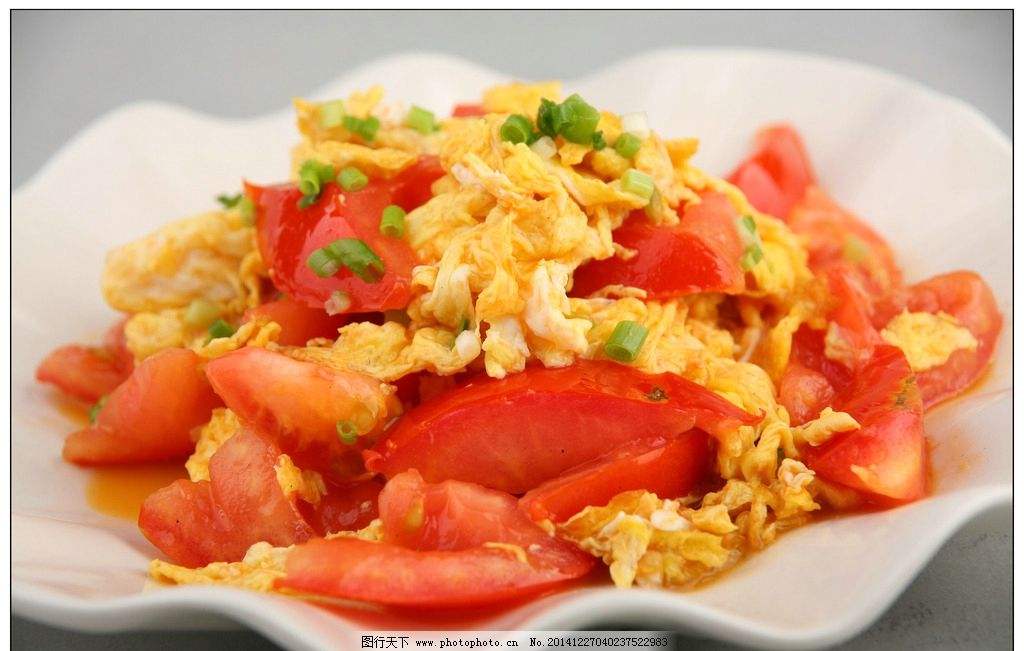


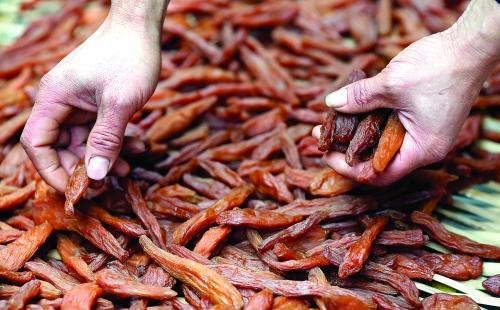
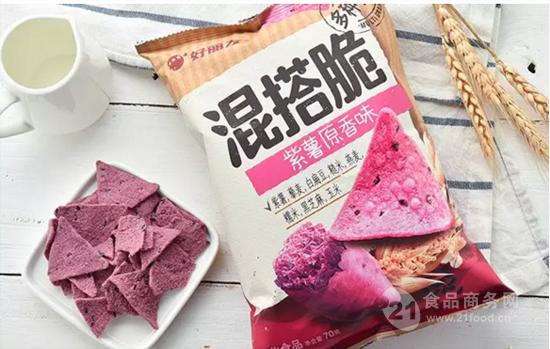



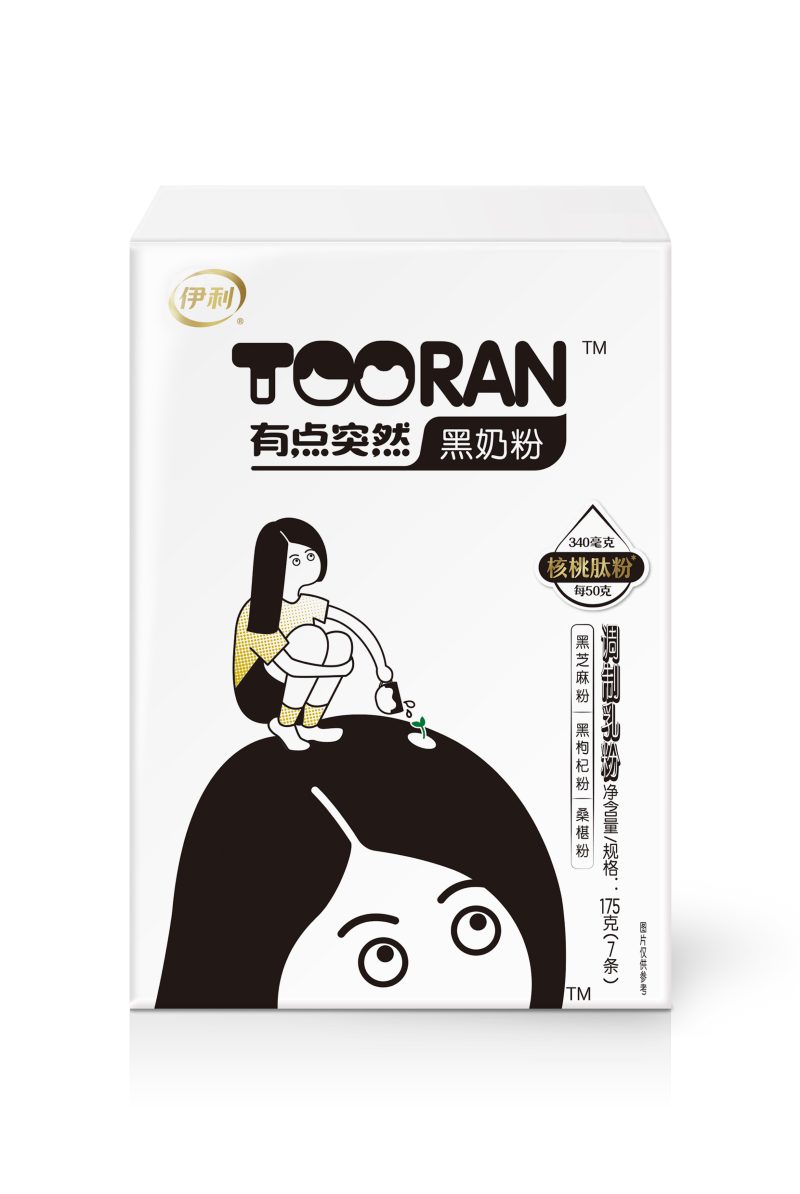
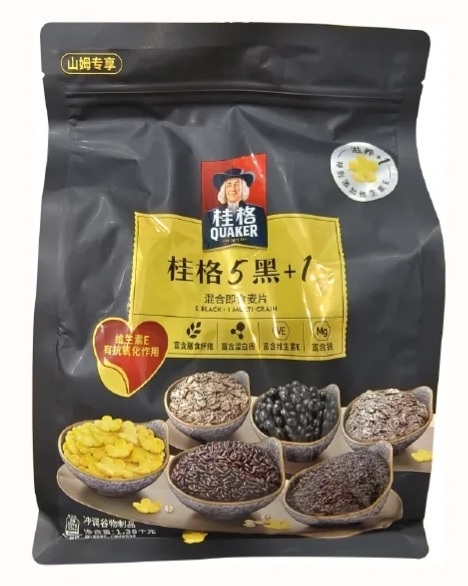
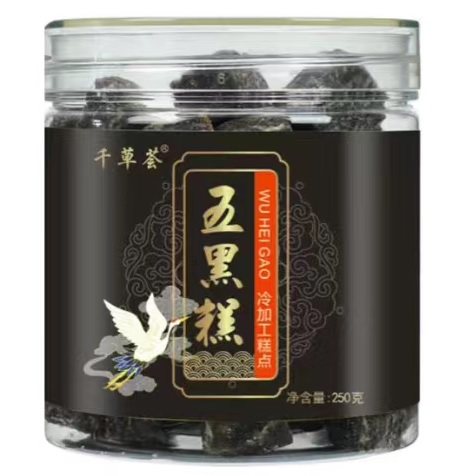


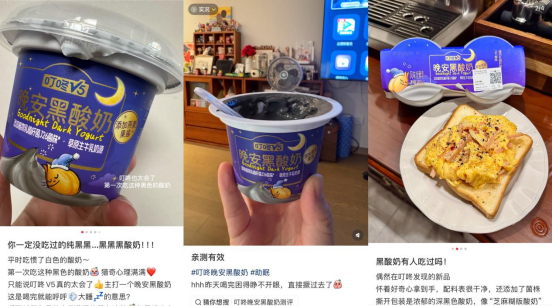


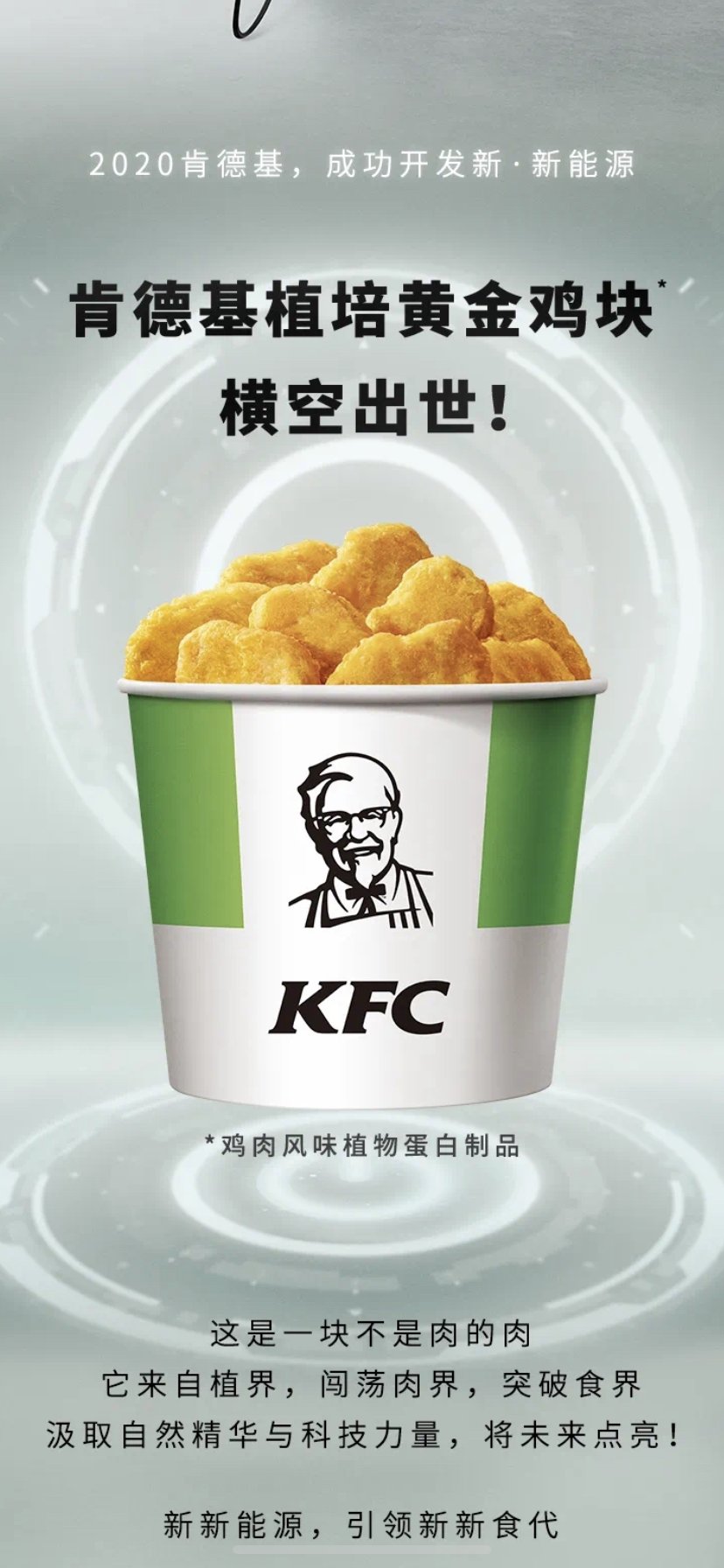
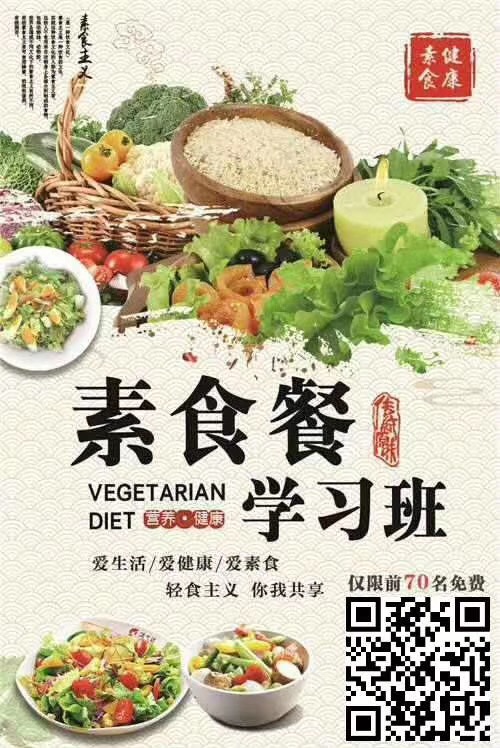

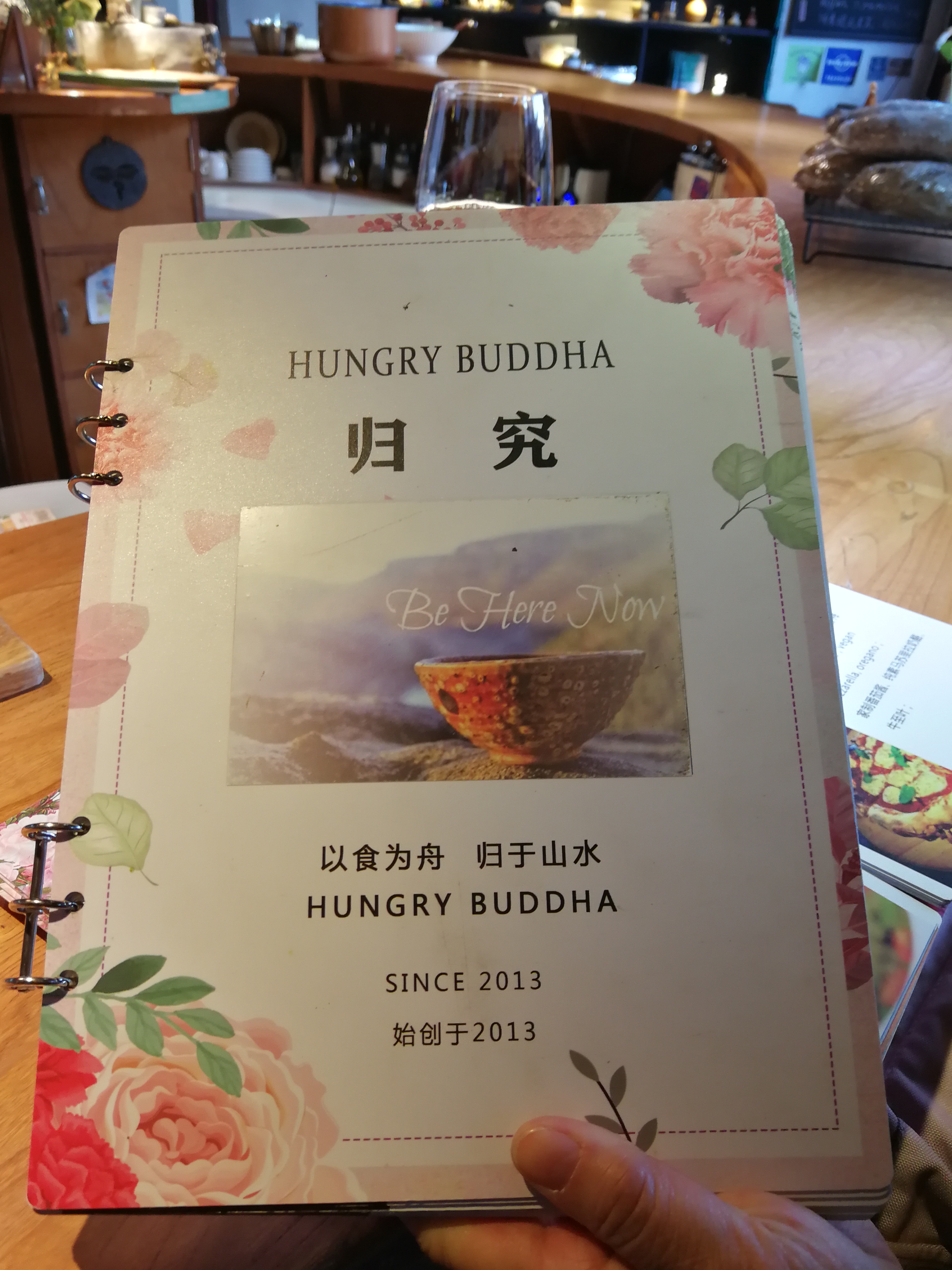
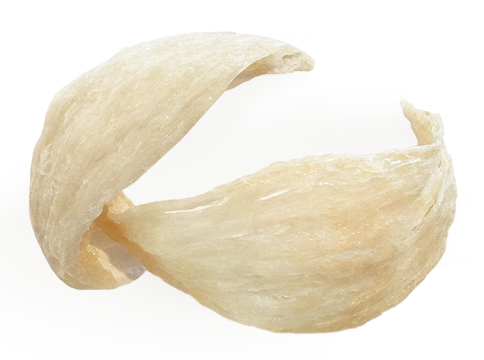


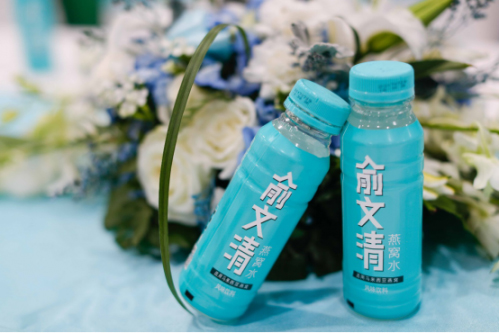


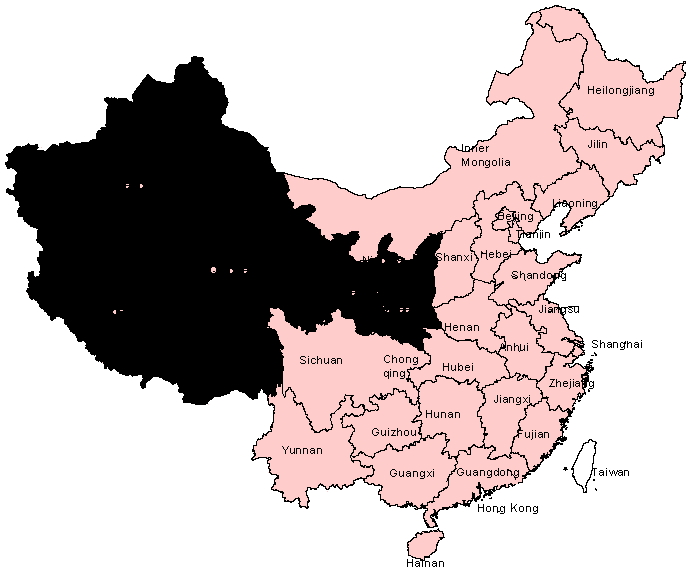


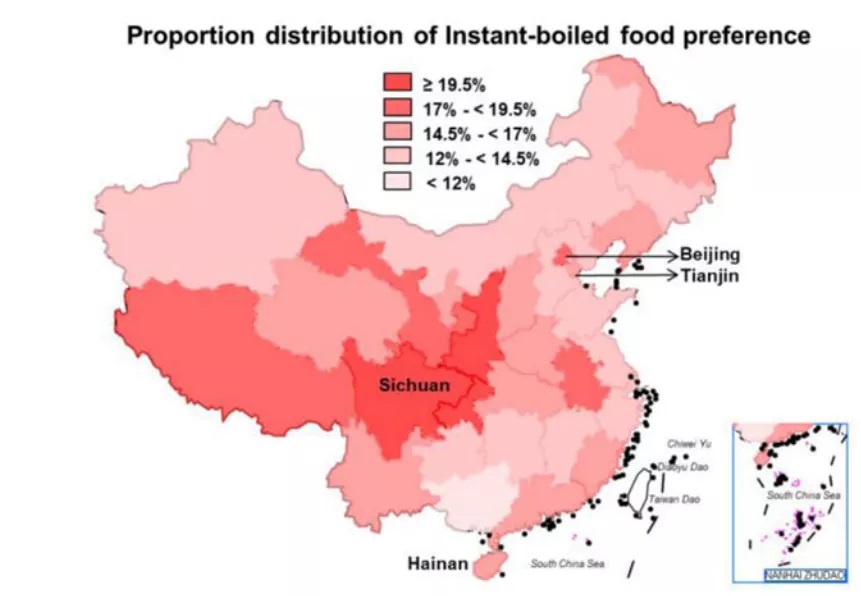
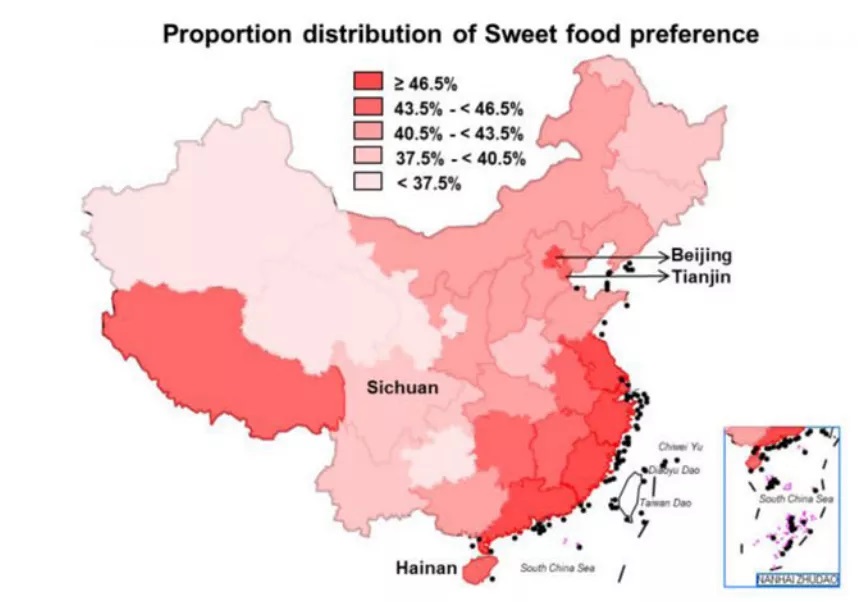
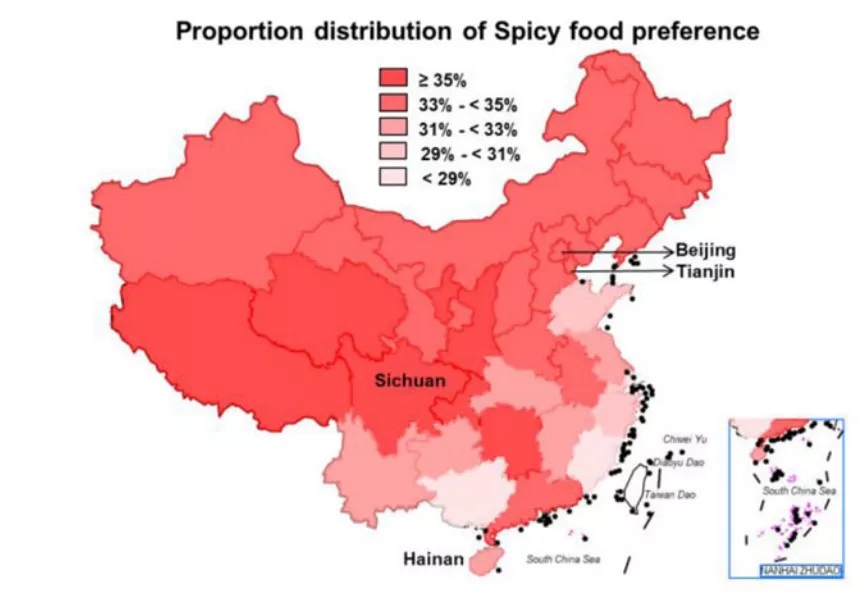


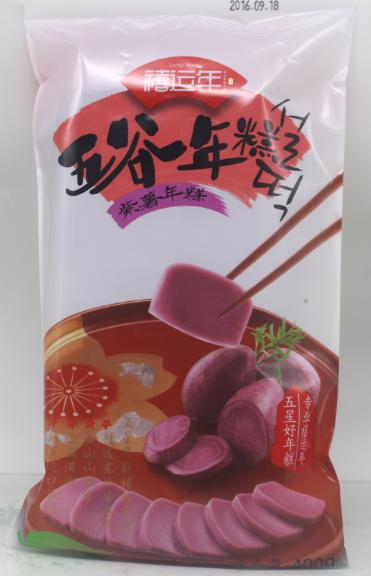


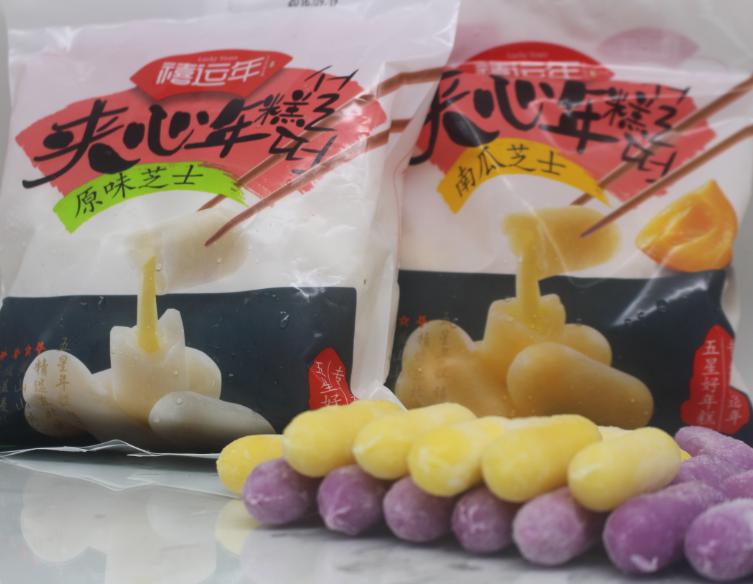


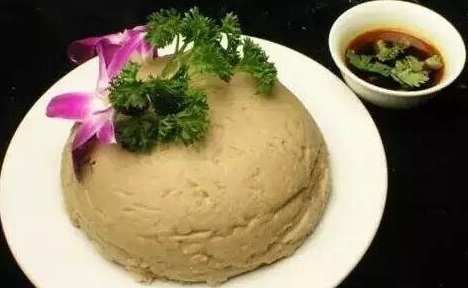

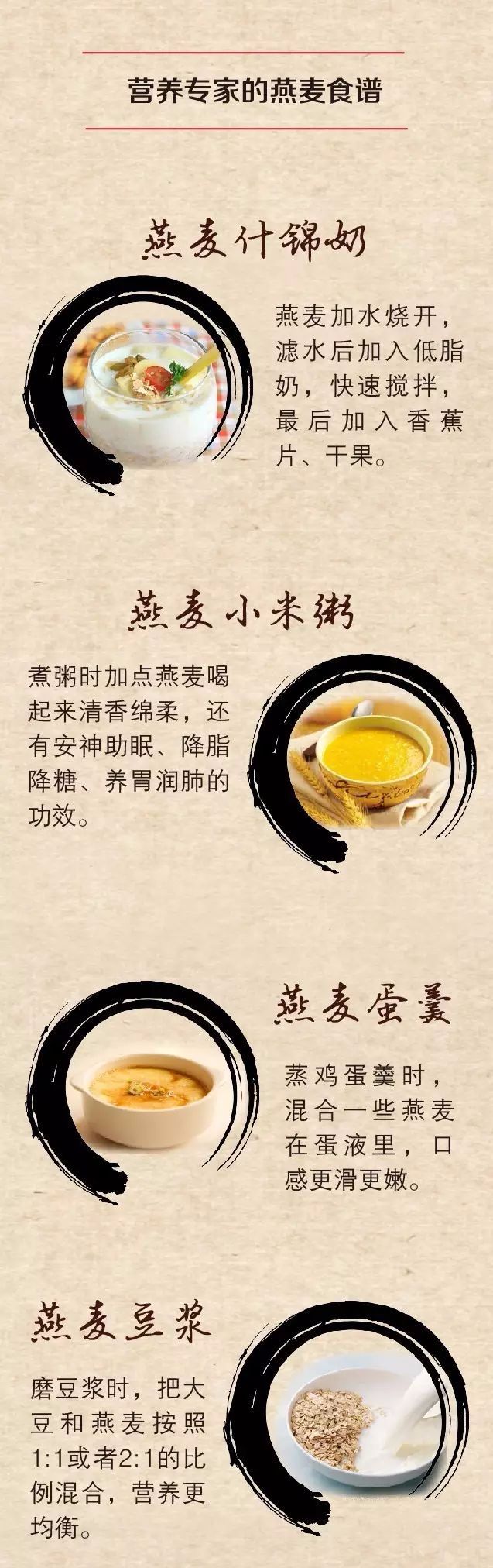

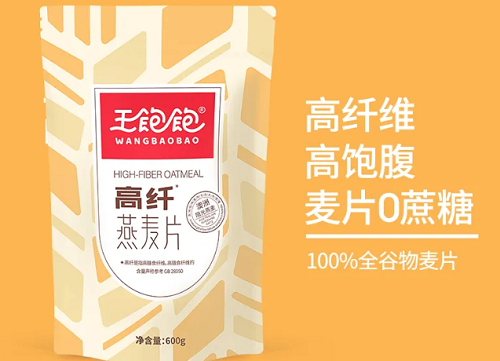
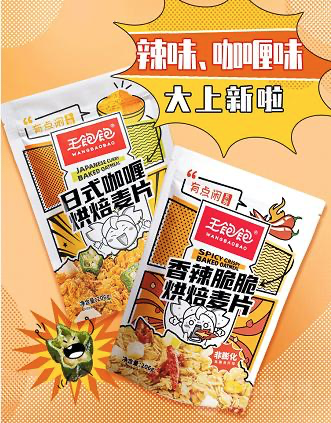



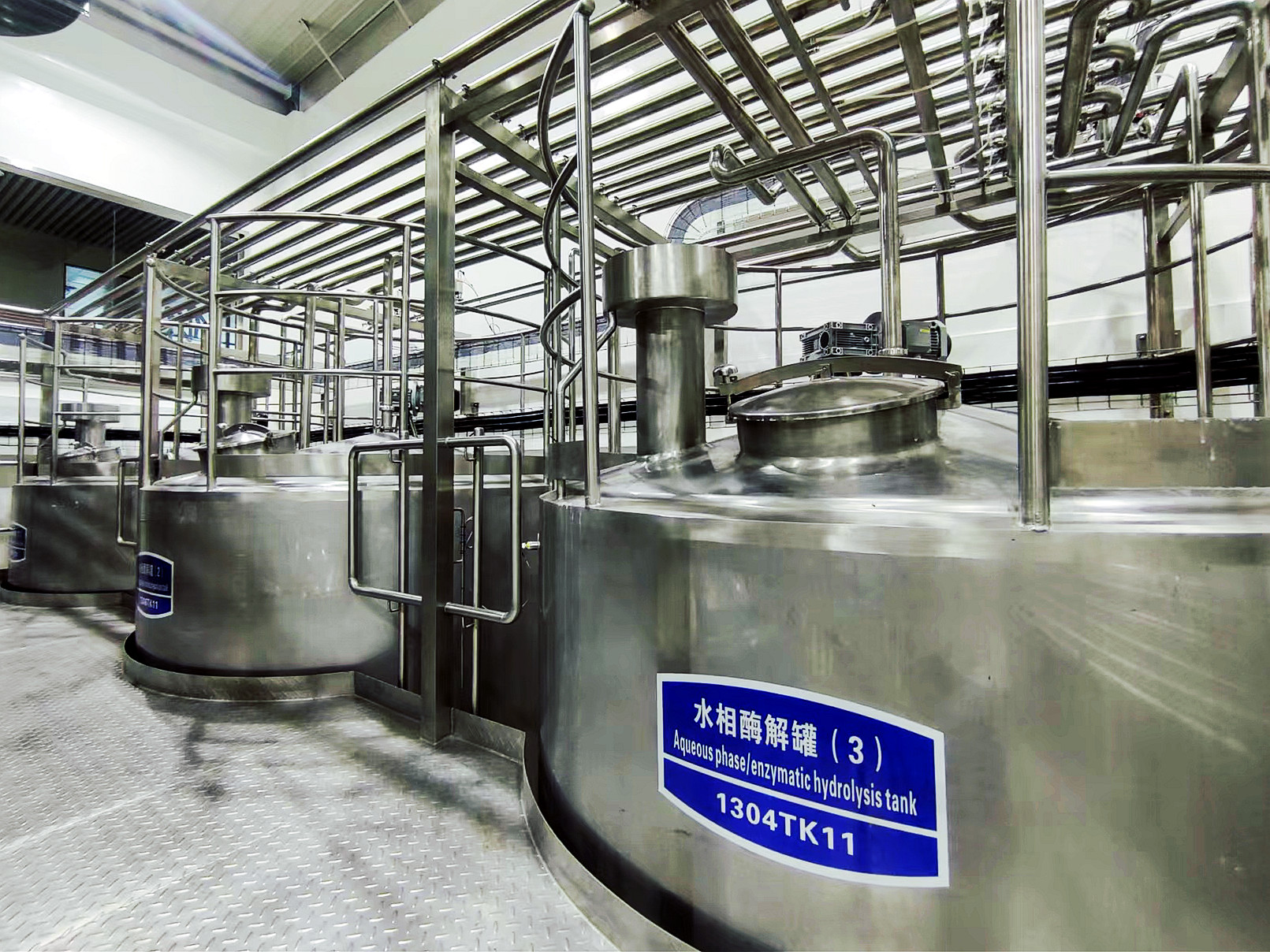

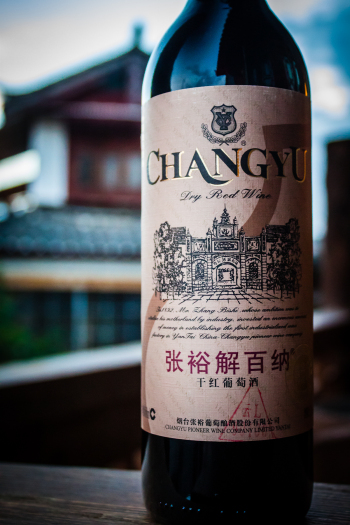
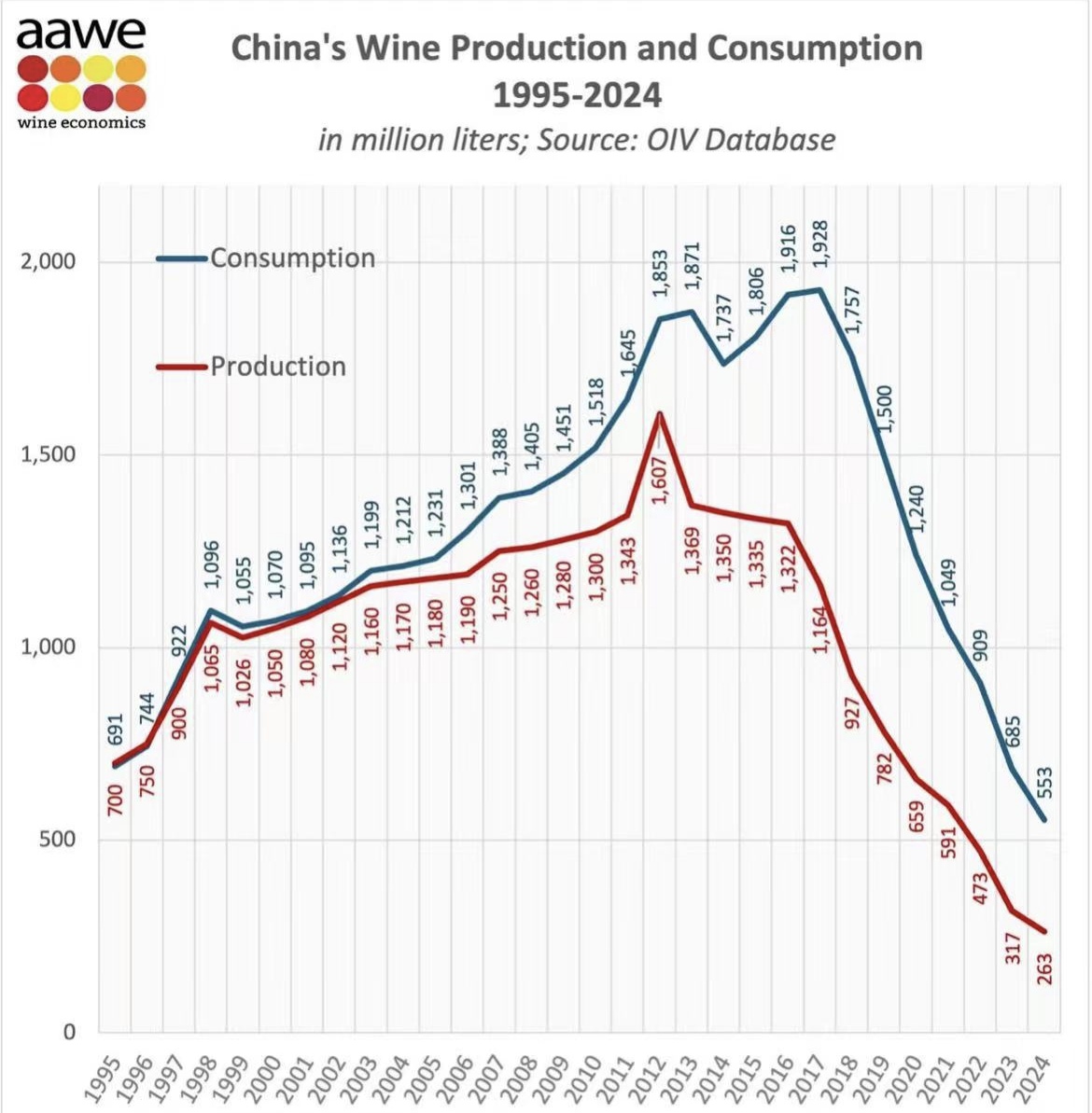
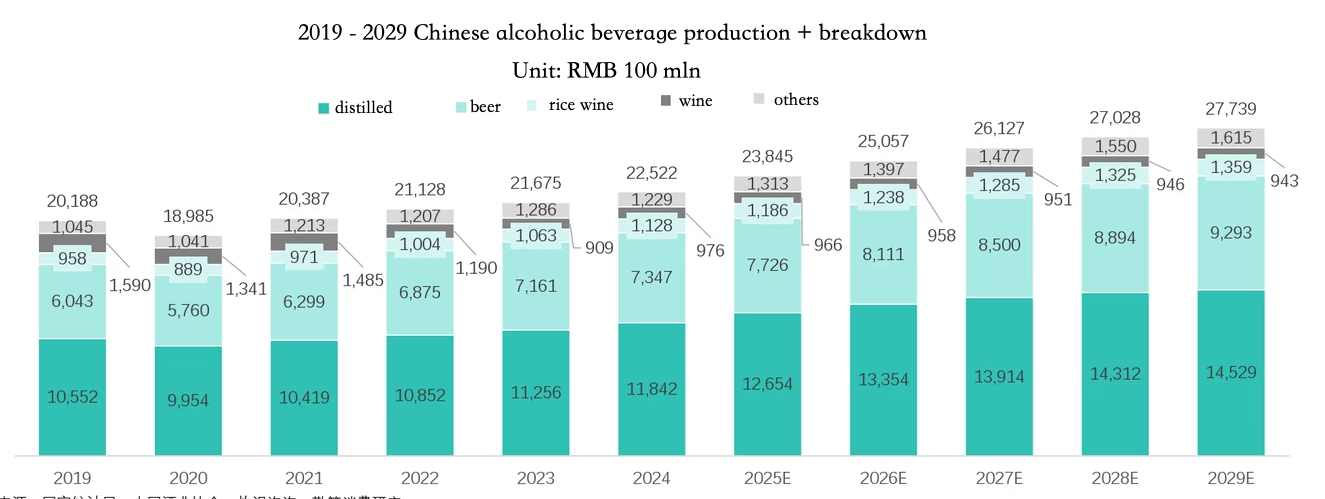


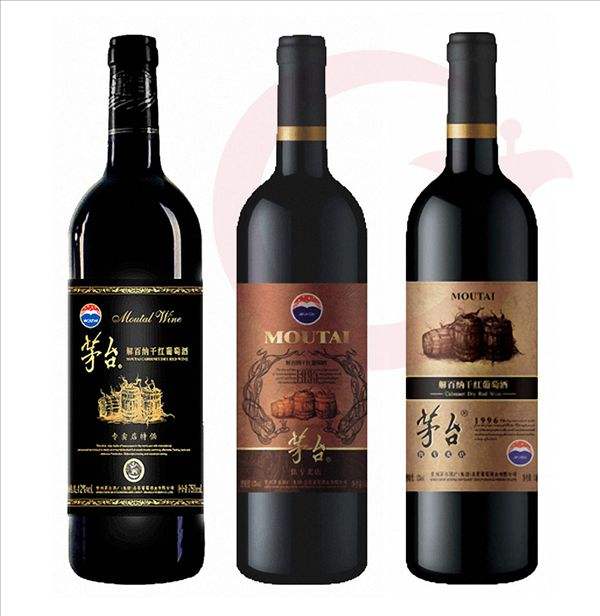


 Peverelli on Chinese food and culture