The Chinese armed forces include about 2.3 million military personnel. Moreover, as the army is a regular Chinese employer, it is responsible for the livelihood the entire household of its officers and civilian employees. This means that the Chinese armed forces are facing the burden of feeding 5 – 6 million mouths. Even when we restrict our attention to food for combatants, this group of consumers constitutes a complete market by itself.
The total budget of the Chinese army was RMB 720.2 billion in 2013.
Nutrition
As reported earlier in this blog, medicinal functionality and nutrition have always been overlapping realms in Chinese culture, including in the design of combat foods. Modern food technology now adds the availability of functional ingredients and combining these with traditional Chinese medicine (TCM) creates and interesting challenge as well as opportunities for the suppliers of food ingredients.
The Military Provision Research Institute of the General Logistics Department, that conducts this research in China, identifies the following aspects of military food that require special attention:
Digestibility
The food needs to easy to digest, cure indigestion and ensure a maximum bioavailability of the nutrients.
Suppress hunger and fatigue
Soldiers in combat can not always eat their meals regularly. Their food must be high in energy and release that energy slowly, to allow for long breaks between meals. One of the current research programs of the Military Provision Research Institute is the addition of soy bean oligopeptides in military food to combat fatigue.
Protect against climate and adverse geographic conditions
Soldiers need to be operative under any type of climatic conditions, from the humid heat of the tropics to severe cold, or at high altitudes with less oxygen. Chinese soldiers do not need to be sent abroad to experience all these climatic extremes. China comprises virtually all types of climates in the world within its national borders. Different foods need to be designed for different environments.
A military college has developed a type of biscuit that can increase the consumers’ oxygen level and alleviate fatigue for 48 hours. The recipe includes a number of TCM herbs.
Protect against disease
The food needs to enhance the immune system of soldiers and protect against diarrhea and perhaps even diseases like influenza. This is where TCM is believed to be especially useful as a source of new military foods.
Protect against radiation
There is ongoing research into food ingredients that make people more resistant against radiation during nuclear warfare. E.g., seaweed is being studied as a source of ingredients for anti-radiation foods and beverages.
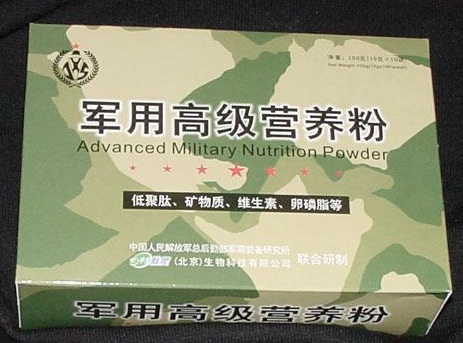
The picture shows an example of existing ‘antiradiation food’ developed by the Chinese army that is also sold to the general public. The interest among such products has increased after the problems with the Fukushima nuclear plant in Japan.
Taste like home
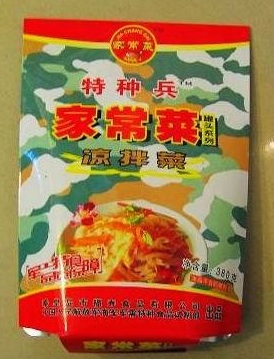
Chinese are finicky eaters and the military are no exception. Chinese are happy that modern technology reduces the time needed for the preparation of meals in the kitchen or the battle field, but that food must still retain its traditional texture, colour, flavour, etc.
This picture shows a complete meal packed in plastic, which might as well have been purchased at a regular supermarket.
Some insiders even remark that military convenience food in China is better developed that what is currently sold as ‘Chinese’ fast food, which still finds it hard to compete with multinationals like McDonalds and KFC. They therefore urge the military food industry to expand its business scope to civilians as well. Chinese military industry has always been known as technologically more advanced than average with a high concern for quality. If the military food manufacturers will pay attention to this call and start making consumer products as well, they may turn out to be tough competition of the existing industry.
On the other hand, several civilian food companies are trying their hand in feeding Chinese military. An example is China’s top producer of snack foods Sanquan, that is mentioned in several other items in this blog: the quick frozen tradition and China’s top food brands.
Here is a video showing how to open and prepare a complete Chinese army meal. It is rather lengthy, but at least you will get a good look.
Developments in 2020
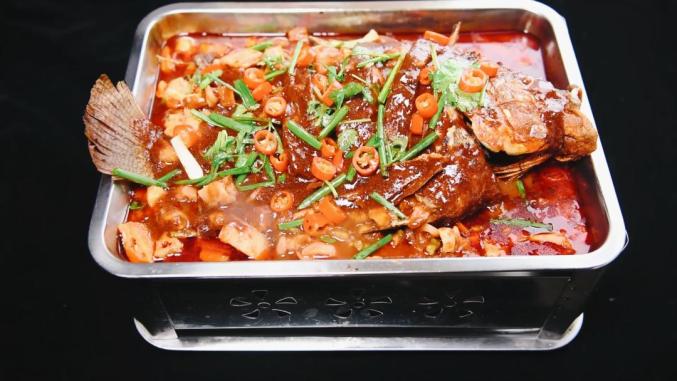
Some photos released late 2020 show the latest developments of that year. Following a general trend in the Chinese restaurant business, ready-to-eat baked fish looks like a real treat.
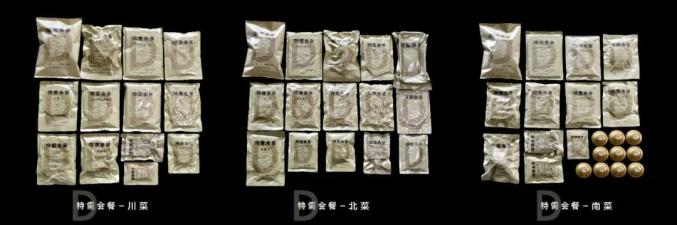
A second trend is military food inspired by regional cuisines. This photo shows Sichuan food, Northern food and Southern food. It sounds great to be able to taste a bite of home while watching the enemy’s movements from the trenches.
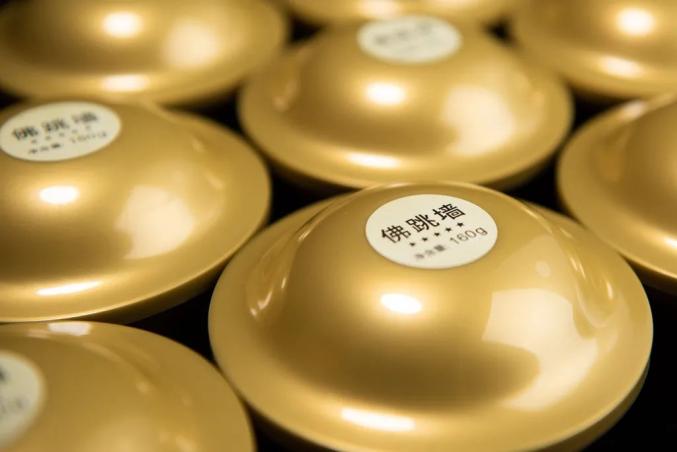
Militarised versions of luxury dishes are also available, like the famous Buddha Jumps over the Wall; a food so tasty that it makes Buddha do exactly that, to catch a bite.
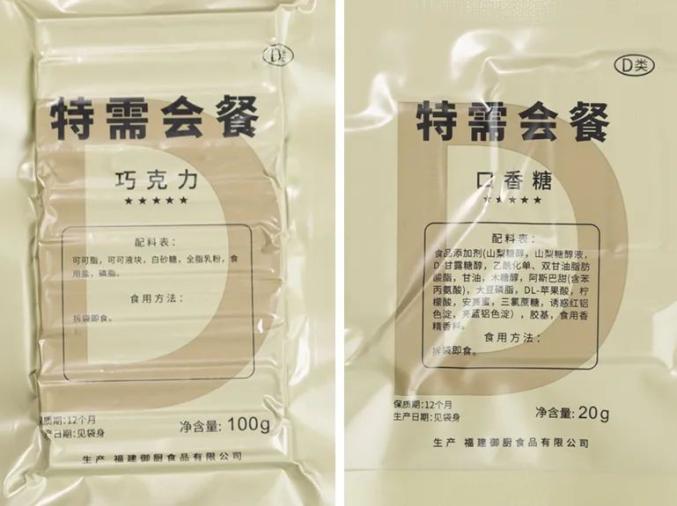
Finally two picture of military leisure food: chocolate and chewing gum. Soldiers also need to have a few snacks in-between regular meals.
I am amazed about these trends. Could Chinese soldiers be the best fed in the world?
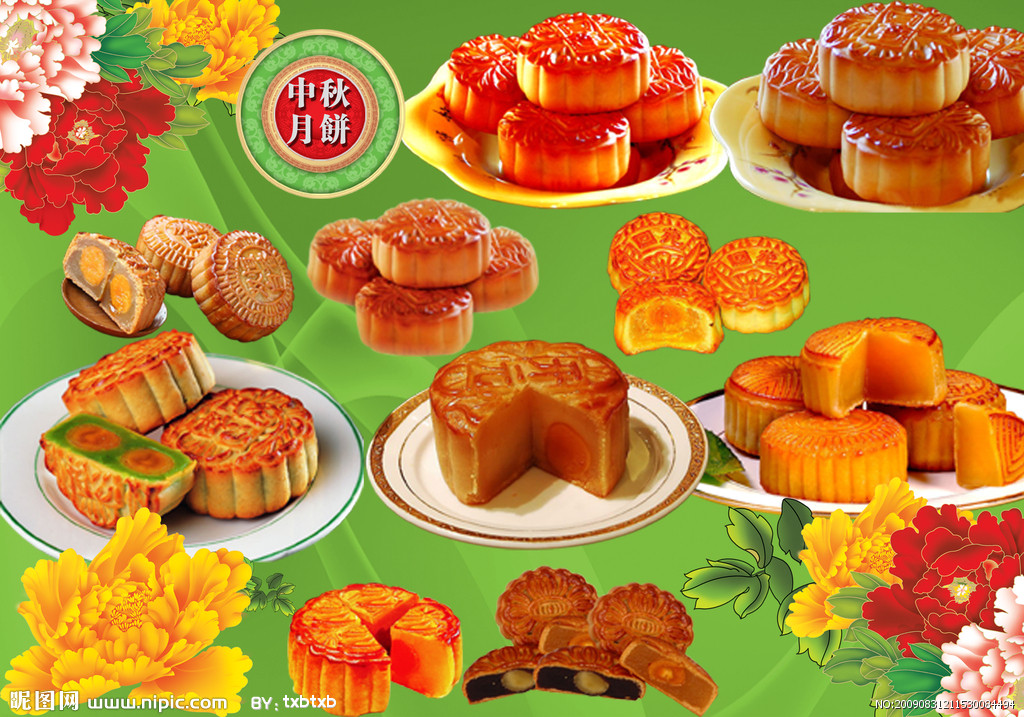
Moon cakes are probably the most important type of traditional Chinese pastry. However, the period in the year that they are available is short, only a few weeks.
Moon cakes are the typical treat you eat around the Mid Autumn Festival, the first full moon of the Autumn according the lunar calendar.
The bulk of a moon cake consists of the filling, wrapped in a crust of traditional Chinese pastry dough (relying on fat for the texture, rather than yeast or other rising agent). Moon cakes are roughly divided into Northern types and Southern types. The Northern moon cakes are harder and dryer, while the Southern types are softer and moist.
Fillings can be based on lotus paste, bean paste, fruit, nuts, etc. Southern moon cakes can also contain small pieces of ham or other meats and often have a duck egg in the centre. Moon cakes are rich, eating one in the morning can easily count as breakfast as well as lunch. Chinese often cut a moon cake in small pieces.
The moon cake production season starts early, sometimes two months prior to the actual festival. Many traditional bakeries, and even bakeries of Western pastries, usually stop manufacturing other products, directing all man power and resources to the production of moon cakes. The value of the mooncake market in 2025 was estimated at RMB 33.28 billion; up from RMB 15.06 in 2013.
A market survey conducted in 2019 has shown that the main consumer group for moon cakes is the 30 – 39 years age bracket; good for 54% of the total consumption. The second group is the 20 – 29 years bracket; good for 22%. That year a total of 1.38 billion mooncakes were sold, generating a turnover of RMB 19.67 billion.
It is big business for suppliers of food ingredients as well. Traders in food ingredients also stock up large quantities of moon cake ingredients and place extensive advertisements in the local media.
Here is a video of producer of moon cake production machines. It is a commercial video, but still gives an interesting insight in the industrial production of moon cakes.
Signature moon cakes
Major hotels and restaurants have also started noticing the potential of mooncakes as a novel way of reaching out to the market. They have asked their chefs to come up with innovative flavours using unconvential ingredients. Some even experiment with Western ingredients. Here is my pick from the Beijing 2014 season.
The mooncakes of the Imperial Palace Restaurant are mainly Chaozhou-style (a cuisine in Guangdong) pastry mooncakes, which are handmade by chefs with more than 10 years’ experience, and are delicious and fresh, with low levels of fat and sugar. The restaurant claims that their products have no additives. In addition to the traditional mooncakes, the restaurant has introduced fillings made from fruit and vegetables, such as cranberry and white gourd.
The Westin Beijing Financial Street has packages that mix Western and Chinese flavors such as goose liver, truffle pumpkins and Chinese chestnut.
The Shangri-La Hotel in Beijing has 42 fillings at different prices, including some special flavours such as rose with red bean paste. Diabetics can choose low-sugar pumpkin mooncakes, and those who want to keep fit can buy ones containing cereal germs.
Moon cakes can not escape the problems of modern industrial production. Consumers want the products look, feel and taste exactly as the traditional hand made cakes, leaving the manufacturers with the problem to translate that wish into a recipe.
Formulation issues
Modern moon cake production has a number of problems related to ingredients:
Preservatives
With the increase in the period between production and consumption preservation has become a serious problem. Moon cakes are an ideal environment for the growth of molds, especially the moist Southern style moon cakes. My latest bite of mooncake (Jan. 1, 2015; Jiayuan brand, bean paste filled) contained potassium sorbate and sodium dehydro-acetate.
Until mid 2000, many manufacturers included a small pack of dimethyl fumarate (DMF) with their moon cakes. This preservatives slowly sublimates, preventing the growth of mold. Moreover, DMF did not have to be listed on the packaging as a preservative, because it did not count as an additive. However, the use of DMF for food was prohibited in May 2000. Alternative preservatives are still being tested by the manufacturers. Especially the suppliers of Natamycin are actively promoting their products for the treatment of moon cake surfaces.
A company in Guangdong has developed a special preservative for moon cakes. The longer the shelf life the higher the price is no longer the case with moon cakes. Rules have changed, so have perceptions. The norm now is, the shorter the shelf life the higher the price.
Antioxidants
Traditional Chinese pastry dough is high in fat, creating that typical crumbly texture. This calls for antioxidants to preserve the flavour of the pastry. Recently publications on antioxidants in moon cakes seem to converge on their preference for tea polyphenol as the best solution. It is a natural ingredient and apart from its antioxidant property, it also has a preservative activity and protects the colour of the pastry. An interesting ingredient in this respect is tea, which adds colour, flavour and mouthfeel and also functions as an antioxidant. See my special post on tea as food flavour.
Sweeteners
Moon cakes are supposed to be sweet. However, Chinese consumers are also getting more aware of the problems caused by excessive intake of sucrose. The past few years have seen experiments with alternative sweeteners. A number of manufacturers are already offering moon cakes sweetened with polyols, in particular maltitol and xylitol. Beijing based Daoxiangcun produces ‘maltitol moon cakes’. According to the information on the package, the pastry contains 15% and the filling even 43% maltitol.
Trends in typology
A survey held in 2019 still showed that traditional flavours were mainstream in the moon cake business.
Type
share (%)
Traditional
78.4
Innovative
9.1
Healthy
2.3
Others
10.2
The term ‘healthy’ is not explained by the authors of the survey, but we can assume that these are mainly sugarfree moon cakes.
Branding
Most moon cakes are still produced on an ad hoc basis, and sold in bulk, without brand. However, a number of brands have started to emerge in recent years. The current top three brands are:
Huamei
Produced by the Huamei Food Co., Ltd. In Dongguan (Guangdong), this is not only a noted brand, but also a ‘green food’, the Chinese designation for ecologically friendly foods, one grade below biological foods.
Yuanlang Ronghua
The producer of this brand, Ronghua Pastry Co., Ltd., is also located in Dongguan, but the mother company is from Hong Kong. This company has been engaged in a fierce legal battle with an entrepreneur from Shandong about the use of the Wingway (the Cantonese pronunciation of Ronghua) for many years. This is yet another proof of the economic importance of moon cakes.
Anqi
Anqi Food Co., Ltd. is yet another Guangdong-based company, located in Shenzhen. It was the first to introduce ‘iced moon cakes’ in the Mainland. These are white moon cakes, with a skin made from glutinous rice.
The top 5 moon cake brand in online sales in 2019 were:
Brand
share (%)
Daoxiangcun
22.07
Huamei
11.77
Wufangzhai
7.58
Meixin
4.91
Gongdelin
2.51
Phantasy shapes
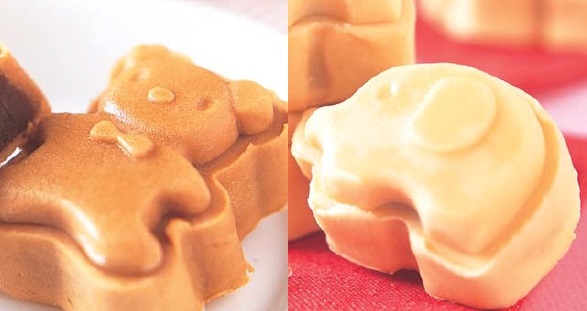
The only limits of what is possible with moon cakes are the limits of ones imagination. Any more or less round shape from dough with any kind of filling can be called a moon cake. The photo of this section shows a bear-shaped and elephant-shaped moon cake. The bear cake has a coffee flavour, while the elephant cake is scented with orange.
Trend 2015 1: medicinal moon cakes
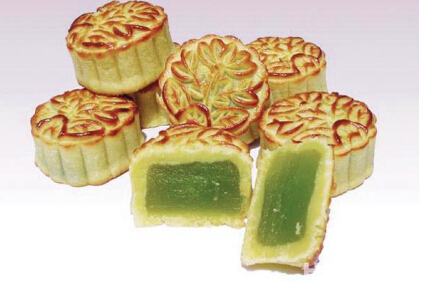
A trend in 2015 is to enrich moon cakes with traditional Chinese medicinal ingredients, like: ginseng, goji berries, or cordyceps (a fungus infected caterpillar). The resulting pastry can then be attributed medicinal functions and, hopefully, be sold at a premium price. This initiative has received mixed reactions from the market. However, whether it catches on or not, it has at least added new colours to the existing range of moon cakes, as shown by this picture.
Eurasia Consult’s databases include a large number of recipes for generic and innovative moon cakes; and our database of the Chinese food industry includes 121 producers of moon cakes.
Weird, weirder, weirdest
It is not always easy to come with yet another novel type of mooncake. Here are some of the weirder examples launched in 2015.
Chocolate mooncake with spicy beef filling
Ten years ago, a Chinese girl was reported to say to a boy, “It’s impossible for us to be together, like chocolate will never be with beef.” Today, it seems that everything is possible.
Sour and spicy mooncake
The sourness of the mooncake filling is from pickled vegetables and hawthorns. The spiciness is made from a chilli sauce resembling to the famous brand Lao Gan Ma.
Fermented bean curd mooncake
This is a variant of a kind of pastry made with fermented bean curd popular in Chaoshan, Guangdong province, similar to furu, also reported in an earlier post. The pastry is usually used as a sacrificial offering by local people on the first day and the middle day of each month.
Mooncake with fillings of cream, truffle and goose liver
Expensive is still fancy in China. The “Louis Vuttion” of mooncakes is made with expensive ingredients of truffle and goose liver. This luxurious mooncake definitely deserves a bite.
6. Mooncake with leek egg filling
Scrambled egg is a popular filling for Chinese Jiaozi (dumpling). But for the first time, scrambled egg is being used for the traditional Mid-Autumn day dessert.
“Shiren” mooncake
“Shiren” mooncakes have 10 kinds of nuts, doubling the traditional “Wuren” mooncake with 5 kinds of nuts. It’s four to six times larger than traditional mooncakes, and implies best wishes of “perfect in every respect”.
Mooncake stuffed with braised pork and preserved vegetable in soya sauce
Braised pork with preserved vegetable in soya sauce, or “meicai kourou” is a famous Chinese dish. The one made this special filling for mooncake must be a super fan of this dish. Like the scrambled egg moon cake, this variety is in line with another innovative type of dumpling reported in another post of this blog: dumplings with entire dishes as filling.
Bamboo charcoal mooncake
This mooncake is made by putting bamboo charcoal powder into the mooncake when baking. It’s said to have the function of absorbing toxins inside our bodies. As reported earlier, the distinction between food and medicine is much smaller in China than in the West.
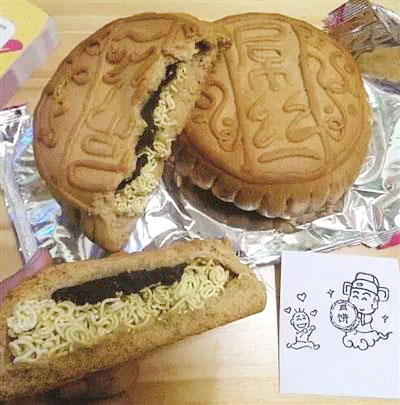
Instant noodle mooncake
Putting instant noodles into the traditional mooncake will surely give you a special experience. The mooncakes are also marked with Chinese characters, “Diao Si”, which means “underprivileged losers” in a self-mocking way. Perhaps this refers to the recent decline in the instant noodle market in China.
Mooncakes with bean-taste filling fried with tomatoes
Moon cakes as ingredients. The canteen of Civil Aviation University of China had put forward a dish which fried mooncake pieces stuffed with sweet bean taste and tomatoes before decorating them with caraway. The dish became a hit on the Internet and is called the weirdest mooncakes.
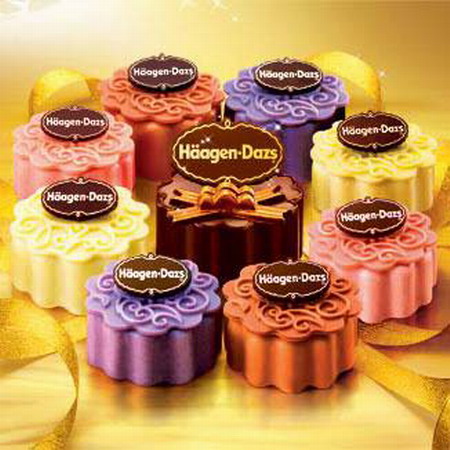
Virtually any food-related chain in China is offering its own specialty in the shape of moon cakes. Häagen-Dazs is also joining in with ice cream moon cakes.
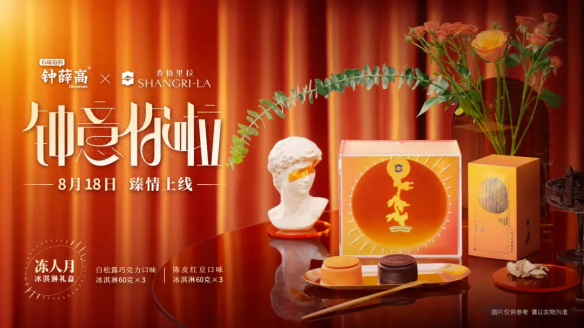
Domestic ice cream makers had to follow suit and Chicecream launched a series of ice cream moon cakes in 2021, in cooperation with Shangrila.
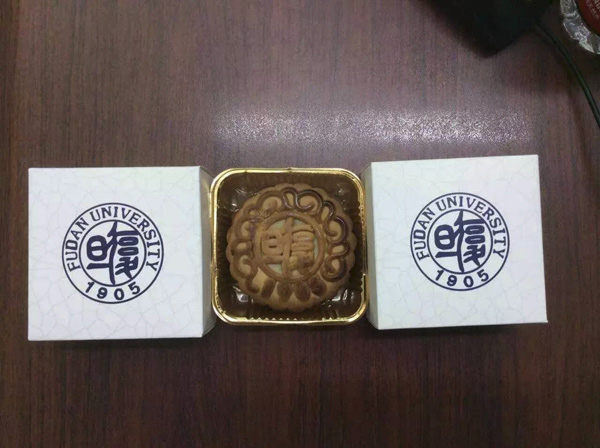
Mooncakes with an academic flavour
Universities around Shanghai have begun competing to offer mooncakes with the most distinctive characteristics in 2016. In addition to traditional fillings such as egg yolk, lotus seed paste, “five kernel,” red bean paste and fresh meat, a variety of new flavors have been introduced, including tiramisu, durian, coffee, ham and beef, purple sweet potato and mushroom. These new flavors offer a real treat for teachers and students alike.
Trend in 2018: small and special ingredients
More and more food companies whose products do not include pastry are launching their own specialty mooncakes this year. A prominent example is nut processor Three Squirrels with a range of 6 different flavours. The most spectacular one has a liquid caramel core as shown in the picture.
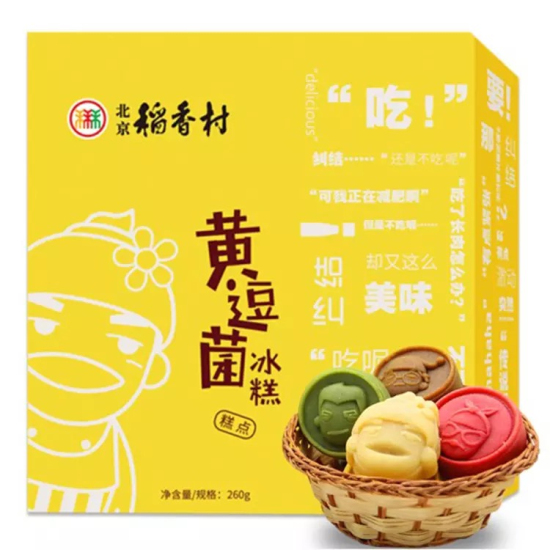
Daoxiangcun (Beijing) is a pastry maker, but has launched a series of relatively small colourful mooncakes based on a famous animation character Huangdoujun.
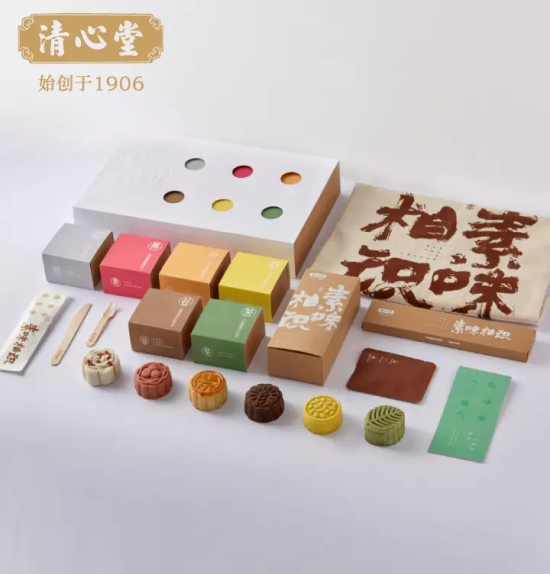
Qingxintang is a Guangdong-based producer of a wide range of traditional Chinese snacks. This year, the company is luring the mooncake crowd with a series of 6 mini-mooncakes that are promoted as vegetarian (many Guangdong style mooncakes contain pork or duck egg) made from selected flowers, cereals, seeds and teas.
Surprises of 2020: cheese-filled mooncake
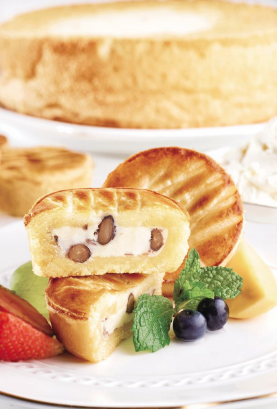
Zhenzhang Food Co., Ltd. (Xi’an, Shaanxi) has launched a cheese-filled mooncake under its Yupinxuan brand in September 2020. It uses Tatura cream cheese as an ingredient. Although the cheese is imported from Australia, the mooncakes are marketed as ‘French style cheese mooncakes’, obviously because French sounds fancier than Australian.
Also in 2020, newcomer Bee & Cheery has invested in buying the rights to launch a series of Doraemon moon cakes in sweet pumpkin and green bean flavours.
Leading dairy company Yili has launched a limited edition of its Ambrosial drinking yoghurt with moon cake flavour. I wonder it this will ever become a success, but it is an interesting example of how anyone is something in the Chinese food industry wants to cash in on moon cakes.
Chinese consumers also started liking smaller sized moon cakes in 2020. According to Bianlifeng, a Beijing-based, data-powered convenience store chain, the smaller mooncakes in pretty packaging have quickly gained popularity among consumers. Females accounted for 60% of the consumers who bought mooncakes at Bianlifeng, which has prompted the manufacturers of the mooncakes to make the snacks about half their traditional size. Mooncakes lighter than 80 grams accounted for 67% of the chain’s sales in 2020.
Trend for 2024
Mooncakes using traditional Chinese medicine ingredients are are the big trend in 2024. TCM holds that many herbs can act as both nourishment and medicine, being as effective in disease prevention as pharmaceuticals. This theory, known as medicine food homology, forms the basis of food therapy.
For example, Tong Ren Tang, a time-honoured TCM brand, has introduced a mooncake gift set containing traditional Chinese medicine ingredients such as danggui (female ginseng), dangshen (a type of bellflower) and shihu (the dendrobium flower). These mooncakes are designed in five colours, aligning with the TCM theory that ‘five colors nourish five organs’.
Chinese cuisines shine at mixing and blending of flavours
This is not only aided by superior culinary techniques that can mix natural flavouring, but also with the help of a whole line-up of seasoning. Aside from salt, vinegar, sugar and essence soups, which are representative seasoning, pastes, soy sauce, wine, and stinky tofu are all commonly used seasoning in Chinese cooking. Paste made from the fermentation of beans was regarded highly in ancient China. Once it was the food for the upper class. When treating guests at banquets, bean-sauces must be served, since each kind of meat has its matching paste. Experienced eaters will know the kind of great food to be served just by seeing the type of paste. In time, pastes became important seasoning, from which a whole series of seasonings were developed, including soy sauce, bean paste, black fermented beans and more. Pastes made from beans are very much a Chinese specialty sauce. It holds an important place in Chinese culinary history, or even the culinary timeline of the entire world.
Broad bean chili sauce (douban lajiang) is a typical condiment of Sichuan province, known for its tingling spicy cuisine. It is a mixture of fermented broad bean paste and chili paste, with a ratio of either 50:50 or 60:40.
The broad beans are first soaked in clear water and then heated to 80 – 85 ˚C in a 2% sodium hydroxide solution to separate the bean from the peel. The lye is washed off with water. The beans are then soaked in water again until they are completely saturated, after which they are steamed. The steamed beans are mixed with wheat flour with a ratio of 1:3 (beans : flour). The mixture is inoculated with 0.15 – 3% of qu, the traditional Chinese mixture of molds, and transferred to the fermentation vessel. The fermentation will heat the mass itself to 40˚C, after which a brine solution on 60 – 65˚C is injected into the mass with ratio of 140 kg of brine solution to 100 kg of mass. This will bring the temperature to approximately 45˚C, which is maintained for about 10 days.
Meanwhile, fresh chili peppers have been pickled with salt and left for three months, after which the mixture has been ground to a paste. The fermented bean paste is mixed with the chili paste and left to ferment for another half a month. A number of condiments can be added to the end product; e.g.: sesame oil, spices, sugar, rice wine, etc. Each manufacturer will have its own proprietary mix to reach a unique flavour.
The single most famous type of broad bean chili paste is from Pixian county in Sichuan. A special company has been established to cash in on its fame, named after the county: Pixian Bean Paste Co., Ltd. The picture accompanying this introduction shows the range of different pastes produced by this company.
Pixian fermented bean paste has received DOC status, like the Jinhua ham introduced earlier in this blog. No manufacturer outside Pixian will be allowed to sell fermented soy bean paste as Pixian fermented bean paste. The local government has established a research centre to improve the production process.
In 2018, Pixian Bean Paste, whose brand was evaluated at RMB 65.6 billion, ranked top among geographical indications concerning processed food nationwide. The popular paste has been exported to more than 80 countries and regions.
I have found and translated a flow chart of the production process. It also indicates 4 critical control points (CCP).
The following table listing the output of Pixian douban during recent years indicates the success of the DOC status.
Year
Output (mt)
2006
200,000
2008
350,000
2009
470,000
2010
600,000
2013
960,000
The following video shows the production process of Pixian douban.
If you randomly ask people in the street of any Western city what is the first typically Chinese food that comes to mind, more than 80% will probably mention noodles.
Noodles are indeed China’s favourite snack food. Whenever you feel a pang of hunger, but your next meal is still far ahead, you get yourself a bowl of noodles, from a street vendor, a kiosk type of noodles shop, or another road side cookery.
When you then continue to ask what the respondents know about flavouring those noodles, they will undoubtedly reply that it depends on what you put into it. That can be pieces of meat, fish, and a large array of vegetables and spices.
That is not untrue. But, what is much less known about professional noodle making in China that the real secret of the cook lies in the broth in which the noodles are cooked. This broth is referred to in Chinese as ‘soup (tang)’.
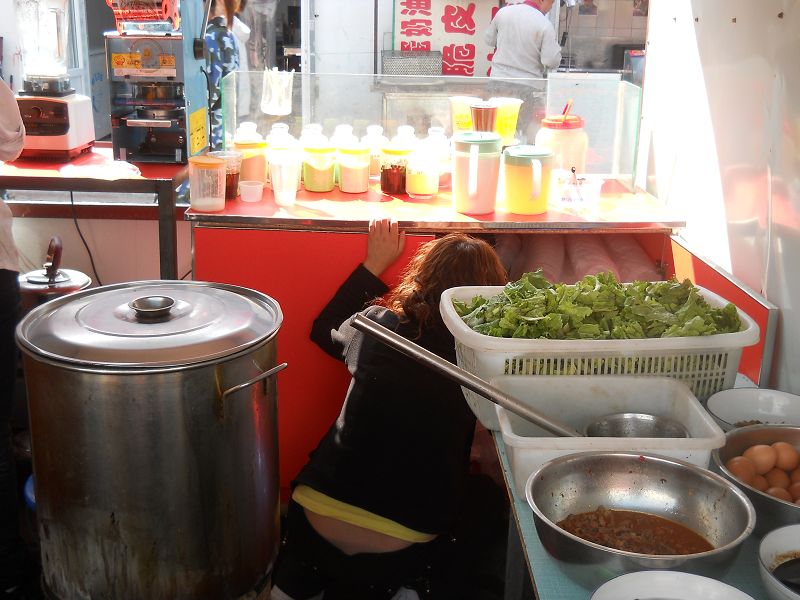
The apex of noodle soup is referred to as lao tang, or ‘old soup’, in Chinese. Why old? Tradition has it that real noodle makers only once start their kettle. Once the broth is boiling, they just keep throwing in noodles and condiments, which, once done, are scooped into a bowl and served to the customer. Some fresh condiments will be thrown on top if, and the noodles are ready for consumption.
This process will be repeated for each new customer. Day in day out. In theory, the cauldron can hold soup stretching back years. Tall stories go around in China about noodle makers whose broth has not been changed for more than 100 years. They cook just keeps adding water. This is supposed to create an extremely rich broth.
This branch of Chinese cooking has developed a vocabulary of its own. Take e.g. the ‘milky soup (naitang)’. This soup in fact does not use milk as an ingredient. The milky appearance is caused by cooking animal bones for a long time.
As applies to the adaptation of other traditional Chinese foods to modern industrial production, the big challenge to redesign Old Soup in a modern setting is to retain the original flavours and textures, while creating a product that complies with the current strict regulations.
The importance of old broth can be seen at the Food Ingredients China (FIC) trade fair held annually in Shanghai in March. On the floor dedicated to flavour companies, you will see numerous stands offering instant old soup. That may be a contradictio in terminis, but it is also big business. As soon as you enter that floor, you will be welcomed by the intense smell of the (not so) old soup. Stands will have pans boiling on electric cookers ready to serve you various snacks cooked in that broth.
Old soup has already become big business. The leading manufacturer, Lida Food in Henan province, produces almost 80,000 MT p.a.
A lot of old soup R&D is going on in China. E.g., an interesting study by researchers of the Nanjing Research Institute for The Comprehensive Utilization of Wild Plants apply for processes, slow fire, quick fire, pressurization and enzymolysis, to several types of raw material, to study the dissolution rate and protein utilization rate of pig and chicken bones.
The lotus flower is often associated with China and Chinese culture. The lotus frequently features on traditional Chinese paintings. What is less known is that the lotus plant is an important food as well, particularly its pods.
The lotus is sacred and regarded as a special symbol of Buddhism in China, being a favorite icon of the Goddess of Mercy. She is often depicted standing or sitting on an enormous lotus flower. Lotus buds, carefully folded back, are often sold outside her temples so devotees can buy them as offerings. In China, it is the flower of summer, just as winter is best symbolized by the peach, spring by the orchid and autumn by the chrysanthemum.
The lotus has appeared frequently in Chinese literature. The poet Han Yu (768-824) once sang praises of the lotus root and described it to be “sweet as honey, icy as frost, a slice in the mouth heals all sickness”. The Qing emperor Qianlong (1711-1799) compared it to “the snowy white, slender curved arm of a beautiful woman”.
Several parts of the lotus plant are eaten. The bright green shoots hidden inside the lotus seeds are intensely bitter. They are collected, dried and used in infusions meant to clear the heat from tired bodies. They are a traditional cure for pimples and acne as well, and young girls wanting a clear complexion willingly drink the bitter brew. The seeds, however, are sweet and nutty and are eaten fresh, straight from the pod, or dried and preserved. They are rehydrated and cooked in stir-fries and in soups both sweet and savory. The nuts are also ground down into a sweet paste that is popularly used in Chinese cakes and pastries.
Lotus pod is actually a misnomer, because the most famous edible part of the lotus is actually the swollen stems, which grow underwater, and not the actual roots, which appear like beards along the noded segments. It is for these that farmers grow the lotus, and there are about 500,000 to 700,000 hectares under cultivation all over the country, depending on demand. The most famous producers are concentrated in Hubei province, especially around the city of Wuhan. However, the lotus root is such a popular vegetable that it is grown wherever there is water, from the peaty, black-earthed regions of China’s northeast to the riverine hinterlands of both the Yellow and Yangtze rivers, to the coastal provinces down south to the island of Hainan.
China has produced 11,222,000 mt of lotus pods in 2017 and exported 30,000 mt in the same year.
Lotus pods can be eaten raw. They are juicy and crispy and have a rather neutral taste. In traditional Chinese medicine, lotus pods are cold food and hence an excellent refreshment during a hot day. According to Chinese medicine, lotus pods strengthen the spleen and the stomach and relax strained nerves.
The China Research Institute for Nutritional Resources in Beijng has found the following composition of nutrients in lotus pods (per 100 gr of fresh lotus pod).
Nutrient
content
Proteine
1gr
Fat
0.1 gr
Carbohydrates
19.8 gr
Calcium
19 mg
Phosphorous
51 mg
Carotene
0.22 mg
Vitamin B1
0.11 mg
Vitamin B2
0.04 mg
Nicotinic acid
0.4 mg
Vitamin C
25 mg
Lotus pods are most frequently processed into slices. Lotus pods slices can be sold dried, fresh, canned, etc. The are an ingredient in many traditional Chinese dishes, like birds nest soup introduced in another post of this blog..
The following video shows the harvesting and processing of lotus.
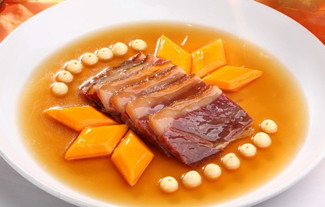
Honeyed Lotus Root Stuffed With Sticky Rice (guihua lian’ou; literally: ‘osmanthus flower lotus root’) is one of the traditional ways of preparing lotus roots. The interior root chambers filled with sticky rice then slowly cooked so that the lotus root’s starchy sweetness fully develops, and turns from pale white to deep red-brown (much like a quince) and the rice grains plump up to fill the long tubular spaces within the lotus root, giving it that characteristic appearance when sliced. After removing a root from its syrupy bath the cook will slice it into centimetre-thick slices.
Autumn food
Lotus root is most abundantly harvested in autumn, and has naturally become part of the feast for the Mid-Autumn Festival. One of the reasons it is widely used in cooking of autumn dishes is because of the Chinese culinary tradition of “eating local, eating seasonal” which was born out of the belief that food in season is the best gift from nature. In the case of the lotus root, traditional Chinese medicine practitioners claim that the aquatic root vegetable is best for relieving summer heat and autumn dryness. While the lotus root is widely used in soups, cooked with pork ribs and stir-fried sweet and sour style, it is usually presented as an appetizer, or cold dish, during autumn. Candied lotus root stuffed with slow-cooked glutinous rice and topped with osmanthus jam is one of the most common starters. This dish was once native to the east China region where diners liked having something sweet to start the meal. These days, the dish is popular all over the country, attracting loyal followings with the shiny lustre of the osmanthus syrup, its appealing fragrance, and above all, the soft and sticky lotus root, cooked to a melt-in-the-mouth mealy texture.
Lotus pod flour
A second traditional product is lotus pods flour (oufen in Chinese). China has produced 13.231 mln mt of lotus flour in 2024; up 1.58%.
Cleaned pods are crushed in water and filtered. The filtrate is then set aside to let the lotus flour precipitate. Tianfeng Food Co., Ltd. (Hangzhou, Zhejiang) produces a lotus pod flour with lotus seeds and scented with osmanthus flowers.
Lotus pod flour is currently available in various adapted versions. Wanglong Food Co., Ltd. (same) supplies a sugar free lotus pod flour, sweetened with iso-maltitol and enriched with dairy calcium.
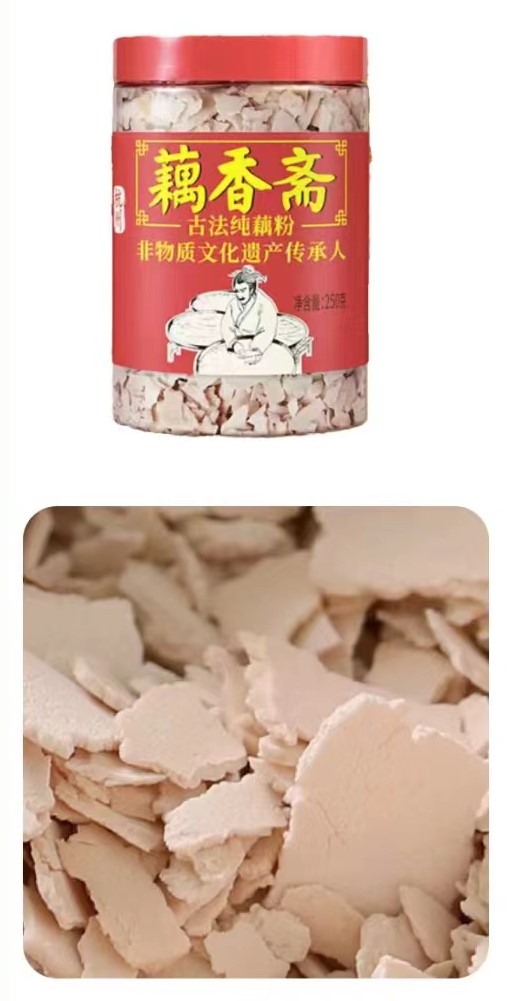
Ouxiangzhai (same) produces lotus pod flour in flakes:
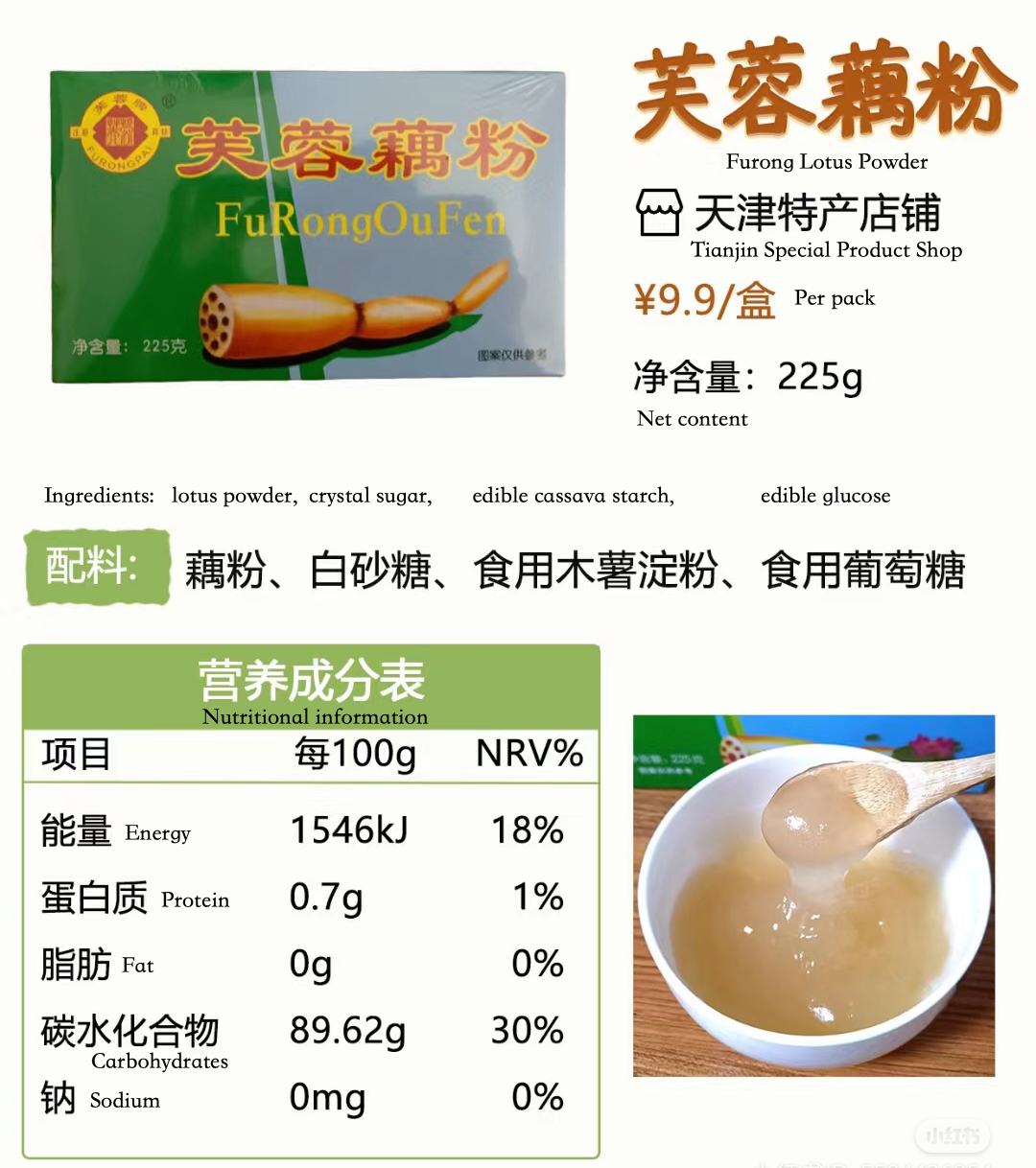
Tianjin Furong produces a lotus pod powder under a clean label.
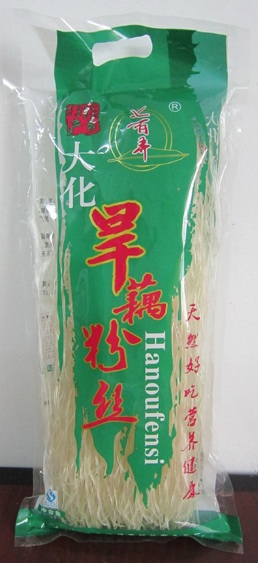
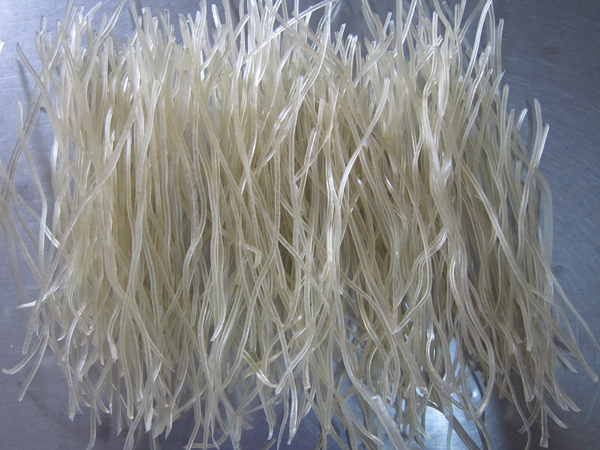
Another popular product is lotus rood vermicelli, or fensi in Chinese. This vermicelli is made from the starch of lotus root. It is a natural green food with no preservatives or additives, with a long shelf life. When it is put in boiling water, it gets soft and flexible easily and can be put in soup, fried dishes, hot pots, casseroles, cold dishes, or stewed and other dishes After cooking, it is clear and its liquid is transparent. It is called “the king of vermicelli” because of its easy digestion and claimed aid in reducing body fat. A major manufacturer is: High Mountain Natural Longevity Food Co. (Dahua, Guangxi).
Hot pods
An example of an innovative product are Liangpin Puzi (Bestore)’s ‘spiced lotus pods’. The ingredients are: lotus pods, sugar, chili pepper, salt, chicken powder, MSG and spices. An intriguing alternative for crisps to accompany a cold beer.
Healthy seeds
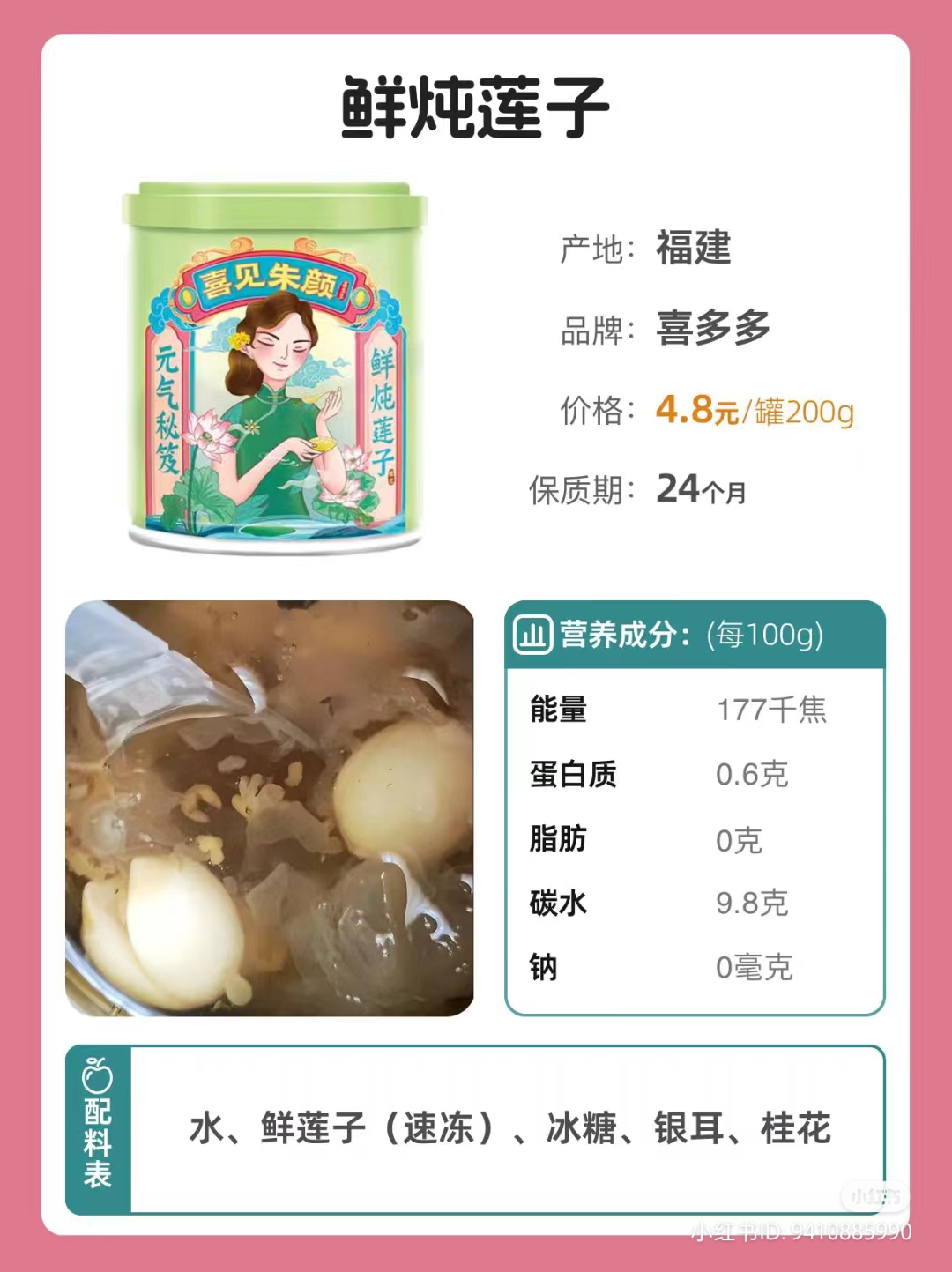
Lotus seeds are often stewed into a soup with silver ear (yin’er) mushrooms and rock sugar. Chinese ladies like to drink it for their complexion, but I believe also for its sweet taste and smooth mouth feel. Xiduoduo has made this into a industrial product. Ingredients:
Water, lotus seeds (quick frozen), rock sugar, yin’er, osmanthus flowers
Also look at the vinegar lotus eggs in my post on innovative vinegar-based foods and beverages.
The existence of a category like leisure food in Chinese food statistics is rooted in the laid back nature of Chinese culture
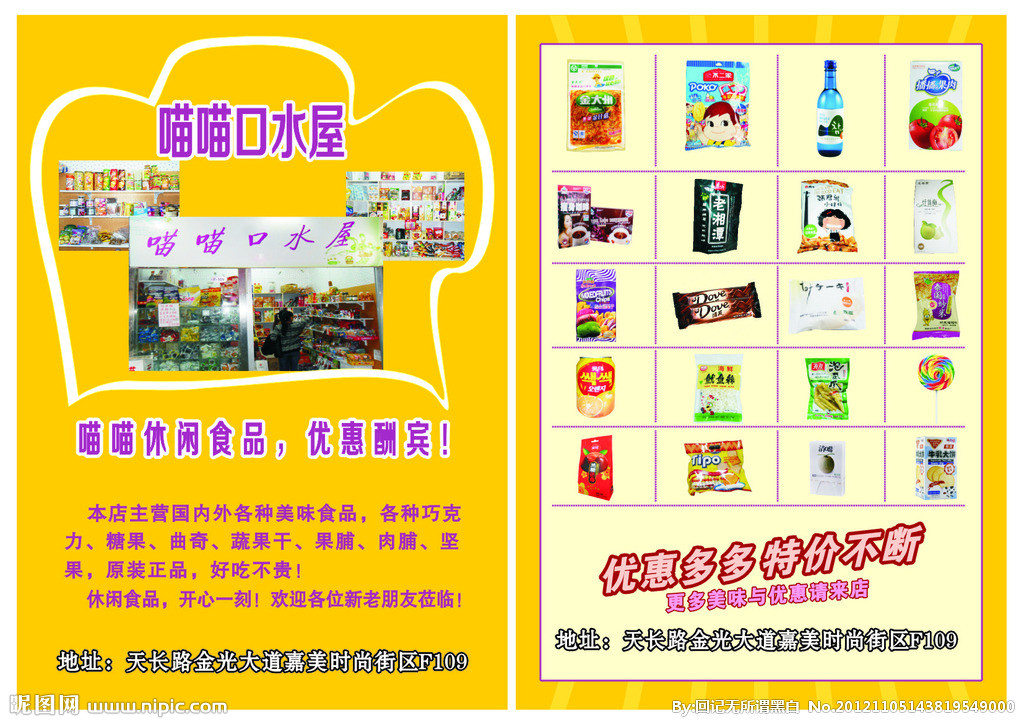
Entering a typical Chinese supermarket and looking around at the distribution of foods and beverages on the shelves, one indication that may strike you as unfamiliar, of even odd, is ‘Leisure food’, xiuxian shipin in Chinese.
Leisure and food are a match made in heaven in any culture, but there is no nation that created a more harmonious marriage between those two concepts than the Chinese. Visit any historic site in a Chinese city, and you will be amazed about the choice of snacks and drinks that are on sale in small shops or by street vendors.
When you then zoom in on the domestic tourists, you will have a hard time spotting one who is not eating or drinking, or at least visibly carrying food in their bags, ready to take it out and have a bite.
Before getting to those sites, or scenic spots, you need to travel. China is a huge country, so travelling can take time, and the best way to kill time in any culture is . . . eating. Chinese airports, train stations and long distance bus terminals are genuine food streets, offering everything the easily bore passengers may want to keep themselves, and their facial muscles in particular, busy. Eating has thus become the favourite way to pass the time on long haul rides in China.
Chinese high school and university students are also an important consumer group of leisure foods. Bakery products and meat snacks are their favourite foods during breaks.
All this has led to the coining of the category leisure food in the Chinese food industry.
It has become an officially recognized term. The library of Eurasia Consult has a collection of Food Industry Yearbooks starting with 1985 until the early 2000s, when the Internet rendered those paper information carriers unnecessary. Leisure Food is a separate section in those books, like the separate shelf for those products in Chinese supermarkets.
Leisure food is a hybrid collection of foods comprising:
One source divides leisure foods in the following subcategories:
Type
main market
customers
outlets
consumption mode
Private consumption
home
family members
Residential areas, special shops, convenience stores
At home
Travel food
travelling
travellers
local special shops, supermarkets , airports, railroad stations, tourist spots
Travelling, gift giving
Gifts
Gift giving
people in need of gifts
special shops, supermarkets
Gift giving
What I especially like in this division is the category of ‘gifts’. It always a nice gesture to bring home local delicacies when returning from a trip. And with a country as large and varied as China, there are more local specialties than a person can bring home in a life time. Moreover, gifts play a key role in Chinese culture. This is why Chinese airports and larger railway stations sell local foods in fancy gift packaging. People do not buy those to eat themselves, but to give them to relatives and friends.
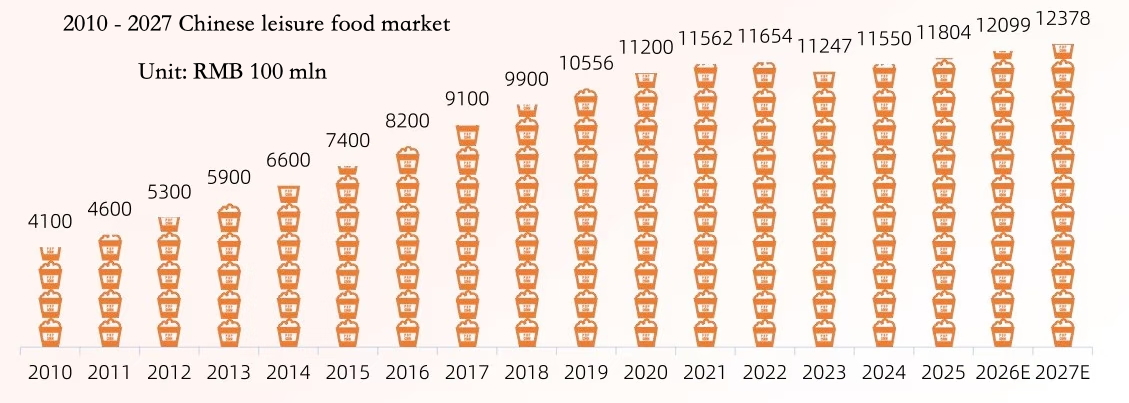
The following table shows the development of the market and the projections up to 2027 (Value in RMB 100 mln).
The following graph shows the market shares of various categories of leisure food of December 2019.
Market size and value
There are more than 4000 manufacturers of leisure food in China.The leisure food industry in 2018 was worth RMB 1029.7 bln; up 12%. Insiders expect that the value of this market will reach RMB 1298.4 bln by 2020.
Ingredients
It is an interesting market for suppliers of food ingredients. Preservation is key term here, not only referring to keeping the bugs out, but also the preservation of the flavor, color and texture.
This sector is also an interesting market for suppliers of food packaging machinery. All of the above mentioned products need to be packed in small portions, that can be conveniently stowed in ones pocket or hand bag. The preferred size is the single-portion package; a pack you open and empty in one leisurely moment, without the need to close and seal it for the next moment.
Trends for 2017
Leisure food should be tasty, novel and healthy. Snacks are by definition tasty. Consumers will only make repeat purchases and remember the brand if a snack is delicious. Chinese consumers are eager to try new leisure foods. As long as a product is novel and interesting, they are willing to give it a go. As Chinese are becoming increasingly health conscious, growing numbers place great emphasis on the nutrition facts of nibbles, such as those that are low in sodium, sugar and fat. This also includes additives in general. If more flavourings are added in order to create exciting taste, it can may Chinese consumers, who are now avid readers of ingredients lists, suspicious.
Small Packs are the trend. A very prominent trend is packs are getting smaller and smaller. Factors driving the growing demand for leisure food in mini packs are convenience, hygiene, pricing and visual impression. Mini packs can satisfy consumers’ demand for “convenient and hygienic one-off consumption”. They are particularly popular with female consumers who prefer snacks that can be eaten in one go. With large packs, if the food inside cannot be consumed straight away after they are opened, some consumers would not want to eat it again afterwards as they would consider it to be neither fresh nor hygienic.
This is the meaning of the Chinese expression yao shi tong yuan, which indicates that in the traditional Chinese perception food and medicine are substances derived from the same raw materials. There is a strong link (overlap) between pharmaceuticals and food in traditional Chinese thinking about food, nutrition and preventing/curing disease.
The function of many medicinal plants is often referred to as restore (bu) in Chinese. Medicine brings the diseased body in balance again. The various basic flavours are also accredited medicinal functions.
One consequence of this view on food and medicine is the existence of medicinal restaurants in China. You can tell the cook about your ailments, and he will compose a meal with ingredients that address those problems. This is called yaoshan, ‘medicinal meal’, or shiliao, ‘cure through eating’, in Chinese, again a combination of medicine and food.
This part of the Chinese cultural heritage has a strong influence on Chinese policy making. A good example is the Chinese government’s strong attention to promoting public nutrition. While most Western governments believe that promoting fortified foods is misleading the public from a more healthy diet, the Chinese authorities are actively promoting fortified foods. See our special item about that topic.
The national authorities have issued a list of 87 TCM herbs that are allowed as food ingredients.
TCM in food and beverages is very popular in China, as shown by the results of a 2024 market study.
Nutritional beverages
TCM has especially inspired the development of a range of health drinks. I will mention a couple of the most representative here.
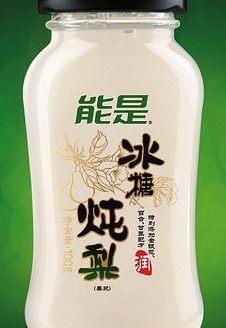
Stewed pear
Cansi’s (Nengshi) “stewed pear with rock sugar is positioned as an ancient folk recipe that has been spread for thousands of years throughout China”. Some of the claims the product makes are to “lubricate lungs” and to “relieve stress”, with pears playing an integral role in traditional Chinese medicine. The product also has TCM ingredients, such as honeysuckle and lily extract.
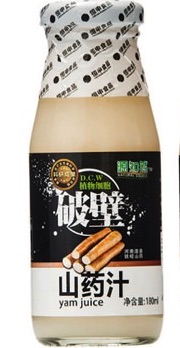
Yam drink
Natural Source’s Wall Breaking Yam Juice earns it name from the technology it uses. With its yam juice processing, it’s claimed that superior technology can break the cell wall to release additional molecules for nutrition value. The result is that when consumed, it increases the absorption rate by 80%. Yam is one of many traditional Chinese medicinal ingredients that are being processed, combined with other flavours and packaged for modern times.
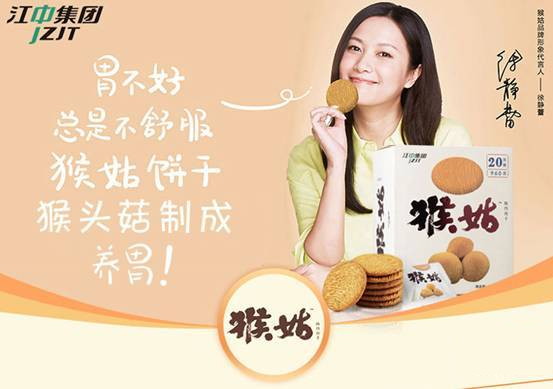
Biscuits and water for stomach problems
The Jiangzhong Pharmaceutical Group, that became famous for its successful TCM drug against stomach ailments due to indigestion, has launched a biscuit with extracts from the hericium erinaceus fungus in 2015. It is an age old ingredient in Chinese cuisine and an equally old raw material for TCM drugs against problems in the entire digestive tract.
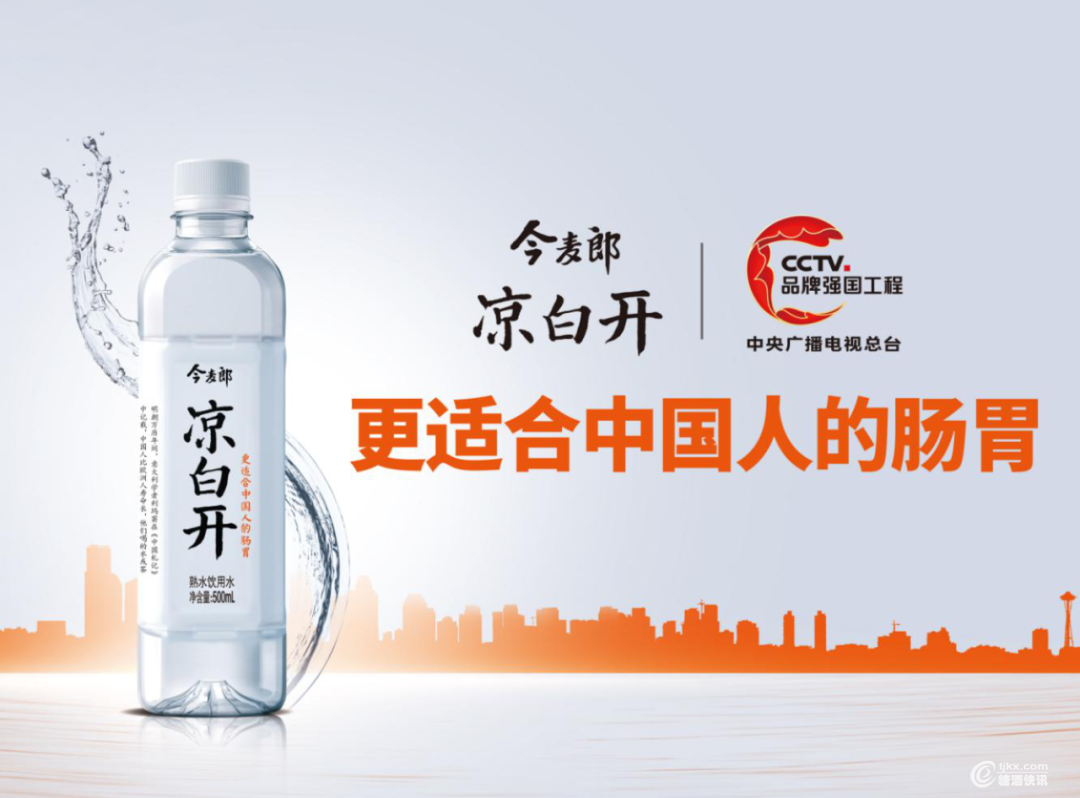
Early 2020, instant noodle maker Jinmailang launched a new type of bottled water that has been pre-boiled. It is marketed under the brand name Liangbaikai. This literally means ‘Cool Clear Boiled’ and has been derived from the Chinese expression ‘cool boiled water’, i.e. boiled water cooled down to an agreeable drinking temperature. According to TCM, such water is much better absorbed by the human body than tap water or other types of bottled water. The ad states that this water ‘is more suitable to the guts and stomachs of the Chinese’.
Military participation
Chinese military researchers are are also developing modern applications for traditional herbs. An interesting item we have spotted in this category is an ‘antiradiation biscuit’, a biscuit with the extracts of five Chinese medicinal ingredients. It has been developed for military use, but has also been made available to the general public. We have not yet found it on any supermarket shelf though.
The Wuhan College of Military Economy has develop a type of biscuit that can increase the body’s oxygen level and alleviate fatigue for 48 hours. The recipe includes a number of herbs from traditional Chinese medicine. Once more, this product has been developed for use by soldiers, but it will also have an interesting market in tourist destinations in high elevations, like Tibet. Problems caused by oxygen deficiency often spoils part of the fun among tourists in such regions.
Herbal coffee
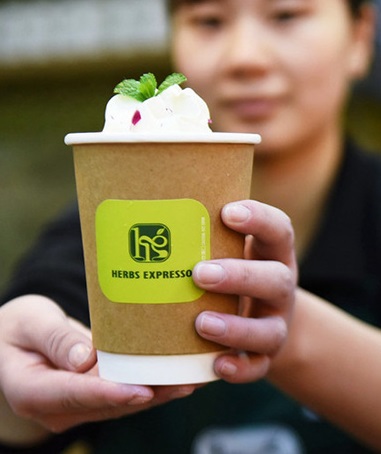
One way for TCM to redefine itself to fit into the present age is to link up with a popular beverage like coffee. A time-honoured traditional Chinese medicine store Huqingyutang has opened a cafe named “HERBS EXPRESSO” to sell ‘coffee’ in Hangzhou (Zhejiang). Unlike regular coffee, which is extracted from coffee beans, the cafe’s ‘coffee’ is sourced from herbs and processed with a coffee machine. Actually, the ‘coffee’ is a coffee-flavoured herbal drink, the cafe’s manager said. Mixing fresh fruits, milk and cream, the taste of the new herbal drink is better than the traditional herbal soup. “By improving the taste of herbal drinks, we want to promote traditional Chinese medicine culture to the world,” the manager added.
Under the weather? Go to the pub!
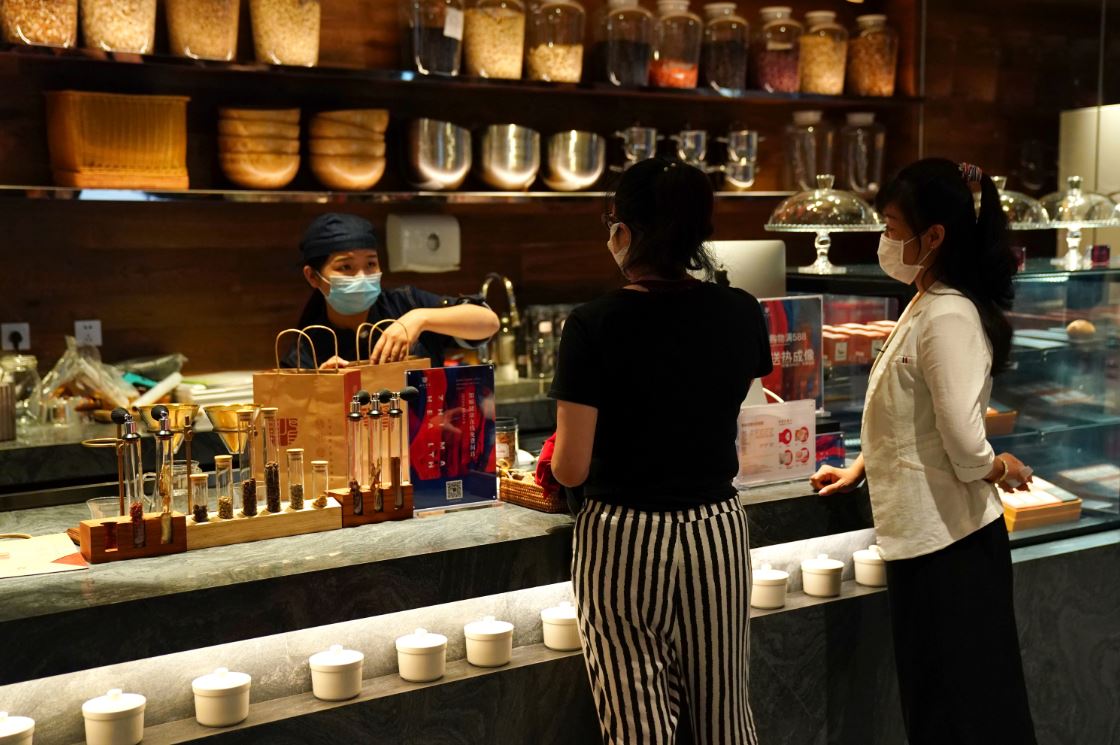
Tongrentang Group, a renowned traditional Chinese medicine pharmacy, founded in 1669, has opened two fusion cafes that offer drinks and healthcare services in Beijing in 2020. The cafe provides different kinds of coffee drinks that are infused with herbs such as licorice, monk fruit and cinnamon. It also offers various teas that are mixed with Chinese wolfberry (goji) and grapefruit. The cafe also has an area where shoppers can buy featured products such as honey, goji, cubilose (bird’s nest) and ginseng. Tongrentang plans to open 50 flagship stores in major cities nationwide in the next five years to offer comprehensive healthcare consulting services. On top of that, it will open more than 3000 landmark cafes in major commercial areas.
China’s traditional health craze that started in the 2020s triggered a renewed interest in TCM among young Chinese consumers. A bar in Chengdu made a bold step in developing traditional Chinese medicine cocktails. Priced around RMB 100 per glass, the drinks on offer at Soul Asylum claim a wide range of effects, from weight loss to enhancing male vitality and nourishing a person’s blood.
Among the bar’s most popular cocktails is a drink promising to “boost energy and improve blood health,” featuring ingredients like ginseng, Sichuan lovage root, rum, red dates, and egg yolk. Another top seller aims to “enhance male vitality” through deer antler and whiskey.
Foreign interest
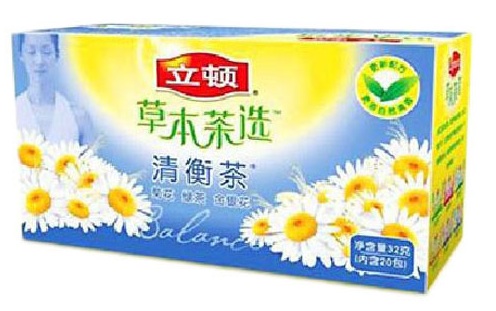
Multinationals have started to note this development as well. Lipton is marketing a tea on the Chinese market with extracts from Chrysanthemum, honeysuckle and lily. The tea is named: Qing heng cha, ‘clearing balance tea’.
I will list the ingredients and add the various activities attributed to them according to the Chinese Materia Medica:
Honeysuckle (Lonicera japonica)
Clear heat, relieve toxic fire – hot, painful swellings in the throat, breast, eyes; intestinal abscesses.
Expel wind-heat – fever, aversion to wind, sore throat, headache; also for summer-heat.
Clear damp heat from the lower jiao – dysentery, lin syndrome.
Clears liver and the eyes (sweet, cold) – wind-heat in the liver channel manifesting with red, painful, dry eyes or excessive tearing, or yin deficiency of the kidneys and liver with floaters, blurry vision, or dizziness.
Green tea
I wonder why Unilever has not yet started marketing this range (there or more such teas available on the Chinese market).
Meanwhile, the famous Pu’er tea from Yunnan is also marketed worldwide a slimming aid and a way to lower blood lipids.
Traditional Chinese Medicine has played an important role in the treatment of COVID-19 infections. Clinical treatment shows that several kinds of TCM used during the outbreak in China helped reduce illness in patients and improve the cure rate, according to Li Yu, director of the Department of Science and Technology, National Administration of Traditional Chinese Medicine. In the next step, TCM treatment can be used for patients in the recovery stage. This is the stage in which TCM herbal compounds gradually change from pure medicines to health supplements.
Punk yangsheng
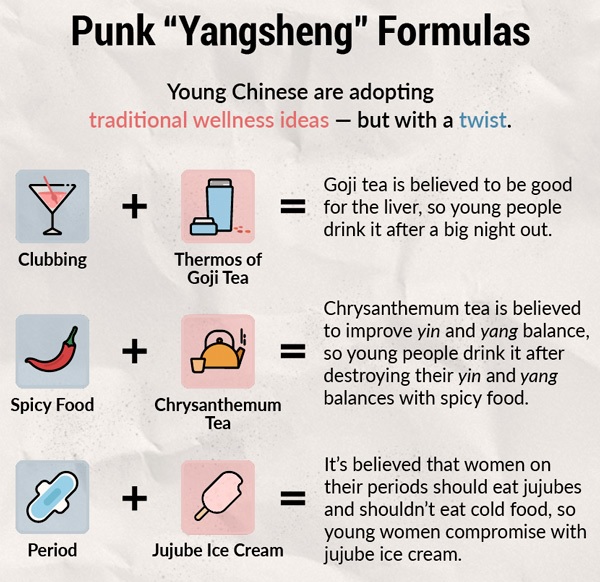
A vogue that started in China around 2020 is Punk Yangsheng. Punk refers to unhealthy living habits of young Chinese, like sleeping late or not at all, clubbing, eating junk food, etc., all in a quest to make lots of money. Still being Chinese the want to compensate for their unhealthy habits by engaging in the yangsheng, or body-healing, habits of older generations. Middle-aged people might sip goji berry tea to stay young; their children are now buying bottled beverages with infused goji berries to make up for lack of sleep. other trending yangsheng drinks include those that promise results like a clearer complexion, more energy, weight loss, and reduced oedema. Priced between RMB 20 and 40, they’re not cheap. But that doesn’t seem to have curtailed their appeal. The following illustration shows more examples of how food or drinks with TCM herbs are used in this way.
TCM in animal feed
A new development is the use of selected TCM herbs as ingredients for animal feed. Practitioners in China have prescribed bitter blends of medicinal plants and herbs for centuries to ward off disease in humans. Now, farmers are adapting the age-old elixirs — a dash of ginseng here, a speck of licorice there — for use on livestock. They’re hoping to tap into the growing popularity of traditional medicine and health food in Chinese society. The expected results are not only delicious but healthy: lean, juicy meats that can protect against colds, arthritis and other illnesses. A Guangxi farmer began mixing 22 kinds of herbs into the daily feed for his livestock several years ago. The pigs that he raises sell for more than double the price of ordinary pigs, and some customers even eat his meats instead of taking medicine. Farmers like Mr. Lin hope that China’s increasingly health-conscious middle class will help bring medicinal meats into the mainstream. The health-food market in China reached $1 trillion last year, and it is expected to grow 20% annually for the next several years.
It seems to be common knowledge that Chinese are not traditional consumers of milk and dairy products. If Chinese consume dairy products at all, they are mostly formulated products.
This is not quite true. First of all, apart from the Han Chinese, China has a number of national minorities of whose cuisines milk has been an important ingredient for centuries. These products have been introduced in Chinese cuisine in areas where their cultures mixed with those of Han Chinese. The emperors of the last dynasty, the Qing Dynasty (1644 – 1911), were not Han Chinese, but Manchus whose dairy products became part of the court cuisine.
Westerners introduced their dairy products, when the first settled in the coastal regions of China.
Shanghai Dairy Company: founded in 1883 by British William Little, it was the first dairy company in China. It produced fresh milk, butter and cheese for the local and foreign markets. In 1920, it merged with two other companies to form the Shanghai Milk Products Company, which grew to 16 farms and 4,000 cows.
Tianjin Dairy Company: founded in 1906 by Frenchman Paul Doumer, it was the second largest dairy products company in China. It produced pasteurized milk, yogurt and cheese for the local and foreign markets. In 1919, it partnered with the Nestlé Company to expand its business.
Beijing Dairy Company: founded in 1915 by the Dane Carl Jensen, it was the third largest dairy company in China. It produced fresh milk, butter and cheese for the local and foreign markets. In 1928, it joined the Danish Cooperative Dairy Company to improve its technology and quality.
Although Chinese indeed found it hard to learn to appreciate those strongly smelling products, some amalgamation has taken place. It should not be a surprise to learn that the people of Guangdong, in particular of the Pearl River Delta, have developed a number of dishes with milk as the main ingredient. Also see the paragraph on mantou (steamed bread) as dessert in my blog on steamed bread.
We will introduce the best known traditional Chinese dairy products below, sorted by region:
Guangdong
Double skin milk (shuangpinai)
Milk is boiled and a small volume is poured into a small bowl. After cooling a skin is formed. The remaining liquid is poured off carefully to leave the skin intact in the bowl. Fresh milk is mixed with sugar and sieved to remove any solids. This is poured on top of the skin and the bowl is covered with a small dish. The covered bowl is boiled in water for about 15 minutes. [see illustration]
Jinyuan Food in Longmen, Guangdong, is producing an industrial shuangpinai.
In their efforts to localise, KFC China launched its own version of shuangpinai in 2022.
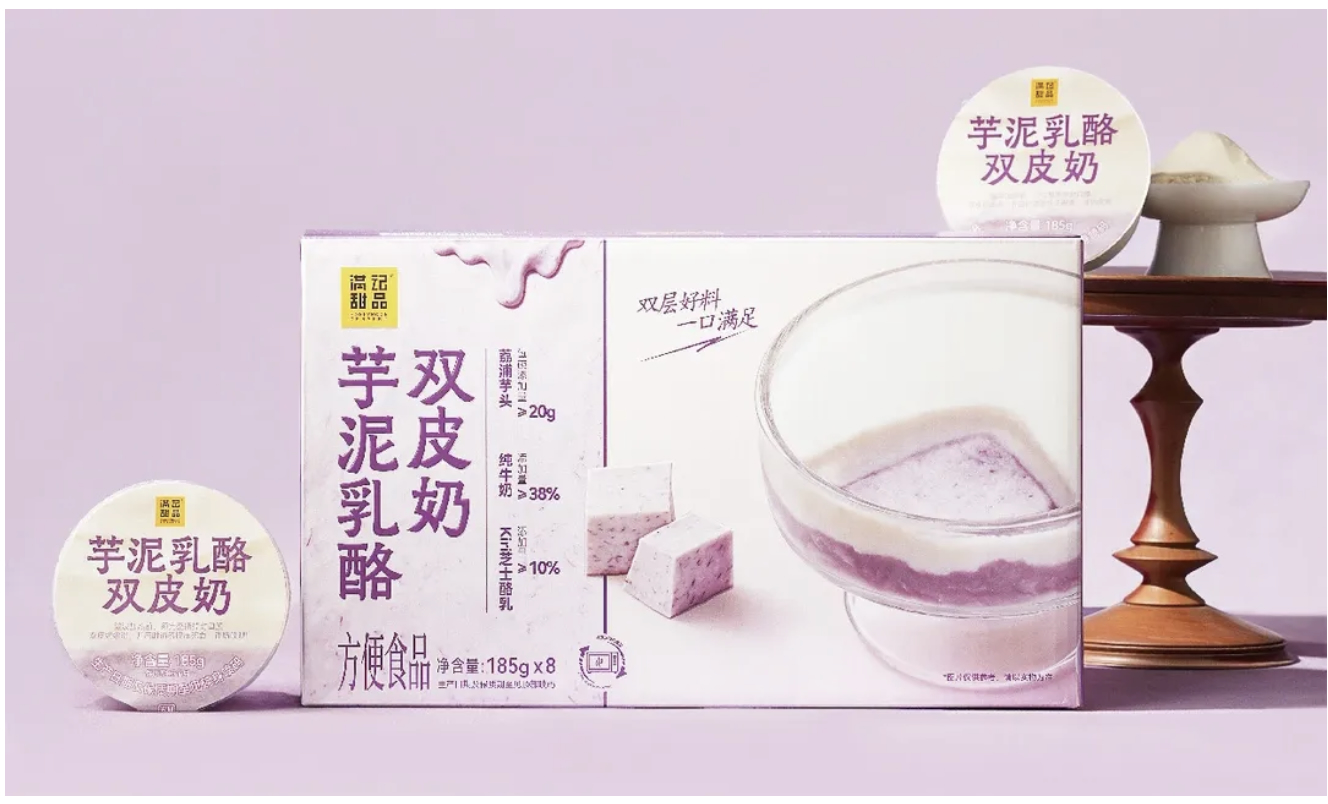
In 2026, dessert chain Manji Tianjin launched a taro yoghurt shuangpinai with Kiri cheese and imported Danish cheese powder.
Screenshot
Fried milk (zhanai)
Milk is mixed with egg white. Then fried ham or other meat shreds are added and the milk is fried in peanut oil. It can be prepared salted or sweetened.
Ginger milk (jiangzhuangnai)
Press juice from ginger and put one spoon of ginger juice in a bowl. A little more will produce a slightly sharper taste, but the volume should not exceed three spoons, lest the flavour of the milk will be covered. Milk is slowly boiled with sugar. The sugar should be equally dissolved. The boiled milk is poured into a larger bowl from a certain height; this should be repeated seven times. The milk is then poured over the ginger juice and the ginger milk can be consumed after 3 – 4 minutes cooling.
Milk tea (naicha)
Milk is boiled with sugar and tea.
Beijing
Cheese (nailao)
We use the word ‘cheese’ here in English, because the Chinese word nailao is currently used to refer to Western cheese. The traditional cheese was introduced in the Northern Chinese cuisine by the Manchus, who ruled China during the last dynastic period. Wine culture and sugar are added to fresh milk and distributed in bowls. The bowls are heated on hot ash and then cooled by ice, which caused the milk to set.
Milk bun (naiwowo) and milk roll (naijuan)
A wowo is a traditional Chinese type of small pyramid shaped bun. Milk wowos and milk rolls are prepared by wrapping milk skin around a sweet filling, like sesame paste, sweetened bean paste, haw thorn paste, etc. The main difference between the two actually is their shape.
Inner Mongolia
Milk is a core ingredient of the Mongolian diet. Besides cow milk, goat, mare and camel milk are also consumed. However, apart from fermented mare milk, most Mongolian dairy products are made from cow milk, as it has the best clotting properties.
Milk bean curd (naidoufu)
Fresh milk is sieved through cloth into a vessel an put aside for one or two days in summer, up to three to seven days in cooler seasons. The fresh milk will start clotting by itself. The clotted milk is softly boiled in warm water, while the whey is slowly pressed out. The resulting curd is kneaded with a spoon or a wooded vessel until an even sticky substance is formed. During the kneading, sugar can be added. The milk is then put in wooden moulds and dried in the sun. The resulting milk bean curd is cut into small strips.
Milk drags (naizha)
The process is the same as for milk bean curd, but without the kneading. Sheep milk is normally used for naizha, as cow milk naizha is not easy to chew.
Cheese (nailao)
Curdled milk is wrapped in cloth and pressed using a stone. The resulting solid is called raw cheese. Using milk clotted by boiling (after removing the skin) is called cooked cheese. Cheese is cut into small flakes and sun dried.
Milk curds (nageda)
Naigeda can be regarded as a kind of cheese. Milk is fermented, heated and then sieved through cloth. The resulting mass is kneaded into small pieces of various shapes.
Yoghurt crisp (suannaisu)
Cooked yoghurt is pressed in the same way as cheese. The result is called yoghurt crisp. Cut into small pieces, again in the same fashion as cheese, it is referred to as sour cheese (suanlao). It can be kept for a long time and is said to relieve indigestion.
In 2020, Inner Mongolia decided to invest RMB 230 mln in developing the region’s traditional dairy products. Watch this interesting video giving a visual overview of these products.
Yunnan
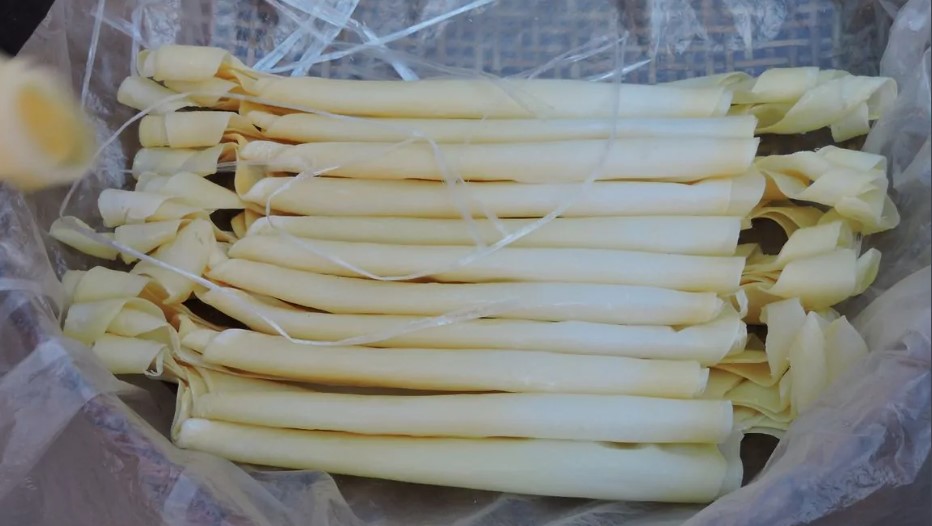
Milk fans (rushan) are traditional dairy products mainly produced in Eryuan County of Dali Prefecture, Yunnan, and are also produced in Xizhou and Xiaguan of Dali City. The milk fan is a special cheese with less water, milky white to milky yellow xolour, roughly like a diamond horn-shaped bamboo fan, with handles on each end. It is eaten raw, dried, fried, or grilled. It is a good food to accompany alcoholic beverages. It can also be used in cooking with materials such as Yunnan ham. Chopped, it can also added to tea. Milk fans can be stored for months and are easy to transport over long distances.
Industrial production
A number of the traditional dairy products introduced above are going through various degrees of (semi-)commercial production. The Mongolian dairy products have recently become a genuine vogue in Beijing. More and more Mongolian restaurants are opening and placing plates and bowls with Mongolian dairy products on the table is a typical way to greet a group of guests.
While this can still not be considered real commercial production, Duole Dairy Co., Ltd. (Guangzhou, Guangdong) has launched milk tea packed in plastic cups. It is interesting to see that the Cantonese, who were the most inventive in incorporating milk in their local cuisine, are now also the first to come up with a industrially produced version. It is advertised as prepared with fresh and natural ingredients, quench thirst and relieve fatigue.
Ruiyuan Dairy (Xinjiang) is producing naigeda on an industrial scale. The company has two patents for this new process.
Some of the redesigned traditional dairy products have little in common anymore with the original thing. A good example is the industrially produced naisu by Duoweier Bioengineering (Chifeng, Inner Mongolia). The ingredients list is quite impressive:
The ancestors of the engineer who formulated this product would be less impressed, but then, they did not face the challenge of large scale production.
Quick freezing is developing as one of the most interesting ways to industrialize the production of traditional Chinese foods.
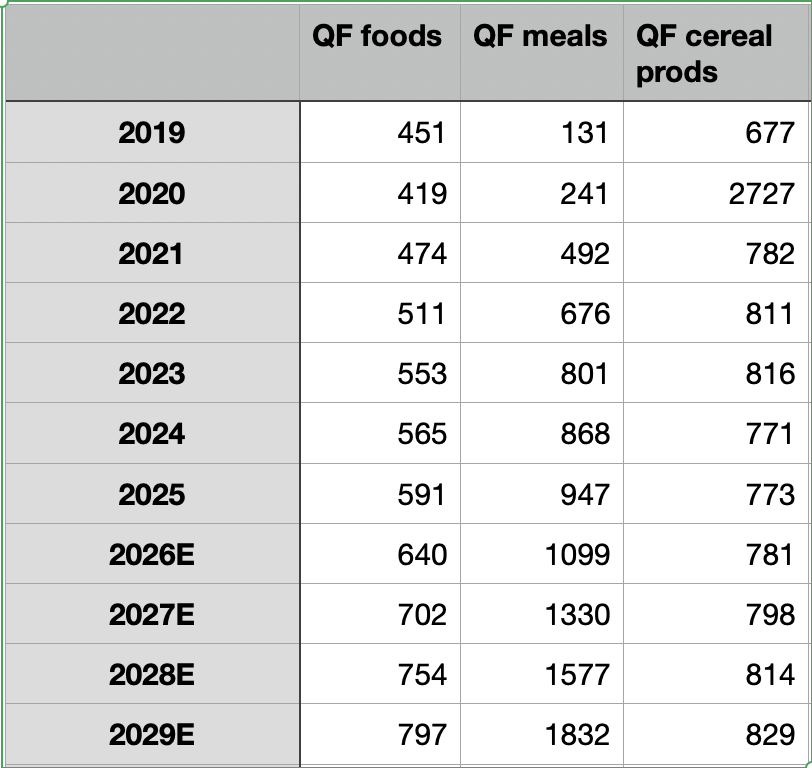
The quick frozen food sector really started developing in China in the early 1990s. This was caused by a synergy between the market penetration of refrigerators with sufficient freezer capacity and the increase of the pace of life in Chinese cities. Both trends, in particular the ownership of larger refrigerators by consumers, are still moving in to smaller cities and even the countryside. The following table shows the historic development of the Chinese quick frozen market from 2013 to 2025.
Screenshot
The main products in the category are:
dumplings (jiaozi): folded sheets of dough, stuffed with a mix of spiced minced meat and vegetables;
stuffed steamed bread (baozi): basically mantoufilled with a similar mix as dumplings;
glutinous rice balls (tangyuan): glutinous riced stuffed with sweet fillings;
wonton (huntun): a small variety of dumplings, whose fillings often only consist of meat that are consumed in a soup.
The 2023 turnover of China’s top 5 frozen snacks companies
Company
Turnover (RMB bln)
Growth (%)
Anjing
14.045
15.28
Sanquan
7.056
-5.08
Huifa
1.997
26.31
Qianwei
1.901
27.67
Haiqin
1.716
5.86
Dumplings on top
The most important frozen traditional snacks are: wonton, dumplings and tangyuan. Wontons are relatively small meatballs packed in large thin sheets of dough, usually eaten in a soup. Dumplings (discussed earlier in this blog) are similar, but larger fillings, consisting of meat and vegetables. They are also cooked, but not served in a soup. Tangyuan are sweet fillings, often made from sweetened bean paste, with an outer layer of glutinous rice. The 2020s saw an growing interest in tangyuan with fewer calories.
Quick frozen dumplings are by far the largest segment. The following table lists the major producers and their market shares (survey of 2010):
One of these, Sanquan already ranks among China’s top food brands. The company generated a turnover of RMB 4.783 bln in 2016, up 12.8%.
Quick frozen snacks in China are therefore both a symbol of convenience and of increased variety in the diet. For suppliers of food ingredients it means an opportunity to develop specialty products for frozen Chinese snack foods, like emulsifiers that allow the consumer to through the frozen dumplings from the freezer directly into the boiling water.
Wonton
Wonton can be regarded as a subcategory of dumplings. However, the volume of quick frozen wonton has increased so rapidly, that it has formed a market of its own. China has produced 170,200 mt of instant wonton in 2024; up 2.5%.
Ingredients
However, the food ingredients for which this growing product group poses especially challenging opportunities are enzymes. Ample R&D is going on in China to look for enzymatic routes in solving the problems of quick frozen snacks.
Supersize me (?)
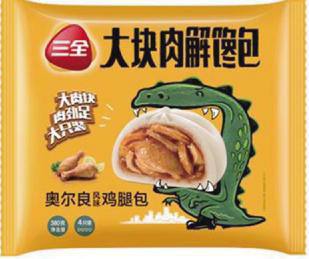
The China Food Newspaper of Oct. 23, 2014, carries a critical article about Sanquan’s most recent product line: big size stuffed buns (baozi), marketed as: Big Chunks of Meat Hunger Killing Buns (Da Kuai Rou Jiechan Bao). The dinosaur on the package says more than could be expressed in words. The author wonders if this food concept is in line with the growing concern for obesity. It reminds me of Morgan Spurlock’s documentary Supersize Me. It is fascinating to see that, while McDonalds is trying not to repeat its supersize mistakes in emerging markets like China, local Chinese producers seem to be falling into the same trap, apparently unaware of this discussion in the West in the recent past. Let’s hope that keen journalists, and parents, educators, medical professionals, etc., can stop this in time, before competitors of Sanquan follow suit, and turn young Chinese consumers into dinosaurs.
Preparing the US market
A steamed bun brand that originated in Hangzhou (Zhejiang) is preparing to go international, opening its first overseas location. Founded in 2009, Ganqishi now has nearly 200 outlets in Hangzhou and Shanghai, selling at least 70 million buns every year. Its annual sales revenue exceeds RMB 200 mln and in 2013, it received a private equity investment of RMB 80 mln. The photo shows how people line up to buy Ganqishi baozi. In May 2016, the company will open its first US outlet in Harvard Square, the historic centre of Cambridge, Massachusetts close to top educational institutions such as Harvard University and the Massachusetts Institute of Technology in Boston. These will still be freshly made baozi. However, once the American taste buds have been wettened by Ganqishi, the market for frozen baozi is bound to grow to in the country that invented convenience food.
China’s leading producer of quick frozen dumplings, Sinian (Zhengzhou, Henan), announced that it was setting up a production unit in Los Angeles.
In 2023, more than 30,000 hams were produced in Jinhua.
Jinhua ham is one of the first Chinese traditional local foods that has successfully applied for a DOC status a number of years ago. Since then, only ham produced in the region of Jinhua (Zhejiang) is allowed to be marketed as Jinhua ham. One result of the increased status is that some companies have started advertising with Jinhua ham as an ingredient to produce novel foods with a traditional local flavour. The Ham furu (fermented beancurd) of Lanting Food (Shaoxing, Zhejiang) is a good example.
The following picture shows how hams were produced in the traditional way.
Jinhua is located at a slightly lower latitude than the home regions of the other famous hams like parma and iberico. This is part of the reason for Jinhua ham’s unique flavour. The following video shows its modern production. It is in Chinese, but insiders should be able to understand most of it.
A number of companies are cashing on that, but three companies claim to be producing the real stuff, based on there long history.
Dongyang: Xuefangjiang brand
This brand name was registered in 1919 by a Mr. Jiang of Dongyang. The hams made following his recipe were mainly produced in small workshops. The first factory was only established in 1979, by the fourth generation representative Jiang Youzhong. In 1997, the Dongyang government decided to increase the revenue from this famous local brand and, in cooperation with the regional Food Industry Association, assigned the right to use the Xuefangjiang brand to three manufacturers. However, by that time, China was trying to align its economy more with international practice and in this light it was considered more commercial to assign the brand to one single company: Xuefang Industrial & Commercial Co. Production is said to have increased considerably since then.
Yongkang: Zhenfangzong brand
This variety of Jinhua ham has been developed by Fang Chengtong, who was born in Yongkang in 1875. He started his career as an apprentice of Xuefangjiang, but later developed his own recipe. His two sons continued their father’s business until they were hired by a local food company in 1954, as part of the economic reforms of that time. Fang Chengtong died in 1960 and his grandson, Fang Xiqian was initiated into ham making by his father Fang Fengxiu. When the provincial authorities decided to actively promote the local ham industry, Fang Xiqian was put in charge of the technical management of a new ham factory established by the local government. He set up his own factory in 1990, for which he registered the Zhenfangzong brand in 2002. When his son Fang Jiangbo graduated from the Foreign Trade Dept of the prestigious Shanghai Jiaotong University, he took over the management of the company.
Jinhua: Jinhua brand
This tradition dates back to the 1930s, when Jin Shihui (of Jinhua descent) set up a ham workshop in Hangzhou, the capital of Zhejiang. He returned to his native city in 1947, where he continued his business. Jin led a merger of 4 ham workshops in Jinhua into one Jinlian Ham Sales Department in 1950, the year following the establishment of the People’s Republic. This privately operated company became part of a state owned enterprise in 1960, where it functioned as the Ham Workshop of the Jinhua Meat Factory. It was made a separate legal person again in 1979 and was reorganized into a limited company in 2000. Because of its location in the core city of the Jinhua ham region, Jinhua brand ham is regarded as the most original.
These are stories rich in culture and history, and they trigger an intriguing question: when will Jinhua ham take its rightful position next to pata negra and Parma ham in the international showcase of great hams?
Chinese vs Spanish ham
With Jinhua ham developing so well in its home country, it is about time to start an international marketing campaign positioning it in the global market. The people in Jinhua need to hurry, as Spanish Ibérico ham is rapidly gaining popularity in China. In 2014, Fosun, one of China’s largest financial and industrial conglomerates, bought a stake in Osborne, in the parent company of Cinco Jotas, one of Spain’s top brands of Ibérico ham.
Jinhua ham on the stock market
To cash in on modern ways of funding, a limited company was established in Jinhua in 1994, which got listed on the Shenzhen Stock Exchange. It is known as Jinzi Ham or King’s Ham. The company reports that it has benefited dramatically from the corona crisis, when many Chinese rediscovered the art of home cooking. King’s Ham has generated a turnover of RMB 314 mln in the first half of 2020; up 149.68%. Congratulations to Jinzi, but . . . now make yourself known to the entire world!
Xuanwei ham of Yunnan Province is one of China’s three most renowned varieties alongside Jinhua in Zhejiang. It boasts nearly a millennium of tradition. With distinct ingredients, techniques, and climate, it blends ancient craftsmanship with modern industry. Its making follows a meticulous process. Producers select hind legs from the indigenous Wujin pigs, which are then cured through a meticulous process of salting, stacking, pressing, and drying. The hams ferment naturally through the region’s unique highland climate — mild winters, cool summers and sharp day-night temperature difference — and are not considered mature until the following Mid-Autumn Festival. The result is a ham unlike any other. Larger and lighter in aroma than its counterparts, Xuanwei ham reveals rose-red lean meat, ivory-white fat, and bones tinged pink. Its balance of fragrance, tenderness, and savoury richness.