Traditional Chinese dairy products

It seems to be common knowledge that Chinese are not traditional consumers of milk and dairy products. If Chinese consume dairy products at all, they are mostly formulated products.

This is not quite true. First of all, apart from the Han Chinese, China has a number of national minorities of whose cuisines milk has been an important ingredient for centuries. These products have been introduced in Chinese cuisine in areas where their cultures mixed with those of Han Chinese. The emperors of the last dynasty, the Qing Dynasty (1644 – 1911), were not Han Chinese, but Manchus whose dairy products became part of the court cuisine.

Westerners introduced their dairy products, when the first settled in the coastal regions of China.

  • Shanghai Dairy Company: founded in 1883 by British William Little, it was the first dairy company in China. It produced fresh milk, butter and cheese for the local and foreign markets. In 1920, it merged with two other companies to form the Shanghai Milk Products Company, which grew to 16 farms and 4,000 cows.
  • Tianjin Dairy Company: founded in 1906 by Frenchman Paul Doumer, it was the second largest dairy products company in China. It produced pasteurized milk, yogurt and cheese for the local and foreign markets. In 1919, it partnered with the Nestlé Company to expand its business.
  • Beijing Dairy Company: founded in 1915 by the Dane Carl Jensen, it was the third largest dairy company in China. It produced fresh milk, butter and cheese for the local and foreign markets. In 1928, it joined the Danish Cooperative Dairy Company to improve its technology and quality.

Although Chinese indeed found it hard to learn to appreciate those strongly smelling products, some amalgamation has taken place. It should not be a surprise to learn that the people of Guangdong, in particular of the Pearl River Delta, have developed a number of dishes with milk as the main ingredient. Also see the paragraph on mantou (steamed bread) as dessert in my blog on steamed bread.

We will introduce the best known traditional Chinese dairy products below, sorted by region:

Guangdong

Double skin milk (shuangpinai)

Milk is boiled and a small volume is poured into a small bowl. After cooling a skin is formed. The remaining liquid is poured off carefully to leave the skin intact in the bowl. Fresh milk is mixed with sugar and sieved to remove any solids. This is poured on top of the skin and the bowl is covered with a small dish. The covered bowl is boiled in water for about 15 minutes. [see illustration]

Image

Jinyuan Food in Longmen, Guangdong, is producing an industrial shuangpinai.

The ingredients indicated are:

Water, fresh milk (40%), milk powder, egg white, sugar

In their efforts to localise, KFC China launched its own version of shuangpinai in 2022.

Fried milk (zhanai)

Milk is mixed with egg white. Then fried ham or other meat shreds are added and the milk is fried in peanut oil. It can be prepared salted or sweetened.

Ginger milk (jiangzhuangnai)

Press juice from ginger and put one spoon of ginger juice in a bowl. A little more will produce a slightly sharper taste, but the volume should not exceed three spoons, lest the flavour of the milk will be covered. Milk is slowly boiled with sugar. The sugar should be equally dissolved. The boiled milk is poured into a larger bowl from a certain height; this should be repeated seven times. The milk is then poured over the ginger juice and the ginger milk can be consumed after 3 – 4 minutes cooling.

Milk tea (naicha)

Milk is boiled with sugar and tea.

Beijing

Cheese (nailao)

We use the word ‘cheese’ here in English, because the Chinese word nailao is currently used to refer to Western cheese. The traditional cheese was introduced in the Northern Chinese cuisine by the Manchus, who ruled China during the last dynastic period. Wine culture and sugar are added to fresh milk and distributed in bowls. The bowls are heated on hot ash and then cooled by ice, which caused the milk to set.

Milk bun (naiwowo) and milk roll (naijuan)

A wowo is a traditional Chinese type of small pyramid shaped bun. Milk wowos and milk rolls are prepared by wrapping milk skin around a sweet filling, like sesame paste, sweetened bean paste, haw thorn paste, etc. The main difference between the two actually is their shape.

Inner Mongolia

Milk is a core ingredient of the Mongolian diet. Besides cow milk, goat, mare and camel milk are also consumed. However, apart from fermented mare milk, most Mongolian dairy products are made from cow milk, as it has the best clotting properties.

Milk bean curd (naidoufu)

Fresh milk is sieved through cloth into a vessel an put aside for one or two days in summer, up to three to seven days in cooler seasons. The fresh milk will start clotting by itself. The clotted milk is softly boiled in warm water, while the whey is slowly pressed out. The resulting curd is kneaded with a spoon or a wooded vessel until an even sticky substance is formed. During the kneading, sugar can be added. The milk is then put in wooden moulds and dried in the sun. The resulting milk bean curd is cut into small strips.

Milk drags (naizha)

The process is the same as for milk bean curd, but without the kneading. Sheep milk is normally used for naizha, as cow milk naizha is not easy to chew.

Cheese (nailao)

Curdled milk is wrapped in cloth and pressed using a stone. The resulting solid is called raw cheese. Using milk clotted by boiling (after removing the skin) is called cooked cheese. Cheese is cut into small flakes and sun dried.

Milk curds (nageda)

Naigeda can be regarded as a kind of cheese. Milk is fermented, heated and then sieved through cloth. The resulting mass is kneaded into small pieces of various shapes.

Yoghurt crisp (suannaisu)

Cooked yoghurt is pressed in the same way as cheese. The result is called yoghurt crisp. Cut into small pieces, again in the same fashion as cheese, it is referred to as sour cheese (suanlao). It can be kept for a long time and is said to relieve indigestion.

In 2020, Inner Mongolia decided to invest RMB 230 mln in developing the region’s traditional dairy products. Watch this interesting video giving a visual overview of these products.

Yunnan

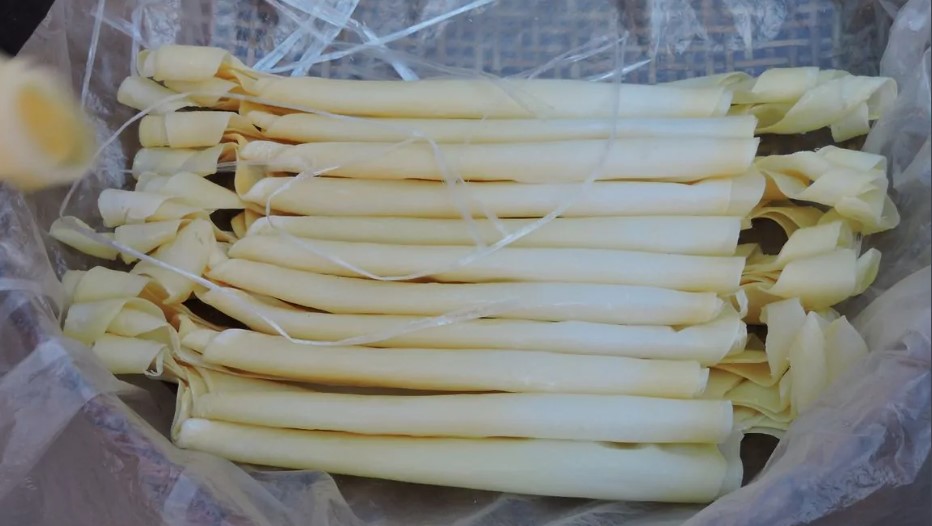
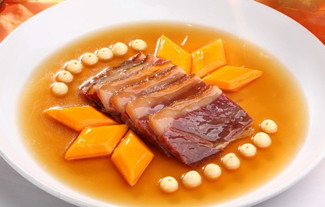
Milk fans (rushan) are traditional dairy products mainly produced in Eryuan County of Dali Prefecture, Yunnan, and are also produced in Xizhou and Xiaguan of Dali City. The milk fan is a special cheese with less water, milky white to milky yellow xolour, roughly like a diamond horn-shaped bamboo fan, with handles on each end. It is eaten raw, dried, fried, or grilled. It is a good food to accompany alcoholic beverages. It can also be used in cooking with materials such as Yunnan ham. Chopped, it can also added to tea. Milk fans can be stored for months and are easy to transport over long distances.

Industrial production

A number of the traditional dairy products introduced above are going through various degrees of (semi-)commercial production. The Mongolian dairy products have recently become a genuine vogue in Beijing. More and more Mongolian restaurants are opening and placing plates and bowls with Mongolian dairy products on the table is a typical way to greet a group of guests.

While this can still not be considered real commercial production, Duole Dairy Co., Ltd. (Guangzhou, Guangdong) has launched milk tea packed in plastic cups. It is interesting to see that the Cantonese, who were the most inventive in incorporating milk in their local cuisine, are now also the first to come up with a industrially produced version. It is advertised as prepared with fresh and natural ingredients, quench thirst and relieve fatigue.

Duole

Ruiyuan Dairy (Xinjiang) is producing naigeda on an industrial scale. The company has two patents for this new process.

Some of the redesigned traditional dairy products have little in common anymore with the original thing. A good example is the industrially produced naisu by Duoweier Bioengineering (Chifeng, Inner Mongolia). The ingredients list is quite impressive:

Whole milk powder, starch, crystal sugar, vegetable fat, glucose syrup, vegetable oil, additives [emulsifiers (sodium caseinate, glycerol fatty acid ester), stabiliser (sodium biphosphate), silicon dioxide], dextrin, whey powder, water, glucose powder, maltose, cream, lactic acid, citric acid, food flavour

Naisu

The ancestors of the engineer who formulated this product would be less impressed, but then, they did not face the challenge of large scale production.

Peter Peverelli is active in and with China since 1975 and regularly travels to the remotest corners of that vast nation. He is a co-author of a major book introducing the cultural drivers behind China’s economic success.

Quick frozen future for traditional Chinese snacks

Quick freezing is developing as one of the most interesting ways to industrialize the production of traditional Chinese foods.

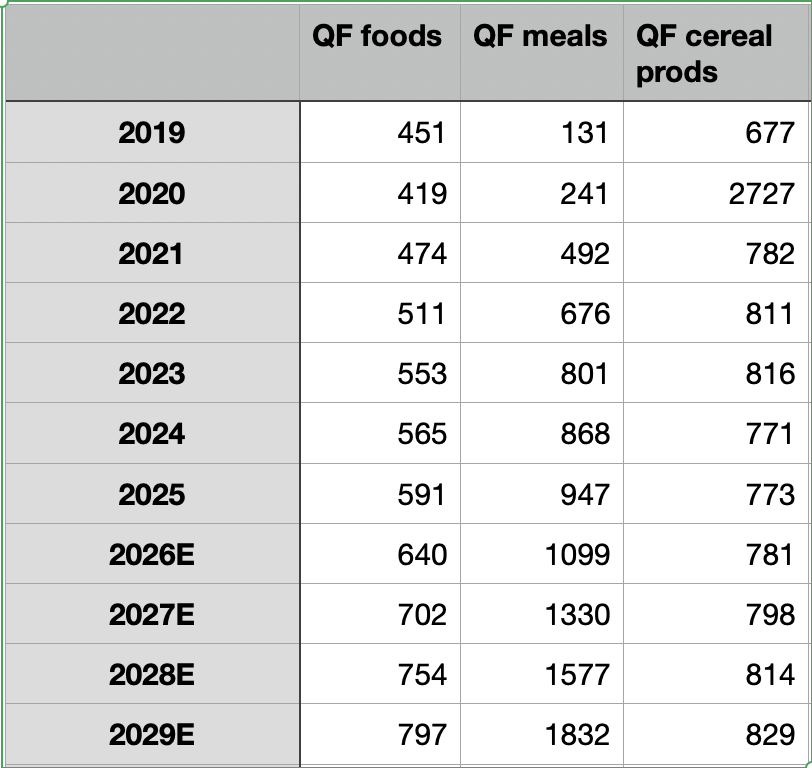
The quick frozen food sector really started developing in China in the early 1990s. This was caused by a synergy between the market penetration of refrigerators with sufficient freezer capacity and the increase of the pace of life in Chinese cities. Both trends, in particular the ownership of larger refrigerators by consumers, are still moving in to smaller cities and even the countryside. The following table shows the historic development of the Chinese quick frozen market from 2013 to 2025.

Screenshot

The main products in the category are:

  • dumplings (jiaozi): folded sheets of dough, stuffed with a mix of spiced minced meat and vegetables;
  • stuffed steamed bread (baozi): basically mantou filled with a similar mix as dumplings;
  • glutinous rice balls (tangyuan): glutinous riced stuffed with sweet fillings;
  • wonton (huntun): a small variety of dumplings, whose fillings often only consist of meat that are consumed in a soup.

The 2023 turnover of China’s top 5 frozen snacks companies

Company Turnover (RMB bln) Growth (%)
Anjing 14.045 15.28
Sanquan 7.056 -5.08
Huifa 1.997 26.31
Qianwei 1.901 27.67
Haiqin 1.716 5.86

Dumplings on top

The most important frozen traditional snacks are: wonton, dumplings and tangyuan. Wontons are relatively small meatballs packed in large thin sheets of dough, usually eaten in a soup. Dumplings (discussed earlier in this blog) are similar, but larger fillings, consisting of meat and vegetables. They are also cooked, but not served in a soup. Tangyuan are sweet fillings, often made from sweetened bean paste, with an outer layer of glutinous rice. The 2020s saw an growing interest in tangyuan with fewer calories.

Quick frozen dumplings are by far the largest segment. The following table lists the major producers and their market shares (survey of 2010):

Image

One of these, Sanquan already ranks among China’s top food brands. The company generated a turnover of RMB 4.783 bln in 2016, up 12.8%.

FrozDump   SanquanNutri

Quick frozen snacks in China are therefore both a symbol of convenience and of increased variety in the diet. For suppliers of food ingredients it means an opportunity to develop specialty products for frozen Chinese snack foods, like emulsifiers that allow the consumer to through the frozen dumplings from the freezer directly into the boiling water.

Wonton

Wonton can be regarded as a subcategory of dumplings. However, the volume of quick frozen wonton has increased so rapidly, that it has formed a market of its own. China has produced 170,200 mt of instant wonton in 2024; up 2.5%.

Ingredients

However, the food ingredients for which this growing product group poses especially challenging opportunities are enzymes. Ample R&D is going on in China to look for enzymatic routes in solving the problems of quick frozen snacks.

Image

Supersize me (?)

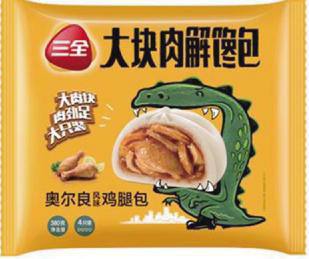
The China Food Newspaper of Oct. 23, 2014, carries a critical article about Sanquan’s most recent product line: big size stuffed buns (baozi), marketed as: Big Chunks of Meat Hunger Killing Buns (Da Kuai Rou Jiechan Bao). The dinosaur on the package says more than could be expressed in words. The author wonders if this food concept is in line with the growing concern for obesity. It reminds me of Morgan Spurlock’s documentary Supersize Me. It is fascinating to see that, while McDonalds is trying not to repeat its supersize mistakes in emerging markets like China, local Chinese producers seem to be falling into the same trap, apparently unaware of this discussion in the West in the recent past. Let’s hope that keen journalists, and parents, educators, medical professionals, etc., can stop this in time, before competitors of Sanquan follow suit, and turn young Chinese consumers into dinosaurs.

baozi-SanquanPacked

Preparing the US market

A steamed bun brand that originated in Hangzhou (Zhejiang) is preparing to go international, opening its first overseas location. Founded in 2009, Ganqishi now has nearly 200 outlets in Hangzhou and Shanghai, selling at least 70 million buns every year. Its annual sales revenue exceeds RMB 200 mln and in 2013, it received a private equity investment of RMB 80 mln. The photo shows how people line up to buy Ganqishi baozi. In May 2016, the company will open its first US outlet in Harvard Square, the historic centre of Cambridge, Massachusetts close to top educational institutions such as Harvard University and the Massachusetts Institute of Technology in Boston. These will still be freshly made baozi. However, once the American taste buds have been wettened by Ganqishi, the market for frozen baozi is bound to grow to in the country that invented convenience food.

Ganqishi

China’s leading producer of quick frozen dumplings, Sinian (Zhengzhou, Henan), announced that it was setting up a production unit in Los Angeles.

Peter Peverelli is active in and with China since 1975 and regularly travels to the remotest corners of that vast nation. He is a co-author of a major book introducing the cultural drivers behind China’s economic success.

Exploring Jinhua Ham: A Culinary Gem from China’s Zhejiang

In 2023, more than 30,000 hams were produced in Jinhua.

Jinhua ham is one of the first Chinese traditional local foods that has successfully applied for a DOC status a number of years ago. Since then, only ham produced in the region of Jinhua (Zhejiang) is allowed to be marketed as Jinhua ham. One result of the increased status is that some companies have started advertising with Jinhua ham as an ingredient to produce novel foods with a traditional local flavour. The Ham furu (fermented beancurd) of Lanting Food (Shaoxing, Zhejiang) is a good example.

The following picture shows how hams were produced in the traditional way.

Jinhua is located at a slightly lower latitude than the home regions of the other famous hams like parma and iberico. This is part of the reason for Jinhua ham’s unique flavour. The following video shows its modern production. It is in Chinese, but insiders should be able to understand most of it.

A number of companies are cashing on that, but three companies claim to be producing the real stuff, based on there long history.

Dongyang: Xuefangjiang brand

This brand name was registered in 1919 by a Mr. Jiang of Dongyang. The hams made following his recipe were mainly produced in small workshops. The first factory was only established in 1979, by the fourth generation representative Jiang Youzhong. In 1997, the Dongyang government decided to increase the revenue from this famous local brand and, in cooperation with the regional Food Industry Association, assigned the right to use the Xuefangjiang brand to three manufacturers. However, by that time, China was trying to align its economy more with international practice and in this light it was considered more commercial to assign the brand to one single company: Xuefang Industrial & Commercial Co. Production is said to have increased considerably since then.

Yongkang: Zhenfangzong brand

This variety of Jinhua ham has been developed by Fang Chengtong, who was born in Yongkang in 1875. He started his career as an apprentice of Xuefangjiang, but later developed his own recipe. His two sons continued their father’s business until they were hired by a local food company in 1954, as part of the economic reforms of that time. Fang Chengtong died in 1960 and his grandson, Fang Xiqian was initiated into ham making by his father Fang Fengxiu. When the provincial authorities decided to actively promote the local ham industry, Fang Xiqian was put in charge of the technical management of a new ham factory established by the local government. He set up his own factory in 1990, for which he registered the Zhenfangzong brand in 2002. When his son Fang Jiangbo graduated from the Foreign Trade Dept of the prestigious Shanghai Jiaotong University, he took over the management of the company.

Jinhua: Jinhua brand

This tradition dates back to the 1930s, when Jin Shihui (of Jinhua descent) set up a ham workshop in Hangzhou, the capital of Zhejiang. He returned to his native city in 1947, where he continued his business. Jin led a merger of 4 ham workshops in Jinhua into one Jinlian Ham Sales Department in 1950, the year following the establishment of the People’s Republic. This privately operated company became part of a state owned enterprise in 1960, where it functioned as the Ham Workshop of the Jinhua Meat Factory. It was made a separate legal person again in 1979 and was reorganized into a limited company in 2000. Because of its location in the core city of the Jinhua ham region, Jinhua brand ham is regarded as the most original.

These are stories rich in culture and history, and they trigger an intriguing question: when will Jinhua ham take its rightful position next to pata negra and Parma ham in the international showcase of great hams?

Image       Image

Chinese vs Spanish ham

With Jinhua ham developing so well in its home country, it is about time to start an international marketing campaign positioning it in the global market. The people in Jinhua need to hurry, as Spanish Ibérico ham is rapidly gaining popularity in China. In 2014, Fosun, one of China’s largest financial and industrial conglomerates, bought a stake in Osborne, in the parent company of Cinco Jotas, one of Spain’s top brands of Ibérico ham.

Jinhua ham on the stock market

To cash in on modern ways of funding, a limited company was established in Jinhua in 1994, which got listed on the Shenzhen Stock Exchange. It is known as Jinzi Ham or King’s Ham. The company reports that it has benefited dramatically from the corona crisis, when many Chinese rediscovered the art of home cooking. King’s Ham has generated a turnover of RMB 314 mln in the first half of 2020; up 149.68%. Congratulations to Jinzi, but . . . now make yourself known to the entire world!

Peter Peverelli is active in and with China since 1975 and regularly travels to the remotest corners of that vast nation. He is a co-author of a major book introducing the cultural drivers behind China’s economic success.

Other provincies

Xuanwei ham of Yunnan Province is one of China’s three most renowned varieties alongside Jinhua in Zhejiang. It boasts nearly a millennium of tradition. With distinct ingredients, techniques, and climate, it blends ancient craftsmanship with modern industry. Its making follows a meticulous process. Producers select hind legs from the indigenous Wujin pigs, which are then cured through a meticulous process of salting, stacking, pressing, and drying. The hams ferment naturally through the region’s unique highland climate — mild winters, cool summers and sharp day-night temperature difference — and are not considered mature until the following Mid-Autumn Festival. The result is a ham unlike any other. Larger and lighter in aroma than its counterparts, Xuanwei ham reveals rose-red lean meat, ivory-white fat, and bones tinged pink. Its balance of fragrance, tenderness, and savoury richness.

Peter Peverelli is active in and with China since 1975 and regularly travels to the remotest corners of that vast nation. He is a co-author of a major book introducing the cultural drivers behind China’s economic success. Peter has been involved with the Chinese food and beverage industries since 1985.

What on earth is . . . furu?

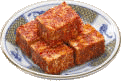
Furu is a fermented soybean product. It is a cheese-like product with a spreadable creamy consistency and a very distinct flavour. The value of the Chinese market for furu in 2020 was RMB 7 billion.

Furu is a popular seasoning for breakfast rice or steamed bread (mantou). It has a long history and written records date back to the 3rd century.

Furu is made by fungal solid state fermentation of tofu (soybean curd) followed by aging in brine containing salt and alcohol.

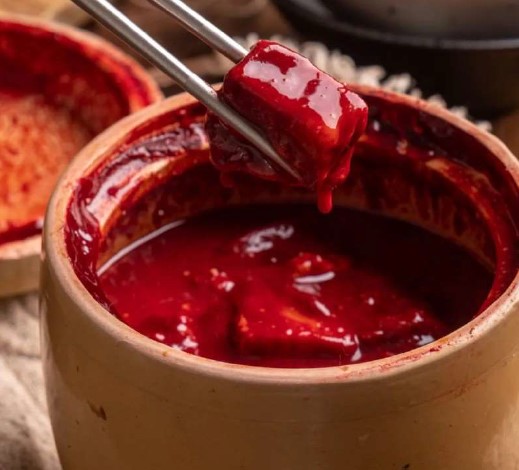
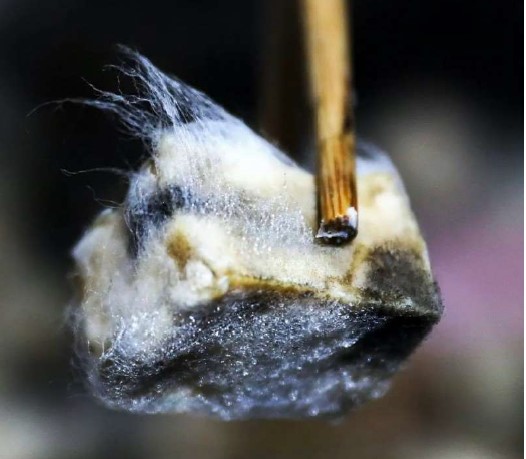
The production process consists of two fermentation steps. Square blocks of regular white bean curd (4.3 x 4.3 x 1.5 cm) are rubbed with Mucor fungus and soybean meal, placed on wooden boards, and fermented for 2 – 3 days in a room with a temperature of 35 – 40 ºC, during which they are regularly turned around. Then they are placed in jar with brine and soaked for 7 days.

Finally, the beancurd cubes are placed in a jar with a mixture of red koji powder, fermented paste, pickled daylily, distilled liquor (baijiu), spices, some rice wine and water. The jars are sealed with paper and fermented for 3 months at 30 ºC.

The following video introduces the industrial production of furu. It is in Chinese without English subtitles, but I think it is informative enough for food technologists.

Typology

Several types of furu can be distinguished, according to processing method or according to colour and flavour.

Choice of processing can result in mould fermented furu, naturally fermented furu, bacterial fermented furu, or enzymatically ripened furu. Fungal starters include Actinomucor spp., Mucor spp. and Rhizopus spp.

Image

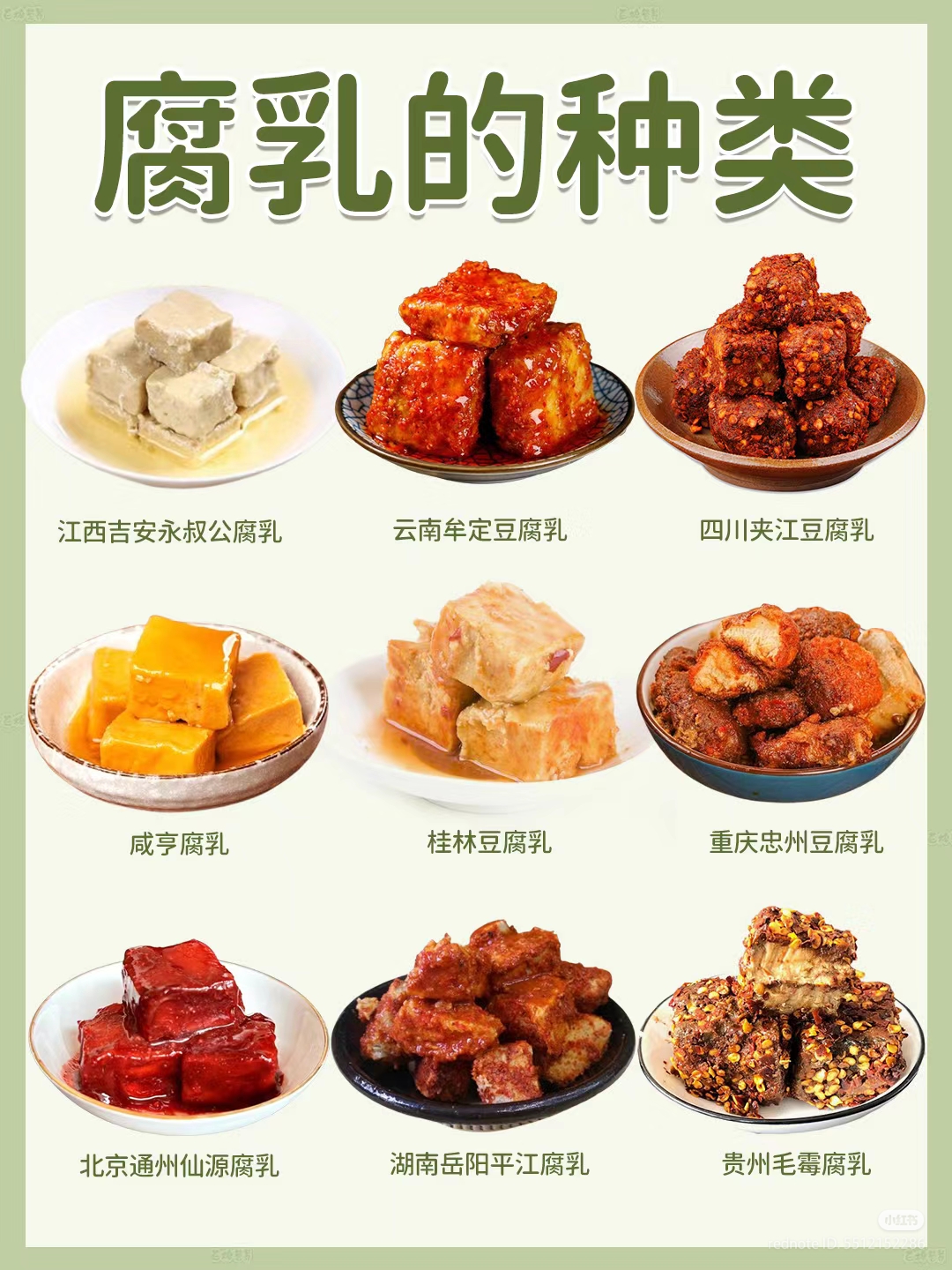
One way of determining types of furu is by colour. The three main types are: white, blue and red.

The following map indicates which region of China prefers what type of furu, followed by a picture showing various local types.

Top furu brands

Image

Wangzhihe is the oldest existing brand, founded in 1669.

Innovation

Wangzhihe (founded in 1669) is also actively developing its formulation. A newly launched version is Xylitol Furu.

FuruXylitol

The ingredients as listed on the label:

Water, soybeans, alcohol, salt, wheat flour, additives(xylitol, red koji, magnesium chlorate, citric acid), spices.

Let’s have a look at the nutrition information (100 gr) of the xylitol furu and the regular version, both by Wangzhihe.

Itemxylitolregularunit
Energy136.20153.00kcal
Carbohydrates3.000.60gr
Fat10.0011.60gr
Protein9.009.00gr

So some of the fat has been replaced by carbohydrates, and additives are used to restore the texture, colour and other organoleptic properties of the ‘real thing’.

Wangzhihe has also launched a ‘low salt furu’.

Wang Jiahuai, General Manager of the Wangzhihe Group, stated in an interview in April 2015, “It takes at least 100 days to ferment furu while natto (Japanese soy food) ferments in about one week. There is a wide gap in texture, fermentation and nutrition between Chinese furu and the Japanese natto.”

The furu range of Lanting Food (Shaoxing) includes a ‘ham furu’. The ingredients include Shaoxing rice wine and Jinhua ham, two local specialties of Zhejiang province. This product fits in with a popular trend in food innovation in China that tries to cash in on famous local products.

HamFuru

In 2025, Wangzhihe came with an even more daring innovation: a pineapple-infused version of its furu.

Innovation is also taking place in the use of furu. Wangzhihe has launched a promotion to apply its ‘mild furu‘ on hamburgers, as an alternative to the Western slice of cheese or Western sauces.

Academic cooperation

One route to innovation is a strategic alliance between a manufacturer and a university. Chunming Seasoning (Qingdao, Shandong) has established a Qingdao Chunming Seasoning Research & Development Centre in cooperation with the Food & Beverage Research Institute of Qingdao University. Apart from developing new and better products, this project is also a good breeding ground for new engineers for the company.

National cultural heritage

Wangzhihe’s furu got national recognition as a cultural heritage item, in June, 2008. The company gives all its suppliers an evaluation and certification before allowing them to supply. They are mostly located in the northeastern provinces of Jilin, Liaoning and Heilongjiang, which have high-quality soya beans.

The Old Godmother joins the crowd

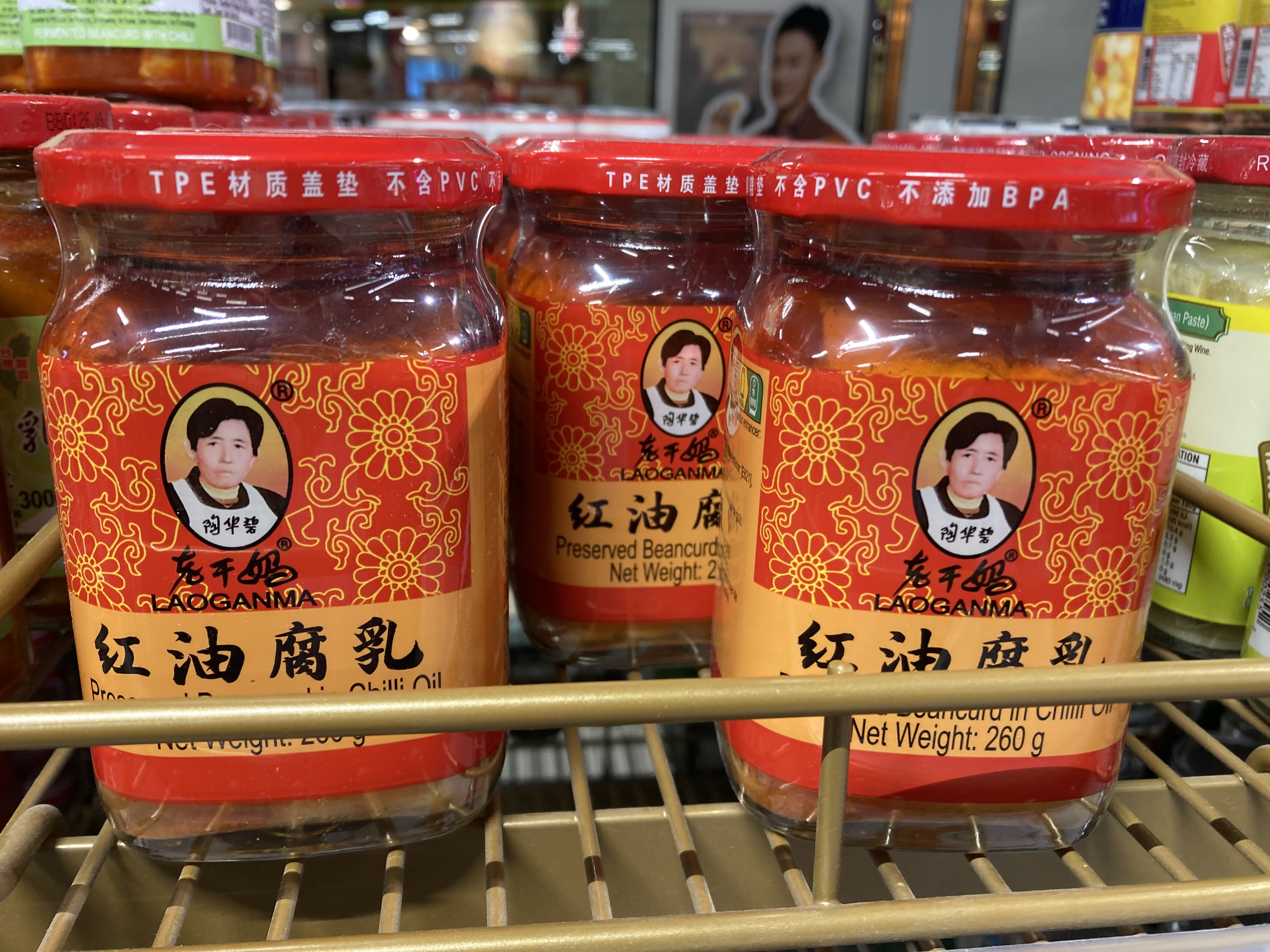
Laoganma ‘Old Godmother’, China’s most famous chili sauce brand, also launched a furu of its own in the 2020s. This was a clear sign that furu was still quite fashionable, as well as profitable.

Peter Peverelli is active in and with China since 1975 and regularly travels to the remotest corners of that vast nation. He is a co-author of a major book introducing the cultural drivers behind China’s economic success.


Will Nestlé’s challenger be Chinese?

Nestlé is still the world’s leading food company, but for how long? It is very active in China, but China’s own giant COFCO is occupying Nestlé’s markets too, one by one, step by step. COFCO Group has signed import agreements worth  more than USD 10 billion at the 2023 China International Import Expo.

The increasing Chinese appetite for high end foreign products is not a new issue. The economic problems in Europe and North America now seem to push China even faster in the position of top region for investment, and in both directions: inward and outward. The two giants, Beijing based COFCO (China Oils & Foodstuffs Corporation) and Bright from Shanghai, continue their race in acquiring foreign companies. Unlike many of their Western counterparts, they have the money to spend and they are the top food makers for more than 1.3 billion domestic consumers. COFCO claims to provide food products to one-fourth of the world’s population, around 1.8 billion customers. COFCO rose to the 121th position in the World Top 500 companies of 2016.

COFCO’s revenue amounted to RMB 216.12 billion ($32 billion) in the first half of 2017, up 7% year-on-year. Its net profit in the same period also reached RMB 5.51 billion, surging 112% from the same period a year earlier.

Moreover, while most Chinese overseas investors are constrained by lack of financing, COFCO has received large infusions of credit from Chinese policy banks. These include a RMB 30 bln line of credit from the Agricultural Development Bank of China for investment in grain-related projects in 2011; RMB 30 bln in financing over 5 years from the China Development Bank; and another commitment in 2016 from the Agricultural Development Bank to finance projects related to food security, food safety, and agricultural modernization.

Simultaneously, we see multinationals like the two Colas, Nestlé, Unilever, etc., increase their stake in their respective Chinese markets. These corporations as well have no choice. If they do not invest now, there will not be enough of the pie left for them. Nestlé is very frank in admitting that it finds it harder than before to keep its market share in China, let alone increasing it. And in our current troubled world, losing market share in growing market like China equals losing market share worldwide.

COFCO has become a genuine powerhouse. Following Donald Trump’s announcement about putting high import duties on imported steel and aluminium, COFCO’s President Patrick Yu alluded in an interview that he, as the world’s largest importer of soybeans, was able to harm the US by stopping to source that product from the US.

Nestlé

Nestlé was one of the earliest multinational investors in China with an infant formula plant in Heilongjiang in the 1980s. The company is now active in the country with most of its product groups, like coffee, biscuits, or breakfast cereals.

After 13 years of talks, Nestlé was formally invited into China in 1987 by the government of Heilongjiang province. Nestlé opened a plant to produce powdered milk and infant formula there in Acheng in 1990, but quickly realized that the local rail and road infrastructure was inadequate and inhibited the collection of milk and delivery of finished products. Rather than make do with the local infrastructure, Nestlé embarked on an ambitious plan to establish its own distribution network, known as milk roads, between 27 villages in the region and factory collection points, called chilling centers. Farmers brought their milk— often on bicycles or carts—to the centers where it was weighed and analyzed.

Unlike the government, Nestlé paid the farmers promptly. Suddenly the farmers had an incentive to produce milk, and many bought a second cow, increasing the cow population in the district by 3000, to 9000, in 18 months. Area managers then organized a delivery system that used dedicated vans to deliver the milk to Nestlé’s factory. Although at first glance this might seem to be a very costly solution; Nestlé calculated that the long-term benefits would be substantial. Nestlé’s strategy is similar to that undertaken by many European and American companies during the first waves of industrialisation in those countries. Companies often had to invest in infrastructure that we now take for granted to get production off the ground. Once the infrastructure was in place in China, Nestlé’s production took off. In 1990, 316 mt of powdered milk and infant formula were produced. By 1994, output exceeded 10,000 mt, and the company decided to triple capacity. Based on this experience, Nestlé decided to build another two powdered milk factories in China and was aiming to generate sales of USD 700 million by 2000. Nestlé already operates three “milk districts” in China, in Shuangcheng (Heilongjiang), Laixi (Shandong) and Hulunbeier (Inner Mongolia).

Nestlé has signed an agreement with a local government in north China’s Inner Mongolia region to build a 2,000 cow dairy farm in the area. The company says the farm will be “a transitional solution between small and individual farmers and a large modern farm”. Nestlé rarely invests in its own dairy production, preferring instead to develop supply chains with local farms or to import powdered milk on the global market. Its moves in China follow those of New Zealand’s Fonterra, the world’s largest milk producer and a major supplier of powdered milk to Nestlé.

In China, Nestlé has collaborated with public and private organizations in opening breastfeeding rooms (the number was 3,297 mid 2019). This is an important expression of its global commitment to support breastfeeding, which it also protects by implementing a leading policy to market breast milk substitutes (BMS) responsibly.

Nestlé is also keen on developing products particularly suiting the Chinese market. A find example is ‘milk powder for elderly’, enriched with medium-chain triglycerides (MCT). It is marketed with the slogan ‘gas station for the brain.’

Since 2010, Nestlé has formed a bottled water venture with Yunnan Dashan Drinks Co. and bought controlling stakes in candy maker Hsu Fu Chi International and Yinlu Foods Group, producer of congee, saqima and a peanut-milk beverage. Through the alliances, Nestlé has tripled its China headcount to 47,000 employees. With 31 factories across the country, 90% of the products it sells in China are made there.

Nestlé plans to build R&D centers at facilities owned by Hsu Fu Chi and Yinlu, where researchers will focus on ready-to- drink beverages and baked goods. The Swiss company already has a research center with Totole, a Chinese bouillon maker in Shanghai in which Nestlé has an 80% stake. Another facility in Beijing focuses on nutrition and food technology.

COFCO

Still, an intriguing thought for us to dwell upon every now and then is this: how many years are we away from the moment that Nestlé will start feeling competition from COFCO in Europe? For Nestlé, actually, this is not an issue to dwell upon, but to act on, by increasing its investment in COFCO’s home land.

COFCO, formed through a series of mergers of state food and animal husbandry companies in the 1950s, has successfully transformed itself to a top national player in the food industry. E.g., COFCO controls 90% of China’s wheat imports. Nowadays, COFCO claims to provide food products to one-fourth of the world’s population, around 1.8 billion customers.

COFCO plans to build new warehouses and processing facilities in countries including Myanmar, Kazakhstan, Ukraine and Indonesia to enhance its ability to acquire global food resources. COFCO has already purchased and built ports, logistics companies and storehouses in the world’s main grain-producing areas such as Australia, South America and the Black Sea region. Wan Zaotian, COFCO’s vice-president, said China has become the world’s largest market for food trade. Supported by the Belt and Road Initiative, food trade between China and its partners is expected to grow rapidly. It is critical for the group to build efficient global supply and logistics networks.

In 2011, COFCO took control of Australian sugar producer Tully Sugar Ltd, but it lost a bid for Proserpine Cooperative Sugar Milling Association, another Australian company, in November of that year.

In the wine sector, COFCO bought Chateau Viaud in Bordeaux, France, in February 2011 after investing USD 18 mln on a large swathe of Bisquertt, one of the Chile’s most upmarket brands in 2010.

To put the competitive relationship between the world’s top food giant and China’s domestic one, I have compiled a simplified table of the major food groups and Nestlé and COFCO’s participation in each industry.
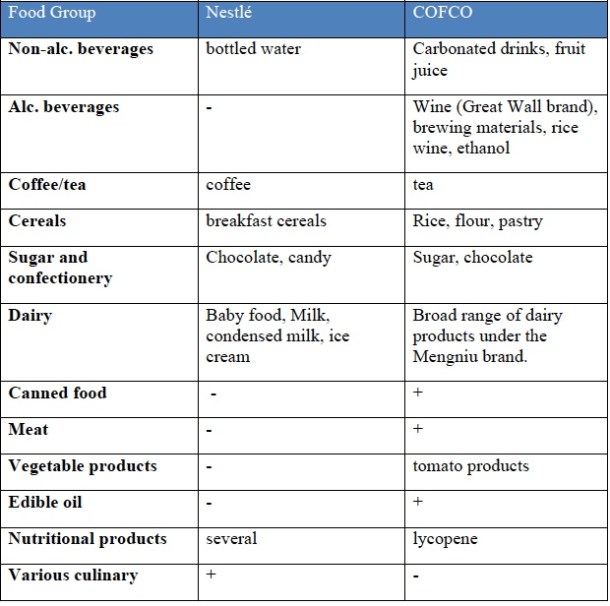
Image

(-: not applicable; +: a broad range of products)

COFCO’s foreign-oriented activities since the publication of this blog:

14/1/2014: COFCO is said to be on speaking terms with China’s second largest meat processor Jinluo Group to acquire the latter.

28/2/2014: COFCO to buy 51% of Dutch grain trader Nidera. The Nidera purchase gives Cofco a strong platform to produce grain in Brazil, Argentina and Central Europe. All regulatory approvals to close the transaction whereby an investment consortium led by COFCO, consisting of Hopu Investment, Temasek, IFC, Standard and Chartered Private Equity, has acquired 51% of Nidera have been obtained in October 2014.

4/3/2014: COFCO has acquired Noble’s agribusiness arm. With Noble’s agribusiness COFCO has gained grain elevators in Argentina and sugar mills in Brazil, as well as oilseed crushing plants in China, Ukraine and South Africa.

29/4/2014: COFCO is setting up a huge vegetable oil plant in the port city of Tianjin.

6/6/2014: COFCO Meat attracts a capital injection from a consortium of investors composed of KKR, Baring Private Equity Asia, HOPU, and Boyu.

8/10/2014: COFCO unveiled plans for an initial public offering (IPO), in a move that would allow it to compete with leading U.S. agribusinesses, according to several news reports. The planned IPO would include assets recently acquired Nidera and Noble. COFCO said its goal with the acquisitions was to connect large grain production areas, including those in South America and the Black Sea region to Asia. These investments are meant to will allow COFCO to compete with the traditional big-four trading houses from the west that are collectively known as ABCD: Archer Daniels Midland, Bunge Ltd, Cargill Inc and Louis Dreyfus Commodities BV as rising incomes drive up food demand in China.

10/11/2014:  COFCO has signed an agreement with New Zealand Government-owned food safety firm AsureQuality and PricewaterhouseCoopers (PwC) to enhance the country’s food safety and quality.

Oct. 2015: COFCO announces plans to construct two warehouses (100,000 MT capacity each) in Russia’s Mikhailovsky priority development territory in southern Primorsky Krai.

22/12/2015: Embattled commodities trader Noble Group has reached an agreement to sell its 49% stake in Noble Agri to COFCO International for $750 million. With this move, COFCO will pose an even bigger challenge to ABCD (see 8/10/2014 above).

October 2016: COFCO signs an agreement with Australia’s Monash University. Under the deal, Monash University’s new Food Innovation Centre – and Australian food businesses – will now have access to the COFCO research arm’s resources, in-depth knowledge of Chinese consumers and regulatory expertise to fast-track supply opportunities for exporters. The university said the new centre would enable businesses to expand and target export markets, including China.

19/10/2016: Cofco Meat Holdings Ltd, a pork producer part-owned by KKR & Co, is seeking to raise as much as $333 million in a Hong Kong initial public offering.

8/11/2016: COFCO launches a power drink called Big Bang in cooperation with Refresco (Netherlands) to compete with Red Bull and similar beverages.

18/2/2017: New Zealand’s AgResearch has signed a collaboration arrangement in Beijing with the Nutrition and Health Research Institute of COFCO and with the College of Food Science and Nutritional Engineering of China Agriculture University (CAU). They would explore opportunities to work together formally in the name of a “joint international research center for food science to promote international exchange, research and productivity, with a particular focus on further enhancing a China-New Zealand relationship.”

May 2017: Loch Lomond Group, based in Alexandria in Scotland, has entered into a partnership with COFCO for the distribution in China of their whiskies, including Loch Lomond, Glen Scotia and Littlemill.According to the Scotch Whisky Association, the value of exports to China increased 0.5% to 41 million pounds in 2016.

June 2017: DGB Pty Ltd, South Africa’s largest independent wine, spirits and craft beer producer, announces an exclusive distribution agreement with COFCO. COFCO will, in the initial phase, exclusively import DGB brands Boschendal and Tall Horse, with the expectation to later expand the portfolio with other brands from the DGB wine stable.

15/8/2017: COFCO partners with the Illinois-based farm cooperative Growmark Inc. they will jointly own and operate a truck, rail and barge terminal in Cahokia, Illinois, on the Mississippi River, the main pipeline that supplies exporters along the US Gulf Coast with corn and soybeans. The facility can receive about 180,000 bushels (4572.24 mt) of corn per hour, delivered by truck and rail, and can load two river barges simultaneously at a rate of about 60,000 bushels per hour.

Feb. 2018: Cofco International Ltd., the trading arm of China’s largest food company, is building a soft commodities hub in Dubai. About 10 employees will trade sugar, coffee and cotton.

Summer 2018: Cofco launches an energy drink of its own, jointly developed with Refresco (The Netherlands), marketed under the Big Bang brand.

July 2019: COFCO International, the Geneva-based global trading arm of COFCO has signed a $2.1-billion credit a sustainability-linked loan for a commodity trader.

July 2020: COFCO International releases plans to achieve full traceability of its direct soy suppliers in Brazil by 2023.

Nestlés activities in China since the publication of this blog:

8/5/2014: Nestlé announces intent to invest in coffee growing in Pu’er (Yunnan).

9/5/2014: fertiliser producer China Green Agriculture has entered a cooperation agreement with Nestlé (China) Co., Ltd. to jointly develop a direct sales program, as a mutual effort to supply the Company’s fertilizer products to coffee bean farmers in China.

16/6/2014: The University of Wisconsin-Madison, US, will develop the curriculum for a $400m Nestlé dairy training center in China.

17/6/2014: Nestlé has officially inaugurated its latest Chinese research and development facility in Dongguan (Guangdong). The R&D facility will support its partnership with Hsu Fu Chi and focus on research in confectionery and ice cream.

15/10/2014: Nestle opens China Dairy Farming Institute; Nestlé has inaugurated a “dairy farming institute” in Shuangcheng ( near Harbin, Heilongjiang) as part of ongoing efforts to foster the development of sustainable dairy production in the market in order to secure the supply of raw milk. The project involves an investment of CHF30 mln and is one of its biggest dairy investments in China. GEA Group will contribute its expertise to this institute. From February 2015 onwards, some 17 different courses about milking will be taught with direct involvement of the GEA Farm Technologies Academy.

20/11/2014: Nestlé Research Centre Beijing organizes a joint symposium with The 25th Great Wall International Congress of Cardiology (GW-ICC). The symposium focuses on nutritional approaches for cardiovascular and metabolic health.

8/5/2015: Nestlé China helps building a school in the earthquake stricken region of Sichuan. The company deftly combined the opening of the school with the “Food Safety Week into Campus” launched by the State Food and Drug Administration.

18/5/2015: Chinese Nutrition Society’s “12th National Nutritional Science Conference” was recently held in Beijing May 2015. Nestlé organized a “Start Healthy Stay Healthy” forum during the conference, inviting leading experts to deliver keynote speeches revolving around the latest developments in maternal and child nutrition research.

4/8/2015: Nestlé has invested RMB 50 mln in improving the cold storage facility of its ice cream plant in Guangzhou. The new installation is more environment friendly and will facilitate Nestlé serving the regional market better.

8/6/2016: Nestlé and Alibaba have launched a digital commerce and marketing campaign. It will feature 154 products from 30 brands, 67 of which will be introduced to Chinese consumers for the first time.

12/9/2016: National Institute of Nutrition and Health and Nestlé Research Center partner as sponsors for a symposium on nutrition and eating behaviours in Chinese children and adolescents. For the first time in China, findings from the Kids Nutrition and Health Study (KNHS) were presented at a national symposium held on September 11, 2016 in Xian.

29/12/2017: Nestlé announces plans to sell its dairy factory in Hulunbuir (Inner Mongolia), as part of the company’s efforts to reduce its local output of raw milk powder.

16/5/2018: Nestlé announces a partnership with technology company Xiaomi to support health through technology and explore digital nutrition.

May 2018: Nestlé has finalised the move of its industrial milk powder production from Hulunbuir in Inner Mongolia to Saishang Dairy in Ningxia.

Nov. 2018: Nestlé announces the first product developed by its incubator team in China which had been launched earlier in the year. Xingshan is a new brand of ready-to-drink herbal drinks and soups made with traditional Chinese ingredients, for busy urban professionals.

22/3/2019: Nestlé China unveils a new Research & Development center in Beijing and a system technology hub in Shenzhen to accelerate its trend-based innovation in China.

Nov. 2019: Nestlé inaugurated its first Gerber NutriPuffs cereal snacks plant in Shuangcheng (Heilongjiang), with an investment of around RMB 100 mln.

April 2020: Nestlé is exploring options for the potential divestment of Yinlu Food.

May 20,2020: Nestlé announces it will invest more than 100 mln Swiss Francs in the Tianjin Economic-Technological Development Area (TEDA). This includes a significant capacity expansion of Nestlé’s existing pet food plant. The investment will also see Nestlé’s first production facility in Asia for plant-based products. In addition, there will be an upgrade of the production of Nestlé Chengzhen Wafer and Nestlé will further develop its Tianjin Nestlé Quality Assurance Centre.

Aug. 2020Nestlé announces that it will invest in Tiantu Capital, a Chinese venture capitalist specialised in the food industry. A salient detail is that one of Tiantu’s latest investments is in Saturnbird Coffee, a Chinese innovator in the instant coffee sector.

Sept. 2020: Nestlé China has announced that it intends to invest CHF 53 mln in sustainable agriculture and production in Heilongjiang with an initial focus on organic grains.

Dec. 2020:Nestlé has made its official plant-based food debut in China with the launch of Harvest Gourmet, its nutritious plant-based food brand.

Dec. 2020: Nestlé has launched a milk product for adults (50+) in China, consisting of ingredients to support bone health, muscle strength and joint functionality.

Other opinion

Interestingly, in a recent article, a Chinese insider is wondering whether Dali Group will become the ‘Chinese Nestlé’. We will hold that thought and see.

Peter Peverelli is active in and with China since 1975 and regularly travels to the remotest corners of that vast nation. He is a co-author of a major book introducing the cultural drivers behind China’s economic success.


Exploring Babao Porridge: Tradition Meets Convenience

Babao Porridge (Babaozhou, Babaofan), a sweet rice porridge stuffed with dates, lotus seeds and other fruits, is an extremely interesting example of a traditional product revived by industrial production. The concept of babao is used in more traditional foods, e.g. zongzi, filled steamed rice cubes wrapped in leaves, which are introduced in a separate post of this blog.

Image
Image

Present day Babao Porridge is derived from a southern type of porridge called Laba Porridge. La refers to the La month, the last month of the lunar calendar and ba (‘eight’) to the eighth day of that month. On the 8th day of the lunar 12th month people used to prepare a porridge using eight or more ingredients to celebrate the end of the year. Another story explains the custom as a Buddhist tradition.

Laba porridge was first cooked as a sacrifice for ancestors and gods during Laba Festival as a part of winter worship. In an agricultural society, the 12th month or layue (腊月) was a time when families consumed some of their stores from the harvest season. Cooking a porridge with rich and varied ingredients is a way to celebrate a prosperous harvest for the year, in hopes of a better one to follow.

Just like Christmas overtaking the ancient Roman holiday of Saturnalia, when Buddhism arrived in China, it stamped its own influence on this local tradition. For Buddhists, Laba Festival is also Buddha’s Enlightenment Day.

The legend says that Shakyamuni, after 6 years of seeking enlightenment by living frugally, once sat down under a tree, dead tired. A woman herding cows saw him and prepared a simple porridge for him using course cereals and wild fruits. Shakyamuni was so revived from eating a bowl of that porridge, that he immediately gained enlightenment. From that day on, Buddhist Temples prepared a similar type of porridge on the 8th of each 12th month.

With the increasing pace of life, modern Chinese are less and less willing to spend several hours a day in the kitchen. This includes less frequently prepared foods like Babao Porridge.

The basic production process is easy enough. The raw materials are mixed and cooked, cooled and then packed in cans, similar to those used to pack soft drinks. In this way, the porridge can be easily consumed as a convenient food, while travelling, as a snack during office work, etc. A plastic spoon is usually attached to the can, so the traveller does need to pack a metal spoon from the kitchen either.

Buddhist monestaries have to abide by the law as well, so more and more temples are producing laba porridge in a semi-industrialised clean way, to ensure that the faithful do not have to pay dearly for enjoying a bowl of laba porridge with food poisening. On the way, it earns the monestary a lot more income as well.

Formulation

The most essential aspect of the production of Babao Porridge is the combination of emulsifiers and thickeners. Babao Porridge consists of a viscous liquid part and solid parts. Manufacturers need to formulate the product in such a way, that the solid parts are more or less evenly distributed over the liquid part upon opening of the can.

A number of Chinese manufacturers of emulsifiers and thickeners supply products specially formulated for Babao Porridge. Some sources propagate CMC as the most appropriate thickener for this application.

A combination of CMC and a low calorie high intensity sweetener to replace the sugar will not only provide an authentic mouthfeel, but also decrease the caloric value.

Industrial recipes for so called ‘low calorie Babao Porridge,’ proposed by manufacturers of ingredients use sticky rice as the macro-ingredient, where part of the rice can be replaced with pumpkin. Various combinations of fruits (dates are most popular) and nuts (including peanuts) are added. Frequently suggested micro-ingredients and additives: pumpkin powder, xylitol, oligoxylose, CMC, konjac powder, and EDTA.

As a result of all the recent food safety problems, Chinese consumers have become more aware of ingredients and started asking if one food really needs so different ingredients. A recent article (24/9/2014) criticises the use of xanthan in one brand of Babao Porridge. Xanthan is known in the porridge industry under the nickname zhoubao, literally: ‘porridge treasure’. The reporter believes it is a means to hide the lack of skills of the manufacturer to produce a proper porridge.

Top brands

The following brands are recognised as China’s top brands for Babao porridge

Yinlu   PorrYinlu

The Yinlu Food Group was established in Xiamen (Fujian) in 1985 as producer of canned food and beverages. It is still one of China’s top producers of protein drinks. It now operates production units in Shandong, Hubei, Anhui and Sichuan. Nestlé has acquired a controlling stake in Yinlu, nut has announced that it intends to sell that stake again early 2020.

Wahaha   PorrWahaha

The Wahaha Group was established in Hangzhou (Zhejiang) in 1987 as a private company operated by a school, producing tonic for school children. The founder and CEO, Mr. Zong Qinghou, is currently one of China’s richest entrepreneurs. Wahaha has 150 subsidiaries in all regions of China, employing 30,000 people. It ranks among China’s top 500 companies in 2014 It is a relatively new player in this market, but has rapidly risen to this position. The range includes a babao porridge sweetened with xylitol. Wahaha has started a new campaign for its canned porridge range in January 2015, stressing that the company is being loyal to the Chinese tradition of porridge making. The following picture says that Wahaha’s Babao Porridge ‘tastes just like mother used to cook it’

WahahPorr

Wahaha has launched another type of nutritious Babao Porridge mid 2018, under the Qingzhi brand.

Ingredients:

Koji, plant sterols, sugar, glutenous rice, barley kernels, red beans, maltitol, black rice, peanuts, red kidney beans, hulless barley, tremella, lecithin, sucrose ester, fatty acids, sodium tri-polyphosphate, acesulfame-k, EDTA-2Na, sucralose, water

Qinqi   PorrQinqi

Based in Guangzhou (Guangdong), Qinqi was the first in China to launch Babao porridge in cans, which created the market for ready to drink Babao porridge. Although no longer the number one brand, Qinqi still bears the honorary name ‘porridge king’.

Qinqin   PorrQinqin

This brand is owned by the Xinxin Food Group, established in Yangzhou (Jiangsu) in 1991, by a local factory and a Taiwan investor. It produces a range of convenience foods, including Babao porridge.

Tongfu   PorrTongfu

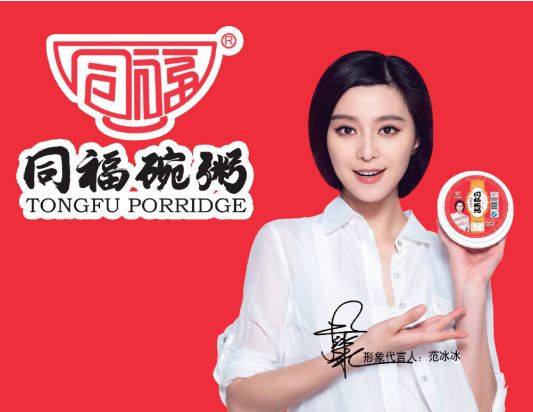
The name of the producer, Tongfu Bowl Porridge Co., Ltd., betrays that it is dedicated to producing exactly that: porridge in (plastic) bowls. Tongfu was the first to introduce this type of packaging in China. It is considerably lighter than the canned version. It is located in Wuhu (Anhui)

Corona was good for Babao porridge

Babao porridge sales went through the ceiling during the first quarter of 2020, when the entire Chinese nation went into quarantine at home. It turned out to be the ideal corona food, besides instant noodles and other packed fast foods.

More nutritious and high end

Babao porridge entered the high end sector in 2022, when Huangxiaozhu launched its series of zero sugar low fat nutritious babao porridge. Flavours included coconut-water chestnut and and black sesame – taro. The packaging was also inspired by the ongoing nationalist trend (guochao).

Peter Peverelli is active in and with China since 1975 and regularly travels to the remotest corners of that vast nation. He is a co-author of a major book introducing the cultural drivers behind China’s economic success.


What on earth are . . . mantou?

In plain English, mantou is steamed bread.

Chinese steamed bread is a fermented wheat flour product that is cooked by steaming. It is big business. Insiders claim that steamed bread is good for approximately 60% of the total flour consumption in Northern China and 20% – 30% in Southern China.

Mantou can be eaten alongside dishes, or dipped in various sauces (like furu, a type of fermented bean curd). Stale mantou are often fried, as a whole or in slices.

Image

The preparation process is similar to that of western-style bread, but the final product is steamed, not baked in an oven, so there are some differences in appearance and shape. Steamed bread is white and has a soft, shiny surface. The common types of steamed bread weight about 30 – 120 gr.

You can find a video about mantou making here.

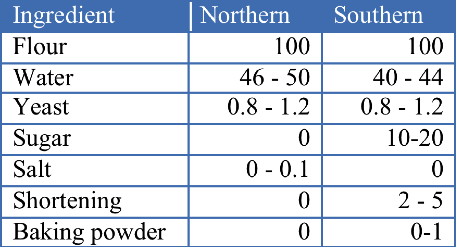
The following table shows a typical formulation of Northern and Southern steamed bread (unit: %).

Image

This basic recipe can be varied by adding a number of ingredients: soy flour, milk powder, colorants, etc.

A major trend is the beginning of industrial production of steamed bread. Until recently, steamed bread was made exclusively at home. With increase of the pace of life in urban China, Chinese city dwellers spend less and less time in the kitchen and cumbersome processes like preparing steamed bread are the first to be ‘outsourced’ to professionals, like local cooking shops or workshop like factories that sell their products to street vendors and local shops.

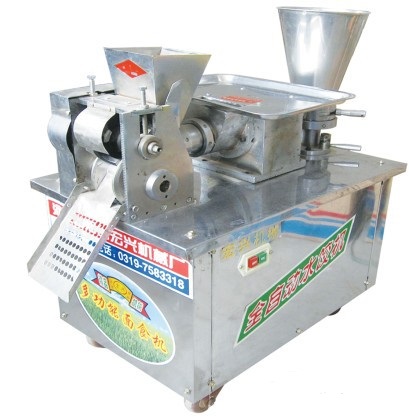
There are even machines that can produce mantou in a continuous process.

MantouMachine

Here is a video showing the industrial production of mantou.

Formulation

A tough technical and logistic problem for companies in developing steamed bread production on a national scale is that it is difficult to keep fresh during long storage and transportation. Major steamed bread producers have appeared in many Chinese cities during recent years (e.g. Sanshui Food in Beijing, Zhengrong in Zhengzhou (Henan) and Ganqishi in Hangzhou (Zhejiang)), but these mainly supply outlets in their own home region.

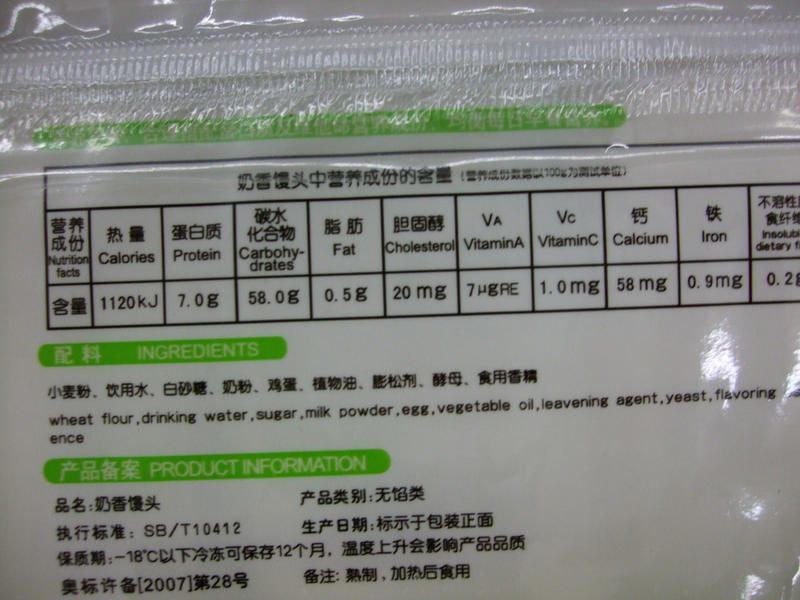
Here is a picture of the ingredients and nutrition information of Sinian’s ‘milk flavoured mantou

SinianMantou

A logistic problem for companies in developing steamed bread production on a national scale is that it is difficult to keep fresh during long storage and transportation. Major steamed bread producers have appeared in many Chinese cities during recent years, but these mainly supply outlets in their own home region.

Healthy food

Some Chinese nutrition professionals are promoting mantou as a health snack food, because it is low in salt, sugar and fat. They definitely have a point, as long as you eat them fresh. Due to their high water content, mantou are an attractive medium for the aspergillus flavus mold that produces the carcinogen aflatoxin.

Special improvers

Industrial production of mantou is still in its infancy, but the R&D in this topic has already led to the appearance of specially formulated steamed bread improvers. As these improvers include enzymes, this is one of core trends to be monitored by suppliers of enzymes. Enzymes used in various commercial products (also see my blog on dumplings) are: a-amylase, hemicellulase (xylanase), lipase and glucose-oxidase for improving the dough handling properties and a larger volume yield. A Chinese food technology site provides the following recipe for a specially formulated flour improver for mantou:

Ingredient parts
Calcium stearoyl lactate 30-50
Monoglyceride 10-20
Vitamin C 6-10
Fungal alpha-amylase 0.6-1.2
Xylanase 2-3
Alkaline buffer 12.5-18.75

Regional varieties

Huifang Food (Hebei) has recently launched an industrially produced local type of mantou called qiangmian mantou. The production process adds additional flour to the dough, which gives the end-product an extra shiny finish. This development indicates that the industrial production of steamed bread in China has entered a new stage.

In Jilin, an importer of Russian flour is promoting it as the best raw material for the production of mantou. According to that supplier, Russian wheat has a longer growing period, the soil is of higher quality and the flour is better processed. I have not yet been able to verify this myself.

Mantou are especially popular in Qingdao (Shandong). Wanggezhuang Street in that city is lined with mantou sellers. One of these even won a gold award at an international culinary competition in Paris in July 2016.

Mantou for dessert

Chinese cuisine does not really have desserts, but serving a sweet dish at the end of a meal is getting more and more popular in China.A special type of mantou is eaten as such a dessert. They are deep fried and served with a dip of sweetened condensed milk. This dish has been invented in Guangdong with obvious Western influences (compare my blog about traditional Chinese dairy products).

MantouDessert

Potato mantou – a revolution in Chinese staple food

The China Academy for Agricultural Sciences and Haileda Food (Beijing) have jointly developed a type mantou that consists for 30% of potato. The product was launched on June 1, 2015. This is yet another step in the process of changing the potato into a major staple of Chinese cuisine (see my post on potatoes). The researchers have announced that they reached the next step in this R&D project, increasing the percentage of potato to 55% on June 8, 2016. Other potato products will also be developed, like: noodles, or bread.

Focus company: Maixiangyuan

Maixiangyuan Food Co., Ltd. In Shandong is an interesting company in the industrial production of mantou. It can produce 38 types of mantou and has a production capacity of 25 mt per day. When the company was founded in 2009, it mainly hired people who had lost their job in obsolescent industries, thus giving them an income again. Maixiangyuan is the only industrial manufacturer of mantou that does not use any chemical additives. Its mantou are produced using an in-house developed process based on the traditional recipe. It has 12 machines for producing mantou and bread and 15 food trucks to sell their products directly to consumers. Besides mantou and bread, Maixiangyuan also produces baozi (stuffed steamed buns) and zongzi. The company operates 6 shops of its own and sells through another 600 retailers in surrounding cities and Ji’an, Shandong’s capital. It is China’s only mantou manufacturer with a green certification, and the first to get listed on the stock exchange in 2015. Maixiangyuan has also invested in wheat growing and other related activities, with the aim to control the entire value chain.

Mantou shares

Zhongyin Beverages (Henan) has been operating a mantou and baozi chain for a number of years. They are especially popular in Shanghai. Zhongyin’s turnover was RMB 990 mln in 2018 and rumour has it that a considerable part of it is derived from steam buns, with our without stuffing. The company announced that it intended to get listed in 2019.

Filled mantou

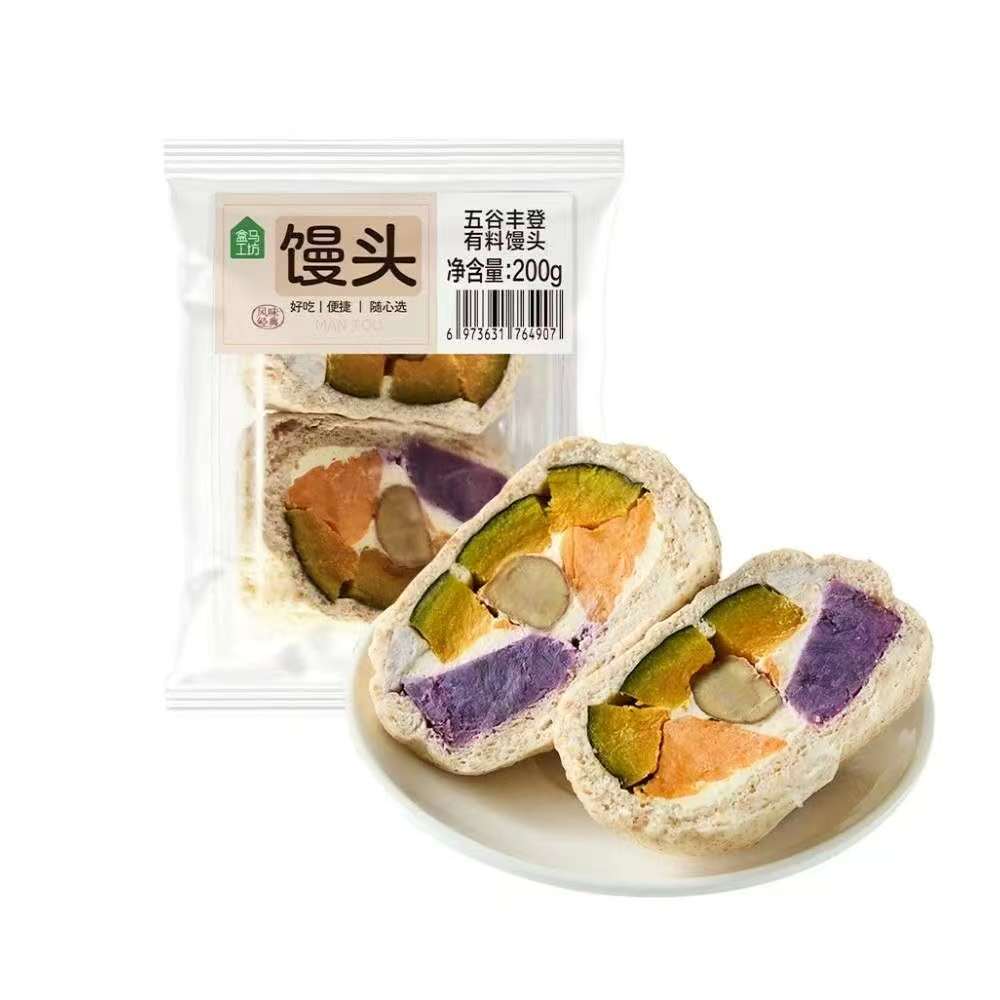
Once mantou entered the ranks of manufactured food, the door opened to designing new types of mantou, in particular those filled with all kinds of stuff. Chinese like that and most bread sold in Chinese convenience stores has some kind of filling. This picture shows a product of Yima Gongfang, filled with several types of staple food like sweet potato. In fact, the product contains more such staples, while the mantou part has been reduced to a skin holding all fillings together.

Peter Peverelli is active in and with China since 1975 and regularly travels to the remotest corners of that vast nation. He is a co-author of a major book introducing the cultural drivers behind China’s economic success.


What on earth is . . . jiang?

Jiang is one of the most basic types of traditional Chinese condiments; yet it is not very well known outside East Asia.

Jiang was probably the predecessor of soy sauce, which is called jiangyou (jiang oil) in Chinese. While soy sauce is liquid, jiang is a paste.

The production process of jiang also resembles that of soy sauce. The main ingredients are soybeans and a starch source: rice, wheat, etc. The starch source is hydrolyzed with a mould, resulting in a very basic type of koji (qu) that is also used for the production of traditional Chinese liquors (baijiu) or the Japanese sake.

Soybeans are soaked and boiled, after which the koji and the boiled soybeans are mixed with salt and water added. That mixture is fermented until a black salty paste is formed.

There are many types of jiang. Some are sweet, while others are fragrant because of the formation of alcohols (produced by added yeast).

Various spices can be added as well. A very famous type is the spicy doubanjiang of Pixian in Sichuan. The sweet jiang used with Peking Duck is made of wheat flour, without using soybeans.

Jiang is presently undergoing a process of modernization. Each type of jiang has its typical flavour (unique mix of the Five Flavours), smell, consistency, colour, etc. Additives are needed to guarantee a mass produced product of consistent quality. Moreover, the time and distance between production and consumption of jiang is also longer and farther than before. This calls for sufficient preservation methods.

Industrial production of jiang is an interesting new market for enzymes. The first enzymatic processes used a single enzyme: a-amylase. Some of the companies produced the enzymes in-house. Later multi-enzyme processes were adopted as well, using a mix of a- and b-amylases and neutral protease.

The following video introduces the industrial production of jiang. It is in Chinese, but food technologists will be able to get the gist.

A major trend is the development of special jiangs for specific dishes. Now you can buy ready to use Peking Duck jiang, dandan noodles jiang (a typical Sichuan type of spicy noodles), huiguo pork jiang (a spicy dish, again from Sichuan), jiang for cooking fish, etc.

You can stir fry some pickled vegetables, add a spoon of dandan noodles jiang, poor it over a bowl of cooked noodles and eat your dandan noodles.

With the proper packaging and marketing campaign introducing these modern jiangs to the Western consumer, these products could mean lucrative business for an astute entrepreneur.

Image

Peter Peverelli is active in and with China since 1975 and regularly travels to the remotest corners of that vast nation. He is a co-author of a major book introducing the cultural drivers behind China’s economic success.

Understanding China’s Infant Formula Market Dynamics

If you want to understand the basics of how the Chinese government creates a level playing field in business, in particular in relation with foreign products, study this post.

Developments in this business have been literally dramatic, and it is directly related to the most precious item of the majority of adult Chinese: their, until recently, only child.

Melamine

A synopsis of what had happened from 2008 up to the present day.

In the year of the first Chinese Olympics it was discovered that several brands of domestic infant formulae contained melamine, a compound that make the protein content of milk appear higher in the standard tests as conducted by dairy companies. It caused about 300,000 babies to get seriously ill, with a small number of deaths.

As a result, the market share of the domestic brands dropped even lower that it already was at that time. However, a number of smaller brands deftly used this situation to gain market share, as is clarified in the following video

Hubris

Foreign brands believed that a Golden Age had come, in which they could virtually set the market price of formulae in China. European and American brands increased their prices almost every couple of months, without naming a valid reason.

Chinese consumers were so eager to get their hands on foreign products, that Chinese on foreign trips were asked by the relatives to buy up any formulae they could get their hands on, as products there were much cheaper than in Chinese supermarkets. In countries like the UK or The Netherlands, quotas were issued for the number of packagings single customers could buy at one time.

Then the gods punished the foreign suppliers for their hubris. Fonterra came with the news that its whey powder could have been contaminated. That shocked China.

Leveling the playing field

The Chinese authorities grabbed the momentum of the falling consumer confidence in foreign formulae to start a media campaign trying to restore the reputation of domestic product.

To support this, they launched an investigation into monopolistic activities by foreign suppliers of infant formulae. A good example is the accusation against Danone that it had bribed hospital staff to feed babies first with their Dumex formula, to get them hooked on that brand. Most foreign suppliers were found guilty, and those who have not fully cooperated with the investigation, were heavily penalised.

However, a survey among young parents conducted at that time noted that the latter were still more confident in foreign formulae.

Who the were the guilty parties in all that commotion? I believe all of them.

The domestic suppliers have forfeited their favourite position with relatively low cost to produce good generic infant formulae. Instead, many of them, including the then market leader Sanlu, were attracted by the short-term opportunity of increasing their income by adding ‘protein power’ (read: melamine) to their milk. The larger Chinese producers usually control the entire value chain, from cow to formula. This means that the melamine was added right under their noses and it is hard to believe that they were not aware.

The foreigners have been too greedy. The constant price hikes increased the financial burden for young parents. Without those unreasonable price increases, the authorities would probably have left their high market shares untouched.

The international media have been biased towards the domestic companies. Chinese companies like Sanlu were heavily criticized in the Western press for trying to hide the first reports about health problems, not to spoil the national Olympic party. The same media were a lot milder towards a company like Fonterra, the then partner of Sanlu.

New system of accreditation

The Dairy Association of China (DAC) has begun to promulgate ‘state endorsed milk powder manufacturers’. Here, ‘milk powder’ mainly refers to infant formulae. Severa; have so far been stamped this way. Others are allowed to produce as well, but the state only guarantees the quality of the suppliers on its shortlist. It will surprise no one that China’s top dairy company Yili (see the item on China’s top brands of 2014) heads the list.

Foreign brands need to be registered and are not allowed to be active in China with more than 3 brands or 9 different products.

The best that can come out of this mess is that there now is finally an opportunity that the Chinese market for infant formulae becomes a level playing field in which domestic and foreign brands can compete fairly.

Inbound foreign investment- new style

Statistics seem to confirm that it works. Four of the five most popular infant forumula brands in China were foreign brands. This is happening in spite of recurrent media reports about batches of imported infant formulae being rejected by the Customs inspections.

A number of international players try circumvent those problems at the customs through setting up local production.

FrieslandCampina of the Netherlands entered into a joint venture with Huishan Dairy (Liaoning) to jointly produced infant formulae in October 2014. The joint venture will own Huishan’s facility in Xiushui (Liaoning). During the obligatory ceremony, the Dutch partner’s CEO said that he was ‘proud that FrieslandCampina will be part of the first joint venture between a Chinese and a foreign dairy company that will locally source, manufacture, market and distribute infant milk formula’. That statement called for correction, as a number of international investors have preceded FrieslandCampina, with varying results. A few years later, mid 2017 to be precise, the joint venture got into serious problems, when the Chinese partner Huishan was accused of fraud. FrieslandCampina opted to buy out their local partner early 2018 and now operate a wholly foreign owned company alongside their partner. This situation is far from ideal, as it renders FrieslandCampina’s local production in China extremely vulnerable.

Later that same month October 2014, Danone announced that it was to subscribe to a private placement by Yashili, one of China’s leading infant milk companies. Upon completion of the subscription, Mengniu, currently Yashili’s majority shareholder, will hold a 51.0% equity interest and Danone will hold 25.0%. Danone and Mengniu want to use this expanded alliance to grow Yashili and develop a wide range of products that meet the very highest standards in this category. Through their alliance, Danone, Mengniu and Yashili intend to expand and strengthen their cooperation in the infant milk formula business in China. The parties will study the possibility of a minority equity investment by Yashili in Danone’s subsidiary Dumex China.

Reaping success

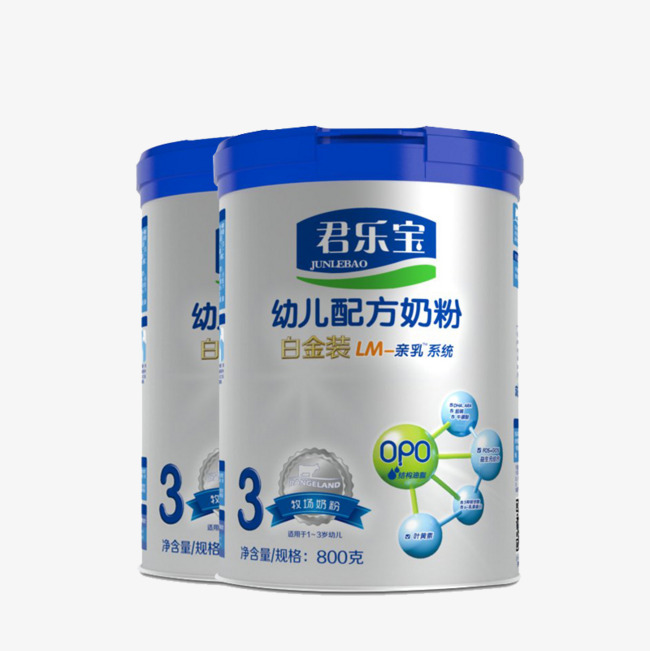
Domestic brands have started recouping market share in 2018, fastening the pace in 2019. A leading player in this developed is newcomer Junlebao (Hebei). Founded in 1995, Junlebao used to make only yogurt. It added infant formula to its product line in 2014 to help revitalise the product’s domestic presence. In the following five years, the company established a whole industrial chain, including a planting pasture, a base for breeding cows and quality-control centre. By 2019, the company had 17 production plants and 10 breeding bases with more than 60,000 cows across China. To improve the quality of its milk sourcing, Junlebao has developed a high-standard cow breeding system, which consists of raising the animals in comfortable barns, feeding them with high-quality fodder and using high-tech machines to milk them. The market share of domestic formulae in China increased to more than 60% in 2018, thanks to Junlebao.

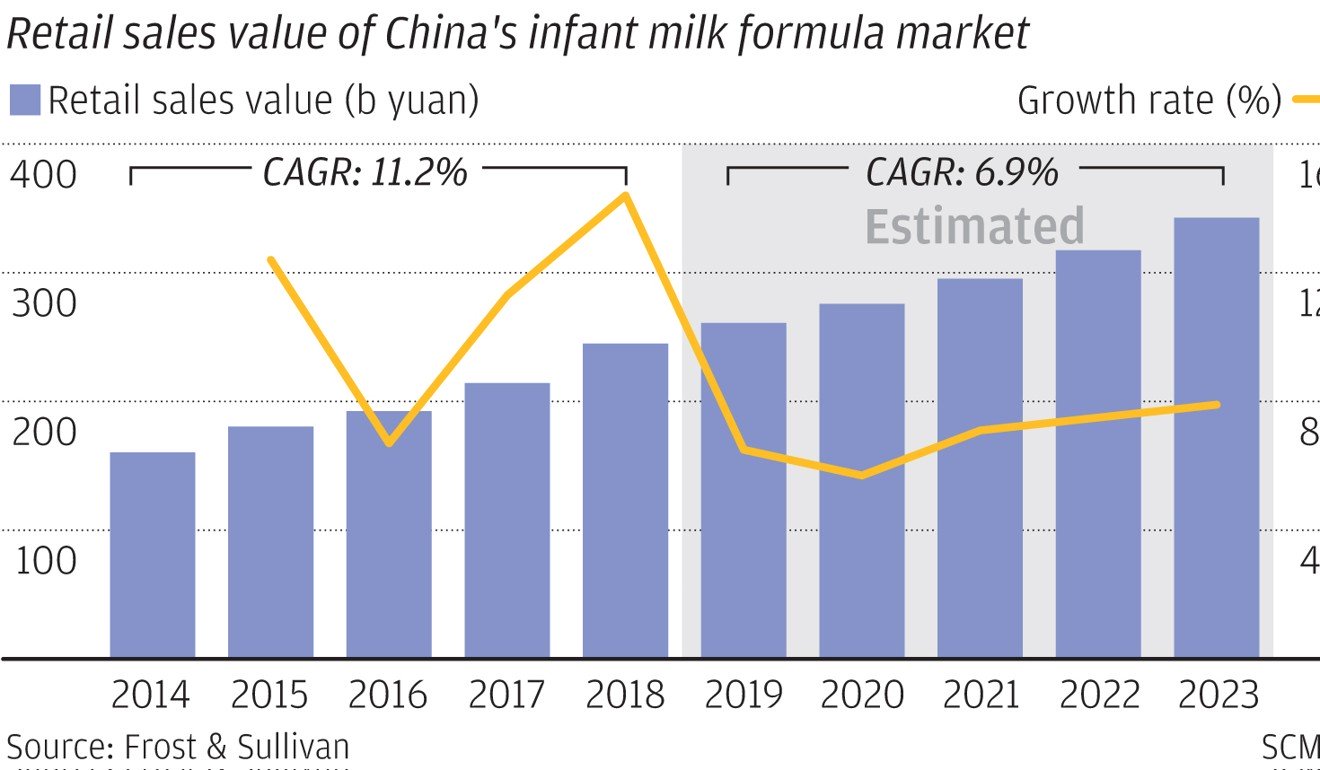
The following tables show the development of the value of the market and estimates for the years up to 2023 by various researchers.

Year ValueRMB billion
2016 157.10
2017 187.30
2018 222.10
2019 257.86
2020 295.51

Outbound foreign investment – recent but rapid

A number of Chinese companies try to overcome the problems in the industry by acquiring foreign infant formula producers. Formulae imported from those plants then have a hybrid Chinese and foreign identity.

Bright Dairy & Food (Shanghai), China’s third-biggest dairy company by volume, has bought a majority stake in Canterbury milk processor Synlait Milk for $82 million in 2010. Synlait, which abandoned a planned $150 million share sale in 2009 due to a tepid response, is a joint owner of its processing company with Bright Dairy, while keeping and operating its farms through a separate company.

In 2014, Bright bought a majority stake in the Israeli manufacturer of infant formulae Tnuva.

September 2014, Guangdong real estate group Evergrande (which also owns the province’s main football team) acquired the New Zealand company Cowala Dairy.

Internet interaction analysis

An interesting development is that the China Statistical Information Service Centre (CSISC) has started analysing online consumer interaction about brands. CSISC published the following table showing consumer interaction about infant formulae in the 2nd quarter of 2014 today (19/9/2014).

infform-ConsumDisc14-9

The brand most discussed is Junlebao (also featuring in my blog on old yoghurt), followed by Dumex and Mead Johnson. The brands that the central government has been heavily supporting in the above described campaign, like Yili, ranks 7. Obviously, brands can also turn up high in this graph, because consumers may share negative experience with it. Still, CSISC analysts believe that this outcome shows that newcomer Junlebao’s low price strategy is reaping results. Junlebao received class A certification of EU’s BRC Food Safety Global Standards in September 2014. Junlebao’s milk powder would be qualified to enter CIES’ 200 supermarket groups in the world. I would like to add that it also proves the central authorities right: the Chinese market for infant formulae is a level playing field now. The international brands are still favourites, but local entrepreneurs have ample space to move, as long as the get their strategy right.

Top formulae of 2019

The following table shows the top 5 infant formula suppliers in China of 2019

Company Market share(%)
Nestlé 14
Feihe 13
Danone 10
Abbott 7
Mead Johnson 6

More babies, bigger market . . or not?

The market for infant formulae has changed in China, when the government decided that couples who both were only children were aloud to have 2 children. Even though fewer eligible couples responded positively than expected during the first few years after the decision, this is now gradually leading to a small baby boom. That and the continuing growth of an affluent middle class, has boosted the sales of most players in this market. However, this does not mean that China will once more become the paradise of multinationals in this field. It is a genuine level playing field now, and a growing one, with opportunities for all companies that are willing to play by the rules.

However, in spite of the new policy, 15.23 mln babies were born in China in 2018, 2 mln fewer than in 2017. Therefore, insiders estimate that the consumption of infant formulae in 2019 will be approximately the same as in 2018, and will decrease with 2% in 2020.

Innovative products – a step up the ladder for the Chinese industry

Beingmate (Hangzhou, Zhejiang) has received official approval for the production of infant formulae for prematurely born babies and over-birthweight babies in August 2019. While these are not new types of formulae, Beingmate was the first in China to launch these specialist products. Fonterra is a major shareholder of Beingmate. After the repositioning of the regular Chinese infant formulae, this development could mark the beginning of the rise of the Chinese industry on the technological ladder.

The organic way

The sales of organic infant formulae increased significantly in the course of 2019. Buoyed by the rising demand, several multinational companies like Germany’s Hibb, Switzerland’s Nestlé and its unit Wyeth are not only witnessing resurgent sales. Hipp is looking to further expand its presence in the e-commerce market. The company witnessed annual growth of about 20% in China in 2019, making the country its second-largest market after Germany. Besides, Wyeth, the baby and infant formula unit of Nestlé, has introduced Illuma 3 organic products for Chinese parents since 2017. Its research released in October shows that the sales of organic infant and maternity products grew by 33% year-on-year in China, creating a generation of “organic mothers”. US infant formula maker Mead-Johnson introduced its grass-fed Enfagrow to Chinese consumers in September 2019.

If this article is of interest to you, you may also like:

China’s maternal and infant water market

Peter Peverelli is active in and with China since 1975 and regularly travels to the remotest corners of that vast nation. He is a co-author of a major book introducing the cultural drivers behind China’s economic success. Peter has been involved with the Chinese food and beverage industries since 1985.

.


What on earth are . . . dumplings?

What do Chinese eat, when they have something to celebrate: dumplings! Frozen dumplings are a major food product in China. More than 10,000 companies related to that industry were registered on 8/11/2023.

Dumplings are small round sheets of dough (flour + water) filled with minced meat + condiments + vegetables. After a piece of filling has been placed in the centre of the dough, the latter is folded into a shape that vaguely resembles a horn, in particular that of a cow. This shape is the origin of the Chinese name: jiaozi. Jiao is ‘horn’ in Chinese and jiaozi means something like ‘small horn.’ Later, the link between dumplings and horns eroded and as dumplings became an important part of Chinese cuisine (in particular in the Northern part of China), a special character was coined for this food.

Dumplings

Dumplings are an old food, as is shown by various archeological finds. According to an archaeologist from the Museum of Xinjiang Uygur autonomous region, the three dumplings unearthed in the region’s Turpan area were determined to have been made during the Wei, Jin, Southern and Northern Dynasties (220-589). Archaeologists also found two complete dumplings made during the Tang Dynasty (618-907) in Turpan. The dumplings were 5 cm long, 1.5 cm wide and resembled the new moon in shape. Further research revealed the dumpling wrappers were made from wheat flour and the stuffing was meat.

According to legend, during the Eastern Han Dynasty (AD 22 – 220), there lived a famous physician of Traditional Chinese Medicine, named Zhang Zhongjing, who introduced dumplings. Once, the “medical saint” was returning to his ancestral village after a long period of absence. During that winter, a febrile disease was turning into an epidemic. Many poor people were submitted to the cold weather because of the lack of warm clothes and sufficient food and suffered frostbite, mainly around their ears. Seeing their condition, Zhang was determined to help them rid of the frostbite. He cooked lamb, black peppers and a few medicinal herbs, shredded them and wrapped it in the scrape of dough skin. He shaped them like ears and boiled them. Everyone sick person was given two ‘ears’ along with a bowl of warm soup. After a few days, the frostbite was gone and the epidemic was under control. Since then, most people begin imitating Zhang’s recipe with additional ingredients like vegetables and other kinds of meat to celebrate Chinese New Year.

Already in traditional Chinese cuisine, some variation was applied in the preparation of dumplings. While pork was the main type of meat for the filling, beef and mutton were also used, combined with different vegetables. In Southern China seafood, especially shrimps, were used as filling as well. Vegetarian types of dumplings with, e.g., eggs, cucumber slices and glass noodles, etc. were known as Three Delicacies Dumplings.

Dumplings have developed into a Chinese type of fast food and special small restaurants only serving a wide variety of dumplings can be found on street corners of Beijing and other Northern cities.

Dumplings are THE Chinese festival food par excellence. Look at this video to learn more about the role of dumplings in the Chinese New Year celebration.

Industrial production

The dramatic change in life style of the past two decades has had a great impact on dumplings. While making dumplings (preparing the filling and the dough, folding the dumplings and, of course, eating them) used to be the number one family occupation during the weekends in the North, the quickening of the pace of life has decreased the interest in this time consuming preparation. It has not, however, tempered the love for dumplings of the Chinese. Towards the end of the 20th Century, a number of food manufacturers started experimenting with the industrial production of quick frozen dumplings (one of these, Sanquan, already ranks among China’s top food brands), to cash in on the increasing pace of life of Chinese consumers. the current production is approximately 15 mln mt p.a., with 100 – 150 kt exported.

The latest news (October 2014) is that China’s top fruit juice producer, Huiyuan, is considering to invest in the production of quick frozen dumplings. This is a clear sign that dumplings are perceived as a lucrative business.
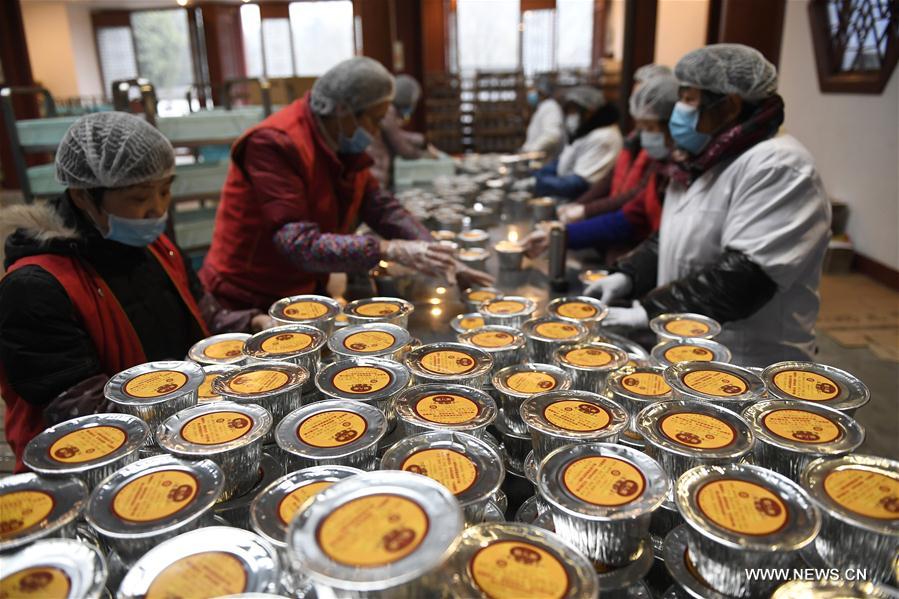
Apart from the quick frozen mass production, there are also machines that produce dumplings for use in restaurants and other types catering business.

DumplingMachine

This video shows part of the production of quick frozen dumplings at Sanquan.

Volatile market

The dumplings market consists of a several types of companies: manufacturers of dumplings, manufacturers of machines, manufacturers of ingredients, dumpling shops, catering businesses, etc. This market is very volatile. While new companies are registered each year, a number of companies disappears as well, due to bankruptcy, closing down by the owners and other causes. The following table shows the number of new companies and disappearances in the period 2019 – 2023; unit: number of companies.
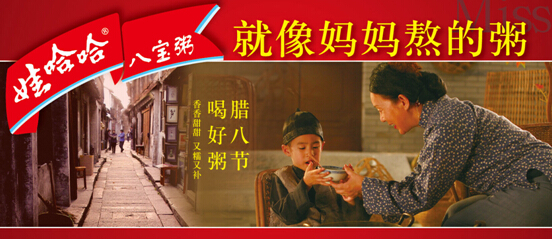
Formulation

This development has created exciting new challenges for ingredients suppliers (see my blog on the Quick Frozen Tradition). First of all, do the manufacturers of frozen dumplings buy their own raw meat, vegetables, etc., or do they purchase minced meat and chopped vegetables. Especially for the meat, it seems more appropriate to have meat processing companies supply ready-to-use minced meat. Other ingredients used in the fillings include: flavours, taste enhancers, and dehydrated spices. The dough poses challenging opportunities for suppliers of enzymes. To mention one example:  fungal α-amylase can lower the viscosity of the of the gelatinized starch, generating dextrin and a small quantity of glucose and maltose, which will make the dumplings softer and not stick to the teeth.

Here is a recipe for quick frozen dumpling skin that I picked up from a food technology site.

Ingredient Volume (gr.)
High gluten flour 100
Modified potato starch 20
Wheat Gluten 6
Sodium hexametaphosphate 0.26
Sodium tripolyphosphate 0.14
sodium pyrophosphate 0.05
Sodium bicarbonate 0.2
CSL-SSL 0.3
Salt 1.5
Water 35
Guar gum 0.3
Shortening 4

Clean dumplings

Concepts like Clean Label have also reached China and started to get serious around 2022. However, the Chinese interpretation of ‘clean’ seems to be broader or lest strict than the Western. Here is an example of a quick frozen dumpling brand from Eurasia Consult’s database that is advertised as ‘zero additives’ site in China.

The product name is: black pig meat maize fried dumplings

Ingredients

black pig meat (>- 30%), wheat flour, maize kernels, water, carrots, starch, Chinese broccoli, brewed soy sauce (includes caramel colour), vegetable oil, crystal sugar, salt, MSG, white pepper

Special seasoning

The booming industrial production of dumplings and the resulting increased consumption has also triggered developments in related industries. A typical example is the appearance of ‘dumpling vinegar’. Dumplings are traditionally dipped in rice vinegar before consumption. China’s top vinegar brand Hengshun is now also available in a convenient table top packing. The label clearly indicates the motivation for this variety.

Innovation

Haibawang in Shantou (Guangdong) has launched innovative dumplings in September 2014 are ‘fish skin dumplings’. The wrapping of these dumplings contains 40% fish meat (probably in the form of fish paste). This makes them highly transparent. Highbawang has clearly stated that it intends to challenge the top producers of frozen dumplings like Sanquan with this novel product.

dumplings-HaibawangFish

A month later, in October 2014, Sinian (Zhengzhou, Henan) has launched a new range of dumplings with well known Chinese dishes like Sichuan Pepper Beef or Lime Beef fillings. Until this launch, the fillings of dumplings, whether home made or produced commercially, consisted of minced meat and a type of vegetable as the main ingredients, with spices and seasoning as added to finish the flavor. Stuffing a complete dish in a dumpling is revolutionary.

The mackerel dumplings of Hongye Food (Shandong) received the status of ‘traditional Chinese delicacy’ in February, 2020.

CP (Zhengda) has launched a range of ready to eat dumplings early 2022, marketed as breakfast dumplings. The are packed in small one-person helpings, also gearing to the growing market for single households.

Dumplings for children

Children are a major market segment for the Chinese food and beverage industry. Although a second child is a possibility now, for parents who are themselves single children, most children in China are still the ‘little emperors’ of the household who are doted on by parents and grandparents. Producers of quick frozen dumplings have also developed dumplings for children. They are marketed as more nutritious than the regular product and the skins are often coloured (typically red or green) to appeal more to the young. Sanquan‘s ‘King Shrimp Dumplings’ ended first in a taste panel test organized before Children’s Day (June 1), 2017.

Vegetarian

Although minced meat is the typical main ingredient of the fillings of dumplings, vegetarian dumplings exist as well. For home cooking, they do not pose a particular problem. However, the transformation to industrial production of vegetarian dumplings has its particular problems, the most prominent being the dehydration of the filling. Jiajiamei Seasoning (Zhoukou, Henan) has developed a seasoning mix specially formulated for vegetarian dumplings to deal with that problem.

VegDumpling

(Towards) organic

Another way of distinguishing yourself in the growing mass of industrial dumpling makers is going for high quality, getting rid of unnecessary additives, perhaps going for organic in the near future. Such a company is Chuange (Qingdao, Shandong). Founded in 2009, it produces a range of hand-made seafood dumplings. It markets its products as an industrial reproduction of traditional seafood dumplings eaten by the local fishermen. Its product range even includes sepia dumplings, marked by its distinct colour, not unlike the sepia noodles from Italy, or sepia paella from Spain.

Spin-off products

Dumplings are such a popular food, that it has lead to the development of various products related to the making or eating dumplings. E.g., many producers of vinegar or soy sauce have developed special products for dipping dumplings. Some chefs have started making dumplings using other cereals, like the oat dumplings of the restaurant chain Xibei Youmian.

Eurasia Consult’s database of the Chinese food industry includes 10 producers of dumplings., industrial recipes, and more.

Peter Peverelli is active in and with China since 1975 and regularly travels to the remotest corners of that vast nation. He is a co-author of a major book introducing the cultural drivers behind China’s economic success.