Understanding China’s Luncheon Meat Market Growth

When I first lived in China as a student in 1975, I recall that I was surprised to find domestic canned luncheon meat in the shops. My mind apparently did not immediately associate luncheon meat with China. That assumption was ungrounded. China is the number one pork nation, with almost half of all pigs in the world living there. Pork is so common in China, that in the names of Chinese pork dishes it is usually simply referred to as rou ‘meat’. So, when you see xiangla rousi (Fragrant Spicy Meat Shreds) on the menu of a Chinese restaurant, you can be almost sure that the meat is pork. Some northern Chinese use the term darou (‘big meat’) for pork, hinting that it is the main type of meat in their diet. Also see my previous post on types of meat in China.

The non-association was probably based on the fact that luncheon meat was a regular item in our kitchen when I was young. It was (and still is) a convenient ingredient to meat up a dish when you are in a hurry. You can slice it or dice it, eat it raw, stir it through your almost finished pasta or fried rice, or whatever.

Growing demand

And that is exactly the reason why the consumption of luncheon meat has been increasing so rapidly in China during the past few years. The following table shows the consumption of from 2012 to 2018.

Year Consumption (mt)
2012 136,000
2013 155,000
2014 181,000
2015 213,000
2016 256,000
2017 298,000
2018 347,000

That is a continuous double-digit growth. However, when you look at the absolute figures and compare them with the size of the Chinese population, you don’t need a calculator to figure out that this growth rate can continue for quite a while. With the expansion of the modern life style with its much faster pace to second and third tier Chinese cities, the demand for convenient cooking ingredients will grow with it. The total value of the bread retail in China in 2019 was RMB 55.91 billion; up 6.76%.

The following table shows the development of the market size of the Chinese luncheon meat market.

Chinese ingenuity with luncheon meat

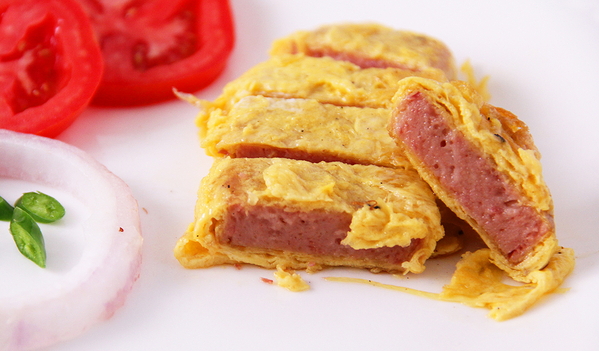
From a quick and nutritious dish: egg-coated slices of luncheon meat . . . 

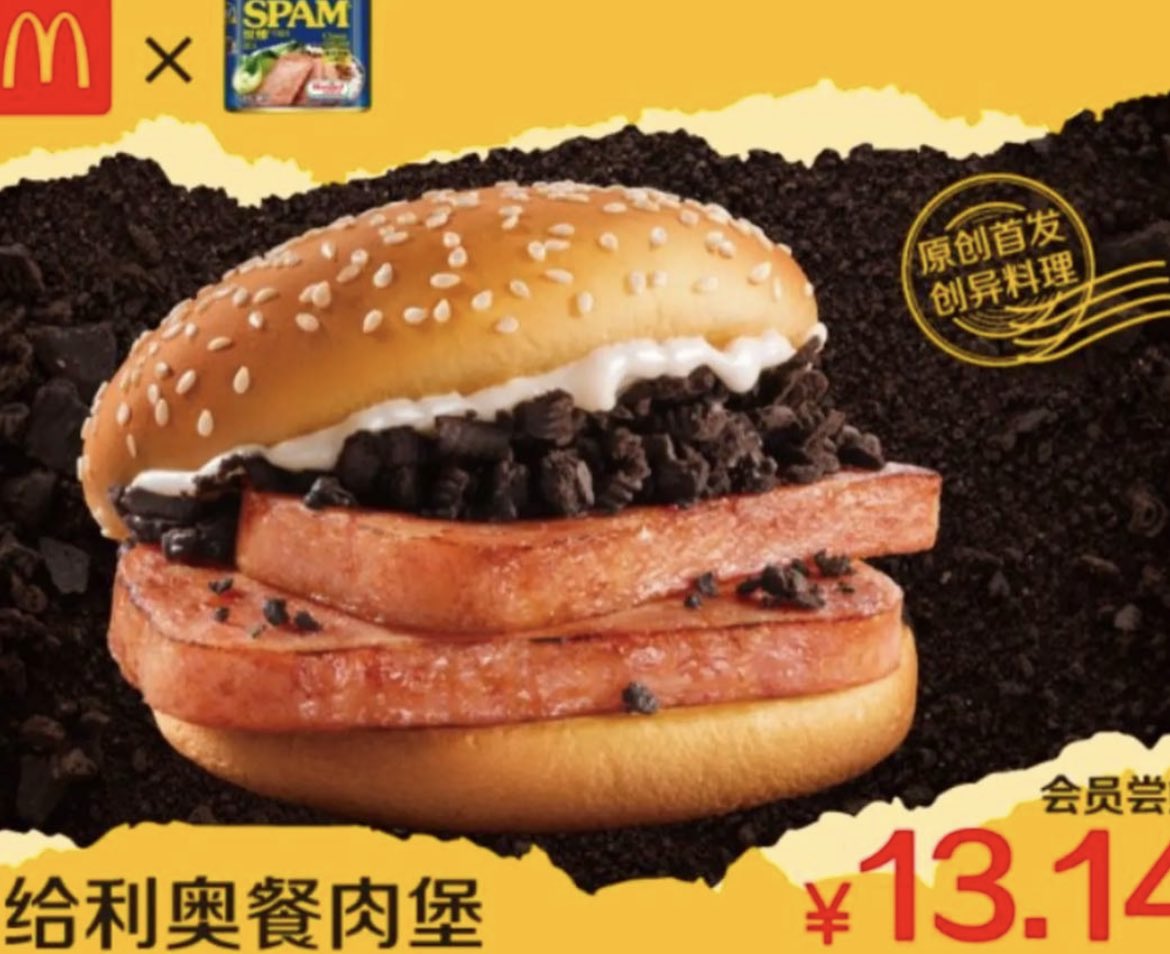
. . . to Spam burger with Oreo crumbs; a limited offer of December 2020.

This company even sells sliced luncheon meat, which is advertised as ‘free of nitrates’

Opportunity for whom?

Does this mean that international suppliers of luncheon meat should see China as their major target for growth in the coming years? Well, yes and no. Yes, because the growth will take place; no, because you have to cope with fierce competition from domestic competitors. The following table shows the local production of luncheon meat for the same years.

Year Production (mt)
2012 476,000
2013 496,000
2014 522,000
2015 503,000
2016 539,000
2017 619,000
2018 701,000

Again, no calculator is needed to see that, even with the little dip in 2015, domestic production exceeds demand for each year. Moreover, the annual increase has fastened since 2016.

Export/import

China is exporting luncheon meat to various parts of the world. However, it has been surprisingly difficult to find statistics with similar details as for consumption and production. This is perhaps related to a number of quality issues that have occurred in various countries importing Chinese luncheon meat.

In spite of the sufficient domestic production, China is importing some luncheon meat as well. Hormel’s seminal Spam is obviously available, followed by Tulip from Denmark. There is also Betchina from Russia.

Top brands

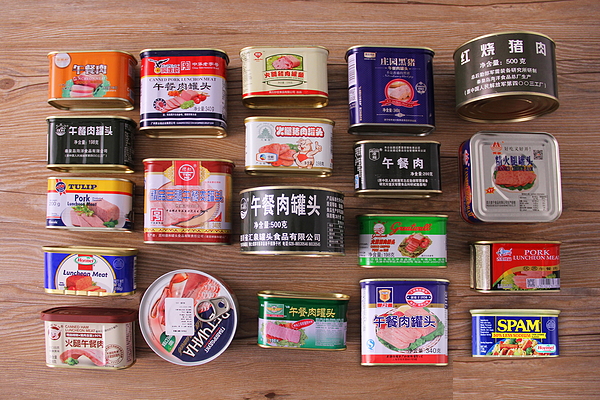
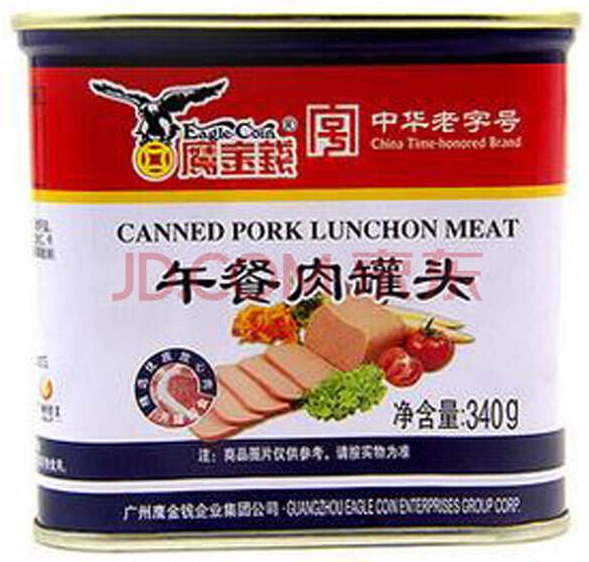
Top domestic brands are Maling from Shanghai, Gulong from Xiamen and Yingjinqian from Guangzhou, in that order. It is not easy to categorise domestic products. Let’s try do so on the basis of ingredients. The following table lists the ingredients as indicated by the above three producers.

Brand Ingredients
Maling pork, water, corn starch, vegetable protein
Gulong pork, water, corn starch, salt
Yingjinqian meat, potable water, starch, vegetable protein

Gulong stands out in that it does not add protein from other sources than meat. Gulong is also the only product indicating salt as an ingredient. We can be sure that the other producers are also adding salt, but fail to mention it.

The following picture was taken in a Beijing supermarket on August 26, 2019.

Military lunch – also for civilians

An interesting special category of Chinese luncheon meat are those produced by military manufacturers. I have already posted about military food in China and indicated that this industry is also selling to the general public for commercial reasons. The top product in this category is Lingxiang from Chongqing. Its ingredients as listed:

Pork, potable water, sugar, salt, MSG, spices

Sugar is added, probably for flavour, so are the MSG and spices. Perhaps soldiers need to be stimulated more with flavours than the general public. Another reason could be that civilians use luncheon meat as an ingredient, while soldiers will regular eat it straight from the can. In that case, they will appreciate that little extra flavour.

Lighter packaging

Fast food chain Roubanzhang (Meat Monitor) has launched a luncheon meat packed like a sausage late 2021. This is much lighter than the traditional tin.

Peter Peverelli is active in and with China since 1975 and regularly travels to the remotest corners of that vast nation. He is a co-author of a major book introducing the cultural drivers behind China’s economic success.

China’s two dairy giants – Yili and Mengniu – compared

China’s two dairy giants

The Food & Drink 2022 report of Brand Finance, the world’s leading brand valuation and strategy consultancy, issued its , identified the world’s leading dairy brands. Two of the top three were Chinese brands: Yili (1) and Mengniu (3).

This is a short post responding to the rapid developments in the Chinese dairy industry and its impact on the global dairy market.

The announcement by Rabobank that China’s top dairy companies, Mengniu and Yili, rank 9thand 10threspectively on their Top 20 Global Dairy companies was still fresh, when the news of Yili’s acquisition of New Zealand’s Westland caused a stir in the dairy world. I can imagine that many people in this business hardly know either of these companies. The fact that both are located in the same city, Huhhot, the capital of Inner Mongolia, will make things even more intriguing. I do not need to say much about their background, as you can find that in my earlier post: ‘Mengniu – game changer of the Chinese dairy industry’.

In this post I will give a look into the product range of these companies and how each product group contributes to the turnover of each company. These are figures of the first half of 2018.

Yili

Type%
Other1
Soft drinks9
Milk powder10
Other liquid products52
Ambrosial yoghurt15
Satine milk10

Mengniu

Type%
Other1
Soft drinks6
Milk powder9
Other liquid products58
Just Yoghurt9
Deluxe milk17

The first conclusion is that both tables are strikingly alike. Mengniu and Yili are still closely following one another in their competition.

These tables further show that milk powder, that has been China’s main dairy product for decades in now a minor product group, at least for the country’s leading dairy companies.

A quarter of their turnover is now derived from specialty products, the final two products in each table.

Both Yili and Mengniu are mature dairy companies operating at a global level.

The following table shows the increase of the ice cream derived turnover of China’s top two dairy companies (RMB billion) from 2020 to 2022.

Company20202022
Yili6.1589.567
Mengniu2.7045.653

Yili became a forerunner in China’s push to accelerate technology funding through its onshore innovation bond program. Yili has issued RMB 45 billion in technology and innovation bonds early 2026, making it the program’s biggest issuer, according to Bloomberg-compiled data.

Those who are interested in an in depth analysis of the competition between these two Chinese dairy giants can find it in my Substack blog.

Peter Peverelli is active in and with China since 1975 and regularly travels to the remotest corners of that vast nation. He is a co-author of a major book introducing the cultural drivers behind China’s economic success.
China’s Dominance in Global Honey Exports in 2019

China was the world’s top honey exporter in 2019 with a value of USD 235.3 mln (11.8% of the global exports)

China’s honey consumption ranks first in the world. China is the world’s largest bee keeping, honey production and export country. China’s vast territory, rich nectar source, large population, with an increasing living standard, guarantee that the domestic honey market potential is huge. The current per capita consumption is a little over 250 gr p.a., while that for Austria is more than 1.3 kg p.a.

According to the National Bureau of Statistics, China’s honey production has been increasing steadily over the years. I was 542,500 mln mt in 2018. In recent years, the domestic market share is growing. The following table lists the China’s honey exports and the proportion of domestic sales in the period 2001-2016 (units: 10,000 mt).

Year Total Output Export Proportion of Export Domestic

Consumption

Proportion of

Domestic Consumption

2001 25.2 10.7 42.4 14.5 57.5
2002 26.5 7.6 28.67 18.9 71.33
2003 29.9 8.4 28.1 21.5 71.9
2004 29.3 8.2 28.0 21.1 72.0
2005 29.32 8.8 30.0 20.5 70.0
2006 33.3 8.1 24.3 25.2 75.7
2007 35.4 6.4 18.1 29.0 81.9
2008 40.0 8.5 21.25 31.5 78.75
2009 40.2 7.2 17.91 33.0 82.09
2010 40.1 10.1 25.1 30.0 74.9
2011 43.1 9.98 23.15 33.12 76.85
2012 44.8 11.0 24.55 33.8 75.45
2013 45 12.5 27.7 33.8 75.1
2014 46.82 13 28 33.84 72.2
2015 50.5 14.48 28.6 35 69.3
2016 70 12.83 18.3 40 57.1

This table shows that, in 2001, honey production was 252,000 mt, export 107,000 mt and about 145,000 mt were for the domestic market of consumption. By 2016, the yield of honey was 700,000 mt, and 128,300 mt were exported. China exported USD 235.015 mln worth of honey in 2019; down 5.7%.

the volume of the domestic consumption was about 400,000 mt, which is 2.75 times of the domestic sales in 2001. If each person buys 0.5 kg honey, over 1,300,000,000 Chinese people need over 650,000 mt, so the market potential is stunning!

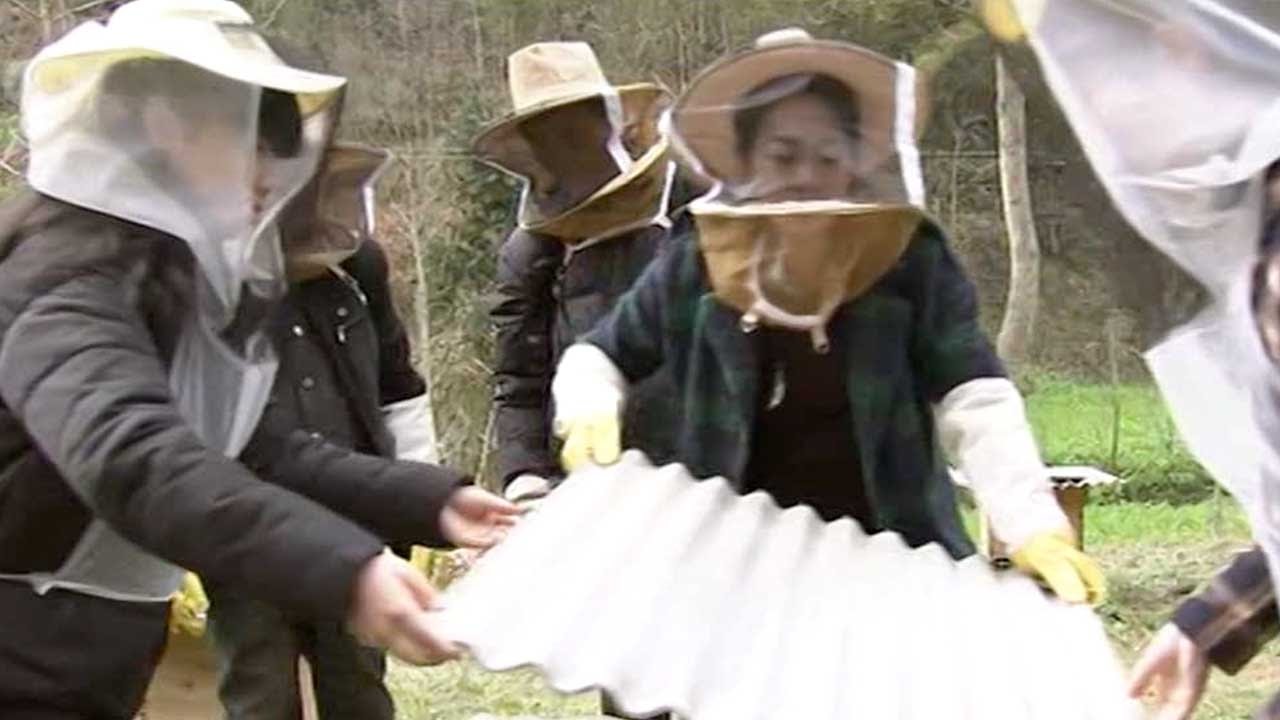
The Chinese honey industry was hit hard by COVID-19, but that was only the latest in a series of hurdles that Chinese bee keepers have to take. Watch this informative video to get more insight in these problems.

Top brands

China has a number of top honey brands. It is not easy to rank them in a sensible order. Most brands are specialized in a particular type of honey, e.g, Baihua’s bramble honey, or Laoshan’s locust honey. The top 5 brands according to a Chinese consumer site are:

Rank brand region
1 Wang’s Jiangxi
2 Baihua Beijing
3 Guanshengyuan Shanghai
4 M&Y Hunan
5 Laoshan Jiangsu

More and more bees

While the global bee keeping industry is worrying about the increasing number of bees, the number of swarms in China has increased steadily during the past years. The following table shows the number of swarms in the period 2006 – 2017.

Year Swarms
2006 8,400,000
2007 8,500,000
2008 8,700,000
2009 8,750,000
2010 8,800,000
2011 8,850,000
2012 8,870,000
2013 8,900,000
2014 8,950,000
2015 9,000,000
2016 9,230,000
2017 9,250,000

The number of swarms for 2018 was roughtly the same as for 2017.

Miyun includes the largest beekeeping area in Beijing, with 2,072 bee farmers tending 115,000 colonies, which account for 44% of the city’s total. The district will add another 5,000 colonies in 2021.

Exports

In spite of the negative media coverage, China still exports considerable volumes of honey. The following table shows the exports to the main destinations in 2017.

Country Value (USD) Volume (kg)
Japan 73,056,708 30,109,142
UK 54,403,933 29,664,811
Belgium 25,164,242 11,389,802
Spain 17,820,548 8,897,182
Poland 17,595,171 9,087,237
Australia 12,997,760 6,406,581
Germany 10,733,514 4,936,745
Netherlands 10,723,586 5,498,740

Imports

An unfortunate aspect of the Chinese honey industry is that its lucrative nature has also made it a popular arena for fake products. Even worse is that part of this fake or adulterated honey has made its way on the international market, seriously harming the image of honey from China.

Because of the many fake honey products in China, quite a few Chinese prefer to buy imported honey. The following table shows the import figures of the Chinese Customs regarding the 2013-2016 period.

Year Import (KG) Amount (USD)
2017 5,660,034 91,297,418
2016 6,031,955 72,771,567
2015 6,517,661 74819215
2014 5,791,684 58,629,975
2013 4,856,713 42,932,079
This honey is respectively from New Zealand (Manuka), Australia, Germany, Thailand, France, Russia, Malaysia, Chile, Italy, Portugal, Swiss, UK, Spain, Canada, Greece, Taiwan Region, Kyrgyzstan, Brazil, Denmark, Mexico, Hungary, Poland

Peter Peverelli is active in and with China since 1975 and regularly travels to the remotest corners of that vast nation. He is a co-author of a major book introducing the cultural drivers behind China’s economic success.
Bean Products: China’s Staple Ingredients Explained

Beans are considered a strategic food group in China

My post on biscuits starts by introducing the Chinese word binggan as umbrella term for a range of biscuit-like products. The word doulei, literally: ‘types of beans’, is a similar term. The major subcategory is the soybean, but it also includes all other types of beans, as well as peas. This is partly dictated by the structure of the Chinese vocabulary. Chinese knows many families of words that are di- or trisyllabic, in which the final syllable refers to a general category. In this case dou means ‘bean’, but because pea is wandou in Chinese, peas are regarded as a subtype of dou (beans). Wan by itself also means pea in Ancient Chinese, which was a highly monosyllabic language.

Beans as staple

Beans themselves are regarded as a subtype of the umbrella term zhushi, ‘staple food’, together with the various cereals and tubers. As a consequence, beans are perceived as a strategic product. A bad harvest does not only harm the farmers, but also the food safety of the nation. You do not want the supply of staple foods in your country to rely too much on imports, as that would make you vulnerable for boycotts. Still, the Chinese demand for soybeans still relies for 80% on imports.

The following table (unit: 10,000 mt), listing the national and regional production of beans in 2012 and 2017, shows that the national output has not grown that much over the years.

Region
2012
2017
National
1,730.534
1,841.561
Beijing
0.9695
0.58
Tianjin
1.49
0.8485
Hebei
32.45
20.8295
Shanxi
27.6
28.3065
Inner Mongolia
162.9
186.1941
Liaoning
34.2
21.0464
Jilin
52.5718
67.0779
Heilongjiang
479.6
719.6173
Shanghai
1.52
0.3004
Jiangsu
81.15
58.7924
Zhejiang
36.64
27.3824
Anhui
120.5
97.1389
Fujian
20.758
9.9457
Jiangxi
29.83
28.2933
Shandong
39.85
33.6169
Henan
84.56
53.3572
Hubei
32.21
38.4764
Hunan
38.44
31.98
Guangdong
20.14
11.1431
Guangxi
23.6
24.6758
Hainan
2.3543
1.7287
Chongqing
45.04
40.224
Sichuan
93.6
119.2296
Guizhou
23.6
25.5616
Yunnan
129.65
118.3145
Tibet
2.28
3.98
Shaanxi
43.12
28.6251
Gansu
33.09
25.1621
Qinghai
7.1
2.8014
Ningxia
4.7
1.73
Xinjiang
25.02
14.6015

In fact, it has gone up and down, with a slight long-term growth. The regional situation, on the other hand, shows big changes in both directions. Insiders expect considerable growth in the coming years and estimate that the output of 2019 will be 21.94 billion mt.

Key industrial figures

The growing area for bean products in China was 10.051 hectares in 2017. Chinese national statistics regarding the food industry are usually focused on so called ‘enterprises of a certain scope’. In practice, it refers to the entire industry, minus small household or workshop-like enterprises. The total turnover of the industry has increased from RMB 59.5 billion in 2013 to RMB 99 billion in 2017. The number bean processing companies of a certain scope in China was 4890 in 2017. The total profit of the industry increased from RMB 3.6 billion in 2013 to RMB 5.5 billion in 2017. Insiders estimate that it will further rise to RMB 6.5 in 2019.

Trade war troubles

China’s 2018 soybean imports were 7.9% lower than in 2017 according to statistics from Chinese customs released in January 2019 – the first drop since 2011. Fuelled by strong domestic demand for food oil and animal feed, China’s soybean imports have grown rapidly from 30 mln mt in 2007 to 95 mln in 2017. But the ongoing trade war with the US, which is the largest source of imported soybean, disrupted that trend. China has turned toward other suppliers such as Brazil, while also exploring technological solutions (such as soybean substitutes in animal feed) to reduce reliance on imports. US companies remained interested in the Chinese market. China imported 79.03 mln mt of soybeans in 2025. Insiders expect this figure to grow to 32.22 mln mt by 2035. Cargill Inc acquired a soy processing facility in Rizhao, Shandong, in September 2020 for RMB 421 mln. The plant was previously owned by Shandong Xinliang Oils & Fats Co. Ltd. However, although Cargill is among the largest foreign soy processors in China, its crushing capacity in the country is dwarfed by Chinese-owned processors such as COFCO and Jiusan.

Products

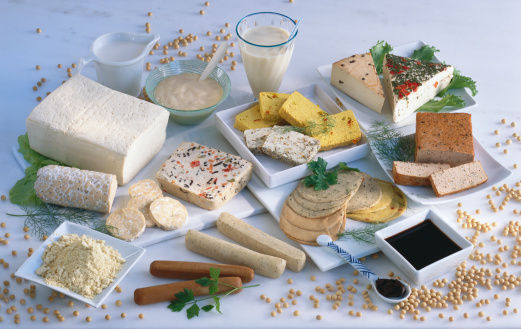
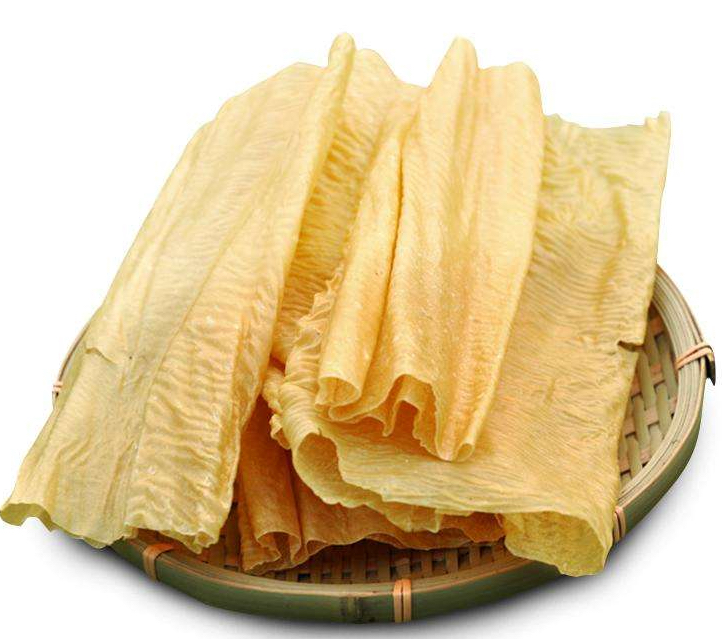
You can make many products from beans. I will concentrate on the more typically Chinese types in this post. The Chinese perception discerns two main types of bean products: fermented and non-fermented. Ferment bean products included furu, cubes of bean curd fermented with a red mould (see my earlier post on furu in this blog) and douban, spicy fermentend bean curd, also introduced in an earlier post. Another well-known type if douchi, a black fermented paste that is best known from its frequent use in Cantonese cuisine, e.g. douchi chicken. Soybeans are also a major ingredient in soy sauce. Better known nonfermented products include: bean milk, bean strips, bean curd, dried bean curd, etc. A product that deserves to be mentioned specially is soybean milk (dounai). While the regular soy milk (doujiang) is a by-product of bean processing, soybean milk is a beverage with a higher protein content, developed as an alternative for milk. Many Chinese still have a problem with the creamy taste of milk and prefer to drink soybean milk as an alternative. With the recently increased interest in protein beverages (see my special post on that product group), soybean milk has become a product of focal interest. Another trend that benefits the bean processing industry is the growing interest in vegetarian food. Bean protein is the first alternative for animal protein, so many Chinese food technologists are busy formulating bean-based artificial meat products. These two pictures show a traditional product: doupi or dried bean curd skins, and vegetarian roast goose made from doupi.


Now that this post has been added to the blog, I will regular update it with the latest bean-related news and information.

Beans as ingredients

A host of food ingredients can be made from beans. Most of these have in common that they add (vegetable) protein to foods. Bean-based ingredients are even added to meat products. An example can be found in my post on the typology of meat in China, where bean powder is added to a variety of meat floss.

Peter Peverelli is active in and with China since 1975 and regularly travels to the remotest corners of that vast nation. He is a co-author of a major book introducing the cultural drivers behind China’s economic success.

Top Food Manufacturing Hubs in China: Zhangzhou

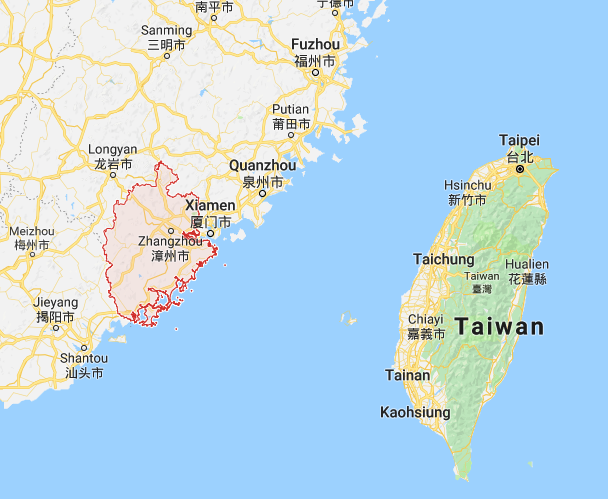
It has been a while, since I introduced Yantai (Shandong), China’s food industry capital. Somewhat later, I added a blog about the specialised food capitals. That list included Zhangzhou in Fujian province, as China’s canned food capital. However, the Zhangzhou food industry has developed so rapidly and broadly during the past few decades, that it should be regarded as China’s second food industry capital. In fact, the city already earned the title of “China’s famous food centre” from the China National Food Industry Association in 2011.

Determined to become a prestigious food production centre, Zhangzhou in Fujian Province is well-equipped to strengthen and enhance the structure and standards of its food industry. Zhangzhou continues its efforts to stimulate innovation and development in the food industry. The city’s ultimate aims are to establish a qualified and systematic food manufacturing centre with high standards and to strengthen its food-brand influence in the industry.

In 2013, there were 425 large-scale food manufacturing enterprises in Zhangzhou, accounting for 26.4% of the total numbers of significant enterprises from all industries. Food production values amounted to USD 12.08 bln, up 20.9% from the previous year. Exports of food and subsidiary agricultural products from Zhangzhou totalled USD 4.1 bln, up 47% and were responsible for 66% of Fujian Province’s total exports.

There are three main streams of revenue for Zhangzhou’s food industry, namely subsidiary agricultural food processing, food and wine manufacturing and beverage and tea production. Seafood, vegetables, oil and fertilizers are the main categories on the subsidiary agricultural food processing list, which generated a total production value of USD 7.8 bln in 2013 – an increase of 30%.

The total production value of food manufacturing, mainly canned food and biscuits, amounted to USD 3.3 bln, up 31.3%. Zhangzhou is home to over 1300 businesses operating in the canned food sector. In 2024, the city exported canned goods worth RMB 1.37 billion to 140 countries and regions, showcasing the global appeal of its products. The total beverage and tea production, with Oolong Tea and other beverages as best-sellers, had a value of USD 574.5 mln, an increase of 27.4%. The top 608 food companies in Zhangzhou generated a combined turnover of RMB 178.3 billion in the first 10 months of 2020; up 2.1%.

Speciality food

After years of development, Zhangzhou has established a firm foothold in the business of producing speciality food, such as canned fruits and vegetables, frozen vegetables and seafood and the processing of meat and preserved fruits. Of equal importance are food and food-related items such as biscuits, vegetable oil, fertilizers and tea.

Zhangzhou’s production of canned food occupies 60% of the province’s total and 11% of the nation’s total. In particular, exports of canned mushrooms represent more than 80% of China’s total. Zhangzhou also plays a significant role in many other categories. For example, it is the number one producer of canned asparagus, water chestnuts and bamboo shoots; the key production base of candied ginger, providing 80% of the European market’s supply; and the second largest exporter of processed seafood in the province.

Large-scale establishments

Among the city’s large-scale food enterprises, there are 190 (11.3% of the total) with the capacity to produce more than USD 16.1 mln worth of food. Zhangzhou’s high production capability is further proven by some impressive figures in 2012, which recorded 12 companies capable of producing more than USD 161 mln worth of food (6.3% of the total); 85 companies with a total production value of USD 32 – 161 mln (44.7%); and 48.9% of the total that could produce food with a value of USD 16 – 32 mln.

Prominent subsidiary agricultural food companies are Hongyi Grain and Oil Resources Co Ltd, Fujian Haikui Aquatic Products Group, Dabeinong Group, Fujian Dongya Aquatic Products Co Ltd and Fujian South China Sea Food Ltd.

Major food manufacturing enterprises include Fujian Zishan Group Co Ltd, China Lubao Group and Danco Group; while beverage and tea producers comprise Damin Foodstuff (Zhangzhou) Co. Ltd, Taisun Enterprise (Zhangzhou) Food Co Ltd and Tsingtao Brewery. There are two publicly listed food companies, namely the Fujian Haikui Aquatic Products Group and Tenfu Corporation. Ranli Food is a rapidly growing innovative producer of pastry, biscuits and bread.

There are 34 foreign-investment enterprises with total business values of USD 1.1 bln, representing 8% and 9.7% of the total of overseas enterprises and their value. Sixty-two companies are run by entrepreneurs from Hong Kong, Macau and Taiwan with values of USD 2.6bn, and 329 domestic companies have a total business value of USD 8.2bn.

Brands and awards

A dramatic increase in the number of food brands can be seen in Zhangzhou, a result of the city’s great enthusiasm for product innovation and the city government’s aggressive brand name strategy. By the end of 2013, there were 292 brands awarded “provincial-level status”. Among these, 25 are famous food names in China, one being “national-level status” and 266 are classified as the province’s “prestigious brands and products”. In 2013, seven new brands reached “national-level” and 26 new labels were awarded “provincial-level status”.

Zhangzhou’s ultimate aims are to establish a qualified and systematic food manufacturing centre with high standards and to strengthen its food-brand influence in the industry.

City by the sea

Zhangzhou is a renowned coastal city in Fujian Province with a surrounding sea area of 18,600 square kilometres and 112,300 hectares of shoal area. The 715-kilometre-long coastline starts in the north at the Jiulong River Estuary and continues down to the south to the Tielu Gang of Zhao’an County in Guangdong Province, featuring a coastal tortuous rate of 1:4.12. There are more than 20 natural harbours in the city, such as Xiamen Bay, Futan Bay, Jiuzhen Bay, Dongshan Bay and the Zhaoan Bayand Gongkou Gang. The city also has 232 islands with a 2,098-kilometre-long island shoreline, plus 36,000 hectares of usable sea area.

All of these favourable coastal landscapes have enabled Zhangzhou’s fishery industry to develop into a fully-fledged sector, producing 1.54 mln mt of seafood worth USD 2.9 bln, representing an economic value of USD 6 bln. There are more than 300 companies involved in seafood processing — producing 723,000 mt of products (25% of the province’s total), worth more than USD 2.5 bln.

Zhangzhou also exports 383,700 mt of seafood with a total value of USD 2.62 bln, registering an increase of 33.13% and 39.5% respectively. There are five enterprises that can produce seafood worth more than USD 161 mln, and 34 companies with a value of more than USD 16 mln. The city produces five of China’s most famous brands in addition to seven “provincial level labels” and 24 “prestigious” products.

The area has recently accelerated its pace of becoming a key producer of grouper fish. It is determined to accomplish the goal of being the “capital of grouper” and set a record for producing 15,000 mt of grouper, worth USD 241 mln, by 2015. The goal can only be achieved by means of continuously nurturing juvenile grouper, in addition to developing a healthy and standardised rearing system plus a commercialised strategy for fish farms.

For many years, Zhangzhou’s seafood has been exported to the US, Japan, Korea and Southeast Asia. Export markets are now expanding to countries and regions such as the EU, Russia and South America. In 2011, the city’s seafood products were exported to almost 80 countries and regions, with more than USD 100 mln worth of produce for sale to Taiwan, the US, Vietnam and Hong Kong. Presently, Zhangzhou, compared with other cities in the province, has gained the largest number of registered import permits to various countries and regions across the globe. For example, 45 companies are registered to be allowed to import seafood to Indonesia, 35 to Vietnam, 35 to Korea, 25 to the US, 11 to Russia and seven to the EU.

There are 97 large companies with annual production values of more than USD 805,000, and 21 of more than USD 16.1 mln. The number of export companies is increasing. There are 29 companies that export products worth more than USD 10 mln and seven companies at more than USD 50 mln. Among all, Fujian Dongshan Haikui Aquatic Products Group Co Ltd exports seafood products worth USD 200m, one of the top 10 companies in the city. Above all, there are 13 standardised fish farms in the city, three healthy breeding model farms, 20 non-hazardous production bases and 59 export centres.

Special regions

A number of sub-regions of the Zhangzhou Municipal Area have taken up the food image of Zhangzhou in their own regional marketing.

Longhai for leisure food

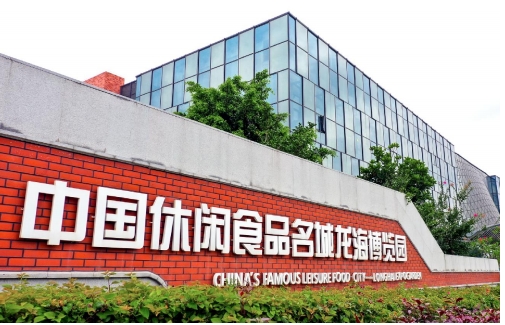
Within the larger Zhangzhou area there is a city called Longhai. While for Zhangzhou the food industry is regarded as a pillar of the regional economy, for Longhai it is the nr.1 industrial sector. The Municipality of Longhai has started profiling itself nationally as the ‘capital of leisure food‘ in 2019. The region is home for 605 food companies certified by the State Food and Drug Agency, covering a broad range of products. The Longhai government claims that about one third of the Zhangzhou food industry is concentrate in their region. Longhai is closer to the sea than the Zhangzhou municipal area. Zhangzhou has erected a ‘Leisure Food City Exhibition Centre’.

Zhangzhou Leisure

Zhao’an green plum land

Zhangzhou’s Zhao’an County has been famous since ancient times as a production region of green plums. The region produces 105,000 mt p.a. of these fruits. The local government decided in 2017 to actively support the growing of plums for 5 years, investing RMB 15 mln each year. Plum exports generated over USD 50 mln in 2018. Plums are not only sold as primary produce, but also processed into various products. 38 of the major plum growing and processing companies of Zhao’an organised themselves into a Zhao’an Green Plum Industry Promotion Association in March 2019.

Peter Peverelli is active in and with China since 1975 and regularly travels to the remotest corners of that vast nation.

Canned food – a luxury item in China

In Western households, canned food is kept for when you have little time to prepare a meal. In China it is regarded as a luxury food

A major production and export country

The canned food industry is one of China’s earliest food industries with a good foundation and fast development. The above photo was taken in 1957. As the opening text of this post already states, canned food used to be regarded as a luxury product. As a result, canned food was mainly positioned as export product. And indeed, those exports have made a great contribution in generating hard currency over the decades. China has been able to stay in the ranks as a processor and exporter of canned food such as tomatoes, asparagus, bamboo shoots, yellow peach, orange, etc. The world’s largest canned food producers are also located in China.

The following table shows that the Chinese canned food industry has seen a turbulent development since China opened up its economy in the late 1970s.

Year Canneriesnr Turnovermln RMB
1978 150 1,485
1995 1775 14,592
2017 892 175,387

This table shows that the industry first grew through an increasing number of companies, followed by a period in which the worst performers had to leave the business, while the best performers grew in size.

Where are the canneries?

Canned food is produced all over China and food is usually canned near the place where the fruits and vegetables are grown and the animals are raised. E.g., Zhejiang province has been the largest export region for canned tangerines for decades. The top region is Fujian province and Zhangzhou in particular. In a previous post I already reported that Zhangzhou is often mentioned as the ‘Capital of Canned Food’ in China. A top product in this respect is canned mushrooms. 80% of the canned mushrooms exported from China leave the country via Zhangzhou. The above map shows the location of canneries in various regions of China in 2012.

Some figures

China has produced 8.317 mln mt of canned food in 2021; up 0.09%. In 2022, China exported 3.125 mln mt of canned food; up 12%%. This generated an income of USD 6.89 bln; up 22%. In 2017, canned seafood was the largest export product with a volume of 336,400 mt. The USA and Japan were the main recipients of Chinese canned food with a rate of 14% each, followed by the EU with 11% and Russia with 5%. Fujian was the largest region export region in 2020, good for 44.68%. China has exported 478,500 mt of canned fruit in 2021; up 41%.

Domestic consumption of canned food

The canned food market in China is not plain sailing. Especially in recent years, with the increasing concern for healthy food among Chinese consumers, the image of canned food has suffered due to the long shelf life, adding preservatives and other misunderstandings, but the industry as a whole has so far withstood the test. At present, China’s canned food consumption level is still very low with only 6 kg per capita while the consumption is at 92 kg in the United States, 56 kg for the EU, and 30 kg for Japan.

Issues

China’s canned food industry is coping with problems of overcapacity, disorderly competition, unfortunate product structure and lack of innovation, while there is a huge potential market to be stimulated.  In recent years, the international market competitiveness has declined as the cost has been rising. Especially adjusting the product structure has become a priority. In fact, the changing lifestyle of the younger generation, with a busier pace of life, is posing a new market opportunity for the canned food industry in China. To cash in on that, innovation is imperative.

Nostalgia as marketing proposition

Linjia Puzi (Dalian, Liaoning) has launched canned fruit in a rather nostalgic packaging in 2020. The design resembles the style of that popular in the interbellum. The photo shows the peaches on syrup, with ‘imported arabinose’.

Strong association

As is emerging from several posts in this blog, associations are a strong influencing factor in the Chinese food industry. This also applies to the China Canned Food Industry Association (CCFIA). Established in Aug. 28, 1995, the CCFIA is the only national wide legal organization entrusted by the Chinese Government. Its members include canned food producing enterprises, sale companies, research, inspecting, detecting units, equipment manufacturers, raw material providing companies and management departments and units. The CCFIA is the representative of the common interests of the members. Its aim is to promote the development in canned food industry in China and provide high quality services to all the members.

Innovation

Companies in Zhangzhou, in response to a saturated market for traditional glass or tinplate packaging, are re-energizing themselves through innovation. Huang Xuelian, general manager of Fujian Zhangzhou Gangchang Industries & Trade Co Ltd, has introduced paper-based materials that mimic traditional canned products using high-temperature sterile soft packaging. These eco-friendly containers, lighter and easier to open than traditional cans, cater to modern preferences and lifestyles and are seen as being perfect for produce such as corn, mushrooms and bamboo shoots.

Peter Peverelli is active in and with China since 1975 and regularly travels to the remotest corners of that vast nation. He is a co-author of a major book introducing the cultural drivers behind China’s economic success.
Top food technology programs in Chinese universities

In an earlier post, I explained the institutional structure of the Chinese food (ingredients) industry. However, the trends and developments introduced in this blog would not have been possible without a constant influx of fresh young food technologists. I have mentioned several universities in this blog and some posts are dedicated to graduation creations of Chinese food technology students:

Several of the companies introduced in this blog have long term agreements with universities for their product development. In turn, the universities often need the facilities of the companies for intermediate and large scale pilot production of the processed they have developed.

Chinese love lists of top this or top that and you can bet there is a list of the top food technology programs at Chinese universities as well. The following table lists the top 10 of 2018. All listed universities offer full food technology programs. However, some are especially known for their R&D in specific fields. I have added a field which the institutions themselves indicate as one of their major focus topics.

Rank Name City Region Special field(s)
1 Jiangnan University Wuxi Jiangsu fermentation
2 China Ocean University Shanghai * seafood
3 Nanchang University Nanchang Jiangxi nutrition
4 Tianjin Science & Technology University Tianjin * functional foods
5 Jilin University Changchun Jilin local resources
6 South China University of Technology Guangzhou Guangdong ingredients
7 Hefei University of Technology Hefei Anhui agricultural resources
8 Dalian University of Technology Dalian Liaoning seafood
9 Henan University of Technology Zhengzhou Henan cereals
10 Zhengzhou Light Industry University Zhengzhou Henan cereals

(*Shanghai and Tianjin are cities with provincial status)

In case you are interested in more details about these institutions or the following ones, please contact me. Eurasia Consult has in-depth knowledge about food technology education in China.


Peter Peverelli is active in and with China since 1975 and regularly travels to the remotest corners of that vast nation. He is a co-author of a major book introducing the cultural drivers behind China’s economic success.
Food Ingredients Registration in China: Key Figures

The food and beverage industry is a major pillar of the Chinese economy, which makes China also the largest growth market for food additives. China has produced 11,971,000 mt of various food additives in 2021; up 10.5%.

The current Chinese procedure for the registration of food ingredients (GB 2760-2014) dates from Dec. 31, 2014. As food ingredients are a core topic of this blog, it will be interesting to have a look at how this system has been functioning in the years after its promulgation up to June 2018. The data in this post are provided by the National Health Commission.

The following table lists the number of applications for new food additives or new applications of existing additives per year.

Year Applications
2014 63
2015 74
2016 73
2017 43
2018 16

(all figures of 2018 refer to the first half of that year)

Obviously, not all applications are honoured. The next table lists how many applications were actually approved; distinguishing new additives and new applications of existing ones.

Year New additives New applications
2015 2 11
2016 17 37
2017 20 21
2018 1 7

As indicated in an earlier post, China is a country that has an active Public Nutrition policy. Nutrients have a special registration procedure dating from March 15, 2012. The final table of this post is similar to the second, but now referring to nutrients that can be added to food and beverage products.

Year New additives New applications
2012 2 8
2013 1 4
2014 0 2
2015 0 0
2016 3 3
2017 3 0
2018 0 0

These figures indicate that the Chinese authorities have become more careful in the past few years in approving nutrients as food additives.

In July 2007, a law for managing ‘new food sources’ was adopted in China. This law regulates the approval procedure for new raw materials for the food and beverage industry. The following table shows the number of newly approved materials during the past few years, broken down in imported and domestic.

Year Imported Domestic Combined
2008 14 27 41
2009 22 48 70
2010 5 24 29
2011 11 50 61
2012 14 25 39
2013 27 44 71
2014 1 1 2
2015 9 11 20
2016 3 12 15
2017 1 8 9

These figures show a large fluctuation, but also an overall downward trend. Apparently, the control has grown stricter over the years to increase food safety.

This post can best be read in combination with the following previous posts:

Peter Peverelli is active in and with China since 1975 and regularly travels to the remotest corners of that vast nation.

What on earth are . . . youtiao?

It has been some time that I uploaded a ‘What on earth . . .’ post, so here is a new one. Youtiao literally means ‘oily stick’. That does not sound very appetizing, which would be inappropriate for a traditional food that virtually every Chinese likes. A rather long English rendition I have come across is ‘deep-fried bread stick’. This is more like a description than a translation. If I remember correctly, I have also once read ‘fritter’ as the translation for youtiao somewhere. That is certainly a convenient one, but our fritters are incomparable with youtiao. In line with the philosophy of this blog, let’s not translate this word then and get used to youtiao, as my regular readers should be used to mantou by now (in case you have forgotten this term, look it up using the convenient search function of this site).

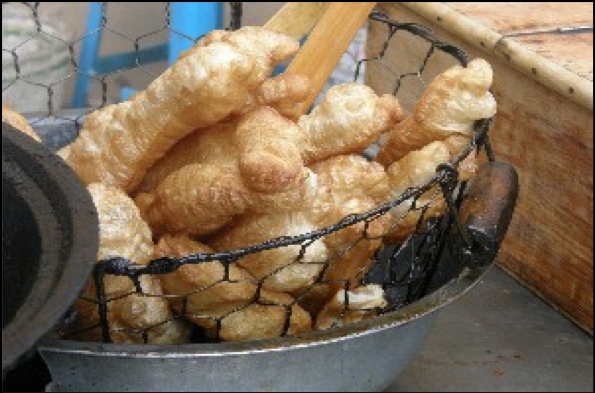
Youtiao are deep-fried twists of dough. They are almost exclusively a breakfast food and are usually eaten with congee or with a bowl of steaming sweetened soy milk. The vendors get started at around 5 am and are still making them way past eleven, for all the late-risers. It’s so commonplace to see someone in pyjamas and flip-flops walking back home with a plastic bag filled with three or four youtiao for the family breakfast. The reason is that youtiao are delicious when then have just left the deep-fryer, but their texture quickly becomes rubbery with the lowering of the temperature. Making them at home is not a real option. It is a waste of oil and the oily fumes are not good for your walls, furniture, your clothes and anything else in your home. Better have a street vendor fry them for you in the open air.

Youtiao are fantastic when pulled fresh from the deep-fryer. The foot-long bread can be separated into two side-by-side pieces, with a crisp, almost waffle-like exterior, and a light and chewy interior. Like all fried things, the flavour depends entirely on the quality of oil being used and the freshness.

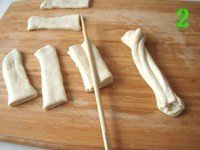
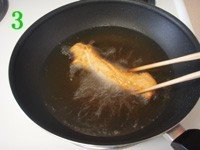
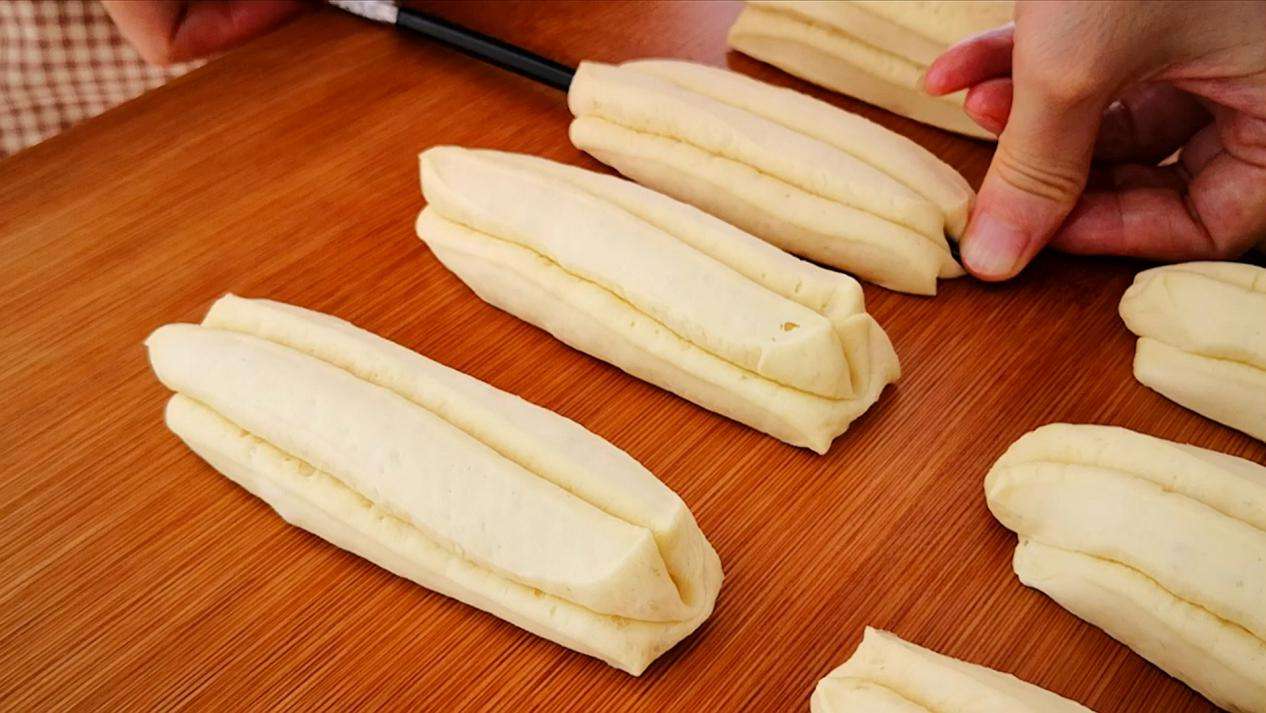
Youtiao are made from yeast dough, rolled flat, then cut into short narrow strips. Each strip is placed on top of a second, then pressed lightly together lengthways to make the join that can later be pulled apart after cooking. The baker then deftly twists and stretches them until they are the right length, and lays them side by side in the deep fryer until they are golden brown and nicely crisp.


Here is a typical recipe for youtiao dough.

Ingredient dosage
wheat flour, sieved 500 g
yeast 1/2 teaspoon
sodium bicarbonate 1/4 teaspoon
water 1 1/4 cups
sugar, diluted in the water 1 teaspoon
salt 1/2 teaspoon

Special flour (improvers)

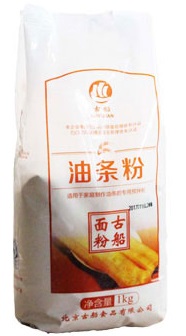
As I have reported in several posts on flour-based products, Chinese flour producers have developed specially formulated flours for youtiao. The motivation is not so much to encourage Chinese consumers to make their own youtiao at home, but to stimulate the industrial production of youtiao. The same applies to the development of flour improvers for youtiao. Several producers of flour improvers are offering improvers for youtiao, containing mixes of enzymes, improvers, starch, etc. A popular brand of youtiao flour is Beijing-based Guchuan.

This product lists the following ingredients:

Wheat flour, starch, sugar, salt, food additives (sodium bicarbonate, sodium pyrophosphate, calcium dihydrogenphosphate, calcium carbonate, citric acid)

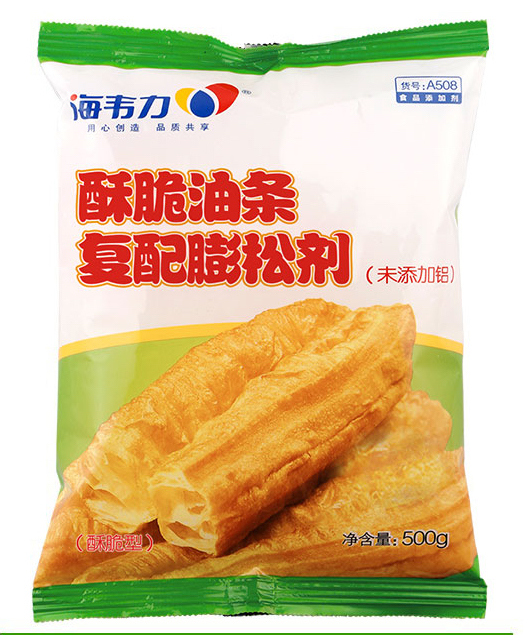
An alternative for youtiao producers is to buy specially formulated flour improvers that can be added to plain flour. An example is that produced by Weihaili. You need to add 250 gr of Weihaili’s improver to 10 kgs of flour, together with 100 gr of salt and 6.5 litres of water.

The ingredients of Weihail are:

Sodium bicarbonate, suplhate, d-glucono-lactone, potassium tartrate, maize starch

Industrial production

The main challenge for industrial production is to retain the crispy texture of youtiao. Perhaps a workable solution would be a semi-finished youtiao that consumers can buy in their supermarket and heat in an oven or air-fryer.

An enthusiastic insider has attempted to calculate the maximum value of the youtiao market in 2019. With an urban population of 750 mln people, 65% of which consuming 1 youtiao every 10 days, paying RMB 2/youtiao, he arrived at an estimate of RMB 17.8 billion. Obviously, the market for any food item is big in China, but in this case it points at interesting perspectives for industrial producers.

There are several manufacturers of quick frozen classic youtiao. China’s leading producer of traditional snack food Sanquan, has developed a fennel flavoured youtiao. They are somewhat smaller than regular youtiao.

You can bake them off at home. Ingredients:

Wheat flour, water, vegetable oil, spring onions, fennel, salt, yeast, spices.

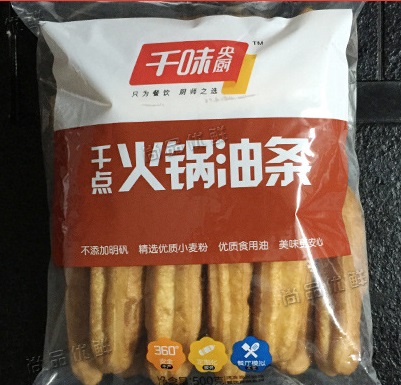
Whenever Sanquan comes up with a product, competitor Sinian can’t afford to lag behind. Sinian has launched a small type of youtiao that can be eaten with hot pot, hence the name Hot Pot Youtiao.

The ingredients listed are:

Flour, vegetable oil, water, salt . . .

That ‘. . .’ is not very nice to the consumers, but I will revert as soon as I have the entire ingredients list.

Youtiao are becoming a major growth product. Annual sales have increased from RMB 250 mln in 2015 to more than RMB 1 bln in 2018.

Pre-fried youtiao

A number of companies produce pre-fried youtiao, comparable to the pre-baked bread that you can buy in Europe. They are quick-frozen and can be fried without defrosting.

Peter Peverelli is active in and with China since 1975 and regularly travels to the remotest corners of that vast nation. He is a co-author of a major book introducing the cultural drivers behind China’s economic success.

Decoding China’s Light Industry and Food Sectors

One of the first things you need to know about a (potential) Chinese partner is to what system it belongs

This is a blog about food, drinks and their ingredients. However, as Chinese society, including its economy, is organized in a very unique way, it is useful to get more insight in its basic structuring. In fact, several aspects of that structure have been mentioned indirectly in various posts, in particular those about Mengniu Dairy and Yanjing brewing.

Economic sectors

An important type of context is the industrial sector. Chinese economy is divided in a number of industries, headed by a central ministry or organization with ministerial status in Beijing. Each province and autonomous region has a Department corresponding with the central organization. Lower administrative regions have, again corresponding, Bureaus. Chinese usually refer to this as the system (xitong) to which they belong. According to the official parlance, a state-owned enterprise is the property of the entire people, but the central administrative organization of its industrial sector has been given the power to manage the enterprise in the name of the people. The central organization will then delegate that power to its corresponding lower level organization. Those organizations also establish and operate schools and colleges related to their sectors.

An example will help clarify the situation: food manufacturing is typically regarded as Light Industry in China. A state-owned flour plant in Suzhou (Jiangsu), will therefore be typically managed by the municipal Light Industry Bureau, which will report to the provincial Light Industry Department, which operates under the China National Light Industry Council in Beijing. This is the reason why so many company names in China start with the name of the city or province in which it is located: it refers to the main governing body. I have mentioned the Changyu Winery in earlier posts. Its official name is Yantai Changyu Wine Group, which indicates that its CEO is typically reporting to the government of Yantai Municipality in Shandong province.

The value of the place name in a Chinese brand name is attested by the story of Yanjing Brewing laid down in an earlier post. Located in Shunyi County, the brand name originally envisioned was Shunyi Beer, but a ministerial official proposed to change it to a name that was related to Beijing. As Beijing Beer already existed, it became Yanjing Beer.

There are also dedicated light industry colleges like the Zhengzhou University of Light Industry. As attested by several posts in this blog, Zhengzhou is located in one of China’s major food producing regions, the home of, e.g., China’s top snack producer Sinian.

This way of organizing creates a kind of matrix structure in which a Chinese company has to account for its activities and results to the local government, but simultaneously to its sector organization. To stick with Changyu, it is accountable to Yantai Municipality and the Light Industry sector. These two merge in the Yantai Municipal Light Industry Bureau, but it can happen that the provincial or national Light Industry organizations contact Changyu for information about its operations.

Personnel

In the current stage of the development of China, this structure does no exercise a huge influence on issues related to production or marketing and sales. Larger state-owned companies are still affected in the field of human resource, in particular in filling the positions of top managers. Leading functions in companies like Changyu are usually appointed by the organization on the Ministry of Personnel, which also has branches in provinces, cities, counties and other administrative levels. The Party organization is also involvement in such appointments. Nowadays, only people with proven expertise and experience in the field will be considered for appointments of top functions in state owned enterprises, but the political aspect remains. This means that the social networks of the top executives of Chinese companies exercise considerable influence on the day to day managed of the enterprises.

Social embeddedness

The combination of the various stakeholders to which a Chinese enterprise is accountable and the social network can be called: the social embeddedness of Chinese companies. Insight in the affiliation of a Chinese enterprise is vital for Western companies who are seeking or have engaged in partnerships with Chinese counterparts. Too often, Western managers believe that their Chinese partner is ‘a company just like we are’ and that the CEO of the Chinese partner has ‘the same responsibilities as I have’. They aren’t and they don’t. Such misunderstandings will certainly play a role in the problems of companies like FrieslandCampina or Fonterra in China recently reported in the media.

Eurasia Consult’s founder Peter Peverelli is an expert in determining the social embeddedness of Chinese companies and the consequences for their Western partners

Food & beverage covers several sectors

The theme of this blog, food, drinks and ingredients, involves a complex situation, as the manufacturing of these three product groups is dispersed over more than one sector. Light Industry is definitely the largest one, but a number of food companies, in particular those using primary agricultural produce as raw materials, are operating under the Ministry of Agriculture. A special type of companies under Agriculture is State Farms. This name is based on the fact that the first of such companies were large state-owned farms established in rougher regions with no existing agriculture or other economic activity. These farms later also established processing plants of their own. A small number is part of the hierarchy of the Ministry of Commerce. The latter is in charge of distributing goods rather than making them, but in the early decades of the PRC, that ministry also established production units. An industry that is very disperses over those sectors is dairy processing. Interestingly, FrieslandCampina and Fonterra mentioned above are both dairy companies.

Light Industry Top 50 2017

As Chinese ministries (try to) keep track of the industrial statics of their respective sectors, the regularly publish compilations like the top 10, 50, 100 manufacturers of a certain product or sector. The China National Light Industry Council recently published the Top 50 Light Industry companies of 2017. I will list the top 10 in this post.

Rank company sector
1 Maotai spirits
2 Wuliangye spirits
3 Yili dairy
4 Mengniu dairy
5 Wahaha beverages
6 Yanghe spirits
7 Xiwang starch sweeteners
8 Bohai soybean oil
9 Hefeng meat
10 Haitian soy sauce

From this list it is obvious that food, drinks and ingredients are the major sector of Light Industry in China. Actually, it covers a broad range of products, like: toothpaste, detergents, brooms, toys, etc. However, the Top 10 and in fact the entire Top 50 consists of food companies. Regular readers of this blog will recognise several of the companies in this list.

Universities

As mentioned above, universities also play an important role in the development of the Chinese food industry. Their role is so vital, that I have dedicated a special post to them.

Peter Peverelli is active in and with China since 1975 and regularly travels to the remotest corners of that vast nation. He is a co-author of a major book introducing the cultural drivers behind China’s economic success.