Innovative Foods from Top Chinese Agricultural Universities

In a few earlier blogs, I introduced novel foods designed by students for their graduation. One was dedicated to vinegar-based foods, another had a more general nature. The inventors were typically students of food science.

Chinese universities have not only continued these innovative activities, but have combined it with Chinese innate entrepreneurial instinct. A number of agricultural universities and colleges have developed novel foods and have started commercialising these themselves. An important driving force behind these commercial activities is the popularity of the TikTok (Douyin) platform, on which students can advertise their products through direct broadcasting.

In this post, I will introduce a number of novel foods developed and marketed by students and professors of various Chinese universities.

South China Agricultural University

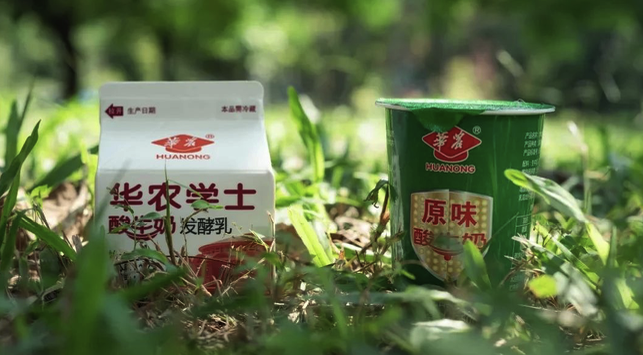
According to the official introduction of South China Agricultural University, in the 1930s, the Agricultural College of Lingnan University, the predecessor of Huanong, had a dairy farm with the scale of one to two hundred cows. This laid the basis for their dairy specialisation. Later, the research field was focussed on the production and development of yogurt. In 1997, Huanong established the Dairy Factory of South China Agricultural University and officially started selling yogurt to the outside world.

Compared with yoghurt on the market, Huanong yoghurt is fresh and contains fewer additives. Its raw materials are fresh milk, bacteria and sugar. Huanong yoghurt’s sales slogan is: our yoghurt is like a meal cooked by our own family. It may not taste as attractive as restaurants, but we believe that simplicity can do the trick’.

Southwest University

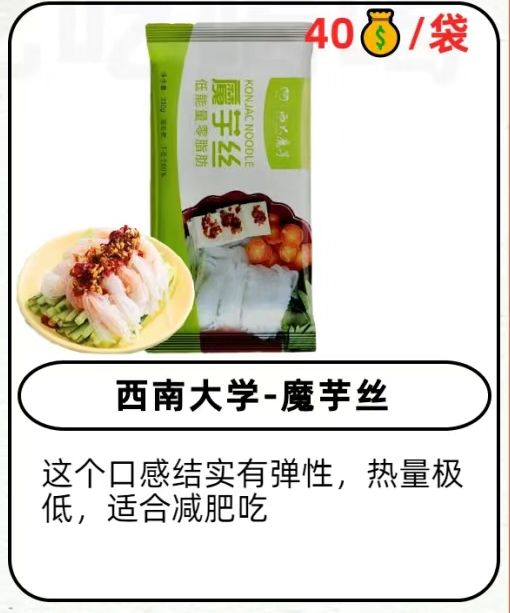
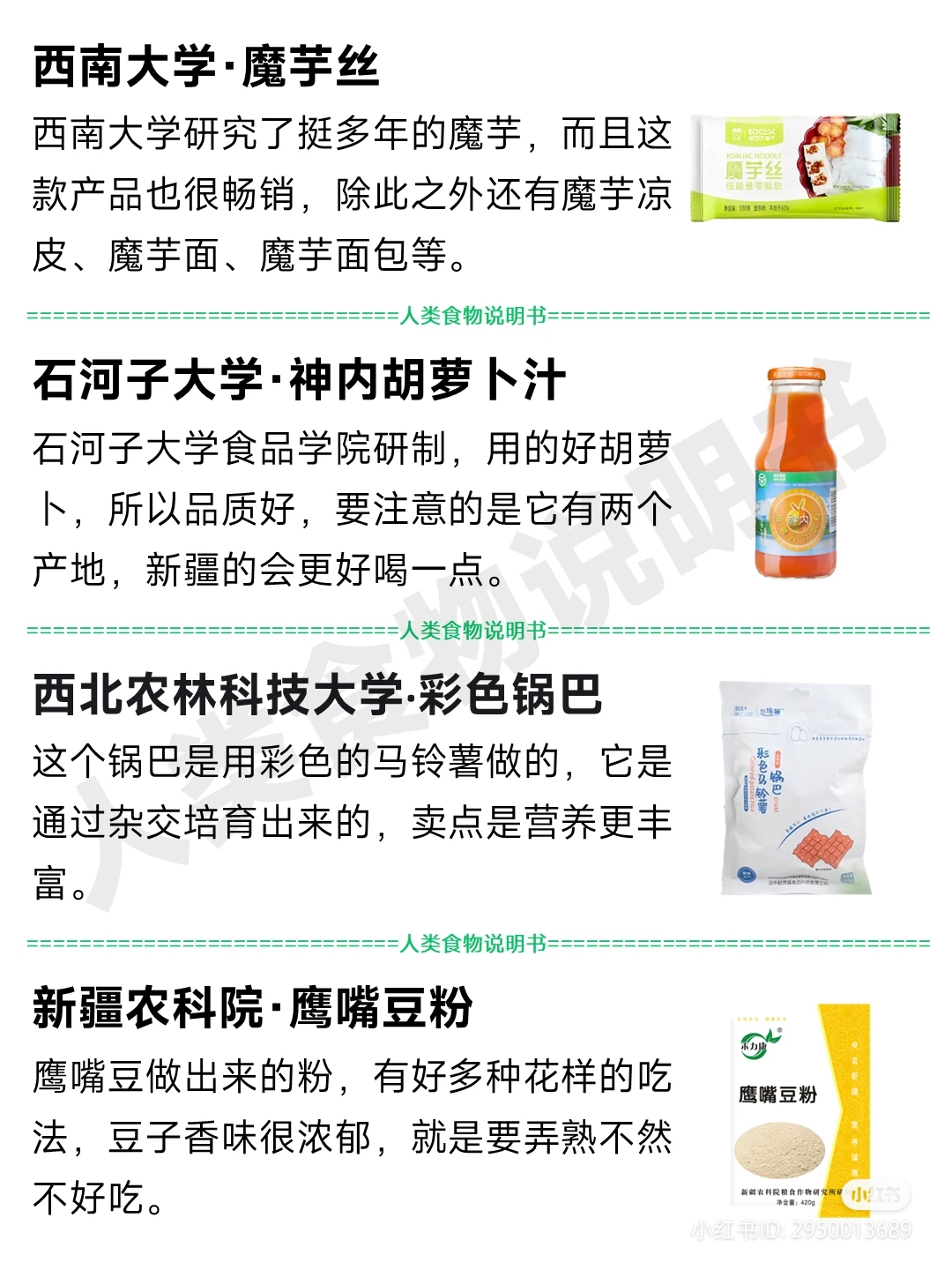
Southwest Konjac is a product developed by Southwest University, founded in 2012. The story says that in 1979, Professor Liu Peiying of Southern Agricultural University discovered that Japan purchased large volumes of konjac from Sichuan and Yunnan provinces, and initiated research into konjac. The university registered its own konjac brand, and founded the KGM Functional Food R&D Centre to develop functional products, special medicinal foods, medicines, beauty products, etc., all with Konjac as raw material.

Southwest is offering more konjac-based products.

Konjac strips. You can prepare them as a low calorie alternative for glass noodles.

Konjac sticks; Marketed as ‘not so sweet’.

Yunnan Agricultural University

When talking about Yunnan, people usually think of fresh flower cake. In fact, the fresh flower jelly developed by Yunnan Agricultural University and the Yunnan Highland Agricultural Industry Research Institute is also very special. At present, the fresh flower jelly series includes four flavours: rose, jasmine, chrysanthemum and osmanthus. There are fresh flowers in each jelly.

Hunan Agricultural University

Fantianwa is a brand of spicy dough sticks, a traditional product of Hunan that has gain national popularity during the past couple of years, developed by Hunan Agricultural University. In addition to being the leading brand, these spicy strips are also unique in taste. Their sales slogan in: ‘it makes people feel like they can “go to heaven” after eating’. Fantianwa has also created a toplevel clean room, becoming the first spicy stick enterprise in Hunan with HACCP certification and ISO9001 quality management system certification.

Xinjiang Shihezi University

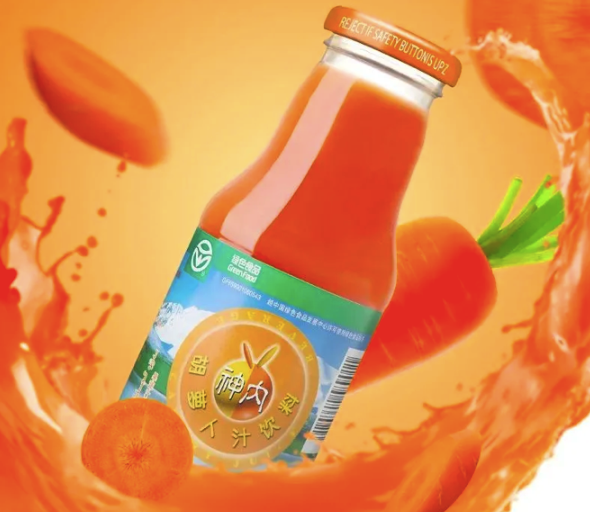
Shennei brand carrot juice is not only alive in the memory of Xinjiang children, but also makes some people who don’t like to eat carrots change their minds about this vegetable. In 1996, Shihezi University set up the Shennei Xinjiang Product Research and Development Centre, and carrot juice is one of its products adapted to local conditions. Shennei carrot juice is made from a local variey of carrot, which is produced in the north slope of Tianshan Mountain, and is freshly pressed by cell wall breaking technology.

There are several more of these university-developed novel foods. The above my personal pick, but I will be most happy to guide those who want to know more, like partenering with one of this high-quality institutions.

Guangdong Academy of Agricultural Sciences

Pure mulberry juice. This product does not contain any additive.

Nanjing Agricultural University

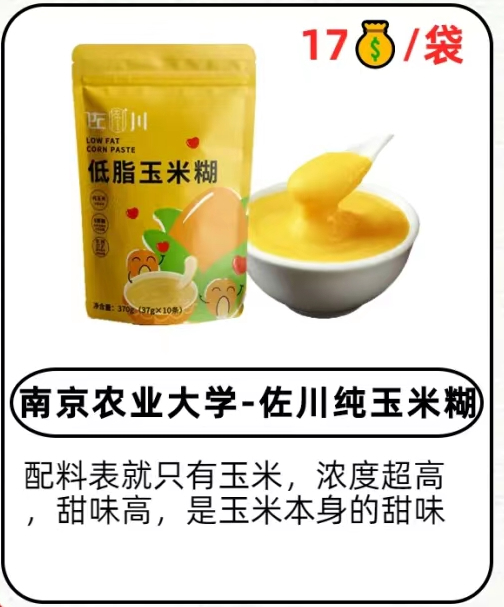
Zuochuan Pure maize porridge. Maize is the only ingredient on the label.

China Agricultural University

Four types of honey; all without any additives.

Ningxia Academy of Agricultural Sciences

Pure goji juice; No thickeners, sugar or water added.

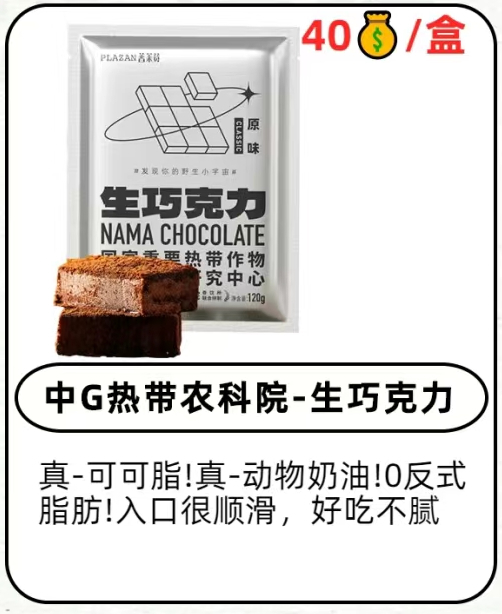
China Academy of Tropical Agricultural Sciences

Nama chocolate; this product fits in with the ‘raw food’ trend in China. Does not contain transfatty acid.

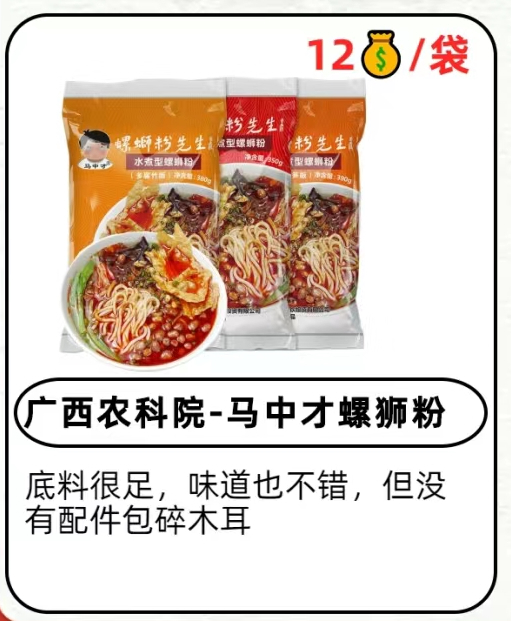
Guangxi Academy of Agricultural Sciences

Mazhongcai river snail noodles; a modern presentation of the traditional food from Liuzhou in Guangxi.

Heilongjiang University

Master Ling sauerkraut; not the German stuff but traditional Chinese style.

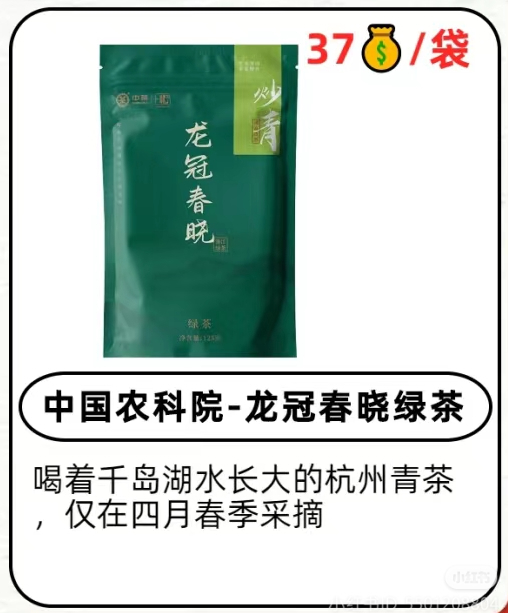
China Academy of Agricultural Sciences

Shizhuang oat meal; Chinese are gradually getting into oat meal and this product is marketed as healthy.

Longguan pure green tea; grown in the Thousand Island Lake near Hangzhou.

High folic acid sweet corn; contains 300 microgram of folic acid per knob.

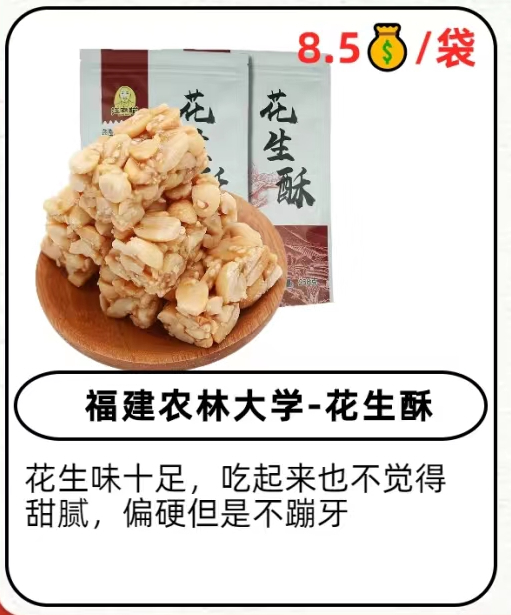
Fujian Agricultural University

Peanut crisps; just a healthy snack.

Yunnan Academy of Agricultural Sciences

White bean coffee; combining the fat burning action of white bean extract with the mental boost of coffee. I visited their stand on the Pu’er Coffee Fair in January 2024.

Nanjing Agricultural University

Purple sweet potato congee; for an alternative breakfast. The ad promise that it is good for losing weight.

More products

Here is additional information added Feb. 2024

Konjac strings

Southwest University (Chongqing) has developed konjac strings, a healthy snack food. Other products include: konjac noodles and konjac bread.

Coloured guoba

This is a product from Northwest Agriculture & Forrest University (Shaanxi); made from coloured potatoes.

Chickpea powder

It is an easy guess that this product has been developed by an institution in Xinjiang: Xinjiang Agricultural Research Institute. The powder can be used in various recipes.

Prof Huang’s roasted chicken

A professor of Nanjing Agricultural University is trying to imitate Colonel Sanders.

Honey

Yangzhou University (Jiangsu) has developed a range of honeys, including one from loquat and robinia flowers.

Rose sauce

This ingredient can be added to tea, milk, bread, etc., and is a product of Yunnan Agricultural University.

Buffalo Milk

Central China Agricultural University (Wuhan) is behind this product. An interesting detail is that they transliterate ‘buffalo’ as bafulai, which means ‘eight (types of) luck are coming’.

There are more products from this news source, so contact us for a more complete report on leading Chinese universities in food and beverage development. Eurasia Consult has a database of research conducted at a large number of Chinese universities and research institutes

Peter Peverelli is active in and with China since 1975 and regularly travels to the remotest corners of that vast nation. He is a co-author of a major book introducing the cultural drivers behind China’s economic success.

Innovative Yogurt Flavors Launching in China

The size of China’s yogurt market is expected to exceed RMB 210 billion in 2023.

Food and beverages form one of the most innovative industries worldwide. Consumers get easily bored with their daily bites and sips and feel a strong need for regular change of flavours, textures, colours, etc. The typical products with such regular changes are snacks or sodas, stuff that you eat or drink between meals, to kill part but not all of your hunger, or even purely for diversion.

When scanning the new launches in China of the past few months, another type of product clearly stands out, one that is usually regarded as a healthy food: yoghurt.

Dairy is regarded as the single most nutritious food group in China and therefore tops the current Chinese food pyramid. In particular, Chinese strongly believe that dairy products enhance the immune system, so the Covid-19 epidemic has triggered a tsunami of new dairy products during the latter half of 2020. As many Chinese still have a problem with the odour and flavour of regular milk, yoghurt is a more widely accepted dairy product among Chinese consumers. In this post, I want to introduce a number of the most noticeable newly launched yoghurts, each representing a subtype.

Yoghurt and tradition

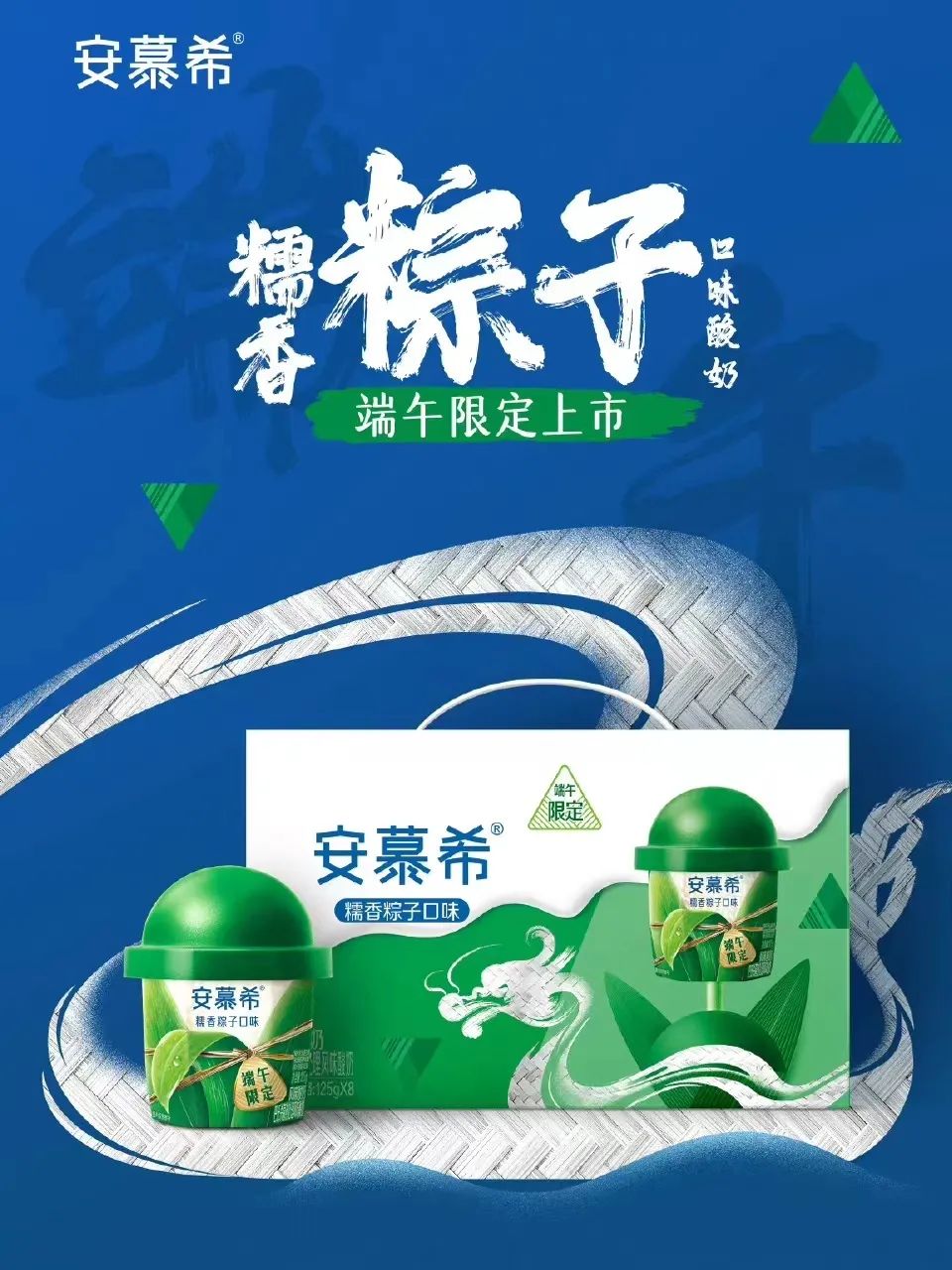
The renewed interest in traditional culture in China is also reflected in the celebration of traditional holidays, like the Mid Autumn Festival. Although dairy is a mainly a foreign food group, several of the newly launched yoghurts in China are branded in connection with a traditional holiday. Yili has issued a limited edition of its Ambrosial yoghurt for the Mid Autumn Festival.

In June 2023, Yili did the same for the Duanwu Festival by launching a moon cake flavoured version of its Ambrosial yoghurt. Moon cakes are the typical snack eating during the Duanwu Festival, also known as the Dragon Boat Festival.

Beijing’s pastry maker Daoxiangcun, that does not a dairy company, has also launched a one-time Duanwu Festival yoghurt flavoured with mooncake of which Daoxiangcun is a main supplier.

Yoghurt and milk tea

Milk tea is a vogue that reached Mainland China from Taiwan and quickly became bigger than in its home market. Young Chinese are willing to line up for hours to get a cup of their favourite milk tea. Genki Forrest has cashed in that by launching a milk tea inspired yoghurt.

Black yoghurt

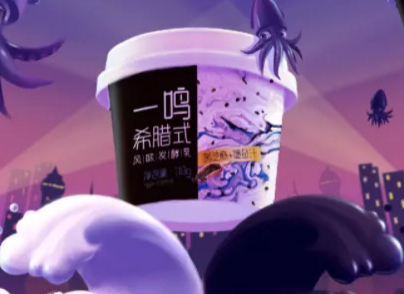
I posted an earlier introduction about various types of ‘black food’ in China. Black food is traditionally linked to health. Moreover, there is a small but stable group of young people interested in gothic music, including the black outfit that come with it. A number of black yoghurts have been launched in previous months. E.g., there is Yiming’s yoghurt coloured with inkfish ink and black sesame seeds.

Yili’s Ambrosial also has a range of black yoghurts with various funny flavours: chives, garlic, shrimp, rice vinegar, etc.

New raw materials

These are yoghurt not made from milk (or not only milk).

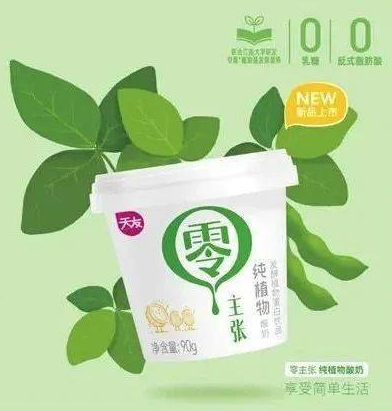
Tianyou has launched a Zero (zero sugar, zero additives) soybean-based yoghurt.

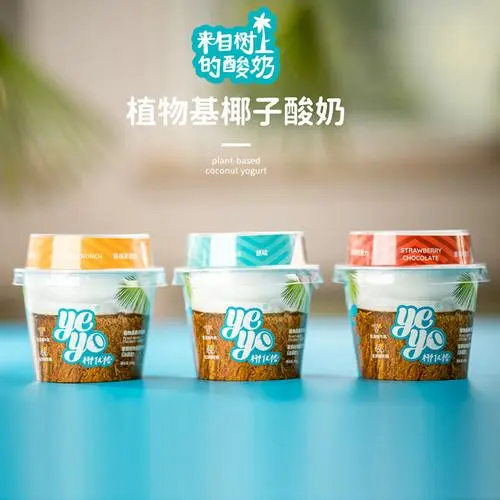
Beijing-based Marvelous Foods recently launched its flagship store on Tmall with its signature offering: Yeyo Coconut Yogurt with zero-added sugar, no sweeteners, or artificial flavours. The initial launch of the plant-based range includes a ‘pure’ sugar-free flavour, along with two yoghurt-granola cups with seasonal fruit and nut granola toppings and are priced at RMB 15 per 100 gr. Its latest product was developed after extensive formulation R&D by joining forces with leading ingredients company DSM.

High nutrition yoghurt

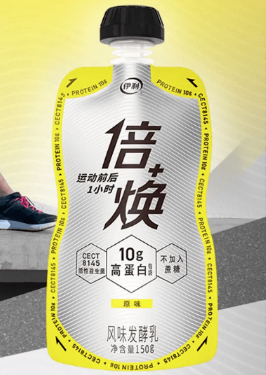
While yoghurt itself is already regarded a nutritious in China, some producers add extra nutrients. Yili has developed high protein yoghurt . . . 

. . . and one with several probiotics to enhance the functioning of the intestines.

Wahaha is selling a yoghurt drink with amino acids that promote a good night sleep.

For the opposite, to pick yourself up, you can use Mengniu’s yoghurt with arrowroot; also said to be good for curing hangovers.

Yoghurt and . . . noodles

China’s top dairy processor Yili has launched a combination pack of its Ambrosial yoghurt and Wuhan-style noodles (Cailinji brand) late 2020. It is a limited edition commerating the brave citizens of Wuhan who suffered most from the COVID-19 epidemic.

More have been launched and I expect even more will follow. I will regularly update this post with new products.

Peter Peverelli is active in and with China since 1975 and regularly travels to the remotest corners of that vast nation. He is a co-author of a major book introducing the cultural drivers behind China’s economic success.

Exploring the Unique Water Chestnut: A Chinese Culinary Treasure

In this blog, I regularly introduce typically Chinese food ingredients that are less known or used differently, in Western cuisine. In this post, I am introducing the water chestnut.

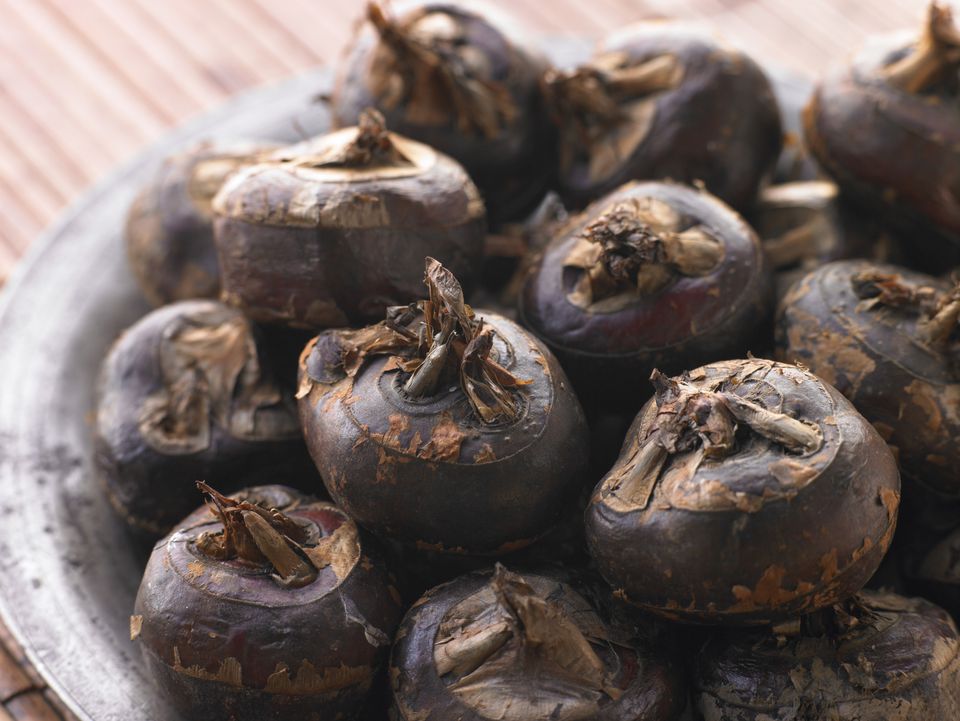
Water chestnuts are named for its chestnut-like shape like chestnut. However, not only the shape, but also the taste and functions are similar to tree chestnut. The water chestnut’s skin is purple to black, the flesh is white, crisp, sweet and juicy. Even eaten raw, it makes a delicious treat. People in China’s North sometimes refer to it as ‘southern ginseng’. Water chestnut can be regarded as both fruit and vegetable. It is a popular seasonal product. The following pictures show them as you buy them and peeled.


Medicinal properties

The water chestnut is attributed medicinal qualities in traditional Chinese medicine (TCM). It is rich in protein, dietary fibre, carotene, vitamin C, vitamin E and trace elements such as calcium, phosphorus, potassium and magnesium, which can prevent infectious diseases and improve the quality of the body.

Phosphorus content in water chestnuts is the highest in all stem vegetables. Phosphorus can not only promote physical development, but also make sugar, fat and protein metabolise normally and maintain a proper acid-base balance.

Water chestnuts contain puchiin, which is an antimicrobial substance. It can effectively inhibit the growth of bacteria such as Staphylococcus aureus and Escherichia coli, and can also play a role in lowering blood pressure.

Water chestnuts belong to the cold raw foods. They can clear away heat and remove fire, increase appetite and stimulate body fluid. They can dispel body discomfort and supplement nutrition. They moisten lungs, resolve phlegm and promote body fluid production. The starch and crude protein can promote the peristalsis of the large intestine, and the crude fat can moisten the intestine and relieve constipation. They are most suitable for fever patients. They cool blood and detoxify, stimulate diuresis and defecation.

Water chestnut products

In this section, I am introducing a number of classic and novel products made from water chestnuts.

Water chestnut starch

Water chestnut starch is produced by crushing, separation, dehydration and drying. Water chestnut starch is white and uniform, and can be made into other water chestnut products, such as water chestnut paste, water chestnut cake and water chestnut biscuits.

Instant water chestnut paste

Instant water chestnut paste is produced with water chestnut powder, water chestnut skin extract and other additives. The water chestnut skin extract is rich in dietary fibre and flavonoids, it promotes gastrointestinal peristalsis and improves blood circulation.

water chestnut cake

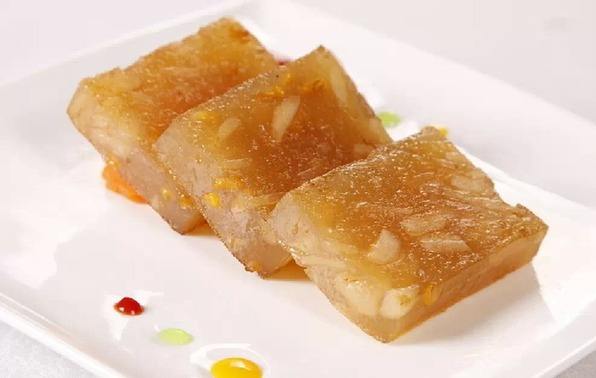
Water chestnut cake is favourite part of the famous Cantonese Dim Sum. It is rich in starch, protein and other nutrients, but it spoils easily, so it must be sterilised. It is advisable to use high temperature and short time sterilisation.

Water chestnut biscuits

A typical formulation of water chestnut biscuit is: 80 parts of wheat flour, 20 parts of water chestnut powder, 12.5 parts of sugar, 8 parts of soybean oil, 1.2 parts of yeast, 1.5 parts of baking soda and 0.5 parts of salt.

Canned water chestnut

Canned water chestnut has a crisp and refreshing texture, which is very popular with the public. Yellow browning occurs easily, when water chestnuts are exposed to air after peeling, so the need to be pre-cooked. Canned water chestnuts are sterilised at high temperature and short time.

Water chestnut beverage

Water chestnut contains a lot of water. It is easy to extract juice. Its juice is sweet and tasty. It is an ideal raw material for beverage.

Water chestnut yumberry flavoured yoghurt

Inm (Yiming) has launched a water chestnut + yumberry flavoured Greek style yoghurt in 2020. Water chestnut is nutritious, but is probably used here first of all to give the product a crunch. The yumberry (yangmei) gives it a pink colour and all the nutrition of this Chinese superfruit.

Fruit vinegar beverage

Researchers have applied response surface methodology has to optimise the fermentation conditions of water chestnuts. The initial alcohol concentration was 7.6%, the inoculation quantity of acetic acid bacteria was 10.9%, the suitable growth temperature of acetic acid bacteria was 32 C, and the acidity was above 0.045 g/ml.

Alcoholic beverages

During experimental production of water chestnut wine, water chestnut juice was prepared by peeling water chestnut and inoculating 2.0% – 3.0% yeast culture medium after adjusting sugar content and acidity. After fermentation at 25 C for 2 days, an 4.2% alcohol clear and tasty water chestnut wine could be produced.

Peter Peverelli is active in and with China since 1975 and regularly travels to the remotest corners of that vast nation. He is a co-author of a major book introducing the cultural drivers behind China’s economic success.

Yumberry: The Chinese Superfruit You Need to Know

Superfruits are still hot, in spite of the growing criticism on the excessive promotion of some of them.

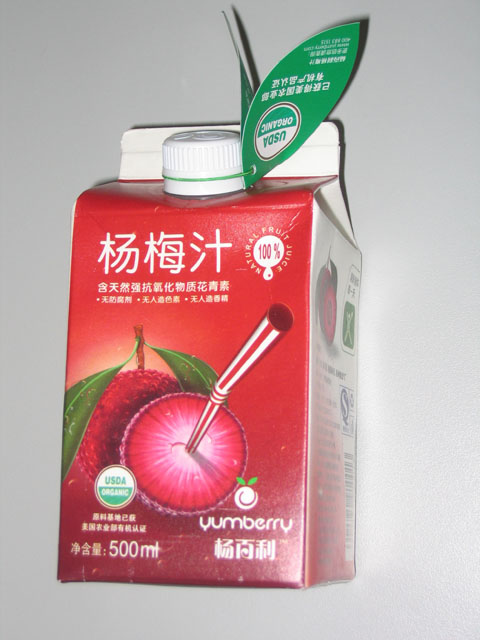
China is well-positioned to gain from the superfruits craze (also see my post about the seabuckthorn). Yumberry, for example, is unique to the country, and produces good quality, clarified not from concentrate juice, but also excellent concentrate. China is good for 90% of the global yumberry production, with sporadic occurrence in Japan, India, Vietnam and Thailand. China produced 832,680 mt of yumberies in 2016, from 745,600 mt in 2012. Zhejiang province is the largest production region, with 618,400 mt in 2019.

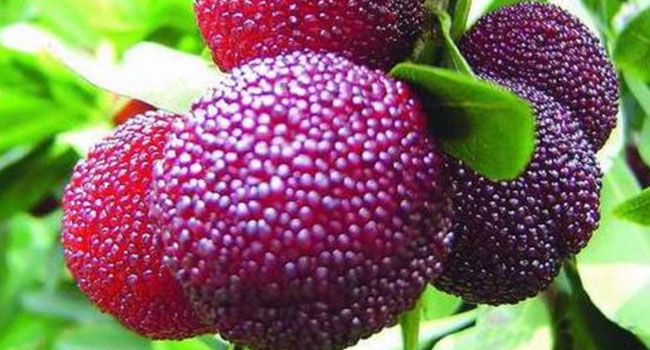
Yumberry is the commercial name for the yangmei berry, a fruit of the wax myrtle; also known in English as waxberry (Myrica rubra), the fruit has a high antioxidant activity and high vitamin and mineral content. Yumberries look a little bit like a raspberry with a sweet-sour flavour similar to cranberry and pomegranate juice. Their texture is unique – slightly stringy like the flesh of citrus fruit – with a pit in the centre.

Super healthy

Yumberry juice is rich in antioxidants like proanthocyanidins and contains many vitamins including vitamin C, thiamine, riboflavin, and carotene. Yumberries are also said to help clear up hard-to-digest food in your stomach, cure stomach aches and “dispel summer heat.” They have been used since ancient times in China for medicinal purposes, and as early as the 16th century, the well-known herbal pharmacologist Li Shizhen said that yumberries could:

“Eliminate sputum, stop vomiting, helpful to digestion and alcoholic drinking … quench thirst, conciliate the five internal organs, cleanse stomach and intestines, remove the muddleheaded … and be efficacious to cure diarrhoea.”

Further, because the trees have a high tolerance to pests and diseases, they are often grown organically or with few pesticides applied to them.

66% of the output of 2016 was consumed as fresh fruit. 15% was processed into juice or concentrate, 5% was exported and 20% was wasted in various stages of processing. The latter is high for such a valuable product, but offal is unfortunately still a major problem in China.

Juice production is hampered by its short season which lasts only one month, in which processors struggle to process all the fruits on time. However, its rising popularity in the health beverage boom will certainly benefit the industry.

Water chestnut yumberry flavoured yoghurt

Inm (Yiming) has launched a water chestnut + yumberry flavoured Greek style yoghurt in 2020. Water chestnut is nutritious, but is probably used here first of all to give the product a crunch. The yumberry (yangmei) gives it a pink colour and all the nutrition of this Chinese superfruit.

International interest

The international superfruit industry discovered the value of yumberries before health drinks started to get popular among Chinese consumers.

  • US juice supplier SunOpta has entered into an exclusive supply agreement with China’s Zhejiang Yumberry Juice Co., Ltd to market yumberry juice concentrate in North-America. The harvested fruit is carefully selected, pressed, de-pectinised, filtered, concentrated and pasteurised, before being shipped to North America.
  • Bombilla and Gourd, a US tea drinks company, has moved into the fruit juices sector. Its new Super Fruits line, launched last April, comprises four blends: orange/ mango, yumberry/lime, açaí/blueberry and pomegranate/lemonade, in 600 ml plastic bottles.
  • Fruttzo, another US fruit juice maker, has introduced a yumberry juice range. The ruby red, 100% juice has no preservatives, added sugars or added colours and comes in pure 100% yumberry form, or blended with pomegranate, blueberry or cherry. It is packed in 12 oz recyclable glass bottles and is on sale nationwide.
  • In the UK, Uren Food Group‘s innovation division Juicevibe has developed a yumberry juice blend, claimed to be the first in the country. The 100% juice blend has been listed by a major retailer. Endorsed by Heart Research UK, it has secured approval from the Food Standards Agency so the fruit will not be subject to review under EU novel food regulations.

At this moment, it is still uncertain if the yumberry has a future in Europe. While the supermarkets in my home country are flooded with blueberries, which are often rather tasteless, perhaps because the growers want to cash in on the superfruit image, instead of concentrating on making a tasty product, I have never seen a yumberry of yumberry product, outside China. Whenever I do, I will add my finding to this post.

Peter Peverelli is active in and with China since 1975 and regularly travels to the remotest corners of that vast nation.

Low vs. Room-Temperature Yogurt: Market Dynamics in China

Yoghurt is the most widely acceptable dairy product among Chinese consumers. The size of China’s yogurt market is expected to exceed RMB 210 billion in 2023.

Yoghurt has always been one of the more popular dairy products in China. The value of the Chinese yoghurt market for 2020 is estimated at exceeding USD 37 mln, with a per capita consumption at 6.8 kg. An important reason is that it is easier to digest by people with lactose intolerance. Yoghurt is also less ‘creamy’ in taste that liquid milk, and lacks the alien smell of most Western cheeses. It is therefore no surprise that so many new yoghurt products are launched in China.

The Chinese yoghurt market is dominated by the two Inner Mongolian giants Yili and Mengniu and their Beijing cousin Sanyuan and Shanghai-based Bright as the Benjamin. The following table shows the yoghurt market shares of the major companies in January 2018.

Company Share (%)
Mengniu 28
Yili 27
Sanyuan 21
Bright 15
Tianrun 3
Junlebao 3
Yiguo Fresh 1
Weiquan 1
Others 1

Low- and room-temperature yogurts: different growth prospects

Within the Chinese yogurt market, there are two distinct varieties to consider, according to their storage temperatures. Low-temperature yogurt, favoured for its superior taste and nutrition, comes with a shorter shelf life and demands specialized logistics, including cold chain technology for transportation to the retail destination. Room-temperature yogurt largely dominates the market, boasting nearly double the transaction volume of its low-temperature counterpart in 2021. Nevertheless, while the former experienced a growth rate of 6.1% from 2016 to 2021, this growth is anticipated to slow down to 3.6% between 2021 and 2026. Conversely, low-temperature yogurt has exhibited a remarkable growth rate of 14.3% and is projected to maintain a steady growth of 11.4% in the forecasted period from 2021 to 2026, thus narrowing the gap between the two varieties.

Old yoghurt newly formulated

However, even though a large variety of yoghurts is available in the local supermarkets, Chinese consumers have started to grow bored with the relatively sweet and rather liquid products.

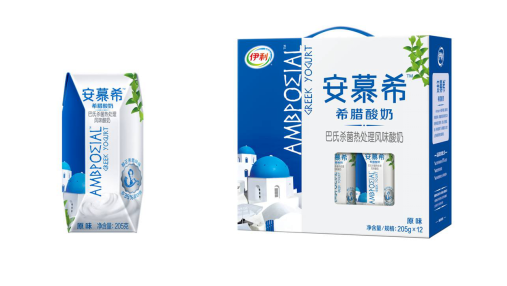
To counter the demand for a new type of yoghurt, a number of Chinese dairy companies started launching more viscous products a year and a half ago, resembling products like Greek yoghurt or quark. In fact, Yili (Inner Mongolia) has launched a Greek yoghurt early 2016 (see photo). They are market as ‘old yoghurt’, trying to create a ‘traditional’ image; yoghurt as it originally used to be.
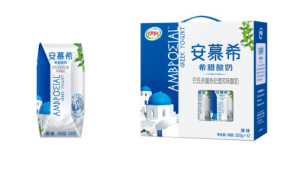
YIliGreek

Huishan Dairy (Liaoning) has launched a type of Russian yoghurt early 2017, branded Wolingka.

After so many food safety incidents, an investigative journalist of the Beijing Evening News purchased old and regular yoghurt of three leading brands, to compare the ingredients used in each product, as listed on the packaging. He has furthermore interviewed a number of experts in this field.

The results allow us to have a look into the kitchen of the present day top producers in this industry in China, and one with a rare degree of detailedness. We will start with offering a translation of the information of the 8 products (4 brands of Old Yoghurt and 4 types of normal yoghurt of the same brands). For each product, the following information will be provided: brand and product name, ingredients, and price. I will then summarise the judgments of the journalist and the experts and end with some comments from my side.

Junlebao

Traditional Old yoghurt Raw milk, sugar, whey protein powder, streptococcus thermophilus, lactobacillus bulgaricus additives (HPDSP, gelatin, pectin, monoglyceride, aspartame, acesulfame-k) RMB 2.48/139 gr = RMB 0.018/gr
Yoghurt Raw milk, streptococcus thermophilus, lactobacillus bulgaricus, additives (HPDSP, gelatin, pectin, aspartame, acesulfame-k) RMB 10.50/800 gr = RMB 0.013/gr

Bright

1911 100 years Old Yoghurt Raw milk, sugar, whey protein powder, streptococcus thermophilus, additives (HPDSP, gelatin, pectin, agar, food flavors) RMB 4.90/160 gr = RMB 0.031/gr
Yoghurt (sugar free) Raw milk, whey protein powder, streptococcus thermophilus, additives (HPDSP, gelatin, pectin, agar, food flavors) RMB 8.80/800 gr = RMB 0.011/gr


Mengniu

Inner Mongolian Old Yoghurt Raw milk, sugar, whey protein powder, thin cream, streptococcus thermophilus, lactobacillus bulgaricus, additives (gelatin, agar) RMB 3.80/160 gr = RMB 0.024/gr)
Yoghurt Raw milk, sugar, lactobacillus bulgaricus, streptococcus thermophilus, additives (HPDSP, agar, aspartame, acesulfame-k) RMB 8.00/800 gr = RMB 0.01/gr

Yili

Old yoghurt Fresh milk, sugar, streptococcus thermophilus, lactobacillus bulgaricus, additives (gelatin, diacetyl tartaric acid ester of mono(di)glycerides, HPDSP, pectin, acfesulfame-k, aspartame) RMB 3.95/15o gr = RMB 0.026/gr
Probiotic plain yoghurt Fresh milk, sugar, whey protein powder, streptococcus thermophilus, lactobacillus bulgaricus, bifidus, lactobacillus acidophilus, additives (HPDSP, pectin, gelatin) RMB 10.90/800 gr = RMB 0.014/gr

Sanyuan

Old Beijing plain yoghurt Raw milk, sugar, streptococcus thermophilus, lactobacillus bulgaricus, additives (gelatin, diacetyl tartaric acid ester of mono(di)glycerides, pectin, xanthan) RMB 3.80/180 gr = RMB 0.021/gr
Plain yoghurt Raw milk, sugar, streptococcus thermophilus, lactobacillus bulgaricus, additives (gelatin) RMB 9.50/800 gr = RMB 0.012/gr

The journalist’s findings

Retailers generally like the Old Yoghurt, which they describe as ‘selling itself without any marketing effort’. Most consumers interviewed while buying it state that Old Yoghurt has an ‘original’ taste and ‘reminds one of the past’.

The price difference is significant. It is smallest for Junlebao, but for the other brands, the Old Yoghurt is on the average twice as expensive per gram as the regular variety.

However, these differences in price are not reflected in the lists of ingredients. Actually, these are remarkably similar for the Old and regular varieties. Moreover, the differences between the various brands are also very small. Even more peculiar is that an ingredient that is typical for Old Yoghurt in one brand is typical for the regular variety for competitive brand.

Apparently the only real difference between these two types of yoghurt is that dosage rates of thickeners, giving Old Yoghurt the thick mouth feel that traditional yoghurt used to have.

The experts’ opinion

The journalist has interviewed a number of dairy scientists on this topic. All agree that Old Yoghurt is a ‘concept’ rather than a real product. Real traditional yoghurt was a solidified milk, produced by fermenting raw milk with certain bacterial cultures in stone jars. There is nothing mysterious about it.

All brands of Old Yoghurt described by the journalist contain gelatin; and so do even some of the regular yoghurts. The thicker mouth feel is thus emulated by means of additives. The current Old Yoghurts are certainly not healthier than the average yoghurts.

My comments

This is a fascinating discussion. Actually, in European regular media we rarely find such detailed reporting on the use of food ingredients to ‘construct’ images of food products. Evidently, the food safety incidents that have taken place in China during the past couple of years have sensitised the awareness of Chinese consumers to an extent that consumer associations in Western countries can only dream of.

The issue revealed here by a Chinese journalist is by no means a typically Chinese phenomenon. One can buy semi-finished muffins and other types of cake in Europe, than can be baked at home to enable consumers to serve hot freshly baked muffins to their guests. TV commercials advertise these products showing people in the street smelling that (grand-)mother is baking cake. We are not aware of protests by consumers or consumer associations about such commercials. What European consumers seem to miss is how it is possible to smell a cake being baked from such a large distance.

Our ‘(grand-)mother’s apple pie’ is also emulated with premixes containing artificial flavours. These are further combined with emulsifiers and other additives, to ensure that even the most inexperienced person can bake such a pie or muffin. These additives are all approved for use in food, but so are the ingredients of Old Yoghurt in China. The Chinese journalist is not exposing excessive use of ingredients or the use of illegal additives. He is simply pointing out that consumers need to be aware of the fact that current Old Yoghurt is not related to the traditional thick yoghurt that Europeans use to eat when they were young. In this respect, Chinese consumers and media seem to be a step ahead of their European counterparts.

A few days after this publication on Old Yoghurt, another article appeared interviewing two more dairy experts. Their judgment was significantly milder. Old Yoghurt was first launched by a relatively small company in Qinghai, a region where people are traditional consumers of dairy products. Once that product became a success, it was imitated by dairy companies all over China. However, these companies lacked the skills to produce a thick type of yoghurt in the traditional way. The move to thickeners is then easily made.

The experts further point out that gelatin, starch and most other thickeners are natural products that are used in a large number of foods, and even in the kitchens of many consumers. Their use as food ingredients has been approved and there even is no maximum dosage rate for this kind of ingredients. The dairy experts do point out that there are better ways of producing a thicker kind of yoghurt, like lowering the water content of the milk. This requires more technical skills than adding thickeners. The current problems of Old Yoghurt in China are therefore directly related to the large number of relatively small companies, lacking skilled staff.

Recent developments

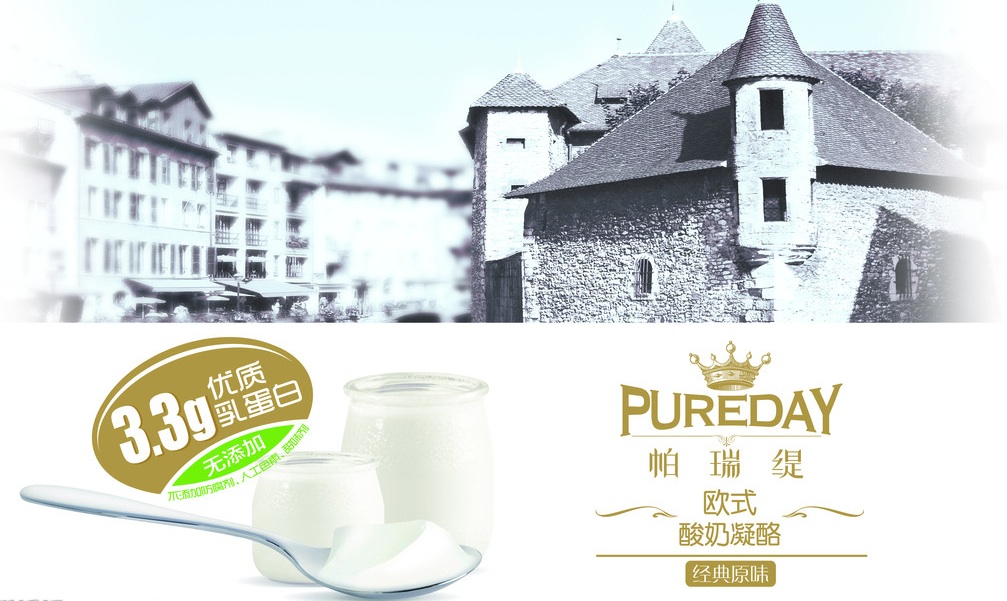
The most recent development is that the more and more producers are replacing the term ‘old yoghurt’ with other fancy names. Yili has launched a ‘Pureday Clotted Yoghurt’ and Junlebao a ‘Laojuezhuang European Sour Cheese’ (laojuezhuan literally means ‘cheese estate’. The names and design of the packaging shows that the basic proposition, that these are traditional European products, is now emphasised even more than before.

PuredayLaojuezhuang

The formulations have not changed dramatically:

Yili’s ‘Pureday Clotted Yoghurt’ Sugar, whey protein, fresh milk, butter oil, egg yolk powder, additives (gelatin, DATEM, HPDSP, pectin), flavours, streptococcus thermophilus, lactobacillus bulgaricus RMB 5.50/138 gr = RMB 0.039/gr
Junlebao’s ‘Laojuezhuang European Sour Cheese’ Sugar, whey protein, fresh milk, condensed milk, additives(gelatin, DATEM, HPDSP, pectin, xanthan), lactic acid culture RMB 4.70/139 gr = RMB 0.034/gr

Organic yoghurt

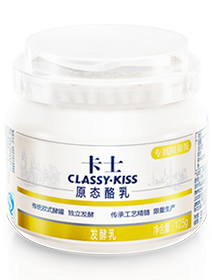
Organic yogurts are proving popular for health-conscious office workers and young parents. Discerning shoppers seem willing to pay that little bit more for the right products as supermarkets start stocking an array of upmarket brands. Classy Kiss, a yogurt rolled out from Green’s Bioengineering (Shenzhen) Co Ltd, posted significant sales growth in third and fourth-tier markets. It recently launched an organic brand, which sells at around RMB 14, one of the most expensive products from its dairy range. Earlier, it also launched a yogurt designed to help improve the digestive system after a meal. The company hopes it will be able to cash in on the growing demand for healthy products. Sales of functional and fortified yogurts in China are expected to rise 23% to RMB 43 bln in 2017 compared to 2016. By 2022, sales are expected to surge 56% to RMB 75 bln.
Drinkable yoghurt for the young

Younger Chinese consumers have taken a fancy to creamy, sweet, flavored yogurt and yogurt-based drinks. Category sales have surged about 20% annually since 2014 to reach RMB 122 bln in 2017. Chinese consumers perceive yoghurt as “nutritious”, “helps to boost immunity”, “easy to digest” and “suitable for children and the old”. Yogurt has become a leading product in the domestic dairy market. But compared to other countries, yogurt consumption in China is relatively low at 3.43 kg per person per year (Japan leads with 9.66 kg and the figure for the United States is 4.92 kg). The recent uptrend in yogurt sales in China has positive implications for the larger dairy market. Overall dairy sales in China are expected to exceed RMB 480 bln by 2022 on a compound annual growth rate or CAGR of 6.6%.

Le Pur yoghurt

A noteworthy new arrival on in China’s domestic yoghurt industry is Le Pur. The name embodies the company’s simple and down-to-earth ambition of providing pure and delicious, quality yoghurt. With its dairy imported from countries such as the UK and New Zealand, and other ingredients, such as freshly-picked blueberries sourced from Shandong Province, hazelnut jam from Germany and vanilla from Madagascar, Le Pur aims to provide only “genuine ingredients.” Le Pur’s founder and CEO Denny Liu, a graduate of the Wharton School and a former employee of the Blackstone Group. Liu was also a special adviser to world leading industrial companies like PepsiCo. In late 2014, Liu gave up his career and started to make dairy from scratch. Within a year, he started Le Pur and gained over 40,000 fans on Le Pur’s official Sina Weibo and WeChat public accounts. So far, the number of fans has grown to around 320,000. Just a few months after launching Le Pur, Liu branched out into online to offline operations, and the company’s daily sales volume grew to around 1,000 bottles, according to cyzone.cn, a news platform for start-up businesses in China, on May 10, 2015. One of Le Pur’s marketing strategies is its down-to-earth interaction with consumers. In their concept store in Sanlitun, they showcase the yoghurt’s production line in a 30-square-meter room. The store has never lacked visitors. Le Pur also involves its customers in the choice of flavour and package design.

Salty yoghurt

Terun Dairy (Xinjiang) surprised the market by launching a new type of salty yoghurt late 2018. This flavour fits in with the worldwide vogue for salty sweets, like salty caramel or salty chocolate.

Greek yoghurt

Yili Dairy and the Greek Academy of Agricultural Science founded Ambrosial yoghurt. The sales of this company increased with 106.7% in 2016 compared to 2015. The reason for this sustainable amount is due to the fact that Ambrosial yoghurt is a sponsor of the Chinese popular tv-program Running Man. The viewers of Running Man are the Chinese youth who are also the ones who are responsible of the increase in yoghurt sales. In total Yili Dairy Group spent over RMB 2.5 bln on tv-ads, print media and radio in 2016. In addition to that Ambrosial yoghurt has also launched new varieties of yoghurt and improved old recipes. For example, for a new variety is, the new peach oat flavour. And by launching more diverse flavours, Ambrosial is responding to the sophisticated taste of the Chinese consumers.
Related items in this post:

Peter Peverelli is active in and with China since 1975 and regularly travels to the remotest corners of that vast nation. He is a co-author of a major book introducing the cultural drivers behind China’s economic success.