Sure, regular readers of these pages are completely aware that the natural flavour of milk does not agree with the average Chinese palate. And this continues to clash with the position of dairy products in the top layer of the Chinese nutrition pyramid.
I have introduced yoghurt and ice cream with peculiar flavours that are more in line with traditional flavour patterns of the Chinese, to mask the ‘creamy’ flavour of milk. In this post, I will introduce dairy products flavoured according to entire classic Chinese dishes, as available in China at the date of this post. Most of these are not produced by the large national dairy giants like Yili or Mengniu, but by regional or local companies.
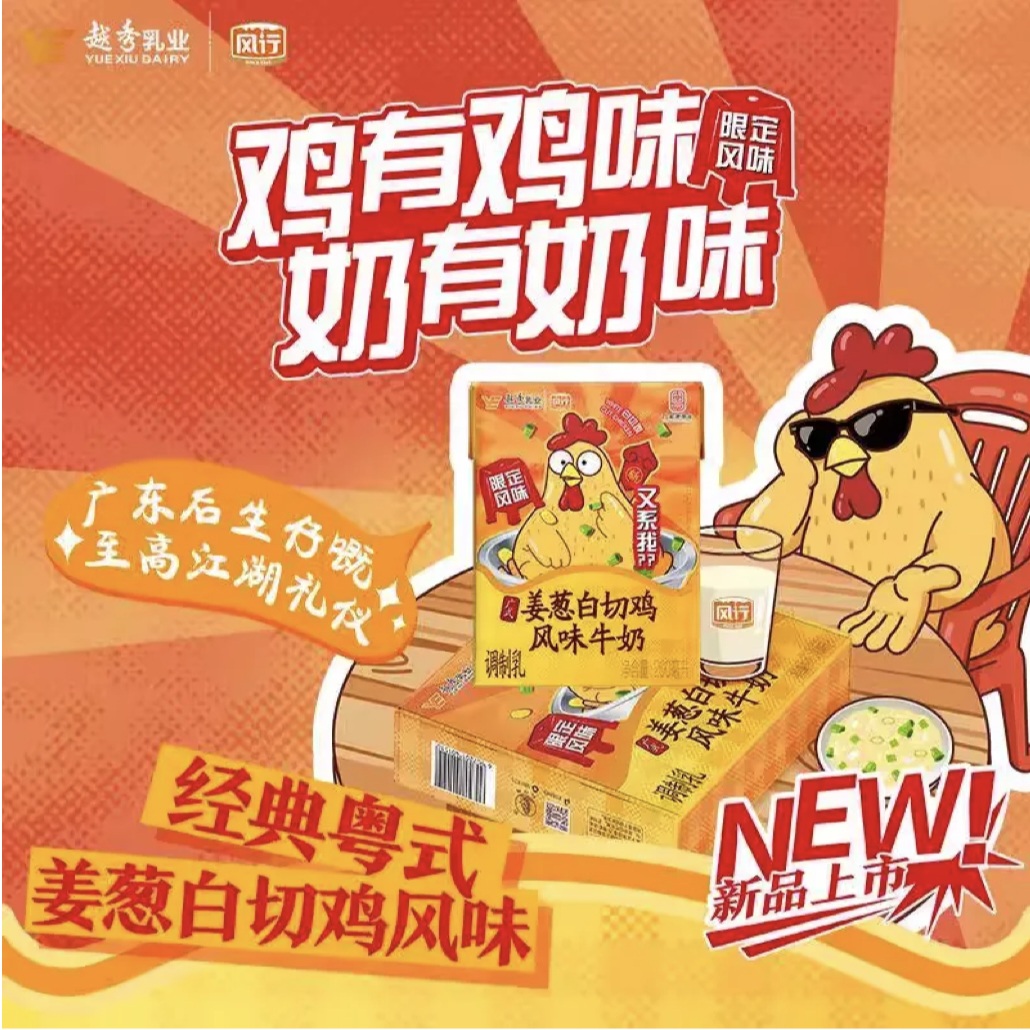
White sliced chicken
Screenshot
White sliced chicken, baiqieji, is a classic starter in Cantonese cuisine. It is chicken cooked in a broth with ginger and scallions, served cold to be dipped in soy sauce. Yuexiu Dairy is producing a ‘ginger scallion white sliced chicken milk’. A cool looking chicken is showing a glass of the milk alongside the original dish.
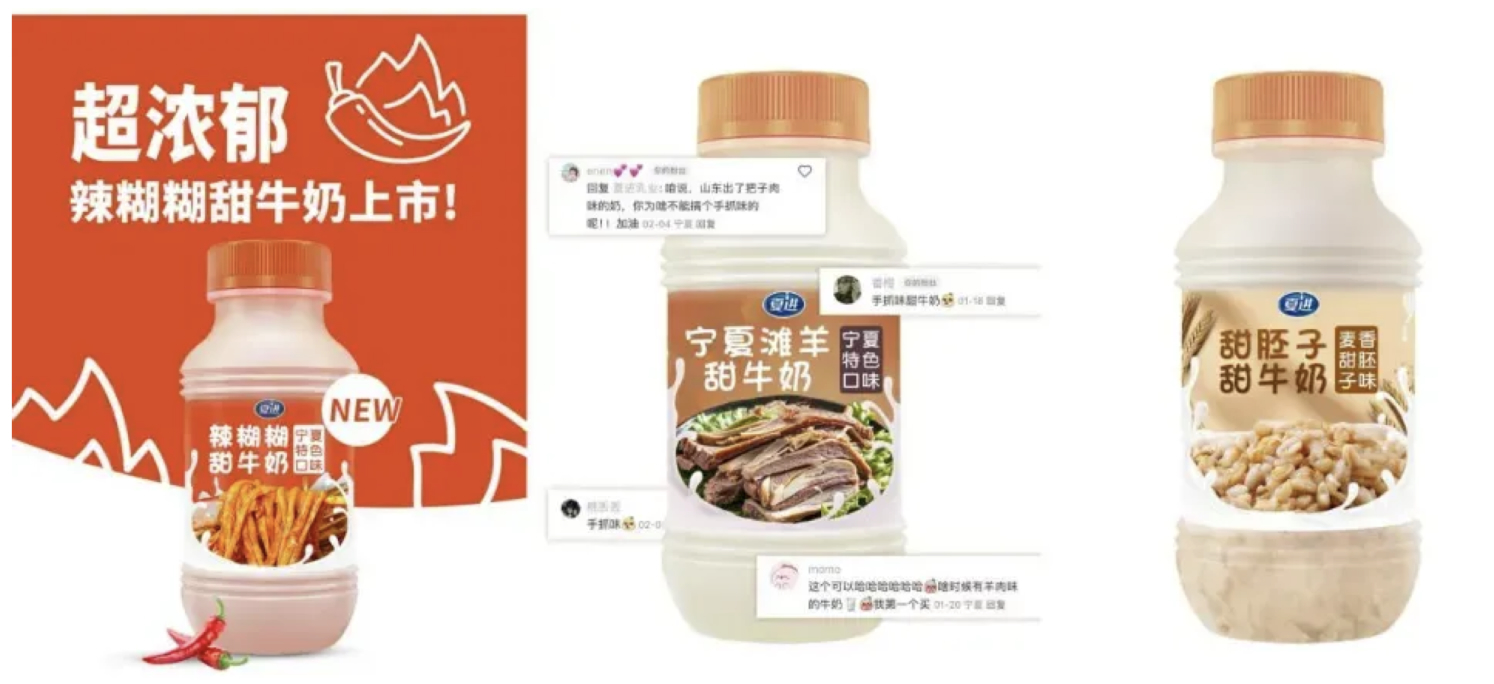
Halal milk
Screenshot
Xiajin Dairy is the largest dairy processor of Ningxia province. It is a region with a large Muslim population, so Xiajin is offering a range of beef and mutton flavoured milks. An salient detail: the middle product is a mutton flavoured cow milk.
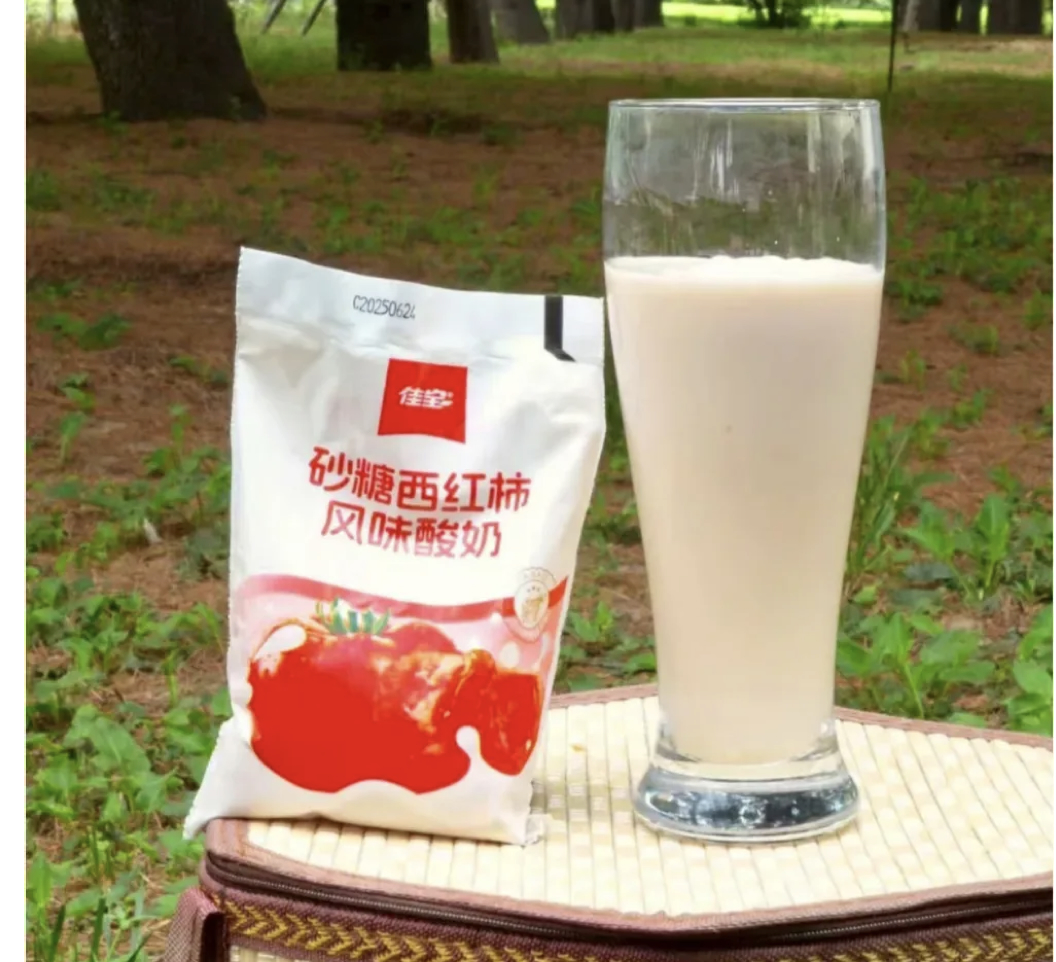
Tomato
Screenshot
Chinese like to eat sliced tomatoes with a little sugar as a snack or starter. Jiabao from Guangdong is offering sugared tomato milk.
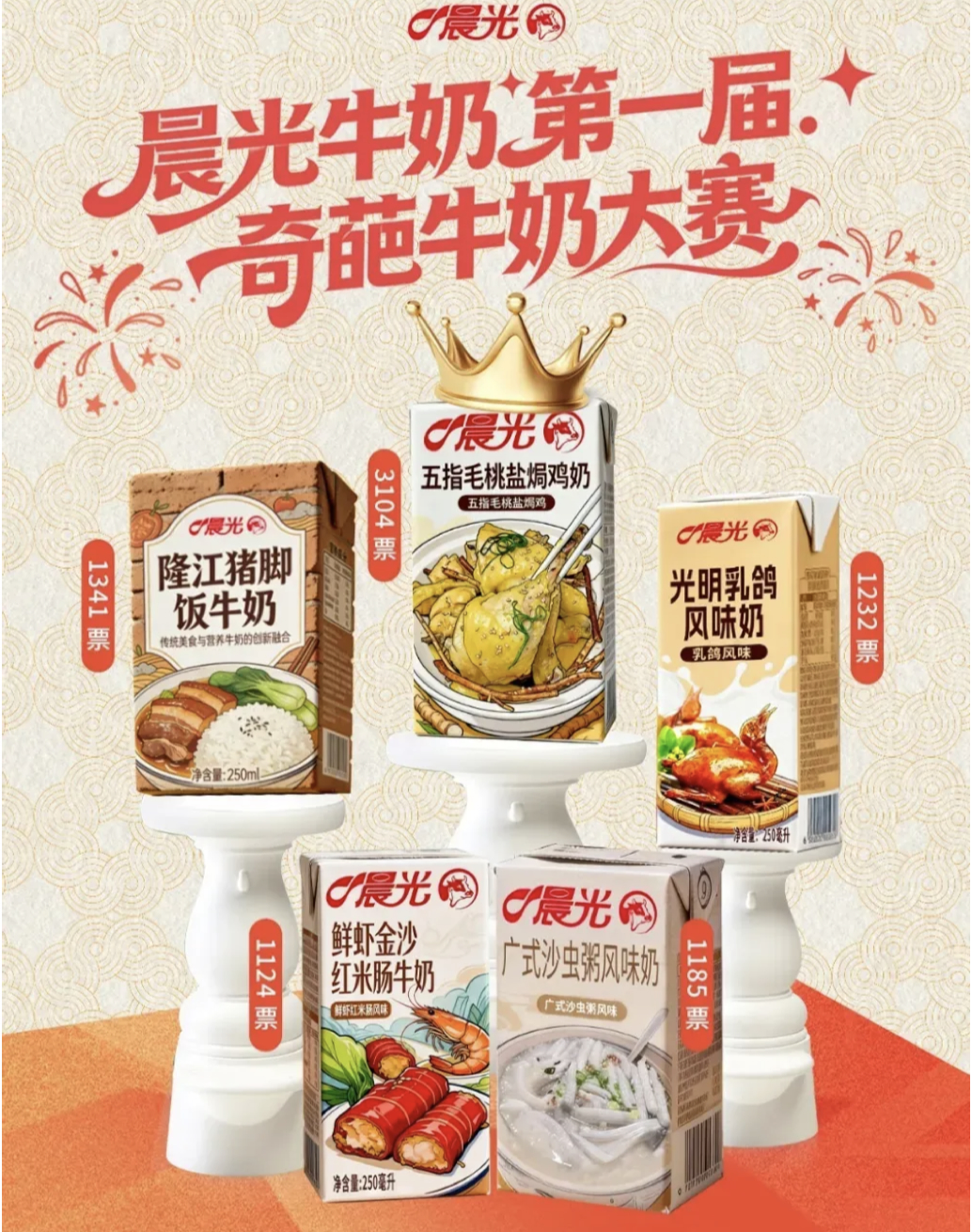
Dim sum
Screenshot
Dim sum, a table full of small plates with savoury delicacies is a favourite lunch in Guangdong province. Chenguang Dairy from Shenzhen has developed a series of milks mimicking some favourite dim sum.
Whenever I run across new exciting flavours, I will add them here. However, tasting all the above products will keep you busy for a while.
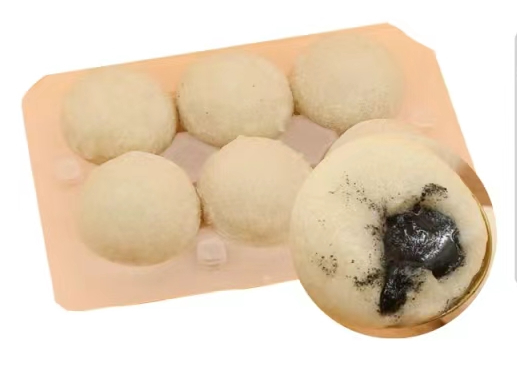
Black sesame has always been a frequently used ingredient in Chinese desserts. The top product probably is the tangyuan, a glutinous rice ball with a sweet filling. There are several types of fillings, but black sesame is the first choice. I am showing a sugar-free version from Jietang Mudashu, which literally means: ‘weaning from sugar Uncle Mu’. This long brand name stresses how hard Chinese are struggling with their sugar addiction.
Since Guangdong Zhuang’s Sesame Milk became popular, black sesame, a traditional ingredient, has also ushered in a new life in the Chinese baking industry. By 2025, the scale of China’s baking market has reached RMB 100 billion, and the combination with the concept of the same origin of medicinal food is opening up new growth space for it.
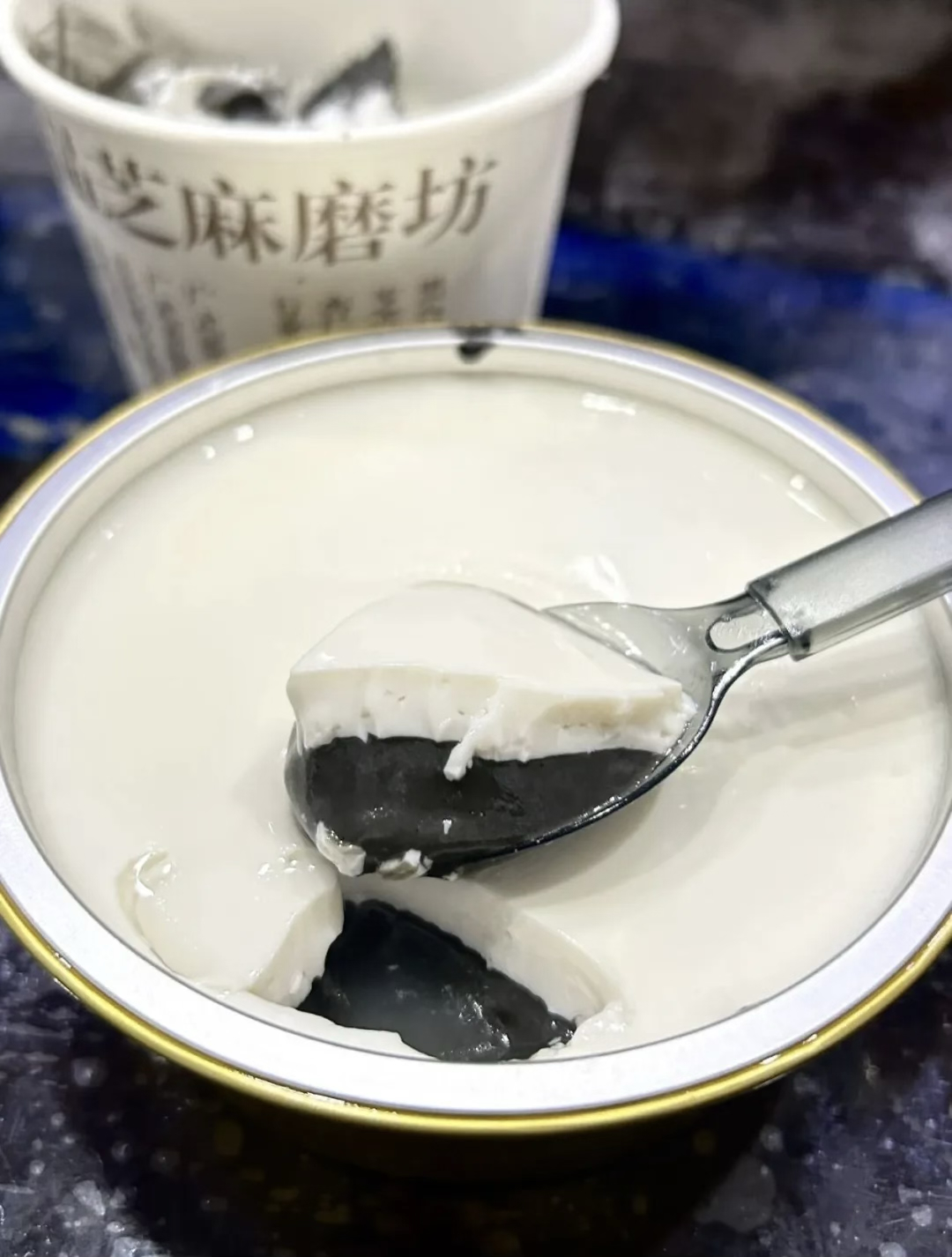
Black Sesame Milk
Nowadays, black sesame has changed from a limited flavour to a ‘star ingredient’ in the baking, dairy and confectionery industries. From the continuous popularity of black sesame cakes and bread, to the ‘Chinese medicine pharmacy style’ baking on social networks, it is no longer just a food from past memories, but has gained a popular role in baking innovation with both health and flavour.
How black sesame turned hot
It is no coincidence that black sesame is popular in the baking industry. Under the joint embrace of all circles of society, black sesame has gradually risen from the corner of the supermarket shelves to the C position of the bakery shops. In 2025, the scale of China’s ‘food as medicine’ market has exceeded RMB 370 billion, and the valuation of the whole industry chain will exceed RMB 2 trillion.
This trend has directly promoted the upgrading of the entire black sesame industry. In recent years, the National Health Commission has accelerated the expansion of the ‘food as medicine’ catalogue, which now covers 106 kinds of food substances. In 2025, the government proposed to simplify the identification process and shorten the cycle to inject new momentum into the development of the industry.
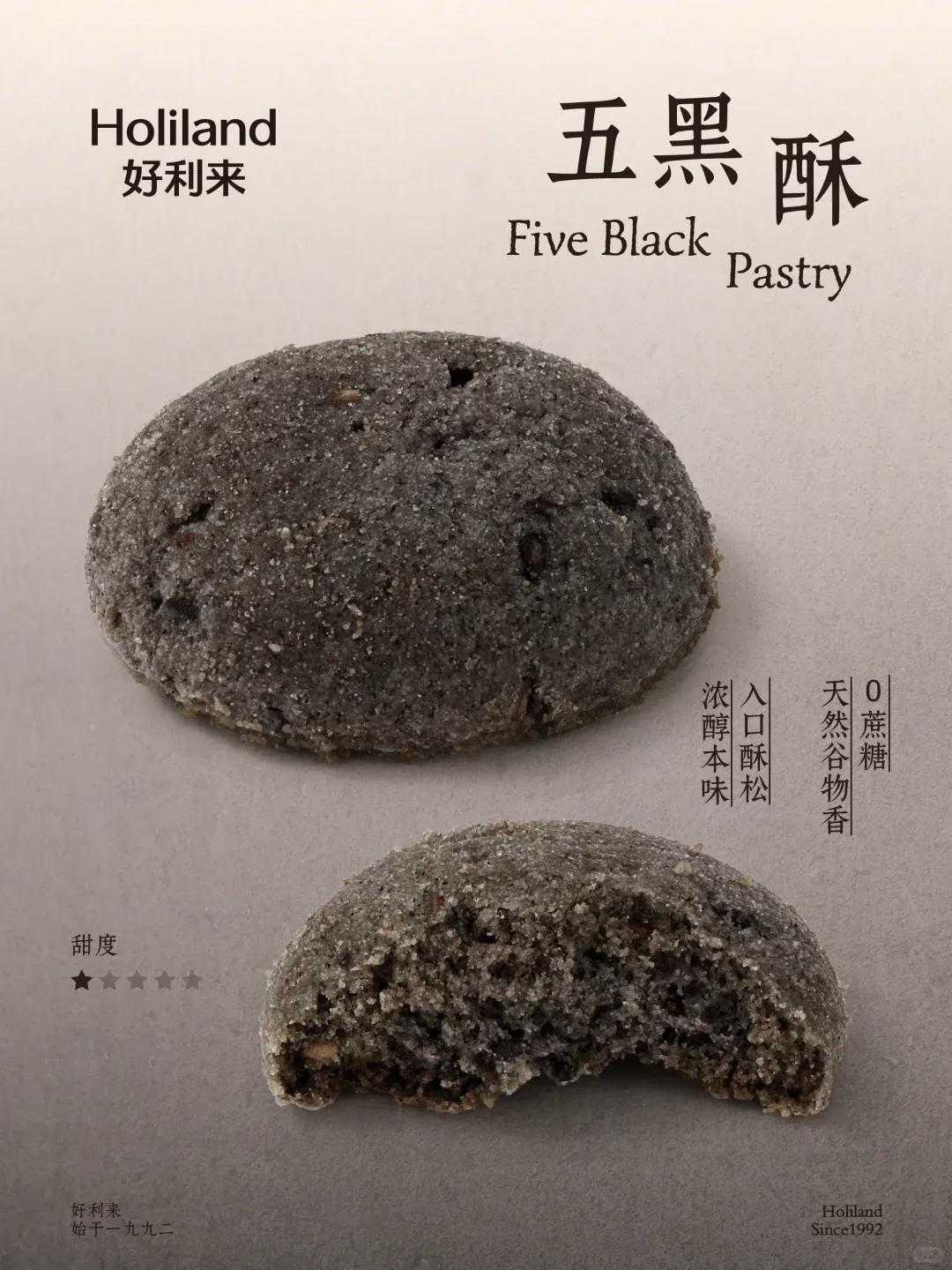
Black Sesame Pastry
The transformation of consumer demand is equally crucial. The data of Internet platforms like Meituan and Xiaohongshu confirm this trend: 72% of the post-90s generation have replaced traditional health care products with functional snacks, and the number of readings on the topic of ‘health snacks’ on Xiaohongshu has exceeded 800 million.
Young consumers have shown a strong interest in the modern expression of traditional health wisdom, transforming black sesame from a simple ‘food for the elderly’ to a synonym for fashion and health.
The transformation of black sesame, which traditionally exists in the form of paste, has experienced a texture leap from liquid to solid in modern baking.
Innovative applications such as black sesame thousand-layer cake, black sesame rock sauce, black sesame sweet potato, black sesame raw filling, etc. have emerged one after another.
The leap of aesthetic style also adds bricks to the popularity of black sesame. The natural dark gray colour of black sesame perfectly fits the ‘new Chinese aesthetics’ and ‘minimal industrial style’. In boutique bakeries in New York and London, black sesame is often combined with miso and sea salt to form a visual style called ‘Charcoal Aesthetic’.
Charcoal Aesthetic is an emerging design and marketing concept in contemporary consumer culture, especially in the fields of baking and beverages. It does not refer to the artistic creation using charcoal pens, but refers to a visual style and product aesthetics with deep, high-grade black or charcoal gray as the core, emphasising natural, rustic, textured and mysterious.
For example, Onion, a Korean Internet celebrity bakery, specialises in looking for old houses with a sense of age. The cement decoration style is popular with young consumers.
The research of the Institute of Oil Crops of the Chinese Academy of Agricultural Sciences reveals the scientific basis of black sesame flavour: sesame food contains 187 flavour compounds with aroma contributions, and its rich aroma and unique taste are addictive.
At present, a variety of black sesame hot products have emerged on the market:
Holiland Black Sesame Five Black Crisps triggered a rush to buy as soon as it was launched.
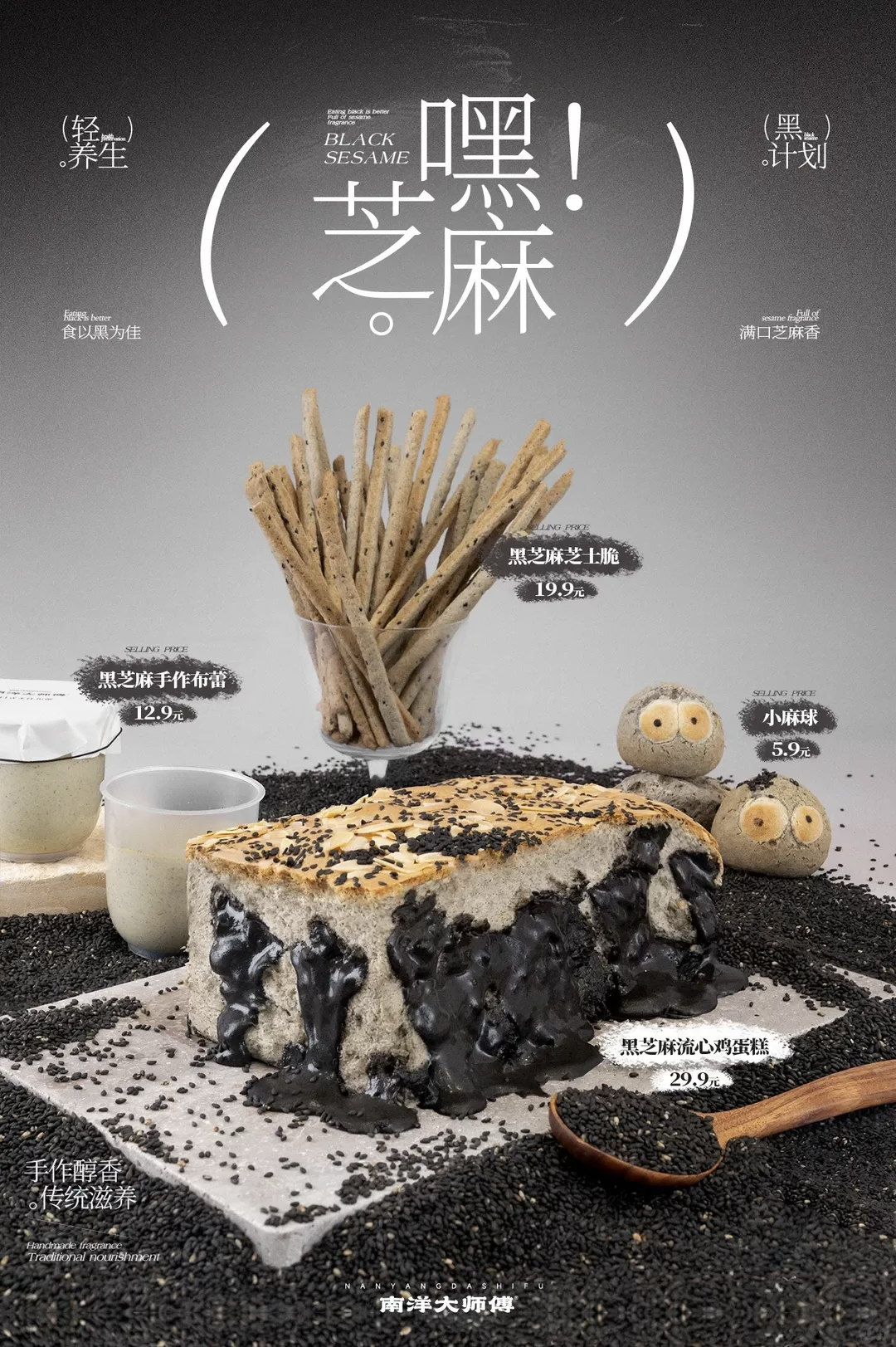
Master Nanyang’s black sesame chicken cake has become a popular new product, and some stores have sold more than 100 copies in a week.
Five black mulberry buns developed by Fu’e Baking (Chongqing), black sesame + black beans + black rice stir-fried and ground flour, add dough with whole wheat flour, fragrant!
In the tea industry, this ‘black whirlwind’ is equally strong. Luckin Coffee launched the winter solstice limited ‘five black’ latte, Chabaidao upgraded the classic version of soy milk to the black sesame soy milk, and M Stand (a coffee chain) simultaneously launched Black Sesame Milk and black Sesame Cheesecake.
Heaven Chosen Material
The reason why black sesame could become a ‘chosen material’ lies in the perfect superposition of its triple attributes, which together constitute its irreplaceable competitive advantage in the current market environment.
Nanyang’s Black Sesame Chicken Cake
The obsession of ‘anti-hair loss’ engraved in the DNA of Chinese people: In the oriental context, black sesame has a strong association with ‘black hair, kidney tonic’. According to research data, the subconscious driving force of 85% of Generation Z consumers buying black sesame products is anxiety over hair loss. It is this profound cultural psychology that significantly reduces the brand’s market education cost.
And compared with white sesame, the nutritional performance of black sesame is more convincing. Its calcium content is about 7 – 8 times that of milk. At the same time, it is rich in melanin and lignin, which has strong antioxidant properties.
Black sesame also has the characteristics of ‘scent without grabbing space’. It can be perfectly compatible with the bitterness of matcha, the mellowness of chocolate, and the sweetness of sweet potato, and its high oil content can naturally improve the moisture and aroma thickness of baked goods. A study by the Chinese Academy of Agricultural Sciences shows that natural polyphenols in sesame seeds can enhance the stability of food flavour, which is very important for processing and storage.
Black sesame is more than black
The next step of black sesame baking will be internationalisation, which has begun to emerge in China and global markets.
The trend towards globalisation is obvious. Black sesame is becoming the ‘new matcha’ in the coffee chain business. In 2025, the overall demand for ‘black sesame’ in the United States increased by nearly 30% year-on-year, the highest in history. In Seoul and Tokyo, black sesame latte has become a resident variety of cafes, while in the United States, there are many coffee shops serving ‘black sesame latte’, which has the momentum to catch up with ‘matcha latte’.
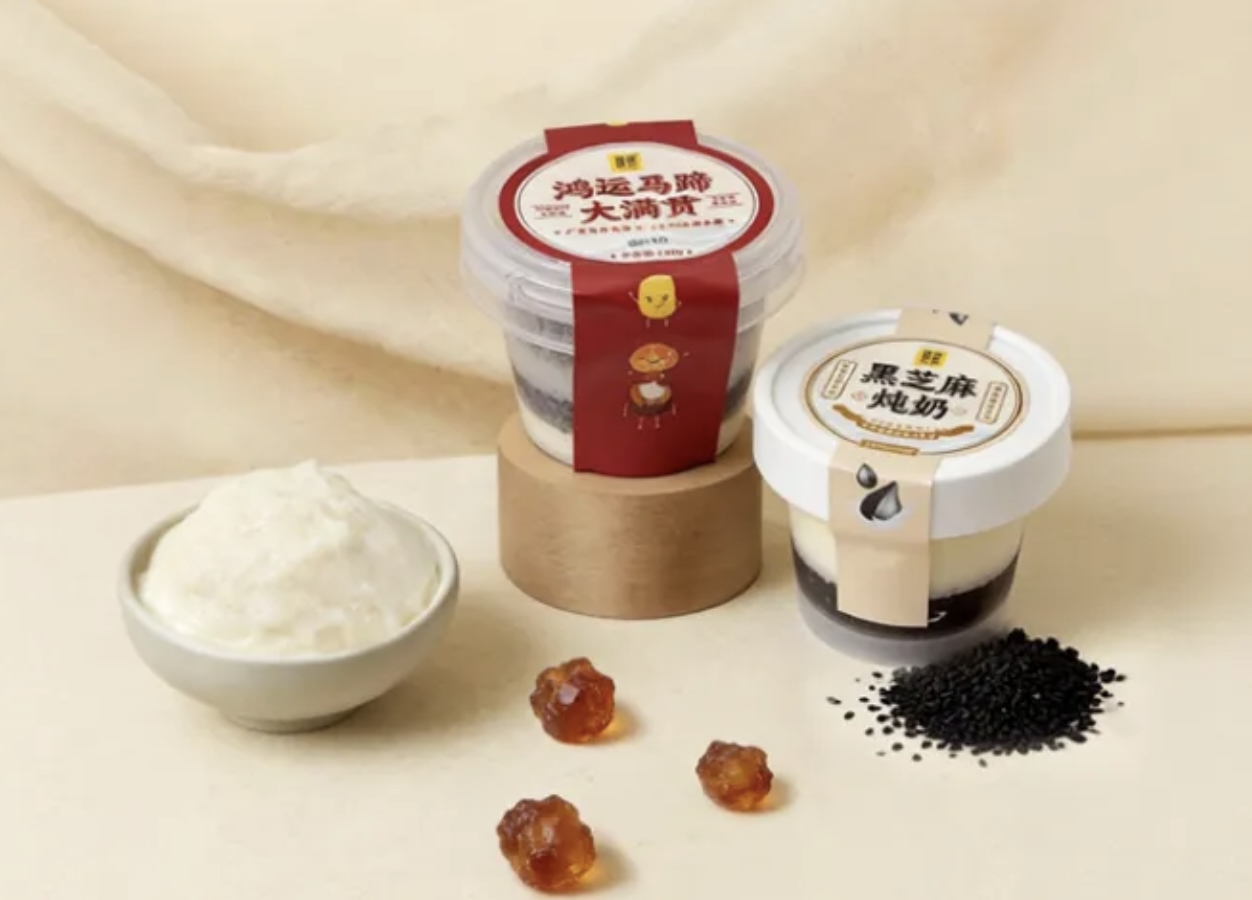
Honeymoon Dessert (Manji tianpin) launched a black sesame milk early 2026
Black sesame candy
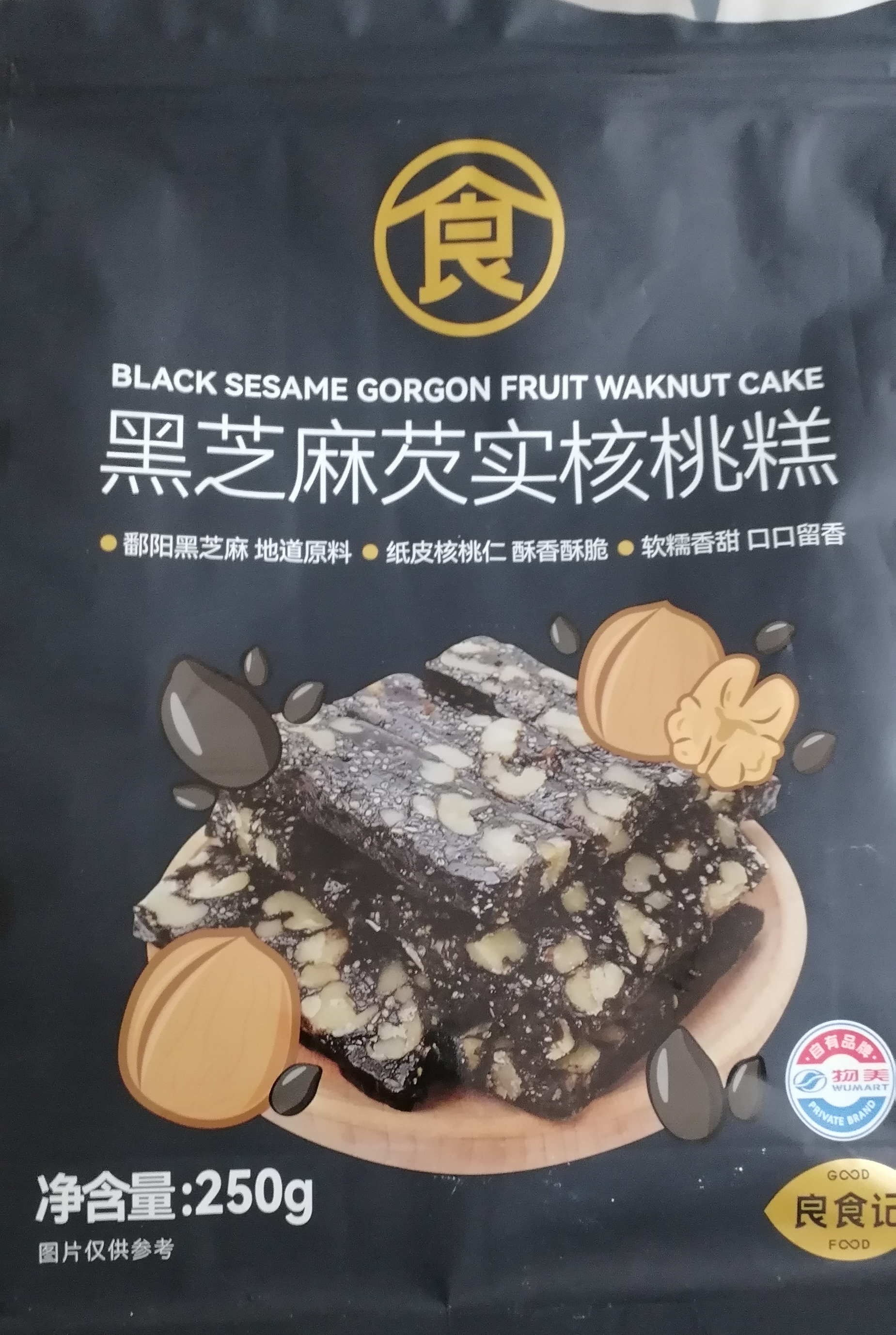
Yilümai Food (Xiamen) has developed a Black Sesame Gorgon Nut Walnut Candy. It is a chewy type of candy with a slightly sweet earthy sesame taste. The chunks of walnuts accentuate the earthy flavour. The gorgon nut is the seed of a type of water lily. Ingredients:
The continuous increase in recognition of domestic baking ingredients among Chinese consumers has also created favourable conditions for local black sesame products. According to the survey, 56.2% of consumers believe that domestic raw materials ‘can replace’ or ‘completely replace’ imported raw materials in most cases.
The global sesame market was expected to reach USD 12.511 billion in 2025 and grow to USD 15.832 billion in 2032. Black sesame is expected to become a new generation of popular flavours in 2026, becoming a regular in desserts, drinks and health topics.
It’s well known that China is the biggest coffee market in the world. And if you’ve been following this blog, you might recall my stories about new coffee experiences in China, like coffee cocktails, ready-to-drink coffee and dirty coffee.
During my recent trips, I met even more coffee innovators, so I thought I’d share some of the latest trends in a new blog post.
Coffee and tea: a perfect pair
Even though coffee is becoming super popular in China, it’s not really replacing tea as the national drink. Tea is still the top choice. But to be more accurate, coffee is just becoming a new kind of tea in Chinese tea culture. The Pu’er region in Yunnan province was the first place I saw coffee and tea blending together.
In October 2025, we took a tour around Jingdezhen, China’s ceramics capital in Jiangxi province. This area is also famous for its tea. But we had a really interesting coffee experience in a small village called Hanxi, where an entrepreneur had opened a fancy coffee shop right in the middle of the tea fields.
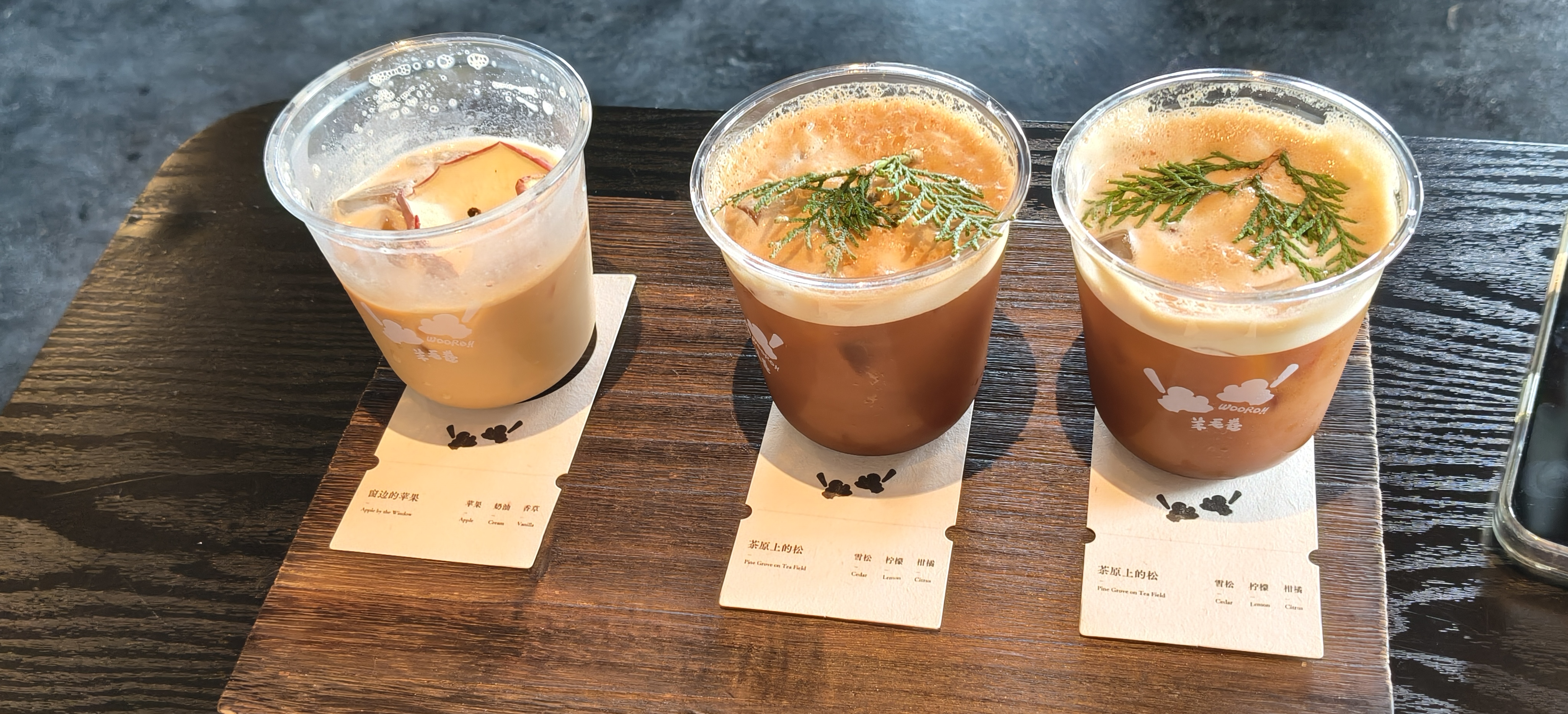
Besides the usual coffee drinks like espresso and americano, they also made coffee mixes with tea and other ingredients. We tried two special drinks: Apple by the Window and Pine Grove in Tea Field. They weren’t quite to our taste. They tasted mostly like coffee, but the tea flavour was hard to spot. The apple in the first one didn’t really go well with the coffee. The pastries were good, and the view of the endless tea fields was amazing. We chatted with the manager, who told us they’re planning to make even more variations and might even add Chinese wines. She had just come back from a trip to the wine region of Ningxia.
Coffee and wine: a bold combination
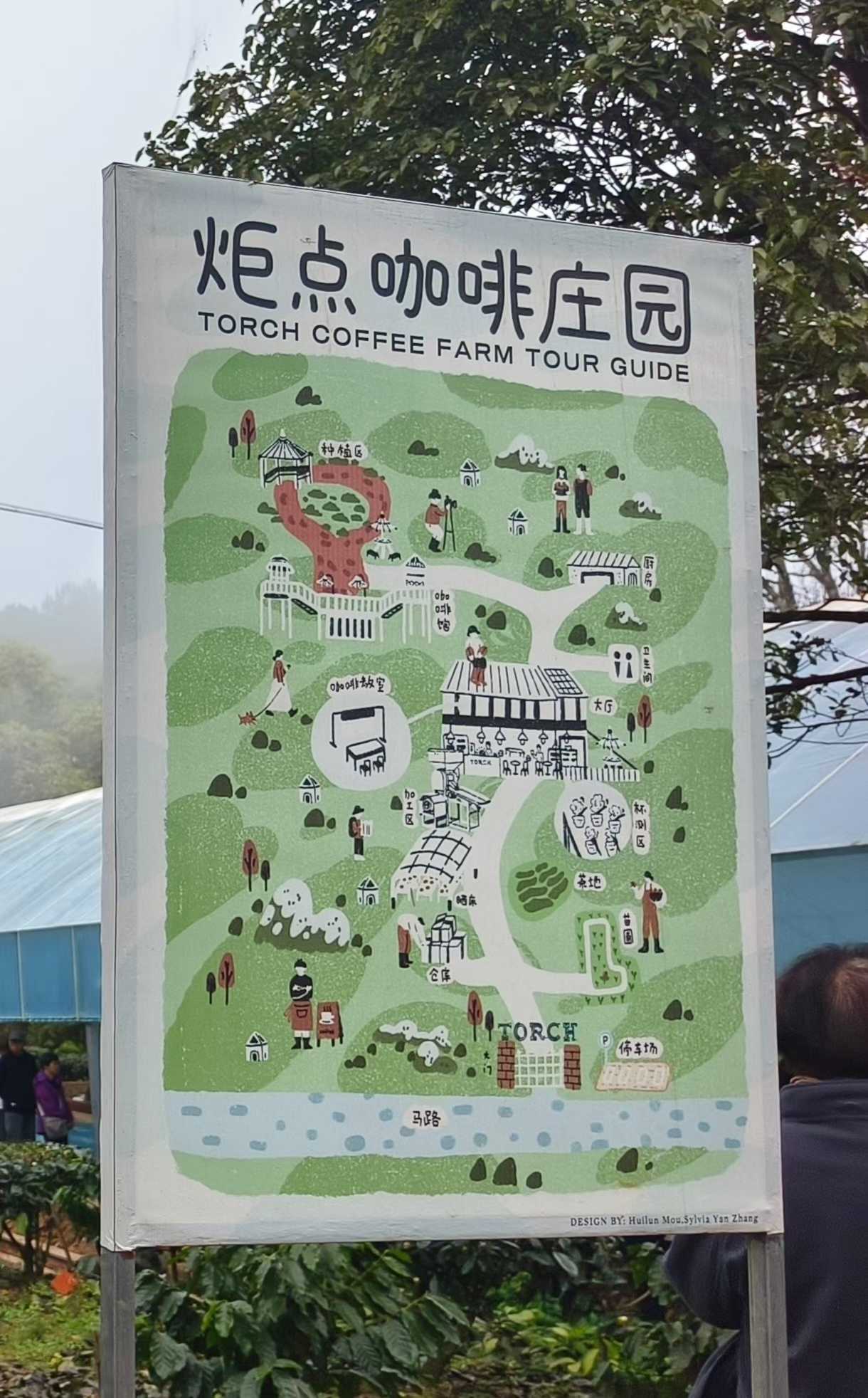
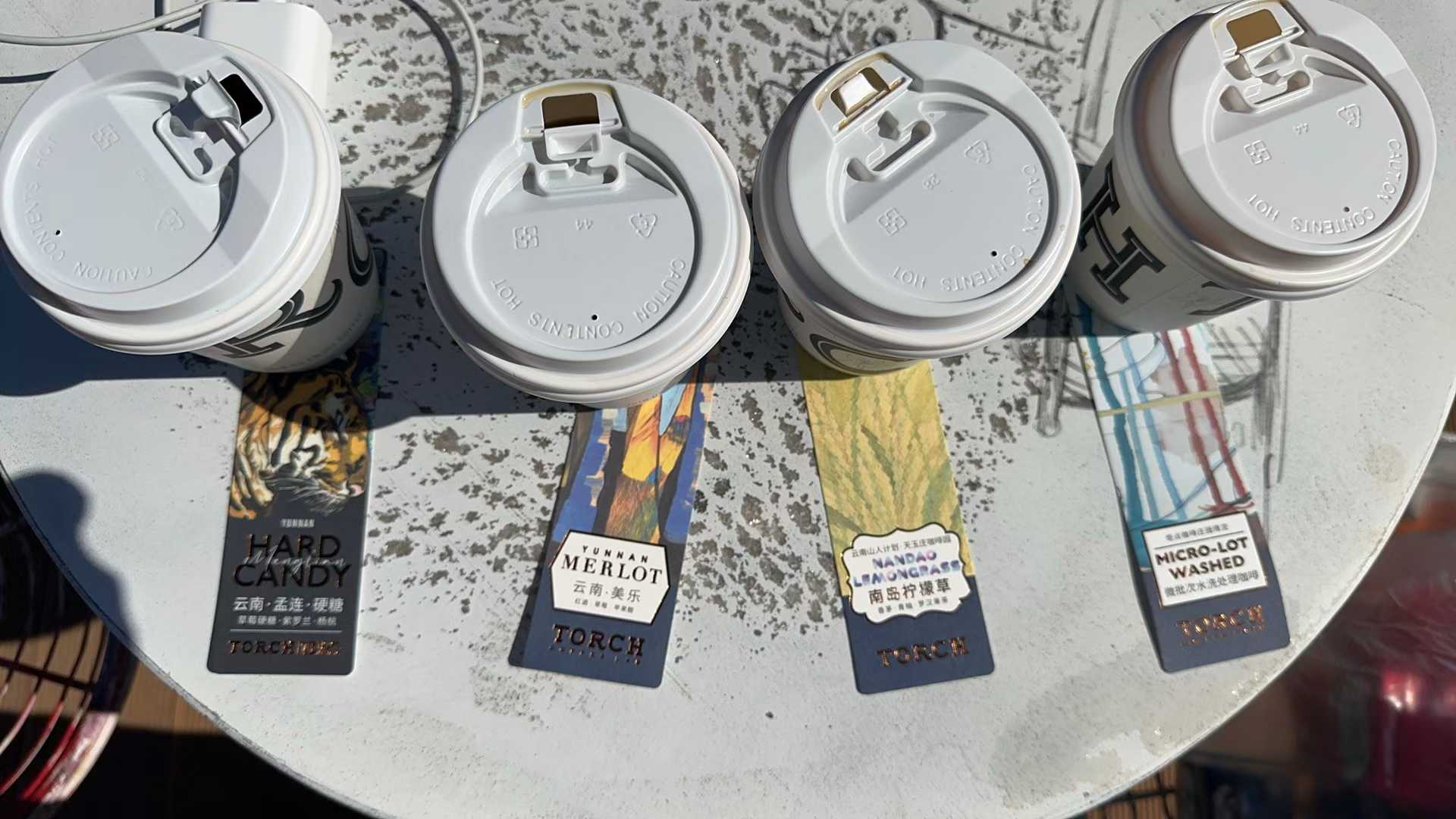
I came across this on Chinese social media about a visit to the Torch Coffee Farm in Pu’er, Yunnan. Torch Farm is experimenting with different coffee bean varieties, like roasting methods, to create unique flavours. The illustration shows some of their coffees during a tasting session, which is part of the tour. To me, the Merlot variety stands out the most. Torch Farm people compare coffee flavour variations to wine grapes. Interestingly, Pu’er has a sister city relationship with Libourne in the Bordeaux region of France. This was because tea experts in Pu’er noticed similar differences between tea and wine grapes.
These are fascinating developments that blend food science, business and culture. I’m sure I’ll be back soon with another post on this topic.
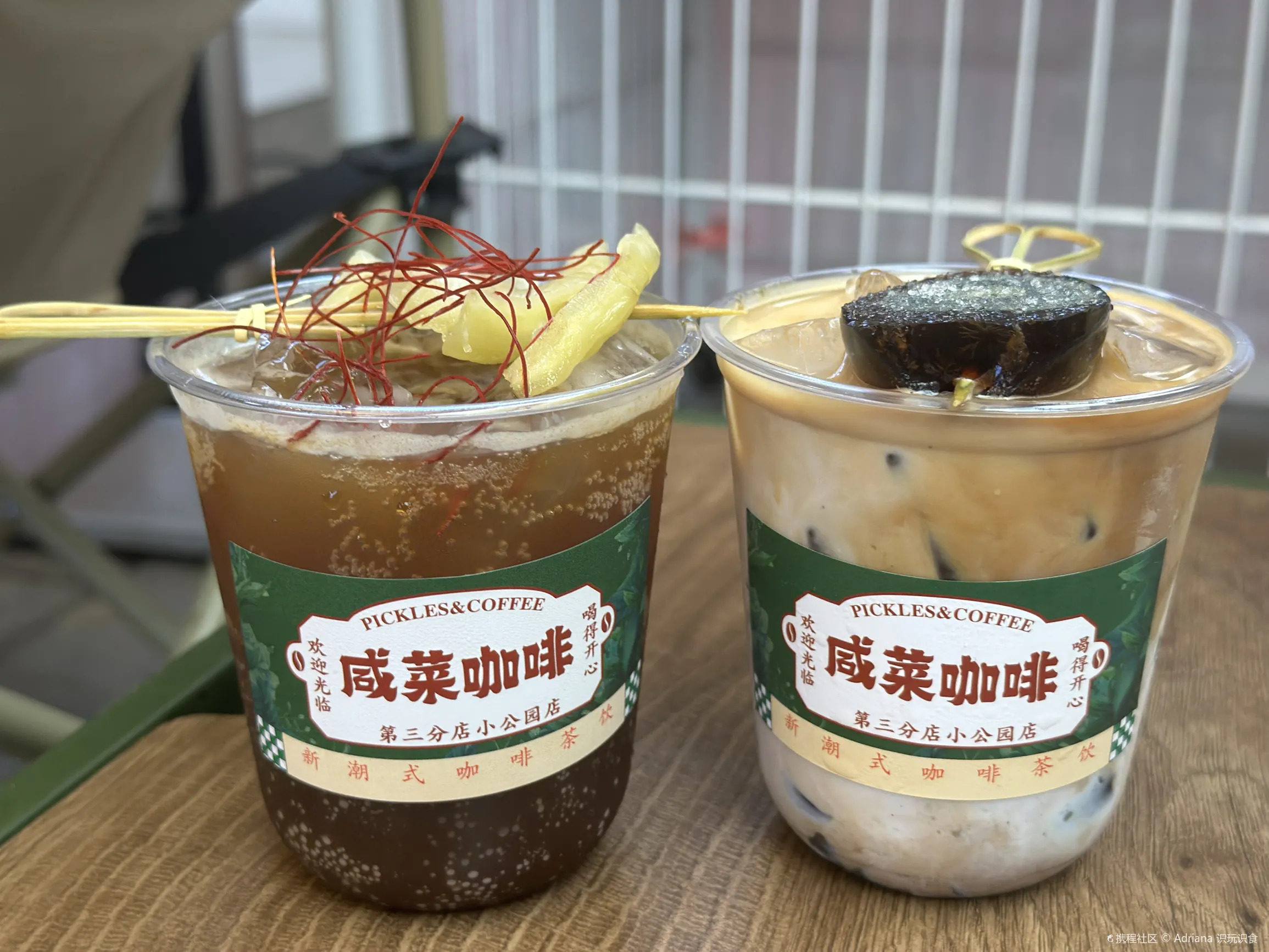
Picles and coffee: a peculiar couple
A company in Shantou (Guangdong) has launched an extremely funky drink, combining coffee (milk) tea and several other ingredients including pickled vegetables, in 2024. This concoction redefines the expression ‘an acquired taste’. However, a sales point was reported in Beijing in February 2026. So, apparently has developed a certain clientele.
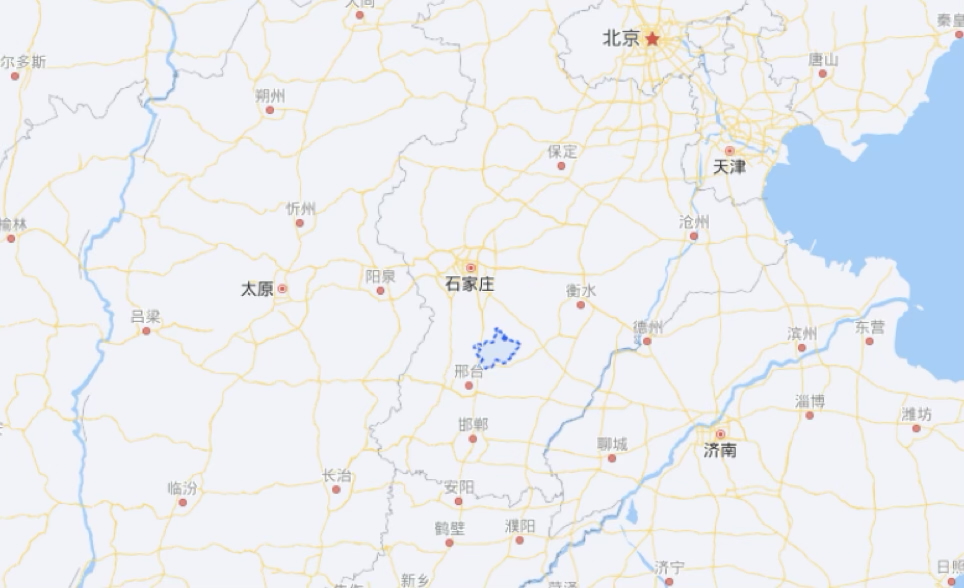
According to the statistics, the output of instant noodles in Henan Province accounts for nearly 33% of the country. However, this output is distributed in the instant noodle industrial belt from Xinxiang in the north to Luohe in the south. If the scope is narrowed down to cities and counties, the most concentrated place of the instant noodle industry is actually not Henan, but a county called Longyao in Xingtai City, Hebei Province. It is the home of Jinmailang.
Longyao
As a large grain-producing county in Hebei Province, Longyao has become the world’s largest instant noodle production base driven by leading enterprises. Longyao is an agricultural county that mainly relies on wheat cultivation.
Regional location of Longyao County
However, it is in this small county the nation’s instant noodles production started. It gave birth to the richest man in China’s instant noodle industry and became the world’s largest instant noodle production base with an annual output of 14 billion packs of instant noodles. It was founded by Longyao people themselves, rooted and developed in Longyao. Now it has become a local brand of Longyao that is on an equal ar with Master Kong and Uni-President: Jinmailang.
Hurun
In the ‘2022 Hurun Top 100 Chinese Food Industry List’, Jinmailang ranked 48th (Chef Kong ranked 25th). In terms of value changes, other enterprises on the list either have negative growth or double-digit growth at most, while the year-on-year growth of Jinmailang has reached an amazing 126%, becoming the enterprise with the fastest value growth rate on the list. Jinmailang’s annual production capacity is 12 billion packs of instant noodles. It processes 5500 mt of wheat per day and 1.8 mt mt p.a., it ranks in the top six in its industry in the world and the top three in China. When we add the capacities of other related enterprises in Longyao, the regional annual production capacity of instant noodles is as high as 14 billion.
Pillar of the local economy
Jinmailang’s instant noodle production has long realised intelligent automatic production. The Longyao food industry, which is driven by instant noodles, has an annual revenue of more than RMB 17 billion and the more than 100 food manufacturing and supporting enterprises in the county contribute one-third of Longyao’s total profit, which makes it a proper pillar of the local economy. Longyao is also the world’s largest production base for paper containers and bottle caps.
Beginning
In 1992, Wei Yingzhou, a Taiwanese businessman, founded Dingyi Food in Tianjin, and Chef Kong instant noodles soon became popular in China. In this year, Fan Xianguo, a native of Longyao, took the money saved from running a small workshop and partnered with more than a dozen people to form the Tianshuai Group to produce single-crystal rock candy. Chef Kong’s popularisation made Fan Xianguo see the huge market for instant noodles, but the partners did not agree to do this. Therefore, in 1994, Fan Xianguo took a few people to establish Hualong Group. This time he got the decision-making power. An instant noodle giant who can be equal to Chef Kong in the future was born.
Rural market
At that time, Chef Kong and Uni-President were aiming at the urban market. There was no way to sell it in the countryside at all. They could only see some mixed brands, even instant noodles without packaging. From the start, Hualong targeted the blank area of the rural market. A strategy they had learned from Mao Zedong. An important contributor to the success of the Communist Party was the strategy to ‘let the countryside encircle the cities’. Its first instant noodles was called ‘Hualong Noodles’, which focussed on cheap and affordable. The advertisement of ‘Hualong noodles, you see them every day’ was painted all over the walls of rural areas. Hualong instant noodles also quickly occupied the rural market. In just three years, Hualong began to aim at the national market.
National
In 1997, Hualong established more than 600 sales networks in more than 20 provinces and began its own plan to occupy the instant noodle market north of the Yangtze River. At this time, Wang Lushan, Fan Xianguo’s hometown, was also an agent of Hualong Group in Gansu. He followed Hualong Market all the way, made a lot of money, and also had the idea of working for his own account. In 1999, Longyao’s second brand that stirred up the national instant noodle market was born. Wang Lushan, who was familiar with the old owner’s products and routines, established Zhongwang Group. With two brands of instant noodles, he quickly became a brand that was higher than Hualong in the rural market at that time. In 2000, it achieved sales of RMB 100 mln, and two years later, it became one of the top five instant noodles in China.
Jinmailang
Around 2000, the sales of Hualong instant noodles began to grow rapidly. In that year, Fan Xianguo gave up the Hualong trademark and launched a new brand ‘Jinmailang’. Jinmailang cooperated with Nissin Group (Japan), a global boss leader in instant noodles, and became the world’s largest noodle-making enterprise at that time. Subsequently, it launched the new-tech instant noodle brand Dajinye.
Wugu Daochang
On Wang Lushan’s side, he found the marketing director of Hualong before, began to cooperate with Chef Kong, and then launched a new non-fried instant noodle brand Wugu Daochang. Wugu Daochang did very well. In 2006, it also achieved annual sales of RMB 2 billion. That year, Zhongwang also topped the top 100 Chinese enterprise growth list with a growth rate of 2003%. After that, although Wang Lushan’s Zhongwang Group declined due to blind expansion, Longyao’s instant noodle industry and other related supporting industrial chains rose rapidly because of this competition between, what was locally referred to as: ’two dragons fighting’.
Decline and back
Since the 1990s, China’s instant noodle industry has been booming, and the turnover has increased for 18 consecutive years. However, since 2013, the instant noodle industry has begun to go downhill. The reason is very simple. 2012 was the first year of the rise of China’s takeaway industry. The fierce battle of Meituan, Eleme, Dianping and other platforms in this year’s ‘thousand-group war’ made instant noodles ‘out of favour’ from people’s list of instant foods. In fact, any food became instantly available. With the upgrading of the consumer market and the consideration for a healthy, nutritious and balanced diet, instant noodles were no longer a must or even an option for many people to pursue a convenient diet. It was not until the pandemic that the instant noodle industry showed signs of rebound again. According to the statistics, the market size of China’s instant noodles in 2018 was RMB 103.9 billion, and it increased to RMB 182.38 billion in 2022. It is estimated that by 2025, the market size will reach RMB 231.23 billion.
Innovation
Technological innovation is an important driver behind the continuation of the status of Longyao as China’s top instant noodles base. As early as six years ago, Jinmailang was selected as one of the top 10 innovative food companies in China in 2018 with 926 patents, together with the top international food groups of Mars, Pepsi and Starbucks. At the beginning of 2022, Jinmailang announced that it had completed a financing of RMB 600 million from investor Jiahua Capital.
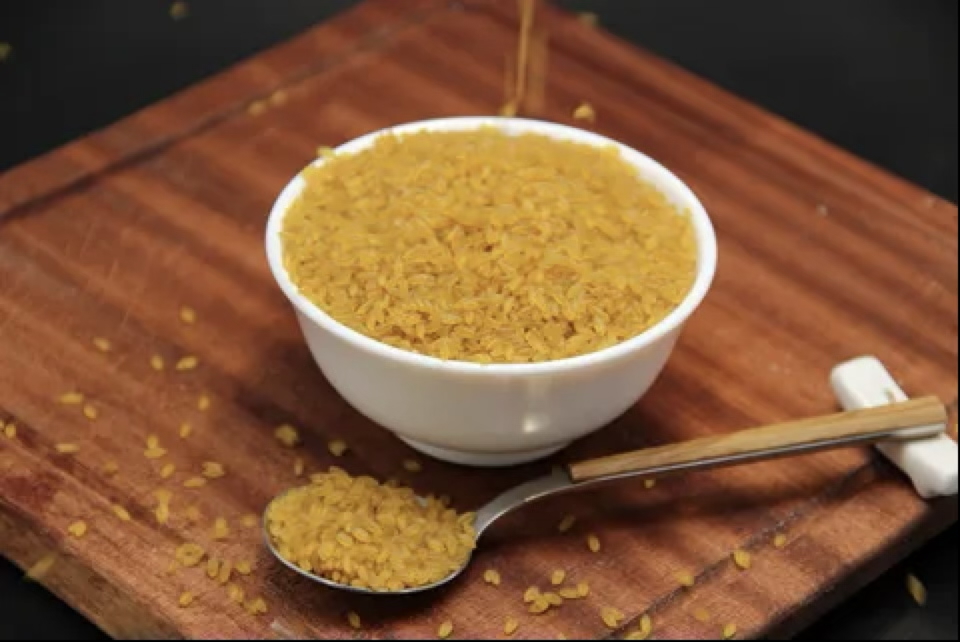
Recently, a special production line in Zhaotong, Yunnan Province, has created the world’s first potato rice. It is understood that this production line that converts potatoes into ‘rice’ is the result of more than five years of research and development led by Wu Qi, an academician of the Chinese Academy of Sciences and a polymeric physical chemist. This is not only the first production line in China to turn fresh potatoes into dried rice, but also the first in the world.
Nutrition
According to the report, potato rice retains 90% of the nutrients of potatoes and the protein content is 27% higher than that of traditional refined rice noodles. After the first batch of potato rice was launched, Zhaotong Mekong conducted product stability tests among people with diabetes and obesity. Judging from the situation of regional sales tests, there is a tendency for supply to exceed demand. After more than a month of trial sales, the repurchase rate of diabetics and people who lose weight is relatively high.
Easy to handle
Because potato rice has been processed at high temperature and high pressure, consumers can steam the potato rice without washing it. In addition, the amount of water and time required to steam potato rice is much less than the amount of water and time required to steam white rice. Some consumers feedback that potato rice is convenient to cook, and it not only feels close to rice in the mouth, but also smells like potatoes.
Price
At present, the price of potato rice is still higher than that of ordinary rice. According to the official platform of Zhaotong Meikang Agricultural Company, the price of potato rice is RMB 66 per box of 950g.
Top producer
As one of the world’s largest potato producers, China has ranked first in the world for many years. For Chinese consumers, the research on potato rice is expected to make high-yield potatoes a staple food for people, which will help solve the problem of food security. For fresh potatoes with a large yield, this new form of potatoes can solve the problem that fresh potatoes have a short storage time and are not conducive to preservation to a certain extent. potato rice can reduce the need for ventilation and climate control during storage, and it is also more convenient for logistics and transportation.
The process
Wu Qi’s team integrates macromolecular physics theory, food macromolecular processing and polymer extrusion granulation technology, focussing on the research and development of high-water extrusion and reorganisation technology of plant polysaccharides and protein complex systems. Through precise control of temperature, humidity and enzymatic time, fresh potatoes are transformed into diameter 0.5 -1mm rice granular finished product. Simply put, the research team changed the characteristics of macromolecules from the physical level, reshaped the starch chain of potato crops, and turned fresh potatoes into potato rice with good taste.
Hunan cuisine, known in China as Xiang Cuisine, Xiang being the literary name of Hunan Province, is one of China’s more famous cuisines. It is characterised by its liberal use of chili peppers and garlic, but also by its use of very fresh ingredients. A typical way of preparing and serving dishes in Hunan is the ‘dry pan’ (ganguo). Those dishes are served in an iron pan on a fire to keep it hot.
Hunan’s capital Changsha is foodies’ paradise. As a patron of this blog, you know that food is the central concept of Chinese culture. Food is available in abundance everywhere. However, there are still cities in China that even Chinese refer to as places to go for food lovers, and Changsha is one of them.
Changsha is also very centrally located in the heart of China. In Europe, all roads may lead to Rome, but in China they lead to Changsha. Changsha is a major infrastructure hub. This highly facilitates the export of the local cuisine to all corners of the nation, and beyond its borders. However, in this post, I will restrict my story to the situation of Hunan cuisine within China in 2024.
Regions
In an earlier post, I introduced the major food regions of China. The following table shows the percentage of Hunan restaurants in China in each region.
These figures confirm that fire food is still more appreciated in Southern China than in the north.
Cities
At a lower level, Chinese cities are catogorise by function and size. First tier cities are the cities directly under the State Council (Beijing, Tianjin, Shanghai and Chongqing). New first tier cities are the capitals of provinces and autonomous regions. The remaining cities are categorised by size. The following table shows the percentage of Hunan restaurants per urban category.
We can see that Hunan cuisine is most popular in regional capitals and smaller regional cities. A possible explanation could be that cities in the south of China tend to be smaller, with the largest cities concentrated in the north. E.g., of the four first tier cities, only Chongqing people prefer spicy food.
Province/autonomous region
I am also adding a map indicating the number of Hunan restaurants per province and autonomous region. Dark red indicates a higher number.
The top regions, Hunan (obviously) and Guangdong are indicate with percentages, 19.6% and 17.8%, respectively. Guangdong is a special region, adjacent to Hong Kong, where many emigrés from other parts of China are living. I presume that Guangdong is the home of quite a few people from Hunan.
I could go even deeper, including, e.g., the regional distribution of the various Hunan restaurant chains. However, that information would be unsuitable for a post like this. However, I will be able to provide an in-depth study upon request.
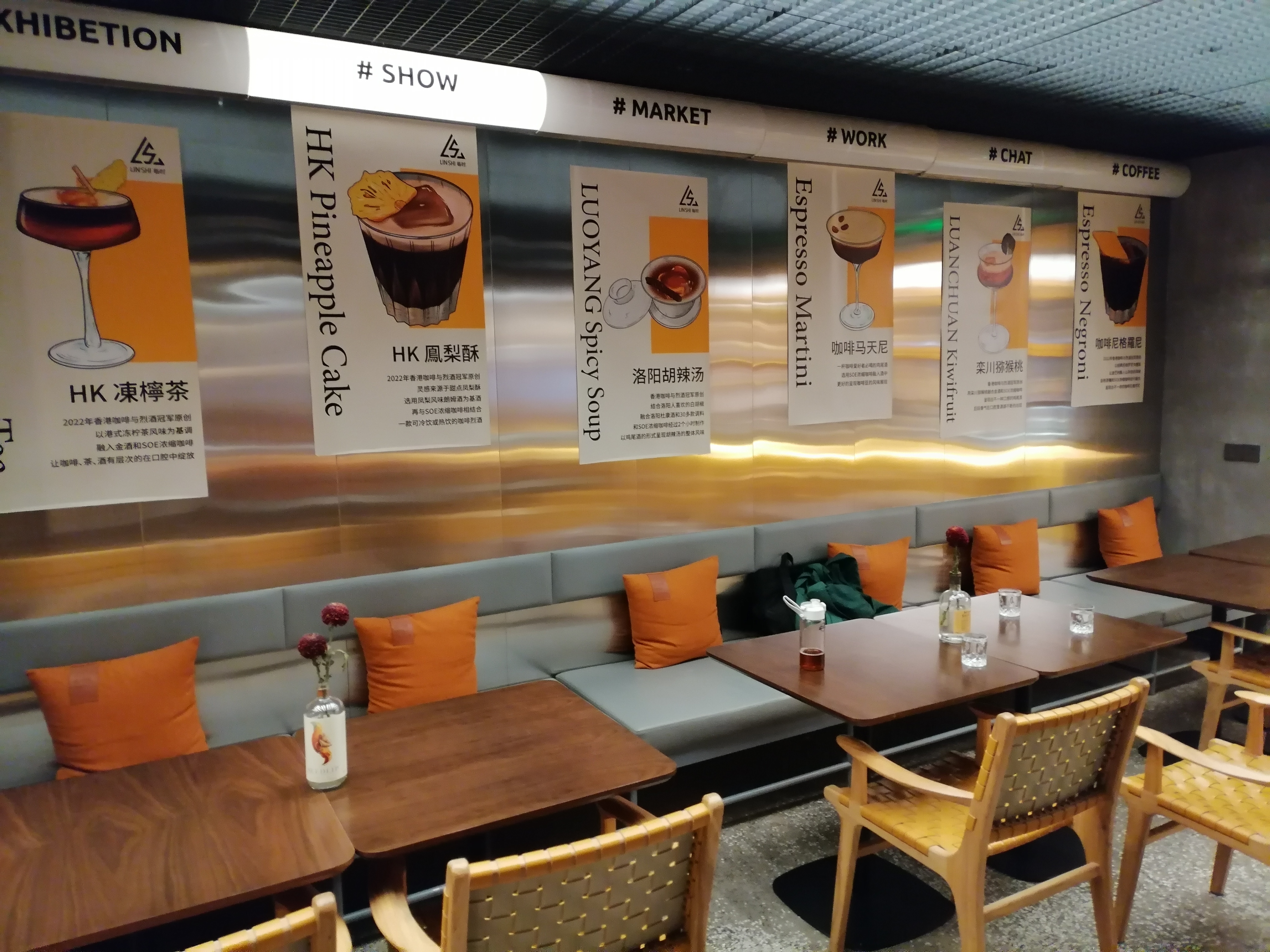
During a recent excursion through Shanxi, Henan, and Hebei provinces, we extended our stay in Luoyang, a third-tier city in northern Henan province. Luoyang served as the capital of China during the Sui (581–618) and Tang (618–907) dynasties. One evening, as we journeyed to a restaurant, we encountered an intriguing bar en route, advertising with coffee-based cocktails. Given the early hour, we decided to explore this establishment. This proved to be an auspicious decision. We indulged in several highly innovative cocktails.
The name of the bar, Linshi, held intrigue, translating to “Temporary.” Founded by Ma Lekai, an award-winning Chinese barista, the establishment boasts diplomas and accolades adorning its walls.
The colour scheme of the bar, predominantly yellow, is complemented by shades of orange and brown, creating a striking contrast with the greyish hues. We perused the menu with the intention of sampling some captivating cocktails.
Americano
Given my preference for Americanos, I opted for a cocktail bearing the same name. The Chinese translation, Meiguolao, translates to “Yankee,” likely a subtle reference. The recipe incorporates a martini base, complemented by exceptionally light coffee, even lighter than a traditional Americano. The light coffee imparted a slightly sour character, resulting in a martini with a bitter aftertaste of coffee. Personally, I found this combination to be an ideal match.
Kiwi
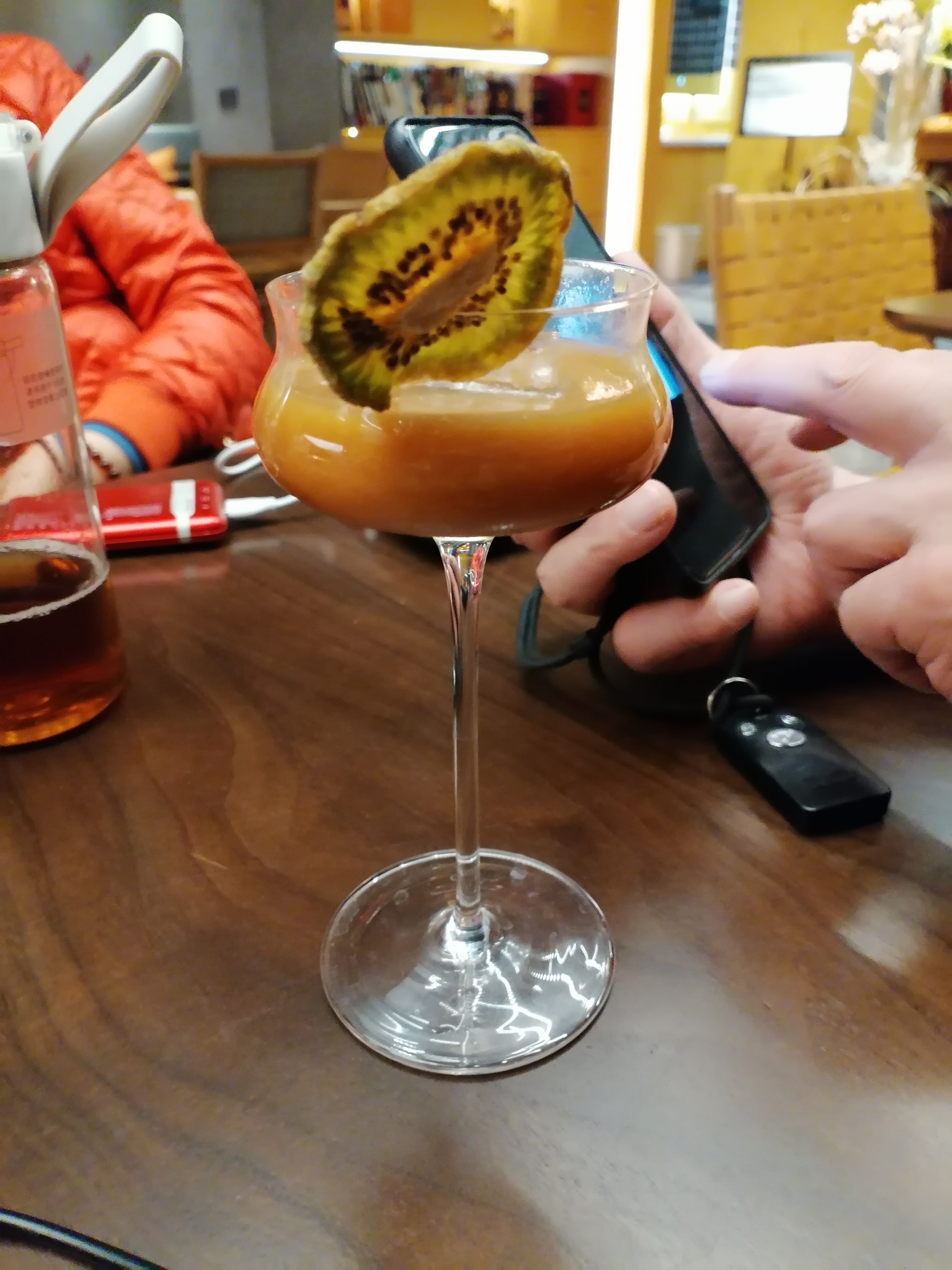
Another member of our party sampled a Luanchuan kiwi (Luanchan is a region in Northwest China where kiwis are cultivated): pureed kiwi infused with coffee and a touch of Luoyang’s local liquor, Dukang. This combination required some time to fully appreciate, but ultimately, it yielded a satisfactory taste experience.
Dish as inspiration
The staff is consistently experimenting with new recipes. As I was likely the first foreign visitor, they allowed our group to sample a newly designed cocktail: Hulatang, Hula Soup. Hulatang is a slightly sour and spicy soup, a traditional specialty of Luoyang. Linshi has once again utilised the sour undertone of soft coffee, combined with Dukang and a touch of pepper for the hot undertone. For me, this was also a potential success cocktail. It is also a remarkable example of recreating a traditional dish in a contemporary manner.
Clientele
Linshi operates in the high-end segment. However, according to the manager of this branch (one of four in Luoyang), the business is performing well. Linshi was established in 2014, making it exactly 10 years old when we visited. The relatively young clientele tends to visit later in the evening. Linshi is open until 1 a.m. When I return to Luoyang, I will certainly make a visit to this establishment.
In Shanghai, bread has become an indispensable part of young people’s lives, whether it’s gathering with friends, exploring every corner of the city on a City Walk, or at various social events, bread has become a must-have food companion.
With the popularity of the Internet and changes in lifestyle, young people in Shanghai are revolutionizing the way they buy bread. From queuing up in physical stores to buying bread online, this shift not only reflects the change in consumption patterns, but also drives the innovation and development of the entire baking industry. Bread has always been loved by the public as a quick and delicious breakfast and snack, and more and more young people are no longer satisfied with buying bread in traditional offline bakeries, but choose to buy bread online.
Metropolis
In the fast-paced metropolis of Shanghai, traditional bakeries seem to be losing favour with younger consumers. According to Winshang Big Data, although Shanghai has more than 1,300 bakery shops, ranking first in the country, young people are more inclined to buy bread online.
Left-overs
Driven by the wave of digitalization, online shopping has become an important part of modern life. For busy young people in Shanghai, buying bread online is not only convenient and fast, but also enjoys more discounts and choices. Recently, a method of food sales called ‘leftover blind boxes’ has quietly emerged, which is highly sought after by young people because it is labelled as money-saving, fun, and environmentally friendly. In addition, bakery accounts on social media platforms have become a new front to attract customers. Through the release of activities such as ‘Discount Blind Box’ and ‘Free Tasting’, it has successfully attracted the attention and participation of a large number of young users. This seems to be the next step after the appearance of good boxes in previous years.
Buying bread is crazier than buying clothes
In Shanghai, the fashion capital, young people are just as crazy about food. Compared to traditional bakeries, online bakeries are more diverse in styles and flavours. Shanghai’s bakeries have a variety of cake styles, so many that they may be more than you can imagine: from classic baguettes to creative matcha breads, from healthy breads with low sugar and fat to rich sandwiches. From classic French desserts to innovative varieties infused with Chinese flavours, Shanghai’s bakeries cater to every taste. There is a wide range of styles to make people dazzled.
Blind boxes
In recent years, the blind box economy has risen rapidly in China, and major businesses have launched blind box products to attract consumers. Blind boxes, as an emerging marketing method, have found its place in the food industry. The bread blind box packages launched by major merchants not only increase the fun of shopping, but also provide consumers with more opportunities to try unknown flavours. And under this trend, the bread industry is not to be outdone by launching the bread blind box. These mystery boxes often contain a variety of random styles of bread, making every opening full of surprises. Consumers don’t know exactly what styles and flavours of bread they will get when they buy it, and this sense of mystery and anticipation makes young people want to stop. For young consumers who are looking for novelty and curiosity, this way of buying has an irresistible appeal.
The Chinese bakery business is booming, but the market is also extremely volatile. There is no better moment to enter the Chinese market for suppliers of any bakery ingredient than now.
I have collated a few statistics that are recent enough to give a rough impression of the size of the market.
The first table indicates the development of the value of the market and the projection of the near future.
Some interesting details about consumer behaviour:
Whether online or offline, women are still the main consumers of baked goods in China.
In terms of age, 70% of consumers are between the ages of 21 and 40.
In terms of price, consumers spending RMB 20 – 40 in a single consumption constitute the largest segment (35. 8%).
The next table shows the number of bakery shops in a selected group of major cities. This tells something about the geographic distribution. However, the smaller provincial cities currently show the highest growth.
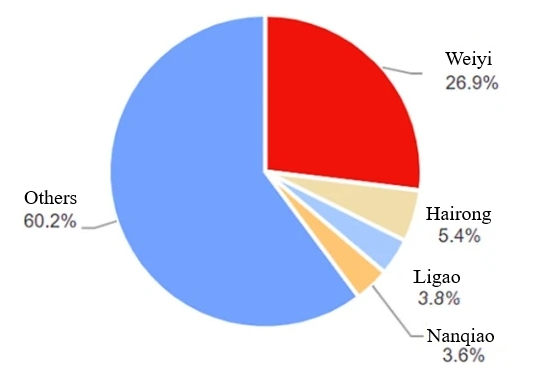
We should not forget the focus issue of this blog: food ingredients. This graph shows the major cream suppliers to the Chinese baking industry. As you can see, the market still consists of a few major brands and a large number of small suppliers.
The other day, we had lunch in a local restaurant in Beijing, when I saw an unknown beer on the menu: Weijixiong Craft Beer. I had to try it, obviously. The name alone is peculiar, because it resembles Beijixiong, polar beer.
It came in a can, indeed with a polar beer on the front, also indicating that is a beer with Russian flavour. Russian foods and drinks are popular in China, so that information sells.
On back you can read the ingredients:
Barley malt, wheat malt, yeast, water
So it used fewer cereals than Xibei’s craft beer that I reported on earlier, but at least it is a whole malt beer, rather than the average Chinese pilsner, that is brewed with a high ratio of unmalted grains.
Weijixiong is produced in Shandong. Another information channel claims that the production is supervised by Paulaner.
I goes well with Chinese food and it offers an attractive alternative that a restaurant can put on the menu next to the ‘safe’ choices like Yanjing or Qingdao.








 Peverelli on Chinese food and culture