Discovering China’s Candied Fruits: A Culinary Heritage

Before people had fridges to keep their food for a longer period, or longer in frozen condition, mankind has invented a number of processes to make fresh produce last a little longer. However, if such processes would affect the original flavour too much or make it visually unappetising, the product would be unacceptable. So, food preservation is tightly connected with maintaining the original organoleptic aspects of the original product.

Preserved candied fruits, have been a popular snack in China for ages, known as guofu or mijian. Preserving fruits started as a way to keep summer and autumn fruits into the winter. Originally, candied fruits were treats for the imperial courts. In ancient times, emperors wanted to enjoy fruit all year around, but transportation was too slow to deliver fresh fruit to the capital from the warmer southern regions. 
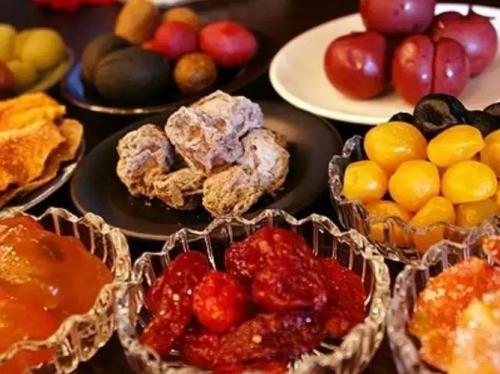
Several types of preserved fruits

The most telling story about this problem feature the most famous concubine in China’s history: Yang Yuhuan, the favourite concubine of emperor Xuanzong of the Tang dynasty (8th century). The emperor had lychees, that Yang loved so much, delivered to the palace using the imperial courier’s fast horses, whose riders would take shifts day and night in a Pony Express-like manner. This service used to be reserved to sending urgent messages. This angered the courtiers so much, that they persuaded the emperor to have Yang killed.
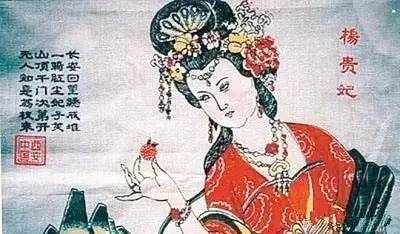
Concubine Yang with a lychee

Smart cooks came up with the idea of soaking fruit in honey to seal it from the air and prevent deterioration. When they consecutively tried to boil the fruit in honey, a new snack was created. As the imperial court in the last two dynasties, Ming (1368–1644) and Qing (1644–1911), were located in Beijing, that city is still considered the best place for tasting a wide range of authentic and traditional preserved fruits.

The process

The main difference between preserved and dried fruit is the use of honey or sugar in the preserving process. Traditionally, preserved fruit are produced by simmering fresh fruit in honey to remove moisture. Sugar is often substituted for honey nowadays to cut production costs. Selecting the best fruit is crucial in making mijian and guofu. The fruit must be ripe but still dense enough to withstand long boiling. Different varieties have specific requirements. Apricots should be golden, with moderate hardness, while apples with low moisture content and loose flesh are best. Once fruit has been pitted and peeled, it is smoked in sulphur to prevent oxidation of the tannin. It is then boiled in a highly concentrated sugar syrup.

Not all candied or preserved fruit is sticky in texture. Though the words guofu and mijian are interchangeable, guofu is more commonly used to describe preserved fruit that is dried after boiling in sugar or honey, while mijian refers to the more juicy and glossy versions that aren’t dried after cooking. Some Chinese guofu have a thin granulated sugar coating, which is more common in southern provinces like Fujian and Guangdong.

Popular types

Yangmeigan, or candied Chinese bayberry, is made by boiling the fresh berries in sugar water, then baking the berries to remove moisture. A sugar coating is added for extra sweetness and texture. This snack is very popular, especially in Yangtze River Delta region.

Guofu and mijian are most commonly made with green plums, apricots and peaches. But the preservation process has also been extended to more unconventional ingredients, like winter gourd, ginger, water chestnuts, lotus roots and olives.

Tangjiangpian, or candied ginger, is a specialty in Changsha, the capital of Hunan Province. The recipe, which originated in the Ming Dynasty, is favoured for its sweet and spicy flavour as well as for the health benefits of ginger. For the process, fresh, tender ginger roots are rinsed, peeled and thinly sliced. Then they are tossed in granulated sugar and dried under a hot sun. The process is repeated several times until all the moisture from the ginger is gone.

The peelings of orange and grapefruit can also be made into candied preserves. The process requires separating the outer zest of the citrus from the bitter white pith. The peeling is then boiled in water and cut into thin slices, which are subsequently boiled in a syrup of equal parts water and sugar. When the peelings take on a transparent appearance, they are removed from the syrup and spread out on a flat surface to cool. Finally, they are rolled in granulated sugar. Tangerine peel is used to make sun-dried chenpi, which is used in traditional Chinese medicine and in cooking (try them when stewing beef!). In Guangdong, jiuzhi chenpi is a snack made by processing the dried tangerine peel with liquorice root and sugar.
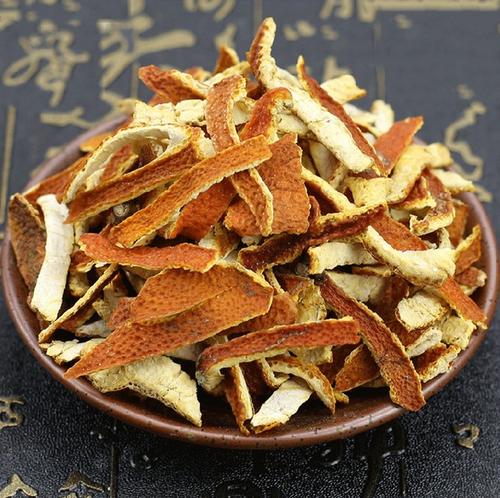
Dried orange peel – chenpi

Various preserved plums, like huameiwumei and jiayingzi, and hawthorn berries are the most common varieties of more sour preserved fruit sold in supermarkets and convenience stores. The sourest of the huamei preserved plums is one that looks quite mummified, with white powder on a caramel-coloured surface. Made of green plums, it is infused with the flavour of liquorice, giving it a distinctive saltiness that is said to stimulate salivation.

Wumei, or black preserved plum, is less sour and a bit meatier. It is made from Chinese plums, or Prunus Mume. This variety is also an element of traditional Chinese medicine and a key ingredient in the popular summertime beverage of sour plum juice.

Dried mango; this was the most popular preserved fruit by far sold on the online platform Tmall in 2020.

Health food

A number of fruit popular for preservation is attributed medicinal activity in traditional Chinese medicine (TCM). Good examples are: date, tangerine peel, ginger and black plum (wumei). You can also make herbal tea from several types of preserved fruits, like tangerine peel (chenpi) tea. Preserved fruits can also be enriched with other medicinal ingredients like: dates with ajiao (a gel extracted from donkey skin), or hawthorn with probiotics.
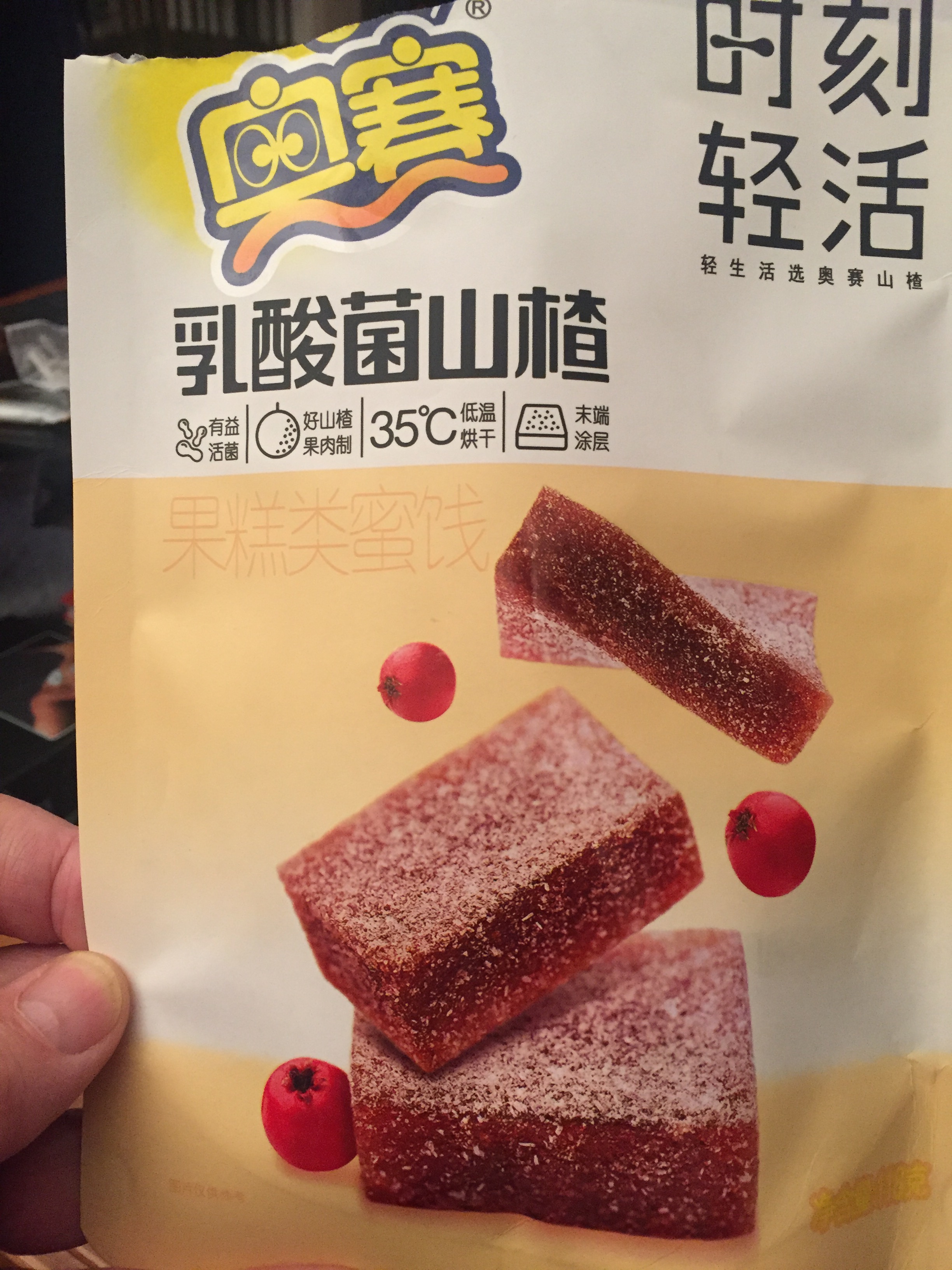
Hawthorn with lactobacillus

Cooking ingredient

Guofu and mijian are often used in classic dishes such as babaofan, or eight-treasure rice, and zongzi with preserved honey dates as filling. Preserved fruits are also added to oatmeal to create a more interesting breakfast.
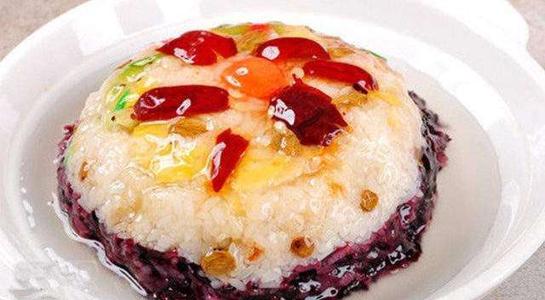
Babaofan

Modernisation: low sugar

Of course, anything dripping with sweetness comes under scrutiny in today’s health-conscious world. That’s also true of preserved fruit. In recent years, food scientists have developed production methods that use less sugar. One process uses low pressure injection of gel, e.g., algin. In this way you can use less sugar, while preserving the texture of the final product.

Peter Peverelli is active in and with China since 1975 and regularly travels to the remotest corners of that vast nation. He is a co-author of a major book introducing the cultural drivers behind China’s economic success.

Drinks galore – the Chinese typology of beverages

The oldest Chinese carbonated beverages dates from 1874

Soft drinks is undoubtedly a Western concept. However, the history of domestic carbonated beverage in China is longer than many people may believe. The most famous soda beverages launched before 1949 are:

Brand City Year
Zhengguanghe 1874 Shanghai
Shanhaiguan 1902 Tianjin
Bawangsi 1920 Shenyang
Beibingyang 1936 Beijing
Asia 1946 Guangzhou

Most of the HQ locations were cities with considerable numbers of foreign expats.

The Chinese typology of foods and beverages is one of the recurrent themes in this blog. The typical way in which such products are divided in categories in a certain region provides an interesting look on the influence of the local culture on eating and drinking.

This post will continue with this topic with the typology of beverages. This typology has even been officially laid down in a State Standard (GB), GB10789 to be precise. It discerns the following types.

Carbonated drinks

These are relatively new in China and still strongly connected to the Western lifestyle. China’s oldest carbonated drink: Beibingyang (Northern Ice Sea) has been revived recently, which I have introduced in a separate post on the reappearance of old brands.

Protein beverages

Although not a Chinese invention, this category is much more popular in China than elsewhere in the world. They have also been introduced separately in a previous post. Protein beverages are relatively viscous liquids made from various nuts or beans, or milk, or a combination. A number of them include probiotic cultures.

Bottled water

Paying a lot of money for something that you can get from your tap for a much lower price has also taken on in China. China’s  bottled water market is expected to reach 490 mln hls of total annual consumption by 2020. The retail value of bottled water in China for 2019 is estimated at RMB 346.2 billion. Apart from the large number of branded water, new mineral water brands keep appearing in China. Many are profiling themselves with the location of their source. The trend of 2015, e.g., in this category was mineral water from Tibet.

Some statistics of the past 5 years

Year Volume(hls) Increase(%)
2015 841,016,000 7.60
2014 781,614,000 9.37
2013 665,114,000 13.01
2012 556,278,000 19.20
2011 178,900,000 23.67

Top brands

The following table shows the market shares of major brands in 2017

Brand Share (%)
Nongfu Spring 8.5
C’est Bon 8.0
Evian 5.0
Chef Kong 4.8
Ganten 4.6
Wahaha 4.5
Coca Cola 4.0
Others 60.7

A new variety was added to the category of bottled water by Nongfu Spring in February 2022: bottled boild water (baikaishui). This type is inspired by traditional Chinese medicine. TCM attributes many healing and nutritional functions to water that has been brought to the boil and then cooled to drinking temperature.

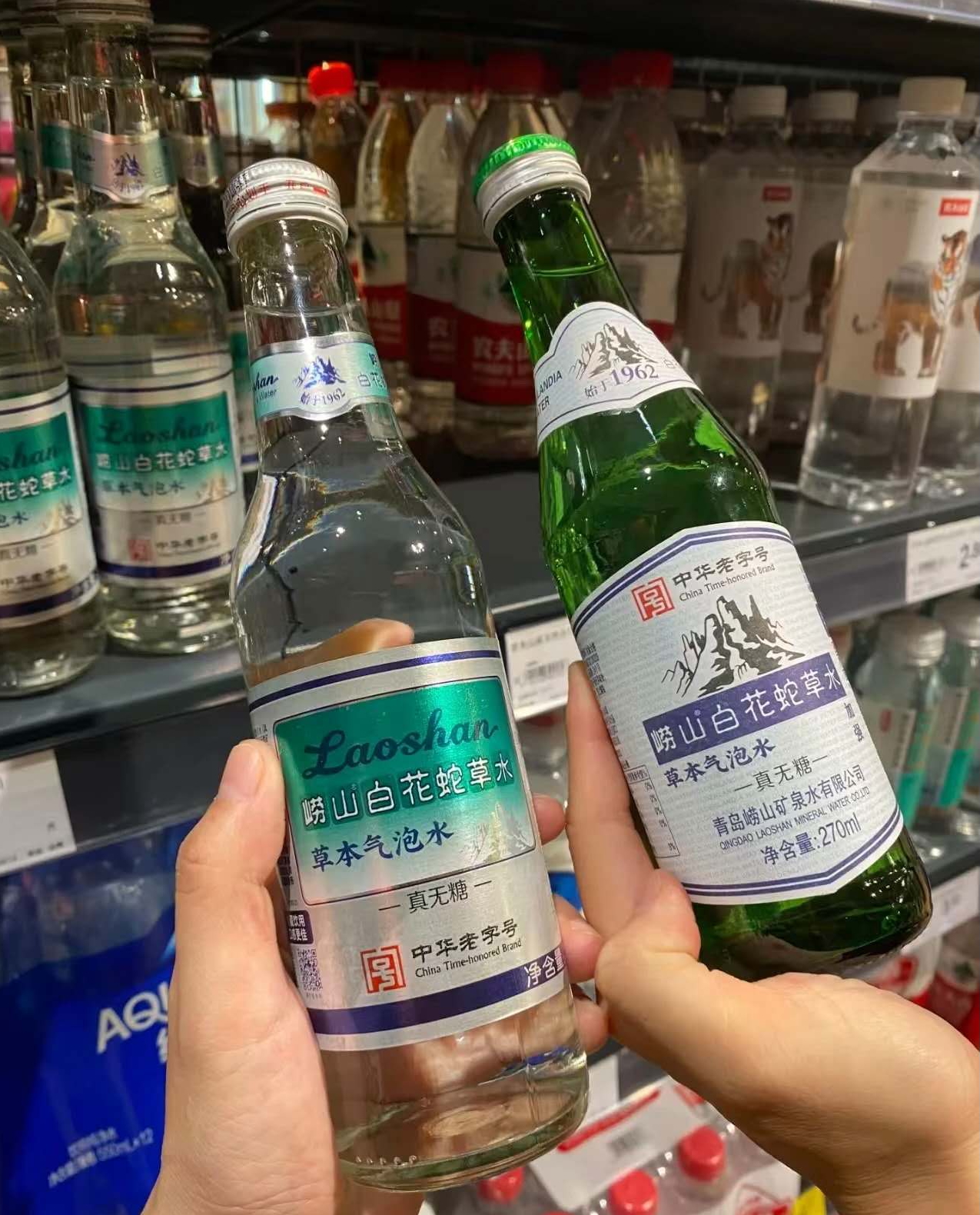
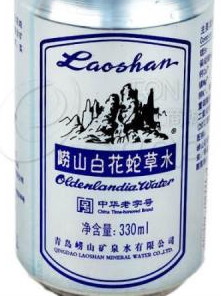
China’s once largest mineral water brand, Laoshan, came back in 2025 with a mineral water enriched with snake grass. Snake Grass, also known as Clinacanthus nutans, is a plant ascribed various medicinal benefits, like anti-inflammatory, anti-diabetic, anti-cancer, and antioxidant properties.

Tea beverages

Tea is China’s national drink, but still, tea beverages have been introduced from overseas. When foreign ice teas were launched in China, many beverage makers tried to concoct their own versions. Tea beverages with various fruit flavours appeared one after another.

Milk tea

A rapidly growing subcategory are the milk teas, based on traditional milk or butter teas drunk by Mongolians and Tibetans.

Sizhou

The pictures shows the Sizhou brand milk tea, with the following ingredients:

Water, crystal sugar, whole milk powder, black tea, food additives (sucrose ester, sodium bicarbonate)

In the course of 2018, China’s tea aficionados have embraced a new trend, one that is encapsulated in the growing popularity of the milk tea brand, Hey Tea. Originally sold in a tiny alleyway in Jiangmen, southern China’s Guangdong province, the brand went viral on social media because of its signature “cheese” series — a cup of hot tea topped with light cheesecake mix. Since then, Hey Tea has developed into a franchise with more than 80 outlets in 13 cities across the country. In large urban centres such as Shanghai and Beijing, customers routinely wait for hours to get their hands on a cup of cheese tea. Hey Tea’s cheese-inspired beverages are just variations of the same milk-topped teas available at many urban teashops in China. Fresh milk, skimmed milk, and cream cheese are blended and poured on top of iced tea to create a layer of creamy froth about 3cm thick.

Milk tea is becoming such a huge market that ingredients suppliers have started to prioritise it in their R&D. FrieslandCampina Kievit, e.g., is conducting research to develop the optimum dairy ingredients for Chinese milk tea. Aspects considered include: tea type, milkiness, sweetness and mouthfeel.

A new development in the Chinese tea beverage market is mixed tea drinks. Representative brands are: Teaka (tea + coffee), Chef Kong’s tea + milk, Cha pi (tea + fruit juice) and Hongchajun (tea + probiotics).

TeaPluss

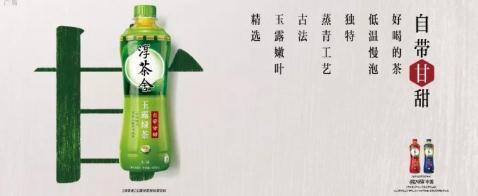
Multinationals like Coca Cola cannot afford to miss out on the popularity of tea beverages in China. The company has launched a range of tea drinks branded Chunchashe ‘Genuine Tea House’. It is marketed as not containing sugar, but still leaving a sweet aftertaste. It comes in green, black and Wulong flavours.

Herbal tea

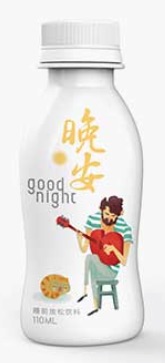
Traditional Chinese Medicine (TCM) is making an effort to cash in on the increasing interest in health foods among Chinese consumers, as has been introduced in earlier posts. The market value was estimated at more than RMB 40 billion late 2015 and is expected to grow to close to RMB 20 billion in 2020.. A very prominent application of medicinal herbs as food ingredients are the herbal teas that have become popular during the past few years. The first and most popular, Wanglaoji, is still based on a traditional recipe. Later herbal teas are marketed as modern health or functional beverages, comparing and competing with Western drinks like Red Bull. A very recently launched product in this category is Good Night (Wan An), produced by Wan’an Technology Co., Ltd. (Beijing). Ingredients are said to include:

natural GABA, theanine, chamomile and spina date seed

GoodNight

Wanglaoji launched its own cola drink, Wanglaoji Cola, in January 2018. The company promoted it during the Davos Summit.

The value of the Chinese tea beverage market in 2020 exceeded RMB 100 billion.

Coffee beverages

Coffee being such a recent arrival in China, so closely linked to a Western lifestyle, it seems odd to find it as an officially sanctioned subcategory of beverages. However, they have become quite popular. Perhaps they are easier on the Chinese palate than the basic black brew. The have been introduced in this blog before, in a separate post.

Plant beverages

This category includes drinks made from the juice of vegetables and fruits, in various degrees of concentration. Cereal based drinks are also included. A subtype that is especially popular in China is called ‘fruit tea’ (guocha) in Chinese. The best English translation would be ‘nectar’. The are relatively viscous drinks with carrot or hawthorn pulp as the main ingredient.

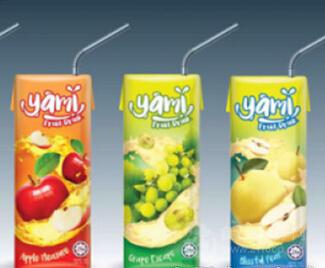
In 2016, China’s fruit juice retail volume was 134.47 mln hls and retail sales reached RMB 100.914 billion, up 1.88%. Main brands in the Chinese fruit juice market include Uni-President, Chef Kong, Nongfu Spring, and Huiyuan. China’s top producer in this category is Huiyuan Fruit Juice (Beijing). The company was once an acquisition target of Coca Cola, but the deal was vetoed by the Chinese cartel watchdog. Huiyuan recently launched a range of juices in Malaysia under the Yami brand.

The latest addition to the fruit nectars is Zaoshanzha, a drink made from dates and hawthorn by Haoxiangni.

In terms of taste, orange juice is still the largest category of the fruit juice market in China, There are some differences in taste between the north and the south in China. Apple, peach and pear consumption is relatively high in the north market. Pure juice (‘not from concentrate’) is the growth point in this industry. Chinese women have greater demand for juice, which is related to the pursuit of a healthy figure.

Another popular new subtype is formed by the fruit vinegars. These beverages have become in vogue in the years 2015 – 2016 as health products that help burn fat. In the early stage, it looked as if they would become a success, cashing in on the general trend towards more healthy food in China. However, the tide seemed to turn mid 2018, when a prominent brand, Tiandi Nr. 1 (Tiandi Yihao)’s semi-annual report showed a turnover almost half that of the same period of the previous year.

Flavoured beverages

The literal translation of the Chinese definition of this category is: drinks made by combining food flavours, sugar or sweeteners, or acidifiers. We probably could also refer to these as: designer beverages. It is not always easy to distinguish these from other categories. If you boil tea leaves and the add other flavouring ingredients to the filtered liquid, you would have a tea beverage. However, a drink whose ingredients list includes tea extract, would count as a flavoured beverage.

Nutritious beverages

These include sports drinks and other functional beverages. This category started to boom in the course of 2016. As a result, Red Bull is confronted with an ever growing number of domestic competitors in China. One of the frist challengers (August 2016) was a vitamin drink by Want Want, presented in a gold-coloured can.

WantGolden

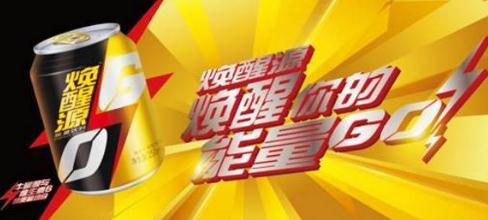
This product category is getting so popular, that a dairy company like Yili launched an energy drink of its own in April 2018: Huanxingyuan.

Solid beverages

These are sold in powdered from and infused before consumption. There is at least one traditional Chinese drink typically sold as such: suanmeitang or sour plum drink (literally: soup). A more recent, but still traditional, product is instant soy milk. Many members of the other categories are now also available in powdered form.

Yiben

The picture shows Yiben brand suanmeitang, which contains the following ingredients:

Water, fructose, crystal sugar, plums, citric acid, sodium citrate, plum flavour.

Senke Beverages has launched an innovative type of suanmeitang adding traditional Chinese medicinal herbs, marketed as ‘Lotus Leaf Suanmeitang‘, in the summer of 2018. Apart from quenching thirst, it is said to lower cholesterol and have a certain slimming effect.

Daring launches – low survival

Chinese beverage makers are quite daring in launching newly developed products on the market, where Western multinationals would organise more pilots to test the products’ reception by consumers. However, a recent survey by the China Food Industry Association reveals that only 5% of newly launched Chinese beverages survive. I guess that is test marketing the Chinese way.

How do Westerners appreciate this?

Are you getting bored with my academic stories? No problem, you can now relax watching this home brew video in which a Western lady living in China introduces here own favourite Chinese beverages.

Here is another Top 5, but then of the most bizarre Chinese drinks.

Latest trend: odd flavours

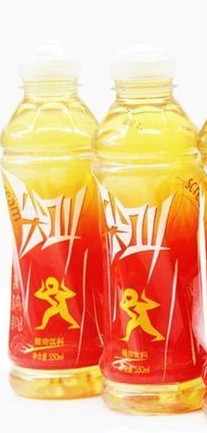
The structure of the Chinese soft drinks market is undergoing rapid changes. Consumers are developing an awareness of personality, paying more attention to individual needs and preferences. This has created a market for what Chinese have started to call ‘odd flavour water (guaiweishui)’. Laoshan, China’s first and for a long time only producer of mineral water, has launched Baishecaoshui (literally: white snake grass water). It is based on Baishecao (oldenlandia). Hey Song Sarsaparilla from Taiwan is also gaining popularity. The current top producer of mineral water, Nongfu Spring (see above), has also launched odd flavour drinks: Oriental Leaves (Dongfang Shuye), which does not contain herbal extracts, but a mix of flavourings and nutrients, and Red Pointed Leaves (Hongse Jianye), which contains extracts from American Ginseng, green tea and bamboo. This market is extremely volatile. The survival rate of new drinks is generally about 10%, and is now dropping to 5%, according to recent market studies. These products are catering to the young and young Chinese consumers have a low brand loyalty where food and drinks are concerned.

Peter Peverelli is active in and with China since 1975 and regularly travels to the remotest corners of that vast nation.