China’s ‘light eating’ trend: fighting fat, salt, sugar and . . . indulgence

Light eating, qingshi (轻食) has been an issue in China for some time. It includes foods that are low(er) in salt, fat and sugar, but also has broader health connotations. Moreover, it is also about eating smaller meals or portions than usual. That is not just about food but about a complete life style concept, for many also including more exercising. This is reflected by the fact that many Chinese speak of ‘light-eating-ism’ (qingshizhuyi 轻食主义).

This post starts with a description of traditional Chinese concepts about nutrition. These concepts have not only never disappeared, young Chinese show a renewed interest in this tradition. Concepts and terms in this first chapter will reappear in following reports as well.

After that introduction, I will highlight the various aspects of light eating in separate chapters, and end with a review about the future of this movement.

Embedded in an ancient tradition

Qingshi is not just a Western trend catching on in China. The ancient Chinese medical classic Huangdi Neijing, the Inner Canon of the Yellow Emperor, written during the Qin (221 BC – 207 BC) and Han (206 BC ~20 AD) periods, warned against overeating in general and consuming too much fish or meat.

Huangdi Neijing was the first systematic medical book to be published in China. It incorporated the accumulation over centuries of medical experience and observations by the Chinese herbal doctors. The theory of Chinese medicine is heavily influenced by ancient Chinese philosophy, especially that of cosmology and movement of the universe. This world outlook views that things are compassed of five elements – metal, wood, water, fire and earth – and that all material is in a process of change between the universe and the human body. Traditional Chinese Medicinal (TCM) doctors believe that each individual is both a part of the universe and a complete unit, so that a cosmic view of health was required. A well-nourished body was therefore also regarded as a condition for maintaining mental health.

Within this philosophy, phenomena are understood in terms of contradictory relations, for example, the sun versus the moon, the sky versus the earth, the day versus the night, the male versus the female and the positive versus the negative. TCM doctors analyse the physical signs and symptoms of a case by differentiating the appearances into two opposite categories, for example, into yin (阴 dark) and yang (阳bright), han (寒 cold) and re (热hot), xu (虚weak) and shi (实strong), wai (外exterior) and nei (内interior). It is thought that these extremes exist at the same time and are interchangeable, moving to the opposite extreme when conditions change; for example, water becomes air when temperature rises. This is expressed as ‘things at one extreme must go to the opposite extreme’.

Don’t think that these terms are esoteric, only known to TCM doctors who have studied for years. Most Chinese, including the young and hip, know these terms and use them regularly. E.g., a woman can warn a female friend not to eat too much of a certain food during menstruation, because it would make her diet too cold (han). Another Chinese can tell his colleague that his complexion is getting a little plump, which could indicate that his ‘spleen is too weak (pi xu)’.

The concept of a ‘balanced diet’ and ‘a complete diet’

TCM doctors pay a lot of attention to proper nourishment by selecting appropriate food in a way which is somewhat philosophical. By appropriate amounts of food was meant not too much or too little, otherwise it was thought that one health extreme or the other could result.

Huangdi Neijing provides a few recommendations for food intake: (1) Poisons (毒du) (substances to rid or destroy unwanted principles in the body) and medicines provide cure. (2) Five cereals (rice, sesame seeds, soya beans, wheat, millet) provide nourishment. (3) Five fruits (dates, plum, chestnut, apricot, peach) produce complementarity. (4) Five animals (beef, dog meat, pork, mutton, chicken) give advantage. (5) Five vegetables (marrow, chive, bean sprouts, shallot, onion) are for supplementarity. (6) If the food tastes and smells good, eat it to replenish the body’s needs.

The first quotation refers to an important aspect of the TCM view on food and nutrition: food and medicine come from the same sources (药食同源 yao shi tong yuan). The concept of du, literally meaning poison, can be confusing. In the Western perception, poising is something that makes you ill. In TCM is can be that as well, but the same substance that makes you ill can also help restoring the balance. In this sense, it resembles the Western tradition of homeopathy: curing a disease using a very thin solution of the substance that causes it.

The following four parts of the statement describe basic food groups and reflect principles, like having a variety of cereal like foods in order to nourish the body. The number ‘five’ (derived from the five fingers of a hand) does not mean a number per se, but signifies the varieties of cereal, fruit, animal and vegetable derived food. Cereals are considered basic and staple foods for nourishment Fruits are placed second because they compensate for shortages in whatever cereals provided. Animal-derived foods are perceived to be important for the human body, with its resemblance to the animal. Vegetables are regarded to provide an extended range of substances.

With the development of society, people and their circumstances change and cultural exchanges between countries include those of food and technology. Sometimes cultures integrate. Thus the food produced in the Chinese restaurants or home kitchens today will not be representative of the traditional diet, because it will have been modified to suit the taste of people in various locations and countries. However, it has been shown in the 1988 National Nutrition Survey of China, that most people living in the countryside and cities still follow traditional food patterns.

The concept of han (cold) and re (hot)

Han and re literally mean ‘cold’ and ‘hot’. However, the meanings of these essential concepts in TCM nutritional thinking are much more complex. They refer, not only to the body’s status, but also to its function, reaction and symptoms. For example, when a person has ingested cold food, (s)he may respond with related characteristics. Thus, han food may cause diarrhea and re food may cause constipation; han foods may cause nausea while re foods may cause gut problems such as heartburn. On the other hand, han food could combat constipation and re food diarrhoea. These symptoms do not relate to food temperatures, but to the relationship between food and the human body.

Whilst food is believed to provide our bodies with nourishment, the body reacts to food in different ways. For example, if a person eats too much meat, its metabolic effects through acid production may be uncomfortable. This is what is described as re (literally: hot; Westerners also speak of heartburn). Modern nutritional science concentrates on the nutrient components of foods and on the metabolism of nutrients. It rarely acknowledges that there are both nutrient and non-nutrient substances in food which might affect the body. Unripe guava may cause constipation and this may be explained by contemporary food chemistry in terms of tannic acid; this phenomenon is regarded as re in TCM nutrition. Ripened guava does not have the same effect and therefore is not considered as re.

Research has been made in China to link modern food science with TCM concepts. It has been argued that food which contains more or less cation than anion can create a situation of either han or re, although such a generalization is still difficult to accept at a point in nutrition science where the effects of any one cation or anion are recognized as complex. Most fruit and vegetables are considered as han which means that food high in dietary fiber belongs to the han category. That both han food and foods containing dietary fiber can cause ’emptying of the bowels’ is a proximation of the two streams of thought.

Water can be both han or re, depending on the mineral composition of the water, having different biological consequences. E.g., water which contained a lot of magnesium has been considered as han.

Neutral ( wen) and supplementing ( bu)

Food that is in-between han and re is considered neutral (wen) (literally meaning ‘warm’). Rice is an example of a neutral food. Wen food is usually compensated for by bu (literally meaning ‘to supplement’), to avoid nutrient insufficiency. According to TMC, wheats are slightly han, beans are neutral, most fish are neutral as well. Beef is wen, mutton is very re and pork is slightly han. Usually han food is cooked with some re food to neutralize it. For example, vegetables (a han food) are usually cooked with ginger or pepper (re foods) to neutralize them.

It is tempting to compare these TCM observations with modern food research. E.g., existing research shows that a given amount of carbohydrate or carbohydrate containing food can cause very different glycemic responses. Such contemporary nutrition science concepts may be regarded as analogous of traditional Chinese food concepts. However, this is a bridge too far for this report.

Staple vs non-staple

A traditional Chinese meal contains two parts – 饭 fan the staple food, i.e. a cereal, and the rest of the meal, referred to as ‘dishes’, 菜 cai. Cereal is the staple food in the Chinese diet and this may include rice, wheat, corn sorghum and millet, but tubers like (sweet) potatoes, taro, etc. and beans are also regarded as staples. The word cai in everyday Chinese is the same as that for vegetables, because Chinese dishes mostly contain vegetables, with other kinds of food added as supplementary ingredients. It also means ‘accompanying food’ which indicates that ‘dishes’ is only a side dish to accompany the main course – rice (in Southern China) and wheat products like noodles in the North.

Medicine and food come from the same origin

Chinese herbal medicines are part of the normal diet. Chinese scholars believe that what we eat and drink should provide all the nutrients that the body needs. Some medicinal plants may be used as part of a normal diet to maintain a healthy life.

Certain foods have preventive effects. For example, the lingzhi or reiki (the Japanese pronunciation of the same characters), a kind of mushroom and is believed to contain substances prolonging life expectancy. Liver it believed to cure night blindness, seaweeds goiter, and that black beans anaemia. However, as there was no knowledge of vitamins or minerals, the reason behind these assumptions could not be given.

Herbal medicines which were used as medicine were sometimes also cooked as food in a combined dish. They were used as bu. Ginseng and dates are popular examples. These foods or medicines used to be prescribed according to the needs of the patient or healthy person. However, in modern times some have become so popular that they are part of a regular diet. Linked to the current nationalist trend (国潮 guochao) in China, there is a noticeable increase in interest in TCM-based supplements among young affluent Chinese consumers. I will revert to that later in this report.

The Chinese authorities are regulating this use of TCM herbs as food ingredients. There is an official list of herbs and their extracts that are allowed to be used as food ingredients. TCM materials not listed are prohibited in regular foods and beverages.

Low sugar

Chinese have a sweet tooth. We all have, of course, but my first impression of Chinese food products, when I studied in China for a year in the mid-1970s, compared with their counterparts that I was used to Europe, was that they tasted significantly sweeter.

The reason for this is not much different from that in the Western nations. Sweet is an attractive flavour and sugar used to be a luxury item, so a high sugar content marked a high standard of living.

The ultimate sweet food is candy. The Chinese word tang refers to both sugar and the generic category of candy. This poses an interesting linguistic problem when you seriously start thinking about reducing sugar in food. Candy should then be an important focus product, but how do you express ‘sugar-free candy’ in Chinese? It would be something like ‘coffee-free coffee’. However, these expressions are regularly used in professional and commercial literature, so apparently Chinese can distinguish between tang = sugar and tang = candy.

Obesity

The inevitable effect of consuming sugar-heavy foods and drinks, obesity, has also become a problem in China. Among Chinese adults aged 18-69 in 2018, there were about 85 million obese people, of which 48 million were men and 37 million were women. There were 11 million more men than women. In 2004, there were only 28 million obese people in China. In other words, in just 14 years, the obesity rate in China has risen from 3.1% to 8.1%. A report from 2021 estimates that the number of obese people at 230 million, a year-on-year increase of 4.5%.

Children are also affected. The latest research shows that the incidence of childhood obesity in China has reached 20%. Data from the Centre for Disease Control and Prevention shows that there are more than 550,000 obese people under the age of 17, and 12% of children are overweight. Apart from consuming too much sugar, part of the childhood obesity is caused by parents who still adhere to the traditional Chinese belief that a fat body is a sign of health and therefore give their children too much food, including modern manufactured foods and drinks.

Concerned consumers

This is a good point to mention that modern Chinese consumers are possibly the most ingredient conscious people in the world. Many Chinese do read ingredients lists of the foods they buy (or before they buy them) and discuss their concerns on social media and other Internet platforms. One reason for this is the experience with a number of serious food safety issues during the past decade, which has made Chinese consumers suspicious of statements about food quality from the manufacturers of those foods.

Chinese tend to take statements like ‘sugar-free’ literally. Moreover, the Chinese food industry has recently started using the term ‘zero sugar’(0 tang 0糖) to indicate sugar-free, which conveys an even more absolute feeling that the product does not contain any sugar. Many people doubt whether they can believe such a statement. The government met this suspicion with clear specifications.

Itemdenominationspecification
Sugarsugar free<= 0.5g/100 g/ml
low sugar<= 5g/100 g/ml

Related to this problem is the statement ‘zero calories’ (0ka 0卡) that often follows the indication ‘zero sugar’. This is even more tricky, because the energy in a food product does not only come from sugar. Articles informing consumers that sugar replacers are just that, replacing sugar, but do not mean that a food does not provide calories appear regularly in the Chinese press. Interestingly, no party in China has so far proposed to prohibit using the term ‘zero calories’ on food packaging.

Chinese doctors also point out in such publications that the use of artificial sweeteners also does not affect the chance of developing diabetes. Diabetes is big problem in China. One study states that the number of new patients increases with approximately 12.7 million p.a. The total number inf 2021 was 140 million. Another doctor points out that marketing a food like steamed bun (mantou 馒头) would be useless, because eating it would still increase the glycaemic index. We knew this already, but I am adding this to show that topics like this are discussed in the Chinese media in much more detail than in similar Western media geared to consumers.

Communities

Chinese culture is high communitarian. Chinese prefer to do whatever they do in groups of linked minded people. Many consumers concerned with the state of their own health and that of their loved ones form groups seeking to reduce sugar intake. On Xiaohongshu, an app popular with users mostly between 18 and 34, searches for phrases such as “quitting sugar (jietang戒糖),” “sugar control (kongtang控糖),” and “sugar reduction (jiantang减糖),” show tens to hundreds of thousands of results. On social media platform Douban (also known as Tik Tok), also popular among the under-35 population, forums for users wanting to quit sugar can host thousands of members. One, the “Quit Sugar Commune” established in July 2018, has over 5,000 members who “check in” each day to record their low-sugar milestones and progress toward health goals.

Celebrities have also taken up the craze. In April 2018, singer and actress Zhang Shaohan told her over 15 million followers on Weibo, a Chinese platform that can be best described as a combination of LinkedIn and Twitter, that her “secret” to staying young is a zero-sugar diet: “Highly processed sugar … is probably one of the most harmful inventions in human history,” she wrote, earning 190,000 likes and 50,000 forwards on the platform.

The National Health Commission (the former Ministry of Public Health) has also announced a goal of getting consumers to cut down their sugar intake to below 25 grams as part of the “Healthy China Initiative,” as well as updating standards for labeling sugar content on food products and restricting the sale of high-sugar foods.

Less knowledgeable manufacturers

While the large Chinese food manufacturers will have sufficiently knowledge in-house, quite a number of smaller local producers lack such knowledge. This can lead to interesting discussions on Chinese food industry online platforms. E.g., a local manufacturer of pastries (he does not provide much personal information on his personal home page, but he seems to be an elderly baker in Henan province) inquires if someone in the discussion group is familiar with sugar-free biscuits or pastries. In particular, he asks people to ‘introduce raw materials that can be used’ in such products. The first reply comes from a man with a university background (Master degree) and working in a food research institute. He answers that there are no real sugar-free biscuits or pastries, as the starch in the products are transformed into sugar by the human body. Another person (hiding his background, except for working in cereal processing) adds that you should distinguish between ‘sugar-free’ (wutang 无糖) and ‘no sucrose’ (wuzhetang 无蔗糖). The discussion continues for some time, but the above suffices to show the level of knowledge among manufacturers in China.

Sugar substitutes

A new problem is that sugar substitutes come with their own problems. Almost all substitutes are produced in China, and the country is a major producer of some. However, food additives in general have a bad name in China. China used to be food additives heaven. Ingredients lists on food packaging (if provided at all) could be quite long. I remember reading an article in Chinese newspaper entitled: ‘does ice cream really need 12 types of additives?’. This is the Chinese consumer again (see above) who actually reads such lists. Even the more natural sugar substitutes like stevia, are regarded as unnatural and therefore something you would rather not have in your food. Some of the older ones like aspartame or acesulfame-K, are linked to cancer in many publications in popular media. A report from Chinese news outlet The Paper of November 2021 warned that consumers of sugar substitutes are 14 percent more likely to experience depression. It also noted that consumption of aspartame on an empty stomach may cause a blood sugar imbalance, and erythritol can lead to gastrointestinal troubles. An article by the Shanghai Municipal Health Commission of August 2021 warned about the risks of excessive consumption of sweeteners. It suggests that low-calorie sugar substitutes don’t satisfy the brain’s sense of hunger, leading people to eat more food, which in turn increases their risk of weight gain and diabetes.

Then there is the issue of price. Using sugar substitutes come at a cost. Established in 2018, Nice Cream uses natural sugar substitutes like erythritol (rather than artificial sweeteners like aspartame), but this is expensive, and it is a part of the reason why Nice Cream products retail for up to 10 times the price of other ice creams. There is a market segment for expensive but healthy leisure foods like this, but it is relatively small.

Low fat

Unlike sugar, fat is a macro-ingredient indispensable in the human diet. In processed foods, fat adds to the flavour and texture and contributes to the satisfactory feeling consumption. We love fat, but not as a part of ourselves. While body fat is not only produced from consumed fats, consumers in more advanced markets, who start caring about their weight and health in general, first of all blame the fat in their foods.

A concurrent problem in China in this respect is the rapidly increasing ratio of meat in the Chinese diet. With the increasing spendable income, consumers can and want to buy foods that until then were regarded as luxury. Meat, in particular beef is one of such foods. The ratio of meat in the Chinese diet has almost doubled in a couple of decades. As even lean meat contains fat, this has increased the fat intake of Chinese people considerably.

Low(er) fat

Low fat as a marketing issue therefore started in China considerable earlier than the current Light Eating vogue. However, it was mainly literally lowering fat in the formulation and compensating its effect on the texture by adding additives like modified starch, emulsifiers, etc. When the Western food industry launched that ‘low sugar, low fat, low salt’ slogan, it was readily taken over by the Chinese government and therefore also by the Chinese food industry. Lowering fat was then approached in a much broader way, including e.g. substituting fat with other, more natural, ingredients.

In restaurants and home cooking, Chinese started eating more Western style salads. One of the eating habits Westerners brought to China when they started living there was eating mixed chopped raw vegetables as meals. Chinese observing this described those Westerners as ‘eating grass (chicao 吃草)’. This expression is quite flattering, as it implies eating animal feed. This attitude has changed considerably.

Zero fat (?)

After lowering fat in food was aligned with low sugar and salt, the designation zero fat (0zhifang ) also appeared on food packaging and marketing campaigns. However, as is the case with sugar, 100% fat-free is a  close to impossible to reach. The Chinese government has therefore promulgated the following specifications.

Itemdenominationspecification
Fatfat free<= 0.5g/100 g/ml
low fat<= 3g/100 g/ml

Fat in food formulations cannot be simply replaced by ‘artificial fats’ as is the case with artificial sweeteners. I already mentioned additives like modified starch or emulsifiers to mimic the effect of fat on textures. This is technically a good solution, but adds additives, often several, to the ingredients lists on the packaging and Chinese consumers like to study those lists.

Fibre

Chinese food technologists are therefore focusing on adding more texture to foods in the shape of dietary fiber. It does not deliver the same texture, but it can replace the bulkiness of food that is delivered by fat. This has also a psychological aspect. If a food company would directly advertise with replacing meat with vegetables or coarse grains, a considerable segment of Chinese consumers would object, as it sounds like giving up on a luxury food that they now can afford. On the other hand, adding ‘dietary fibre’ (shanshi xianwei 膳食纤维) sounds fancy and modern and therefore gives a luxury feeling.

Candy

Low fat obviously is less important for manufactures of candy. One related issue linked to candy is fruit jelly made from konjac. Fruit jelly are extremely popular among Chinese children, and female consumers of all ages. They can be a source of calories, but those made from konjac are relatively better in this respect. Manufacturers of konjac-based fruit jellies therefore make sure that consumers get the message by printing it on the packaging in huge characters.

Bakery

Fat replacement is more important for producers of bakery products. Bread is an interesting item in this product group. White refined flour and food made from it were until recently regarded as a luxury products and with the increase of spending power, Chinese consumers bought more and more of it to enjoy the same delicate foods, e.g immaculately white steamed bread, like the rich. That has changed very quickly in recent years. Whole meal flower and bread, pastry, biscuits, etc., made from it are now the thing to buy by the health conscious young urban professionals.

Other, coarser, cereals than wheat or rice have also become popular (again). An example is millet (xiaomi 小米). Millet was the sustenance that Chairman Mao and the Red Army relied on to sustain them during the arduous campaigns against the Kuomintang and the invading Japanese. Millet has some of the properties we might associate with the soldiers who relied on it back in 30s and 40s. While it prefers a warm climate, it possesses the ability to adapt to other environments, as well as being remarkably drought resistant and able to survive in poor, heavily acidic or alkaline soils. The nutrients millet contains are hard to digest. However, it is rich in calcium, phosphorous, iron, carotene, Vitamin B1, Vitamin B2, niacin, zinc, manganese, selenium and oestrogen, amongst other things.

The Chinese food industry has also discovered chia seeds as a source of fibre that also provides protein. Other sources of fibre incorporate in bakery products are vegetables, fruits and TCM herbs. The also provide functionality. Water chestnuts, dates (jujubes) and goji berries are examples of plants that also have medicinal functionality according to TCM and are nowadays widely used to enhance food and beverage recipes.

Modernization

The most essential aspect of the production of Babao Porridge is the combination of emulsifiers and thickeners. Babao Porridge consists of a viscous liquid part and solid parts. Manufacturers need to formulate the product in such a way, that the solid parts are more or less evenly distributed over the liquid part upon opening of the can. A number of Chinese manufacturers of emulsifiers and thickeners supply products specially formulated for Babao Porridge. Industrial recipes for so called ‘low calorie Babao Porridge,’ proposed by manufacturers of ingredients use sticky rice as the macro-ingredient, where part of the rice can be replaced with pumpkin. Various combinations of fruits (dates are most popular) and nuts (including peanuts) are added. Frequently suggested micro-ingredients and additives: pumpkin powder, xylitol, oligoxylose, CMC, konjac powder, and EDTA.

Low salt

Salt is the most generally used flavoring ingredient in food all over the world. It is currently one of most dangerous food ingredients in terms of food borne diseases. Until purified salt was only available in small volumes and therefore relatively expensive, the latter was not an issue. Now that salt is available in abundance excessive use has become a global problem as well.

High intake

In China, salt intake has consistently been very high and is believed to account for 40% of all deaths. Despite various governmental campaigns since 2007, the latest estimates show that salt intake in adults still averages at 11 g/day,6 making it one of the highest intake levels in the world. Importantly, the slow progress made so far in salt reduction could be offset by the rapid increase in the consumption of processed and out-of-home foods that comes with urbanisation.

The Chinese authorities had already started a salt reduction program, when the Western ‘low sugar, low fat, low salt’ campaign reached China too. This seems to help. In the beginning, Chinese consumers were reluctant to reduce salt in home cooking (a major contribution to salt intake in China) or restaurants. Salty snacks also remained popular. In the context of Light Eating, the affluent health conscious have not at least taken the lead in salt reduction.

Regulation

As is the case with sugar and fat, zero salt (0 yan 0盐) is not really attainable. The Chinese authorities have therefore also set a number of specifications.

Itemdenominationspecification
Saltsalt free<= 5mg/100 g/ml
low salt120mg/100 g/ml

Easier

Low salt is harder to accept by consumers, but easier to accomplish than low sugar or fat, as salt has less influence on the products texture. Chinese publications suggest a series of ways to adapt formulations to a lower salt content.

  • Use vegetables and fruits with stronger flavours (peppers, onions, lemons, etc);
  • Use spices or strong flavoured animal products like dried fish;
  • Use TCM herbs. These usually also have strong flavours and you can advertise with the herb’s functionality (date, cinnamon, etc);
  • Add ingredients with a high potassium content (black mouse ear fungus (mu’er 木耳), laver, banana, potato, etc.).

The main challenge for the authorities is the same as in most other parts of world: how to gradually wean consumers of the salty taste they are so addicted to.

Soy sauce

A special ingredient that needs highlighting here is China’s favourite savoury ingredient: soy sauce. Already in 2017, Sichuan-based Cuiwei Food launched a low salt soy sauce, produced by natural fermentation. While salt reduction is a positive development, soy sauce has always been a typical savoury seasoning product, so completely salt-free soy sauce can only succeed when marketed as general flavouring ingredient.

End note: Light Eating, fad or there to stay?

Light Eating is certainly not a fad of the day, but something that will have a long term influence on the Chinese food market in the broadest sense. As a concept has been launched a few years ago, first of all among patrons of fitness centres, who became more conscious about the long term effects of eating too much. Their income increased rapidly, but not so much their traditional eating habits. This resulted in a rapid increase of obese people in China. However, that additional income allowed them to start exercising ‘like the Westerners do’, which introduced them to regard eating salads as complete meals. Western was (and still is, although it is fading) synonymous with modern.

The movement grew with the increasing number of people who started exercising regularly and caught the attention of entrepreneurs who set up shops offering healthy (light) foods. When the Western low salt – sugar – fat concept entered China, it was linked to the Light Eating concept almost immediately, which drew the food and beverage industry into the movement as well. The academic world (medical science, food science) followed soon.

While writing this end note, I made search in the Chinese search engine Baidu with the longer term qingshizhuyi (light-eating-ism). Baidu came up with 9,170,000 web pages including this term. This indicates that the concept is a real ism, a world outlook. It will be influential for some time to come.

What could the next step be? One possibility could be ‘clean label’. The concept has caught attention in China. I indicated above that China used to be food additive heaven, but that Chinese consumers have become wary those long lists of additives. However, you can still see such lists on products marketed as ‘light’. I expect that this will become an issue of debate within the light eating movement in China soon.

This post is a summary of our continuous research of the developments in the Chinese food and beverage industries. Contact us for a larger, if needed tailor made, study, including concrete examples of Chinese products that are already on the market.

Peter Peverelli is active in and with China since 1975 and regularly travels to the remotest corners of that vast nation.

Uncle and Aunty Xiong, French bakers in Beijing

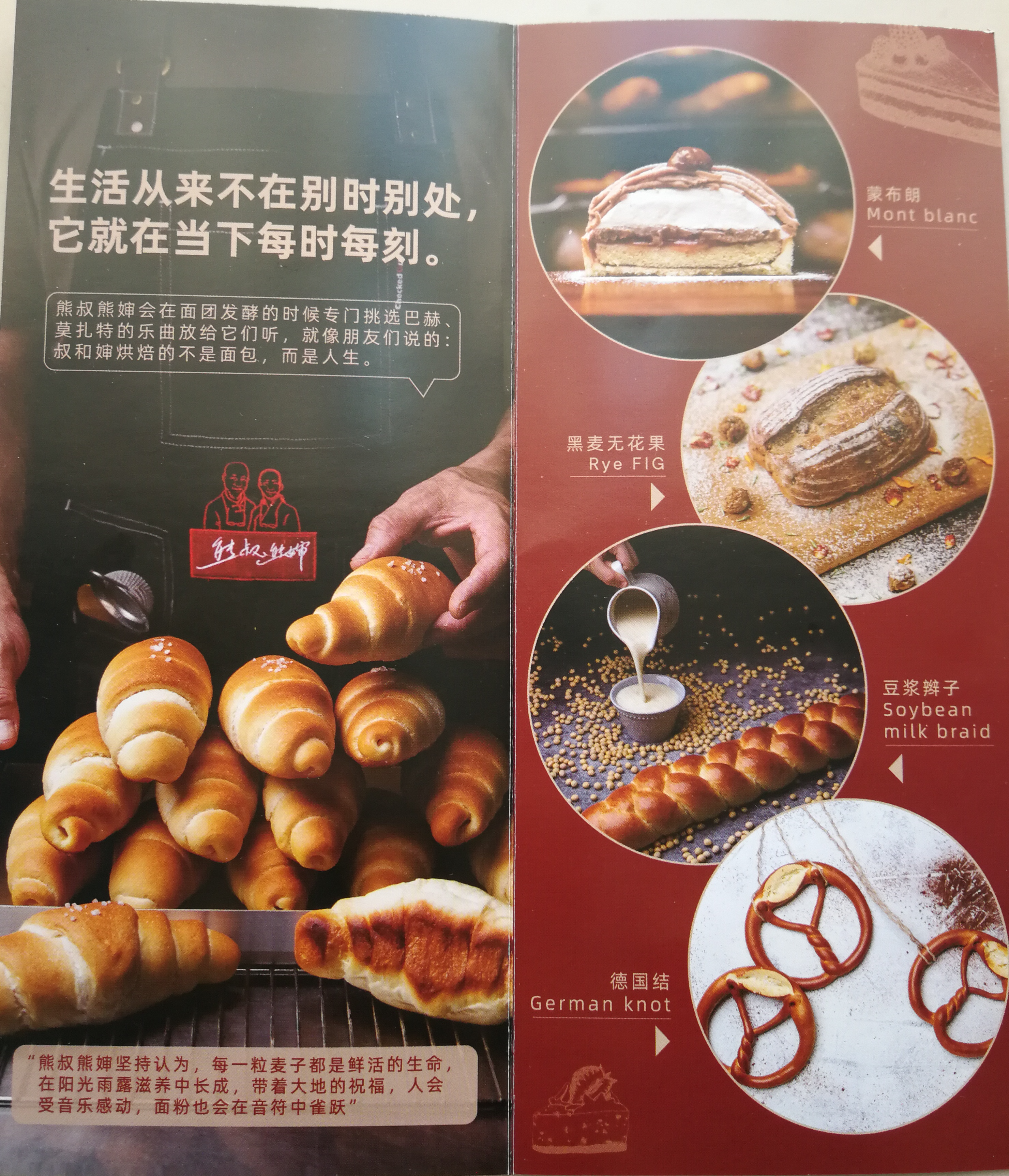
A longer stay in China offers the opportunity to get to know a wide variety of people. At an organic products market, we met an older couple, Mr. and Mrs. Xiong, who set up a French bakery. Both are retired civil servants, but still work daily in their own bakery, with their son, where they bake authentic European bread and related things.

Bread

Bread is not a traditional product in China. Chinese eat steamed bread (mantou). When European communities began to form in a number of large cities at the end of the 19th century, this also attracted bakers. As a result, bread gradually became known in China, but when the Chinese also started baking bread, it was of a different type than what Europeans like to eat. Chinese bread, like bread in many other Asian countries, has the consistency of cotton wool, is snow-white and quite sweet. It’s more like cake than bread.

Foreigners

Over the course of the nineties and later, foreign communities arose again in the larger Chinese cities. This created a need for firmer bread and bread with more fibre. Western fast food chains and hotels also needed bread, which had to come fresh from a local oven. A number of European entrepreneurs started baking European bread. However, as usual, it didn’t take long for Chinese entrepreneurs to start seeing opportunities in this market as well.

French connection

The history of the business of the Xiong family started, when their son opted to study at Le Cordon Bleu in Paris. There he got to know all aspects of gastronomy, but chose patisserie as his specialty. His parents came to visit him in Paris and also fell under the spell of French culture in general and gastronomy in particular. That is also so surprising, when you consider that food and drink occupies a central place in both cultures.

Suburb

The Xiongs set up their first bakery in a suburb in eastern Beijing. There was no place for a store there yet. They sold their bread through third parties. It was also still in the hobby stage at the time. When they went on holiday, baking also stopped temporarily. That did make many of their customers grumble. When they had to close that bakery because the local government had other plans with the area, they moved the company to its current location near Beijing’s embassy district. That was a success, as the French embassy is one of Xiong’s regular customers.

Three in one

The bakery, officially called Uncle and Aunt Xiong in Chinese and La Maison de Xiong in French, shares a space with a coffee shop and a bar. The space itself is again part of a co-worker space, a space where small independent entrepreneurs can (co-)work. Upon entering, it feels like you are back in Europe. However, appearances are deceiving. Where Europeans would work together on the basis of strictly agreed rules, the various entrepreneurs there mainly work on the basis of mutual respect and trust. For example, we talked to the Xiongs in the bar for more than an hour, because the bar attracts few customers during the day. We drank coffee from the coffee shop that fitted perfectly with a fresh scones from Xiong.

Product range

The store’s showcase offers a completely different image than that in most bread chains in China. You can buy several types of sturdy brown bread. Most do have extra ingredients such as figs or walnuts, but it has a firm bite and is not so sweet. There is white bread, but also sturdy in structure, available in various shapes. An invention of the Xiongs is soy milk bread, bread made with soy milk instead of cow’s milk or water. It is a successful attempt to make higher protein bread that fits better into the Chinese flavour palette. We didn’t see much patisserie that day apart from two types of scones. You can of course place an order from the brochure and pick it up later in the store or have it delivered to your home.

Enterprising

The Xiongs are now in their seventies, but when you hear them talk about their plans, they seem thirty or more years younger. They start early in the bakery every working day and are not ready until after noon to take it down a bit. In addition, they have also bought a property near the Great Wall that they want to furnish as a holiday home. There, guests can enjoy not only fresh bread, but also other local, organically grown products. The air is cleaner than in Beijing due to its high elevation. All this fits into the increasing interest among Chinese consumers in organic products. There is also a branch in Shunyi, a northeastern suburb of Beijing with much more expensive residential areas.

Next step

The Xiongs want even further. Their concept is well suited for franchising, where others take over the entire concept for a fee, from products to the layout of the store, etc., for a fixed amount per period. A change in management will be required for such a step. First of all, you have to hire an experienced professional manager for this; not necessarily someone who can bake bread, but someone who can lead the staff and supervise the, growing, number of franchisees. It’s not that far yet and the Xiongs are behind the ovens almost early every morning with great pleasure.

Peter Peverelli is active in and with China since 1975 and regularly travels to the remotest corners of that vast nation. He is a co-author of a major book introducing the cultural drivers behind China’s economic success

The Evolution of Nutrition Guidelines in China

Many Western governments believe that citizens should be encouraged to take care of their own health and see to it that they get sufficient vitamins and minerals by eating a varied diet, with plenty of fresh fruits, vegetables, whole cereals and different protein sources. Adding vitamins and minerals to processed foods is allowed, as long as producers abide by the relevant regulations, but the government does not make public funds available to finance R&D and propagation of fortified foods.

Nutrition as government policy

China is one of the nations that actively support public nutrition. It is even regarded as a basic human right. This means that the government finances R&D into the field of food fortification and the promotion of fortified foods, as a means to enhance the general state of nutrition of the population.

This is not surprising, because the concepts of food, nutrition and medicine are much more intertwined in Chinese culture (Traditional Chinese Medicine TCM) than in the West.

The leading policy making organization here is the Public Nutrition Development Centre (PNDC), an organization under the State Development and Reform Committee of the State Council. R&D is coordinated by the Nutrition and Food Safety Institute of the Centre of Disease Control under the Ministry of Public Health.

This policy, combined with a population of approximately 1.4 billion people, has created a highly attractive market for suppliers of single nutrients, nutrient pre-mixes, and ready-to-eat fortified foods. The Food Ingredients China (FIC) 2018 trade fair (March 22 – 24) included 26 suppliers of various vitamins, and many more of minerals other nutritious food additives.

In October 2016, President Xi Jinping announced the Healthy China (HC 2030) blueprint, a declaration that made public health a precondition for all future economic and social development. The HC 2030 blueprint, released in Beijing by the Chinese government, includes 29 chapters covering public health services, environment management, the Chinese medical industry, and food and drug safety.

Nutrition pagoda

The Chinese love to localise foreign things and ideas. The Western nutrition pyramid has been made Chinese by changing it into the nutrition pagoda.

The Chinese Nutrition Society has issued a special food pyramid for pregnant women late 2019.

Generous budget

The Chinese government has a made a generous budget available to develop pre-mixed micronutrients.

Most micronutrients cannot be simply added to and mixed with other ingredients. Manufacturers of fortified foods need to be sure that the nutritional value of their product when consumed meets the promise they make in the nutrition information on the packaging. Some nutrients lose activity during heating, while others may dislike a low or high pH value. Some nutrients dislike one another’s presence.

This means that many nutrients need to be buffered or treated otherwise. This is specialist knowledge held by a small number of specialist scholars.

These researchers develop processes to protect single nutrients and formulate nutrient pre-mixes in state sponsored research facilities. However, those organizations are less suited for industrial production. A number of more entrepreneurial researchers have set up companies for the production of ready-to-use nutrients during recent years.

Several of them have been very successful and have proved to be fierce competitors to the multinational players like FMC or DSM, who are competing for a share in this lucrative market. The basis of their success is exactly their forming a close and effective chain with government regulators, research institutes, nutrition professionals and food and beverage manufacturers.

VAoil

Ongoing projects

A number of projects has already been launched:

  • Infant formulae and ‘nutrition packages’ for primary school children; infant formulae are by far the largest application, as well as the best known one. The nutrition packages are ready to use packages of micronutrients for children of primary school age. Experiments have been conducted with the latter, handing out nutripacks to children (see picture below), but providing such packages has not been institutionalised so far. The packages use soy or soy protein as a basis and add Vitamins A, D, B1, B2, B12, folic acid, iron, zinc and calcium.
  • Vitamin A fortified cooking oil; as a rice eating nation, many Chinese lack vitamin A and the PNDC has been searching for the best carrier for this vitamin. Cooking oil is one vector that has been tried, in cooperation with COFCO. Products have been launched, but sales seems to be disappointing so far.
  • Wheat flour fortified with 8 nutrients; Vitamin A is also allowed in flour, another ingredient available in every Chinese household. Guchuan Flower has partnered with the government in developing fortified flour  This experiment seemed to have failed as well, because consumers are not willing to pay a premium price.
  • Fortified rice; in cooperation with Bühler, DSM has develop a process to fortify rice with several vitamins and minerals by making fake rice granules that are mixed with regular rice. This Nutririce is produced in Wuxi (Jiangsu). Bühler acquired DSM’s share in the plant late 2013, but DSM remains committed to developing this product. As rice is regarded as a strategic staple, this entire development process has been conducted in close contact with the relevant authorities.
  • Iron fortified soy sauce; iron deficiency is huge in China and soy sauce has been found a proper carrier for iron (EDTA iron). It is current the most propagated fortification project in China. A number of soy sauce manufacturers have launched iron fortified products, but again so far the results seem to be somewhat disappointing.
  • Iron fortified wet noodles and steamed bread (mantou); this multi-nation research project has been initiated by the Food Fortification Initiative (FFI) Secretariat in 2009 and executed by the Nutrition and Food Safety Institute of the Centre of Disease Control. The results were promising, but this has so far not resulted in the regular production of such fortified products.
  • Probiotics; the fortification of suitable foods and beverages with probiotics like oligosaccharides was officially launched in January 2007. A sufficient intake of probiotics promotes a healthy gut flora.
  • Iodine salt: until recently, iodine salt was required in all manufactured foods. This law changed in May 2018. Since then iodine salt is only required in specific cases like regions with iodine deficiency. Another aspect of the new rules was that iodine also has to be listed on the packaging of manufactued foods.
NutriPacks

The lack of progress of several of the the above mentioned projects seems to indicate that public nutrition in China still has a long way to go. Possibly, the many food safety incidents are negatively affecting these campaigns. Chinese consumers are still waiting for regular food to be safe for consumption, so there is little attention left for fortified food.

Moreover, as a result of the public food safety concern, the Chinese media regularly report about ‘excessive number of additives’ in certain foods like soft drinks or ice cream. Fortified foods need to comply with the regulation to indicate all ingredients on the label, so they may end up with an even longer list of ingredients than the non-fortified competitive products.

National Nutrition and Health Committee

China has created a special committee to implement the country’s national nutrition plan, according to the National Health Commission (NHC). Jointly established by NHC and 17 other government departments to coordinate and advance nutrition and health related work, the national nutrition and health committee held its inaugural meeting on Feb. 28, 2019, in Beijing. Among the key jobs are improving food nutrition and health standards that build upon food safety, and establishing subcommittees at local levels to organise nutrition education and training, to conduct pilot programs and spread scientific knowledge in this regard. The national nutrition plan (2017-2030) was released by the General Office of the State Council in July 2017, with the goal of raising awareness of nutrition among the Chinese people, reducing obesity and anemia among students.

From more to less meat

More recently, the Chinese authorities have included the global campaign for lowering meat consumption in the national dietary policies. Like all nations with a growing rate affluence, Chinese started to eat more meat, when they had more money to spend on food. Eating meat has always been a distinctive trait of the wealthy throughout Chinese history. The China National Dietary Guidelines already encourage Chinese consumers shifting toward a plant-based diet. The national government is planning to cut back meat consumption in half by 2030, not just for health and the environment, but also due to concerns for animal welfare, risks to workers, and antibiotic resistance.

A China Plant Based Foods Alliance (CPBFA) was established in December 2018. One of the first professional trade groups to represent plant-based food sector in China. It is a joint effort of the State Food and Nutrition Consultant Committee (SFNCC), Advisory Committee on Nutrition Guidance (ACNG) of China National Food Industry Association. The CPBFA advocates for plant-based ingredients, food and beverages, closely monitoring and thoughtfully influencing the legislative and regulatory environment. A list of members is not yet available, but a seminar organised late 2019 was attended by a mix of producers, consultants, policy makers and equipment suppliers. I will monitor the Alliance’s developments and report about them here.

Low fat, low salt, low sugar

This is another diet-related movement that has started in the Western world, but is now also gradually growing support in China. It has a common trait with the movement to lower meat consumption: fat, salt and sugar (in sufficient amounts) are also regarded as symbolic for a healthy diet in China. Poor people used to eat little meat, which automatically meant that they were happy with any fat they could get. Salt used to be as valuable as in other parts of the world (don’t forget the etymology of the word ‘salary’!) and sugar not much less. Nowadays, cooking oil, salt and sugar are available in abundance, but during the early decades of the Economic Reforms, Chinese were happy to indulge in these food ingredients that had to be rationed not that long before. Unfortunately, this has resulted in a dramatic increase of obesity, hypertension and diabetes among the Chinese.

The national and local governments have started drawing up dietary guidelines controlling fat, salt and sugar. Guidelines for snack food for primary and high school age students were proposed by the Beijing Public Health Commission and the China Food Distribution Association in May 2020.

Itemdenominationspecification
Fatfat free<= 0.5g/100 g/ml
 low fat<= 3g/100 g/ml
Sugarsugar free<= 0.5g/100 g/ml
 low sugar<= 5g/100 g/ml
Saltsalt free<= 5mg/100 g/ml
 low salt120mg/100 g/ml

The Beijing proposals not only deal with lowering fat, salt and sugar, but also include adding more dietary fibre to the meals

Chinese dairy industry: from colonialism to imperialism

Through most of the imperial dynasties until the 20th century, milk was generally shunned as the rather disgusting food with horrible odour of the barbarian invaders. Foreigners brought cows to the port cities that had been ceded to them by the Chinese in the opium wars of the 19th century, and a few groups such as Mongolian nomads used milk that was fermented and made cheese-like products, but it was not part of the typical Chinese diet.

When the People’s Republic of China was born in 1949, its national dairy herd was said to consist of a mere 120,000 cows.  However, the Chinese government has always supported the dairy industry since the founding of the PRC. However, evaporating raw milk into milk powder has been the major production process for a few decades. This made sense, as milk was produced in only a limited part of China and the milk powder could be easily distributed to other regions and then rehydrated into liquid milk. Milk powder was also the main imported dairy product. Another typical feature of the early decades of the modern Chinese dairy industry was that milk was regarded as an essential drink for two segments of the population: children and the elderly.

As China opened up to the market in the 1980s, milk powder began appearing in small shops where you could buy it with state-issued coupons. Parents bought it for their children, because they thought it would make them stronger. There also was a nationalist aspect to this. China felt humiliated ever since the opium wars, and developing a domestic dairy industry would make the national less dependent on foreign powers.

Today, China is the third-largest milk producer in the world, estimated to have around 13 million dairy cows, and the average person has gone from barely drinking milk at all to consuming about 30 kg of dairy produce a year. In a little over 30 years, milk has become the emblem of a modern, affluent society and a country able to feed its people. The transition has been driven by the Chinese Communist Party, for which milk is not just food, but a key strategic tool. The fact that people can afford animal produce is a visible symbol of the government’s success. Making animal produce, particularly milk, available to everyone across the country is a way of tackling potentially destabilising inequalities that have arisen between the big cities and some of the poorest rural areas while China has developed. In the poorest regions, nearly one in five children are still short for their age, from lack of adequate nutrition.

The Party’s current, 13th five-year plan identifies one of its top priorities as shifting from small-scale herds to larger industrial factory farms to keep its population of 1.4 billion in milk. Official guidelines on diet recommend people eat triple the amount of dairy foods that they typically consume currently. President Xi Jinping has talked in speeches about making a “new Chinese”. In 2014, he visited a factory owned by China’s largest dairy processor, Yili, and exhorted its workers to produce good, safe, dairy products. That new Chinese is expected to be a milk-drinker. His predecessors already launched the ideal that ‘each Chinese would drink one glass of milk per day’. This belief in the power of dairy stuck with the average Chinese as well. Some claim that it took hold with the 1984 Olympic Games in Los Angeles. New mass ownership of television sets had allowed Chinese people to see real foreigners, as opposed to actors, live on TV for the first time. “They were amazed to see how strong and tall foreigners were. They could jump twice as far, run twice as fast. They concluded that Americans ate a lot of beef and drank a lot of milk and Chinese people needed to catch up.” Chinese state planners were also impressed by the way the Japanese had developed. When the US defeated and occupied Japan after the Second World War, they had introduced feeding programs in Japanese schools to give children milk and eggs. Average heights increased within one generation.

As populations urbanise, they have always moved up the food chain, making the transition from diets largely based on grains and vegetable staples to ones in which meat, dairy, fats and sugars feature more prominently. China has followed the same trajectory. Dairy consumption grew rapidly through the 1980s and early 90s. The western model of retailing based on supermarkets with longer supply chains arrived in cities, too, making it possible for producers to distribute milk further and easy for shoppers to buy it. As incomes increased, people could afford refrigerators in their homes and wanted milk to put in them. For factory employees working long hours, dairy foods represented a convenient way to get nutrients without having to cook. Technology to produce UHT milk with longer sell-by dates, imported in the late 90s, gave consumption a further boost. Since fermenting milk helps break down lactose, yoghurt and other formulated dairy products were also marketed to overcome lactose-intolerance.

The reinvention of milk as a staple of modern China has required a series of remarkable feats. It has involved privatising farming, allowing processing companies to become corporations, and even converting desert areas into giant factory farms. As populations urbanise, they have always moved up the food chain, making the transition from diets largely based on grains and vegetable staples to ones in which meat, dairy, fats and sugars feature more prominently. China has followed the same trajectory. Dairy consumption grew rapidly through the 1980s and early 90s. The western model of retailing based on supermarkets with longer supply chains arrived in cities, too, making it possible for producers to distribute milk further and easy for shoppers to buy it.

While incomes increased, people could afford refrigerators in their homes and wanted milk to put in them. For factory employees working long hours, dairy foods represented a convenient way to get nutrients without having to cook. Technology to produce UHT milk with longer sell-by dates, imported in the late 90s, gave consumption a further boost. Since fermenting milk helps break down lactose, new yoghurt products were also marketed to overcome lactose-intolerance.

Now the global impact of China’s ever-expanding dairy sector is causing concern in other countries. Dairy farming requires access to vast quantities of fresh water: it takes an estimated 1,020 litres of water to make one litre of milk. But China suffers from water scarcity, and has been buying land and water rights abroad, as well as establishing large-scale processing factories in other countries. A recent move in this respect was the announcement that Yili Dairy (Inner Mongolia) intended to acquire New Zealand’s Westland Milk Products. The news immediately triggered a host of positive and negative reactions, with headlines like: ‘Can the world quench China’s bottomless thirst for milk?’. So, while Western imperialism laid the foundation of the modern Chinese dairy industry, China is now ‘colonising’ the former imperialists.

National School Milk Programme

The Chinese government has introduced the National School Milk Programme in 2000 to support the improvement of students’ nutrition and the development of the Chinese dairy industry. After a decade of operation, the programme reached more than 8 mln students by the end of 2011. And thanks to the Nutrition Improvement Programme for Rural Compulsory Education Students (NIPRCES) launched in 2012, the School Milk Programme more than doubled its coverage in the following years. At present, nearly 20 mln Chinese students receive milk in their schools every day on average. The School Milk Programme creates demand for higher quality and locally produced and UHT processed milk, sourced from licensed dairies. After the School Milk Programme was introduced in 2000, China’s raw milk production increased by 10% per annum over a period of 13 years, dairy cattle stock increased from 4.6 mln to 14.4 mln and annual dairy products consumption volume per person grew from 6.7kg to 27.86kg. A study made in 2009 shows that children gained an extra of 1.2cm in terms of height and 0.6 kg in terms of weight on average after receiving school milk regularly for three years. Though the School Milk Programme has expanded quickly over the past years, it covers only 15% of the total students at the stage of mandatory education. In light of increasing public attention on student nutrition status and the expansion of programmes like NIPRCES, the School Milk Programme is expected to benefit more students in the future.

Entrepreneurial initiatives

However, there is already a large number of fortified foods available in China. Many of them add single nutrients, in particular calcium. Calcium deficiency is rampant in China as well, and calcium compounds are easy to add to foods and beverages. Iron, zinc, magnesium and vitamins in various combinations are added too.

An interesting example is Mondelez (formerly Kraft) that is producing biscuits in China with 10 nutrients added. The following table shows the content of each nutrient per 100 gr of finished product as indicated on the consumer packaging.

Mondelez

Nutrientdosage
Vitamin A833 IU
Vitamin B10.4 mg
Vitamin B20.4 mg
Niacin4.0 mg
Vitamin B40.4 mg
Vitamin D3.2 mg
Folic acid58 mg
Zinc4.5 mg
Iron4.0 mg
Calcium290 mg

Another example worth mentioning here is Bread Pan, produced by Oishi, a Chinese venture of Philippines based Liwayway Holdings. The bread is sold as packed slices and marketed as a breakfast food. It is flavoured with shredded beef. Added nutrients per serving are listed as follows.

BreadPan

Nutrientdosage
Vitamin A43 iu
Vitamin C9.80 mg
Vitamin D317.55 iu
Vitamin B10.50 mg
Vitamin B20.15 mg
Vitamin B31.30 mg
Vitamin B60.15 mg
Vitamin B911.70 mg
Vitamin B120.13 mg
Vitamin B50.40 mg
Calcium63 mg
Iron0.70 mg
Zinc0.40 mg

Some manufacturers seem to struggle between the will to make their product more nutritious additives and the need to maintaining the texture and flavour of the original product. In other posts, I have pointed out that most industrial bread sold in China comes with an impressive ingredients list. Mankattan Food is offering a ‘fortified bread’ with the following ingredients.

Whole wheat flour, high gluten wheat flour, water, HFCS, yeast, shortening, salt, gluten powder, calcium propionate, calcium carbonate, compound enzyme (calcium sulfate, vitamin C, xylanase, alfa-amylase, glucose oxidase), calcium lactate, food flavour, beta-carotene, mixed vitamins and minerals (maltodextrin, ferrous pyrophosphate, nicotinamide, zinc oxide, vitamin B1, vitamin B2).

This bread indeed supplies the consumer with some additional nutrients, but also contains a number of non-natural ingredients that are not strictly needed to make artisanal bread.

Most of these manufacturers of fortified foods and drinks do not cooperate with PNDC. This indicates that lack of strategic and marketing knowledge is part of the problem in propagating public nutrition by the authorities.

Yake Food (Fujian) produces a fruit-flavoured candy, Yake V9 Candy, enriched with 9 vitamins.

Each candy is said to contain the following vitamins:

VitaminDosage
C23.04 mg
B33.13 mg
E2.82 mg
B51.37 mg
B20.32 mg
B10.32 mg
B60.27 mg
Folic acid79.8 mg
B120.47 mg

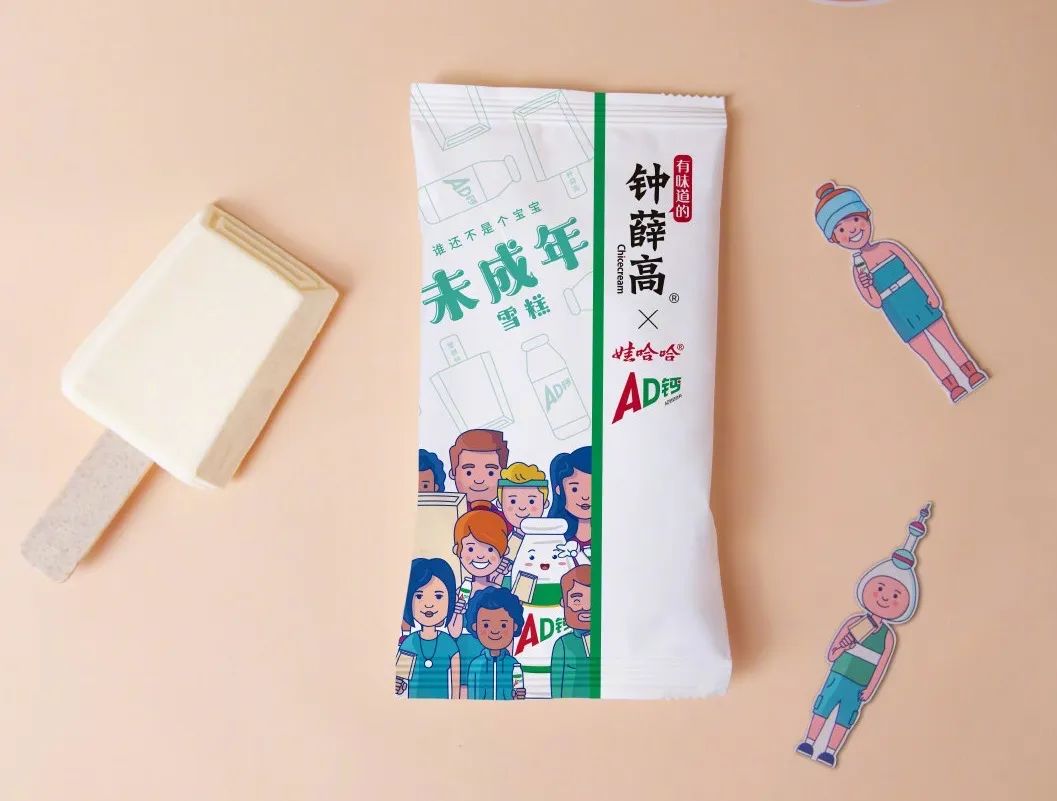
Ice cream maker Zhongjuegao has launched ‘ice cream for non-adults’ in 2019. It is fortified with vitamins A and D and calcium, as many drinking milk products in China.

Does it work?

So is a public nutrition policy like that of the Chinese government more effective that the propaganda to eat well policy of most Western governments? So far, no comparative research has been conducted. My personal impression (I have been involved in a global market survey concerning public nutrition) is that big city dwellers in China or West Europe usually have few nutrition problems. They have the knowledge about nutrition and have access to nutritious food ingredients. The difference could be in the poorer regions on those countries and the entire globe. It does make sense to add nutrients to staple foods or food ingredients that are used in most households.

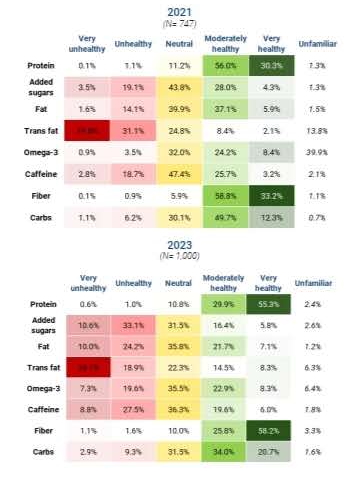
Here are some of the results of market surveys about the perception of the nutritional value of several foods and food ingredients in 2021 and 2023.

And here is a table showing the nutritional perceptions of food (groups) in 2024.

The influence of nutritional education is most clearly visible in the consumption of supplements among Chinese consumers (2024).

Peter Peverelli is active in and with China since 1975 and regularly travels to the remotest corners of that vast nation. He is a co-author of a major book introducing the cultural drivers behind China’s economic success.

Food companies in China’s top 100/500

The list of the 2014 Top 500 Chinese enterprises in terms of turnover included the following food and beverage companies.

Rank Company Turnover 2013(RMB bln) Business
84 COFCO 189.05157 Food in general, see our blog on COFCO vs Nestle
94 Bright 159.38217 Dairy
165 Wahaha 78.27856 Beverages
168 New Hope 77.89271 Dairy
195 Wuliangye 63.09445 Spirits
253 Yili 47.77887 Dairy
257 Shuanghui 47.20541 Meat
299 China Salt 39.82552 Salt
307 Luzhou Laojiao 38.53574 Spirits
321 Zhengbang 36.04589 Meat, poultry
330 Wens 35.18706 Meat, poultry
337 Moutai 34.62301 Spirits
407 Qingdao 28.29098 Beer
430 Xiwang 27.12007 Corn processing
451 Weiwei 26,18069 Soybean milk
470 Daohuaxiang 24,86100 Spirits, beverages
482 Hope-Full 24,11415 Soybean processing

The two companies in the top 100 are both state owned enterprises that have succcessfully adapted to the new economic reality in China. Still, the second two are private enterprises.

Spirits remains the best represented type of business with four companies on this list. If we broaden the scope to alcoholic beverage in general, we can add Qingdao and COFCO (Great Wall Wine) as well, to make 6 out of 17 companies.

However, as Mengniu Dairy is now a subsidiary of COFCO, the current list also de facto comprises 4 dairy companies, 2 of which are in the top 100.

You may want to compare this list, which is based on the 2013 turnover, with the list of the Top Food Companies of 2014, which ranks the enterprises according to their estimated brand value.

Food & Beverage in China’s 2017 top brands

The 2017 China Top 100 brands have been published late May. I have extracted a sublist of the food and beverage companies in that list and simply add it to this blog, so we can compare the results with the situation of 2014. First the list.

Rank Brand Industry
6 Moutai spirits
9 Wuliangye spirits
19 Yili dairy
21 Mengniu dairy
25 Wahaha beverages
64 Chef Kang noodles
67 Shuanghui meat
73 Luzhou Laojiao spirits
74 Tsingtao Beer beer
80 Bright dairy
84 Kouzijiu spirits
85 Junlebao dairy
92 Huiyuan fruit juice
93 Changyu wine
95 Gujing Gongjiu spirits
96 Yingjia spirits
97 Daoxiangcun pastry
98 Quanjude Peking duck

Spirits stand out as the leading industry with 6 out of 18 brands in the national Top 100. Dairy is the runner up with 4. Quanjude is a restaurant chain rather than a manufacturing company, but it also markets vacuum packed ducks ready for consumption. Regular readers of the blog will recognize most of the names. Don’t hesitate to use the Search function to look for more information of each company in other posts.

Almost all companies have rising dramatically, in particular Moutai. Three years ago, only 3 F&B companies were included in China’s top 100, now 18. This corroborates what has been said about the Chinese food industry in numerous recent publications: it is rapidly becoming a pillar of the national economy.

Peter Peverelli is active in and with China since 1975 and regularly travels to the remotest corners of that vast nation. He is a co-author of a major book introducing the cultural drivers behind China’s economic success.