
In 2011, China’s sesame production was 457,600 mt. The overall sesame demand showed a fluctuating growth trend. In 2022, China’s sesame demand reached 1,461,100 mt, significantly higher than domestic production. China’s sesame planting area in 2021 reached 285.4 thousand hectares, a slight decrease from 292.07 thousand hectares in 2020
Overview
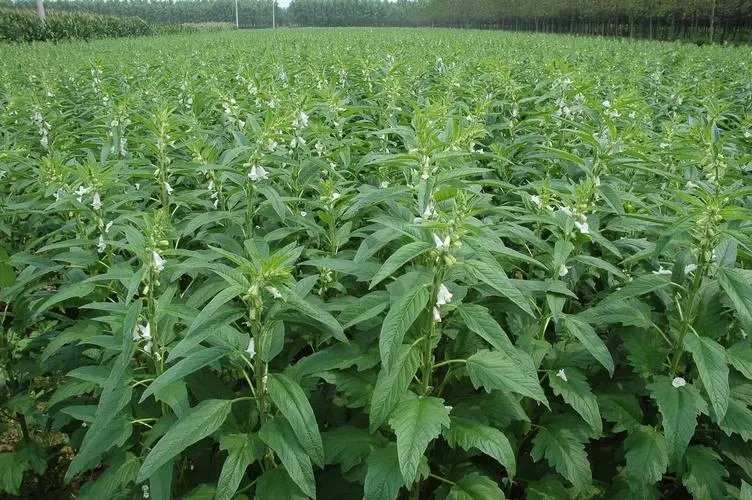
Sesame is an annual herb found mainly in tropical and some temperate regions of the world. Sesame seeds are an ancient species that has been cultivated for more than 5000 years. According to legend, it was introduced to China from the Western Regions during the Western Han Dynasty. Sesame seeds are one of the main sources of edible oils in China, with an oil content of up to 45% – 63%. Sesame seeds are rich in protein and unsaturated fatty acids, which have a high nutritional value. At present, domestic sesame is mainly used for the production of sesame oil, and its processing technology mainly includes water substitution, pressing and the enzymatic process, of which water substitution method is China’s traditional sesame processing sesame oil method. The water enzymatic method is a new extraction process with good prospects.
Sesame paste is the most important condiment in Chinese hot pot meals. It is the base of the condiment mix in which you dip the boiled food, before eating it.
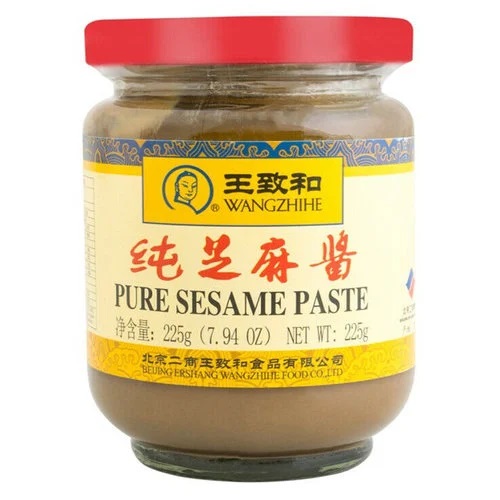
Wangzhihe sesame paste, one of the oldest brands of this product
Innovating with sesame
Sesame may be a very traditional product, its flavour keeps attracting even the young and hip consumers. Late 2023, coffee chain M Stand Coffee launched sesame latte. Chinese have a sweet tooth and most like their coffee sweet. So, why not use sesame as a sweetener and create a novel flavour at the same time?

The sesame value chain
In the sesame value chain situation, upstream mainly consists of sesame seeds, pesticide fertilizers, nutritional supplements, land, farmers and agricultural machinery, etc. The middle stream is mainly about the growing of sesame. The current overall domestic sesame planting is rather scattered. Downstream includes various sesame products: sesame oil, sesame paste, complex protein powder, etc. China’s sesame processing enterprises are mainly small individual workshops. There are only five brands with an economy of scale (Jinlongyu (COFCO), Totole, Dingzhi Food, Nanfang Black Sesame and Ruifu Oils. With the continuous expansion of downstream sesame applications, all kinds of snack foods including sesame are gradually increasing, which is expected to drive the continuous growth of sesame demand. In the future, sesame research and processing will gradually extend to fine chemicals, cosmetics and medicine.
Sesame processing
As a high value cash crop, sesame seeds have a wide range of application. Its fields of application can be divided into: oil, food, industrial, medicinal, and feed. In terms of the current situation of supply and demand of sesame seeds in China, the output has been stable at about 350,000 – 500,000 mt for many years. In 2022, China’s sesame production was 435,300 mt, up from 457,600 mt in 2021. The overall sesame demand shows a fluctuating growth trend. In 2022, China’s sesame demand reached 1.4611 ml mt, significantly higher than domestic output. The remaining demand needs to be fulfilled through imports.
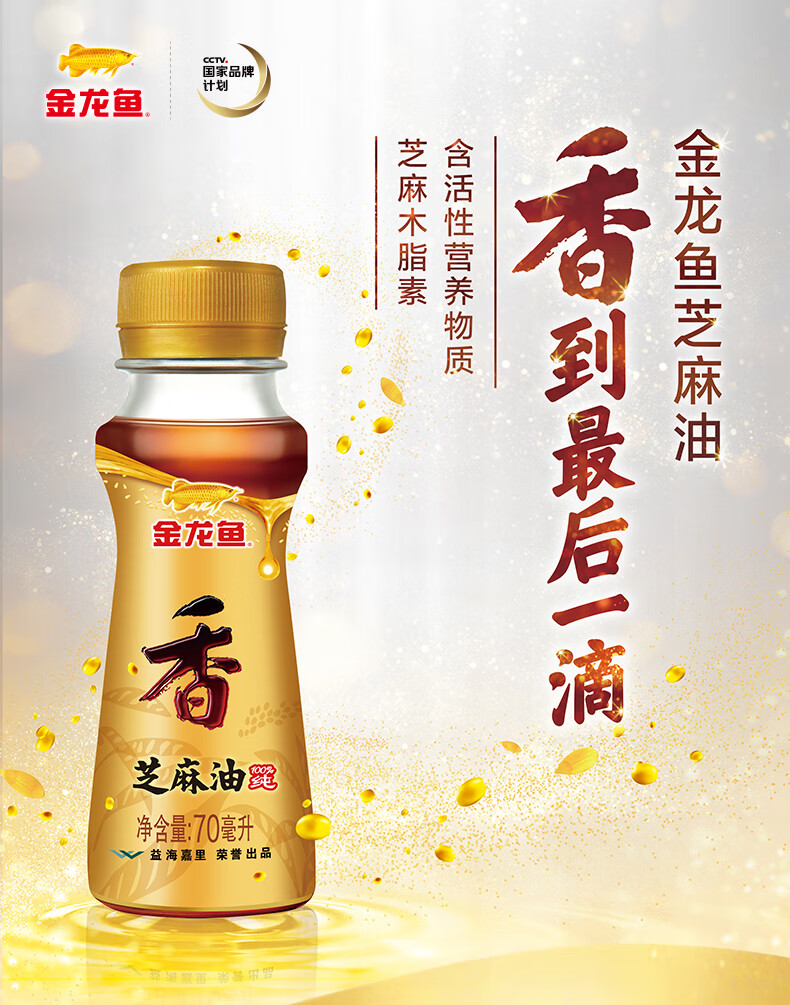
Jinlongyu sesame oil
Impex
China’s sesame imports increased from 389,300 mt in 2011 to 1,173,500 mt in 2021. Imports in 2022 were repeatedly affected by the pandemic, combined with high prices. China’s sesame imports fell slightly to 1,070,900 tons in 2022. China’s sesame exports in 2021-2022 were 46,900 mt and 45,100 mt, respectively.
Peter Peverelli is active in and with China since 1975 and regularly travels to the remotest corners of that vast nation. He is a co-author of a major book introducing the cultural drivers behind China’s economic success
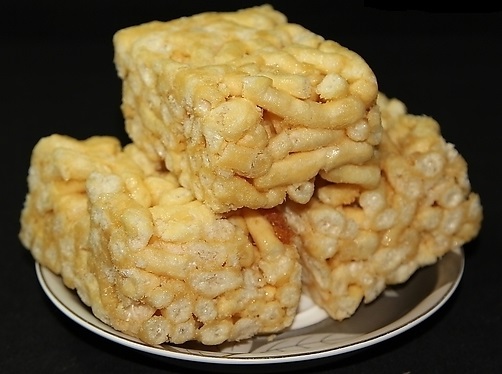


 Peverelli on Chinese food and culture