The Growth of China’s Tonic Wine Industry

In 2022, the production and sales of Chinese tonic wine reached 5,896,000 and 5,893,000 hls respectively. The average price increased to RMB 0.61/hl in 2022. The value of China’s tonic wine market reached RMB 35.678 billion, of which medium and high-end accounted for about 49.10%, and low-end for about 50.90%.

Overview

Tonic wine is part of traditional Chinese medicine (TCM). It is prepared by soaking Chinese herbal medicines in distilled liquor, rice wine or other alcoholic beverages to extract the active ingredients of the herbs. Tonic wine is commonly used in TCM to treat specific diseases or symptoms, or for strengthening the health and immune system of the body. The preparation method and composition of tonic wine varies according to different formulas and uses. TCM generally divides tonic wine into nourishing tonic wine, blood circulation and stasis tonic wine, anti-rheumatic tonic wine and aphrodisiac tonic wine.
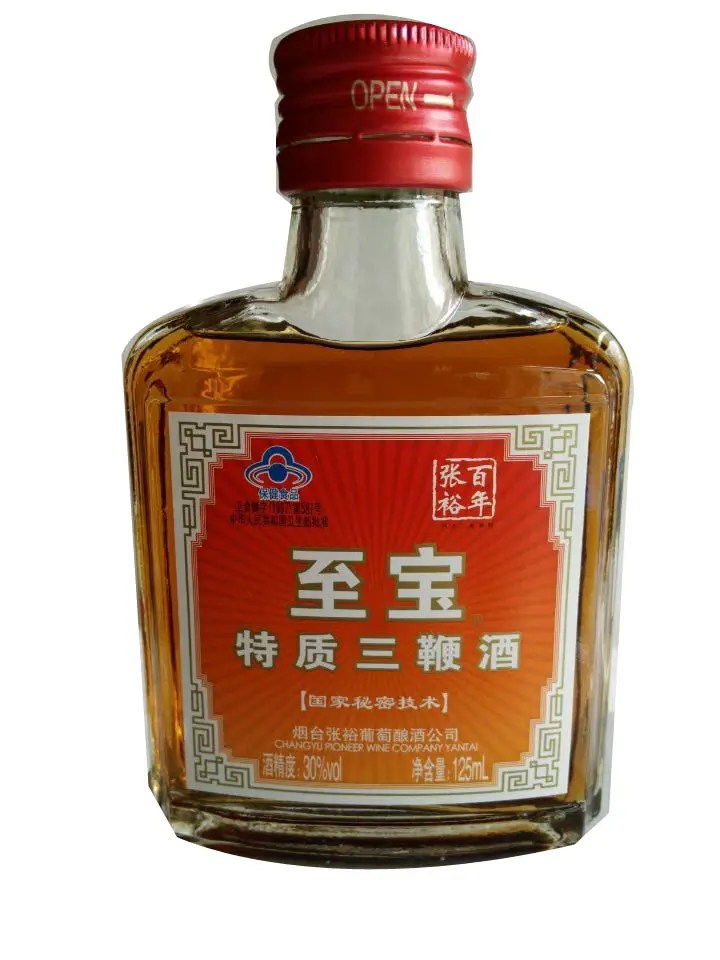
Zhangyu’s Three Wip Wine

Industry

China’s tonic wine industry has experienced a development process from traditional to modern, gradually moving towards the international market. Chinese tonic wine is becoming more and more popular in overseas Chinese communities and people interested in TCM. At the same time, the Chinese government has strengthened the supervision of the tonic wine industry by introducing relevant regulations and standards to ensure product quality and safety.

The value chain of tonic wine includes Chinese medicinal materials, liquor, rice wine, etc. China’s TCM materials and liquor production have a long history. Both belong to China’s traditional industries. In 2022, China’s TCM materials production reached 5.21 million mt and liquor production completed 67.12 mln hls.

The competitive landscape

Well known brands in the China’s tonic wine industry include: Zhangyu three whip wine (whip refers to an animal’s penis, the main ingredient of aphrodisiac wines), Guling Shenjiu, deer whip wine, Tongrentang, Ningxia Xiangshan Goji Wine, Zhizhonghe, Golden Wine. On the whole, the market concentration of China’s tonic wine industry is low, with a large number of small players.
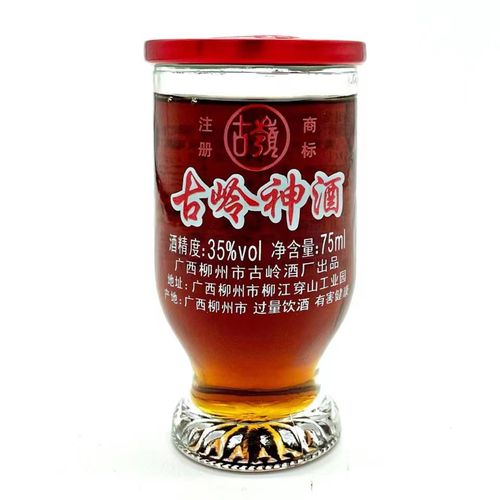
Guling Shenjiu

Development

Tonic wine originates from the oriental TCM culture. Therefore, so far, the Asia is still the world’s largest tonic wine production and sales area. The Asia-Pacific tonic wine market accounts for more than 85% of the global market. However, with the continuous integration of Eastern and Western cultures, tonic wine is gradually accepted by Western countries. In recent years, the global tonic wine industry has developed rapidly. In 2021, the global tonic wine industry market size exceeded USD 6 billion, and it is expected to exceed USD 7.3 billion in 2023.

Peter Peverelli is active in and with China since 1975 and regularly travels to the remotest corners of that vast nation. He is a co-author of a major book introducing the cultural drivers behind China’s economic success

The Chinese health food market in 2023

Health food has been one of the fastest growing food industry sectors in China for many years. However, the COVID-19 pandemic has fastened the growth even more. The number of newly registered health food companies increased from 2,985 in 2017 to 13,893 in 2022. 2,082 new companies were registered in the first two months of 2023.

The following table shows the annual number of newly registered companies per year from 2017 up to the first two months of 2023.

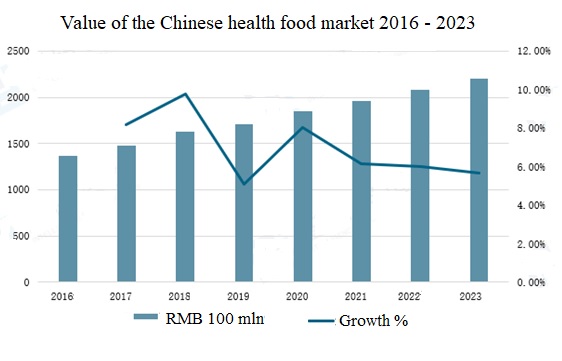
The total value of the Chinese health food market in 2023 is estimated at 219.7 billion. The following table shows the development of this key figure from 2016 to 2013.

Peter Peverelli is active in and with China since 1975 and regularly travels to the remotest corners of that vast nation. He is a co-author of a major book introducing the cultural drivers behind China’s economic success.

Exploring Popular Chinese Herbal Teas and Their Benefits

I have discussed herbal teas in earlier posts, in particular Wanglaoji. Recently, a number of similar drinks, based on a variety of traditional Chinese medicinal herbs, have appeared. Possibly under the influence of the ‘national trend (guochao)’, young Chinese consumers are started to drink these beverage in a similar way as we (some of us) eat their daily handful of supplements.

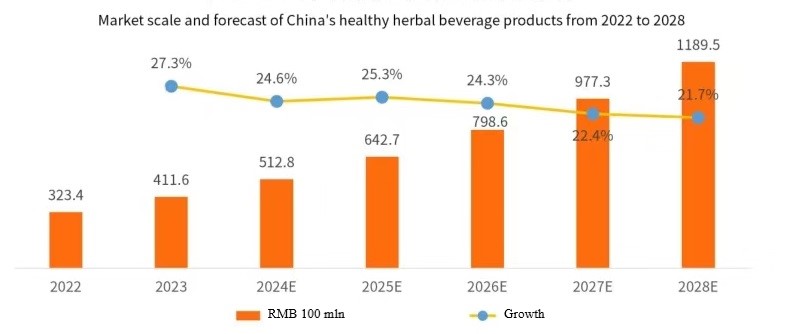
The following table shows the development of this market in recent years and estimates for the near future.

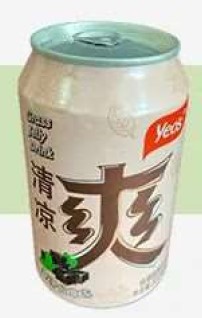
I will introduce the most popular ones in this post, including their lists of ingredients. This lists show a broad variety in naturalness. The header of each product consists of the producrer and the product name.

Yangxiecheng – Chinese mesona beverage

Ingredients: water, sugar, Chinese mesona, distarch phosphate.

Genki Forest – Qiancha

Ingredients: concentrated maize juice (water, baked maize), concentrated maize tassel juice (water, maize tassel), maize tassel powder, glutinous rice powder, VC, sodium bicarbonate, food flavour.

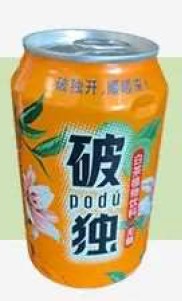
Podu – white tea beverage

Ingredients: water, white tea, concentrated oolong tea, alginose, vine tea, orange peel, acesulfame-k, food flavour.

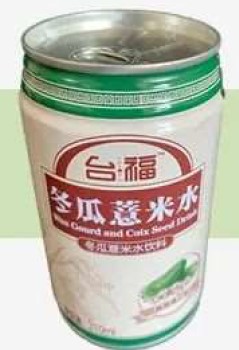
Taifu – Wax gourd job’s tears water

Ingredients: water, sugar, job’s tears powder, concentrated wax gourd juice.

Wanshoukang – Dendrobium drink

Ingredients: water, erythritol, dendrobium devonianum.

Zuixi – Almond tea beverage

Ingredients: water, almonds, erythritol, rock sugar, resistant starch, red dates, monkfruit, stevia.

N12 – Tangerine peel white tea beverage

Ingredients: water, erythritol, polydextrose, tangerine peel, white tea.

Renhe – Honeysuckle Dew

Ingredients: water, sugar, glucose syrup, honeysuckle, chrysanthemum, mint, VC, acesulfame-K, food flavour.

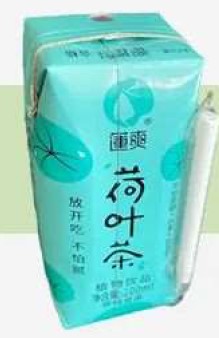
Lianshuang – Lotus leaf tea

Ingredients: water, rock sugar, lotus leaves, chrysanthemum, honeysuckle.

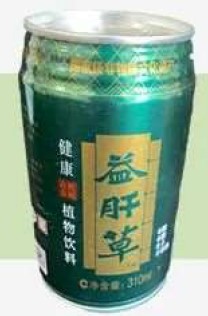
Guizhou Miao Girl – Yigancao drink

Ingredients: water, Houttuynia cordata (chameleon plant), taraxacum mongolicum, gardenia, red raspberry, kuding tea, arrow root, goji, date, liquorice.

Eastern God – Cordyceps Beverage

Ingredients: water, alginose, isaria sinclairii, goji, cordyceps, chrysanthemum, hibiscus.

Peter Peverelli is active in and with China since 1975 and regularly travels to the remotest corners of that vast nation. He is a co-author of a major book introducing the cultural drivers behind China’s economic success.