Where is the world’s largest instant noodle production base?

Most Chinese will immediately guess: Henan.

Hebei

According to the statistics, the output of instant noodles in Henan Province accounts for nearly 33% of the country. However, this output is distributed in the instant noodle industrial belt from Xinxiang in the north to Luohe in the south. If the scope is narrowed down to cities and counties, the most concentrated place of the instant noodle industry is actually not Henan, but a county called Longyao in Xingtai City, Hebei Province. It is the home of Jinmailang.

Longyao

As a large grain-producing county in Hebei Province, Longyao has become the world’s largest instant noodle production base driven by leading enterprises. Longyao is an agricultural county that mainly relies on wheat cultivation.
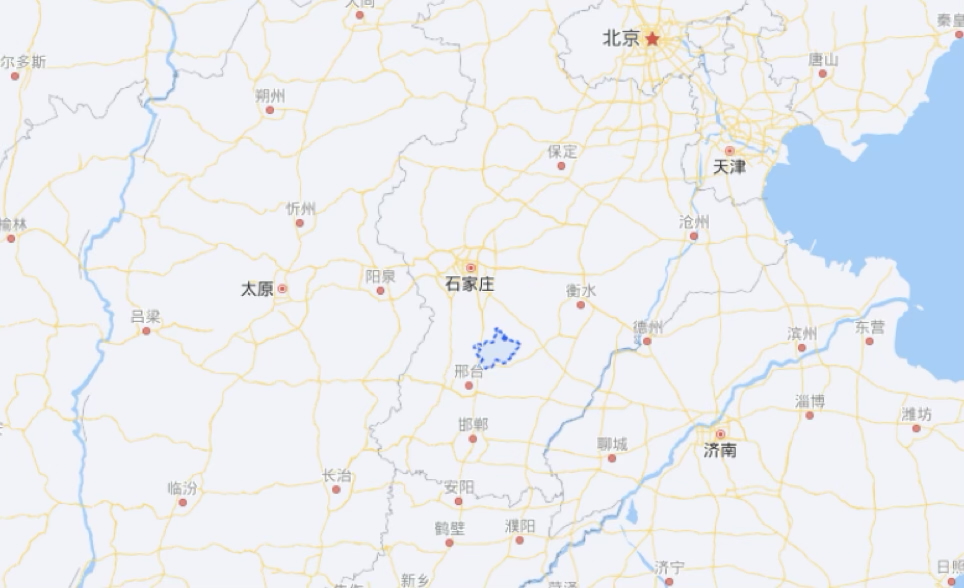
Regional location of Longyao County

However, it is in this small county the nation’s instant noodles production started. It gave birth to the richest man in China’s instant noodle industry and became the world’s largest instant noodle production base with an annual output of 14 billion packs of instant noodles. It was founded by Longyao people themselves, rooted and developed in Longyao. Now it has become a local brand of Longyao that is on an equal ar with Master Kong and Uni-President: Jinmailang.

Hurun

In the ‘2022 Hurun Top 100 Chinese Food Industry List’, Jinmailang ranked 48th (Chef Kong ranked 25th). In terms of value changes, other enterprises on the list either have negative growth or double-digit growth at most, while the year-on-year growth of Jinmailang has reached an amazing 126%, becoming the enterprise with the fastest value growth rate on the list. Jinmailang’s annual production capacity is 12 billion packs of instant noodles. It processes 5500 mt of wheat per day and 1.8 mt mt p.a., it ranks in the top six in its industry in the world and the top three in China. When we add the capacities of other related enterprises in Longyao, the regional annual production capacity of instant noodles is as high as 14 billion.

Pillar of the local economy

Jinmailang’s instant noodle production has long realised intelligent automatic production. The Longyao food industry, which is driven by instant noodles, has an annual revenue of more than RMB 17 billion and the more than 100 food manufacturing and supporting enterprises in the county contribute one-third of Longyao’s total profit, which makes it a proper pillar of the local economy. Longyao is also the world’s largest production base for paper containers and bottle caps.

Beginning

In 1992, Wei Yingzhou, a Taiwanese businessman, founded Dingyi Food in Tianjin, and Chef Kong instant noodles soon became popular in China. In this year, Fan Xianguo, a native of Longyao, took the money saved from running a small workshop and partnered with more than a dozen people to form the Tianshuai Group to produce single-crystal rock candy. Chef Kong’s popularisation made Fan Xianguo see the huge market for instant noodles, but the partners did not agree to do this. Therefore, in 1994, Fan Xianguo took a few people to establish Hualong Group. This time he got the decision-making power. An instant noodle giant who can be equal to Chef Kong in the future was born.

Rural market

At that time, Chef Kong and Uni-President were aiming at the urban market. There was no way to sell it in the countryside at all. They could only see some mixed brands, even instant noodles without packaging. From the start, Hualong targeted the blank area of the rural market. A strategy they had learned from Mao Zedong. An important contributor to the success of the Communist Party was the strategy to ‘let the countryside encircle the cities’. Its first instant noodles was called ‘Hualong Noodles’, which focussed on cheap and affordable. The advertisement of ‘Hualong noodles, you see them every day’ was painted all over the walls of rural areas. Hualong instant noodles also quickly occupied the rural market. In just three years, Hualong began to aim at the national market.

National

In 1997, Hualong established more than 600 sales networks in more than 20 provinces and began its own plan to occupy the instant noodle market north of the Yangtze River. At this time, Wang Lushan, Fan Xianguo’s hometown, was also an agent of Hualong Group in Gansu. He followed Hualong Market all the way, made a lot of money, and also had the idea of working for his own account. In 1999, Longyao’s second brand that stirred up the national instant noodle market was born. Wang Lushan, who was familiar with the old owner’s products and routines, established Zhongwang Group. With two brands of instant noodles, he quickly became a brand that was higher than Hualong in the rural market at that time. In 2000, it achieved sales of RMB 100 mln, and two years later, it became one of the top five instant noodles in China.

Jinmailang

Around 2000, the sales of Hualong instant noodles began to grow rapidly. In that year, Fan Xianguo gave up the Hualong trademark and launched a new brand ‘Jinmailang’. Jinmailang cooperated with Nissin Group (Japan), a global boss leader in instant noodles, and became the world’s largest noodle-making enterprise at that time. Subsequently, it launched the new-tech instant noodle brand Dajinye.

Wugu Daochang

On Wang Lushan’s side, he found the marketing director of Hualong before, began to cooperate with Chef Kong, and then launched a new non-fried instant noodle brand Wugu Daochang. Wugu Daochang did very well. In 2006, it also achieved annual sales of RMB 2 billion. That year, Zhongwang also topped the top 100 Chinese enterprise growth list with a growth rate of 2003%. After that, although Wang Lushan’s Zhongwang Group declined due to blind expansion, Longyao’s instant noodle industry and other related supporting industrial chains rose rapidly because of this competition between, what was locally referred to as: ’two dragons fighting’.

Decline and back

Since the 1990s, China’s instant noodle industry has been booming, and the turnover has increased for 18 consecutive years. However, since 2013, the instant noodle industry has begun to go downhill. The reason is very simple. 2012 was the first year of the rise of China’s takeaway industry. The fierce battle of Meituan, Eleme, Dianping and other platforms in this year’s ‘thousand-group war’ made instant noodles ‘out of favour’ from people’s list of instant foods. In fact, any food became instantly available. With the upgrading of the consumer market and the consideration for a healthy, nutritious and balanced diet, instant noodles were no longer a must or even an option for many people to pursue a convenient diet. It was not until the pandemic that the instant noodle industry showed signs of rebound again. According to the statistics, the market size of China’s instant noodles in 2018 was RMB 103.9 billion, and it increased to RMB 182.38 billion in 2022. It is estimated that by 2025, the market size will reach RMB 231.23 billion.

Innovation

Technological innovation is an important driver behind the continuation of the status of Longyao as China’s top instant noodles base. As early as six years ago, Jinmailang was selected as one of the top 10 innovative food companies in China in 2018 with 926 patents, together with the top international food groups of Mars, Pepsi and Starbucks. At the beginning of 2022, Jinmailang announced that it had completed a financing of RMB 600 million from investor Jiahua Capital.

Peter Peverelli has been actively involved in and with China since 1975 and frequently travels to the most remote regions of that vast nation. He is a co-author of a substantial book that explores the cultural factors that have contributed to China’s economic success. Peter has been involved in the Chinese food and beverage industries since 1985.

China’s Emerging Hamburger Industry

The hamburger, a fast food originating in Europe and the United States, has gained global popularity. Typically composed of a halved bun, meat, vegetables, sauces, and other ingredients, it has become a cornerstone of Western fast food.

The hamburger industry in China emerged from Western fast food, initially introduced by brands like KFC and McDonald’s. In recent years, driven by the accelerated pace of life and the growing demand for fast food, Western fast food has experienced rapid development in China. Hamburgers serve as the defining component of Western fast food, attracting consumers through their status as a ‘signature product’.

Chinese hamburgers have demonstrated strong market appeal and substantial development potential, solidifying their position as one of the most dynamic categories within the Western fast food industry in China. Brands like Tastien, at the forefront of this development, promote a fusion of Western and Chinese flavours, effectively capturing the ‘Chinese stomach’ through the combination of Chinese flavour and Western standards.

Statistics indicate that in 2024, China’s Western fast food market generated approximately RMB 298.3 billion, with the hamburger market comprising approximately RMB 32 billion. It is projected that in 2025, the Western fast food market will expand to RMB 330 billion, while the hamburger market will reach RMB 44.5 billion. This growth trajectory is anticipated to persist in the subsequent years.

Classification of the Hamburger Industry

Chinese marketeers categorise hamburgers on the type of meat patty:

– Beef burgers

– Chicken burgers

– Fish burgers

– Plant-based burgers

– Other meat burgers; including (Peking) duck burgers; McDonald’s once offered a limited edition of a spam burger with Oreo crumbs in China.

And also by style or region:

– American classic burgers

– Japanese burgers

– Australian and New Zealand burgers

– Mexican-style burgers

– High-end gourmet burgers

The hamburger industry chain

The hamburger industry in China comprises several stages: upstream, middle, and downstream. The upstream sector primarily involves beef, chicken, fish, vegetable meat, and other meats, along with wheat flour, yeast, sugar, oil, lettuce, tomatoes, onions, sauce, cheese, food additives, and other raw materials. Additionally, cold chain transportation and other industries are included. The middle section comprises hamburger brand operators. The downstream sector comprises offline stores and online platforms.

Typically, beef is used in hamburgers, but many Chinese consumers prefer chicken. Furthermore, with the improvement of Chinese consumers’ living standards and the acceleration of their development, they have increasingly prioritised the quality of their diet. Consequently, chicken is perceived as healthier than beef. Chicken production has maintained a steady growth trajectory. In 2024, Chinese chicken production amounted to approximately 15 million metric tons.

The Chinese hamburger industry caters to a diverse consumer base, encompassing individuals of various ages and socioeconomic backgrounds. Notably, young people, particularly teenagers, constitute a significant consumer segment. In 2024, the total population of China was 140.28 million, comprising 943.5 million urban dwellers and 464.78 million rural citizens.

The competitive landscape in the Chinese hamburger market is characterised by several major enterprises. Notably, international fast food chains such as McDonald’s, KFC, and Burger King dominate the market. These leading international fast food brands have set the objective of accelerating the expansion of their stores and cultivating the Chinese market.

In response to the accelerated expansion of Western fast food, the development pace of local Western fast food brands in China has not been hindered. These brands continue to establish themselves in first- and second-tier cities, further intensifying their market presence. Currently, the prominent brands of Chinese hamburgers include Wallace, Tastien, Happy Star Hamburger, Pale Hamburger, Midberg Halal Burger, Malezi Burger, Manlido Fried Chicken Burger, and others.

Various Chinese burgers offered by Tastien; including beancurd burgers, chilli chicken burgers, etc.

Traditional ingredients adapted for hamburgers

An interesting spin-off of the development of Chinese-style hamburgers is that some manufacturer of traditional ingredients have note this a new business opportunity. China’s leading producer of fermented beancurd (furu), Wangzhihe, has developed a version of this condiment for the use on hamburgers. Indeed, shouldn’t Chinese hamburgers be seasoned with Chinese flavours? Follow the link in this paragraph to read more about furu.

Slow Boat: beer + hamburgers

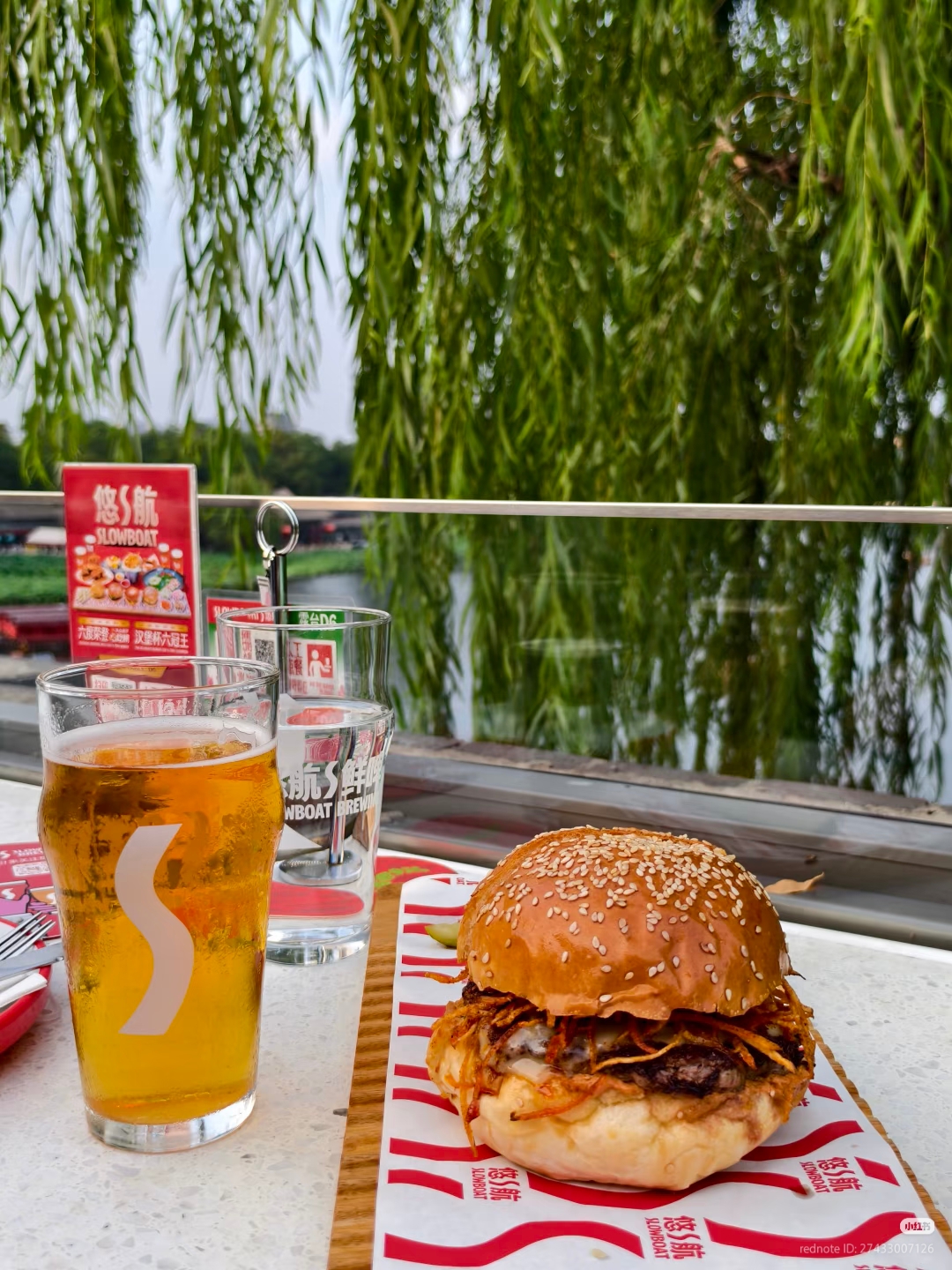
Slow Boat Brewery, a Beijing-based craft brewery, was founded in 2011 by Chandler Jurinka and Daniel Hebert. It started as a small pilot brewery in the mountains outside Beijing and has grown to become one of China’s largest craft brewers by production capacity. The brewery is known for its small-batch, creative beers and its dedication to promoting the Chinese craft beer movement. Its outlets also serve a broad range of hamburgers. Both the beer and the accompanying food tries to gear to the Chinese palate while also retaining a sufficient degree of foreignness.

Peter Peverelli has been actively involved in and with China since 1975 and frequently travels to the most remote regions of that vast nation. He is a co-author of a substantial book that explores the cultural factors that have contributed to China’s economic success. Peter has been involved in the Chinese food and beverage industries since 1985.
How Local Brands Challenge Coca Cola’s Dominance in China

Undoubtedly, Coca Cola is the top-selling soft drink globally. Introduced in 1886, it has become a household name in over 200 countries. However, its immense popularity has also made it the most imitated drink worldwide. We’re all familiar with the rivalry between Coca Cola and Pepsi.

Introduction to China

Coca Cola arrived in China at a time when Chinese were eager to experience the delightful products of Western fast food imagination they had read about but yet to taste. KFC’s hot wings were an instant hit, but the introduction of Coca Cola in China didn’t go as smoothly. Initially, Chinese consumers found the taste reminiscent of medicine. Indeed, the typical cola flavour bears a resemblance to some traditional Chinese medicinal (TCM) potions. Interestingly, both colas were perceived as medicines from the late 19th century onwards. In fact, some Chinese food authorities were hesitant to make the beverage accessible to consumers of all ages, concerned about potential harm to children. However, these initial obstacles soon vanished, and Coca Cola gained immense popularity in China, just like anywhere else.

Imitations

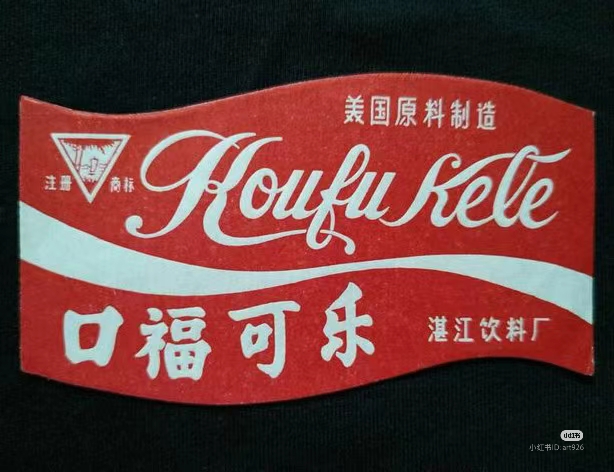
It was only a matter of time before the Chinese imitation industry began churning out one local cola after another. Most of these attempts failed and were short-lived, while a few managed to gain traction and survive for some time. The leading imitation is Future Cola by Wahaha Group, a prominent beverage manufacturer headquartered in Hangzhou, Zhejiang. Wahaha began producing its own cola in 1998. Feichang Kele (literally ‘Extraordinary Cola,’ translated into English as Future Cola) closely replicated the colors and other features of Coca Cola. Leveraging Wahaha’s extensive distribution network, Future Cola dominates rural China and its second- and third-tier cities. In 2003, its sales amounted to a staggering 620 million liters.

Wahaha’s advertisements adopt a nationalistic tone. For instance, their copy promotes Future Cola as “Chinese people’s own cola,” encouraging consumers to choose it over Coke or Pepsi. This aligns perfectly with the nationalist trend (guochao) of the 2020s. Future Cola’s focus on rural areas contributed to its high penetration at lower costs. Additionally, it leveraged celebrity advertising to enhance its brand image. Its penetration pricing made it an affordable alternative to its rivals, especially in more price-sensitive rural regions.

A major brand is Tianfu Cola, produced in Chongqing, has gained a new herbal flavour thanks to the cooperation of a domestic time-honoured brand. Tianfu Cola has a history of over 40 years and is a taste memory for several generations of Chinese people. Because of the herbal ingredients in the drink, some consumers even used to consider the cola as a ‘remedy’ for colds back in the day. Its secret lay in a special formula, which drew on traditional Chinese medicine and added several herbs, such as white peony root and Chinese angelica. Upon its launch in 1981, Tianfu Cola quickly won the favour of consumers, with annual sales reaching over 200,000 metric tons, accounting for about 75% of China’s cola consumption.

In 2021, Tianfu Cola upgraded its packaging design, brand positioning and marketing strategies, and added more healthy herbal plants to create a unique Chinese cola.

In the remainder of this post, I aim to analyse various local cola brands across different categories.

Fruit: To address the medicinal taste issue, several manufacturers introduced fruity flavours to their colas. Examples include orange cola, blackcurrant cola, and purple plum cola.

Orange Cola
Blackcurrant Cola
Purple Plum Cola

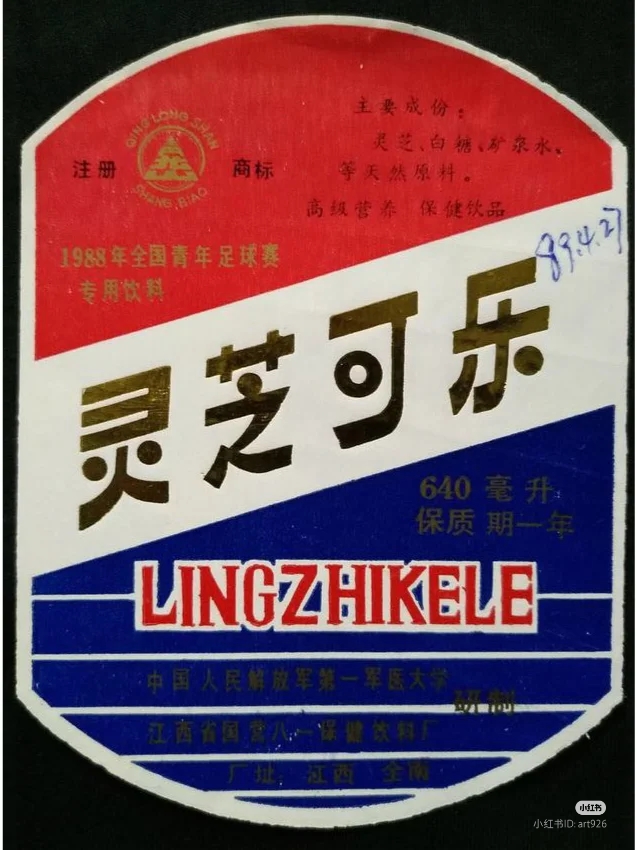
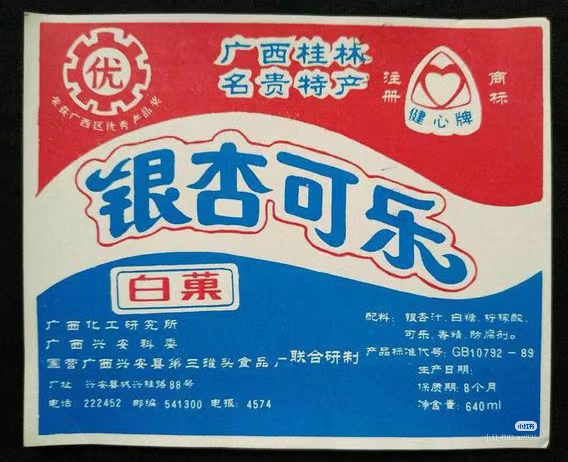
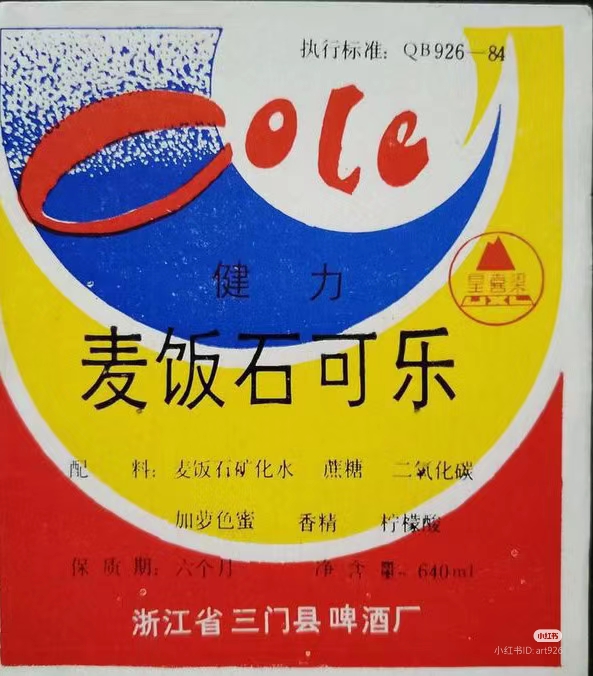
Medicine: Other producers capitalised on the medicinal aspect and incorporated TCM herbs into their colas, positioning them as health beverages. For instance, Lingzhi Cola (lingzhireishi – the ganoderma fungus), gingko cola, and maifanshi cola (maifanshi is a stone rich in minerals) are among these products.

Lingzhi Cola
Gingko Cola
Maifanshi Cola

Nobility: Adding a touch of nobility to your drink can elevate its perceived high-end appeal. Brands like Empress Cola, High Fortune Cola, High Heaven Cola, and of course, the top-tier Future Cola exemplify this concept.

Empress Cola
High Heaven Cola
High Fortune Cola

Famous location: Some cola brands associate themselves with specific locations, adding a sense of place and identity to their products. Qingdao, a prominent port city in Shandong, is renowned for its Tsingtao Beer and Laoshan Mineral Water, which is also used to produce Tsingtao Beer. The region once produced its own Qingdao Cola and Laoshan Cola, but Qingdao Cola was not produced by the brewery but rather used that name to entice consumers.

Qingdao Cola
Laoshan Cola

A hint of Heineken

Kexi Cola

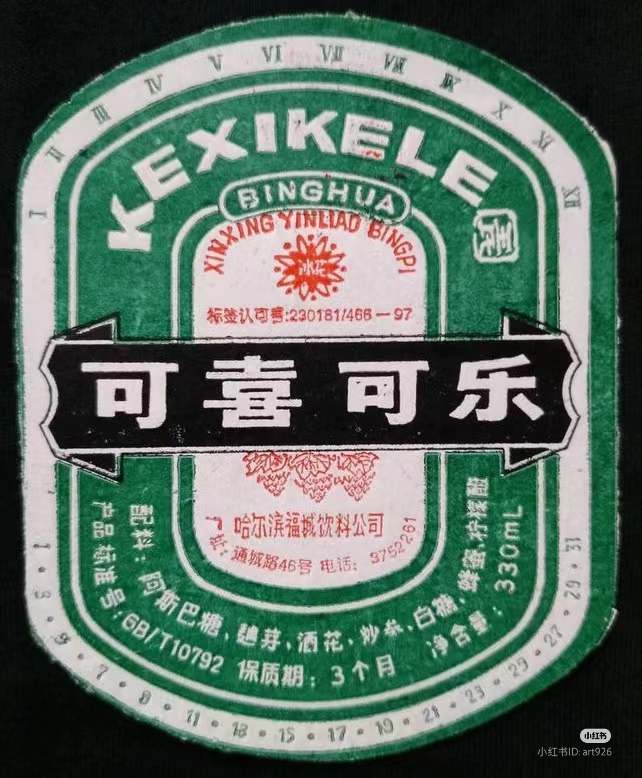
My favourite imitation cola has never achieved significant success, but the makers certainly put in their best effort. The brand name was Kexi Kele, which literally translates to ‘Happy Cola.’ However, this name subtly hints at Xili Beer, the Chinese name for Heineken Beer. A mere glance at the label reveals the striking resemblance. Kexi Kele was produced by a small brewery in Harbin, the capital of Heilongjiang. In today’s China, that combination of brand name and label would likely face challenges, but I can appreciate the initiative.

Vinegar Cola – a healthy choice (?)

This is a special type of Chinese Cola. It is produced in Shanxi province, where I found during a trip through that province in November 2024. Shanxi is famous for its vinegar, so it is no surprise to find this version of Cola there. Moreover, vinegar beverages like apple vinegar have been in vogue in China since around 2022 as health beverages.

This post does not encompass all Chinese imitation colas. I have compiled a list of 21 different labels, and I don’t exclude the possibility of adding more in the future. So, please keep an eye on this post for any future updates.

Peter Peverelli has been actively involved in and with China since 1975 and frequently travels to the most remote regions of that vast nation. He is a co-author of a significant book that delves into the cultural factors driving China’s economic success. Peter has been involved in the Chinese food and beverage industries since 1985.

2024 Catering Industry Innovation Report

In recent years, China’s catering industry has been growing continuously. In 2023, the recovery speed of catering far exceeded that of other commodity retail sectors, and the momentum will continue in 2024. According to the data of the National Bureau of Statistics, the national catering revenue was about RMB 3.5 trillion yuan, an increase of 6.6% year-on-year.

The scale of catering brands is increasing day by day, and the pace of chain-isation is accelerating. The proportion of brands with more than 100 stores is increasing year by year. Moreover, the scale of the takeaway market is about RMB 1.2 trillion, which has become an important growth engine of the catering market.

Background of innovation

  • Consumption upgrade: quality demand has improved, consumers pay attention to catering quality, experience needs are also diversified, and special theme restaurants are becoming more and more popular.
  • Intensification of competition: The competition in the industry is fierce, and cross-industry competition is also under pressure, which promotes the continuous innovation of catering enterprises.
  • Technological progress: The Internet and the application of intelligent devices bring new opportunities to the catering industry.
  • Cultural integration: Different cultural exchanges provide materials for catering innovation.
  • Popularisation of healthy eating: Consumers’ requirements for catering health are increasing.

Direction of Innovation and achievements

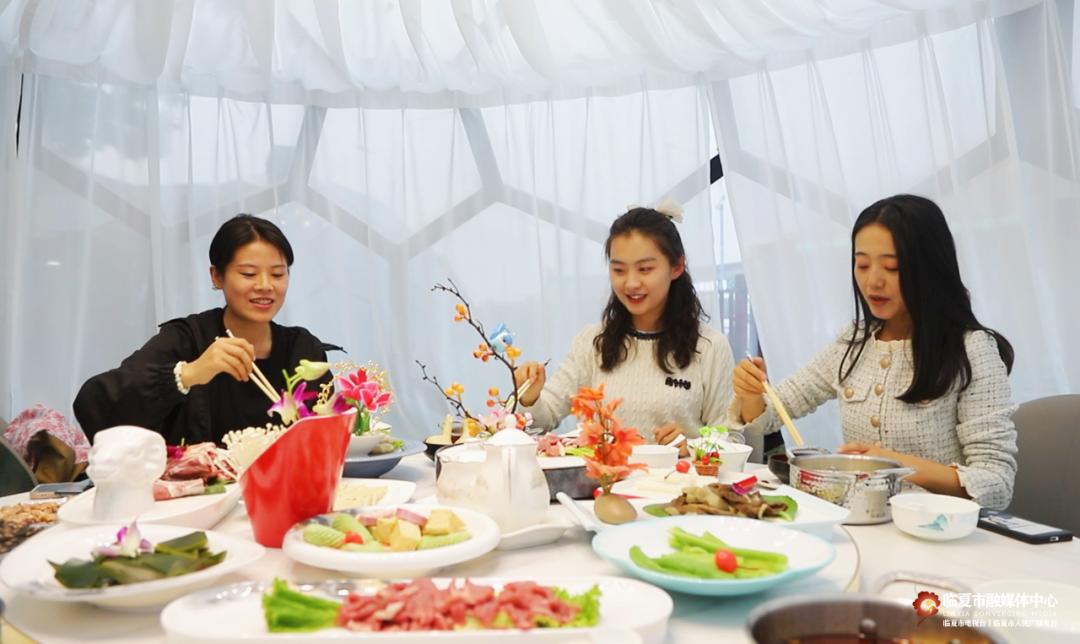
Diners enjoy healthy and colourful food at Fengxiyuan
  • Product innovation: integrating multiculturalism, combining scientific and technological elements, paying attention to healthy nutrition, and exploring special ingredients. There are excellent innovative restaurants such as Coucou Hot Pot, Taishan Food Festival, Fengxiyuan Restaurant, Western fast food brands, etc.
  • Service innovation: personalised services and intelligent services. The children’s meal service of Xibei Noodle Village, the convenience and innovation of hometown chicken, the diversified service of Naixue‘s tea, and the intelligent service of Haidilao and Hefu Noodles are all excellent.
  • Marketing innovation: social media marketing, experience marketing, cross-border cooperation. Tastin’s social marketing, the experience activities of hometown chicken and Xibei noodle village, and cross-border cooperation such as Laowang and Link are all very eye-catching.
  • Business model innovation: popularisation of dining + drinking mode, omni-channel model, new retail + catering model, special store model, introduction of catering in home stores, etc.

Future development trends and prospects

  • Business model and category development: the degree of chain-isation and branding has been improved, and the category has been subdivided and characterised by operation.
  • Consumption experience and service: omni-channel operation has become the norm, and scenario-oriented and immersive experience are favoured.
  • Product innovation and supply chain: healthy dish innovation, intelligent and digital supply chain management.
  • Market competition and industry pattern: the potential of market failure is huge, and the brand’s overseas exit is accelerating.

Conclusion: China’s catering industry is booming and continues to innovate. Catering brands actively seek change and constantly open up new paths. In the future, catering enterprises should keep pace with the times, continue to innovate, and meet the diversified needs of consumers. Super brand strategic consulting will also contribute to the prosperity and development of China’s catering industry.

Peter Peverelli is active in and with China since 1975 and regularly travels to the remotest corners of that vast nation. He is a co-author of a major book introducing the cultural drivers behind China’s economic success. Peter has been involved with the Chinese food and beverage industries since 1985.

Exploring China’s Bakery Ingredient Market Trends

The Chinese bakery business is booming, but the market is also extremely volatile. There is no better moment to enter the Chinese market for suppliers of any bakery ingredient than now.

I have collated a few statistics that are recent enough to give a rough impression of the size of the market.

The first table indicates the development of the value of the market and the projection of the near future.

Some interesting details about consumer behaviour:

  • Whether online or offline, women are still the main consumers of baked goods in China.
  • In terms of age, 70% of consumers are between the ages of 21 and 40.
  • In terms of price, consumers spending RMB 20 – 40 in a single consumption constitute the largest segment (35. 8%).

The next table shows the number of bakery shops in a selected group of major cities. This tells something about the geographic distribution. However, the smaller provincial cities currently show the highest growth.

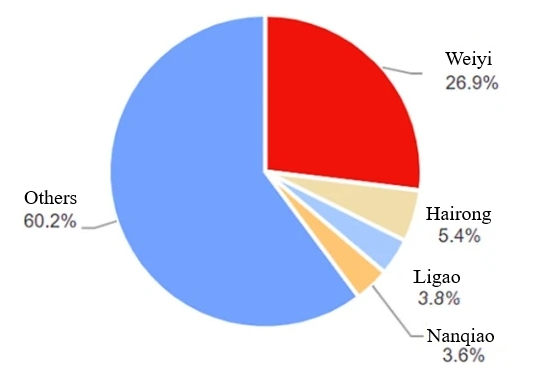
We should not forget the focus issue of this blog: food ingredients. This graph shows the major cream suppliers to the Chinese baking industry. As you can see, the market still consists of a few major brands and a large number of small suppliers.

You can find more information in earlier posts, e.g. about flour (improvers), baking enzymes, leading bakery Holiland, a small private bakery in Beijing, bread, and you can find more by using the search function in this blog (try pastry, cake, biscuit, etc.). Contact me for proprietary studies.

Peter Peverelli is active in and with China since 1975 and regularly travels to the remotest corners of that vast nation. He is a co-author of a major book introducing the cultural drivers behind China’s economic success. Peter has been involved with the Chinese food and beverage industries since 1985.

Zheng Guoyu: A Unicorn in healthy meals

This healthy food brand was founded 8 years ago, but in 2023 it already had an annual income of more than RMB 1 billion. This story, from entrepreneurship clubs for students to food companies with an annual turnover of more than RMB 1 billion, started with the wrong choice of study by the founder.

Zheng Guo, founder of Unicorn

Wrong study

At the time, Zheng Guoyu chose to study computer science. ICT was then a popular field and Zheng Guoyu made his choice without in-depth knowledge of the technology. Soon after enrolling, he discovered that he wasn’t interested in it, so he joined a club that played entrepreneurship games. Unicorn (Dujiaoshou 独角兽) was one of his entrepreneurial projects in that club.

Candy

In 2015, Zheng Guoyu’s first venture was based on the touristic popularity of his hometown, Xiamen, the major port city of Fujian. He created a special e-commerce platform to sell handmade sweets and souvenirs. According to Zheng Guoyu, a turnover of almost RMB 10 million was already achieved at that time. But he didn’t have a positive cash flow and wasn’t making a profit. However, he did gain a lot of experience at that time.

Light food

From the beginning, the Unicorn brand has been positioned in the market for what is known in China as Light Food (qingshi), which is a low-calorie, low-salt, sugar-and-fat food. The first product has achieved a turnover of more than RMB 60 million in 3 years. In 2022, the revenue was more than RMB 700 million, and the revenue for 2023 is estimated at RMB 1 billion. This growth will continue. According to Zheng, what is the driving force behind this rapid success?

Beauty parlour

Zheng sees the university as a ‘beauty salon’. Young people on the university campus are starting to pay attention to their bodies and clothes, and when Zheng Guoyu himself started at the university, he and his classmates also had a need for fitness and weight control. When they got their university gym card and tried to follow the coach’s instructions to start eating healthier, they discovered that there were few products to choose from on campus.

Internet

Preparing low-fat meals yourself was not realistic, as the use of electrical appliances such as refrigerators and hotplates was prohibited in university dormitories. Zheng Guoyu and his classmates therefore chose to buy light meals over the internet. They found that the unit price of chicken breast there was between RMB 150 – 200; A very student-unfriendly price. This unmet need presented a commercial opportunity.

Small portions

Starting from their own needs, Zheng Guoyu and his classmates began to think about what light meals they would like to buy: small portions that are individually wrapped, not too expensive in price, lean but still tasty. Zheng Guoyu, who was already in the entrepreneurs’ club, started this entrepreneurial project with his team.

Outsourcing

The team has gained entrepreneurial experience by negotiating production outsourcing with factories. When they discovered that there were very few ready-to-eat chicken breast products in small packages on the market, Unicorn decided to find a factory to produce chicken breasts in small packages based on their specifications.

Unicorn’s lean chicken breast with crayfish flavour (you can compare it with the chicken breast of Dacheng on the Trends page of this blog)

Resounding success

The first product was an instant hit. In 2017, the ready-to-eat chicken breast was launched, and already in 2018 achieved a turnover of more than RMB 20 million in 2018 and RMB 60 million in 2019. It became the best-selling brand in its category on the Taobao internet store.

In-house production

When, three years after its founding, the scale of RMB 100 million was reached, Zheng and his partners thought it better to build their own factory than to continue to rely on outsourcing to multiple third-party factories. They thought it would be better not to look for external financing right away, but to finance the factory from their own income. Nor did they immediately aspire to become the market leader. Staying profitable was more important. This also applied to the promotion costs. Unicorn is active on several internet platforms, but does not invest in excessive promotional campaigns and steadily tries to build brand awareness through consistent quality.

Traditional brand

Unicorn, which was born on the internet, has been around for 8 years now, but hopes to transform itself into a ‘traditional brand’ that makes good use of the internet. According to Zheng Guoyu, China’s e-commerce platforms are about 20 years old. However, there are popular consumer brands that are 30 or 40 years old and still viable. If Unicorn would like to live to be 50 or 100 years old, the brand must also learn from the traditional brands. That means you should also be found in physical stores.

New channels

Zheng sees great opportunities for offline sales. That does require changes in the supply chain. Online sales are made in small quantities. Large batches are needed to supply stores. Also, the pricing of products has to change in order for retailers and the like to earn money from sales. According to Zheng, it may be necessary to develop new products for offline sales. “We found that in order to solve this problem, we may need to develop other products, and the net content, specifications, and taste of the products need to be adjusted,” Zheng said.

Export

The next step could be export. At the end of 2020, Unicorn set up an export company. However, it is more difficult to export food because the regulations are different in each market. The strategy chosen by Zheng is to first gain experience with the export of textile products (bedding), for which the rules are less strict, and then to move on to foodstuffs.

Comments

This entrepreneurial story also offers insight into the typical way of thinking of Chinese entrepreneurs. Whereas Western biographies of entrepreneurs usually portray the protagonist as the ‘born entrepreneur’ who knows how to realize an idea with unique strategic insight, Zheng is someone who is proud of the fact that his idea is due to a wrong choice of study and has come to fruition in a social context (the entrepreneurs’ club on campus). Where the typical Western start-up entrepreneur is willing to sacrifice everything to make a company grow quickly (quick success or failure), Zheng thinks in terms of continuous learning by keeping the company up and running for as long as possible and converting what he has learned into long-term strategy. Reverence for one’s ancestors is an old Confucian value.

Peter Peverelli is active in and with China since 1975 and regularly travels to the remotest corners of that vast nation. He is a co-author of a major book introducing the cultural drivers behind China’s economic success