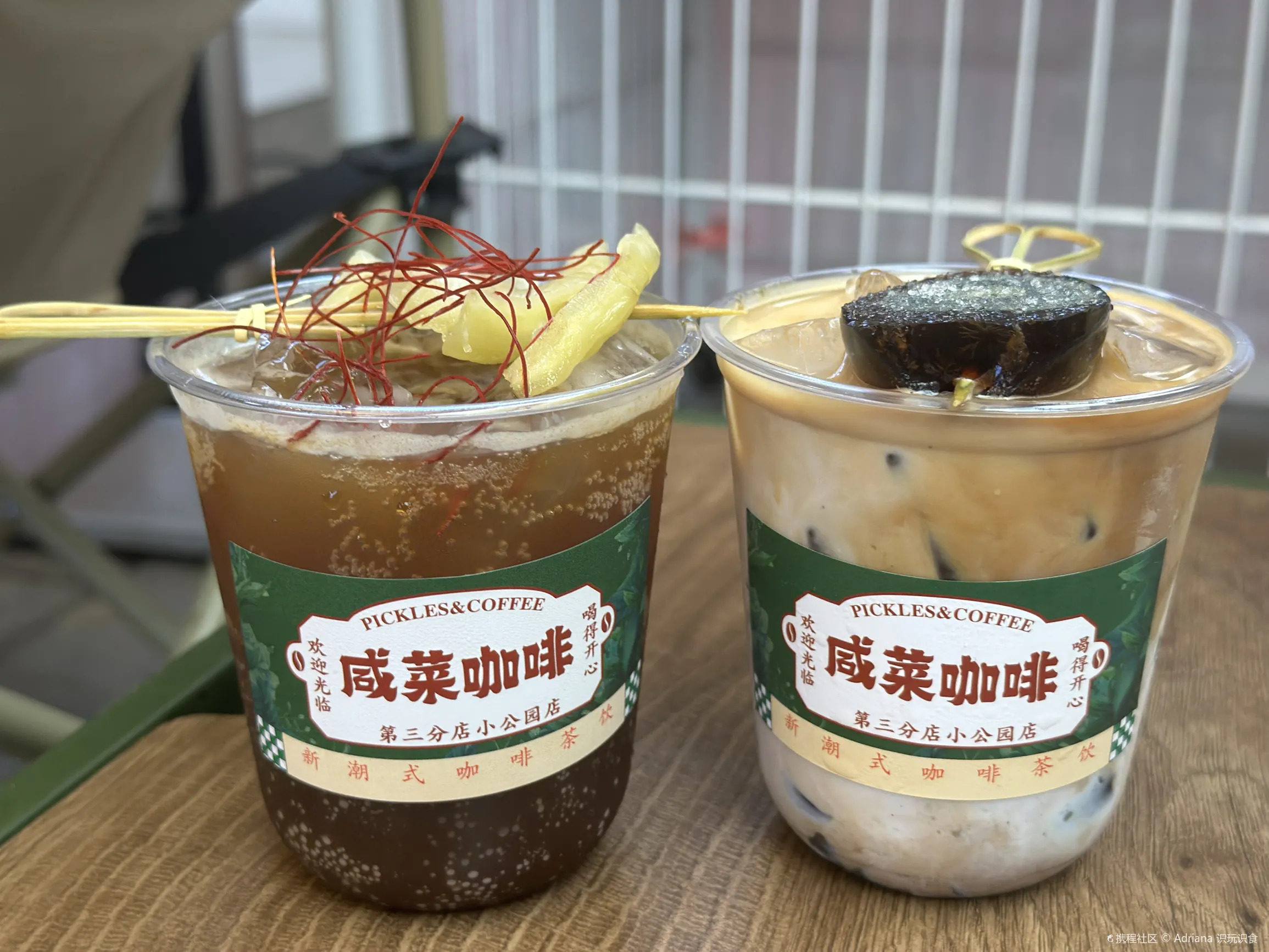
Chinese coffee innovators are shaking things up with new flavours!

It’s well known that China is the biggest coffee market in the world. And if you’ve been following this blog, you might recall my stories about new coffee experiences in China, like coffee cocktails, ready-to-drink coffee and dirty coffee.

During my recent trips, I met even more coffee innovators, so I thought I’d share some of the latest trends in a new blog post.

Coffee and tea: a perfect pair

Even though coffee is becoming super popular in China, it’s not really replacing tea as the national drink. Tea is still the top choice. But to be more accurate, coffee is just becoming a new kind of tea in Chinese tea culture. The Pu’er region in Yunnan province was the first place I saw coffee and tea blending together.
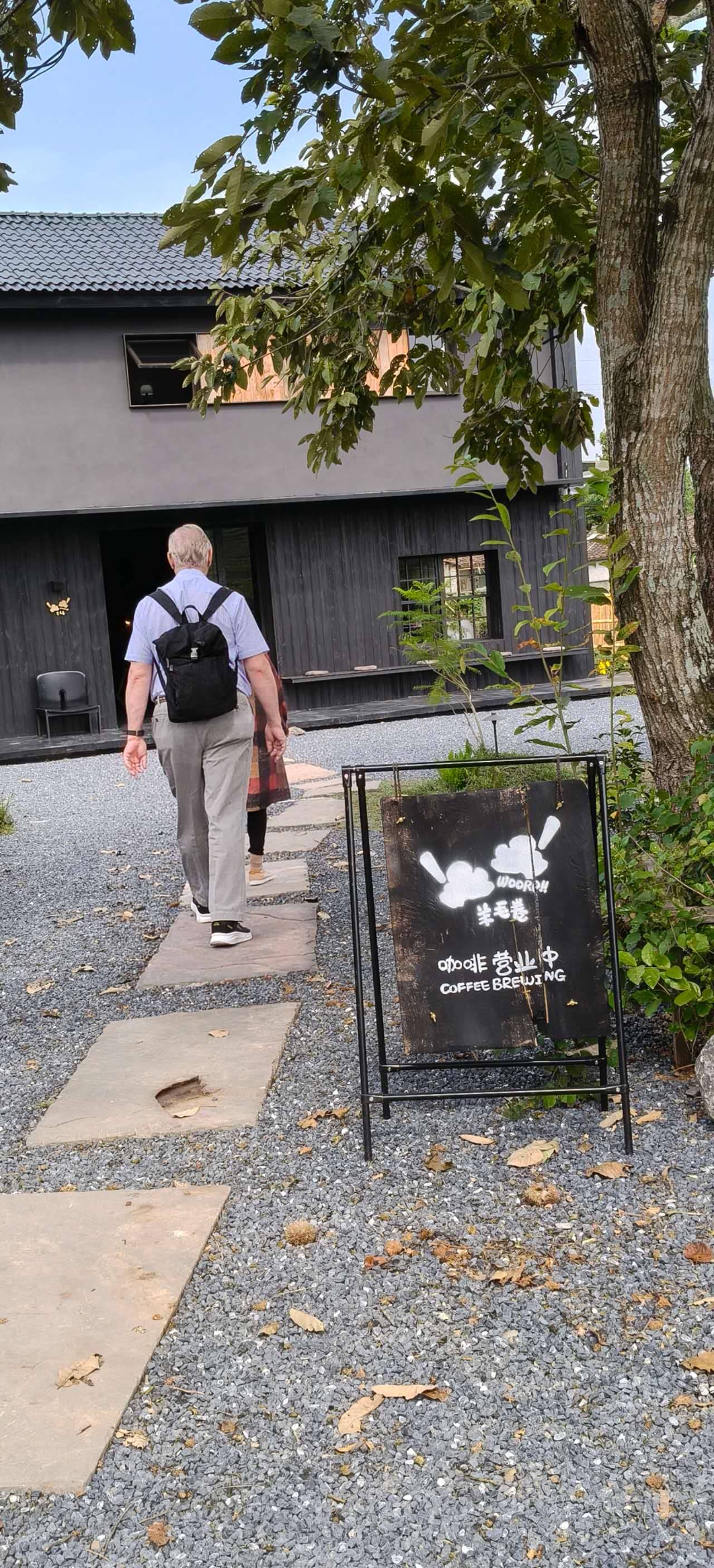
In October 2025, we took a tour around Jingdezhen, China’s ceramics capital in Jiangxi province. This area is also famous for its tea. But we had a really interesting coffee experience in a small village called Hanxi, where an entrepreneur had opened a fancy coffee shop right in the middle of the tea fields.
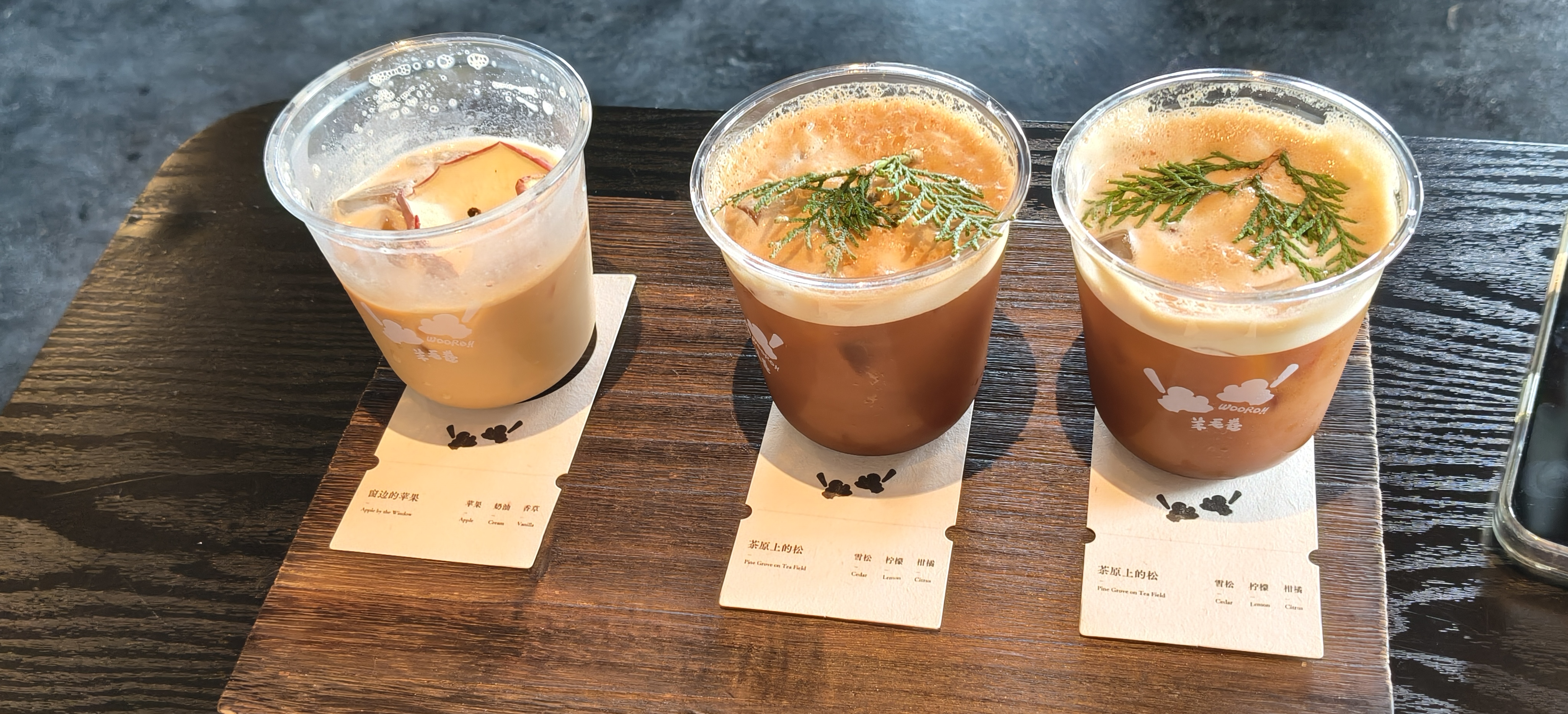
Besides the usual coffee drinks like espresso and americano, they also made coffee mixes with tea and other ingredients. We tried two special drinks: Apple by the Window and Pine Grove in Tea Field. They weren’t quite to our taste. They tasted mostly like coffee, but the tea flavour was hard to spot. The apple in the first one didn’t really go well with the coffee. The pastries were good, and the view of the endless tea fields was amazing. We chatted with the manager, who told us they’re planning to make even more variations and might even add Chinese wines. She had just come back from a trip to the wine region of Ningxia.

Coffee and wine: a bold combination
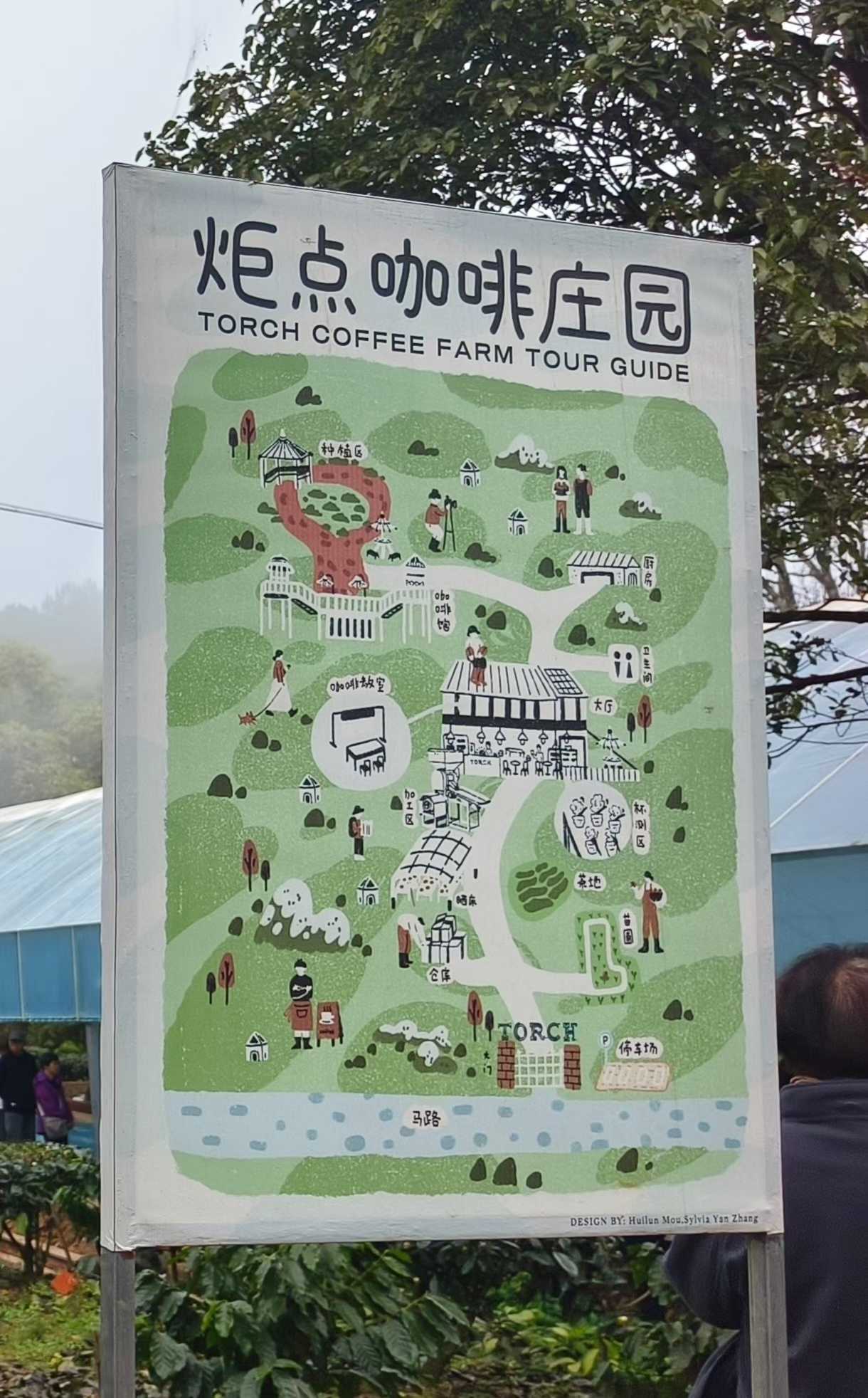
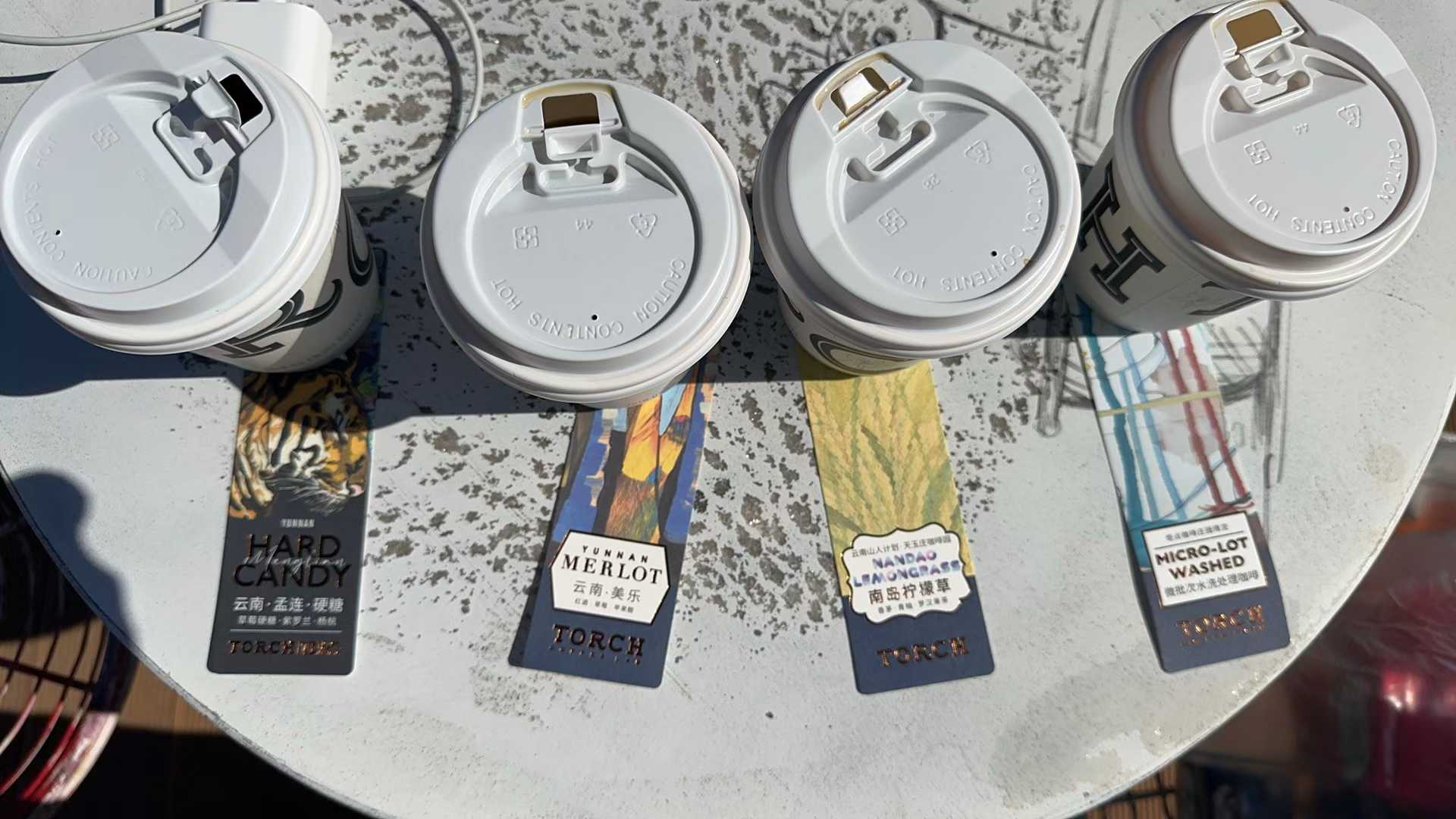
I came across this on Chinese social media about a visit to the Torch Coffee Farm in Pu’er, Yunnan. Torch Farm is experimenting with different coffee bean varieties, like roasting methods, to create unique flavours. The illustration shows some of their coffees during a tasting session, which is part of the tour. To me, the Merlot variety stands out the most. Torch Farm people compare coffee flavour variations to wine grapes. Interestingly, Pu’er has a sister city relationship with Libourne in the Bordeaux region of France. This was because tea experts in Pu’er noticed similar differences between tea and wine grapes.
These are fascinating developments that blend food science, business and culture. I’m sure I’ll be back soon with another post on this topic.

Peter Peverelli has been involved with China since 1975 and often travels to its most remote areas. He co-authored a major book that explores the cultural factors behind China’s economic success.

Hunan cuisine: how regional cuisines are marketed in China

Hunan cuisine, known in China as Xiang Cuisine, Xiang being the literary name of Hunan Province, is one of China’s more famous cuisines. It is characterised by its liberal use of chili peppers and garlic, but also by its use of very fresh ingredients. A typical way of preparing and serving dishes in Hunan is the ‘dry pan’ (ganguo). Those dishes are served in an iron pan on a fire to keep it hot.

Hunan’s capital Changsha is foodies’ paradise. As a patron of this blog, you know that food is the central concept of Chinese culture. Food is available in abundance everywhere. However, there are still cities in China that even Chinese refer to as places to go for food lovers, and Changsha is one of them.

Changsha is also very centrally located in the heart of China. In Europe, all roads may lead to Rome, but in China they lead to Changsha. Changsha is a major infrastructure hub. This highly facilitates the export of the local cuisine to all corners of the nation, and beyond its borders. However, in this post, I will restrict my story to the situation of Hunan cuisine within China in 2024.

Regions

In an earlier post, I introduced the major food regions of China. The following table shows the percentage of Hunan restaurants in China in each region.

These figures confirm that fire food is still more appreciated in Southern China than in the north.

Cities

At a lower level, Chinese cities are catogorise by function and size. First tier cities are the cities directly under the State Council (Beijing, Tianjin, Shanghai and Chongqing). New first tier cities are the capitals of provinces and autonomous regions. The remaining cities are categorised by size. The following table shows the percentage of Hunan restaurants per urban category.

We can see that Hunan cuisine is most popular in regional capitals and smaller regional cities. A possible explanation could be that cities in the south of China tend to be smaller, with the largest cities concentrated in the north. E.g., of the four first tier cities, only Chongqing people prefer spicy food.

Province/autonomous region

I am also adding a map indicating the number of Hunan restaurants per province and autonomous region. Dark red indicates a higher number.

The top regions, Hunan (obviously) and Guangdong are indicate with percentages, 19.6% and 17.8%, respectively. Guangdong is a special region, adjacent to Hong Kong, where many emigrés from other parts of China are living. I presume that Guangdong is the home of quite a few people from Hunan.

I could go even deeper, including, e.g., the regional distribution of the various Hunan restaurant chains. However, that information would be unsuitable for a post like this. However, I will be able to provide an in-depth study upon request.

Peter Peverelli has been actively involved in and with China since 1975 and frequently travels to the most remote regions of that vast nation. He is a co-author of a substantial book that explores the cultural factors that have contributed to China’s economic success. Peter has been involved in the Chinese food and beverage industries since 1985.

Chinese are stocking up for New Year

Chinese New Year is on February 10 this year and regular readers of this blog know that Chinese are now preoccupied with buying stuff for the Spring Festival, the official name for Chinese New Year, and most of it will be food and drinks.

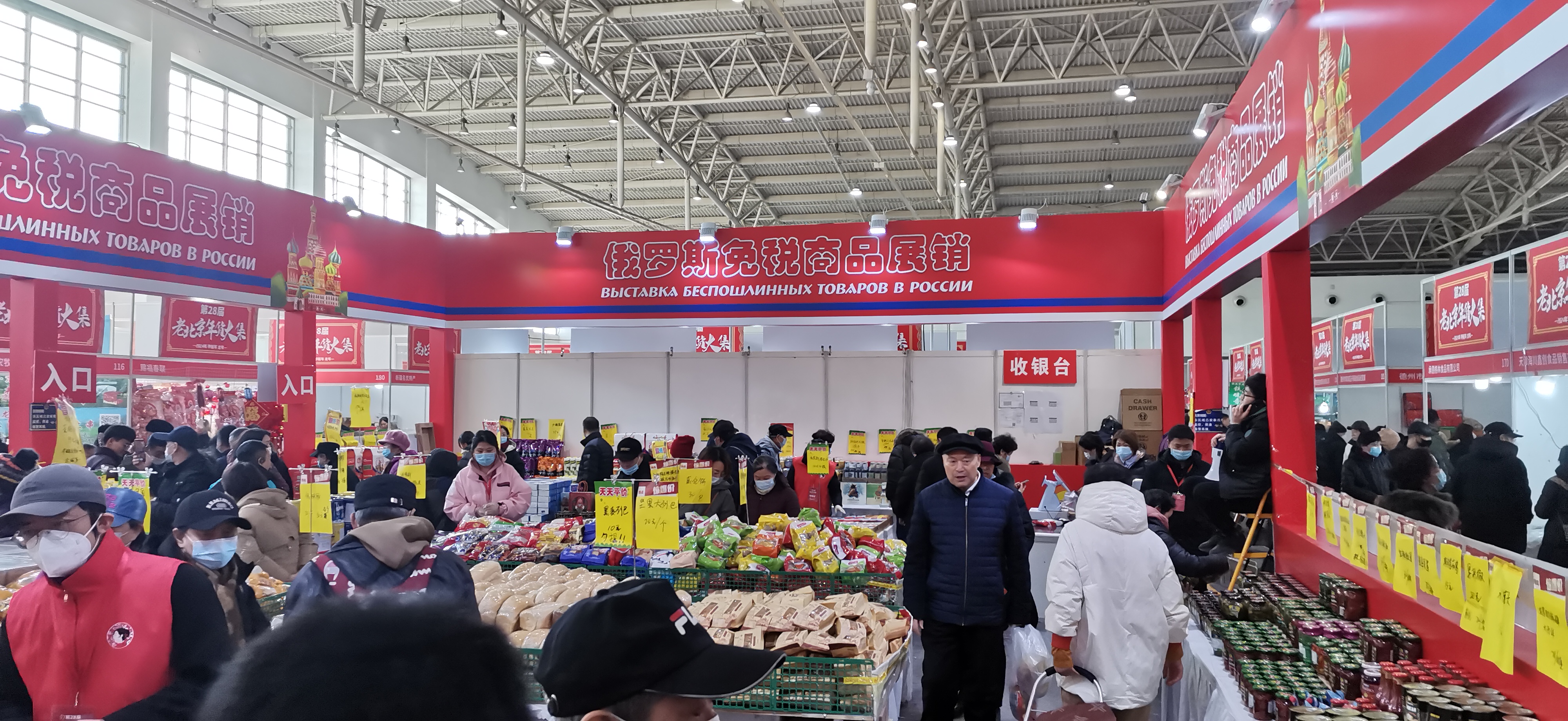
I happen to be in China at the moment to celebrate with family and friends, but obviously also to observe the latest trends. I visited Beijing’s annual New Year Fair in the Agricultural Exhibition Centre. In this post, I want to focus on the foreign influences in this year’s fair.

Russia

Russian products are by far the most important foreign foods offered on the fair. Some of them are imported, while others are produced in China, in particular in Harbin. Harbin is the home of the famous lieba, a word derived from the Russian word for bread ‘hljeb’. A big stand from Harbin also offers various Russian style sausages.

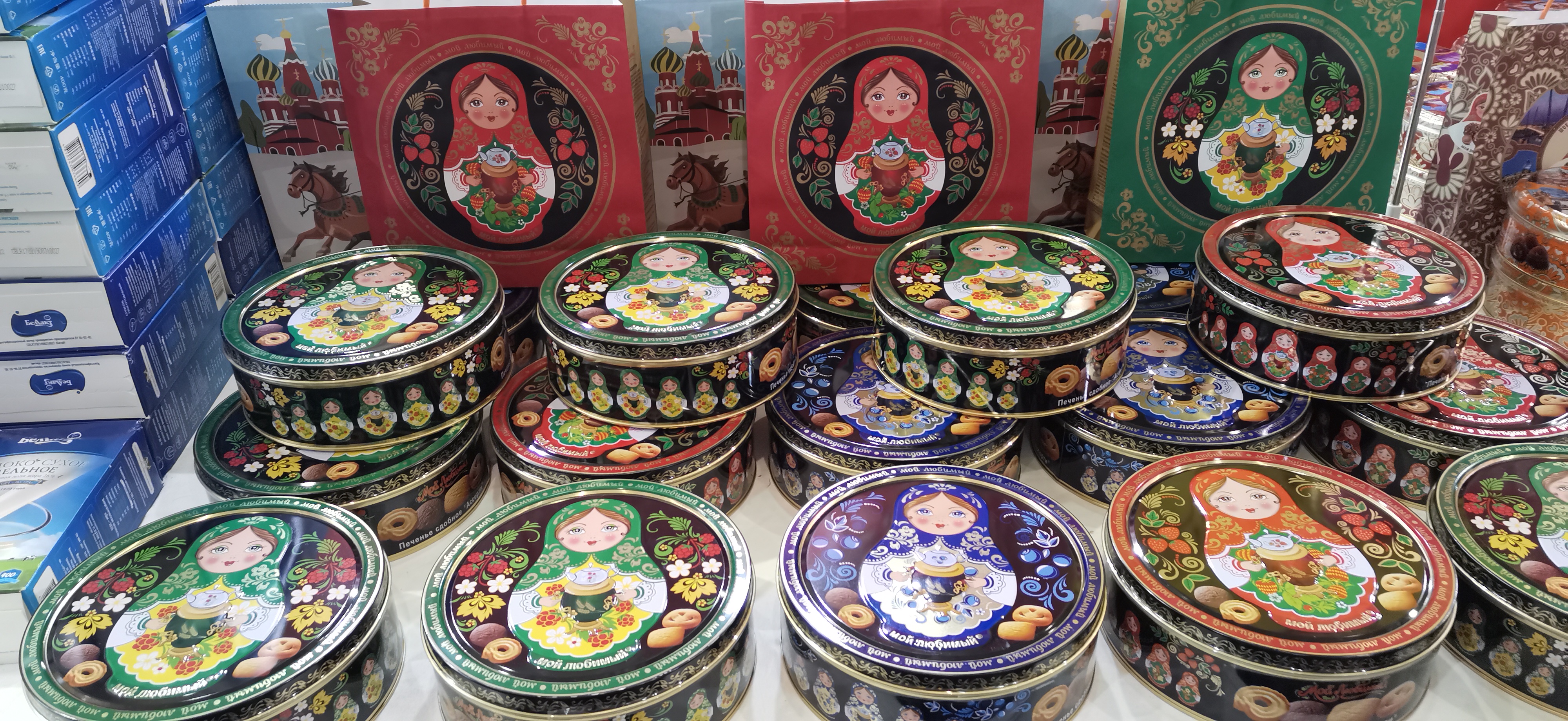
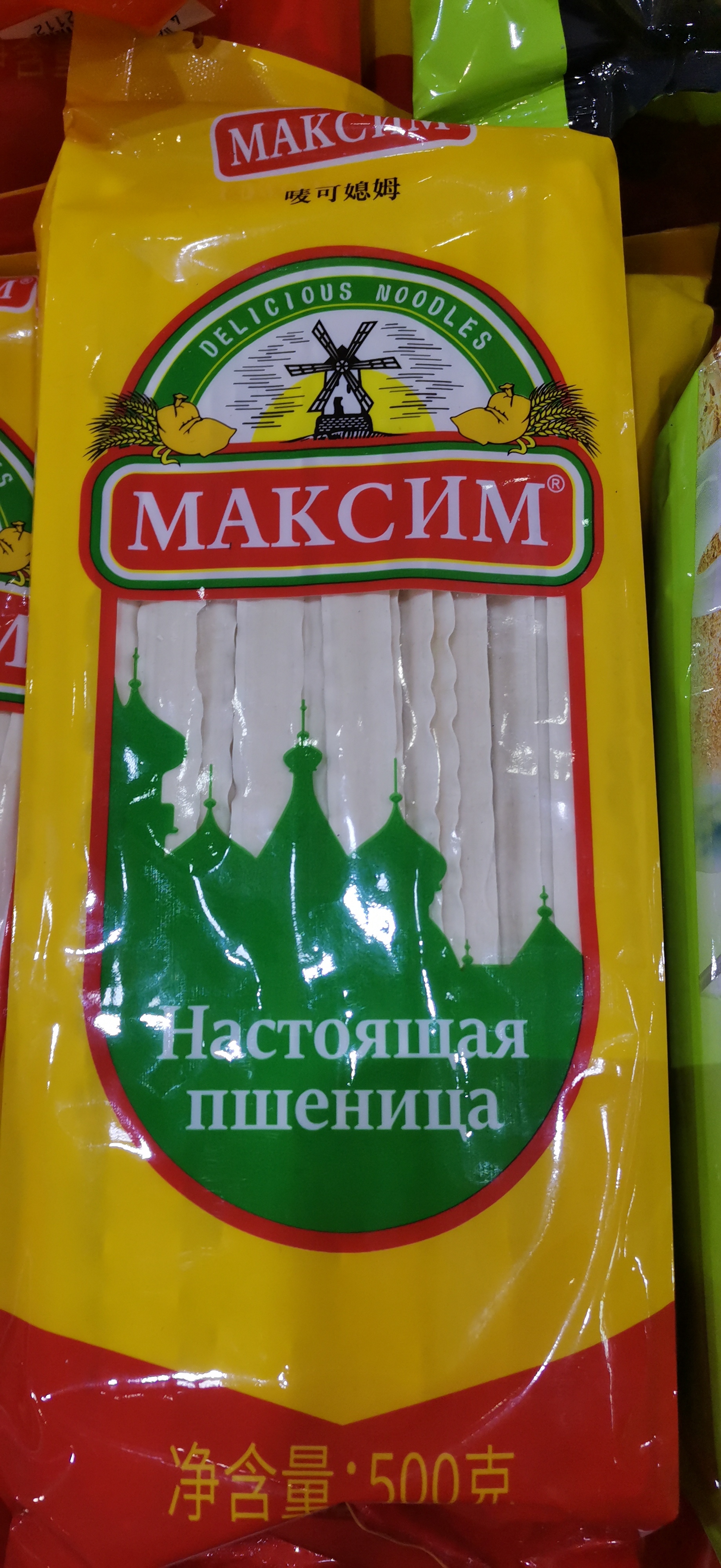
In the middle of the fair is a large space set up as a supermarket, with an entrance and an exit with the cashier. It offers a broad range of goods, including some non-food products. I am simply providing a few pictures of milk powder, chocolate, cookies, and pasta.

Australia

Australia is the second nation in terms of volume. I saw three or four stands with Australian food, in particular oatmeal.

New Zealand

There was one stand with products from New Zealand, with wine as the most visible. That was especially interesting considering that no stand offering Australian products was selling wine. A few wines were offered for exceptional low prices (for Chinese standards).

Spain

A stand promoting Spanish ham is positioned near the entrance. Interestingly the same stand is advertising with ‘pizzas with Spanish ham’.

Romania

The Romanian stand was exclusively selling wines from Romania and Moldova. The Romanian importer and his Chinese aide were selling actively, offering free tasting of several wines. On the other hand, the importer was not prepared to give special prices for the New Year, except for a 6-bottle box of the cheaper red wine.

Indonesia

Indonesia was present exclusively with coffee, including the prestigious kopi luwak.

Contact me for tailor made market research on the spot

Peter Peverelli is active in and with China since 1975 and regularly travels to the remotest corners of that vast nation. He is a co-author of a major book introducing the cultural drivers behind China’s economic success