This healthy food brand was founded 8 years ago, but in 2023 it already had an annual income of more than RMB 1 billion. This story, from entrepreneurship clubs for students to food companies with an annual turnover of more than RMB 1 billion, started with the wrong choice of study by the founder.
Zheng Guo, founder of Unicorn
Wrong study
At the time, Zheng Guoyu chose to study computer science. ICT was then a popular field and Zheng Guoyu made his choice without in-depth knowledge of the technology. Soon after enrolling, he discovered that he wasn’t interested in it, so he joined a club that played entrepreneurship games. Unicorn (Dujiaoshou 独角兽) was one of his entrepreneurial projects in that club.
Candy
In 2015, Zheng Guoyu’s first venture was based on the touristic popularity of his hometown, Xiamen, the major port city of Fujian. He created a special e-commerce platform to sell handmade sweets and souvenirs. According to Zheng Guoyu, a turnover of almost RMB 10 million was already achieved at that time. But he didn’t have a positive cash flow and wasn’t making a profit. However, he did gain a lot of experience at that time.
Light food
From the beginning, the Unicorn brand has been positioned in the market for what is known in China as Light Food (qingshi), which is a low-calorie, low-salt, sugar-and-fat food. The first product has achieved a turnover of more than RMB 60 million in 3 years. In 2022, the revenue was more than RMB 700 million, and the revenue for 2023 is estimated at RMB 1 billion. This growth will continue. According to Zheng, what is the driving force behind this rapid success?
Beauty parlour
Zheng sees the university as a ‘beauty salon’. Young people on the university campus are starting to pay attention to their bodies and clothes, and when Zheng Guoyu himself started at the university, he and his classmates also had a need for fitness and weight control. When they got their university gym card and tried to follow the coach’s instructions to start eating healthier, they discovered that there were few products to choose from on campus.
Internet
Preparing low-fat meals yourself was not realistic, as the use of electrical appliances such as refrigerators and hotplates was prohibited in university dormitories. Zheng Guoyu and his classmates therefore chose to buy light meals over the internet. They found that the unit price of chicken breast there was between RMB 150 – 200; A very student-unfriendly price. This unmet need presented a commercial opportunity.
Small portions
Starting from their own needs, Zheng Guoyu and his classmates began to think about what light meals they would like to buy: small portions that are individually wrapped, not too expensive in price, lean but still tasty. Zheng Guoyu, who was already in the entrepreneurs’ club, started this entrepreneurial project with his team.
Outsourcing
The team has gained entrepreneurial experience by negotiating production outsourcing with factories. When they discovered that there were very few ready-to-eat chicken breast products in small packages on the market, Unicorn decided to find a factory to produce chicken breasts in small packages based on their specifications.
Unicorn’s lean chicken breast with crayfish flavour (you can compare it with the chicken breast of Dacheng on the Trends page of this blog)
Resounding success
The first product was an instant hit. In 2017, the ready-to-eat chicken breast was launched, and already in 2018 achieved a turnover of more than RMB 20 million in 2018 and RMB 60 million in 2019. It became the best-selling brand in its category on the Taobao internet store.
In-house production
When, three years after its founding, the scale of RMB 100 million was reached, Zheng and his partners thought it better to build their own factory than to continue to rely on outsourcing to multiple third-party factories. They thought it would be better not to look for external financing right away, but to finance the factory from their own income. Nor did they immediately aspire to become the market leader. Staying profitable was more important. This also applied to the promotion costs. Unicorn is active on several internet platforms, but does not invest in excessive promotional campaigns and steadily tries to build brand awareness through consistent quality.
Traditional brand
Unicorn, which was born on the internet, has been around for 8 years now, but hopes to transform itself into a ‘traditional brand’ that makes good use of the internet. According to Zheng Guoyu, China’s e-commerce platforms are about 20 years old. However, there are popular consumer brands that are 30 or 40 years old and still viable. If Unicorn would like to live to be 50 or 100 years old, the brand must also learn from the traditional brands. That means you should also be found in physical stores.
New channels
Zheng sees great opportunities for offline sales. That does require changes in the supply chain. Online sales are made in small quantities. Large batches are needed to supply stores. Also, the pricing of products has to change in order for retailers and the like to earn money from sales. According to Zheng, it may be necessary to develop new products for offline sales. “We found that in order to solve this problem, we may need to develop other products, and the net content, specifications, and taste of the products need to be adjusted,” Zheng said.
Export
The next step could be export. At the end of 2020, Unicorn set up an export company. However, it is more difficult to export food because the regulations are different in each market. The strategy chosen by Zheng is to first gain experience with the export of textile products (bedding), for which the rules are less strict, and then to move on to foodstuffs.
Comments
This entrepreneurial story also offers insight into the typical way of thinking of Chinese entrepreneurs. Whereas Western biographies of entrepreneurs usually portray the protagonist as the ‘born entrepreneur’ who knows how to realize an idea with unique strategic insight, Zheng is someone who is proud of the fact that his idea is due to a wrong choice of study and has come to fruition in a social context (the entrepreneurs’ club on campus). Where the typical Western start-up entrepreneur is willing to sacrifice everything to make a company grow quickly (quick success or failure), Zheng thinks in terms of continuous learning by keeping the company up and running for as long as possible and converting what he has learned into long-term strategy. Reverence for one’s ancestors is an old Confucian value.
Stating that China is a huge nation with a very diverse population is kicking in an open door. However, a major shift is taking place in the demography of China that is exercising significant influence on a number of markets, including food and beverage. I like to refer to it as the shift from ‘big collectivism’ to ‘specialised collectivism’. In fact, Chinese collectivism has always been smaller than in, e.g., Japan. Where Japanese copy each other’s behaviour on a massive scale, not rarely on the national level, Chinese focus on smaller groups, like: family members, people from the same neighbourhood, colleagues in the same department of their work unit, etc. Still, due to the huge Chinese population, even a small group is still enormous and therefore interesting to anyone who is (re)designing foods for the Chinese market. This post is taking a closer look at some of the more important demographic segments.
Would it be worth your effort to develop food for golfers?(read the post and find out more at the end)
Elderly
I have reported about food for the elderly in an earlier post. Here, I will provide more background information. Population is the foundation and main body of economic growth and social development, and age structure is a core determinant of population quality and population structure. It is of great significance to study the age structure of the population, especially the aging problem. China’s population aged 60 and over is about 260 million, accounting for 18.7% of the total population. Due of the importance of this consumer group, not only because of its size but also because the elderly are still held in high regard in China, the Chinese government has issued a large body of legislation for ensuring that the elderly are taken care of.
Aging society
China has entered an aging society in 2000. The average age of the population has caught up with the United States and Japan. Due to the decline in fertility rate and the increase in life expectancy, aging is an important problem faced by all countries in the world, but due to the long-term implementation of family planning policy, this problem is more urgent in China. According to the internationally accepted classification standards, when the proportion of the elderly population aged 65 and over in a country (region) exceeds 7% of the total population, or the proportion of the elderly population aged 60 and over exceeds 10% of the total population, that country (region) is regarded as having an aging society. According to the statistics of the United Nations Population Program, in 2000, the proportion of China’s population aged 60 and over exceeded 10% for the first time to reach 10.03%, and in 2002, the proportion of China’s population aged 65 and over exceeded 7% for the first time to reach 7.08%, marking that China has officially entered an aging society in 2000. In 2019, China’s population aged 65 and over reached 176 million, nearly double the 88 million in 2000, accounting for 12.6% of the total population. In 2019, the average age of China’s population reached 37.6 years old, compared with 38.9 years old, 46.7 years old, 41.7 years old and 30.0 years old in the United States, Japan, Europe and India in the same period. It is estimated that in 2030/2050, China’s population aged 60 and above will account for 24.8% – 34.6%, 65 years and above will account for 16.9% – 26.1%, and the average age of the population will reach 41.2 – 45.6 years.
Life expectancy is rising, birth rates are low, and the Chinese population is aging at an unprecedented rate. With the improvement of living standards and medical conditions, the life expectancy of the Chinese population has increased significantly, from 44 years in 1960 to 77 years in 2019, and the life expectancy of the population in some developed coastal areas is higher. The life expectancy of Shanghai’s population in 2019 was as high as 83.66 years. The Chinese birth rate in 2019 was only 10.48 per thousand, and the number of newborns was only 14.65 million, down 580,000 from 2018 and a new low in 70 years.
The policy of encouraging childbirth after the founding of the People’s Republic of China in 1949, generated the first baby boom in New China. The birth rate remained above 37% for five consecutive years. The improvement of the economy after the end of the natural disasters in 1959 – 1961 led to compensatory births, triggering the second baby boom, with more than 250 million births within 10 years, accounting for 17.6% of the total number of Chinese population at present. These two waves of baby boomers will gradually enter old age between 2010 and 2030. The rate of aging in China from 2010 to 2030 is expected to be similar to that of the most rapidly aging period in Japanese society (1990-2010). The insufficient number of newborns will accelerate the aging rate of the Chinese population.
If this rate develops, the average age of the Chinese population will reach 45.6 years old in 2050, the proportion of the population aged 14 and under will only be 14.15%, and the proportion of the population aged 65 and over will reach 26.07%, when there will be one elderly person aged 65 and above in every four Chinese.
China’s “silver economy” has broad prospects
The elderly care industry is a comprehensive industrial cluster to meet the health and happiness requirements of the elderly population. On the whole, the elderly care industry covers food, housing, care, medical treatment, finance, culture, entertainment, science and technology and other aspects, and is an industrial system that meets the multi-level needs of the elderly, from the basic living needs (housing, food, medicine, clothing) to the psychological and spiritual needs provided by (fun in life). The three pillars of China’s pension system are basic pension insurance, annuity and personal pension, of which the first pillar accounts for 85%, much higher than the 11% in the United States. According to international experience, the pension replacement rate is greater than 70% to maintain the standard of living before retirement, if it is less than 50%, the living standard will drop significantly compared with before retirement.
Chinese traditional culture is deeply influenced by Confucianism. Home care is more in line with secular concepts than welfare facilities for the elderly, so home care and community care will continue to be the mainstream of China’s pension model. Facility care will be there as well, but as an auxiliary model. From 2010 to 2018, the number of people aged 65 and over in China increased by 47.64 million, while the number of elderly care institutions increased by only 128,000 and the number of elderly care beds increased by only 4.122 million, with an average of 1,393 elderly people having an elderly care institution, the supply is far less than the market demand, and home care is more in line with China’s traditional culture.
Government support
The central authorities heavily support keeping this large segment of the population healthy. Through its Office of the National Working Committee on Aging, the government has issued a plan to organize the elderly nutrition improvement action in the country from 2022 to 2025.
The notice proposes four actions, including publicizing the nutrition and health knowledge of the elderly, strengthening nutrition intervention for the elderly, improving the ability of elderly nutrition and health services, and carrying out public welfare activities for elderly nutrition and health. Apart from the general Dietary Guidelines for Chinese Citizens, that saw an updated version this year (from the previous 2016 version), the government also issued a separate Dietary Guidelines for the Elderly and one for the very old (<80 years).
The government also organizes several campaigns for promoting healthy living and eating, like: the National Elderly Health Promotion Week, or Respect for the Elderly Month. The phrasing of the latter refers to an important trait of the Chinese policy towards promoting the health of the elderly: the duty of the young, in particular children, to see to it that their parents lead a healthy and happy life. The government rolls out the playing field, but the policies are executed by the children, where necessary assisted by government officials of various administrative levels.
The lowest administrative levels have a special role in the implementation of the national policies. Senior citizens move less easily than younger generations, so it is imperative that their care is in the hands of grass root level administrations, like communities (shequ 社区) or neighborhood commissions (jiedao 街道). These administrations include Elderly Affairs Offices (laonianban 老年办) to see that the elderly under their jurisdiction are take care of well, including their nutritional needs.
Children and local government officials go about carefully, when trying to improve the eating and drinking habits of the elderly in their care. A report published by the site Herbridge gives some interesting examples from interviews with various consumers.
The elderly may have fixed habits that are not easy to change. E.g., many stick to old habits and buy what they have bought for decades, without giving a thought to whether their bodies are still capable of digesting high sugar high fat foods.
That situation is turned around by another group of elderly. A woman who buys the groceries for her mother complains that her mother now prefers fruits and vegetables, but that she worries that this will lead to malnutrition, while her mother is already very thin. Meat and fish are still regarded as the most nutritious foods by many Chinese. While the young now like to have slim bodies (see further on in this report), most middled aged Chinese still regard a slightly protruding tummy as a sign of good health.
Then there are also people with some basic knowledge about food ingredients who try apply that insight to adjust their parents’ diet. One interviewee has bought a jar of xylitol powder to substitute the sugar jar in the family kitchen. She now sweetens foods and drinks for her mother with xylitol wherever possible.
A final example of inventive adjustment of a parent’s nutrition is a man whose father stopped liking oatmeal porridge made with milk, although he bought an expensive type of ‘smooth milk’ for his father. He then replaced the milk with unsweetened yoghurt which his father liked very much. The report does not mention if this was a case of lactose intolerance. It is still a great example of how deep present day Chinese are involved with nutrition.
The Young (?)
The ‘young’ is insufficient for denoting an age group in present day China. China has developed so rapidly during the past decades, that Chinese marketers like to divide the country’s population in cohorts named after a decade – such as the post-80, the post-90 and the post-00. Each group is characterized by a number of distinctive habits and world outlook. The post-80s were born after the end of the Cultural Revolution and have been shaped by the early years of the economic reforms that changed the lives of Chinese so profoundly. They are approaching 40 now and most of them are married and have children. They are much more affluent than their parents but are not big spenders on food, as there are so many other expenditures to worry about. A considerable part of those expenditures are for their children, the post-00s, including candy and snacks.
Single dogs
This is another category that has been introduced in an earlier post. The post-90s are young, well-educated, concentrating on their careers in corporations or their own start-up enterprises. With a few exceptions, they are all only children and have been spoiled by their parents and grandparents, as a result of which they have developed a taste for good food. Moreover, a considerable part of them are single and living by themselves. They may marry once, but they give priority to their careers. Many pursue that career outside their hometown, so also away from their school and neighbourhood friends. A modern term for these people is Single Dogs (danshengou 单身狗). Experts estimate the current number of people in the post-90 cohort at 188 million, approximately 14.1% of the Chinese population. 92 million of them were living a single life in 2021. In spite of their young age, many of the post-90s are complaining about ailments resulting from their demanding lifestyle. A 28-year old female Internet programmer is quoted as saying: “I used to buy supplements for my parents, now half of the supplements I buy are for my own consumption.”
So, what and how do the post-90s eat, besides taking supplements? Based on my own observations, they easily spend RMB 100 per person per day on food. They typically live in two-bedroom rental apartments. They have the equipment to cook but many lack the skills. They are the generation of ‘little emperors’, spoiled by their parents, who provided three meals a day, so their child could concentrate on their education. As long as they came home with top grades, the sky was the limit in regards to what their parents would do for them.
The post-90s also lack time. They are enjoying the freedom of their own apartment but are still leaving home early and returning late. They do eat fast food occasionally but they have learned to appreciate good food and they are also still Chinese, so their palates are longing for the right textures and flavours. They are conscious about good nutrition as introduced in the previous report.
The Chinese food industry is allocating considerable R&D funding to serve this cohort, which has resulted in an impressive range of ready-to-eat or semi-finished products. This is a brand-new food category in China, so there is no ready-to-use categorization of products. To cash in on this trend, food producers and retailers have started making and selling single-portion packed versions of a large spectrum of foods and drinks.
Punk diet
One of the ‘bad’ habits many of them share is staying up late, or even regularly skipping sleep altogether. A survey has shown that 44% of the 19 – 25 years cohort stay up until after midnight. In order to stay awake, they need aoyeshui (熬夜水) night owl beverages (literary: staying up all night water)’. Most of these are based on the milk tea drinks that have become so popular among young Chinese. Some also contain traditional Chinese medicinal herbs, which links these drinks to the nationalist trend (guochao 国潮).
This does not mean that the post-90s neglect their health. On the contrary, a healthy body is as important to them as I indicated in the first report. They smoke considerably less than their parents, for example. However, they want to combine healthy living with happy go living lifestyle. A term that has become fashionable among the same post-90 consumer segment is pengke yangsheng (朋克养生), or the ‘punk diet’: nutritious food presented as junk food. The choice of this term indicates that these consumers give themselves a kind of subcultural status. A concrete product type will help clarify this term and a good example food in this context is the energy bar. Energy bars are the ideal ‘punk diet’ food. They can be consumed with one hand, while the other remains functional (e.g., for moving a computer mouse). They provide energy, but are also a source of fibre and nutrients, so comforting to both your stomach and your consciousness. The Chinese name for this product, yingyangbang (营养棒), literally means: ‘nutrition stick’. You can find some examples on the Trends page of this blog. Nuts, a natural source of nutrients, form a common ingredient, but you can add whatever you want, or, better, is allowed by the local regulations. Another occasion for consuming energy bars in China is what I would like to translate as ‘après fitness’ (jianshenhou 健身后) as a parallel to après ski. The Chinese are only just starting to ski, but fitness centres are extremely popular in this age group. One recent study states that there are more than 43 million patrons of fitness centres in Chinese cities. After a tough spell on a treadmill, you need something that gives you energy without making you regain the weight that you just lost. The same study mentions energy bars as the favourite après fitness snack.
Bread as breakfast or snack
As introduced above, a long breakfast does not suit the lifestyle of the Chinese post-90s. Western style baked bread, that is easier to keep that the traditional steamed bread is more and more accepted as the ideal breakfast item. Moreover, it also makes an easy to consume between meals snack. You can take it to office and eat it again with one hand. To cater to post-90s demand for convenience, several Chinese bread suppliers have designed products consisting of two slices of bread with a filling in between. You just buy it, tear open the pack and eat it.
Liquid meals
When the pace of life is seen as becoming so hectic that you even lack time to chew, but you still want a nourishing meal, post-90s Chinese may look for something liquid. You can gulp it down, while still believing that you have ingested a little more than just calories. A traditional product ticking these boxes is congee. Instant congee has been on the market in China for several years. However, more nutritious products have appeared recently.
Children
This section concentrates on foods designed for the post-00 group, though not including babies or infants. One Chinese supplier defines the age group for its ‘children snacks’ (ertong lingshi 儿童零食) as 3 to 12 years. However delimited, this is still a huge consumer segment. The number was estimated at 159 million in 2020.
A salient feature of this segment is that these consumers usually do not buy the products themselves, but their parents, grandparents or other family members. However, they do regularly influence the selection of snack food purchased for them. Advertising therefore needs to appeal to both children and adult relatives. E.g., children like brightly colored packaging and advertisements related to their favourite cartoon figures. The adults will first look at the ingredients to see how ‘healthy’ the product is. Moreover, parents frequently exchange ideas about this on social media like Xiaohongshu or Weibo.
More light eating
Talking about health, Chinese parents are basically applying the same criteria to snack food for their children as they use for the foods they buy for themselves. In that respect, the contents of the first report apply to this category as well. Low fat, low sugar and low salt are mentioned frequently by people who discuss candy and other snacks for children.
A number of ingredients are perceived as especially important for the physical and mental health of children. We can take the popular category of soft candies (yingyang ruantang 营养软糖) as an example. Soft candies are used most often in professional literature on fortified children snack food.
White gold
Dairy, often referred to in China as the white gold, continues to have a high healthy profile among Chinese consumers and this is even stronger in the context of children. Foods made from milk, containing milk or adding an ingredient derived from milk are automatically regarded as more healthy. However, making a child drink a glass of milk is not easy and dairy based snacks offer a welcome alternative. One that became popular in 2023 is the cheese popsicle.
Women
As any society, the different likings of food between men and women have been a topic of discussion for ages. Also, some foods have been prepared specially for women for centuries. Bird’s nests are a good example. They are believed to be good for one’s complexion.
However, more recently foods have been launched in China that are positioned as typically for female consumers. Female consumers have become so valuable, that Chinese marketers are starting to talk about ‘her economy’ (ta jingji 她经济) as a separate market segment. The value of the Chinese health food market for women for 2025 is estimated to RMB 300 billion; from 237.9 billion in 2019.
In the realm of snacks, fruit jellies are a product almost entirely consumed by women in China. Recently, some manufacturers have developed more exciting and healthy versions. There are now jellies with fruit chunks to increase the fruit contents up to 25%, or jellies flavoured with flowers or traditional Chinese medicinal (TCM) herbs. Just to mention a few the most frequently used: Red dates or goji berries nourish qi and blood, moisturize and the complexion. Mung beans and white fungus detoxify the intestines and have an anti-aging effect. Black sesame seeds keep your hair black. This fits in with the general health trends introduced in the first report.
Female ingredients
Some ingredients are typically used in foods for women. An example of such an ingredient is peach gum. Peach gum is regarded as a beauty tonic in traditional Chinese medicine (TCM). It comes in the form of amber-hued crystals and is the resin of the Chinese peach tree (prunus persica). It is known for its beneficial properties on improving various skin conditions. Commonly prepared into soup-like desserts, often adding goji or dates. It is generally tasteless with a gelatine bouncy texture similar to bird’s nest. Peach gum is popular among Chinese women as it is rich in collagen.
Cosmetic food
The latest development in this trend is ‘cosmetic food’. So far, most of these are beverages fortified with collagen, like collagen yoghurt by Sanyuan.
More segments
When you put yourself to it, it will be possible to discern a few more special consumer segments. An obvious one is the ethnic segmentation. I intend to add a section about that to this post in the near future. However, Chinese marketers seem to develop a liking to this. The segments highlighted in this post are those worth considering when designing new or adapting existing foods for the Chinese market.
However, it is possible to pick out a more specific demographic group that you deem large and/or affluent enough an develop a product specially for that group. Eurasia Consult can assist you with this. We understand Chinese culture and how it affects food and drinks and we have a large database of foods available on the Chinese market.
*As for the question about Chinese golfers: unofficial reports mention more than 4 mln Chinese who play golf occasionally and about 1 mln regulars. The 2022 Chinese golf market (including everything, from golf club membership to equipment) was worth RMB 493 mln; up 4.8%.
Light eating, qingshi (轻食) has been an issue in China for some time. It includes foods that are low(er) in salt, fat and sugar, but also has broader health connotations. Moreover, it is also about eating smaller meals or portions than usual. That is not just about food but about a complete life style concept, for many also including more exercising. This is reflected by the fact that many Chinese speak of ‘light-eating-ism’ (qingshizhuyi 轻食主义).
This post starts with a description of traditional Chinese concepts about nutrition. These concepts have not only never disappeared, young Chinese show a renewed interest in this tradition. Concepts and terms in this first chapter will reappear in following reports as well.
After that introduction, I will highlight the various aspects of light eating in separate chapters, and end with a review about the future of this movement.
Embedded in an ancient tradition
Qingshi is not just a Western trend catching on in China. The ancient Chinese medical classic Huangdi Neijing, the Inner Canon of the Yellow Emperor, written during the Qin (221 BC – 207 BC) and Han (206 BC ~20 AD) periods, warned against overeating in general and consuming too much fish or meat.
Huangdi Neijing was the first systematic medical book to be published in China. It incorporated the accumulation over centuries of medical experience and observations by the Chinese herbal doctors. The theory of Chinese medicine is heavily influenced by ancient Chinese philosophy, especially that of cosmology and movement of the universe. This world outlook views that things are compassed of five elements – metal, wood, water, fire and earth – and that all material is in a process of change between the universe and the human body. Traditional Chinese Medicinal (TCM) doctors believe that each individual is both a part of the universe and a complete unit, so that a cosmic view of health was required. A well-nourished body was therefore also regarded as a condition for maintaining mental health.
Within this philosophy, phenomena are understood in terms of contradictory relations, for example, the sun versus the moon, the sky versus the earth, the day versus the night, the male versus the female and the positive versus the negative. TCM doctors analyse the physical signs and symptoms of a case by differentiating the appearances into two opposite categories, for example, into yin (阴 dark) and yang (阳bright), han (寒 cold) and re (热hot), xu (虚weak) and shi (实strong), wai (外exterior) and nei (内interior). It is thought that these extremes exist at the same time and are interchangeable, moving to the opposite extreme when conditions change; for example, water becomes air when temperature rises. This is expressed as ‘things at one extreme must go to the opposite extreme’.
Don’t think that these terms are esoteric, only known to TCM doctors who have studied for years. Most Chinese, including the young and hip, know these terms and use them regularly. E.g., a woman can warn a female friend not to eat too much of a certain food during menstruation, because it would make her diet too cold (han). Another Chinese can tell his colleague that his complexion is getting a little plump, which could indicate that his ‘spleen is too weak (pi xu)’.
The concept of a ‘balanced diet’ and ‘a complete diet’
TCM doctors pay a lot of attention to proper nourishment by selecting appropriate food in a way which is somewhat philosophical. By appropriate amounts of food was meant not too much or too little, otherwise it was thought that one health extreme or the other could result.
Huangdi Neijing provides a few recommendations for food intake: (1) Poisons (毒du) (substances to rid or destroy unwanted principles in the body) and medicines provide cure. (2) Five cereals (rice, sesame seeds, soya beans, wheat, millet) provide nourishment. (3) Five fruits (dates, plum, chestnut, apricot, peach) produce complementarity. (4) Five animals (beef, dog meat, pork, mutton, chicken) give advantage. (5) Five vegetables (marrow, chive, bean sprouts, shallot, onion) are for supplementarity. (6) If the food tastes and smells good, eat it to replenish the body’s needs.
The first quotation refers to an important aspect of the TCM view on food and nutrition: food and medicine come from the same sources (药食同源 yao shi tong yuan). The concept of du, literally meaning poison, can be confusing. In the Western perception, poising is something that makes you ill. In TCM is can be that as well, but the same substance that makes you ill can also help restoring the balance. In this sense, it resembles the Western tradition of homeopathy: curing a disease using a very thin solution of the substance that causes it.
The following four parts of the statement describe basic food groups and reflect principles, like having a variety of cereal like foods in order to nourish the body. The number ‘five’ (derived from the five fingers of a hand) does not mean a number per se, but signifies the varieties of cereal, fruit, animal and vegetable derived food. Cereals are considered basic and staple foods for nourishment Fruits are placed second because they compensate for shortages in whatever cereals provided. Animal-derived foods are perceived to be important for the human body, with its resemblance to the animal. Vegetables are regarded to provide an extended range of substances.
With the development of society, people and their circumstances change and cultural exchanges between countries include those of food and technology. Sometimes cultures integrate. Thus the food produced in the Chinese restaurants or home kitchens today will not be representative of the traditional diet, because it will have been modified to suit the taste of people in various locations and countries. However, it has been shown in the 1988 National Nutrition Survey of China, that most people living in the countryside and cities still follow traditional food patterns.
The concept of han (cold) and re (hot)
Han and re literally mean ‘cold’ and ‘hot’. However, the meanings of these essential concepts in TCM nutritional thinking are much more complex. They refer, not only to the body’s status, but also to its function, reaction and symptoms. For example, when a person has ingested cold food, (s)he may respond with related characteristics. Thus, han food may cause diarrhea and re food may cause constipation; han foods may cause nausea while re foods may cause gut problems such as heartburn. On the other hand, han food could combat constipation and re food diarrhoea. These symptoms do not relate to food temperatures, but to the relationship between food and the human body.
Whilst food is believed to provide our bodies with nourishment, the body reacts to food in different ways. For example, if a person eats too much meat, its metabolic effects through acid production may be uncomfortable. This is what is described as re (literally: hot; Westerners also speak of heartburn). Modern nutritional science concentrates on the nutrient components of foods and on the metabolism of nutrients. It rarely acknowledges that there are both nutrient and non-nutrient substances in food which might affect the body. Unripe guava may cause constipation and this may be explained by contemporary food chemistry in terms of tannic acid; this phenomenon is regarded as re in TCM nutrition. Ripened guava does not have the same effect and therefore is not considered as re.
Research has been made in China to link modern food science with TCM concepts. It has been argued that food which contains more or less cation than anion can create a situation of either han or re, although such a generalization is still difficult to accept at a point in nutrition science where the effects of any one cation or anion are recognized as complex. Most fruit and vegetables are considered as han which means that food high in dietary fiber belongs to the han category. That both han food and foods containing dietary fiber can cause ’emptying of the bowels’ is a proximation of the two streams of thought.
Water can be both han or re, depending on the mineral composition of the water, having different biological consequences. E.g., water which contained a lot of magnesium has been considered as han.
Neutral (温wen) and supplementing (补bu)
Food that is in-between han and re is considered neutral (wen) (literally meaning ‘warm’). Rice is an example of a neutral food. Wen food is usually compensated for by bu (literally meaning ‘to supplement’), to avoid nutrient insufficiency. According to TMC, wheats are slightly han, beans are neutral, most fish are neutral as well. Beef is wen, mutton is very re and pork is slightly han. Usually han food is cooked with some re food to neutralize it. For example, vegetables (a han food) are usually cooked with ginger or pepper (re foods) to neutralize them.
It is tempting to compare these TCM observations with modern food research. E.g., existing research shows that a given amount of carbohydrate or carbohydrate containing food can cause very different glycemic responses. Such contemporary nutrition science concepts may be regarded as analogous of traditional Chinese food concepts. However, this is a bridge too far for this report.
Staple vs non-staple
A traditional Chinese meal contains two parts – 饭 fan the staple food, i.e. a cereal, and the rest of the meal, referred to as ‘dishes’, 菜 cai. Cereal is the staple food in the Chinese diet and this may include rice, wheat, corn sorghum and millet, but tubers like (sweet) potatoes, taro, etc. and beans are also regarded as staples. The word cai in everyday Chinese is the same as that for vegetables, because Chinese dishes mostly contain vegetables, with other kinds of food added as supplementary ingredients. It also means ‘accompanying food’ which indicates that ‘dishes’ is only a side dish to accompany the main course – rice (in Southern China) and wheat products like noodles in the North.
Medicine and food come from the same origin
Chinese herbal medicines are part of the normal diet. Chinese scholars believe that what we eat and drink should provide all the nutrients that the body needs. Some medicinal plants may be used as part of a normal diet to maintain a healthy life.
Certain foods have preventive effects. For example, the lingzhi or reiki (the Japanese pronunciation of the same characters), a kind of mushroom and is believed to contain substances prolonging life expectancy. Liver it believed to cure night blindness, seaweeds goiter, and that black beans anaemia. However, as there was no knowledge of vitamins or minerals, the reason behind these assumptions could not be given.
Herbal medicines which were used as medicine were sometimes also cooked as food in a combined dish. They were used as bu. Ginseng and dates are popular examples. These foods or medicines used to be prescribed according to the needs of the patient or healthy person. However, in modern times some have become so popular that they are part of a regular diet. Linked to the current nationalist trend (国潮 guochao) in China, there is a noticeable increase in interest in TCM-based supplements among young affluent Chinese consumers. I will revert to that later in this report.
The Chinese authorities are regulating this use of TCM herbs as food ingredients. There is an official list of herbs and their extracts that are allowed to be used as food ingredients. TCM materials not listed are prohibited in regular foods and beverages.
Low sugar
Chinese have a sweet tooth. We all have, of course, but my first impression of Chinese food products, when I studied in China for a year in the mid-1970s, compared with their counterparts that I was used to Europe, was that they tasted significantly sweeter.
The reason for this is not much different from that in the Western nations. Sweet is an attractive flavour and sugar used to be a luxury item, so a high sugar content marked a high standard of living.
The ultimate sweet food is candy. The Chinese word tang refers to both sugar and the generic category of candy. This poses an interesting linguistic problem when you seriously start thinking about reducing sugar in food. Candy should then be an important focus product, but how do you express ‘sugar-free candy’ in Chinese? It would be something like ‘coffee-free coffee’. However, these expressions are regularly used in professional and commercial literature, so apparently Chinese can distinguish between tang = sugar and tang = candy.
Obesity
The inevitable effect of consuming sugar-heavy foods and drinks, obesity, has also become a problem in China. Among Chinese adults aged 18-69 in 2018, there were about 85 million obese people, of which 48 million were men and 37 million were women. There were 11 million more men than women. In 2004, there were only 28 million obese people in China. In other words, in just 14 years, the obesity rate in China has risen from 3.1% to 8.1%. A report from 2021 estimates that the number of obese people at 230 million, a year-on-year increase of 4.5%.
Children are also affected. The latest research shows that the incidence of childhood obesity in China has reached 20%. Data from the Centre for Disease Control and Prevention shows that there are more than 550,000 obese people under the age of 17, and 12% of children are overweight. Apart from consuming too much sugar, part of the childhood obesity is caused by parents who still adhere to the traditional Chinese belief that a fat body is a sign of health and therefore give their children too much food, including modern manufactured foods and drinks.
Concerned consumers
This is a good point to mention that modern Chinese consumers are possibly the most ingredient conscious people in the world. Many Chinese do read ingredients lists of the foods they buy (or before they buy them) and discuss their concerns on social media and other Internet platforms. One reason for this is the experience with a number of serious food safety issues during the past decade, which has made Chinese consumers suspicious of statements about food quality from the manufacturers of those foods.
Chinese tend to take statements like ‘sugar-free’ literally. Moreover, the Chinese food industry has recently started using the term ‘zero sugar’(0 tang 0糖) to indicate sugar-free, which conveys an even more absolute feeling that the product does not contain any sugar. Many people doubt whether they can believe such a statement. The government met this suspicion with clear specifications.
Item
denomination
specification
Sugar
sugar free
<= 0.5g/100 g/ml
low sugar
<= 5g/100 g/ml
Related to this problem is the statement ‘zero calories’ (0ka 0卡) that often follows the indication ‘zero sugar’. This is even more tricky, because the energy in a food product does not only come from sugar. Articles informing consumers that sugar replacers are just that, replacing sugar, but do not mean that a food does not provide calories appear regularly in the Chinese press. Interestingly, no party in China has so far proposed to prohibit using the term ‘zero calories’ on food packaging.
Chinese doctors also point out in such publications that the use of artificial sweeteners also does not affect the chance of developing diabetes. Diabetes is big problem in China. One study states that the number of new patients increases with approximately 12.7 million p.a. The total number inf 2021 was 140 million. Another doctor points out that marketing a food like steamed bun (mantou 馒头) would be useless, because eating it would still increase the glycaemic index. We knew this already, but I am adding this to show that topics like this are discussed in the Chinese media in much more detail than in similar Western media geared to consumers.
Communities
Chinese culture is high communitarian. Chinese prefer to do whatever they do in groups of linked minded people. Many consumers concerned with the state of their own health and that of their loved ones form groups seeking to reduce sugar intake. On Xiaohongshu, an app popular with users mostly between 18 and 34, searches for phrases such as “quitting sugar (jietang戒糖),” “sugar control (kongtang控糖),” and “sugar reduction (jiantang减糖),” show tens to hundreds of thousands of results. On social media platform Douban (also known as Tik Tok), also popular among the under-35 population, forums for users wanting to quit sugar can host thousands of members. One, the “Quit Sugar Commune” established in July 2018, has over 5,000 members who “check in” each day to record their low-sugar milestones and progress toward health goals.
Celebrities have also taken up the craze. In April 2018, singer and actress Zhang Shaohan told her over 15 million followers on Weibo, a Chinese platform that can be best described as a combination of LinkedIn and Twitter, that her “secret” to staying young is a zero-sugar diet: “Highly processed sugar … is probably one of the most harmful inventions in human history,” she wrote, earning 190,000 likes and 50,000 forwards on the platform.
The National Health Commission (the former Ministry of Public Health) has also announced a goal of getting consumers to cut down their sugar intake to below 25 grams as part of the “Healthy China Initiative,” as well as updating standards for labeling sugar content on food products and restricting the sale of high-sugar foods.
Less knowledgeable manufacturers
While the large Chinese food manufacturers will have sufficiently knowledge in-house, quite a number of smaller local producers lack such knowledge. This can lead to interesting discussions on Chinese food industry online platforms. E.g., a local manufacturer of pastries (he does not provide much personal information on his personal home page, but he seems to be an elderly baker in Henan province) inquires if someone in the discussion group is familiar with sugar-free biscuits or pastries. In particular, he asks people to ‘introduce raw materials that can be used’ in such products. The first reply comes from a man with a university background (Master degree) and working in a food research institute. He answers that there are no real sugar-free biscuits or pastries, as the starch in the products are transformed into sugar by the human body. Another person (hiding his background, except for working in cereal processing) adds that you should distinguish between ‘sugar-free’ (wutang 无糖) and ‘no sucrose’ (wuzhetang 无蔗糖). The discussion continues for some time, but the above suffices to show the level of knowledge among manufacturers in China.
Sugar substitutes
A new problem is that sugar substitutes come with their own problems. Almost all substitutes are produced in China, and the country is a major producer of some. However, food additives in general have a bad name in China. China used to be food additives heaven. Ingredients lists on food packaging (if provided at all) could be quite long. I remember reading an article in Chinese newspaper entitled: ‘does ice cream really need 12 types of additives?’. This is the Chinese consumer again (see above) who actually reads such lists. Even the more natural sugar substitutes like stevia, are regarded as unnatural and therefore something you would rather not have in your food. Some of the older ones like aspartame or acesulfame-K, are linked to cancer in many publications in popular media. A report from Chinese news outlet The Paper of November 2021 warned that consumers of sugar substitutes are 14 percent more likely to experience depression. It also noted that consumption of aspartame on an empty stomach may cause a blood sugar imbalance, and erythritol can lead to gastrointestinal troubles. An article by the Shanghai Municipal Health Commission of August 2021 warned about the risks of excessive consumption of sweeteners. It suggests that low-calorie sugar substitutes don’t satisfy the brain’s sense of hunger, leading people to eat more food, which in turn increases their risk of weight gain and diabetes.
Then there is the issue of price. Using sugar substitutes come at a cost. Established in 2018, Nice Cream uses natural sugar substitutes like erythritol (rather than artificial sweeteners like aspartame), but this is expensive, and it is a part of the reason why Nice Cream products retail for up to 10 times the price of other ice creams. There is a market segment for expensive but healthy leisure foods like this, but it is relatively small.
Low fat
Unlike sugar, fat is a macro-ingredient indispensable in the human diet. In processed foods, fat adds to the flavour and texture and contributes to the satisfactory feeling consumption. We love fat, but not as a part of ourselves. While body fat is not only produced from consumed fats, consumers in more advanced markets, who start caring about their weight and health in general, first of all blame the fat in their foods.
A concurrent problem in China in this respect is the rapidly increasing ratio of meat in the Chinese diet. With the increasing spendable income, consumers can and want to buy foods that until then were regarded as luxury. Meat, in particular beef is one of such foods. The ratio of meat in the Chinese diet has almost doubled in a couple of decades. As even lean meat contains fat, this has increased the fat intake of Chinese people considerably.
Low(er) fat
Low fat as a marketing issue therefore started in China considerable earlier than the current Light Eating vogue. However, it was mainly literally lowering fat in the formulation and compensating its effect on the texture by adding additives like modified starch, emulsifiers, etc. When the Western food industry launched that ‘low sugar, low fat, low salt’ slogan, it was readily taken over by the Chinese government and therefore also by the Chinese food industry. Lowering fat was then approached in a much broader way, including e.g. substituting fat with other, more natural, ingredients.
In restaurants and home cooking, Chinese started eating more Western style salads. One of the eating habits Westerners brought to China when they started living there was eating mixed chopped raw vegetables as meals. Chinese observing this described those Westerners as ‘eating grass (chicao 吃草)’. This expression is quite flattering, as it implies eating animal feed. This attitude has changed considerably.
Zero fat (?)
After lowering fat in food was aligned with low sugar and salt, the designation zero fat (0zhifang ) also appeared on food packaging and marketing campaigns. However, as is the case with sugar, 100% fat-free is a close to impossible to reach. The Chinese government has therefore promulgated the following specifications.
Item
denomination
specification
Fat
fat free
<= 0.5g/100 g/ml
low fat
<= 3g/100 g/ml
Fat in food formulations cannot be simply replaced by ‘artificial fats’ as is the case with artificial sweeteners. I already mentioned additives like modified starch or emulsifiers to mimic the effect of fat on textures. This is technically a good solution, but adds additives, often several, to the ingredients lists on the packaging and Chinese consumers like to study those lists.
Fibre
Chinese food technologists are therefore focusing on adding more texture to foods in the shape of dietary fiber. It does not deliver the same texture, but it can replace the bulkiness of food that is delivered by fat. This has also a psychological aspect. If a food company would directly advertise with replacing meat with vegetables or coarse grains, a considerable segment of Chinese consumers would object, as it sounds like giving up on a luxury food that they now can afford. On the other hand, adding ‘dietary fibre’ (shanshi xianwei 膳食纤维) sounds fancy and modern and therefore gives a luxury feeling.
Candy
Low fat obviously is less important for manufactures of candy. One related issue linked to candy is fruit jelly made from konjac. Fruit jelly are extremely popular among Chinese children, and female consumers of all ages. They can be a source of calories, but those made from konjac are relatively better in this respect. Manufacturers of konjac-based fruit jellies therefore make sure that consumers get the message by printing it on the packaging in huge characters.
Bakery
Fat replacement is more important for producers of bakery products. Bread is an interesting item in this product group. White refined flour and food made from it were until recently regarded as a luxury products and with the increase of spending power, Chinese consumers bought more and more of it to enjoy the same delicate foods, e.g immaculately white steamed bread, like the rich. That has changed very quickly in recent years. Whole meal flower and bread, pastry, biscuits, etc., made from it are now the thing to buy by the health conscious young urban professionals.
Other, coarser, cereals than wheat or rice have also become popular (again). An example is millet (xiaomi 小米). Millet was the sustenance that Chairman Mao and the Red Army relied on to sustain them during the arduous campaigns against the Kuomintang and the invading Japanese. Millet has some of the properties we might associate with the soldiers who relied on it back in 30s and 40s. While it prefers a warm climate, it possesses the ability to adapt to other environments, as well as being remarkably drought resistant and able to survive in poor, heavily acidic or alkaline soils. The nutrients millet contains are hard to digest. However, it is rich in calcium, phosphorous, iron, carotene, Vitamin B1, Vitamin B2, niacin, zinc, manganese, selenium and oestrogen, amongst other things.
The Chinese food industry has also discovered chia seeds as a source of fibre that also provides protein. Other sources of fibre incorporate in bakery products are vegetables, fruits and TCM herbs. The also provide functionality. Water chestnuts, dates (jujubes) and goji berries are examples of plants that also have medicinal functionality according to TCM and are nowadays widely used to enhance food and beverage recipes.
Modernization
The most essential aspect of the production of Babao Porridge is the combination of emulsifiers and thickeners. Babao Porridge consists of a viscous liquid part and solid parts. Manufacturers need to formulate the product in such a way, that the solid parts are more or less evenly distributed over the liquid part upon opening of the can. A number of Chinese manufacturers of emulsifiers and thickeners supply products specially formulated for Babao Porridge. Industrial recipes for so called ‘low calorie Babao Porridge,’ proposed by manufacturers of ingredients use sticky rice as the macro-ingredient, where part of the rice can be replaced with pumpkin. Various combinations of fruits (dates are most popular) and nuts (including peanuts) are added. Frequently suggested micro-ingredients and additives: pumpkin powder, xylitol, oligoxylose, CMC, konjac powder, and EDTA.
Low salt
Salt is the most generally used flavoring ingredient in food all over the world. It is currently one of most dangerous food ingredients in terms of food borne diseases. Until purified salt was only available in small volumes and therefore relatively expensive, the latter was not an issue. Now that salt is available in abundance excessive use has become a global problem as well.
High intake
In China, salt intake has consistently been very high and is believed to account for 40% of all deaths. Despite various governmental campaigns since 2007, the latest estimates show that salt intake in adults still averages at 11 g/day,6 making it one of the highest intake levels in the world. Importantly, the slow progress made so far in salt reduction could be offset by the rapid increase in the consumption of processed and out-of-home foods that comes with urbanisation.
The Chinese authorities had already started a salt reduction program, when the Western ‘low sugar, low fat, low salt’ campaign reached China too. This seems to help. In the beginning, Chinese consumers were reluctant to reduce salt in home cooking (a major contribution to salt intake in China) or restaurants. Salty snacks also remained popular. In the context of Light Eating, the affluent health conscious have not at least taken the lead in salt reduction.
Regulation
As is the case with sugar and fat, zero salt (0 yan 0盐) is not really attainable. The Chinese authorities have therefore also set a number of specifications.
Item
denomination
specification
Salt
salt free
<= 5mg/100 g/ml
low salt
120mg/100 g/ml
Easier
Low salt is harder to accept by consumers, but easier to accomplish than low sugar or fat, as salt has less influence on the products texture. Chinese publications suggest a series of ways to adapt formulations to a lower salt content.
Use vegetables and fruits with stronger flavours (peppers, onions, lemons, etc);
Use spices or strong flavoured animal products like dried fish;
Use TCM herbs. These usually also have strong flavours and you can advertise with the herb’s functionality (date, cinnamon, etc);
Add ingredients with a high potassium content (black mouse ear fungus (mu’er 木耳), laver, banana, potato, etc.).
The main challenge for the authorities is the same as in most other parts of world: how to gradually wean consumers of the salty taste they are so addicted to.
Soy sauce
A special ingredient that needs highlighting here is China’s favourite savoury ingredient: soy sauce. Already in 2017, Sichuan-based Cuiwei Food launched a low salt soy sauce, produced by natural fermentation. While salt reduction is a positive development, soy sauce has always been a typical savoury seasoning product, so completely salt-free soy sauce can only succeed when marketed as general flavouring ingredient.
End note: Light Eating, fad or there to stay?
Light Eating is certainly not a fad of the day, but something that will have a long term influence on the Chinese food market in the broadest sense. As a concept has been launched a few years ago, first of all among patrons of fitness centres, who became more conscious about the long term effects of eating too much. Their income increased rapidly, but not so much their traditional eating habits. This resulted in a rapid increase of obese people in China. However, that additional income allowed them to start exercising ‘like the Westerners do’, which introduced them to regard eating salads as complete meals. Western was (and still is, although it is fading) synonymous with modern.
The movement grew with the increasing number of people who started exercising regularly and caught the attention of entrepreneurs who set up shops offering healthy (light) foods. When the Western low salt – sugar – fat concept entered China, it was linked to the Light Eating concept almost immediately, which drew the food and beverage industry into the movement as well. The academic world (medical science, food science) followed soon.
While writing this end note, I made search in the Chinese search engine Baidu with the longer term qingshizhuyi (light-eating-ism). Baidu came up with 9,170,000 web pages including this term. This indicates that the concept is a real ism, a world outlook. It will be influential for some time to come.
What could the next step be? One possibility could be ‘clean label’. The concept has caught attention in China. I indicated above that China used to be food additive heaven, but that Chinese consumers have become wary those long lists of additives. However, you can still see such lists on products marketed as ‘light’. I expect that this will become an issue of debate within the light eating movement in China soon.
This post is a summary of our continuous research of the developments in the Chinese food and beverage industries. Contact us for a larger, if needed tailor made, study, including concrete examples of Chinese products that are already on the market.
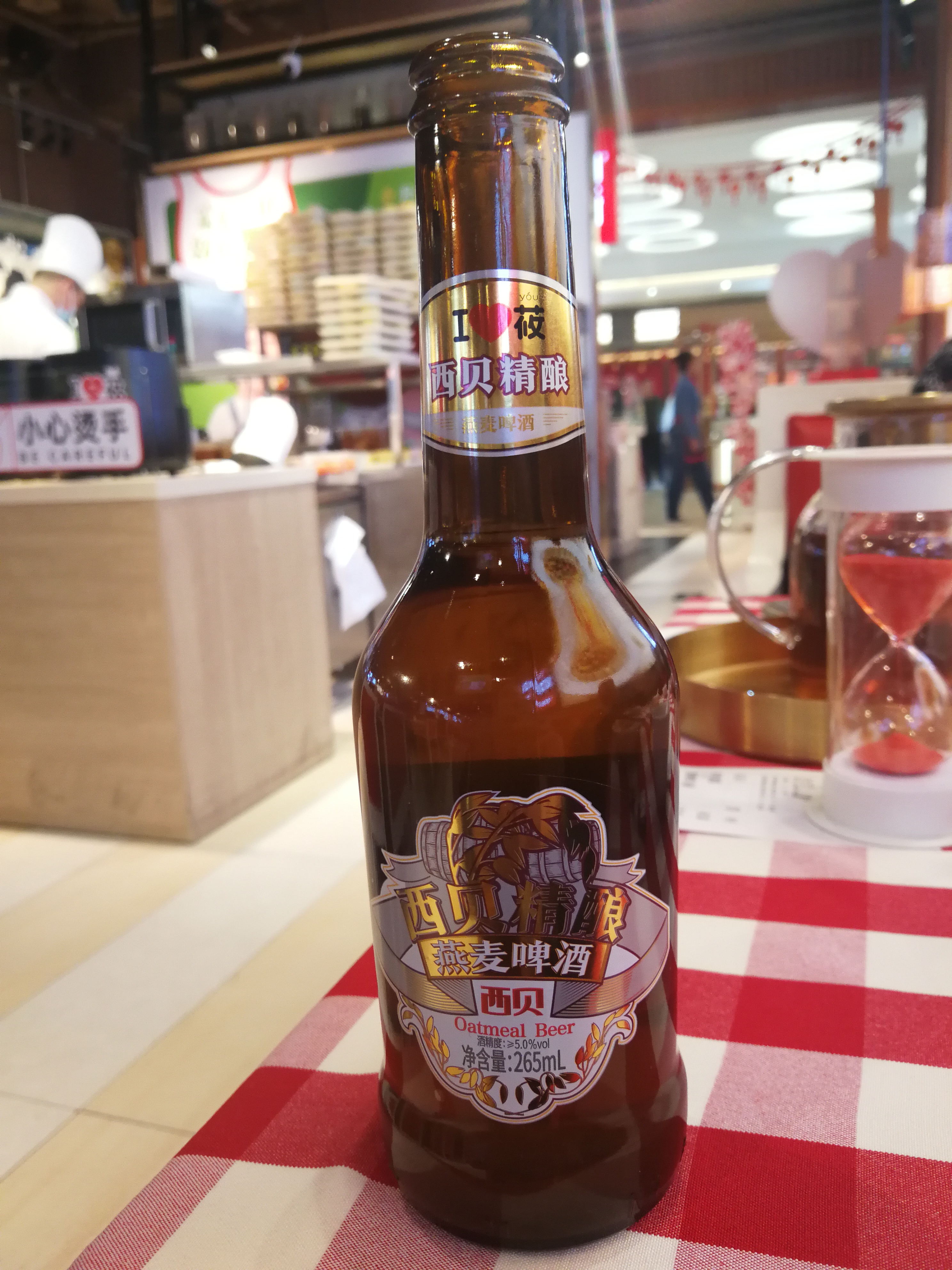
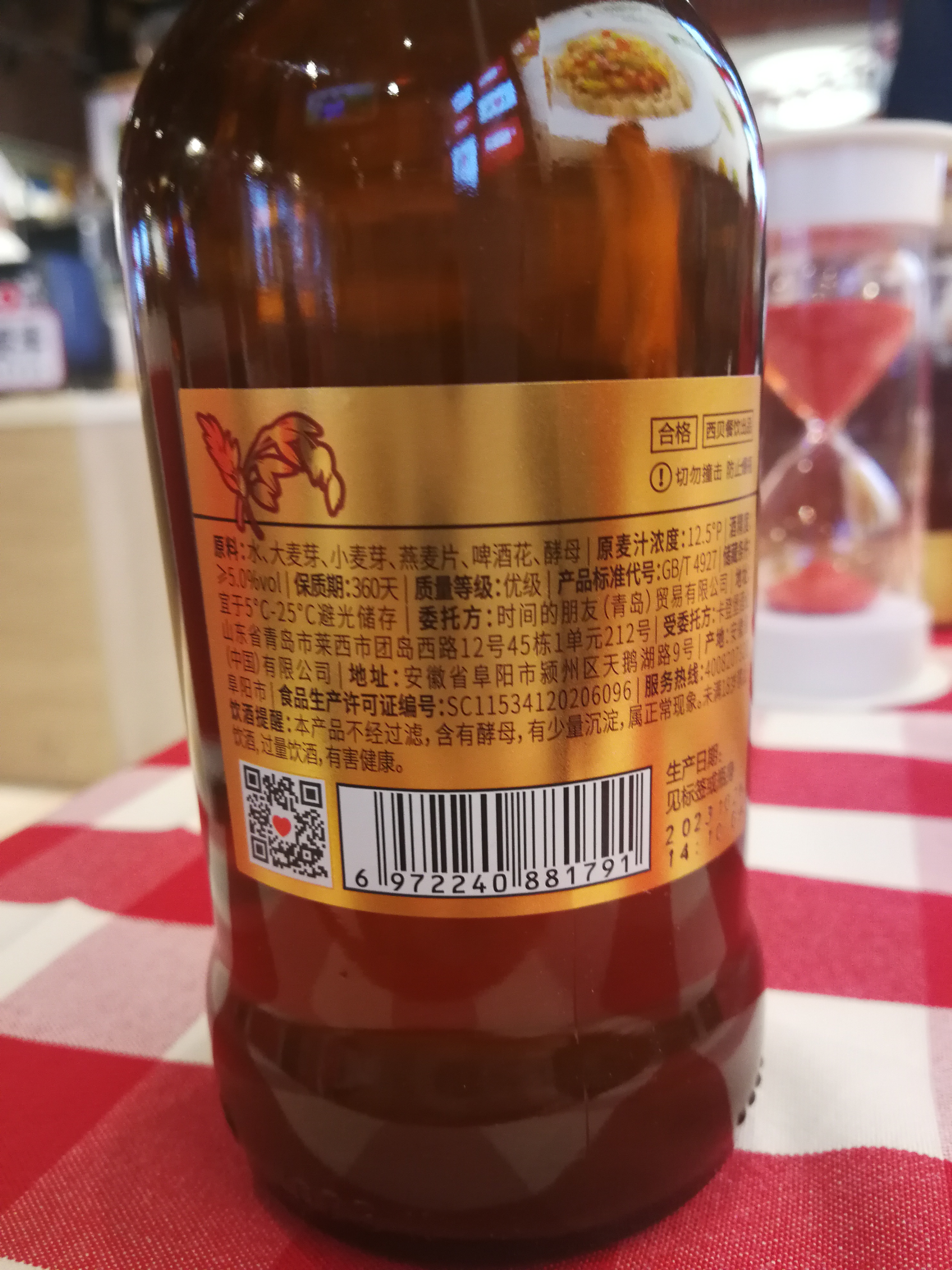
We had lunch at Xibei Youmian again and I discovered that this famous chain of restaurants serving food from China’s Northwest (Xibei means northwest) has added a craft beer of its own to its new menu list. It is produced by KDB Brewing in Fuyang, Anhui.
The product is called Oat Beer, because oat is one of the three malts used to brew this beer: barley malt, wheat malt and oat malt.
The beer has a strong body: 12.5% and more alcohol than the typical Chinese pilsner: 5%. This beer indeed has a much fuller mouthfeel than sweetish light domestic beer. The price is also a little higher. A small bottle costs you RMB 13. It is worth it, and while I am a wine drinker and usually would prefer red wine Xibei’s food, I may actually be tempted to get an Oat Beer again the next time.
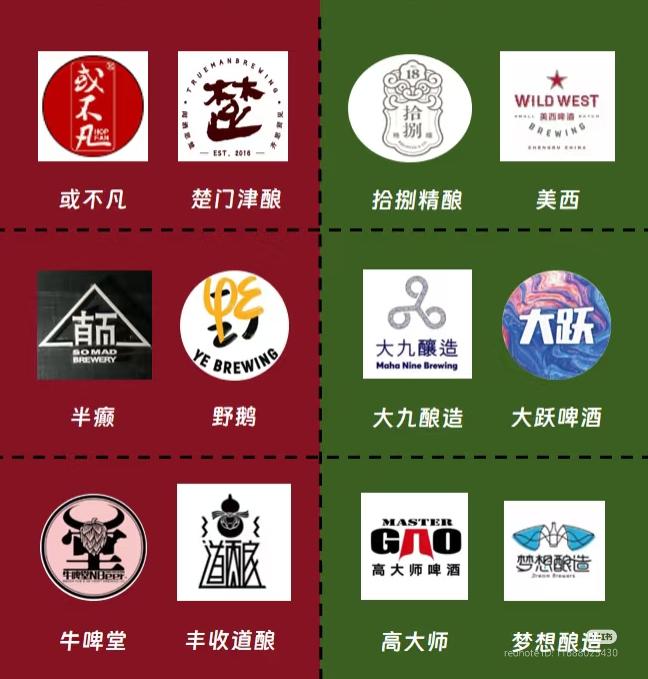
More craft beers
China is rapidly developing into the world’s largest craft beer market. The following picture is a collation of some of the brands; date: 2026.
Chinese New Year is on February 10 this year and regular readers of this blog know that Chinese are now preoccupied with buying stuff for the Spring Festival, the official name for Chinese New Year, and most of it will be food and drinks.
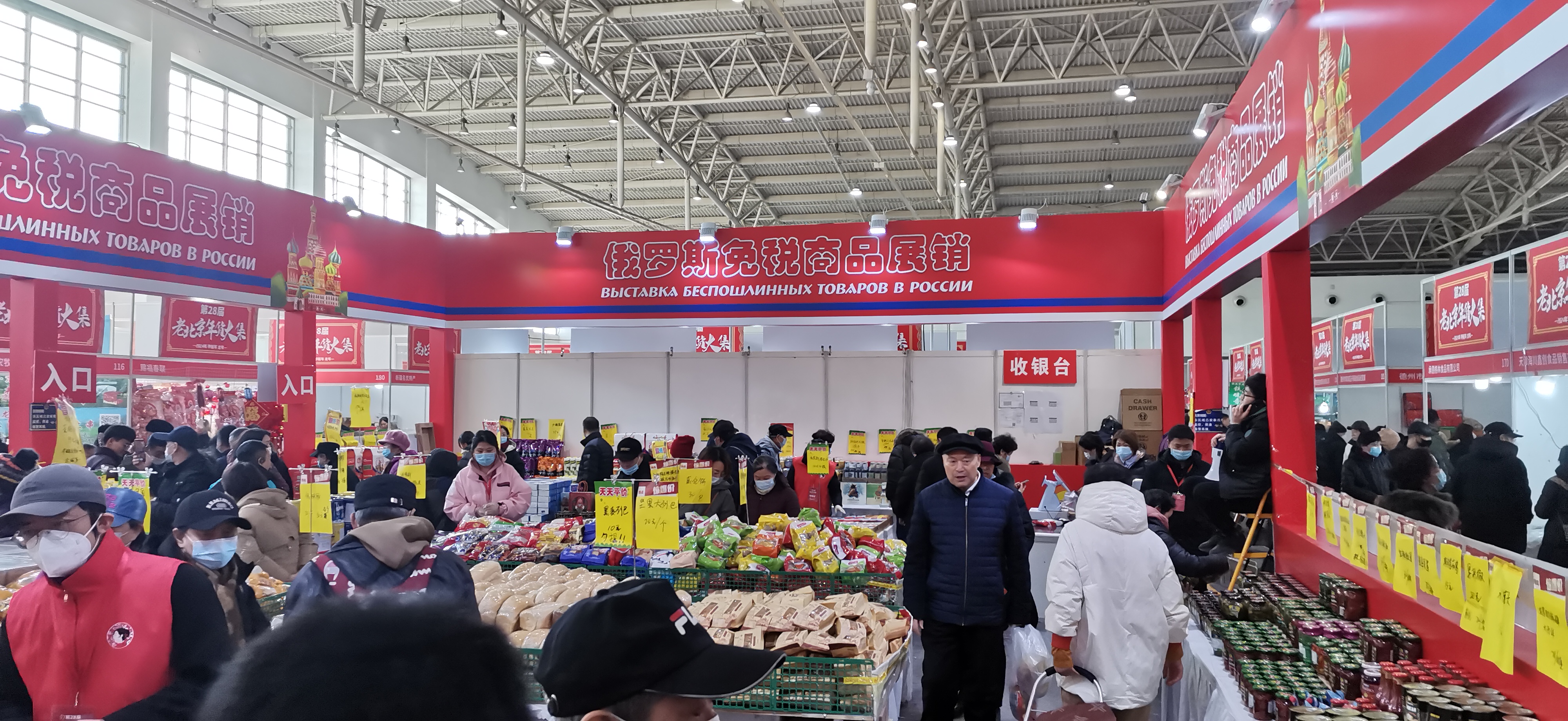
I happen to be in China at the moment to celebrate with family and friends, but obviously also to observe the latest trends. I visited Beijing’s annual New Year Fair in the Agricultural Exhibition Centre. In this post, I want to focus on the foreign influences in this year’s fair.
Russia
Russian products are by far the most important foreign foods offered on the fair. Some of them are imported, while others are produced in China, in particular in Harbin. Harbin is the home of the famous lieba, a word derived from the Russian word for bread ‘hljeb’. A big stand from Harbin also offers various Russian style sausages.
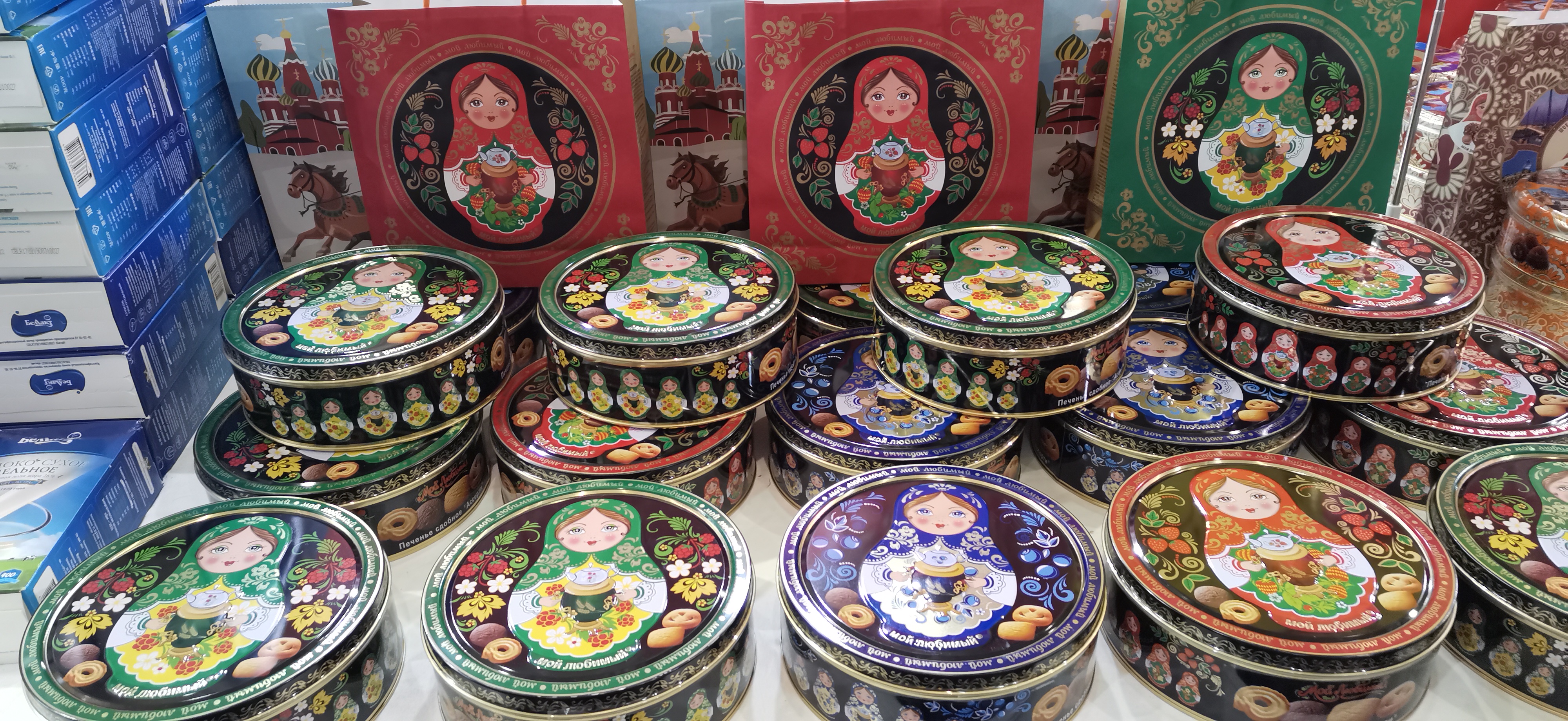
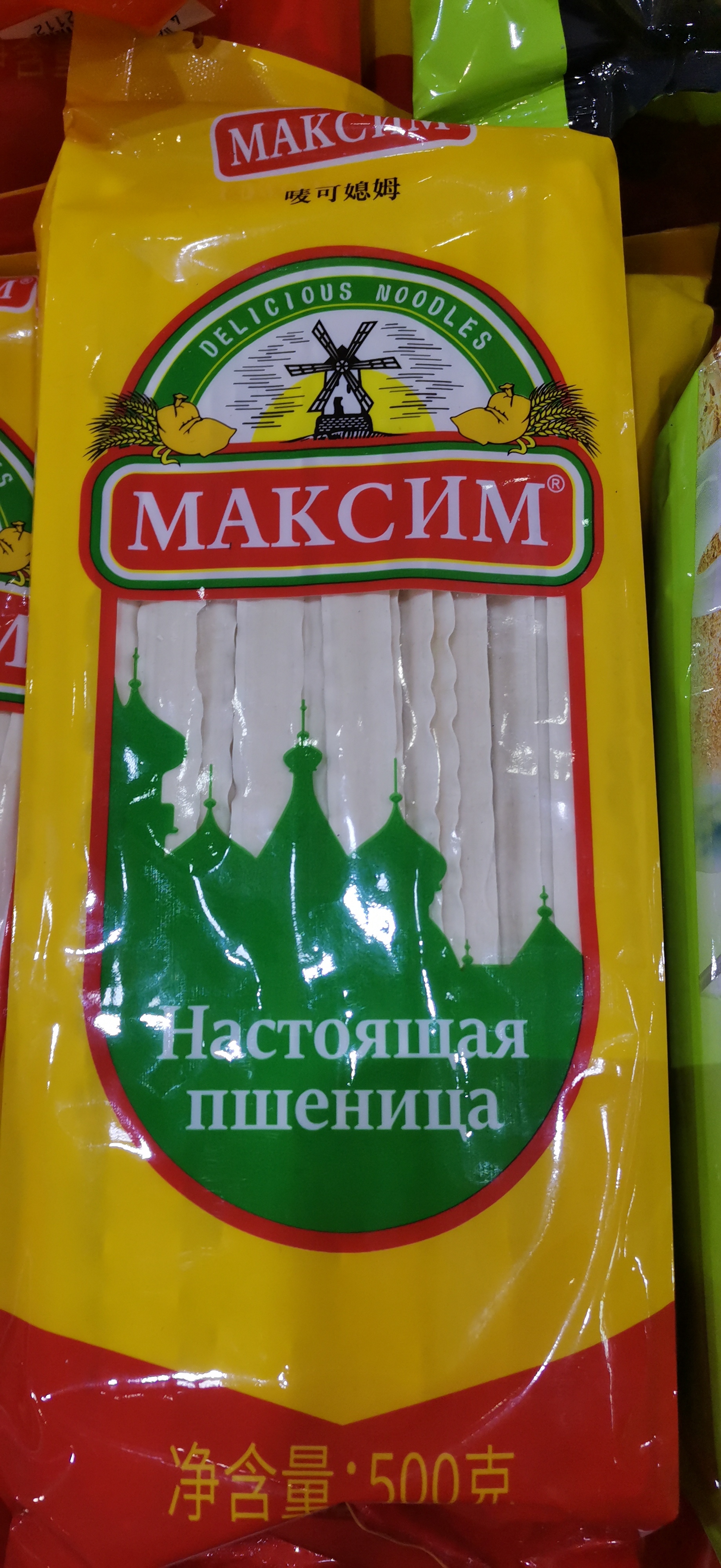
In the middle of the fair is a large space set up as a supermarket, with an entrance and an exit with the cashier. It offers a broad range of goods, including some non-food products. I am simply providing a few pictures of milk powder, chocolate, cookies, and pasta.
Australia
Australia is the second nation in terms of volume. I saw three or four stands with Australian food, in particular oatmeal.
New Zealand
There was one stand with products from New Zealand, with wine as the most visible. That was especially interesting considering that no stand offering Australian products was selling wine. A few wines were offered for exceptional low prices (for Chinese standards).
Spain
A stand promoting Spanish ham is positioned near the entrance. Interestingly the same stand is advertising with ‘pizzas with Spanish ham’.
Romania
The Romanian stand was exclusively selling wines from Romania and Moldova. The Romanian importer and his Chinese aide were selling actively, offering free tasting of several wines. On the other hand, the importer was not prepared to give special prices for the New Year, except for a 6-bottle box of the cheaper red wine.
Indonesia
Indonesia was present exclusively with coffee, including the prestigious kopi luwak.
Contact me for tailor made market research on the spot
A longer stay in China offers the opportunity to get to know a wide variety of people. At an organic products market, we met an older couple, Mr. and Mrs. Xiong, who set up a French bakery. Both are retired civil servants, but still work daily in their own bakery, with their son, where they bake authentic European bread and related things.
Bread
Bread is not a traditional product in China. Chinese eat steamed bread (mantou). When European communities began to form in a number of large cities at the end of the 19th century, this also attracted bakers. As a result, bread gradually became known in China, but when the Chinese also started baking bread, it was of a different type than what Europeans like to eat. Chinese bread, like bread in many other Asian countries, has the consistency of cotton wool, is snow-white and quite sweet. It’s more like cake than bread.
Foreigners
Over the course of the nineties and later, foreign communities arose again in the larger Chinese cities. This created a need for firmer bread and bread with more fibre. Western fast food chains and hotels also needed bread, which had to come fresh from a local oven. A number of European entrepreneurs started baking European bread. However, as usual, it didn’t take long for Chinese entrepreneurs to start seeing opportunities in this market as well.
French connection
The history of the business of the Xiong family started, when their son opted to study at Le Cordon Bleu in Paris. There he got to know all aspects of gastronomy, but chose patisserie as his specialty. His parents came to visit him in Paris and also fell under the spell of French culture in general and gastronomy in particular. That is also so surprising, when you consider that food and drink occupies a central place in both cultures.
Suburb
The Xiongs set up their first bakery in a suburb in eastern Beijing. There was no place for a store there yet. They sold their bread through third parties. It was also still in the hobby stage at the time. When they went on holiday, baking also stopped temporarily. That did make many of their customers grumble. When they had to close that bakery because the local government had other plans with the area, they moved the company to its current location near Beijing’s embassy district. That was a success, as the French embassy is one of Xiong’s regular customers.
Three in one
The bakery, officially called Uncle and Aunt Xiong in Chinese and La Maison de Xiong in French, shares a space with a coffee shop and a bar. The space itself is again part of a co-worker space, a space where small independent entrepreneurs can (co-)work. Upon entering, it feels like you are back in Europe. However, appearances are deceiving. Where Europeans would work together on the basis of strictly agreed rules, the various entrepreneurs there mainly work on the basis of mutual respect and trust. For example, we talked to the Xiongs in the bar for more than an hour, because the bar attracts few customers during the day. We drank coffee from the coffee shop that fitted perfectly with a fresh scones from Xiong.
Product range
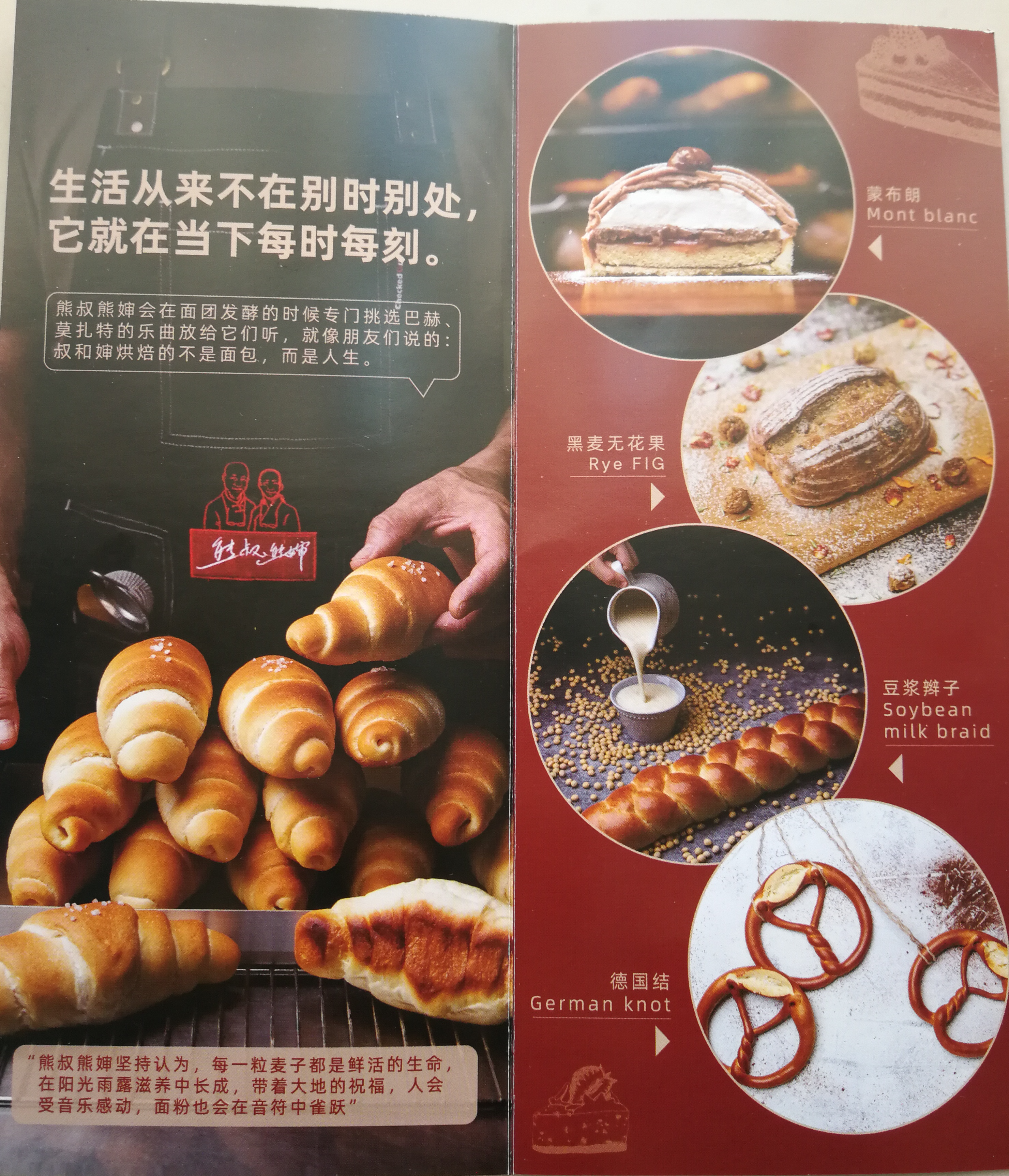
The store’s showcase offers a completely different image than that in most bread chains in China. You can buy several types of sturdy brown bread. Most do have extra ingredients such as figs or walnuts, but it has a firm bite and is not so sweet. There is white bread, but also sturdy in structure, available in various shapes. An invention of the Xiongs is soy milk bread, bread made with soy milk instead of cow’s milk or water. It is a successful attempt to make higher protein bread that fits better into the Chinese flavour palette. We didn’t see much patisserie that day apart from two types of scones. You can of course place an order from the brochure and pick it up later in the store or have it delivered to your home.
Enterprising
The Xiongs are now in their seventies, but when you hear them talk about their plans, they seem thirty or more years younger. They start early in the bakery every working day and are not ready until after noon to take it down a bit. In addition, they have also bought a property near the Great Wall that they want to furnish as a holiday home. There, guests can enjoy not only fresh bread, but also other local, organically grown products. The air is cleaner than in Beijing due to its high elevation. All this fits into the increasing interest among Chinese consumers in organic products. There is also a branch in Shunyi, a northeastern suburb of Beijing with much more expensive residential areas.
Next step
The Xiongs want even further. Their concept is well suited for franchising, where others take over the entire concept for a fee, from products to the layout of the store, etc., for a fixed amount per period. A change in management will be required for such a step. First of all, you have to hire an experienced professional manager for this; not necessarily someone who can bake bread, but someone who can lead the staff and supervise the, growing, number of franchisees. It’s not that far yet and the Xiongs are behind the ovens almost early every morning with great pleasure.
An international coffee exhibition was held in Pu’er, Yunnan province, on January 5 – 7. Pu’er is the central town in Yunnan’s coffee production region, that is good for 95% of China’s coffee production; the remainder being produced in Hainan. In 2022, Yunnan’s total coffee bean output was 113,600 mt That year, Yunnan exported 8,700 mt of beans.
International
In that respect, Pu’er is the natural venue for an international coffee fair in China. However, the town is not the easiest place to reach for international exhibitors or buyers. That was probably the reason that, although it was an international fair, the number of foreign stands was limited. Only the stands of Mexico and Uganda had foreign persons on the stand. The other non-Chinese stands were manned by local people. As for visitors, I only spotted one other foreign visitor apart from myself.
Exhibitors
As Eurasia Consult specialises in food and beverage, I will not allot space in this post on machinery or services. However, the number of exhibitors was remarkably high. It seems that we can divide Chinese suppliers of coffee in two types: coffee companies comparable to the big international suppliers and a large number of small companies. The former purchase beans from farmers and process it into a number of standardised products. The latter are farms that have started processing their own beans into specialty products, and/or have added tourist facilities like a visitor centre or even a hotel, so tourists can stay at the farm for a complete coffee experience.
Coffee
A visit to a coffee fair inevitably leads to a high caffein intake. At a certain moment, it becomes hard to savour the flavour of another cup offered to you however hospitably. Still, the average quality was good. The range of flavours was impressive. Chinese coffee processors have reached the level of maturity in which various houses have developed a distinct flavour that you can like or dislike as a consumer. Most people offering coffee at the stands were familiar with expressions like ‘dark roast’ vs ‘medium roast’. Also, most coffee offered was prepared freshly in a percolator, to extract maximum flavour.
Innovative products
Coffee (beans, grinds, instant) was not the only product exhibited at this fair. A number of exhibitors was offering a broad range of derived products:
Ice wine is originally a German product. Due to global warming, Germany has now been overthrown by Canada as the largest producer. Interest in iced wine is growing worldwide and, as usual, this quickly arouses the interest of Chinese entrepreneurs. I tasted ice wine at a producer in Yunnan province in December 2023.
Ice wine
Ice wine was actually discovered by chance. When you expose grapes to frost for a few nights before harvesting, the fruits dry out. As a result, the sugar content becomes higher. In addition, this delayed harvest also gives free rein to fungi that feed on the sugars and convert them into aromatic substances. That combination of concentration and mould gives the juice and the wine that is made from it the typical aroma of ice wine. Ice wine can be made from different white grapes, but in Canada the Vidal grape is the favourite.
Weixi
A Beijing entrepreneur, a New Zealand winemaker and the local government of Weixi Prefecture in Yunnan Province imported and planted stock of the vidal grape from Canada in Weixi in 2009. This location has been selected as the most suitable for this grape after a long comparative study. The area is located in the subtropical zone, but at 2300 meters above sea level, so that warm sunny days alternate with cold nights, many with sub-zero temperatures, ideal for the production of ice wine.
Grapes
Upon arrival at a local guest house in Tacheng, a village in the Weixi region, we left for the winery located higher on the mountain. From the car we saw fields of vines on both sides of the car. Most of that village’s farmers bred grapes. The grapes were still hanging on the sticks, even though it was already at the end of December, but did not make an attractive impression at first glance. They were shrivelled and closer we also saw white fungal threads. Then arrived at the company.
Lapu Valley
It turned out to be a state-of-the-art winery. From the outside it didn’t seem too big, but on the way to the office we saw a hall with shiny stainless steel fermenters and storage vessels; according to the manager imported from Italy. The company is built against a slope so that it is a lot deeper than it seems from the outside. The company is called Lapu Valley Winery, named after the Tibetan name of the river that flows through the valley. Of course, it has also been noted that many wines from countries such as Chile or Australia are called XX Valley. Farmers in the area who have switched to grape cultivation deliver their produce to Lapu Valley, which makes wine from it in a modern way.
Three products
In a special tasting hall we were presented with three wines, as usual in order of intensity: dry, semi-dry and sweet. The dry wine is not the biggest product, but it is the most special. Sweet wines are the usual product made from the Vidal grape. As far as I know, Lapu Valley is the only winery that also produces dry wine from it. The dry wine is remarkably light in taste, but still retains the typical aromas of the Vidal grape. The semi-dry wine is less special, but according to the manager it is most appreciated by Chinese guests. It fits well with a Chinese meal that typically consists of several dishes, which you eat simultaneously. Personally, as a European, I would prefer the dry version. The ice wine is a true revelation. As far as I’m concerned, this one compares with the top brands.
Small volume
It is unlikely that we will see Lapu Valley wines for sale in outside China any time soon. The production is still too small to think of international promotion. They have already won a bronze medal in China. A number of Western restaurants in major cities like Shanghai have purchased wine from Lapu Valley and there is also a buyer in Hong Kong. In order to produce more income, the company also sells its bottling and packaging capacity to other companies. During our visit we saw that the employees were busy bottling a red wine imported in large barrels for a trading house elsewhere in the region.
Regular readers of this site know that dairy is held in high regards as a major source of nutrition in China. However, many (still a majority) of Chinese have a problem with the typical flavour of fresh milk.
Chinese food technologists have tried to overcome this problem by creating a large array of formulated dairy beverages.
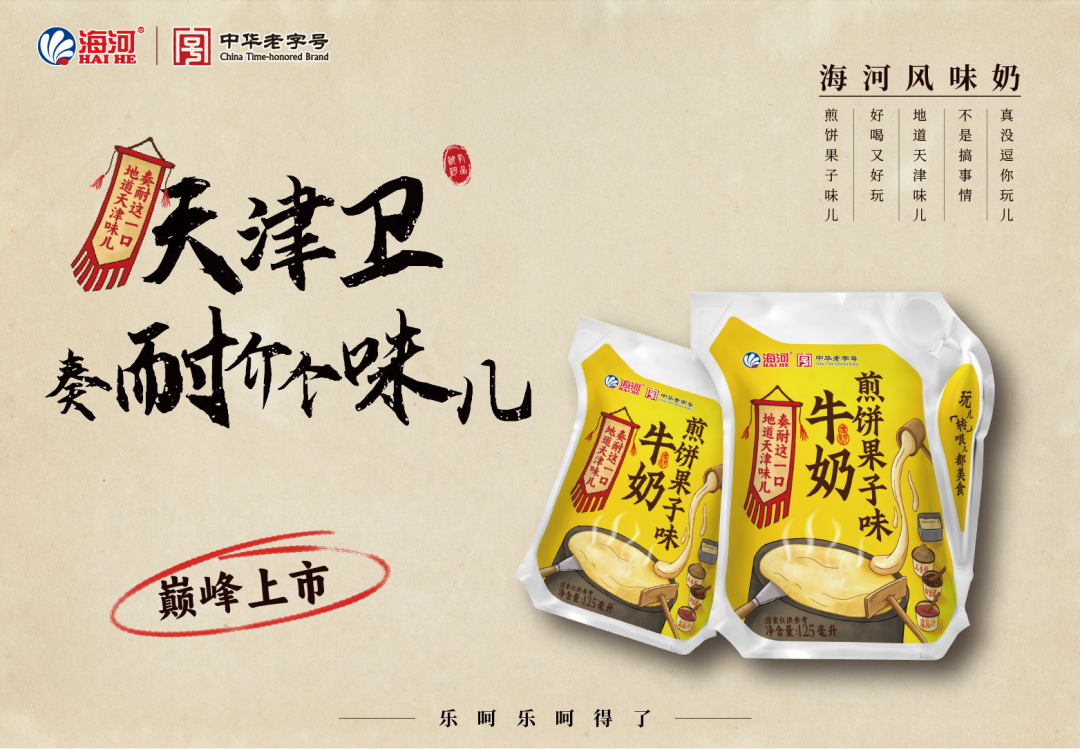
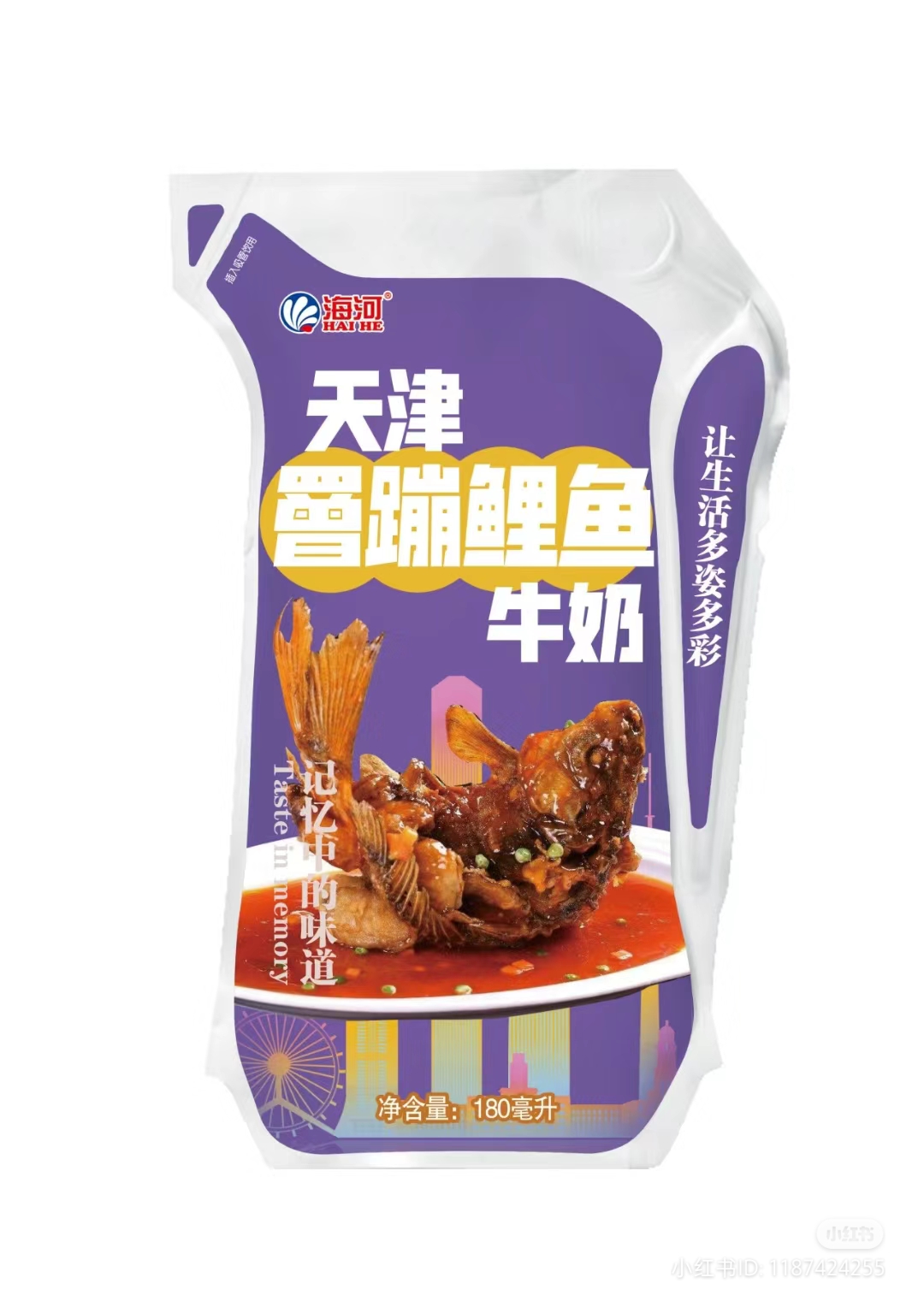
Haihe Dairy, based in Tianjin, the city along the Haihe River, has moved this trend on to the next level by launching a series of drinking milks flavoured as traditional Chinese snacks and dishes. I will introduce them in this post, but I need to warn readers with a faint stomach that some of these products may strike you as less than appetising.
Guoba milk
Guoba has been introduced in an earlier post. It is a kind of rice crisp eaten as a Chinese alternative for Western potato crisps. As the flavour of guoba itself is rather bland, Haihe has made it into ‘guoba dish milk’, including the flavour of seasoning and, looking at the label, other ingredients. I like guoba, but I am not sure if I will appreciate this milk. I will let you know, whenever I have tasted it on the spot in Tianjin.
Mahua milk
Mahua too has been introduced in a post of its own. It actually is a traditional Tianjin snack and the locals love them, hence the text on the pack: ‘Taste in memory’. But, again, will they love this milk as well?
Jianbing milk
Jianbing are sold on the streets all over northern China and I have had a decent one in Manchester as well. Jianbing are like creps, filled with spring onions, youtiao (fried dow sticks) and a mildly spicy sauce. They are an excellent way to address a pang of hunger. And now you can savour milk with jianbing flavour.
Haihe launched a new version of this flavour in 2024. Ingredients as reported:
Fresh milk (90%), green bean meal, furu juice, millet meal, fermented flour (jiang), five spice seasoning mix.
Pear cake milk
Another traditional Tianjin snack; a sweet one this time. I can actually imagine that this could be a tasty member of the odd flavour milks by Haihe.
Zengbeng carp milk
I have save the best for last. Zengbeng Carp is a fresh carp, marinated in a blend of seasonings and then placed in a specially designed bamboo basket (zeng). This basket is then rapidly immersed in hot oil, causing the carp to “beng” or leap and sizzle. Lovely, but, I am getting repetitive, will zengbeng carp flavoured milk catch on?
Still, this post shows how far Chinese food makers will go to blend the traditional with the modern. This development fits in with the general nationalistic trend in Chinese society.
Western snack makers are frequently advertising their products as ideal food for binge watching TV series. Binge watching has gone off in China as well, and I recently ran into an influencer’s suggestions for binge snacks. They are specifically marked as relatively healthy products,
I will introduce them in this post to give you an impression of how much these products differ from those of the likes of Lay’s. There are so far only four, which is probably insufficient to draw detailed conclusions.
Boli egg rolls
Egg rolls are light, so you can eat several without immediately feeling guilty. They do crumble, though, so you probably will need to vacuum after your binge session.
Ingredients
Wheat flour, eggs, vegetable oil, sugar, liquid egg white, black sesame, salt
Luqin milk dates
Milk still gives any food a healthy image in China, but make sure that your product does not have a strong creamy flavour. However, the most salient feature of this product is the almond inside the dates. It creates an interesting mix of flavours and textures.
This is the only foreign product in the list. These crisps approach the Western crispy potato-based snacks in texture, but not in flavour.
Ingredients
Cocoa powder, coconut powder (17%), coconut fat, brown sugar, cassava starch, egg white, cashew nuts, almonds, salt
Crispy chick peas
Chick peas are a relatively new food in China, but they are becoming popular rapidly. This is the simplest product in the list in terms of ingredients.
Ingredients
Chick peas, salt
Hot strips (latiao)
Hot strips has become the number one snack among young Chinese consumers for any situation, so it does not come as a surprise to find the listed in this post. Latiao is a popular snack, especially among younger Chinese and children. Pingjiang (Hunan) is the hometown of latiao and the base of 116 latiao enterprises, with an annual production value exceeding RMB 20 billion. Three people from the county invented the snack in 1998, and more than 90% of the founders of latiao companies in China come from Pingjiang.S
These by Maiyixiang are recommended as healthier than the average hot strip.
Yaoyao produces this processed parasol mushroom (Macrolepiota procera). It is a typical product from Yunnan, China’s top fungus region. This will be harder to get accepted by Western binge watcher as a healthy replacement of their crisps.
This is a simple dried apricot product by Ayanggao.
Ingredients
Carefully selected apricots, water
Dried shiitake
Another dried natural product, this time by Chaweng. Actually, mushrooms can be quite filling, so chewing on dried shiitake could decrease your caloric intake while watching all episodes of your favourite show.
Ingredients
Shiitake, vegetable oil, maltose, salt
Common features
These four products have one thing in common: they produce considerable noise. This seems to be a universal expectation among binge watchers worldwide. The products recommended by this influencer indeed seem to be more nutritious than the typical snacks consumed in Europe. This corroborates the strong focus on nutrition among (young) Chinese consumers.
Sesame seems to be a recurrent ingredient. Chinese love sesame as a flavour component in snacks and pastries.
I will keep expanding this post, whenever new information appears in our screening of the Chinese information streams.