
Introduction
Plant factory is an advanced stage of the development in agricultural production on an industrial scale. It is a high-input, high-tech and well-equipped production system. It integrates biotechnology, engineering and system management, so that agricultural production can be freed from the shackles of the whims of nature. A factory-based agricultural system enables a government to plan fruit and vegetable production with a precision close to that of other industries.
In recent years, the overall market size of China’s plant factory industry has shown an upward trend. In 2025, the market value of China’s plant factory business was RMB 2.248 billion, an increase of 13.8% year-on-year.
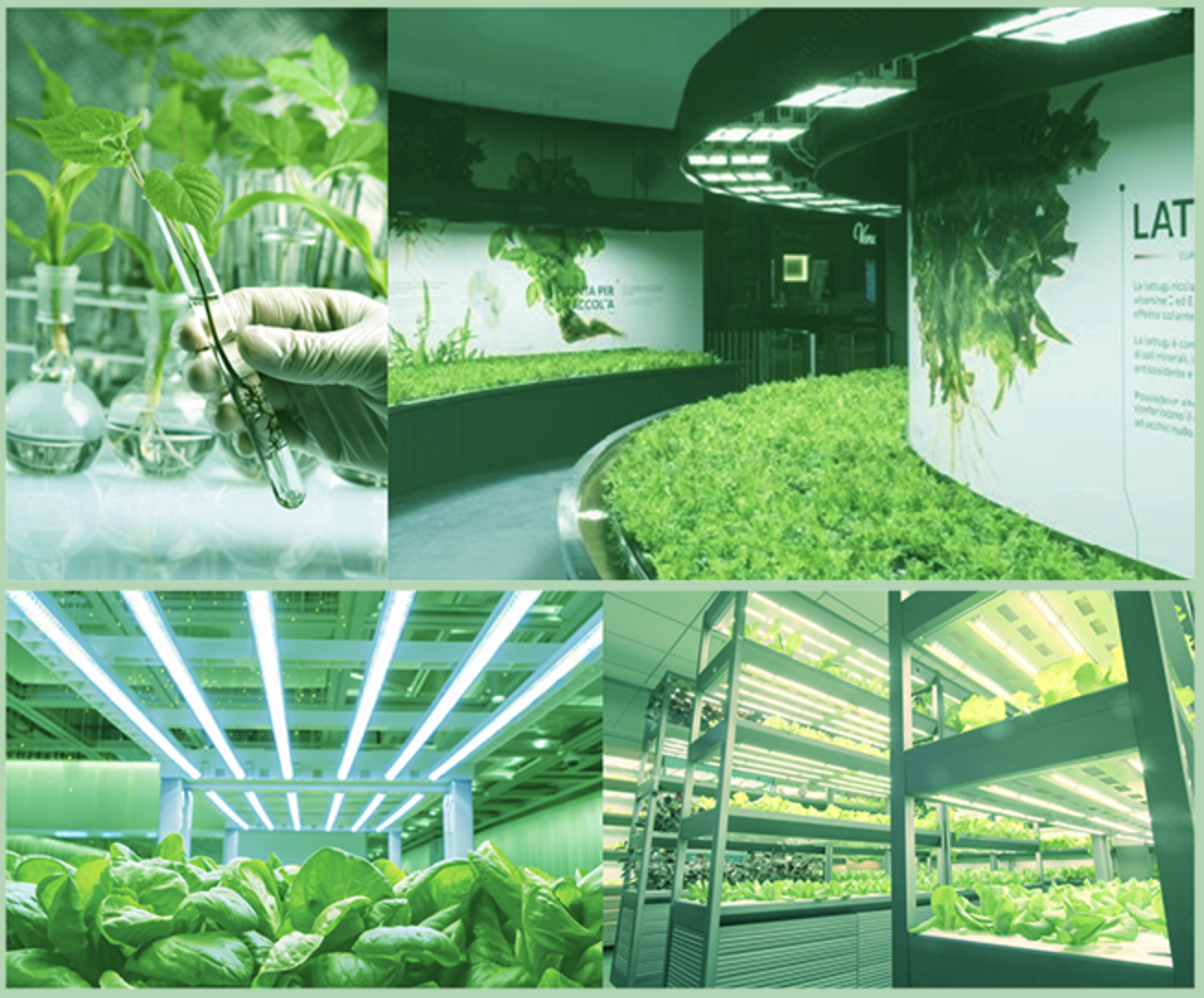
In addition to being affected by national policies, this development is also inseparable from technological innovation. The deep integration of the Internet of Things, artificial intelligence and automation has realised a high-precision coordinated regulation of the planting environment and the unmanned operation of the whole process, which has greatly improved the consistency of production efficiency and product quality, and strongly promoted the continuous growth of the industry.
In terms of demand, the improvement of health awareness has promoted consumers’ preference for agricultural residue-free, zero-pollution and high-fresh agricultural products, and the closed production and traceable product attributes of plant factories accurately match this consumption trend.
Overview of the plant factory industry
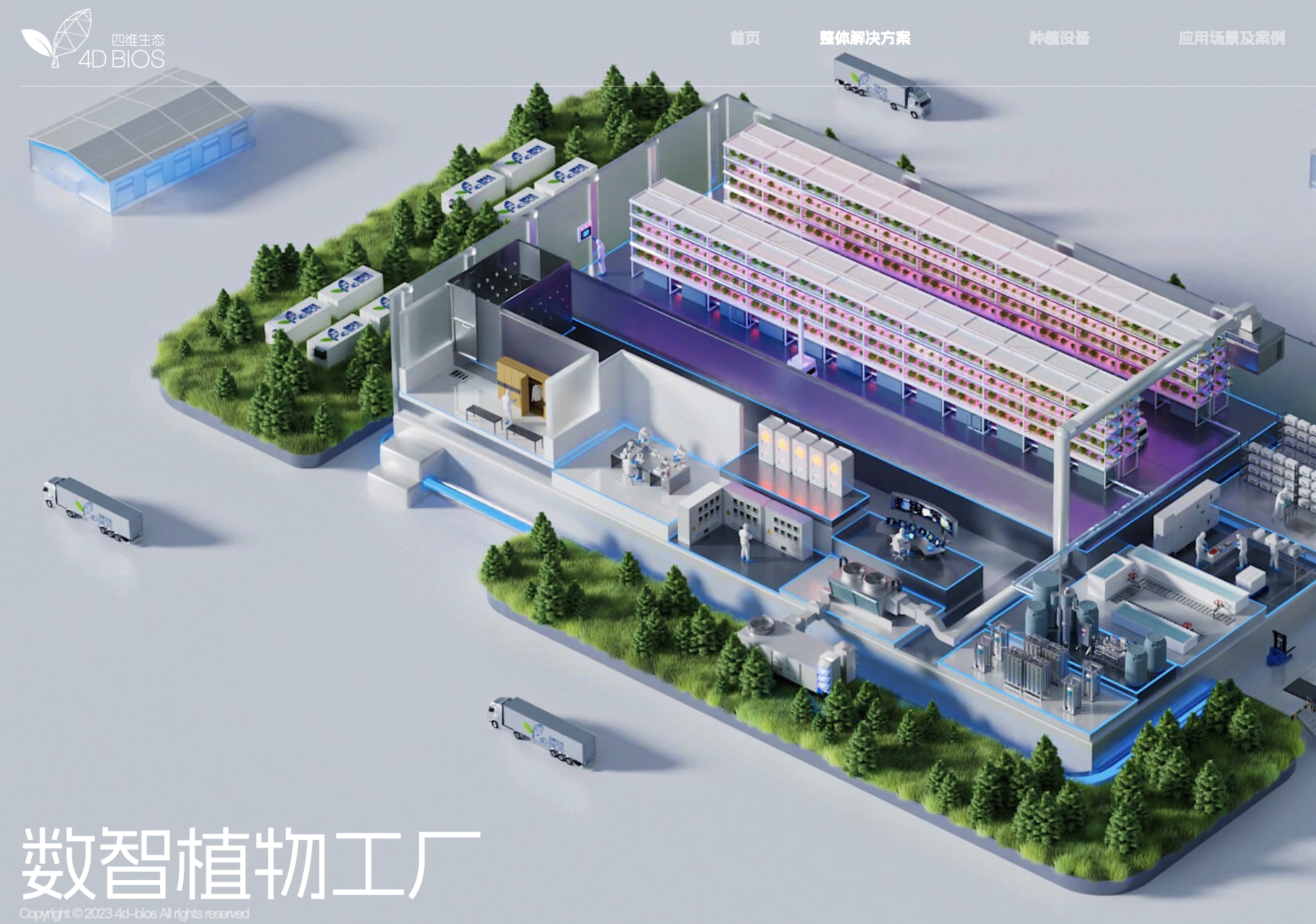
The plant factory is an efficient agricultural system that realises the annual continuous production of crops through high-precision environmental control in the facility. It uses computers and electronic sensing systems to automatically control the temperature, humidity, light, CO2 concentration and nutrient solution and other environmental conditions of plant growth.
- According to different divisions, plant factories can be divided into the following categories: according to the construction scale, they can be divided into large (more than 5000m), medium-sized (1000~5000m), small (100~1000m), and micro (less than 100m).
- According to the production function, they can be divided into plant seedling factories, leafy vegetables, melons and fruits, flower plant factories, as well as some field crops, medicinal plants, edible fungi, etc..
- In terms of the organisational scale of production and research objects, plant factories can be divided into plant production plant factories, group culture plant factories, cell production plant factories (photobioreactors).
- According to light energy The utilisation method can be divided into three types, namely solar light utilisation plant factories, all-artificial light utilisation plant factories, and comprehensive plant factories that combine sunlight and artificial light.
China
In recent years, the Chinese government has introduced a number of policies to actively promote the development of plant factories.
For example, in June 2023, the ‘Guidance on the Development of Modern Facility Agriculture’ issued by the Ministry of Agriculture and Rural Affairs proposed to support the development of connected greenhouses, plant factories and other advanced production facilities around large and medium-sized cities according to local conditions, strengthen demonstration and guidance, and improve the stable production and supply of fresh agricultural products such as vegetables.
In September 2024, in the ‘Opinions on Practising the Concept of Big Food and Building a Diversified Food Supply System‘ issued by the General Office of the State Council, it is proposed to actively develop daylight greenhouses and plastic greenhouses, promote the transformation and upgrading of old facilities, accelerate the development of intensive seedling breeding, and develop soilless cultivation such as matrix and hydroponics. Plant factories are built around the city.
In April 2025, in the ‘Plan to Accelerate the Construction of a Strong Agricultural Country (2024-2035)’ issued by the Central Committee of the Communist Party of China and the State Council, it is proposed to implement the modernisation of facilities and agriculture, build modern cultivation facilities with standards, advanced equipment and high output, and develop new forms such as agricultural factories.
Peter Peverelli is active in and with China since 1975 and regularly travels to the remotest corners of that vast nation. He is a co-author of a major book introducing the cultural drivers behind China’s economic success
 Peverelli on Chinese food and culture