China becomes a player in the ice wine market

Ice wine is originally a German product. Due to global warming, Germany has now been overthrown by Canada as the largest producer. Interest in iced wine is growing worldwide and, as usual, this quickly arouses the interest of Chinese entrepreneurs. I tasted ice wine at a producer in Yunnan province in December 2023.

Ice wine

Ice wine was actually discovered by chance. When you expose grapes to frost for a few nights before harvesting, the fruits dry out. As a result, the sugar content becomes higher. In addition, this delayed harvest also gives free rein to fungi that feed on the sugars and convert them into aromatic substances. That combination of concentration and mould gives the juice and the wine that is made from it the typical aroma of ice wine. Ice wine can be made from different white grapes, but in Canada the Vidal grape is the favourite.

Weixi

A Beijing entrepreneur, a New Zealand winemaker and the local government of Weixi Prefecture in Yunnan Province imported and planted stock of the vidal grape from Canada in Weixi in 2009. This location has been selected as the most suitable for this grape after a long comparative study. The area is located in the subtropical zone, but at 2300 meters above sea level, so that warm sunny days alternate with cold nights, many with sub-zero temperatures, ideal for the production of ice wine.

Grapes

Upon arrival at a local guest house in Tacheng, a village in the Weixi region, we left for the winery located higher on the mountain. From the car we saw fields of vines on both sides of the car. Most of that village’s farmers bred grapes. The grapes were still hanging on the sticks, even though it was already at the end of December, but did not make an attractive impression at first glance. They were shrivelled and closer we also saw white fungal threads. Then arrived at the company.

Lapu Valley

It turned out to be a state-of-the-art winery. From the outside it didn’t seem too big, but on the way to the office we saw a hall with shiny stainless steel fermenters and storage vessels; according to the manager imported from Italy. The company is built against a slope so that it is a lot deeper than it seems from the outside. The company is called Lapu Valley Winery, named after the Tibetan name of the river that flows through the valley. Of course, it has also been noted that many wines from countries such as Chile or Australia are called XX Valley. Farmers in the area who have switched to grape cultivation deliver their produce to Lapu Valley, which makes wine from it in a modern way.

Three products

In a special tasting hall we were presented with three wines, as usual in order of intensity: dry, semi-dry and sweet. The dry wine is not the biggest product, but it is the most special. Sweet wines are the usual product made from the Vidal grape. As far as I know, Lapu Valley is the only winery that also produces dry wine from it. The dry wine is remarkably light in taste, but still retains the typical aromas of the Vidal grape. The semi-dry wine is less special, but according to the manager it is most appreciated by Chinese guests. It fits well with a Chinese meal that typically consists of several dishes, which you eat simultaneously. Personally, as a European, I would prefer the dry version. The ice wine is a true revelation. As far as I’m concerned, this one compares with the top brands.

Small volume

It is unlikely that we will see Lapu Valley wines for sale in outside China any time soon. The production is still too small to think of international promotion. They have already won a bronze medal in China. A number of Western restaurants in major cities like Shanghai have purchased wine from Lapu Valley and there is also a buyer in Hong Kong. In order to produce more income, the company also sells its bottling and packaging capacity to other companies. During our visit we saw that the employees were busy bottling a red wine imported in large barrels for a trading house elsewhere in the region.

Peter Peverelli is active in and with China since 1975 and regularly travels to the remotest corners of that vast nation. He is a co-author of a major book introducing the cultural drivers behind China’s economic success

Traditional Chinese Snacks Reimagined as Dairy Drinks

Regular readers of this site know that dairy is held in high regards as a major source of nutrition in China. However, many (still a majority) of Chinese have a problem with the typical flavour of fresh milk.

Chinese food technologists have tried to overcome this problem by creating a large array of formulated dairy beverages.

Haihe Dairy, based in Tianjin, the city along the Haihe River, has moved this trend on to the next level by launching a series of drinking milks flavoured as traditional Chinese snacks and dishes. I will introduce them in this post, but I need to warn readers with a faint stomach that some of these products may strike you as less than appetising.

Guoba milk

Guoba has been introduced in an earlier post. It is a kind of rice crisp eaten as a Chinese alternative for Western potato crisps. As the flavour of guoba itself is rather bland, Haihe has made it into ‘guoba dish milk’, including the flavour of seasoning and, looking at the label, other ingredients. I like guoba, but I am not sure if I will appreciate this milk. I will let you know, whenever I have tasted it on the spot in Tianjin.

Mahua milk

Mahua too has been introduced in a post of its own. It actually is a traditional Tianjin snack and the locals love them, hence the text on the pack: ‘Taste in memory’. But, again, will they love this milk as well?

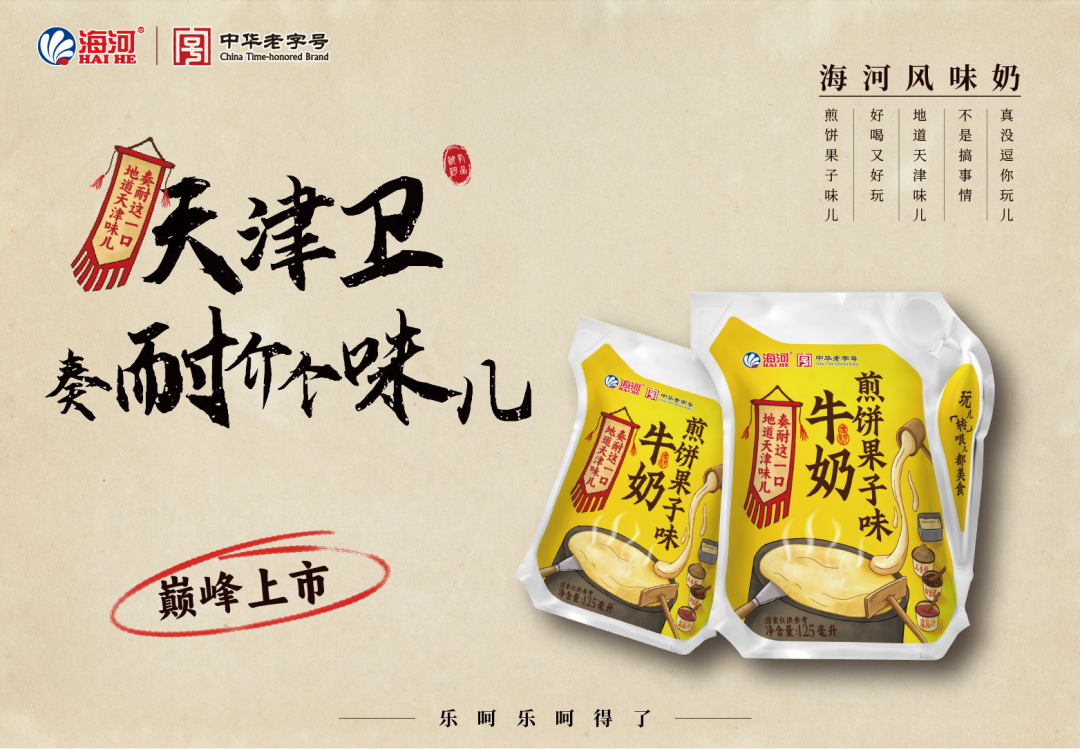
Jianbing milk

Jianbing are sold on the streets all over northern China and I have had a decent one in Manchester as well. Jianbing are like creps, filled with spring onions, youtiao (fried dow sticks) and a mildly spicy sauce. They are an excellent way to address a pang of hunger. And now you can savour milk with jianbing flavour.

Haihe launched a new version of this flavour in 2024. Ingredients as reported:

Fresh milk (90%), green bean meal, furu juice, millet meal, fermented flour (jiang), five spice seasoning mix.

Pear cake milk

Another traditional Tianjin snack; a sweet one this time. I can actually imagine that this could be a tasty member of the odd flavour milks by Haihe.

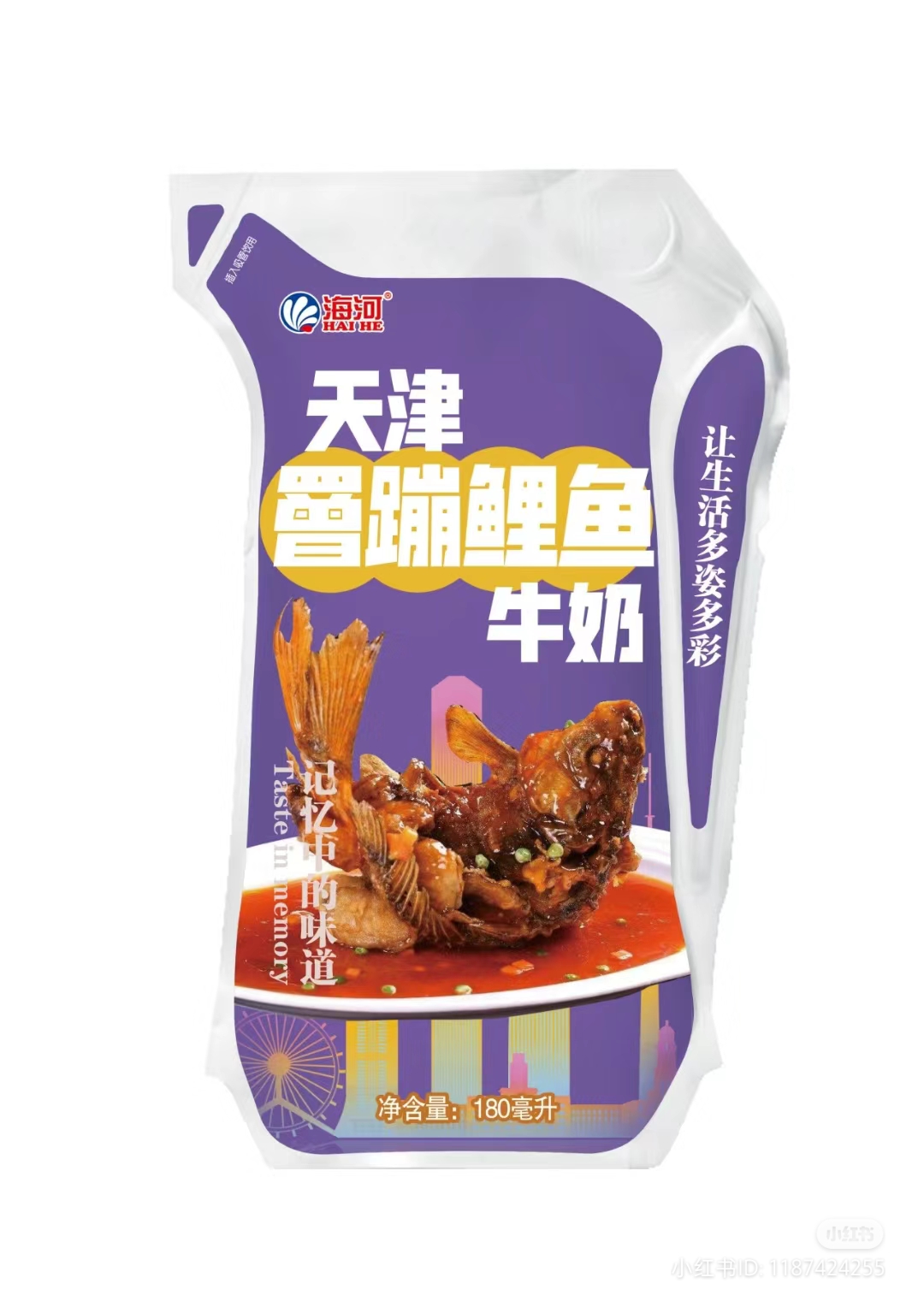
Zengbeng carp milk

I have save the best for last. Zengbeng Carp is a fresh carp, marinated in a blend of seasonings and then placed in a specially designed bamboo basket (zeng). This basket is then rapidly immersed in hot oil, causing the carp to “beng” or leap and sizzle. Lovely, but, I am getting repetitive, will zengbeng carp flavoured milk catch on?

Still, this post shows how far Chinese food makers will go to blend the traditional with the modern. This development fits in with the general nationalistic trend in Chinese society.

Peter Peverelli is active in and with China since 1975 and regularly travels to the remotest corners of that vast nation. He is a co-author of a major book introducing the cultural drivers behind China’s economic success

Top Healthy Snacks for Binge Watching from China

Western snack makers are frequently advertising their products as ideal food for binge watching TV series. Binge watching has gone off in China as well, and I recently ran into an influencer’s suggestions for binge snacks. They are specifically marked as relatively healthy products,

I will introduce them in this post to give you an impression of how much these products differ from those of the likes of Lay’s. There are so far only four, which is probably insufficient to draw detailed conclusions.

Boli egg rolls

Egg rolls are light, so you can eat several without immediately feeling guilty. They do crumble, though, so you probably will need to vacuum after your binge session.

Ingredients

Wheat flour, eggs, vegetable oil, sugar, liquid egg white, black sesame, salt

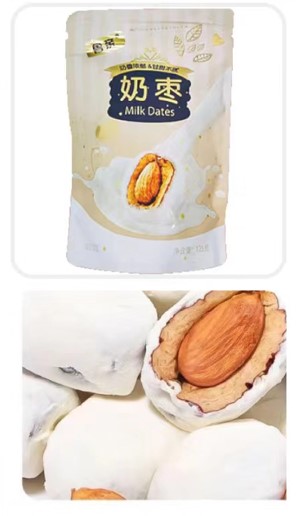
Luqin milk dates

Milk still gives any food a healthy image in China, but make sure that your product does not have a strong creamy flavour. However, the most salient feature of this product is the almond inside the dates. It creates an interesting mix of flavours and textures.

Ingredients

Xinjiang dates, almonds, whole milk powder, condensed milk powder, butter, salt

Bruno’s chocolate brownie crisps

This is the only foreign product in the list. These crisps approach the Western crispy potato-based snacks in texture, but not in flavour.

Ingredients

Cocoa powder, coconut powder (17%), coconut fat, brown sugar, cassava starch, egg white, cashew nuts, almonds, salt

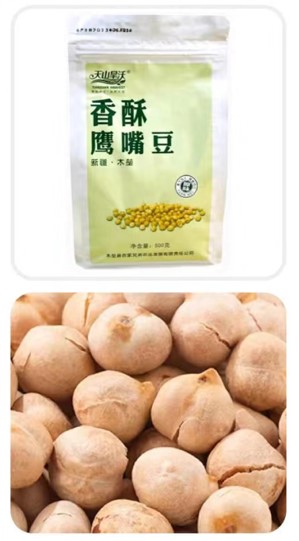
Crispy chick peas

Chick peas are a relatively new food in China, but they are becoming popular rapidly. This is the simplest product in the list in terms of ingredients.

Ingredients

Chick peas, salt

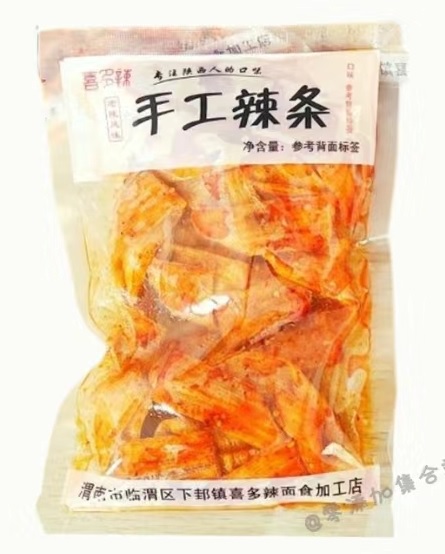
Hot strips (latiao)

Hot strips has become the number one snack among young Chinese consumers for any situation, so it does not come as a surprise to find the listed in this post. Latiao is a popular snack, especially among younger Chinese and children. Pingjiang (Hunan) is the hometown of latiao and the base of 116 latiao enterprises, with an annual production value exceeding RMB 20 billion. Three people from the county invented the snack in 1998, and more than 90% of the founders of latiao companies in China come from Pingjiang.S

These by Maiyixiang are recommended as healthier than the average hot strip.

Ingredients

Wheat flour, purified water, soy bean oil, salt, chicken essence, MSG, cumin, sugar, sesame, Sichuan pepper, onion, spices

Parasol mushroom

Yaoyao produces this processed parasol mushroom (Macrolepiota procera). It is a typical product from Yunnan, China’s top fungus region. This will be harder to get accepted by Western binge watcher as a healthy replacement of their crisps.

Ingredients

Wild mushrooms, parasol mushroom, vegetable oil, sesame, salt, chicken essence, chili, spices

Dried apricots

This is a simple dried apricot product by Ayanggao.

Ingredients

Carefully selected apricots, water

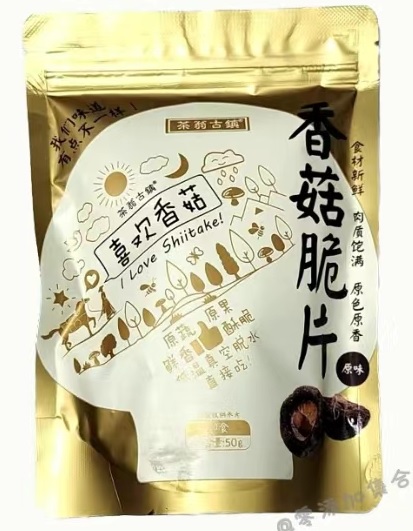
Dried shiitake

Another dried natural product, this time by Chaweng. Actually, mushrooms can be quite filling, so chewing on dried shiitake could decrease your caloric intake while watching all episodes of your favourite show.

Ingredients

Shiitake, vegetable oil, maltose, salt

Common features

These four products have one thing in common: they produce considerable noise. This seems to be a universal expectation among binge watchers worldwide. The products recommended by this influencer indeed seem to be more nutritious than the typical snacks consumed in Europe. This corroborates the strong focus on nutrition among (young) Chinese consumers.

Sesame seems to be a recurrent ingredient. Chinese love sesame as a flavour component in snacks and pastries.

I will keep expanding this post, whenever new information appears in our screening of the Chinese information streams.

Peter Peverelli is active in and with China since 1975 and regularly travels to the remotest corners of that vast nation. He is a co-author of a major book introducing the cultural drivers behind China’s economic success

The Growth of China’s Tonic Wine Industry

In 2022, the production and sales of Chinese tonic wine reached 5,896,000 and 5,893,000 hls respectively. The average price increased to RMB 0.61/hl in 2022. The value of China’s tonic wine market reached RMB 35.678 billion, of which medium and high-end accounted for about 49.10%, and low-end for about 50.90%.

Overview

Tonic wine is part of traditional Chinese medicine (TCM). It is prepared by soaking Chinese herbal medicines in distilled liquor, rice wine or other alcoholic beverages to extract the active ingredients of the herbs. Tonic wine is commonly used in TCM to treat specific diseases or symptoms, or for strengthening the health and immune system of the body. The preparation method and composition of tonic wine varies according to different formulas and uses. TCM generally divides tonic wine into nourishing tonic wine, blood circulation and stasis tonic wine, anti-rheumatic tonic wine and aphrodisiac tonic wine.

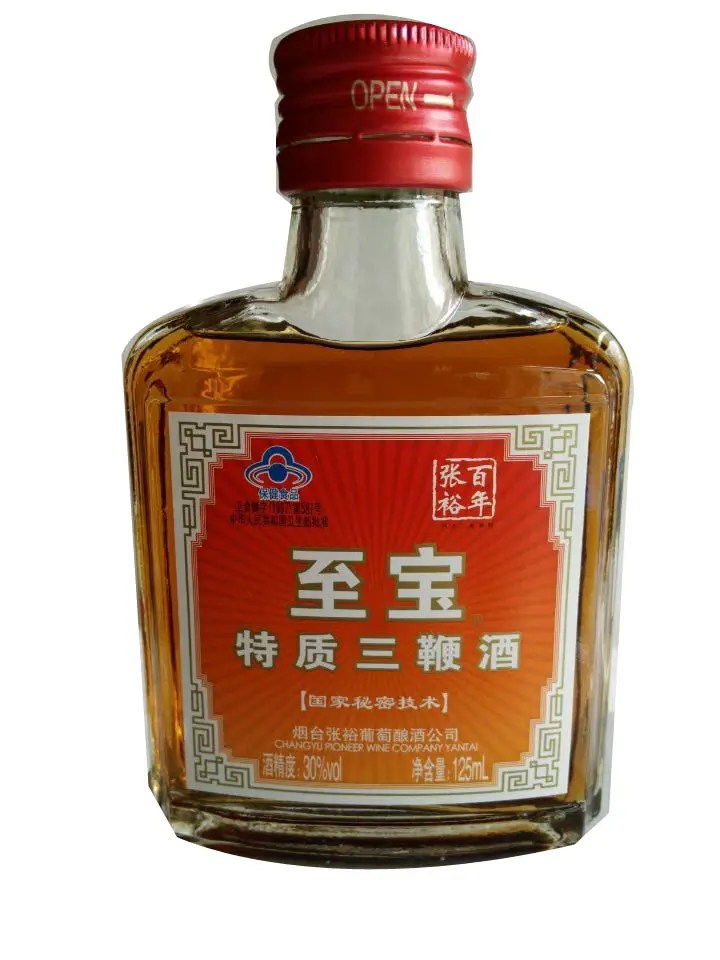
Zhangyu’s Three Wip Wine

Industry

China’s tonic wine industry has experienced a development process from traditional to modern, gradually moving towards the international market. Chinese tonic wine is becoming more and more popular in overseas Chinese communities and people interested in TCM. At the same time, the Chinese government has strengthened the supervision of the tonic wine industry by introducing relevant regulations and standards to ensure product quality and safety.

The value chain of tonic wine includes Chinese medicinal materials, liquor, rice wine, etc. China’s TCM materials and liquor production have a long history. Both belong to China’s traditional industries. In 2022, China’s TCM materials production reached 5.21 million mt and liquor production completed 67.12 mln hls.

The competitive landscape

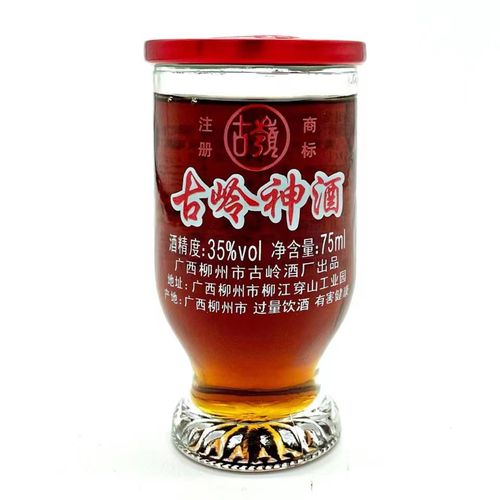
Well known brands in the China’s tonic wine industry include: Zhangyu three whip wine (whip refers to an animal’s penis, the main ingredient of aphrodisiac wines), Guling Shenjiu, deer whip wine, Tongrentang, Ningxia Xiangshan Goji Wine, Zhizhonghe, Golden Wine. On the whole, the market concentration of China’s tonic wine industry is low, with a large number of small players.

Guling Shenjiu

Development

Tonic wine originates from the oriental TCM culture. Therefore, so far, the Asia is still the world’s largest tonic wine production and sales area. The Asia-Pacific tonic wine market accounts for more than 85% of the global market. However, with the continuous integration of Eastern and Western cultures, tonic wine is gradually accepted by Western countries. In recent years, the global tonic wine industry has developed rapidly. In 2021, the global tonic wine industry market size exceeded USD 6 billion, and it is expected to exceed USD 7.3 billion in 2023.

Peter Peverelli is active in and with China since 1975 and regularly travels to the remotest corners of that vast nation. He is a co-author of a major book introducing the cultural drivers behind China’s economic success

The Rise of Sesame: From Ancient Crop to Modern Delicacy in China

In 2011, China’s sesame production was 457,600 mt. The overall sesame demand showed a fluctuating growth trend. In 2022, China’s sesame demand reached 1,461,100 mt, significantly higher than domestic production. China’s sesame planting area in 2021 reached 285.4 thousand hectares, a slight decrease from 292.07 thousand hectares in 2020

Overview

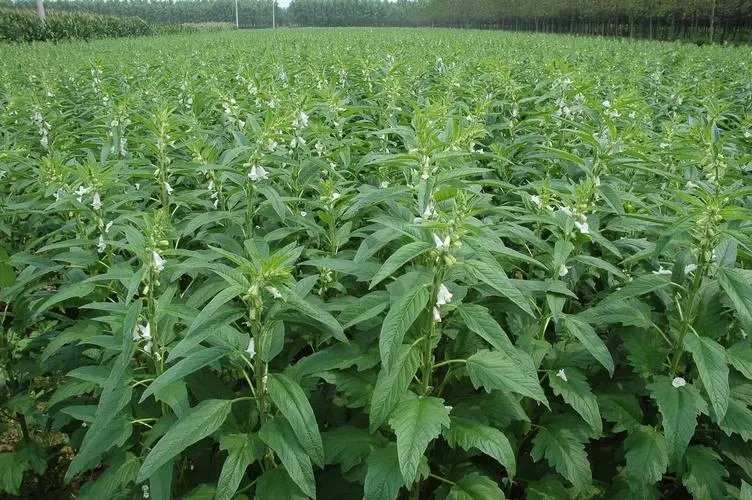
Sesame is an annual herb found mainly in tropical and some temperate regions of the world. Sesame seeds are an ancient species that has been cultivated for more than 5000 years. According to legend, it was introduced to China from the Western Regions during the Western Han Dynasty. Sesame seeds are one of the main sources of edible oils in China, with an oil content of up to 45% – 63%. Sesame seeds are rich in protein and unsaturated fatty acids, which have a high nutritional value. At present, domestic sesame is mainly used for the production of sesame oil, and its processing technology mainly includes water substitution, pressing and the enzymatic process, of which water substitution method is China’s traditional sesame processing sesame oil method. The water enzymatic method is a new extraction process with good prospects.

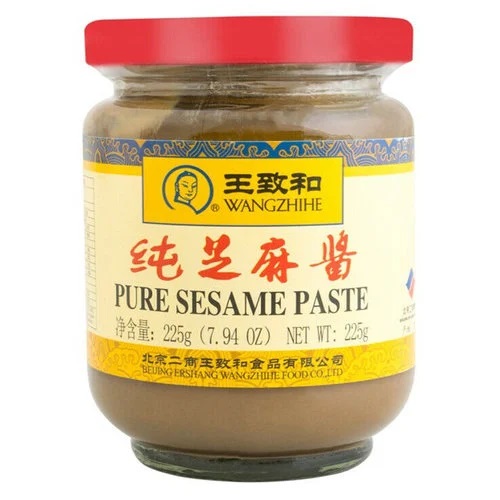
Sesame paste is the most important condiment in Chinese hot pot meals. It is the base of the condiment mix in which you dip the boiled food, before eating it.

Wangzhihe sesame paste, one of the oldest brands of this product

Innovating with sesame

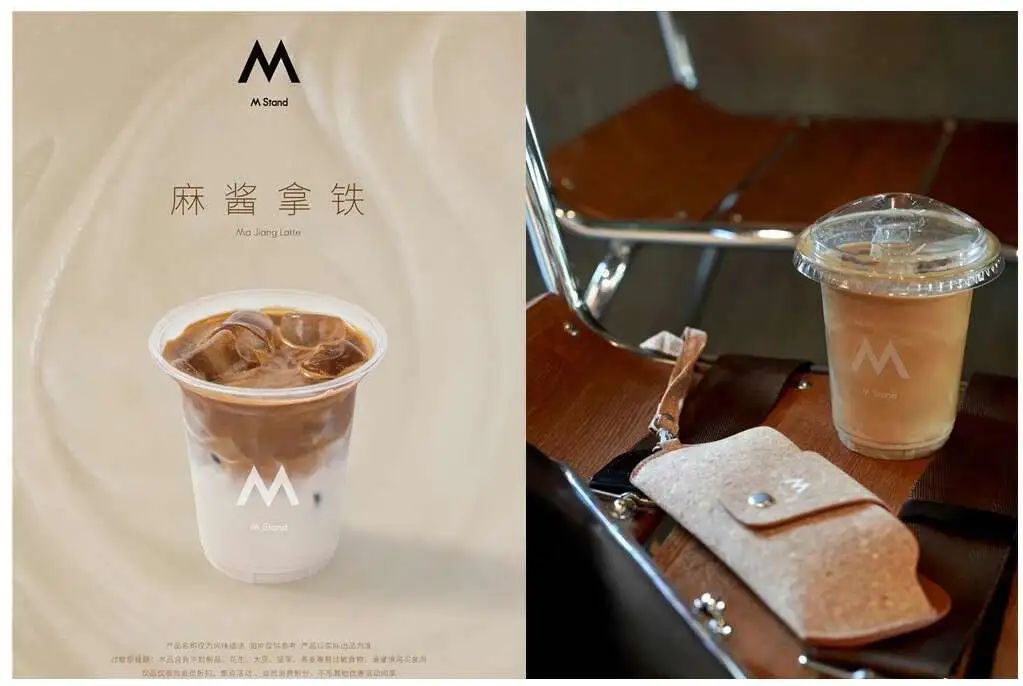
Sesame may be a very traditional product, its flavour keeps attracting even the young and hip consumers. Late 2023, coffee chain M Stand Coffee launched sesame latte. Chinese have a sweet tooth and most like their coffee sweet. So, why not use sesame as a sweetener and create a novel flavour at the same time?

The sesame value chain

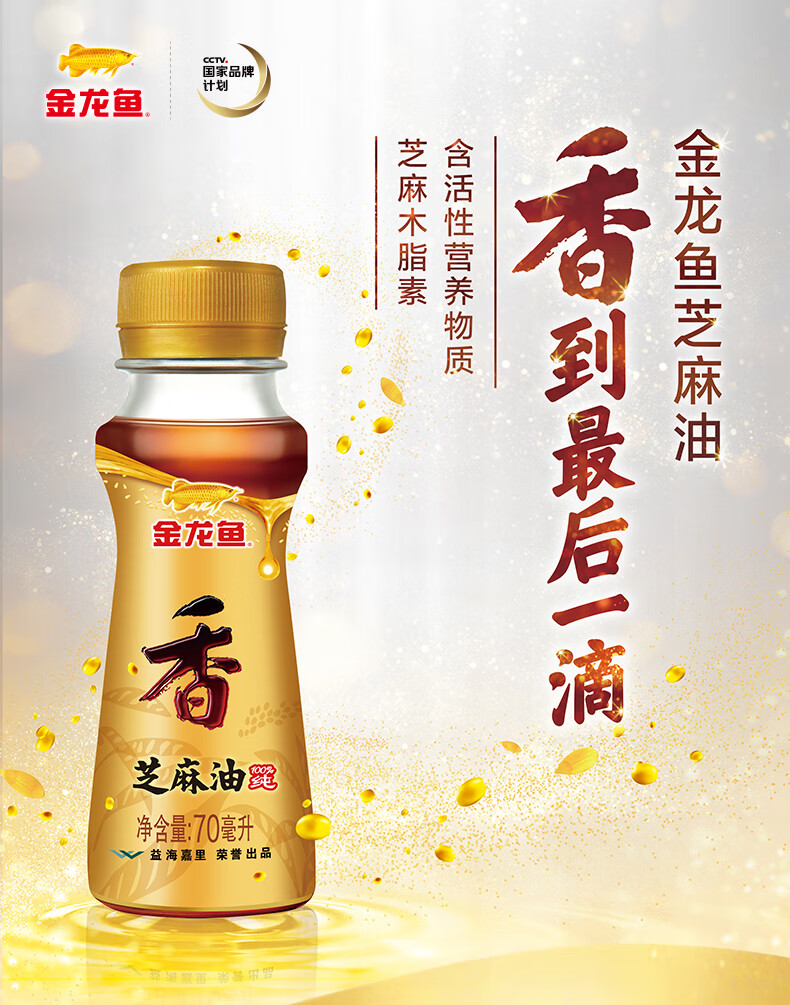
In the sesame value chain situation, upstream mainly consists of sesame seeds, pesticide fertilizers, nutritional supplements, land, farmers and agricultural machinery, etc. The middle stream is mainly about the growing of sesame. The current overall domestic sesame planting is rather scattered. Downstream includes various sesame products: sesame oil, sesame paste, complex protein powder, etc. China’s sesame processing enterprises are mainly small individual workshops. There are only five brands with an economy of scale (Jinlongyu (COFCO), Totole, Dingzhi Food, Nanfang Black Sesame and Ruifu Oils. With the continuous expansion of downstream sesame applications, all kinds of snack foods including sesame are gradually increasing, which is expected to drive the continuous growth of sesame demand. In the future, sesame research and processing will gradually extend to fine chemicals, cosmetics and medicine.

Sesame processing

As a high value cash crop, sesame seeds have a wide range of application. Its fields of application can be divided into: oil, food, industrial, medicinal, and feed. In terms of the current situation of supply and demand of sesame seeds in China, the output has been stable at about 350,000 – 500,000 mt for many years. In 2022, China’s sesame production was 435,300 mt, up from 457,600 mt in 2021. The overall sesame demand shows a fluctuating growth trend. In 2022, China’s sesame demand reached 1.4611 ml mt, significantly higher than domestic output. The remaining demand needs to be fulfilled through imports.

Jinlongyu sesame oil

Impex

China’s sesame imports increased from 389,300 mt in 2011 to 1,173,500 mt in 2021. Imports in 2022 were repeatedly affected by the pandemic, combined with high prices. China’s sesame imports fell slightly to 1,070,900 tons in 2022. China’s sesame exports in 2021-2022 were 46,900 mt and 45,100 mt, respectively.

Peter Peverelli is active in and with China since 1975 and regularly travels to the remotest corners of that vast nation. He is a co-author of a major book introducing the cultural drivers behind China’s economic success

China’s Yak Industry Growth: Market Trends and Insights

Yak is a characteristic breed of livestock in China’s higher elevations, mainly distributed in the Qinghai-Tibet Plateau and surrounding areas. More than 95% of the world’s yaks are produced in China. Yak meat, milk, bone, hair and other yak products have their unique characteristics or uses. In recent years, China’s yak breeding scale has continued to expand. In 2021, China’s yak slaughter volume reached 3.78 mln head. Regionally, the total number of yaks in Qinghai, Sichuan and Tibet accounted for more than 80% of the national total yak inventory in the country.

The value chain

The whole yak industry chain includes breeding, processing and sales, the upstream of the yak industry chain is feed, vaccine, veterinary drugs and other enterprises, feed enterprises from oil mills or dealers to purchase soybean meal, corn, etc. mixed into feed, for breeding to provide necessary food raw materials. Yak breeding related enterprises are in the middle of the industrial chain. The downstream processing and circulation links are specifically subdivided into primary processing and intensive processing products such as yak beef, milk, fur, etc., and flow into supermarkets, wet markets, catering industries and other distribution places, to finally reach consumer outlets.

Development

Yak breeding is subsidized by the government and belongs to the construction of the national agricultural product quality and safety traceability management information platform and the development of the national agricultural product quality and safety traceability management information system. The State has issued the “Ministry of Agriculture Support for the Green Development of Agriculture and Animal Husbandry in Tibet” to assist farmers and herdsmen to increase their income. Yak raising in the unpolluted alpine area has become a symbol of natural green food, known as the crown of beef yak products in domestic and foreign exhibitions many times, including many awards, have won extraordinary evaluation, to yak fluff, fur made of items frequently appear in major fashion weeks, with its warmth and decorative advantages, internationally respected, with the attention of governments at all levels, scientific research workers and the continuous updating of research methods, modern biotechnology will play an increasing role in yak production.

Current state of development

With the popularization of the consumption concept of buying organic and green products, the global market will increase the demand for high-end meat products, yak meat as a high-grade meat product, with obvious high protein content, low fat content, low cholesterol, meat tender and other high-quality characteristics, at the same time, yak milk, yak skin, yak hair and other products are also welcomed by consumers in various countries. In recent years, global yak breeding has continued to expand. In 2021, the global yak stock reached 17.3465 million head, and it is expected to reach 18.9613 million in 2023. From the perspective of regional distribution, the yak is mainly distributed in China, Mongolia, Russia, Afghanistan, Pakistan, Sikkim, and Bhutan.

Market prospects

Yak as one of the world’s three major alpine animals, yak meat is known as the “crown of beef”, is semi-wild natural green food, yak meat protein content, low cholesterol content, rich in a variety of amino acids, vitamins and calcium, phosphorus, iron and other minerals, with the improvement of people’s living standards and the change of consumption concepts, yak meat market demand is gradually increasing, broad market prospects.

Peter Peverelli is active in and with China since 1975 and regularly travels to the remotest corners of that vast nation. He is a co-author of a major book introducing the cultural drivers behind China’s economic success
China’s butter market

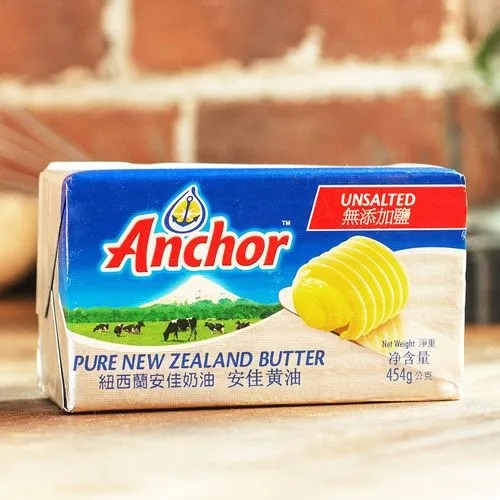
Just like cheese, Chinese consumers have never been fans of butter. This is not primarily based on health concerns. Most of them dislike the odour and flavour of butter

According to the ‘2021-2027 China Butter Industry Development Status and Development Trend Forecast Report’, butter in China has a small output, low market awareness and low per capita consumption. In 2020, China’s butter production was only 110,000 mt, up from 98,000 mt in 2016.

As one of the typical ingredients for Western meals, butter has gained a foothold in Chinese kitchens with the gradual popularity of Western pastries, in spite of the common dislike of butter itself. In 2020, China’s demand for butter was 195,000 mt; up from 160,000 mt in 2016.

Imports

China’s butter production is small, and the market demand mainly relies on imports. In 2020, China’s butter imports were 86,000 mt; up from 63,000 mt in 2016; China also exported 1000 mt of butter in 2020. In 2020, New Zealand accounted for the highest proportion of China’s butter imports, with 66,832.357 mt; followed by France with 5,633.668 mt; and Australia with 3,004.053 kg.

Trends

With increase of home baking, the demand among Chinese consumers for butter is bound to increase. When buying butter, consumers are most concerned about whether the butter is fresh, followed by the popularity and price of their brand. However, the higher the dosage, the higher the user’s requirements for whether the butter itself is rich in milk, beating state, and milk source.

Peter Peverelli is active in and with China since 1975 and regularly travels to the remotest corners of that vast nation. He is a co-author of a major book introducing the cultural drivers behind China’s economic success

Sheep Intestine Soup: A Unique Vending Machine Option in Beijing

Recently, some Beijing subway stations have installed vending machines selling prepared meals: sheep intestine soup (yangzatang) and sweet corn, priced RMB 12 and 9 respectively.

A number of Chinese food manufacturers and restaurants have already developed vending machines for prepared meals and this is the next step in the process of relieving busy Chinese office workers from work in the kitchen.

Recently, a reporter from Beijing Business Daily found that yellow prepared meal vending machines had appeared in many Beijing subway stations such as Shilihe Station. On the machines, you can see texts like: “DT Canteen”, “breakfast and dinner are here”, “take away from work in the morning, heat up and eat in the office”, “take away after work at night, prepare breakfast for the next day”, etc. It is not difficult to see its intention is to target office workers and hope to solve their needs of breakfast and dinner meals.

The reporter learned that among the products sold, sheep intestine soup is a DT Canteen’s own brand product. By the end of April, DT Canteen had put a total of 10 retail cabinets in Guomao, Shuangjing, Shilihe and other subway stations in Beijing.

According to Sun Wei, the head of Jilin Wanlongjia Technology Co., Ltd., the operator of DT Canteen, vending machines that provide drinks in the subway are more common, but not many provide meals. In order to cooperate with the subway’s strategy and meet the living needs of office workers and other subway customers through the promotion and sales of pre-made dishes, Jilin Wanlongjia Technology Co., Ltd. launched a new brand DT Canteen suitable for subways.

Regarding the future development plan, Sun Wei revealed that DT Canteen will introduce prepared dishes of major local cuisines, celebrity chefs, and well-known food brands. In addition to the subway scene, DT Canteen signed a cooperation agreement with Huazhu Group, and plans to enter into its youth apartment brand “Chengjia Apartment” in May 2023 to roll out the prefabricated meal there.

Wang Peng, a researcher at the Beijing Academy of Social Sciences, believes that with the rapid development of the prepared meal market, competition is becoming more and more fierce, and there are problems such as homogenization. We can expect more developments in the near future.

Comment

The sheep intestine soup is an interesting choice for the first batch of prepared meals offered through vending machines in Beijing subway stations. Beijingers are in general not so keen on mutton, with the exception of the traditional Mongolian Hot Pot (shuanyangrou) a fondue with thinly sliced mutton. Perhaps DT Canteen expects that many domestic imigrants, many of whom are Muslims, will buy this product.

Peter Peverelli is active in and with China since 1975 and regularly travels to the remotest corners of that vast nation. He is a co-author of a major book introducing the cultural drivers behind China’s economic success
The Chinese health food market in 2023

Health food has been one of the fastest growing food industry sectors in China for many years. However, the COVID-19 pandemic has fastened the growth even more. The number of newly registered health food companies increased from 2,985 in 2017 to 13,893 in 2022. 2,082 new companies were registered in the first two months of 2023.

The following table shows the annual number of newly registered companies per year from 2017 up to the first two months of 2023.

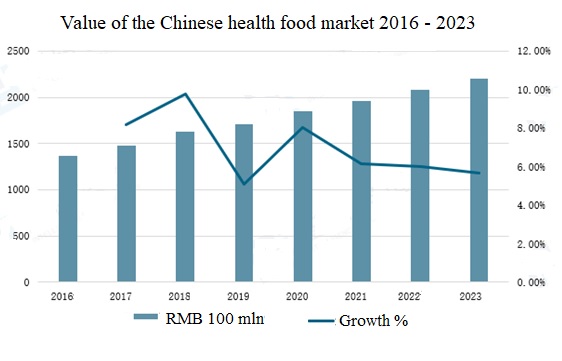
The total value of the Chinese health food market in 2023 is estimated at 219.7 billion. The following table shows the development of this key figure from 2016 to 2013.

Peter Peverelli is active in and with China since 1975 and regularly travels to the remotest corners of that vast nation. He is a co-author of a major book introducing the cultural drivers behind China’s economic success.

China’s lactic acid industry in 2022

An organic acid with a long history and importance, lactic acid and its salts are widely used in the food industry. The national and local governments in China are actively promoting their production. In January 2023, the Ministry of Industry and Information Technology, the National Development and Reform Commission and six other departments jointly issued the “Three-Year Action Plan for Accelerating the Innovation and Development of Non-food Bio-based Materials”, proposing to accelerate the construction of standards such as physical and chemical properties, different process performance, and degradation performance under different conditions around key bio-based materials such as polylactic acid.

Key facts & figures

During the period from 2017 to 2022, the average export price generally maintained a growth trend, and the average export price in 2022 was USD 1.71/kg, an increase of 13.79% year-on-year. According to statistics, the global lactic acid production capacity increased from 750,000 mt in 2021 to 995,000 mt in 2022, an increase of 32.67%; China is the world’s second largest consumer and the largest exporter of lactic acid, accounting for about 50% of the world’s production capacity.

Leading company: Jindan Technology

Jindan Technology has been focusing on R&D and production of lactic acid and its series of products for many years, including clean production of strains, the production of ethyl lactate, and the application research of new lactic acid antibacterial agents in the feed industry. In emerging fields, Jindan Technology has conducted research into green organic catalyst conversion, and biodegradable polymer technology to facilitate extending the company’s industrial chain to the downstream biodegradable plastics industry. In 2022, Jindan Technology further increased R&D investment, with a total of R&D expenses in the first three quarters of RMB 0.44 billion, up 18.34%。

Foreign trade

The export volume of lactic acid and its salts and esters in China is much greater than the import volume. During this period, China’s imports of lactic acid and its salts and ester products generally maintained a relatively stable growth trend, with a total of 16,200 mt in 2022, up 9.44%. The export volume of lactic acid and its salts and esters in 2022 totaled 88,100 mt, up 7.73%.

Peter Peverelli is active in and with China since 1975 and regularly travels to the remotest corners of that vast nation. He is a co-author of a major book introducing the cultural drivers behind China’s economic success.