Unknown's avatar

About Peter Peverelli

I am passionate about many things, but the top three are: China, food and human organizing processes. I started learning Chinese when I was 14, spontaneously. In the end this resulted into a PhD in Arts (Leiden University; 1986), 10 years of working and living experience in China as a representative of a Dutch firm and a marriage with a Chinese partner (1984). During my work in a company (Gist-brocades, now part of DSM) and as an independent consultant, I became fascinated with organization theory. This has led to a second PhD in Business Administration (Erasmus University Rotterdam; 2001). I am currently combining both interests in a long-term research project studying Chinese entrepreneurship, with a number of Chinese partners. From the day I joined the company, I picked up an interest in food, not just the final product, but also how it is produced, with an emphasis on ingredients and formulation. Once more combining that interest with my China passion, I became an avid student of the cultural and societal function of food. In this blog, I hope to blend all those ingredients into a savoury soup about China, the Chinese food industry and how the organization of that industry differs from the West.

A Chinese innovation: rice from potatoes

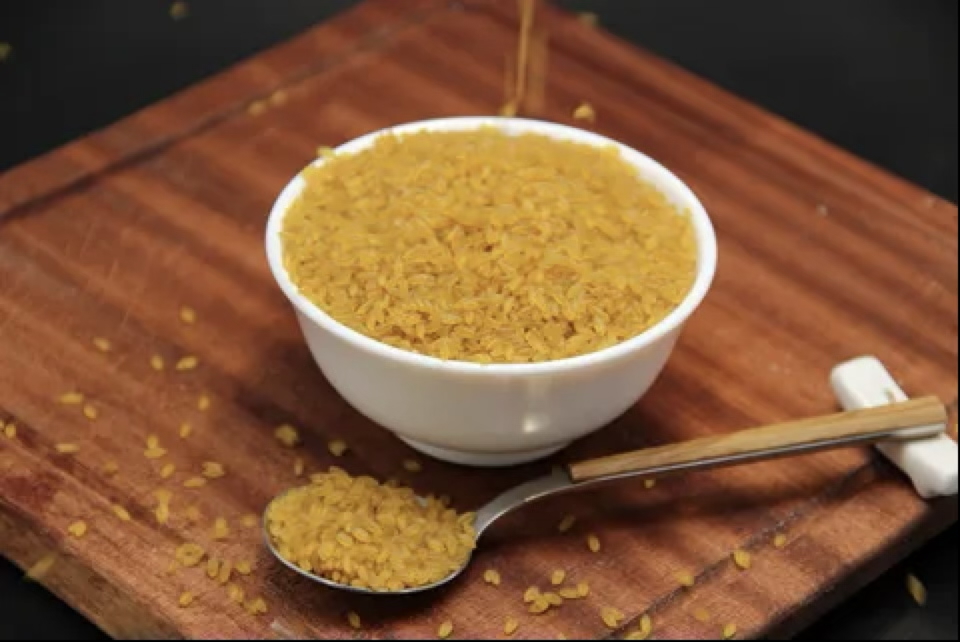
Recently, a special production line in Zhaotong, Yunnan Province, has created the world’s first potato rice. It is understood that this production line that converts potatoes into ‘rice’ is the result of more than five years of research and development led by Wu Qi, an academician of the Chinese Academy of Sciences and a polymeric physical chemist. This is not only the first production line in China to turn fresh potatoes into dried rice, but also the first in the world.

Nutrition

According to the report, potato rice retains 90% of the nutrients of potatoes and the protein content is 27% higher than that of traditional refined rice noodles. After the first batch of potato rice was launched, Zhaotong Mekong conducted product stability tests among people with diabetes and obesity. Judging from the situation of regional sales tests, there is a tendency for supply to exceed demand. After more than a month of trial sales, the repurchase rate of diabetics and people who lose weight is relatively high.

Easy to handle

Because potato rice has been processed at high temperature and high pressure, consumers can steam the potato rice without washing it. In addition, the amount of water and time required to steam potato rice is much less than the amount of water and time required to steam white rice. Some consumers feedback that potato rice is convenient to cook, and it not only feels close to rice in the mouth, but also smells like potatoes.

Price

At present, the price of potato rice is still higher than that of ordinary rice. According to the official platform of Zhaotong Meikang Agricultural Company, the price of potato rice is RMB 66 per box of 950g.

Top producer

As one of the world’s largest potato producers, China has ranked first in the world for many years. For Chinese consumers, the research on potato rice is expected to make high-yield potatoes a staple food for people, which will help solve the problem of food security. For fresh potatoes with a large yield, this new form of potatoes can solve the problem that fresh potatoes have a short storage time and are not conducive to preservation to a certain extent. potato rice can reduce the need for ventilation and climate control during storage, and it is also more convenient for logistics and transportation.

The process

Wu Qi’s team integrates macromolecular physics theory, food macromolecular processing and polymer extrusion granulation technology, focussing on the research and development of high-water extrusion and reorganisation technology of plant polysaccharides and protein complex systems. Through precise control of temperature, humidity and enzymatic time, fresh potatoes are transformed into diameter 0.5 -1mm rice granular finished product. Simply put, the research team changed the characteristics of macromolecules from the physical level, reshaped the starch chain of potato crops, and turned fresh potatoes into potato rice with good taste.

Peter Peverelli has been actively involved in and with China since 1975 and frequently travels to the most remote regions of that vast nation. He is a co-author of a substantial book that explores the cultural factors that have contributed to China’s economic success. Peter has been involved in the Chinese food and beverage industries since 1985.

Hunan cuisine: how regional cuisines are marketed in China

Hunan cuisine, known in China as Xiang Cuisine, Xiang being the literary name of Hunan Province, is one of China’s more famous cuisines. It is characterised by its liberal use of chili peppers and garlic, but also by its use of very fresh ingredients. A typical way of preparing and serving dishes in Hunan is the ‘dry pan’ (ganguo). Those dishes are served in an iron pan on a fire to keep it hot.

Hunan’s capital Changsha is foodies’ paradise. As a patron of this blog, you know that food is the central concept of Chinese culture. Food is available in abundance everywhere. However, there are still cities in China that even Chinese refer to as places to go for food lovers, and Changsha is one of them.

Changsha is also very centrally located in the heart of China. In Europe, all roads may lead to Rome, but in China they lead to Changsha. Changsha is a major infrastructure hub. This highly facilitates the export of the local cuisine to all corners of the nation, and beyond its borders. However, in this post, I will restrict my story to the situation of Hunan cuisine within China in 2024.

Regions

In an earlier post, I introduced the major food regions of China. The following table shows the percentage of Hunan restaurants in China in each region.

These figures confirm that fire food is still more appreciated in Southern China than in the north.

Cities

At a lower level, Chinese cities are catogorise by function and size. First tier cities are the cities directly under the State Council (Beijing, Tianjin, Shanghai and Chongqing). New first tier cities are the capitals of provinces and autonomous regions. The remaining cities are categorised by size. The following table shows the percentage of Hunan restaurants per urban category.

We can see that Hunan cuisine is most popular in regional capitals and smaller regional cities. A possible explanation could be that cities in the south of China tend to be smaller, with the largest cities concentrated in the north. E.g., of the four first tier cities, only Chongqing people prefer spicy food.

Province/autonomous region

I am also adding a map indicating the number of Hunan restaurants per province and autonomous region. Dark red indicates a higher number.

The top regions, Hunan (obviously) and Guangdong are indicate with percentages, 19.6% and 17.8%, respectively. Guangdong is a special region, adjacent to Hong Kong, where many emigrés from other parts of China are living. I presume that Guangdong is the home of quite a few people from Hunan.

I could go even deeper, including, e.g., the regional distribution of the various Hunan restaurant chains. However, that information would be unsuitable for a post like this. However, I will be able to provide an in-depth study upon request.

Peter Peverelli has been actively involved in and with China since 1975 and frequently travels to the most remote regions of that vast nation. He is a co-author of a substantial book that explores the cultural factors that have contributed to China’s economic success. Peter has been involved in the Chinese food and beverage industries since 1985.

Chinese Dishes Reimagined in Coffee and Alcohol

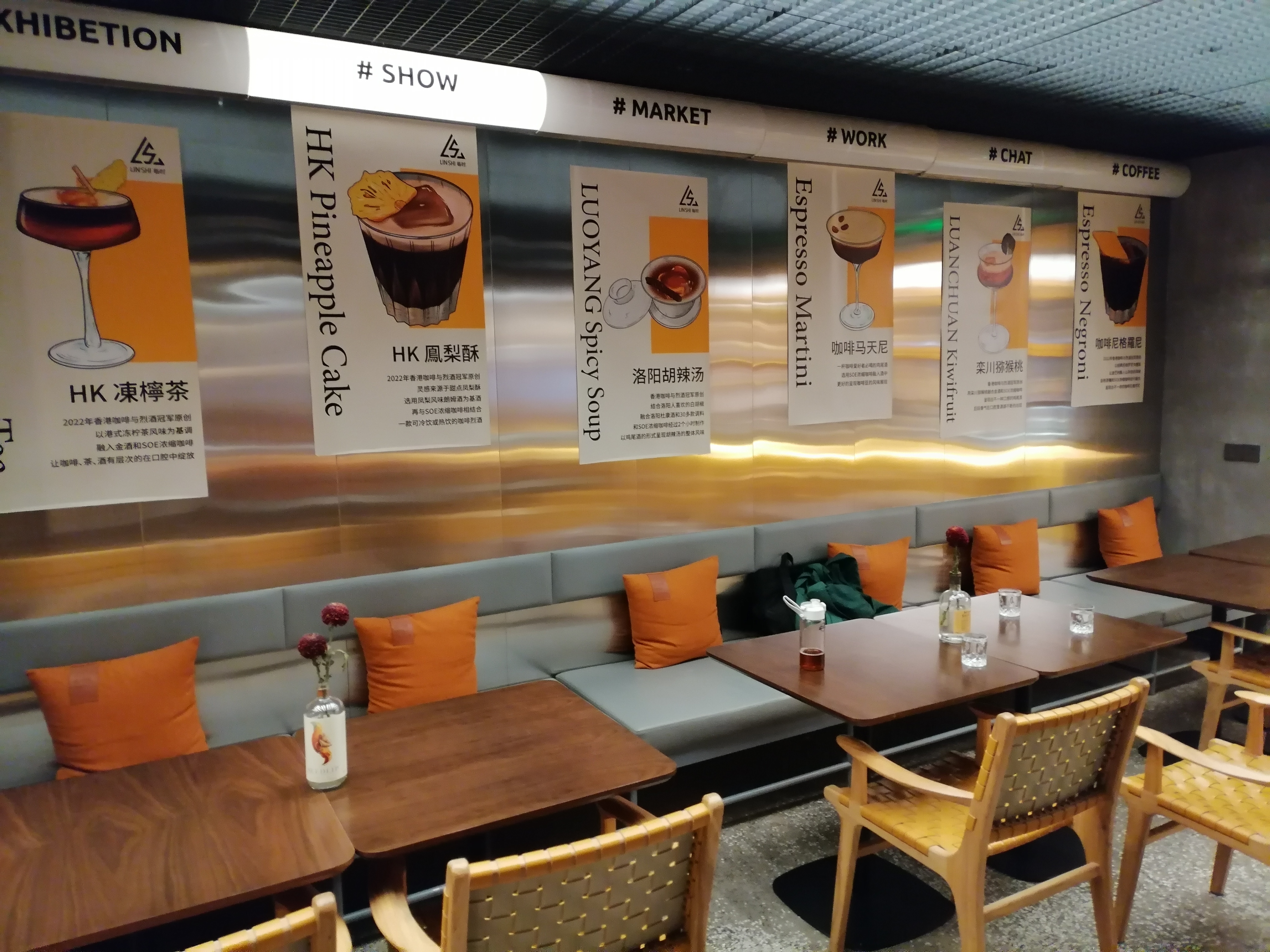
During a recent excursion through Shanxi, Henan, and Hebei provinces, we extended our stay in Luoyang, a third-tier city in northern Henan province. Luoyang served as the capital of China during the Sui (581–618) and Tang (618–907) dynasties. One evening, as we journeyed to a restaurant, we encountered an intriguing bar en route, advertising with coffee-based cocktails. Given the early hour, we decided to explore this establishment. This proved to be an auspicious decision. We indulged in several highly innovative cocktails.

The name of the bar, Linshi, held intrigue, translating to “Temporary.” Founded by Ma Lekai, an award-winning Chinese barista, the establishment boasts diplomas and accolades adorning its walls.

The colour scheme of the bar, predominantly yellow, is complemented by shades of orange and brown, creating a striking contrast with the greyish hues. We perused the menu with the intention of sampling some captivating cocktails.

Americano

Given my preference for Americanos, I opted for a cocktail bearing the same name. The Chinese translation, Meiguolao, translates to “Yankee,” likely a subtle reference. The recipe incorporates a martini base, complemented by exceptionally light coffee, even lighter than a traditional Americano. The light coffee imparted a slightly sour character, resulting in a martini with a bitter aftertaste of coffee. Personally, I found this combination to be an ideal match.

Kiwi

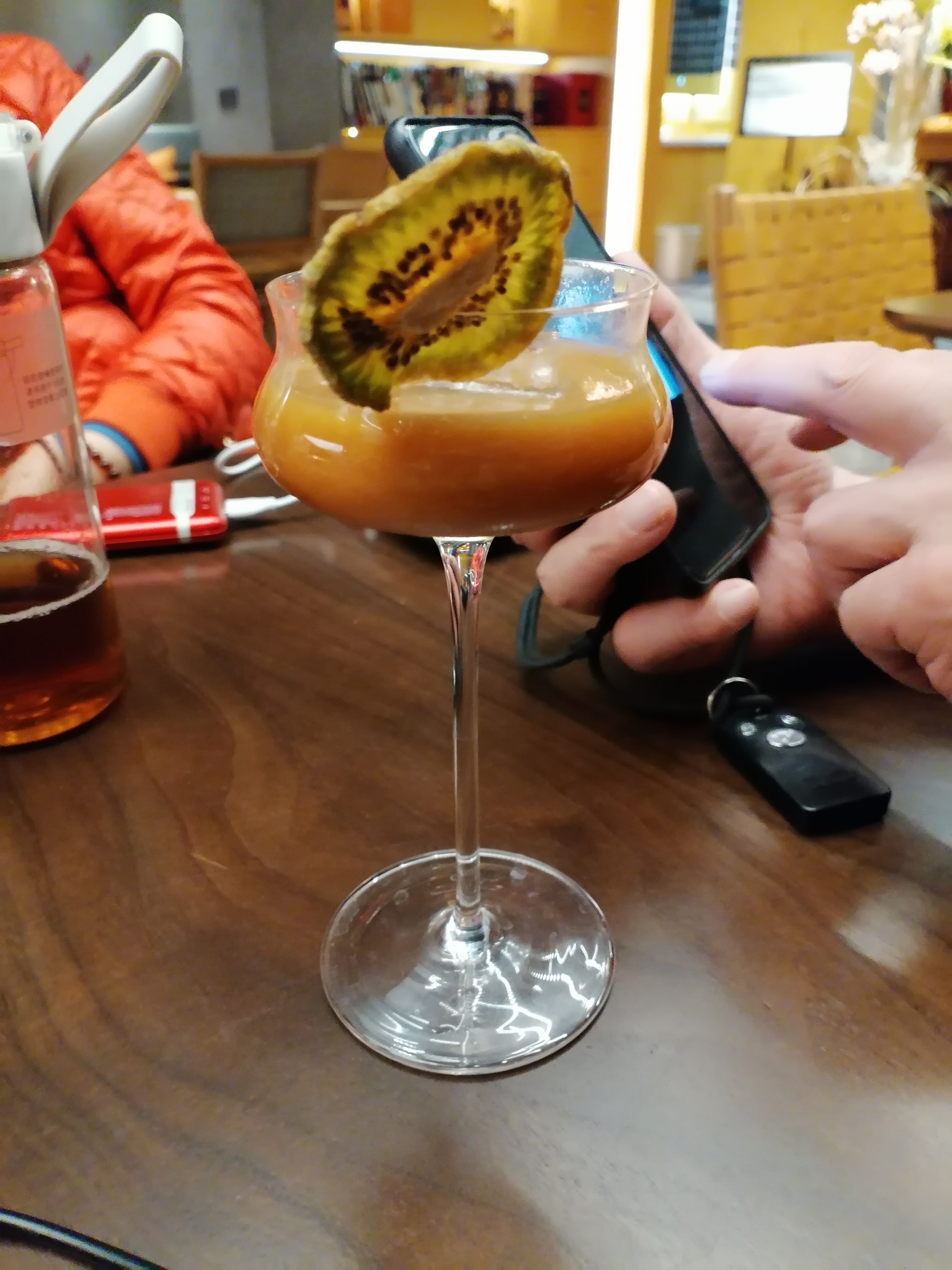
Another member of our party sampled a Luanchuan kiwi (Luanchan is a region in Northwest China where kiwis are cultivated): pureed kiwi infused with coffee and a touch of Luoyang’s local liquor, Dukang. This combination required some time to fully appreciate, but ultimately, it yielded a satisfactory taste experience.

Dish as inspiration

The staff is consistently experimenting with new recipes. As I was likely the first foreign visitor, they allowed our group to sample a newly designed cocktail: Hulatang, Hula Soup. Hulatang is a slightly sour and spicy soup, a traditional specialty of Luoyang. Linshi has once again utilised the sour undertone of soft coffee, combined with Dukang and a touch of pepper for the hot undertone. For me, this was also a potential success cocktail. It is also a remarkable example of recreating a traditional dish in a contemporary manner.

Clientele

Linshi operates in the high-end segment. However, according to the manager of this branch (one of four in Luoyang), the business is performing well. Linshi was established in 2014, making it exactly 10 years old when we visited. The relatively young clientele tends to visit later in the evening. Linshi is open until 1 a.m. When I return to Luoyang, I will certainly make a visit to this establishment.

If you like this post, you may also want to look at this post introducing medicinal cocktails in China.

Peter Peverelli has been actively involved in and with China since 1975 and frequently travels to the most remote regions of that vast nation. He is a co-author of a substantial book that explores the cultural factors that have contributed to China’s economic success. Peter has been involved in the Chinese food and beverage industries since 1985.

New Food Ingredient: The Rise of Stevia Polyphenols

n the Announcement No. 1 of 2025 of the Health Commission (the former Ministry of Health of China) officially approved stevia polyphenols as a new food raw material, alongside stevia glycosides, as the two “star ingredients” of stevia.

For an extended period, stevia has garnered significant attention due to its abundance of stevia glycosides, a natural sweetener, and its role as a crucial sugar substitute in the food industry. The legalisation of stevia polyphenols has undoubtedly paved the way for the expanded application of stevia. Its antioxidant and multifaceted health benefits anticipate its emergence as a preferred choice in the domains of food and healthcare products, potentially surpassing the popularity of stevia glycosides.

Originating from South America, stevia was introduced to China in the 1970s and has since gained widespread cultivation in Hebei, Gansu, Shandong, and other regions. The sweetness of stevia glycosides in its leaves is approximately 200-300 times greater than sucrose, making it the cornerstone of natural sugar substitutes. However, during the extraction process of stevia glycosides, a “side product” emerged—stevia polyphenols.

Stevia polyphenols constitute 2%-4% of the dried stevia leaves, primarily comprising chlorogenic acid, caffeic acid, quercetin, and other active ingredients. High-purity products are obtained through extraction technology, resulting in a total polyphenol content exceeding 40%. The polyphenols are derived from stevia leaves through ethanol extraction, filtration, purification, concentration, drying, and other processes.

In 2025, stevia polyphenols officially became a new food raw material in China, ushering in a novel trajectory for the application of stevia in the food sector.

What are plant polyphenols?

Plant polyphenols are secondary metabolites synthesised by plants during their growth. They constitute a diverse class of compounds characterised by the presence of multiple phenolic hydroxyl structures. These compounds are composed of benzene ring structures, each bearing one or more hydroxyl (-OH) groups on each benzene ring, conferring them with robust antioxidant properties and the ability to neutralise free radicals.

Plant polyphenols can be categorised based on their chemical structure, primarily comprising flavonoids, proanthocyanins, hydrolyzed tannins, simple phenolic acids, and other major categories.

Plant polyphenols serve as essential nutrients produced through photosynthesis, playing a multifaceted role within the plant body. These compounds contribute to disease resistance, pigment formation, structural support, and regulation of the growth cycle. Polyphenols are typically stored in various plant parts, including roots, stems, leaves, flowers, fruits, and epidermis.

Which foods are rich in polyphenols?

Plant polyphenols constitute a diverse class of natural compounds widely distributed in plants. Their content ranks second only to lignin, cellulose, and hemicellulose. Over 600 plant species are known to contain higher levels of polyphenols compared to other compounds.

In daily life, foods rich in polyphenols include various fruits (e.g., apple peel, grape peel), vegetables, tea, coffee, seeds, grains, beans, olive oil by-products, cocoa, vanilla, and spices.

Related extracts exhibit remarkable diversity, such as apple polyphenols, pomegranate polyphenols, sour cherry polyphenols, blueberry anthocyanins, grape resveratrol, green tea polyphenols, coffee chlorogenic acid, and dark chocolate cocoa polyphenols, among others.

Which newly approved ingredients are polyphenols?

In addition to stevia polyphenols, numerous new food sources primarily contain polyphenols or polyphenol derivatives.

Sugarcane polyphenols are among the recently approved food ingredients. Sugarcane polyphenols are naturally extracted compounds from sugarcane. The primary constituents include total polyphenols, total flavonoids, and proanthocyanins, which possess substantial biological activity and commercial value.

A recent study demonstrated that this polyphenol exhibits potent inhibitory effects on α-glucosidase and α-amylase enzymes in the small intestine. This action effectively retards the degradation of carbohydrates within the digestive tract, thereby reducing the absorption rate of monosaccharides such as glucose and fructose. Consequently, it contributes to sugar control. Primarily, this polyphenol is utilised in the development of low-glycemic index (GI) food products.

Shanghai TPM, a subsidiary of Australian International Ingredients, has recently declared sugarcane polyphenol as a new food raw material. Their product portfolio encompasses Phytolin@phenol® sugarcane polyphenols and Polynol@phenol@sugarcane polyphenol food ingredients.
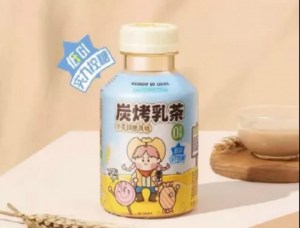
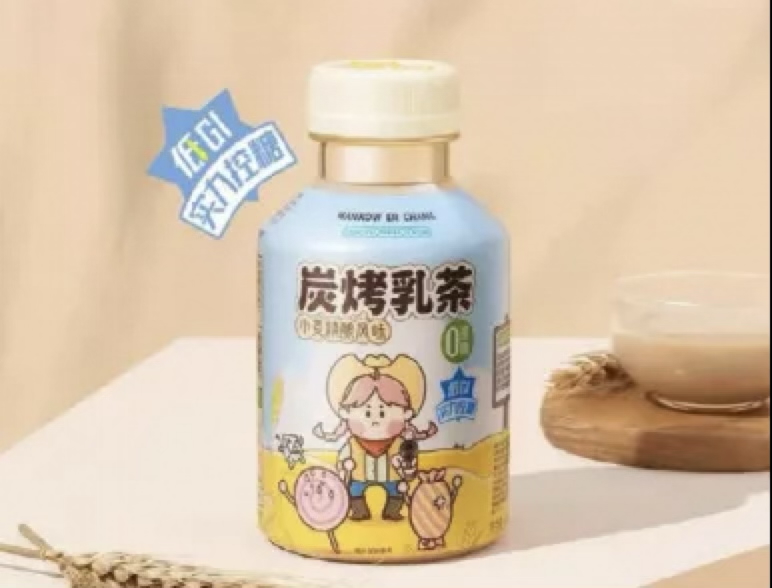
Milk tea by Hankou Erchang contains phytolin

Phytolin@

Phytolin® has emerged as an innovative raw material in the weight management sector, serving as a sugar substitute and effective sugar control agent.

Catechin

Catechin, a newly approved food raw material in 2023, finds applications in beverages and candies. When consumed in conjunction with gallocate (EGCG) as outlined in Announcement No. 17 of 2010, the recommended daily intake is limited to ≤300 mg (measured in total catechin content).

Catechin constitutes the primary polyphenol in tea, comprising 12% to 24% of the dry weight and 60% to 80% of the total polyphenol content. It is predominantly found in green tea, black tea, and oolong tea varieties.

The catechin family comprises four main types (C): epigallic catechic acid (EGCG), pyglytic catechin (EGC), capechic acid (ECG), and epicatechin (EC).

In Japan, catechin has gained recognition as a functional raw material for weight management, a concept that consumers highly value. This recognition may be attributed to the success of Huawang, a company that introduced Healthia green tea in 2003. Since then, Huawang has sold an impressive 3.1 billion bottles of Healthia green tea over a 21-year period, as of the end of 2024.

Tea polyphenols, also known as polyphenols, are polyphenolic compounds primarily extracted from tea leaves as food ingredients. As a food additive antioxidant, they are permitted in over 60 sub-food categories in GB 2760, including oils and fats, jams, nuts, pastries, meat products, aquatic products, canned foods, seasonings, beverages, and puffed foods.

The permitted addition range is between 0.1g/kg and 0.8g/kg, with varying allowable amounts for different product categories. The quality standard adheres to the national standard “GB 1886.211-2016 Food Safety National Standard Food Additives Tea Polyphenols”.

These polyphenolic ingredients can be utilised in both domestic and international food applications. However, foreign dietary supplements often employ a wider range and more diverse types of polyphenol food ingredients.

Apple polyphenols

Apple polyphenols are primarily derived from apple peels, particularly immature green apples, which are rich in polyphenols. The polyphenol content in immature fruits is approximately 10 times higher than that of ripe fruits. Apple polyphenols encompass a diverse range of phenols, including chlorogenic acid, catechin, epicatechin, apple condensed tannin, root peel, root skin, and anthocyanin.

BGG

BGG is a reputable supplier of apple polyphenol food ingredients. They possess the process of extracting apple polyphenols from immature green apples and have obtained intellectual property protection in China and the United States. Furthermore, BGG has conducted clinical trials investigating the role of apple polyphenols in weight management and has received strong scientific research endorsement. Notably, BGG’s apple polyphenols are marketed in the Korean market, where their jelly bars and oral solutions have gained popularity among consumers.

As a byproduct of the wine and juice industry, grape seeds contain a high polyphenol content, ranging from 60 to 70%. The primary polyphenols include catechins, epicatechins, proanthocyanins, and proanthocyanidins (OPC), which are the core active ingredients. Grape seed polyphenols have garnered significant market recognition and have long been the cornerstone of the oral beauty market. Notably, the 2024 Swisse grape seed niacinamide tablets available on Taobao Online stand out in comparison to similar products.

Lychee polyphenols

In addition to the aforementioned polyphenols, another polyphenol is extracted from lychees. Lychee polyphenols are a specific type of polyphenolic substance derived from lychees. Different parts of lychees, such as the flesh, kernels, and shells, contain a diverse range of polyphenols. The polyphenols found in lychee fruit primarily consist of protocatechic acid, catechins, chlorogenic acid, caffeic acid, epicatechins, butylic acid, p-coumic acid, rutin, valeric acid, and others.

Numerous products utilise this raw material. For instance, lychee polyphenol vegetarian capsules are designed to provide a dual effect of “fatigue reduction and weight management.” Low molecular weight polyphenols were obtained through low-temperature extraction, resulting in a threefold increase in absorption rate. Trial testing has been conducted to validate the efficacy of this process.

Polyphenol compounds

Concurrently, the application of single polyphenol ingredients has also emerged as an optimistic direction for certain enterprises.

For example, a dietary supplement launched by one such enterprise incorporates pomegranate extract, keratin, turmeric, bitter orange (fruit), green tea (leaf extract), grape extract (skin and seeds), organic blueberry fruit extract, apple extract, wild cherry berry extract (berry), olive extract (fruit), acai berry (fruit), Noli (fruit), alfalfa (whole plant), hawthorn berry powder, and celery extract (seeds).

The product comprises over 10 components, including pomegranate, turmeric, and blueberry, that are rich in plant polyphenols. These polyphenols are amplified through synergy, emphasising plant-based and natural ingredients.

In light of the approval of stevia polyphenols, more polyphenols are anticipated to be considered for inclusion in the list of new food ingredients in the future. Polyphenols, due to their high purity and antioxidant properties, are expected to gain popularity as a raw material in the food and health food industries. They will play a significant role in dietary supplements, beverages, snacks, dairy products, and other sectors.

Peter Peverelli has been actively involved in and with China since 1975 and frequently travels to the most remote regions of that vast nation. He is a co-author of a significant book that delves into the cultural factors driving China’s economic success. Peter has been involved in the Chinese food and beverage industries since 1985.

Future Prospects for Sports Nutrition in China by 2028

Another innovation on this site: a direct translation of an interesting article in the Chinese food industry press. This time: an interview with Bai Houzeng, Director of the Sports and Nutritional Food Branch of the Chinese Society of Food Science and Technology

Introduction

After more than 20 years of accumulation and development, China’s sports and nutritional food industry has sunk from the “pyramid” professional competitive market to the mass fitness market, and the products have also developed from the original protein powder to today’s diversified products such as protein bars, creatine powder, electrolyte drinks and energy glue. According to the In-depth Market Analysis and Development Trend Forecast Report of China’s Sports Nutritional Food Industry from 2024 to 2030, it is expected that by 2027, the number of people who regular visit sport schools in China will rise to 460 million, and the demand for sports nutrition food will be further increased. How to continue to innovate in the fierce competition, cultivate new productivity, and constantly meet the increasingly diversified consumer demand has become a new issue facing the development of the sports nutrition food industry. At the beginning of the New Year, the reporter interviewed Bai Houzeng, director of the Sports Nutrition Food Branch of the Chinese Society of Food Science and Technology. From the comment of this practitioner who has worked hard in the field of sports nutrition food for more than 20 years, the development vein of the sports nutrition food industry can be clearly seen. In the development of the industry, scientific and technological innovation has always accompanied him and escorted the industry.

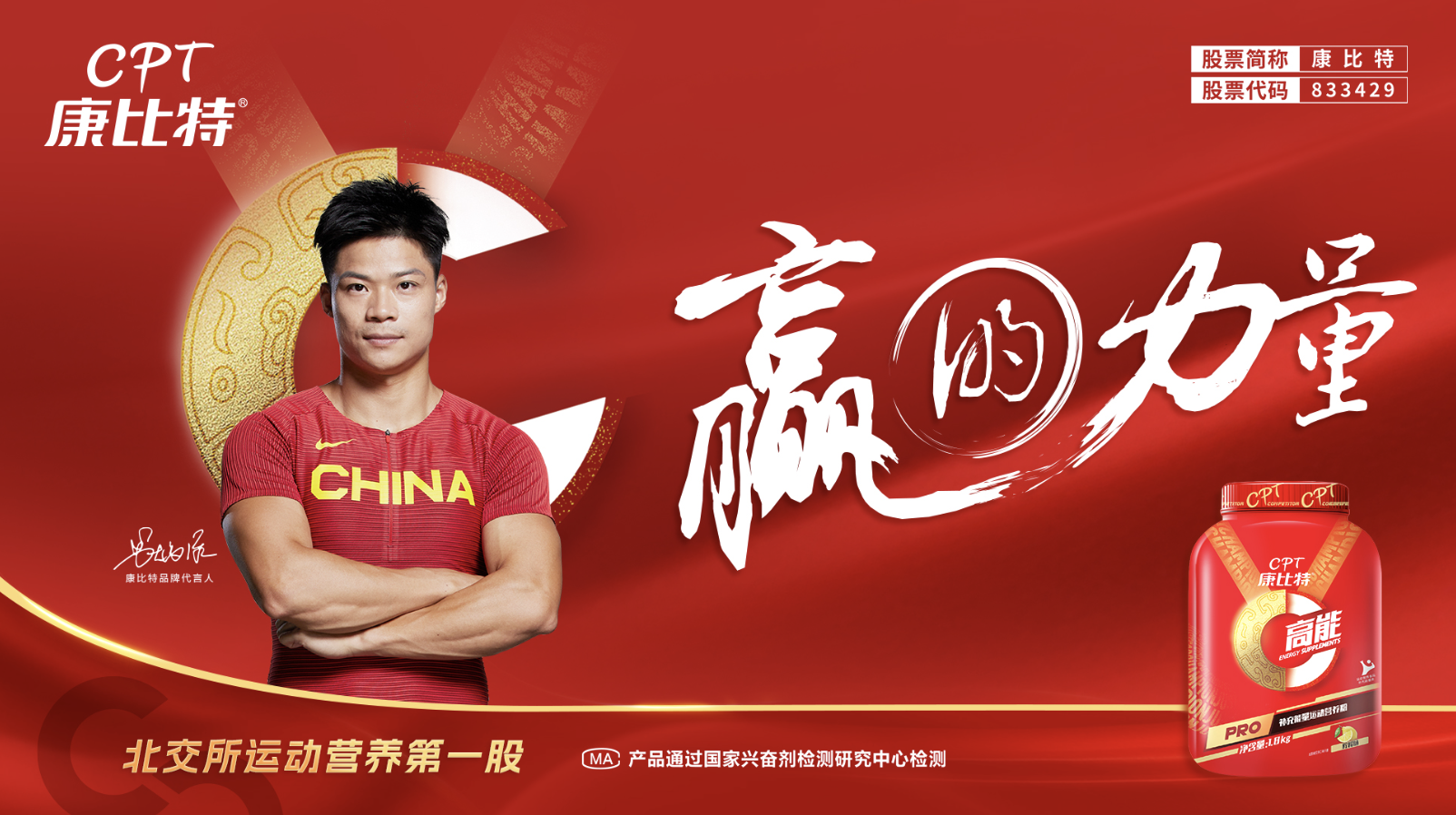
Kangbite ad

Q: What stages of development have China’s sports and nutritional food industry gone through?

Bai Houzeng: China’s sports nutrition food industry has gone through the initial stage, growth stage and rapid development stage, and is currently in the stage of rapid development.

The initial stage of the sports nutrition food industry began in the late 1980s. With the vigourous development of the Olympic economy and national fitness, the sports nutrition food industry began to enter China. In the early development of China’s sports and nutritional food industry, it was mainly concentrated in the professional athletes group, with a single product type and a relatively small market scale. In 2001, Kangbite, China’s first professional sports nutrition food enterprise integrating research and development, production and sales, was established, taking the lead in introducing the scientific concept of sports nutrition into the field of competitive sports.

At the beginning of the 21st century, with the increase in public health awareness and the growth of the sports population, sports nutrition began to expand to a wider range of fitness enthusiasts and the mass market. Through the joint efforts of the science and technology community and the industry community, the construction of sports nutrition food standards was launched in 2004. In 2015, the National Standard for Food Safety General Rules for Sports Nutritional Food was released. In 2017, Compit became the first enterprise in China to obtain a license for the production of sports nutrition food and produce its own brand products. In 2019, sports nutritional food was included in the China Sports Industry Catalogue. Since then, China’s sports nutritional food industry has entered the stage of standardised development. The types and quantities of sports nutritional food have grown rapidly, and the market scale has been expanding.

In recent years, thanks to the support of national policies and the promotion of the “Healthy China” strategy, China’s sports and nutritional food market has entered a stage of rapid development. Domestic and foreign brands have entered the market one after another. The demand for subdivisions is increasingly vigourous, and the market scale continues to expand.

Q: Can you talk about the current situation and problems of the development of China’s sports nutrition food industry?

Bai Hou Zeng: After more than 20 years of accumulation and precipitation, China’s sports nutrition food industry has formed a relatively complete industrial chain, with a rich variety of products in the market and huge market potential.

At present, China’s sports and nutritional food market is growing rapidly, and the development of categories is showing a global trend. The top three categories in China’s sports nutrition food market are protein powder, sports drinks and energy bars. This is different from foreign markets. For example, the top three categories in the U.S. sports nutrition food market are sports drinks, protein powders, energy bars and gels (gel).

According to relevant data, from 2017 to 2023, the market size of energy bars and protein bars in China increased from RMB 1.31 billion to RMB 2.45 billion, and it is expected to reach RMB 4.513 billion in 2028. Relevant data predicts that from 2022 to 2028, among the world’s 18 major sports and nutritional food markets, China’s market scale is predicted to rank sixth in the world, with an average compound annual growth rate of up to 40%, which is far higher than the average growth rate of the global sports and nutritional food industry.

Q: In recent years, the development of China’s sports nutrition food industry has pressed the “fast forward button”. What do you think are the main factors that promote industrial development?

Bai Hou Zeng: The rapid development of China’s sports and nutritional food industry is mainly due to the support of policies, the increasing demand for mass consumption and the continuous improvement of standards.

In terms of policy support, in recent years, “Several Opinions on Promoting the Development of the Health Service Industry”, “Healthy China 2030” Planning Outline” and “Guiding Opinions on Promoting the Healthy Development of the Food Industry” have been issued successively. In July 2021, the State Council issued the National Fitness Plan (2021-2025), which promoted the high-quality development of the sports nutrition food industry at the national level. In 2022, the “Opinions on Building a Higher-level National Fitness Public Service System” issued by the General Office of the Central Committee of the Communist Party of China and the General Office of the State Council pointed out that by 2025, a higher-level national fitness public service system will be basically established, and the per capita stadium area will reach 2.6 square metres, and you will often participate in sports The proportion of people exercising reached 38.5%. By 2035, a universal fitness public service system suitable for modern socialist countries will be fully established, and the proportion of people who regularly participate in physical exercise will reach more than 45%. Sports, fitness and sports and leisure will become a common way of life, and people’s physical literacy and health level will be at the forefront of the world.

At the same time, the increasing demand of the masses is also an important factor in the rapid development of the sports and nutritional food industry. With the help of policies, attention from all walks of life to the sports industry continues to increase, and the enthusiasm of the people to participate in sports continues to rise. Data shows that the proportion of people who regularly participate in physical exercise in China has reached 37.2%. By the end of 2023, China’s per capita stadium area had reached 2.89 square metres, which had exceeded the standard of 2.6 square metres per capita planned by the 14th Five-Year Plan. As more and more people participate in various sports and fitness activities, the demand for effective sports nutritional food solutions is also increasing.

In addition, the continuous improvement of standards has also promoted the development of the sports and nutritional food industry. The General Provisions of the National Standard for Food Safety and Sports Nutritional Food clearly states that China defines sports nutritional food as the physiological and metabolic status, exercise ability and the requirements of the sports population (referring to the people who participate in physical exercise 3 or more times a week, the duration of 30 minutes or more each time, and the intensity of each exercise reaches medium or above) Food specially processed for the special needs of certain nutrients. In addition, the “Quality Management Standard for Food Production Enterprises Part 1: Sports Nutritional Food” was implemented in 2022. This is the first local standard for quality management standards classified by food category names issued by Beijing, and it is also the first quality management standard formulated for sports and nutritional food production enterprises in China. It plays an important guiding role in standardising the production behaviour of sports nutritional food production enterprises in Beijing, improving the quality management ability and integrity awareness of enterprises, improving the quality and safety level of sports nutritional food, and promoting the high-quality development of the industry.

Q: What do you think is the core of the development of China’s sports nutrition food industry?

Bai Houzeng: In the development of China’s sports and nutritional food industry, the core of scientific and technological innovation has always been indispensable. It can be said that scientific and technological innovation is the “life gate” of the sports and nutritional food industry.

The consumer group of sports nutritional food extends from professional athletes to the mass fitness group, but the products are not simple “copying”, and innovation is more difficult. Because the needs of the mass fitness group are different from those of professional athletes, when enterprises carry out product research and development and innovation, they should start from the market demand and comprehensively consider the taste, nutritional distribution ratio, cost and application scenarios. Especially for different sports scenarios, the products are very different. For example, although marathon runners and cross-country runners are all running, the products designed and developed are quite different. What is particularly impressive is the process of successful research and development of energy glue by domestic enterprises. From contact concept, research and development innovation to product implementation, it has been polished for 1 year. The penetration rate of energy glue in marathons is as high as 86%.

With the help of policies, the escort of standards, the support of science and technology, the drive of innovation, and adhering to the original intention of “making people’s lives better”, China’s sports and nutritional food industry is making great strides into an era of great development.

Source: 2025-02-10 China Food News

Peter Peverelli has been actively involved in and with China since 1975 and frequently travels to the most remote regions of that vast nation. He is a co-author of a significant book that delves into the cultural factors driving China’s economic success. Peter has been involved in the Chinese food and beverage industries since 1985.
How Local Brands Challenge Coca Cola’s Dominance in China

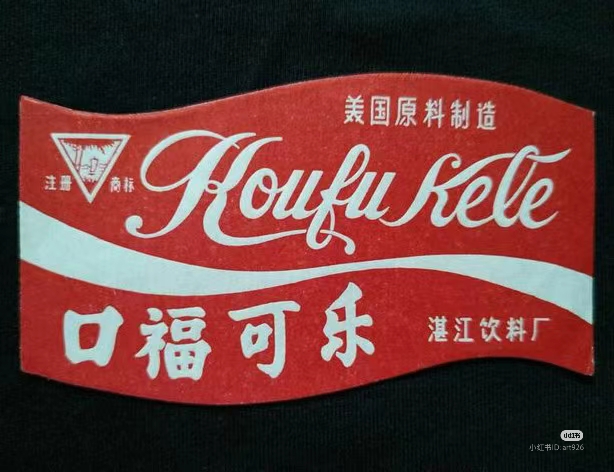
Undoubtedly, Coca Cola is the top-selling soft drink globally. Introduced in 1886, it has become a household name in over 200 countries. However, its immense popularity has also made it the most imitated drink worldwide. We’re all familiar with the rivalry between Coca Cola and Pepsi.

Introduction to China

Coca Cola arrived in China at a time when Chinese were eager to experience the delightful products of Western fast food imagination they had read about but yet to taste. KFC’s hot wings were an instant hit, but the introduction of Coca Cola in China didn’t go as smoothly. Initially, Chinese consumers found the taste reminiscent of medicine. Indeed, the typical cola flavour bears a resemblance to some traditional Chinese medicinal (TCM) potions. Interestingly, both colas were perceived as medicines from the late 19th century onwards. In fact, some Chinese food authorities were hesitant to make the beverage accessible to consumers of all ages, concerned about potential harm to children. However, these initial obstacles soon vanished, and Coca Cola gained immense popularity in China, just like anywhere else.

Imitations

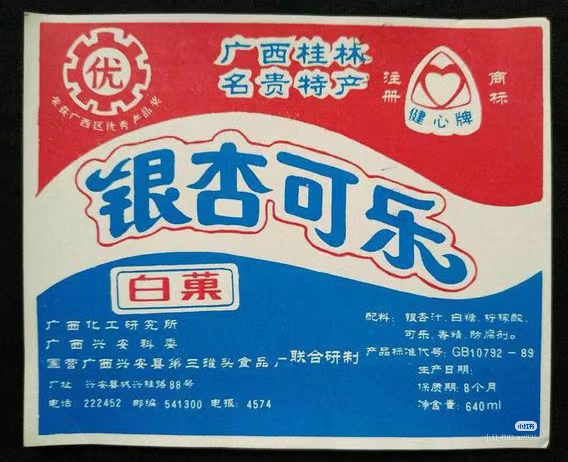
It was only a matter of time before the Chinese imitation industry began churning out one local cola after another. Most of these attempts failed and were short-lived, while a few managed to gain traction and survive for some time. The leading imitation is Future Cola by Wahaha Group, a prominent beverage manufacturer headquartered in Hangzhou, Zhejiang. Wahaha began producing its own cola in 1998. Feichang Kele (literally ‘Extraordinary Cola,’ translated into English as Future Cola) closely replicated the colors and other features of Coca Cola. Leveraging Wahaha’s extensive distribution network, Future Cola dominates rural China and its second- and third-tier cities. In 2003, its sales amounted to a staggering 620 million liters.

Wahaha’s advertisements adopt a nationalistic tone. For instance, their copy promotes Future Cola as “Chinese people’s own cola,” encouraging consumers to choose it over Coke or Pepsi. This aligns perfectly with the nationalist trend (guochao) of the 2020s. Future Cola’s focus on rural areas contributed to its high penetration at lower costs. Additionally, it leveraged celebrity advertising to enhance its brand image. Its penetration pricing made it an affordable alternative to its rivals, especially in more price-sensitive rural regions.

A major brand is Tianfu Cola, produced in Chongqing, has gained a new herbal flavour thanks to the cooperation of a domestic time-honoured brand. Tianfu Cola has a history of over 40 years and is a taste memory for several generations of Chinese people. Because of the herbal ingredients in the drink, some consumers even used to consider the cola as a ‘remedy’ for colds back in the day. Its secret lay in a special formula, which drew on traditional Chinese medicine and added several herbs, such as white peony root and Chinese angelica. Upon its launch in 1981, Tianfu Cola quickly won the favour of consumers, with annual sales reaching over 200,000 metric tons, accounting for about 75% of China’s cola consumption.

In 2021, Tianfu Cola upgraded its packaging design, brand positioning and marketing strategies, and added more healthy herbal plants to create a unique Chinese cola.

In the remainder of this post, I aim to analyse various local cola brands across different categories.

Fruit: To address the medicinal taste issue, several manufacturers introduced fruity flavours to their colas. Examples include orange cola, blackcurrant cola, and purple plum cola.

Orange Cola
Blackcurrant Cola
Purple Plum Cola

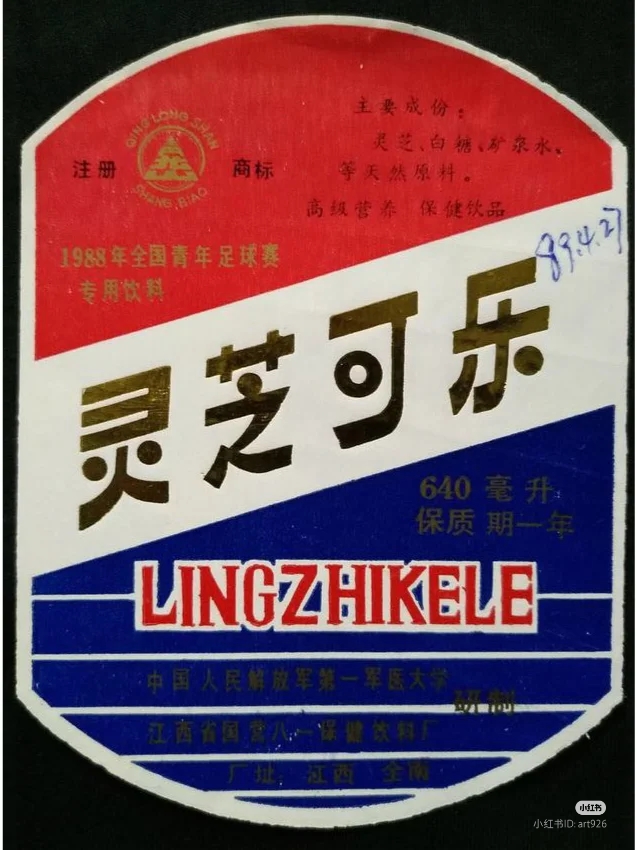
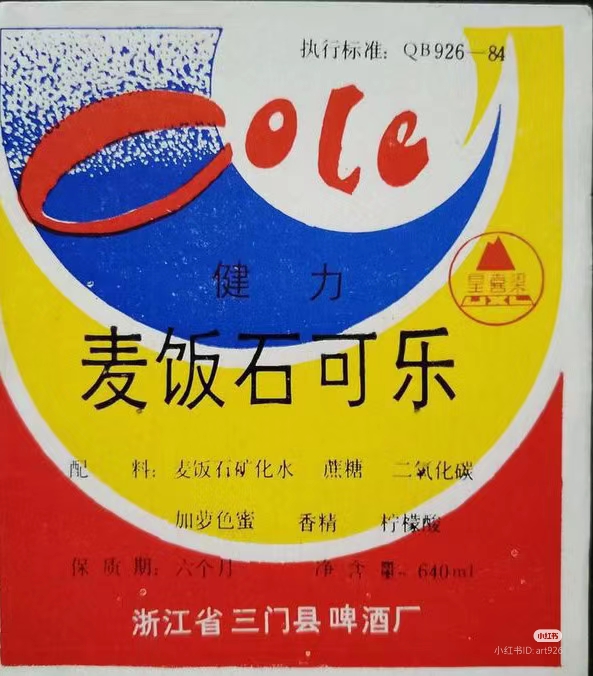
Medicine: Other producers capitalised on the medicinal aspect and incorporated TCM herbs into their colas, positioning them as health beverages. For instance, Lingzhi Cola (lingzhireishi – the ganoderma fungus), gingko cola, and maifanshi cola (maifanshi is a stone rich in minerals) are among these products.

Lingzhi Cola
Gingko Cola
Maifanshi Cola

Nobility: Adding a touch of nobility to your drink can elevate its perceived high-end appeal. Brands like Empress Cola, High Fortune Cola, High Heaven Cola, and of course, the top-tier Future Cola exemplify this concept.

Empress Cola
High Heaven Cola
High Fortune Cola

Famous location: Some cola brands associate themselves with specific locations, adding a sense of place and identity to their products. Qingdao, a prominent port city in Shandong, is renowned for its Tsingtao Beer and Laoshan Mineral Water, which is also used to produce Tsingtao Beer. The region once produced its own Qingdao Cola and Laoshan Cola, but Qingdao Cola was not produced by the brewery but rather used that name to entice consumers.

Qingdao Cola
Laoshan Cola

A hint of Heineken

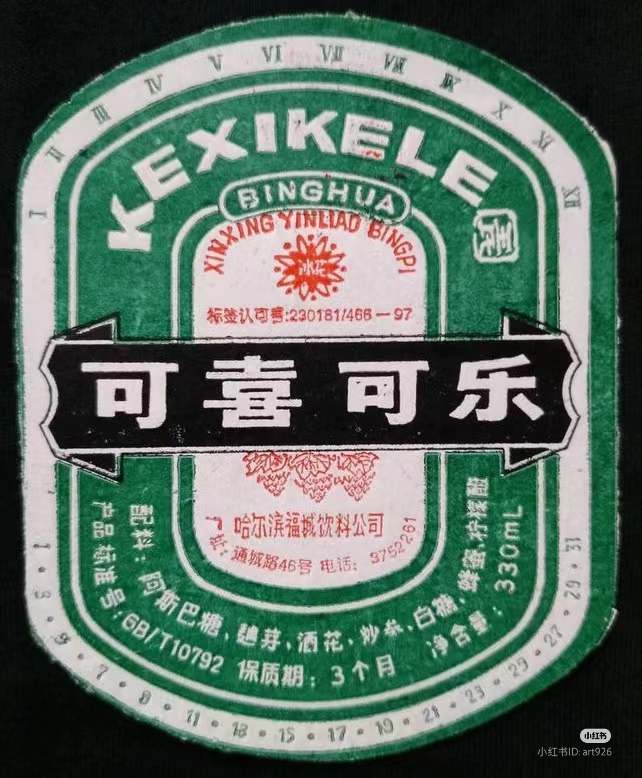
Kexi Cola

My favourite imitation cola has never achieved significant success, but the makers certainly put in their best effort. The brand name was Kexi Kele, which literally translates to ‘Happy Cola.’ However, this name subtly hints at Xili Beer, the Chinese name for Heineken Beer. A mere glance at the label reveals the striking resemblance. Kexi Kele was produced by a small brewery in Harbin, the capital of Heilongjiang. In today’s China, that combination of brand name and label would likely face challenges, but I can appreciate the initiative.

Vinegar Cola – a healthy choice (?)

This is a special type of Chinese Cola. It is produced in Shanxi province, where I found during a trip through that province in November 2024. Shanxi is famous for its vinegar, so it is no surprise to find this version of Cola there. Moreover, vinegar beverages like apple vinegar have been in vogue in China since around 2022 as health beverages.

This post does not encompass all Chinese imitation colas. I have compiled a list of 21 different labels, and I don’t exclude the possibility of adding more in the future. So, please keep an eye on this post for any future updates.

Peter Peverelli has been actively involved in and with China since 1975 and frequently travels to the most remote regions of that vast nation. He is a co-author of a significant book that delves into the cultural factors driving China’s economic success. Peter has been involved in the Chinese food and beverage industries since 1985.

Short post: Chinese co-branding

Today I am introducing a new type of post: a short report on a very specific issue that I believe to be of lasting interest.

I am starting with a recent example of co-branding Chinese style.

It is a cooperation between condiment maker Hubang’s chili sauce and Langxianwei’s potato swirls, resulting in a new co-branded product: chili flavoured potato swirls.

An interesting cultural aspect of this case is that the co-branding is also implemented in the logo, as is shown in the left side of the picture.

Peter Peverelli is active in and with China since 1975 and regularly travels to the remotest corners of that vast nation. He is a co-author of a major book introducing the cultural drivers behind China’s economic success. Peter has been involved with the Chinese food and beverage industries since 1985.

2024 Catering Industry Innovation Report

In recent years, China’s catering industry has been growing continuously. In 2023, the recovery speed of catering far exceeded that of other commodity retail sectors, and the momentum will continue in 2024. According to the data of the National Bureau of Statistics, the national catering revenue was about RMB 3.5 trillion yuan, an increase of 6.6% year-on-year.

The scale of catering brands is increasing day by day, and the pace of chain-isation is accelerating. The proportion of brands with more than 100 stores is increasing year by year. Moreover, the scale of the takeaway market is about RMB 1.2 trillion, which has become an important growth engine of the catering market.

Background of innovation

  • Consumption upgrade: quality demand has improved, consumers pay attention to catering quality, experience needs are also diversified, and special theme restaurants are becoming more and more popular.
  • Intensification of competition: The competition in the industry is fierce, and cross-industry competition is also under pressure, which promotes the continuous innovation of catering enterprises.
  • Technological progress: The Internet and the application of intelligent devices bring new opportunities to the catering industry.
  • Cultural integration: Different cultural exchanges provide materials for catering innovation.
  • Popularisation of healthy eating: Consumers’ requirements for catering health are increasing.

Direction of Innovation and achievements

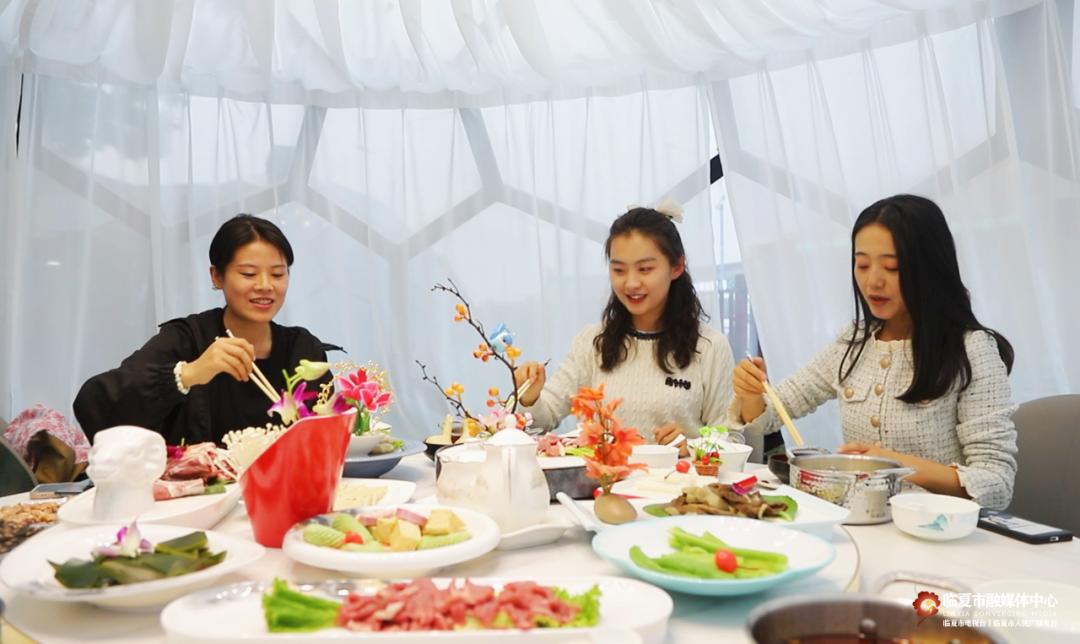
Diners enjoy healthy and colourful food at Fengxiyuan
  • Product innovation: integrating multiculturalism, combining scientific and technological elements, paying attention to healthy nutrition, and exploring special ingredients. There are excellent innovative restaurants such as Coucou Hot Pot, Taishan Food Festival, Fengxiyuan Restaurant, Western fast food brands, etc.
  • Service innovation: personalised services and intelligent services. The children’s meal service of Xibei Noodle Village, the convenience and innovation of hometown chicken, the diversified service of Naixue‘s tea, and the intelligent service of Haidilao and Hefu Noodles are all excellent.
  • Marketing innovation: social media marketing, experience marketing, cross-border cooperation. Tastin’s social marketing, the experience activities of hometown chicken and Xibei noodle village, and cross-border cooperation such as Laowang and Link are all very eye-catching.
  • Business model innovation: popularisation of dining + drinking mode, omni-channel model, new retail + catering model, special store model, introduction of catering in home stores, etc.

Future development trends and prospects

  • Business model and category development: the degree of chain-isation and branding has been improved, and the category has been subdivided and characterised by operation.
  • Consumption experience and service: omni-channel operation has become the norm, and scenario-oriented and immersive experience are favoured.
  • Product innovation and supply chain: healthy dish innovation, intelligent and digital supply chain management.
  • Market competition and industry pattern: the potential of market failure is huge, and the brand’s overseas exit is accelerating.

Conclusion: China’s catering industry is booming and continues to innovate. Catering brands actively seek change and constantly open up new paths. In the future, catering enterprises should keep pace with the times, continue to innovate, and meet the diversified needs of consumers. Super brand strategic consulting will also contribute to the prosperity and development of China’s catering industry.

Peter Peverelli is active in and with China since 1975 and regularly travels to the remotest corners of that vast nation. He is a co-author of a major book introducing the cultural drivers behind China’s economic success. Peter has been involved with the Chinese food and beverage industries since 1985.

Understanding China’s Anti-Ageing Industry

I. Overview

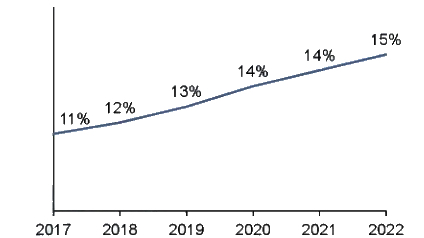
Anti-ageing helps people delay the ageing process of the body and promote overall health, so that people can stay mentally and physically healthy, within the life limit determined by genetic factors, and improve the quality of life. The following table shows the percentage of the part of the Chinese population that is 65 years or older.

Skin ageing refers to the deterioration of the cell structure and function of skin tissue under the continuous action of the internal (accounting for 20%) and external (accounting for 80%) environment, usually manifested as dry skin, pigmented spots, reduced skin elasticity, sagging, rough and wrinkled skin. There are many schools of research on the causes of skin ageing, including genetic ageing, excessive free radicals, photoaging, non-enzymatic glycosylation, etc. Endogenous ageing refers to the ageing of the human body due to irresistible physiological factors such as genetics and endocrine. Exogenous ageing is environmental ageing, that is, ageing caused by light radiation, environmental pollution, bad living habits, etc.

II. Anti-ageing policy

In recent years, China has issued a series of policy documents to promote the development of the anti-ageing industry. In August 2022, the General Office of the Guangzhou Municipal People’s Government issued the ’14th Five-Year Plan’ for the Development of the Marine Economy of Guangzhou, which proposed to focus on the development of marine biologically active substance screening, marine biological genetic engineering and other technologies to support marine biological vaccines and substances such as antibacterial, antiviral and antioxidant derived from marine organisms. The research and development of biologically innovative drugs, as well as the development, production and industrialisation of high-value-added marine biological functional foods such as lowering blood sugar and blood lipids, improving immunity and anti-ageing, have led to the establishment of a number of new enterprises in the fields of marine drugs and functional biological products. In January 2024, the General Office of the State Council issued the Opinions on Developing the silver-haired Economy to improve the welfare of the elderly, which proposed to develop the anti-ageing industry, promote the deep integration of biotechnology and delayed senile diseases, and develop products and services for early screening of geriatric diseases.

III. Anti-ageing value chain

The upstream of the anti-ageing industry chain is mainly plant extracts, traditional Chinese medicine and other anti-ageing raw material industries, and the downstream is mainly in the fields of skin care, beauty and health care.

At present, scientists have found that a variety of plant extracts can be combined with NMN to improve their anti-ageing effect. This development started relatively late, but its growth is rapid. According to statistics, the domestic plant extract market has increased from RMB 5.66 billion in 2015 to RMB 23.78 billion in 2023; an annual growth rate of 20.94%.

IV. Development status of the anti-ageing industry

With the ageing of China’s society, ‘anti-ageing’ has now become a topic of high public attention. People’s lifestyle and habits are changing. They all want to be young forever and minimise the traces of ageing, which has promoted the rapid growth of sales of anti-ageing products. Data shows that the market scale of China’s anti-ageing industry in 2023 was about RMB 152.18 billion, in which skin care products were good for RMB 94.82 billion; nicotinamide mononucleotide (NMN) health care products RMB 12.48 billion; and other anti-ageing health care products and health foods RMB 44.88 billion.

The research and development strategies of domestic anti-ageing brands are shifting to products made from traditional Chinese medicine, and use advanced medical technology to promote the rapid development of traditional Chinese medicine skin care products. The attention of international high-end brands still dominates the field of anti-ageing skin care products in China, but consumers gradually recognise domestic anti-ageing brands, which promotes domestic brands to perform better and better in the mass market and have greater development potential.

Data show that 53.2% of consumers begin to pay attention to anti-ageing at the age of 26-35, and 23.2% of consumers at the age of 18-25. With the in-depth development of the anti-ageing industry and the popularisation and application of anti-ageing knowledge, the people who pay attention to anti-ageing are getting younger and younger, and the market increases proportionally.

Still according to the research, 68.2% of consumers combine anti-ageing with fitness, 62.4% of consumers use skin care products to prevent ageing, and nearly 50% of consumers pay attention to diet and take supplements for anti-ageing. With the continuing upgrading of anti-ageing skin care products and health care products, more consumers will recognise the effectiveness of anti-ageing ingredients and anti-ageing through the use of skin care products and health foods.

V. Key enterprises in the anti-ageing industry

The market competition in China’s anti-ageing industry is fierce, and the leading enterprises consolidate and expand their market share through product innovation, technology research and development and marketing. At the same time, with the increasing diversification of consumers’ demand for anti-ageing products, enterprises are actively looking for differentiated competitive advantages. At present, the main enterprises in China’s anti-ageing industry include Vecanbio (Zhongyuan Xiehe), Kingdomway (Jindawei), Marubi (Wanmei), BBCA Pharmaceutical (Fengyuan Yaoye), (Challenge & Young) Qianyuan, Zhongsheng Pharma, Yiling Pharmaceutical, Changchun High-tech, By-health (Tangcheng Beijian), etc.

Lycopene Vitamin E from By-health

VI. Trends in the anti-ageing industry

  • Diversification and personalisation of consumer needs. Consumers’ demand for anti-ageing products is no longer limited to a single effect, but pays more attention to the diversification and personalisation of products. They not only hope that the product can effectively prevent ageing, but also hope that the product can meet their specific needs, such as improving skin quality and enhancing immunity. In addition, with the improvement of consumers’ health awareness, their requirements for the safety and effectiveness of anti-ageing products are also getting higher and higher. Therefore, brands need to pay more attention to ensure that products are both safe and effective.
  • Technological innovation and application; With the continuous development of biotechnology, genetic technology, nanotechnology and other high-tech technologies, anti-ageing products will pay more attention to the application and innovation of science and technology. These new technologies will help improve the effect and user experience of the product and meet consumers’ needs for efficiency, safety and convenience. At the same time, anti-ageing products will be more intelligent and personalised in the future. Through intelligent devices and technical means, brands can more accurately understand the skin quality and needs of consumers, so as to provide more personalised skin care solutions and product recommendations.
  • Market segmentation and channel expansion; With the continuous development of the anti-ageing market, the trend of market segmentation will be more obvious. Brands need to segment the market according to different age groups, skin type, dietary needs demand and other factors, and launch more targeted products to meet the needs of different consumers. At the same time, the sales channels of anti-ageing products will be more diversified in the future. In addition to traditional offline channels, online channels will occupy an increasingly important position. Brands need to pay attention to the expansion and operation of online channels to improve brand awareness and product sales.

If this post appeals to you, you may also like to read:

Medicine Food Same Source

Public nutrition in China

Bird’s nest – if you can’t eat them, drink them

Cosmetics food same source

 China’s silver hairs are challenging the single dogs

The Chinese health food market in 2023

Chinese research of anti-fatigue functional food

Chinese health water – the hottest drink to cool you down this summer

Peter Peverelli is active in and with China since 1975 and regularly travels to the remotest corners of that vast nation. He is a co-author of a major book introducing the cultural drivers behind China’s economic success. Peter has been involved with the Chinese food and beverage industries since 1985.
The Rise of Herbal Health Waters in China

sugar-free tea beverage undoubtedly were the major trend in the Chinese beverage industry in 2023. Tea drinks in general are healthier and more refreshing than all those funny bubble teas that Chinese consumers started drinking in the years before.

With the growing concern for health, moving on to sugar-free tea beverages was a logical step. Data show that the year-on-year growth rate of sugar-free tea in 2023 was as high as 110%, the market size exceeded RMB 10 billion. That year saw the introduction of 64 new sugar-free tea products.

It seems that the next step for 2024 is adding more nutritious ingredients, in particular herbal extracts from TCM plants. This also fits in with the ongoing ‘national trend’ (guochao), which explains why the new drinks category is referred to as ‘Chinese health water’ (zhongshi yangshengshui). A market survey dating 2024 predicts that the compound annual growth rate will exceed 88% over the next five years. By 2028, sales are expected to exceed RMB 10 billion.

It is too early to say that these health waters will canabalise the entire market for sugar-free tea drinks, but they will certainly take a considerable part of it.

Let’s look at a few of health waters that are already on the market.

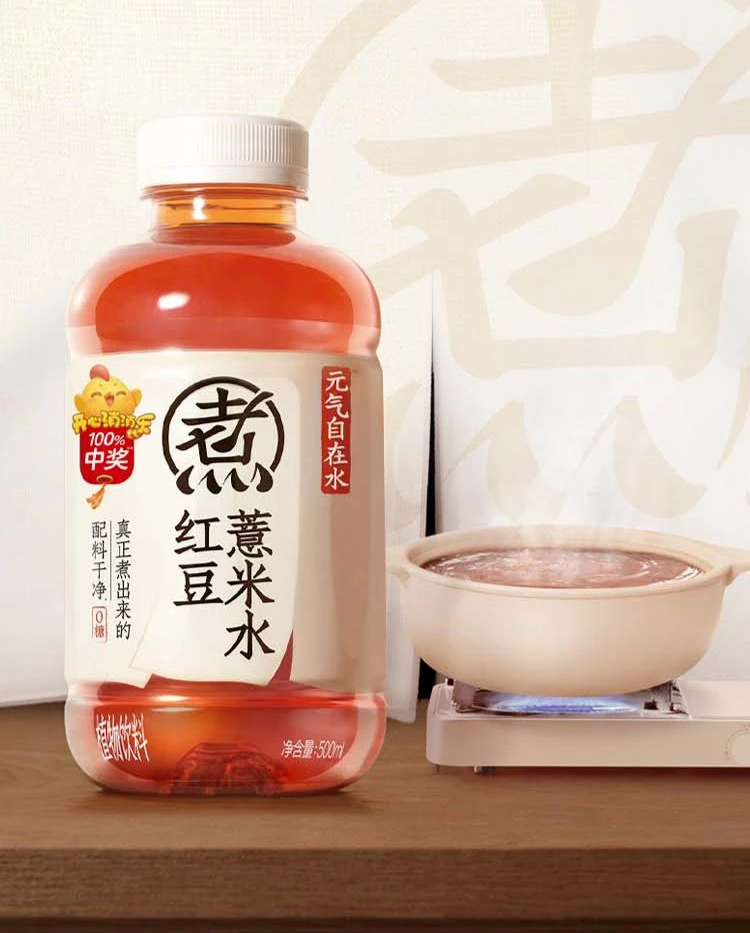
Genki Forrest – red bean and barley
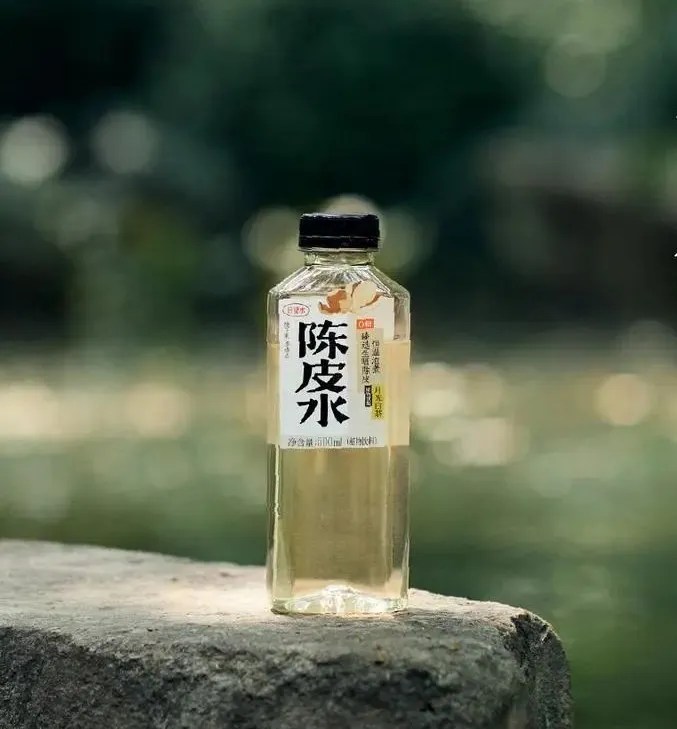
Haowangshui – dried orange peel
Keyang – green bean

Nestlé

Foreign players have also noted the TCM trend. Nestlé China has launched two new beverages: white mulberry oolong and hawthorn tangerine peel in 2024.

Peter Peverelli is active in and with China since 1975 and regularly travels to the remotest corners of that vast nation. He is a co-author of a major book introducing the cultural drivers behind China’s economic success. Peter has been involved with the Chinese food and beverage industries since 1985.