
Regular readers are aware that Traditional Chinese Medicine (TCM), particularly those that are permitted to consume as food ingredients, has become a significant business in China. This trend initially emerged in the regular food and beverage market but has since expanded into the snack food sector. For health-conscious affluent Chinese individuals, snacking should also be beneficial for their well-being. According to data from Ai Media, the value of this market has surpassed RMB 265 billion in 2024.
In this ‘punk diet’ revolution driven by Generation Z, 72% of the post-1990s generation has substituted traditional healthcare products with ready-to-eat medicinal foods of the same origin. The concept of ‘health snacks’ has garnered substantial attention on the social media platform Xiaohongshu, with over 800 million views. From established brands like Tongrentang to emerging brands, TCM institutions, leisure food enterprises, and cross-border players are actively expanding their presence in the TCM snack market.
This article presents an analysis of the latest industry developments, elucidates the innovative direction of TCM snacks, and evaluates the technical challenges and breakthrough opportunities for popular products.
Trend 1: TCM Centres Emerge as Market Players
The Zhejiang TCM Hospital’s phenomenal success with its hit Wumei (black plum) soup has significantly impacted the summer beverage market. The first version of Wumei, launched last year, achieved remarkable sales figures, with 1.15 million posts sold within 24 hours. Following the introduction of the upgraded 2.0 formula in the Tmall flagship store this year, the monthly sales reached the pinnacle of the tonic and health tea category. This ancient tea drink, featuring black plum, lotus leaf, and hawthorn as its primary ingredients, has become the quintessential embodiment of ‘punk health care’ for young individuals, offering the convenience of ‘professional medical institutions’ research and development combined with ‘ready-to-eat’ consumption.

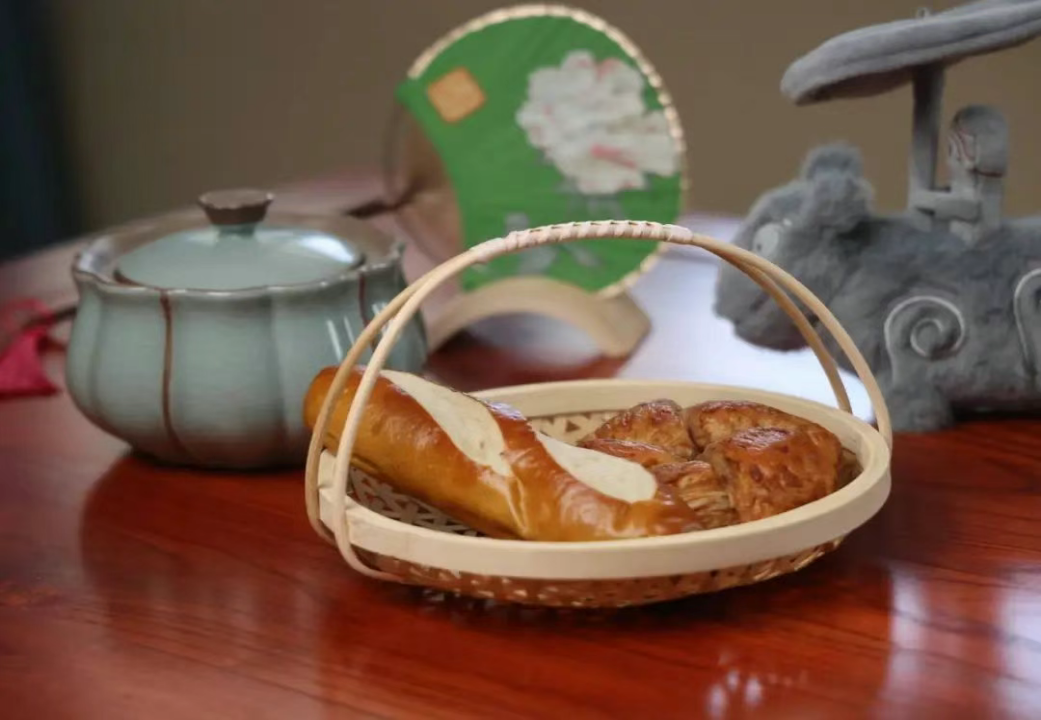
“Yangzhou TCM Hospital, Jiangsu Province” draws upon the “Outline of Herbal Medicine” and other medical texts, integrating the prevalent ailments of contemporary young individuals such as qi and blood deficiency, spleen deficiency, phlegm and dampness, and fatigue. It extends the innovative concept of medicinal diet to the realm of baking. Their medicinal breads are enriched with over ten medicinal food ingredients, including angelica and poria. Within the first month, the product’s daily sales volume surpassed 1000 pastries, with an astonishing 3000 sold during the peak period. The accompanying image depicts one of their scones.
“Guangdong Zhongshan Boai Hospital” sought to address the specific needs of children’s medicine, incorporating two Traditional Chinese Medicine (TCM) formulas into lollipops. The digestion-strengthening herbs (including hawthorn) and the cough-clearing herbs (including loquat leaves and Luohan fruit) are both seasoned with rock sugar and devoid of preservatives.
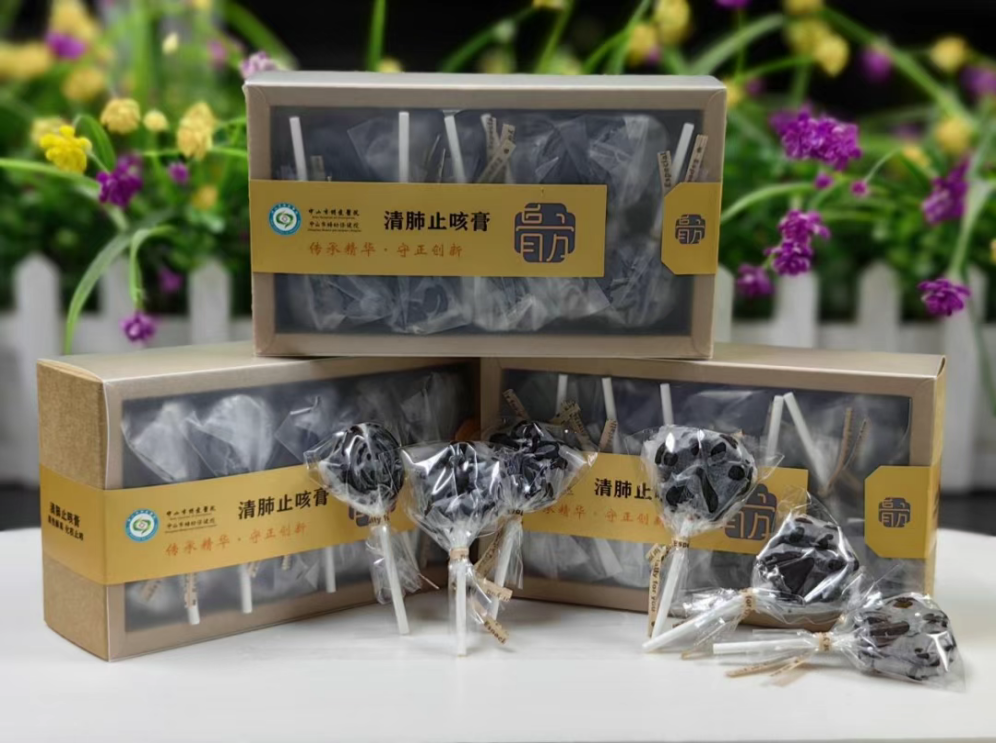
When the hospital’s TCM pharmacy transformed into a “snack shop,” it not only generated substantial demand for exceptional products but also fully demonstrated the market’s substantial demand and trust in the “foodization” of classic TCM formulas.
In comparison to conventional food enterprises, medical institutions and TCM centres possess inherent advantages such as professional endorsement, access to local medicinal materials, and ancient prescription resources. This enables them to develop health snacks that combine scientific basis with cultural heritage.
Trend 2: Customised TCM snacks cater to specific segments
Various groups of individuals have distinct physical and health requirements. Traditional Chinese Medicine (TCM) snacks that customise formulas and functions for specific subgroups are emerging as a significant direction for the innovation of food and healthcare products. By focussing on segmenting customer groups and emphasising specific effects, TCM snack products can not only fully realise the value of medicinal and food ingredients of the same origin, but also effectively capture customers and enhance user retention. Urban young people constitute a substantial force in snack consumption. They prioritise health, yet they frequently lack time and patience for traditional dining habits.
Dongfang Yanqisheng’s ‘Red Bean Barley Rice Jelly’ incorporates over 30 ingredients, including kudzu root, barley kernels, goji berries, porigi, yam, and others, all of which are of medicinal origin. Utilising jelly as the carrier, it dispels moisture, nourishes the skin, and can also serve as a snack for satiety and energy during work. The product adopts a compact packaging design to cater to the needs of young people seeking ‘light healthcare anytime and anywhere’.

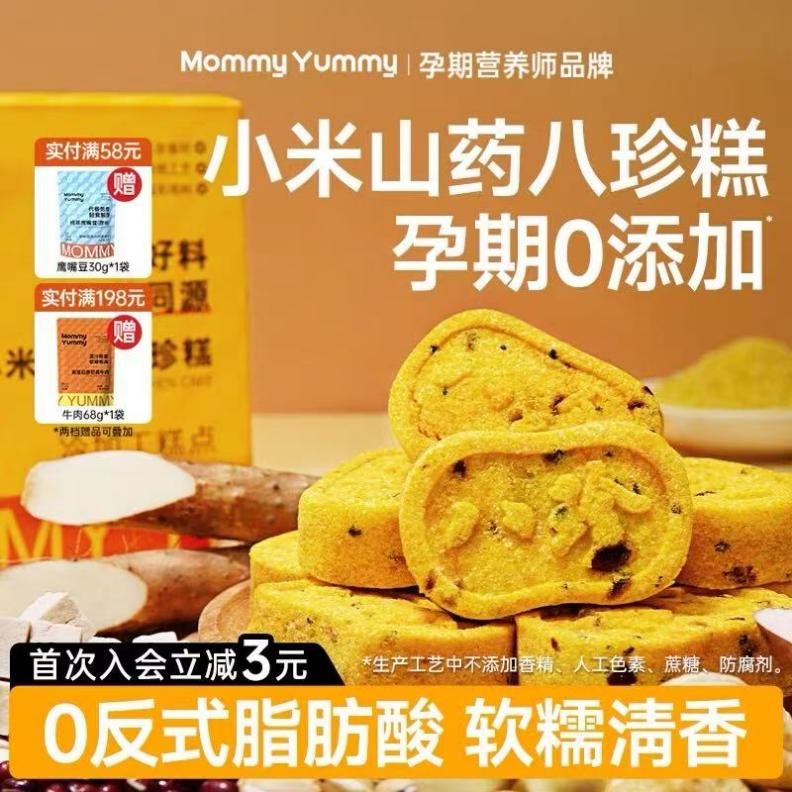
Mommy Yummy has developed a range of novel medicinal and healthy snacks of the same origin to meet the needs of pregnant mothers. Notably, the 0-sucrose millet eight-treas cake features eight precious ancient recipes as its primary ingredients. This cake integrates a diverse array of nutritious and low-glycemic index ingredients, such as yam, poria, lotus seeds, white lentils, and malt, which collectively possess the effect of strengthening the spleen, nourishing the stomach, and promoting digestion.
The increasing attention paid to the application value of Traditional Chinese Medicine (TCM) snacks in the field of children’s nutrition and health is particularly noteworthy. This trend has gained significant traction, particularly among parents of children born after 1985 and 1990, who are increasingly concerned about their children’s health. Notably, 65.4% of these parents are willing to pay a premium to ensure their children’s well-being.
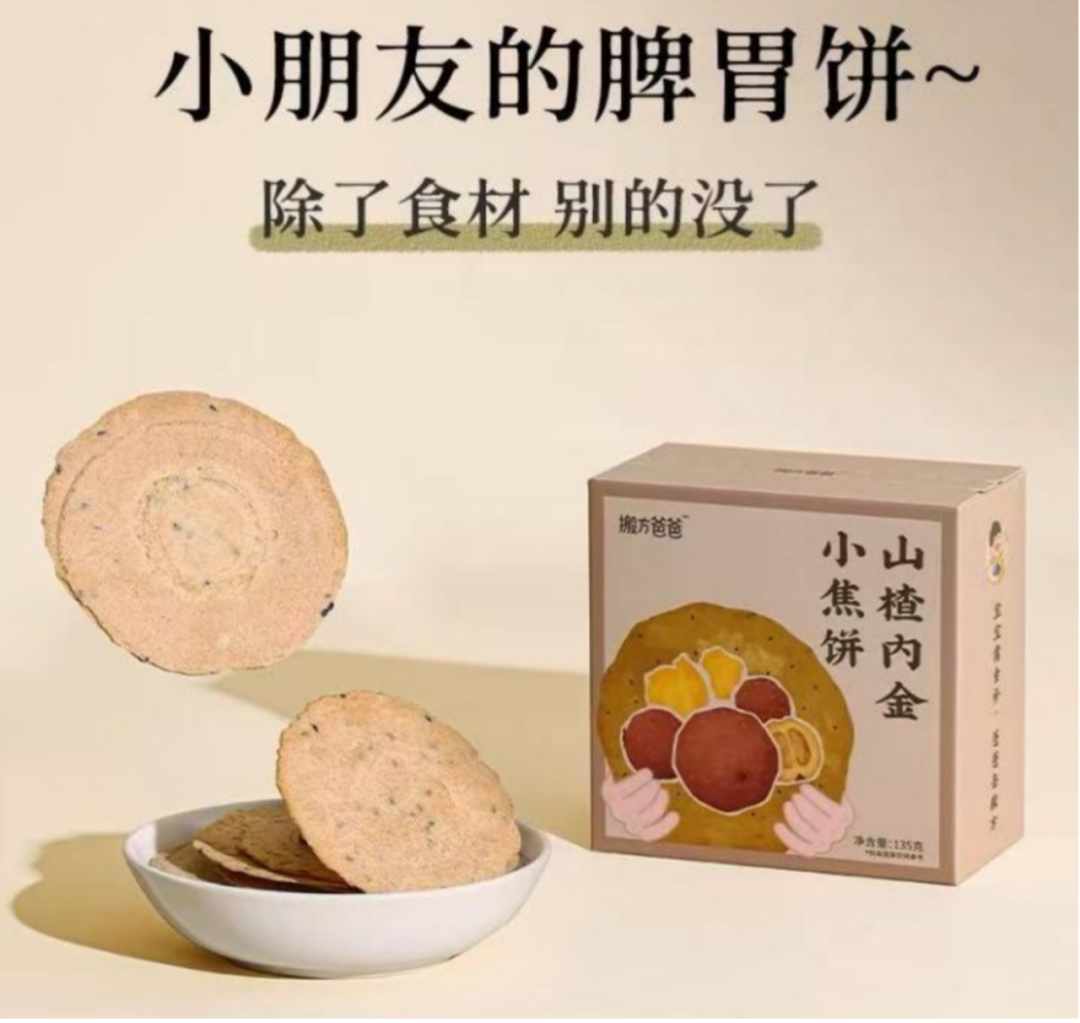
For instance, ‘Banfang Baba’ has collaborated with the Academy of Agricultural Sciences to develop a range of nutritious snacks tailored to children’s specific health needs. These snacks address concerns such as spleen and stomach conditioning, picky eating, anorexia, and poor resistance. The brand has incorporated medicinal food-like ingredients with the beneficial effects of strengthening the spleen and facilitating digestion into children’s preferred food forms.
Workplace Depression
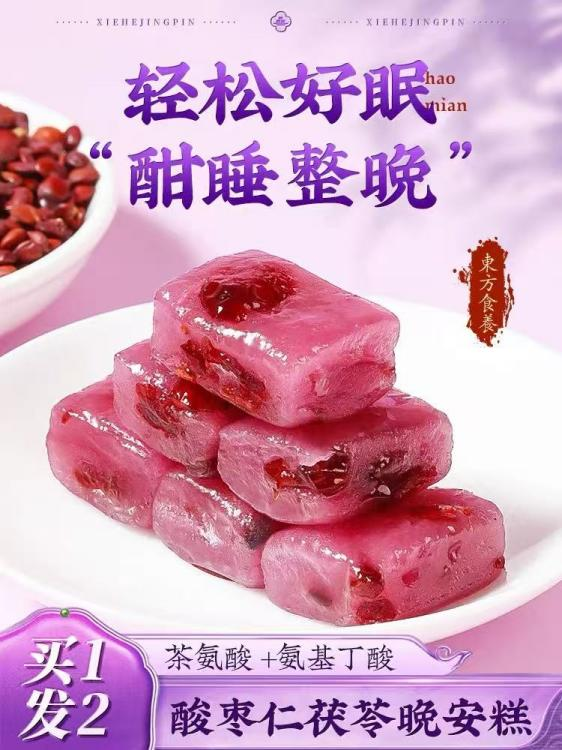
In the context of the prevalent ‘996’ culture, characterised by extended working hours and late-night work, many workers have experienced post-work depression. Sour jujube kernels, derived from medicinal food ingredients, possess the ability to nourish the mind, alleviate anxiety, and promote deep sleep. Poria, another medicinal food ingredient, can strengthen the spleen and calm the heart, while benefiting water and moisture. It also helps relieve stress and improves sleep quality.
Trend 4: Technological Innovation Promotes the Advancement of TCM Snacks
To effectively engage with the public, Traditional Chinese Medicine (TCM) snacks must overcome the challenges associated with TCM, which include its perceived difficulty in consumption, usage, and adherence. This necessitates the integration of modern food technology and biotechnology.
From raw material processing and active extraction to flavour enhancement and dosage form innovation, a series of technological advancements empowers TCM snacks. These innovations enable ancient medicinal materials to reveal novel flavours and forms.
Emerging technologies, such as mouth-soluble membrane technology, have gained prominence in the TCM snack industry. This technique encapsulates active ingredients within a film composed of modified starch and colloids, positioning them either on or beneath the tongue. This allows for rapid dissolution and drug release in saliva.
For instance, mouth-soluble membrane technology, a novel dosage type of oral administration method, achieves rapid dissolution and efficient absorption through the mouth. This approach extends from professional medical treatment to functional health food. Nano-embedding technology, for example, provides dual benefits of bitterness shielding and active protection through microscale wrapping, while probiotic fermentation facilitates bacterial group fermentation.
Technological advancements not only enhance the active utilisation of raw materials but also optimise taste by decomposing bitter substances.
The concept and technology of flavour science also serve as viable solutions. Existing products leverage the coordinated application of natural sweeteners and bitterness masking technology to reduce the bitterness of raw materials like ginseng and other medicinal and food sources. This approach ensures the preservation of active ingredients and improves palatability.
form creativity, a series of technological innovations are empowering TCM snacks, so that ancient medicinal materials can shine new flavours and new forms.
Emerging technologies such as mouth-soluble membrane technology are becoming new favourites in the field of TCM snacks. This technique fixes the active ingredients of TCM on a film made of modified starch and colloids, and places them on or under the tongue, which can quickly dissolve and release drugs in saliva.
For example, the mouth-soluble membrane-making technology, this new dosage type of oral administration method achieves rapid dissolution and efficient absorption through the mouth, which is extending from professional medical treatment to functional health food; for example, nano-embedding technology can achieve the dual effect of bitterness shielding and active protection through microsacle wrapping; probiotic fermentation through bacterial group fermentation. Technology, on the one hand, can improve the active utilisation of raw materials, and on the other hand, it can optimise the taste by decomposing bitter substances.
The concept and technology of flavour science are also popular solutions in the field. There are already products on the market that rely on the coordinated application of natural sweeteners and bitterness masking technology to reduce the bitterness of raw materials such as ginseng and other medicinal and food sources, ensure zero loss of active ingredients, and improve palatability.
Peter Peverelli has been actively involved in and with China since 1975 and frequently travels to the most remote regions of that vast nation. He is a co-author of a substantial book that explores the cultural factors that have contributed to China’s economic success. Peter has been involved in the Chinese food and beverage industries since 1985.
 Peverelli on Chinese food and culture