
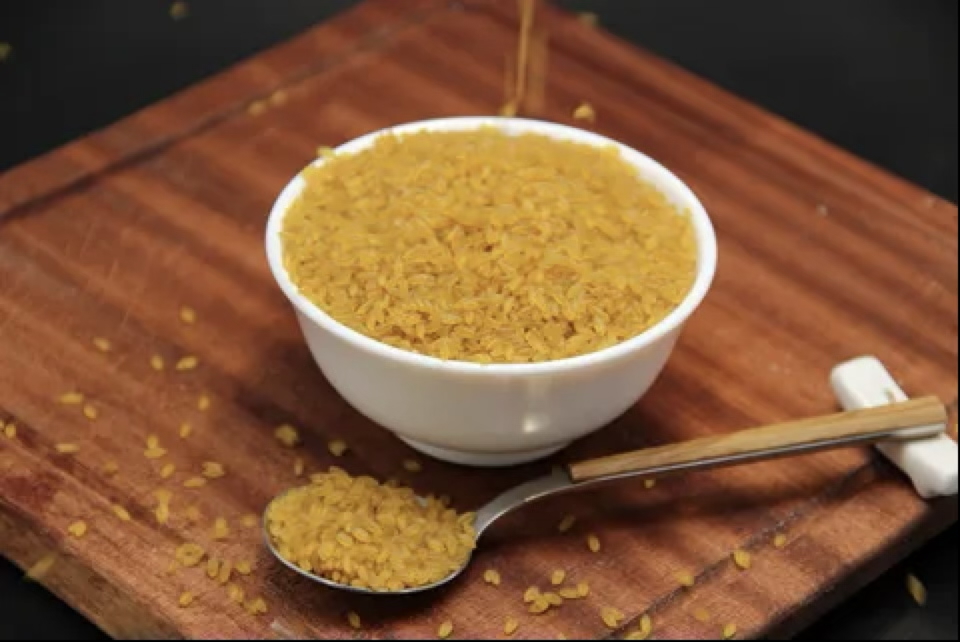
Recently, a special production line in Zhaotong, Yunnan Province, has created the world’s first potato rice. It is understood that this production line that converts potatoes into ‘rice’ is the result of more than five years of research and development led by Wu Qi, an academician of the Chinese Academy of Sciences and a polymeric physical chemist. This is not only the first production line in China to turn fresh potatoes into dried rice, but also the first in the world.
Nutrition
According to the report, potato rice retains 90% of the nutrients of potatoes and the protein content is 27% higher than that of traditional refined rice noodles. After the first batch of potato rice was launched, Zhaotong Mekong conducted product stability tests among people with diabetes and obesity. Judging from the situation of regional sales tests, there is a tendency for supply to exceed demand. After more than a month of trial sales, the repurchase rate of diabetics and people who lose weight is relatively high.
Easy to handle
Because potato rice has been processed at high temperature and high pressure, consumers can steam the potato rice without washing it. In addition, the amount of water and time required to steam potato rice is much less than the amount of water and time required to steam white rice. Some consumers feedback that potato rice is convenient to cook, and it not only feels close to rice in the mouth, but also smells like potatoes.
Price
At present, the price of potato rice is still higher than that of ordinary rice. According to the official platform of Zhaotong Meikang Agricultural Company, the price of potato rice is RMB 66 per box of 950g.
Top producer
As one of the world’s largest potato producers, China has ranked first in the world for many years. For Chinese consumers, the research on potato rice is expected to make high-yield potatoes a staple food for people, which will help solve the problem of food security. For fresh potatoes with a large yield, this new form of potatoes can solve the problem that fresh potatoes have a short storage time and are not conducive to preservation to a certain extent. potato rice can reduce the need for ventilation and climate control during storage, and it is also more convenient for logistics and transportation.
The process
Wu Qi’s team integrates macromolecular physics theory, food macromolecular processing and polymer extrusion granulation technology, focussing on the research and development of high-water extrusion and reorganisation technology of plant polysaccharides and protein complex systems. Through precise control of temperature, humidity and enzymatic time, fresh potatoes are transformed into diameter 0.5 -1mm rice granular finished product. Simply put, the research team changed the characteristics of macromolecules from the physical level, reshaped the starch chain of potato crops, and turned fresh potatoes into potato rice with good taste.
Peter Peverelli has been actively involved in and with China since 1975 and frequently travels to the most remote regions of that vast nation. He is a co-author of a substantial book that explores the cultural factors that have contributed to China’s economic success. Peter has been involved in the Chinese food and beverage industries since 1985.


 Peverelli on Chinese food and culture