Chinese Dishes Reimagined in Coffee and Alcohol

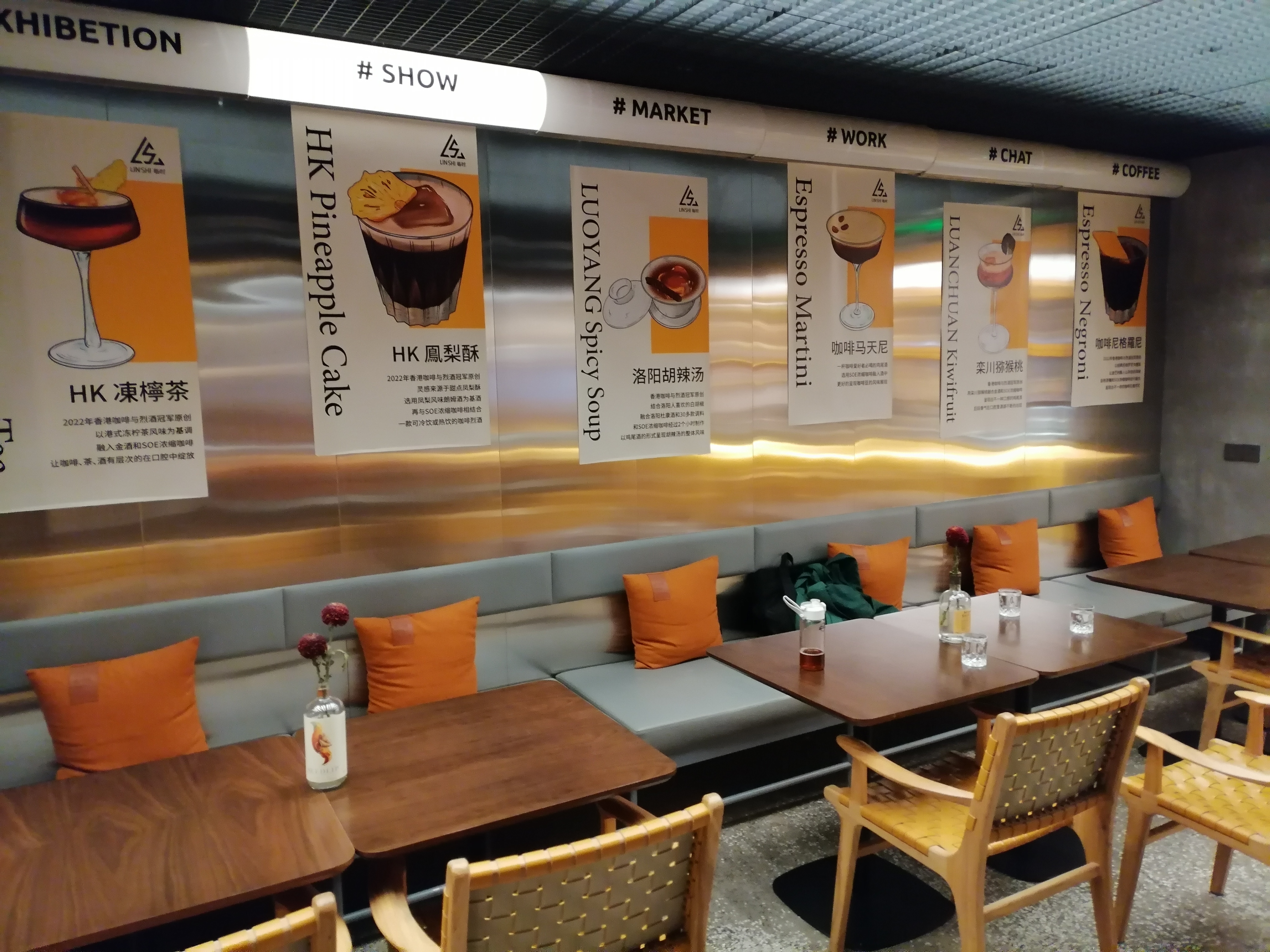
During a recent excursion through Shanxi, Henan, and Hebei provinces, we extended our stay in Luoyang, a third-tier city in northern Henan province. Luoyang served as the capital of China during the Sui (581–618) and Tang (618–907) dynasties. One evening, as we journeyed to a restaurant, we encountered an intriguing bar en route, advertising with coffee-based cocktails. Given the early hour, we decided to explore this establishment. This proved to be an auspicious decision. We indulged in several highly innovative cocktails.

The name of the bar, Linshi, held intrigue, translating to “Temporary.” Founded by Ma Lekai, an award-winning Chinese barista, the establishment boasts diplomas and accolades adorning its walls.

The colour scheme of the bar, predominantly yellow, is complemented by shades of orange and brown, creating a striking contrast with the greyish hues. We perused the menu with the intention of sampling some captivating cocktails.

Americano

Given my preference for Americanos, I opted for a cocktail bearing the same name. The Chinese translation, Meiguolao, translates to “Yankee,” likely a subtle reference. The recipe incorporates a martini base, complemented by exceptionally light coffee, even lighter than a traditional Americano. The light coffee imparted a slightly sour character, resulting in a martini with a bitter aftertaste of coffee. Personally, I found this combination to be an ideal match.

Kiwi

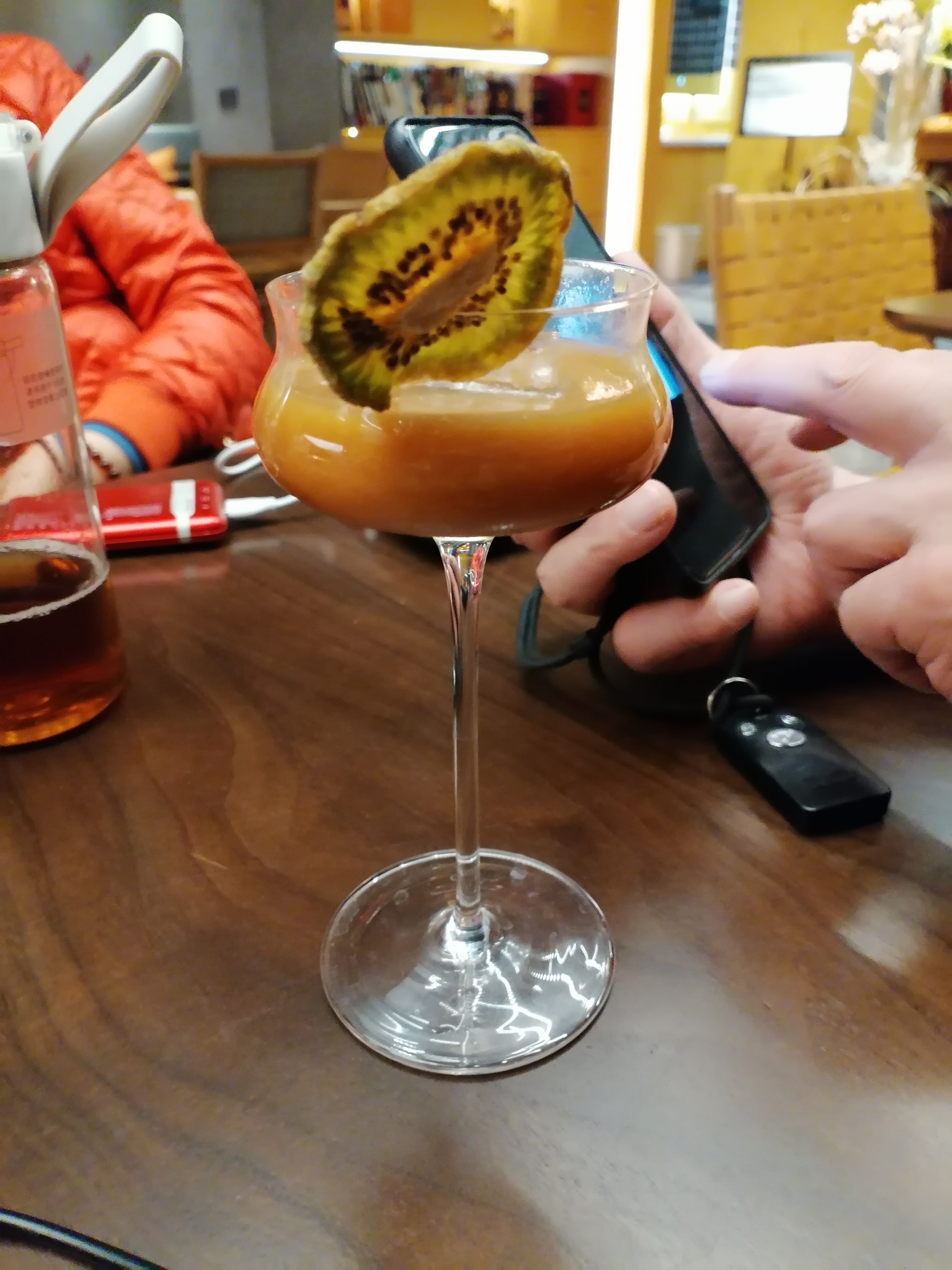
Another member of our party sampled a Luanchuan kiwi (Luanchan is a region in Northwest China where kiwis are cultivated): pureed kiwi infused with coffee and a touch of Luoyang’s local liquor, Dukang. This combination required some time to fully appreciate, but ultimately, it yielded a satisfactory taste experience.

Dish as inspiration

The staff is consistently experimenting with new recipes. As I was likely the first foreign visitor, they allowed our group to sample a newly designed cocktail: Hulatang, Hula Soup. Hulatang is a slightly sour and spicy soup, a traditional specialty of Luoyang. Linshi has once again utilised the sour undertone of soft coffee, combined with Dukang and a touch of pepper for the hot undertone. For me, this was also a potential success cocktail. It is also a remarkable example of recreating a traditional dish in a contemporary manner.

Clientele

Linshi operates in the high-end segment. However, according to the manager of this branch (one of four in Luoyang), the business is performing well. Linshi was established in 2014, making it exactly 10 years old when we visited. The relatively young clientele tends to visit later in the evening. Linshi is open until 1 a.m. When I return to Luoyang, I will certainly make a visit to this establishment.

If you like this post, you may also want to look at this post introducing medicinal cocktails in China.

Peter Peverelli has been actively involved in and with China since 1975 and frequently travels to the most remote regions of that vast nation. He is a co-author of a substantial book that explores the cultural factors that have contributed to China’s economic success. Peter has been involved in the Chinese food and beverage industries since 1985.

New Food Ingredient: The Rise of Stevia Polyphenols

n the Announcement No. 1 of 2025 of the Health Commission (the former Ministry of Health of China) officially approved stevia polyphenols as a new food raw material, alongside stevia glycosides, as the two “star ingredients” of stevia.

For an extended period, stevia has garnered significant attention due to its abundance of stevia glycosides, a natural sweetener, and its role as a crucial sugar substitute in the food industry. The legalisation of stevia polyphenols has undoubtedly paved the way for the expanded application of stevia. Its antioxidant and multifaceted health benefits anticipate its emergence as a preferred choice in the domains of food and healthcare products, potentially surpassing the popularity of stevia glycosides.

Originating from South America, stevia was introduced to China in the 1970s and has since gained widespread cultivation in Hebei, Gansu, Shandong, and other regions. The sweetness of stevia glycosides in its leaves is approximately 200-300 times greater than sucrose, making it the cornerstone of natural sugar substitutes. However, during the extraction process of stevia glycosides, a “side product” emerged—stevia polyphenols.

Stevia polyphenols constitute 2%-4% of the dried stevia leaves, primarily comprising chlorogenic acid, caffeic acid, quercetin, and other active ingredients. High-purity products are obtained through extraction technology, resulting in a total polyphenol content exceeding 40%. The polyphenols are derived from stevia leaves through ethanol extraction, filtration, purification, concentration, drying, and other processes.

In 2025, stevia polyphenols officially became a new food raw material in China, ushering in a novel trajectory for the application of stevia in the food sector.

What are plant polyphenols?

Plant polyphenols are secondary metabolites synthesised by plants during their growth. They constitute a diverse class of compounds characterised by the presence of multiple phenolic hydroxyl structures. These compounds are composed of benzene ring structures, each bearing one or more hydroxyl (-OH) groups on each benzene ring, conferring them with robust antioxidant properties and the ability to neutralise free radicals.

Plant polyphenols can be categorised based on their chemical structure, primarily comprising flavonoids, proanthocyanins, hydrolyzed tannins, simple phenolic acids, and other major categories.

Plant polyphenols serve as essential nutrients produced through photosynthesis, playing a multifaceted role within the plant body. These compounds contribute to disease resistance, pigment formation, structural support, and regulation of the growth cycle. Polyphenols are typically stored in various plant parts, including roots, stems, leaves, flowers, fruits, and epidermis.

Which foods are rich in polyphenols?

Plant polyphenols constitute a diverse class of natural compounds widely distributed in plants. Their content ranks second only to lignin, cellulose, and hemicellulose. Over 600 plant species are known to contain higher levels of polyphenols compared to other compounds.

In daily life, foods rich in polyphenols include various fruits (e.g., apple peel, grape peel), vegetables, tea, coffee, seeds, grains, beans, olive oil by-products, cocoa, vanilla, and spices.

Related extracts exhibit remarkable diversity, such as apple polyphenols, pomegranate polyphenols, sour cherry polyphenols, blueberry anthocyanins, grape resveratrol, green tea polyphenols, coffee chlorogenic acid, and dark chocolate cocoa polyphenols, among others.

Which newly approved ingredients are polyphenols?

In addition to stevia polyphenols, numerous new food sources primarily contain polyphenols or polyphenol derivatives.

Sugarcane polyphenols are among the recently approved food ingredients. Sugarcane polyphenols are naturally extracted compounds from sugarcane. The primary constituents include total polyphenols, total flavonoids, and proanthocyanins, which possess substantial biological activity and commercial value.

A recent study demonstrated that this polyphenol exhibits potent inhibitory effects on α-glucosidase and α-amylase enzymes in the small intestine. This action effectively retards the degradation of carbohydrates within the digestive tract, thereby reducing the absorption rate of monosaccharides such as glucose and fructose. Consequently, it contributes to sugar control. Primarily, this polyphenol is utilised in the development of low-glycemic index (GI) food products.

Shanghai TPM, a subsidiary of Australian International Ingredients, has recently declared sugarcane polyphenol as a new food raw material. Their product portfolio encompasses Phytolin@phenol® sugarcane polyphenols and Polynol@phenol@sugarcane polyphenol food ingredients.
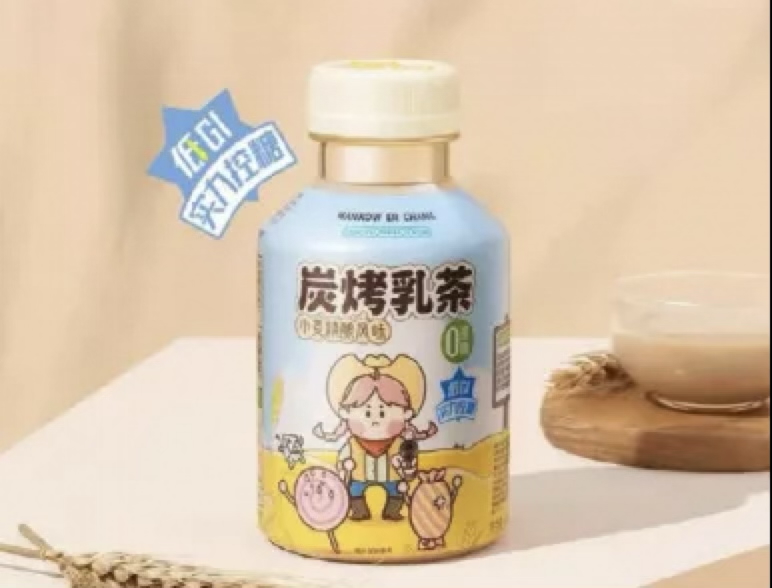
Milk tea by Hankou Erchang contains phytolin

Phytolin@

Phytolin® has emerged as an innovative raw material in the weight management sector, serving as a sugar substitute and effective sugar control agent.

Catechin

Catechin, a newly approved food raw material in 2023, finds applications in beverages and candies. When consumed in conjunction with gallocate (EGCG) as outlined in Announcement No. 17 of 2010, the recommended daily intake is limited to ≤300 mg (measured in total catechin content).

Catechin constitutes the primary polyphenol in tea, comprising 12% to 24% of the dry weight and 60% to 80% of the total polyphenol content. It is predominantly found in green tea, black tea, and oolong tea varieties.

The catechin family comprises four main types (C): epigallic catechic acid (EGCG), pyglytic catechin (EGC), capechic acid (ECG), and epicatechin (EC).

In Japan, catechin has gained recognition as a functional raw material for weight management, a concept that consumers highly value. This recognition may be attributed to the success of Huawang, a company that introduced Healthia green tea in 2003. Since then, Huawang has sold an impressive 3.1 billion bottles of Healthia green tea over a 21-year period, as of the end of 2024.

Tea polyphenols, also known as polyphenols, are polyphenolic compounds primarily extracted from tea leaves as food ingredients. As a food additive antioxidant, they are permitted in over 60 sub-food categories in GB 2760, including oils and fats, jams, nuts, pastries, meat products, aquatic products, canned foods, seasonings, beverages, and puffed foods.

The permitted addition range is between 0.1g/kg and 0.8g/kg, with varying allowable amounts for different product categories. The quality standard adheres to the national standard “GB 1886.211-2016 Food Safety National Standard Food Additives Tea Polyphenols”.

These polyphenolic ingredients can be utilised in both domestic and international food applications. However, foreign dietary supplements often employ a wider range and more diverse types of polyphenol food ingredients.

Apple polyphenols

Apple polyphenols are primarily derived from apple peels, particularly immature green apples, which are rich in polyphenols. The polyphenol content in immature fruits is approximately 10 times higher than that of ripe fruits. Apple polyphenols encompass a diverse range of phenols, including chlorogenic acid, catechin, epicatechin, apple condensed tannin, root peel, root skin, and anthocyanin.

BGG

BGG is a reputable supplier of apple polyphenol food ingredients. They possess the process of extracting apple polyphenols from immature green apples and have obtained intellectual property protection in China and the United States. Furthermore, BGG has conducted clinical trials investigating the role of apple polyphenols in weight management and has received strong scientific research endorsement. Notably, BGG’s apple polyphenols are marketed in the Korean market, where their jelly bars and oral solutions have gained popularity among consumers.

As a byproduct of the wine and juice industry, grape seeds contain a high polyphenol content, ranging from 60 to 70%. The primary polyphenols include catechins, epicatechins, proanthocyanins, and proanthocyanidins (OPC), which are the core active ingredients. Grape seed polyphenols have garnered significant market recognition and have long been the cornerstone of the oral beauty market. Notably, the 2024 Swisse grape seed niacinamide tablets available on Taobao Online stand out in comparison to similar products.

Lychee polyphenols

In addition to the aforementioned polyphenols, another polyphenol is extracted from lychees. Lychee polyphenols are a specific type of polyphenolic substance derived from lychees. Different parts of lychees, such as the flesh, kernels, and shells, contain a diverse range of polyphenols. The polyphenols found in lychee fruit primarily consist of protocatechic acid, catechins, chlorogenic acid, caffeic acid, epicatechins, butylic acid, p-coumic acid, rutin, valeric acid, and others.

Numerous products utilise this raw material. For instance, lychee polyphenol vegetarian capsules are designed to provide a dual effect of “fatigue reduction and weight management.” Low molecular weight polyphenols were obtained through low-temperature extraction, resulting in a threefold increase in absorption rate. Trial testing has been conducted to validate the efficacy of this process.

Polyphenol compounds

Concurrently, the application of single polyphenol ingredients has also emerged as an optimistic direction for certain enterprises.

For example, a dietary supplement launched by one such enterprise incorporates pomegranate extract, keratin, turmeric, bitter orange (fruit), green tea (leaf extract), grape extract (skin and seeds), organic blueberry fruit extract, apple extract, wild cherry berry extract (berry), olive extract (fruit), acai berry (fruit), Noli (fruit), alfalfa (whole plant), hawthorn berry powder, and celery extract (seeds).

The product comprises over 10 components, including pomegranate, turmeric, and blueberry, that are rich in plant polyphenols. These polyphenols are amplified through synergy, emphasising plant-based and natural ingredients.

In light of the approval of stevia polyphenols, more polyphenols are anticipated to be considered for inclusion in the list of new food ingredients in the future. Polyphenols, due to their high purity and antioxidant properties, are expected to gain popularity as a raw material in the food and health food industries. They will play a significant role in dietary supplements, beverages, snacks, dairy products, and other sectors.

Peter Peverelli has been actively involved in and with China since 1975 and frequently travels to the most remote regions of that vast nation. He is a co-author of a significant book that delves into the cultural factors driving China’s economic success. Peter has been involved in the Chinese food and beverage industries since 1985.

Future Prospects for Sports Nutrition in China by 2028

Another innovation on this site: a direct translation of an interesting article in the Chinese food industry press. This time: an interview with Bai Houzeng, Director of the Sports and Nutritional Food Branch of the Chinese Society of Food Science and Technology

Introduction

After more than 20 years of accumulation and development, China’s sports and nutritional food industry has sunk from the “pyramid” professional competitive market to the mass fitness market, and the products have also developed from the original protein powder to today’s diversified products such as protein bars, creatine powder, electrolyte drinks and energy glue. According to the In-depth Market Analysis and Development Trend Forecast Report of China’s Sports Nutritional Food Industry from 2024 to 2030, it is expected that by 2027, the number of people who regular visit sport schools in China will rise to 460 million, and the demand for sports nutrition food will be further increased. How to continue to innovate in the fierce competition, cultivate new productivity, and constantly meet the increasingly diversified consumer demand has become a new issue facing the development of the sports nutrition food industry. At the beginning of the New Year, the reporter interviewed Bai Houzeng, director of the Sports Nutrition Food Branch of the Chinese Society of Food Science and Technology. From the comment of this practitioner who has worked hard in the field of sports nutrition food for more than 20 years, the development vein of the sports nutrition food industry can be clearly seen. In the development of the industry, scientific and technological innovation has always accompanied him and escorted the industry.

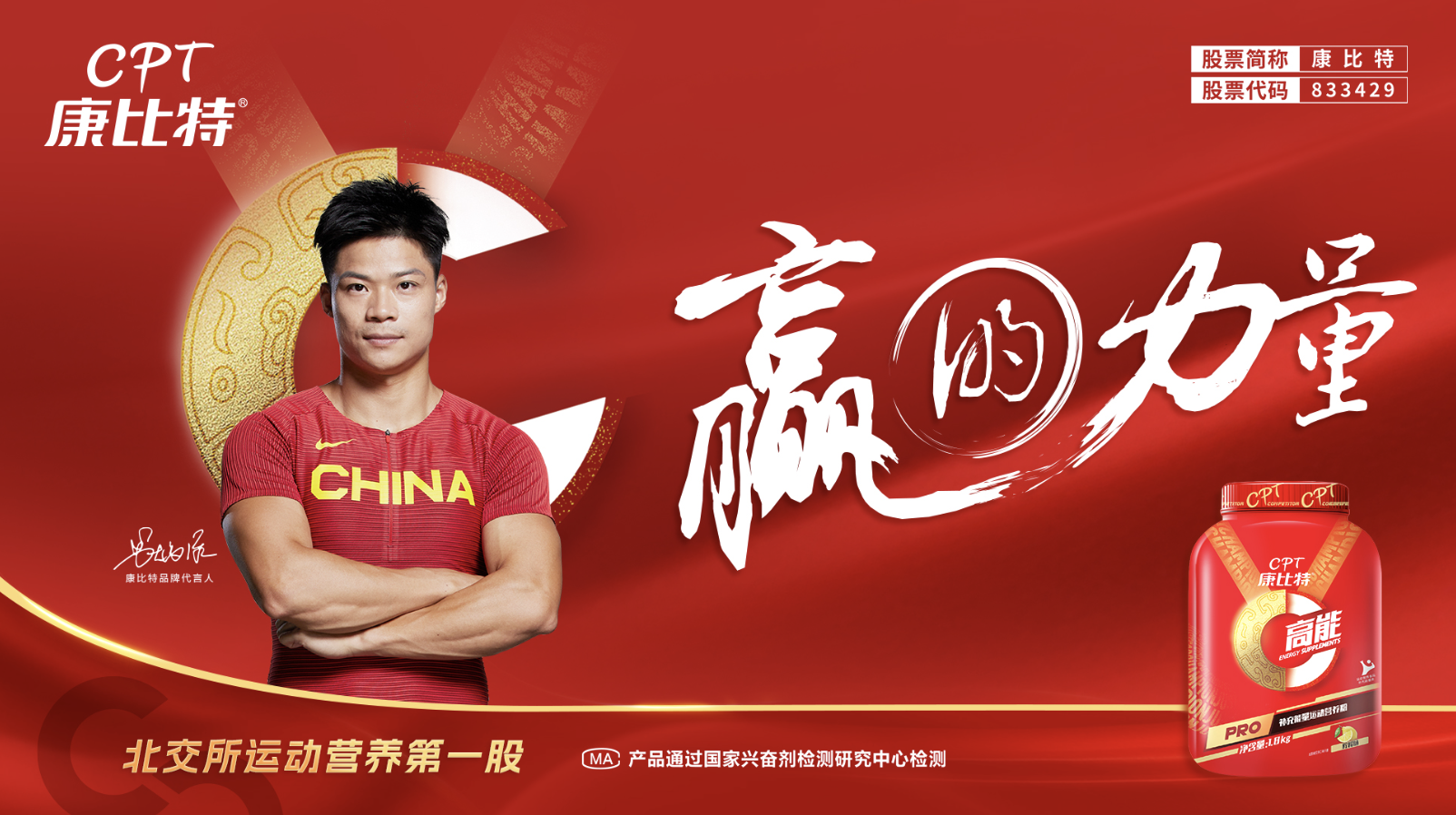
Kangbite ad

Q: What stages of development have China’s sports and nutritional food industry gone through?

Bai Houzeng: China’s sports nutrition food industry has gone through the initial stage, growth stage and rapid development stage, and is currently in the stage of rapid development.

The initial stage of the sports nutrition food industry began in the late 1980s. With the vigourous development of the Olympic economy and national fitness, the sports nutrition food industry began to enter China. In the early development of China’s sports and nutritional food industry, it was mainly concentrated in the professional athletes group, with a single product type and a relatively small market scale. In 2001, Kangbite, China’s first professional sports nutrition food enterprise integrating research and development, production and sales, was established, taking the lead in introducing the scientific concept of sports nutrition into the field of competitive sports.

At the beginning of the 21st century, with the increase in public health awareness and the growth of the sports population, sports nutrition began to expand to a wider range of fitness enthusiasts and the mass market. Through the joint efforts of the science and technology community and the industry community, the construction of sports nutrition food standards was launched in 2004. In 2015, the National Standard for Food Safety General Rules for Sports Nutritional Food was released. In 2017, Compit became the first enterprise in China to obtain a license for the production of sports nutrition food and produce its own brand products. In 2019, sports nutritional food was included in the China Sports Industry Catalogue. Since then, China’s sports nutritional food industry has entered the stage of standardised development. The types and quantities of sports nutritional food have grown rapidly, and the market scale has been expanding.

In recent years, thanks to the support of national policies and the promotion of the “Healthy China” strategy, China’s sports and nutritional food market has entered a stage of rapid development. Domestic and foreign brands have entered the market one after another. The demand for subdivisions is increasingly vigourous, and the market scale continues to expand.

Q: Can you talk about the current situation and problems of the development of China’s sports nutrition food industry?

Bai Hou Zeng: After more than 20 years of accumulation and precipitation, China’s sports nutrition food industry has formed a relatively complete industrial chain, with a rich variety of products in the market and huge market potential.

At present, China’s sports and nutritional food market is growing rapidly, and the development of categories is showing a global trend. The top three categories in China’s sports nutrition food market are protein powder, sports drinks and energy bars. This is different from foreign markets. For example, the top three categories in the U.S. sports nutrition food market are sports drinks, protein powders, energy bars and gels (gel).

According to relevant data, from 2017 to 2023, the market size of energy bars and protein bars in China increased from RMB 1.31 billion to RMB 2.45 billion, and it is expected to reach RMB 4.513 billion in 2028. Relevant data predicts that from 2022 to 2028, among the world’s 18 major sports and nutritional food markets, China’s market scale is predicted to rank sixth in the world, with an average compound annual growth rate of up to 40%, which is far higher than the average growth rate of the global sports and nutritional food industry.

Q: In recent years, the development of China’s sports nutrition food industry has pressed the “fast forward button”. What do you think are the main factors that promote industrial development?

Bai Hou Zeng: The rapid development of China’s sports and nutritional food industry is mainly due to the support of policies, the increasing demand for mass consumption and the continuous improvement of standards.

In terms of policy support, in recent years, “Several Opinions on Promoting the Development of the Health Service Industry”, “Healthy China 2030” Planning Outline” and “Guiding Opinions on Promoting the Healthy Development of the Food Industry” have been issued successively. In July 2021, the State Council issued the National Fitness Plan (2021-2025), which promoted the high-quality development of the sports nutrition food industry at the national level. In 2022, the “Opinions on Building a Higher-level National Fitness Public Service System” issued by the General Office of the Central Committee of the Communist Party of China and the General Office of the State Council pointed out that by 2025, a higher-level national fitness public service system will be basically established, and the per capita stadium area will reach 2.6 square metres, and you will often participate in sports The proportion of people exercising reached 38.5%. By 2035, a universal fitness public service system suitable for modern socialist countries will be fully established, and the proportion of people who regularly participate in physical exercise will reach more than 45%. Sports, fitness and sports and leisure will become a common way of life, and people’s physical literacy and health level will be at the forefront of the world.

At the same time, the increasing demand of the masses is also an important factor in the rapid development of the sports and nutritional food industry. With the help of policies, attention from all walks of life to the sports industry continues to increase, and the enthusiasm of the people to participate in sports continues to rise. Data shows that the proportion of people who regularly participate in physical exercise in China has reached 37.2%. By the end of 2023, China’s per capita stadium area had reached 2.89 square metres, which had exceeded the standard of 2.6 square metres per capita planned by the 14th Five-Year Plan. As more and more people participate in various sports and fitness activities, the demand for effective sports nutritional food solutions is also increasing.

In addition, the continuous improvement of standards has also promoted the development of the sports and nutritional food industry. The General Provisions of the National Standard for Food Safety and Sports Nutritional Food clearly states that China defines sports nutritional food as the physiological and metabolic status, exercise ability and the requirements of the sports population (referring to the people who participate in physical exercise 3 or more times a week, the duration of 30 minutes or more each time, and the intensity of each exercise reaches medium or above) Food specially processed for the special needs of certain nutrients. In addition, the “Quality Management Standard for Food Production Enterprises Part 1: Sports Nutritional Food” was implemented in 2022. This is the first local standard for quality management standards classified by food category names issued by Beijing, and it is also the first quality management standard formulated for sports and nutritional food production enterprises in China. It plays an important guiding role in standardising the production behaviour of sports nutritional food production enterprises in Beijing, improving the quality management ability and integrity awareness of enterprises, improving the quality and safety level of sports nutritional food, and promoting the high-quality development of the industry.

Q: What do you think is the core of the development of China’s sports nutrition food industry?

Bai Houzeng: In the development of China’s sports and nutritional food industry, the core of scientific and technological innovation has always been indispensable. It can be said that scientific and technological innovation is the “life gate” of the sports and nutritional food industry.

The consumer group of sports nutritional food extends from professional athletes to the mass fitness group, but the products are not simple “copying”, and innovation is more difficult. Because the needs of the mass fitness group are different from those of professional athletes, when enterprises carry out product research and development and innovation, they should start from the market demand and comprehensively consider the taste, nutritional distribution ratio, cost and application scenarios. Especially for different sports scenarios, the products are very different. For example, although marathon runners and cross-country runners are all running, the products designed and developed are quite different. What is particularly impressive is the process of successful research and development of energy glue by domestic enterprises. From contact concept, research and development innovation to product implementation, it has been polished for 1 year. The penetration rate of energy glue in marathons is as high as 86%.

With the help of policies, the escort of standards, the support of science and technology, the drive of innovation, and adhering to the original intention of “making people’s lives better”, China’s sports and nutritional food industry is making great strides into an era of great development.

Source: 2025-02-10 China Food News

Peter Peverelli has been actively involved in and with China since 1975 and frequently travels to the most remote regions of that vast nation. He is a co-author of a significant book that delves into the cultural factors driving China’s economic success. Peter has been involved in the Chinese food and beverage industries since 1985.